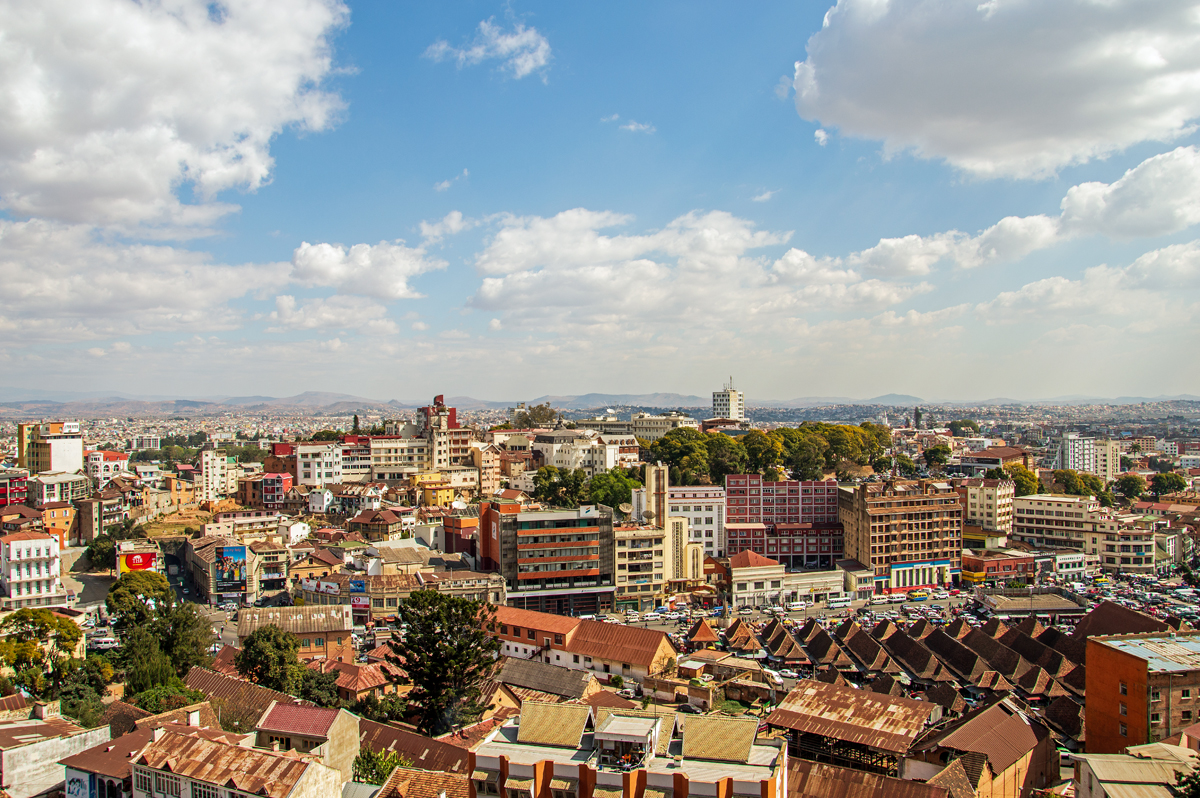
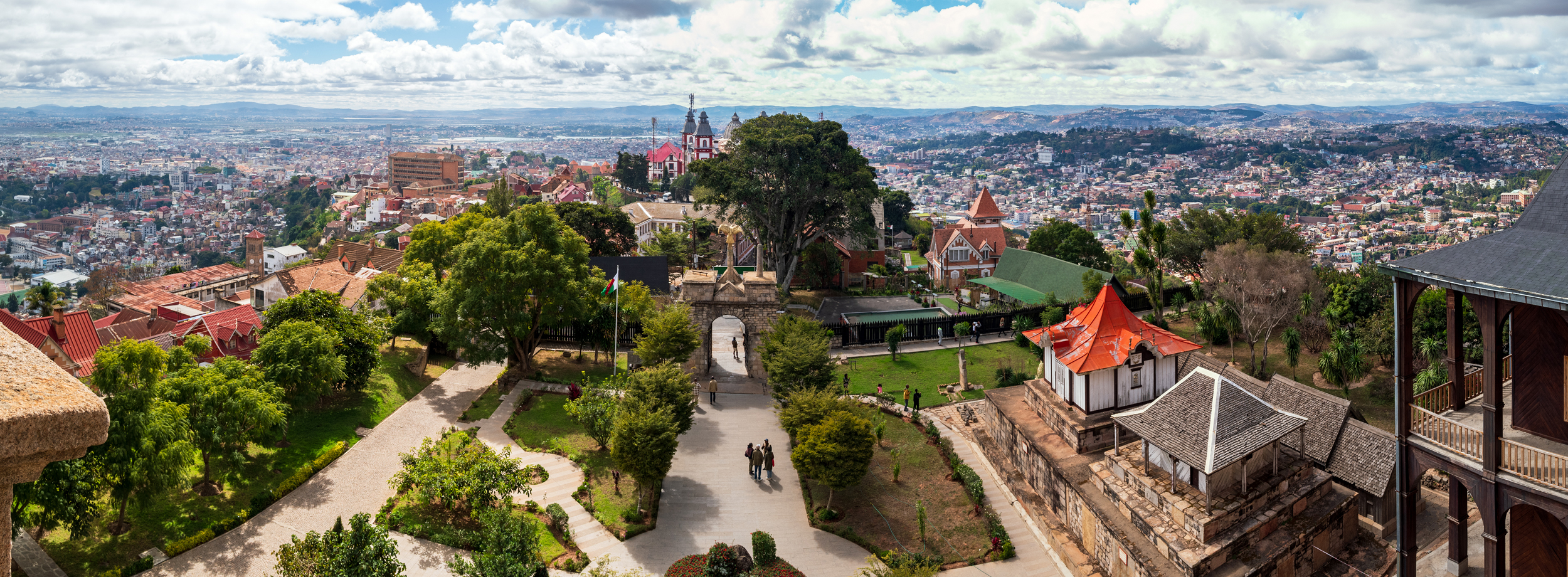
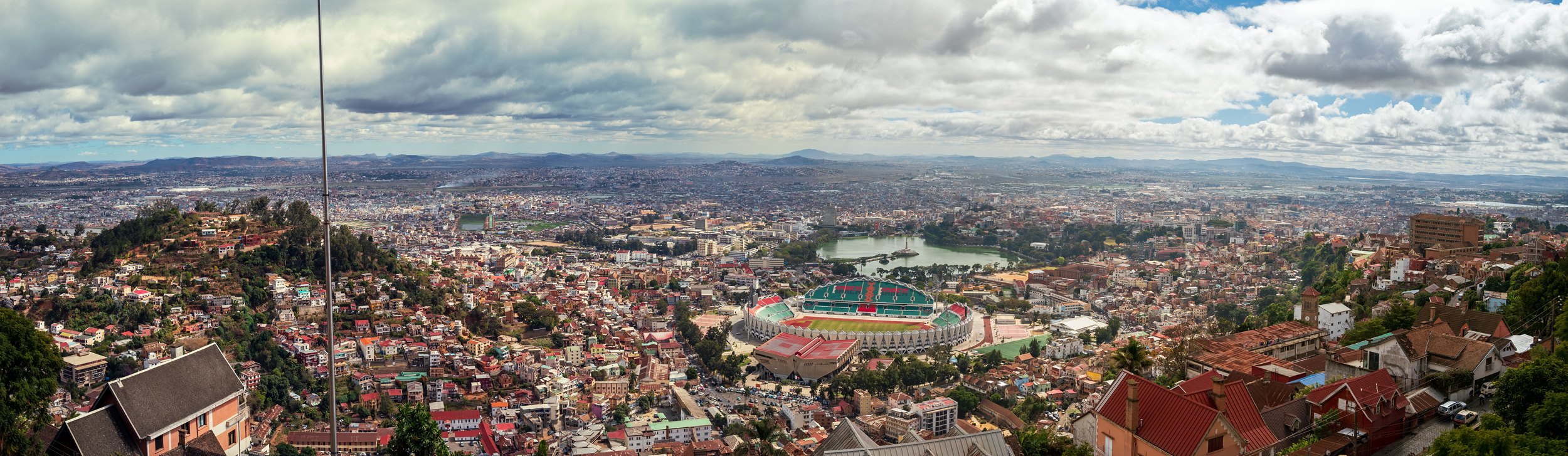
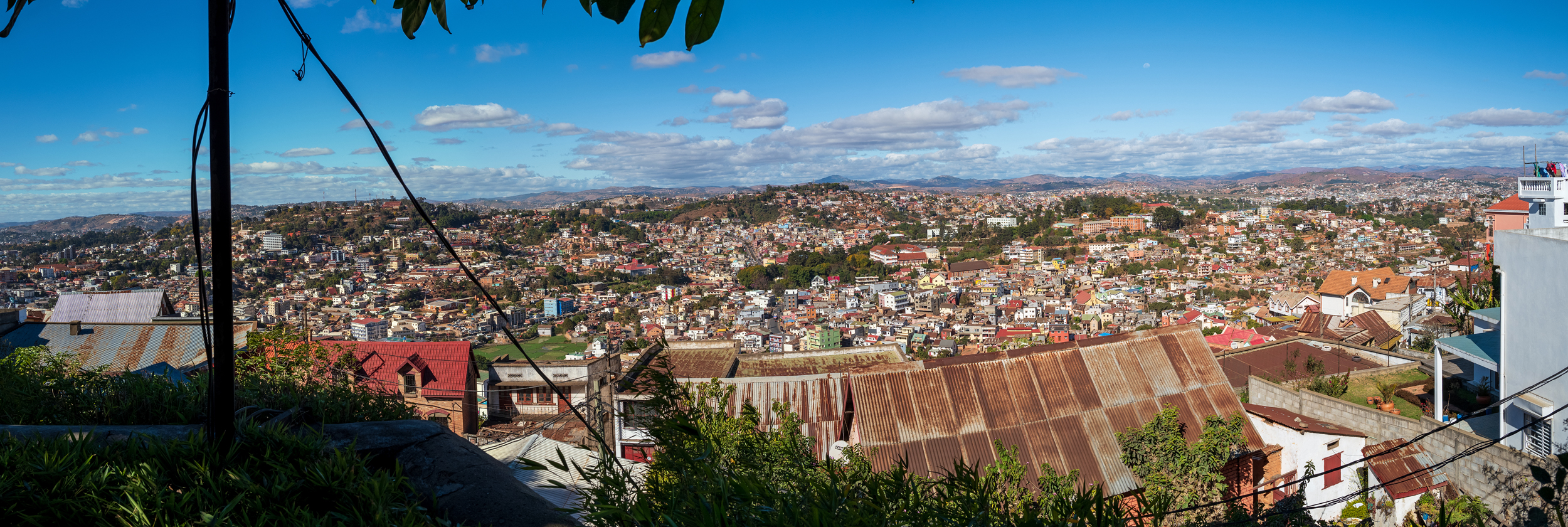
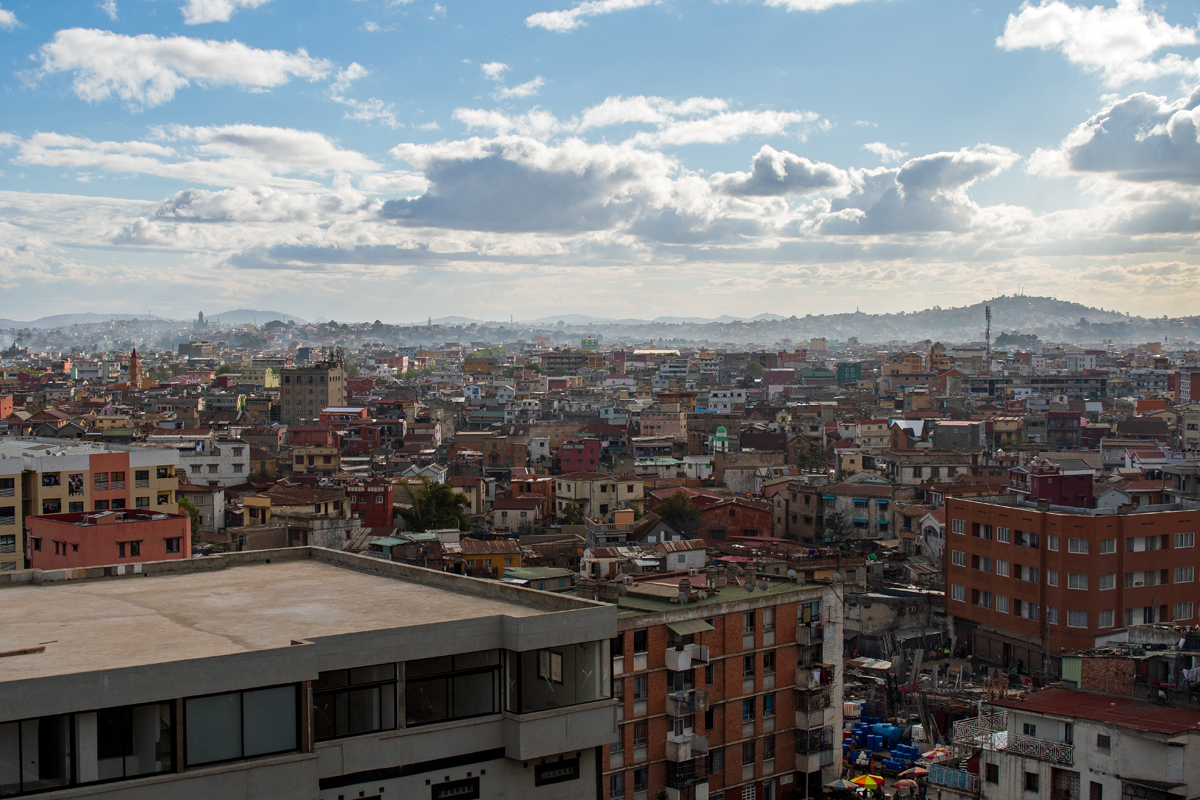
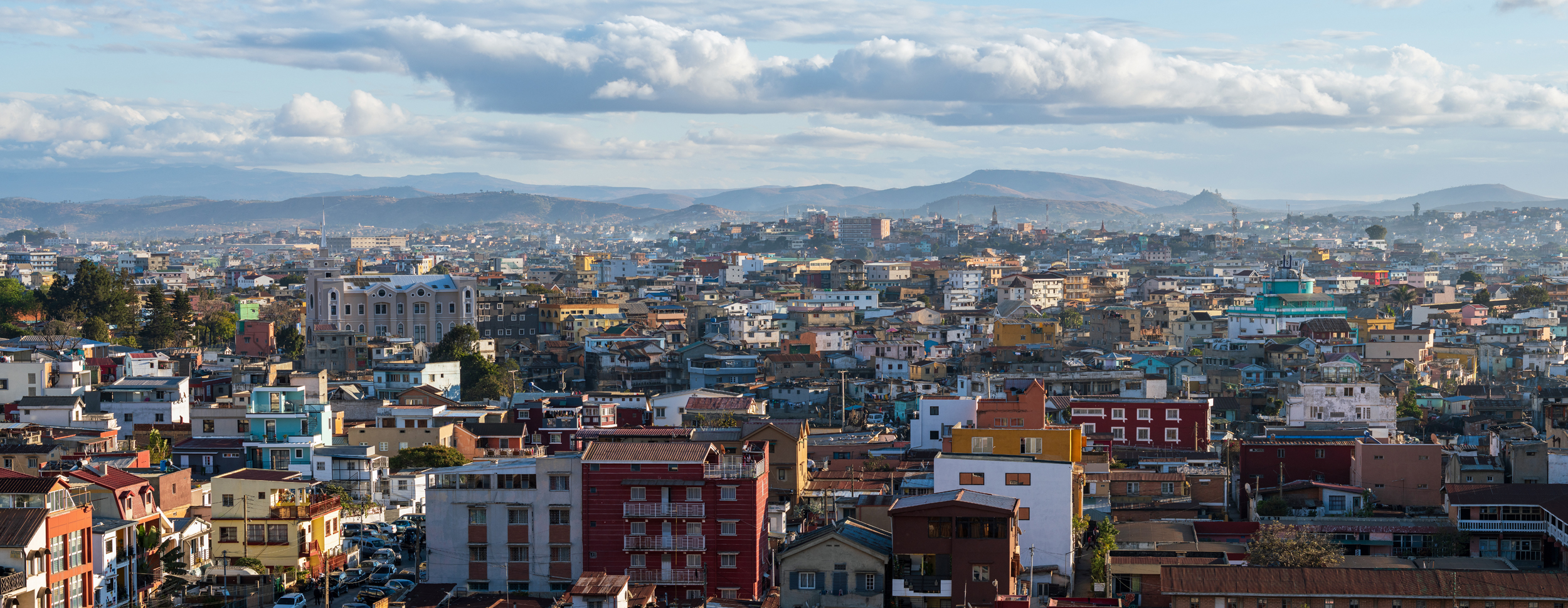
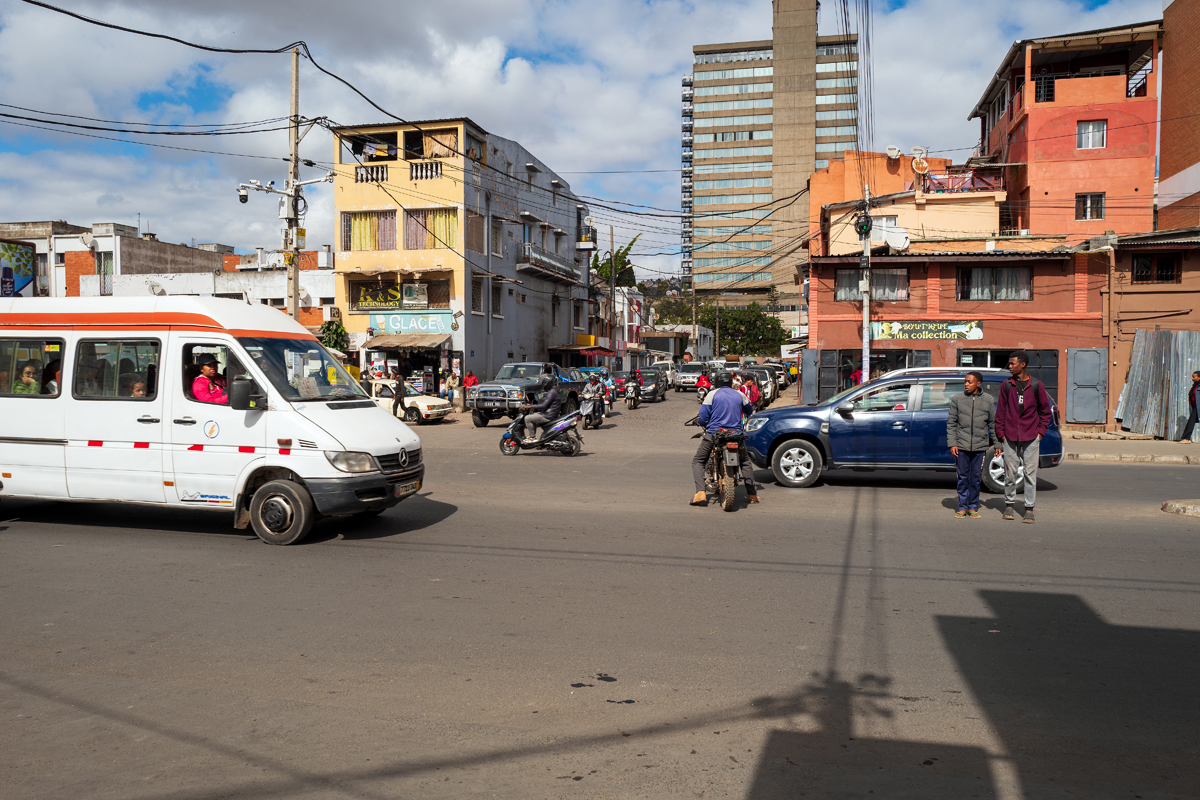
Antananarivo, Madagascar´s capital with two to three million citizens who just call it Tana, has been marked as the world´s third most polluted city just behind leading Baku/Azerbaijan and Dhaka/Bangladesh in a Forbes-ranking in 2008. But there must have been some improvements ever since then. When it comes to air pollution I´ve seen worse in Italian cities. Tana in southern winter has its charm because of the dry season and the rice-paddies being dry too or the remaining clay getting used for brickmaking or as meadows and wallows for zebu cattle. Nights are long and cold, sometimes close to zero, and then it´s clear air from time to time and Tana – “the city of thousand” – sparkles on its many hills in the hot sunlight of up to 1.400 m altitude.
Antananarivo, die Hauptstadt Madagaskars mit vermutlich inzwischen zwei bis drei Millionen Einwohnern, die sie liebevoll Tana nennen, wurde im Jahr 2008 die zweifelhafte Ehre zuteil, auf der Forbes-Liste der schmutzigsten Städte der Welt den Bronze-Platz hinter Spitzenreiter Baku/Aserbaidschan und Dhaka/Bangladesch zu belegen. Ein wenig scheint sich seitdem daran geändert zu haben. Smog zumindest habe ich in italienischen Städten schon von ganz anderem Kaliber erlebt! Tana im Südwinter hat seinen Charme. Es ist Trockenzeit, und auch viele Reisterrassen liegen trocken, andere werden zum Lehmabbau für die Ziegelherstellung genutzt oder als Weide und Suhle für die Zebu-Rinder. In den langen Nächten wird es kalt, die Temperaturen können sich der Null-Grad-Marke nähern, dann ist die Luft auch hin und wieder klar, und Tana, „die Stadt der Tausend“, glänzt auf ihren vielen Hügeln auf bis zu über 1.400 m Höhe im heißen Sonnenlicht.
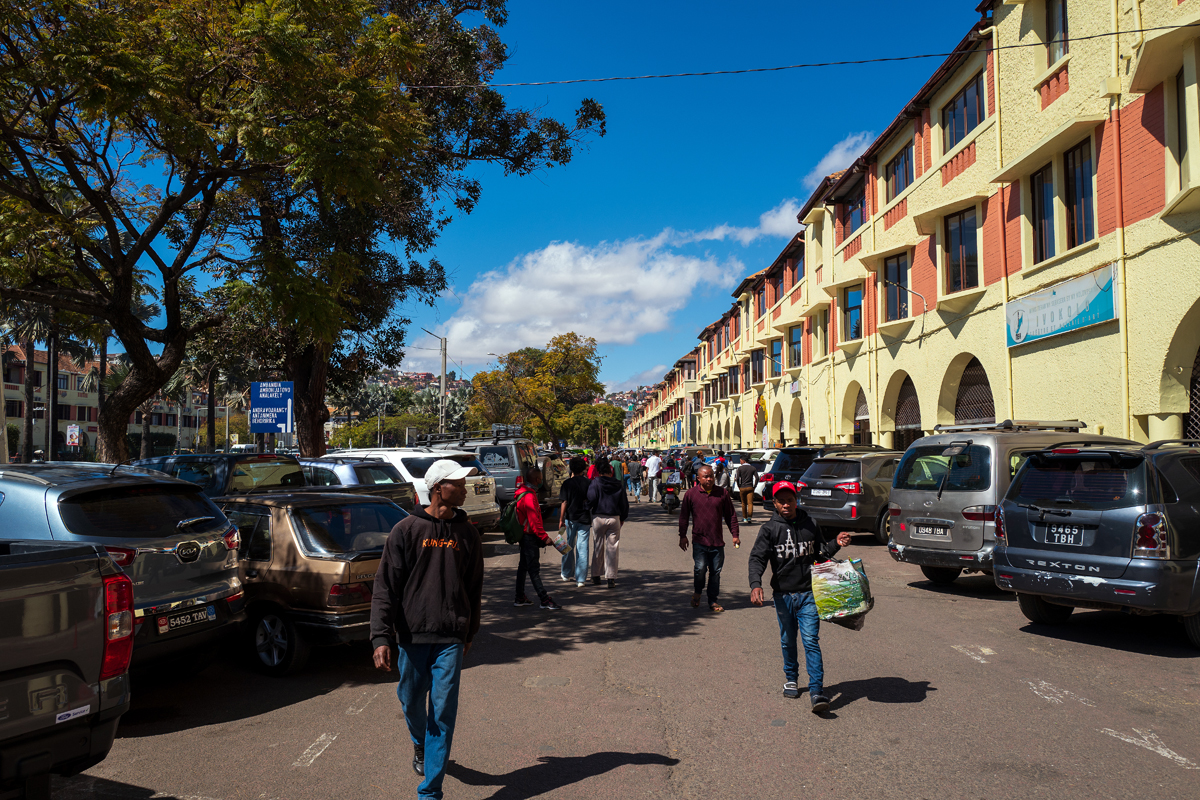
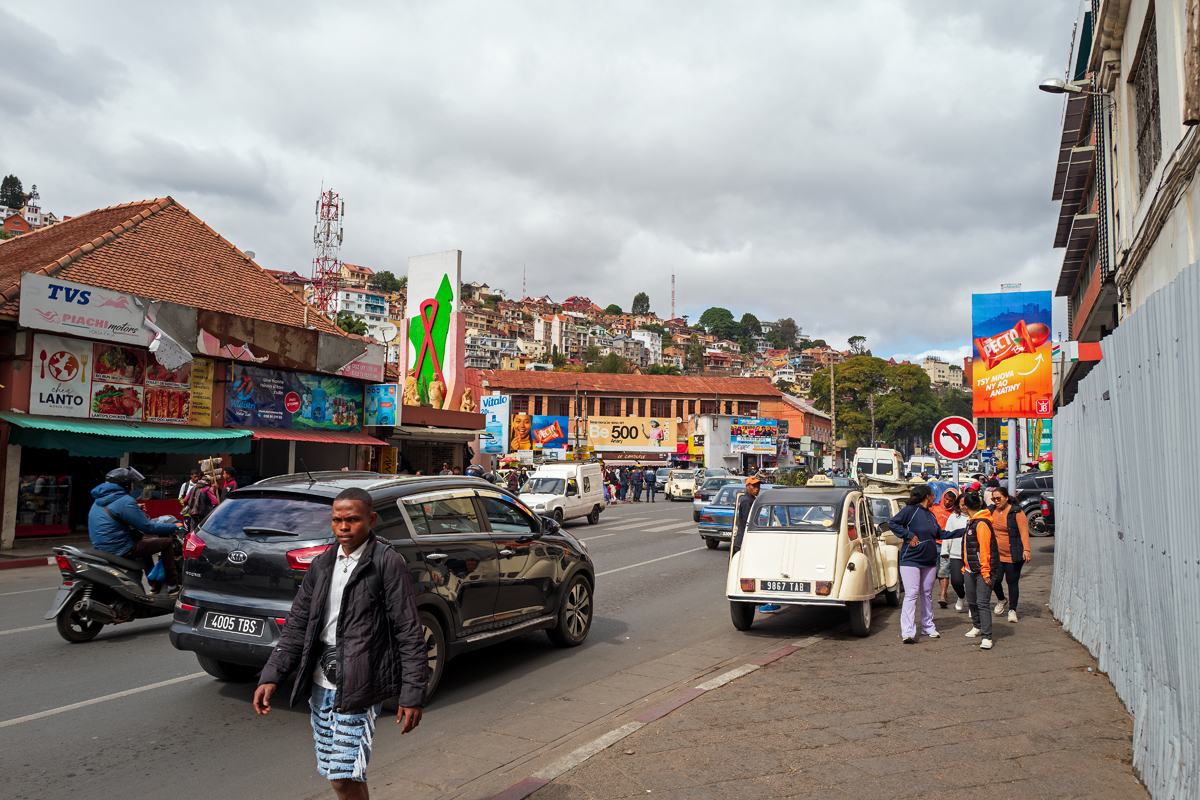


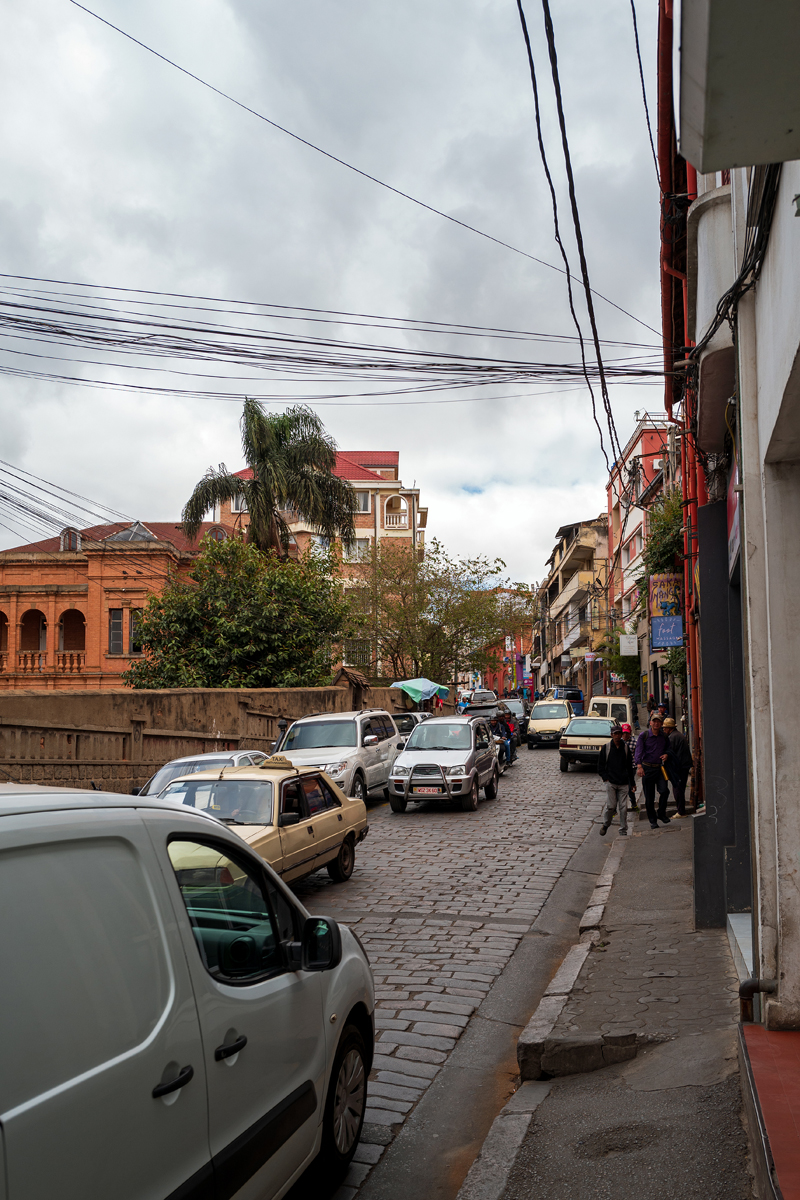
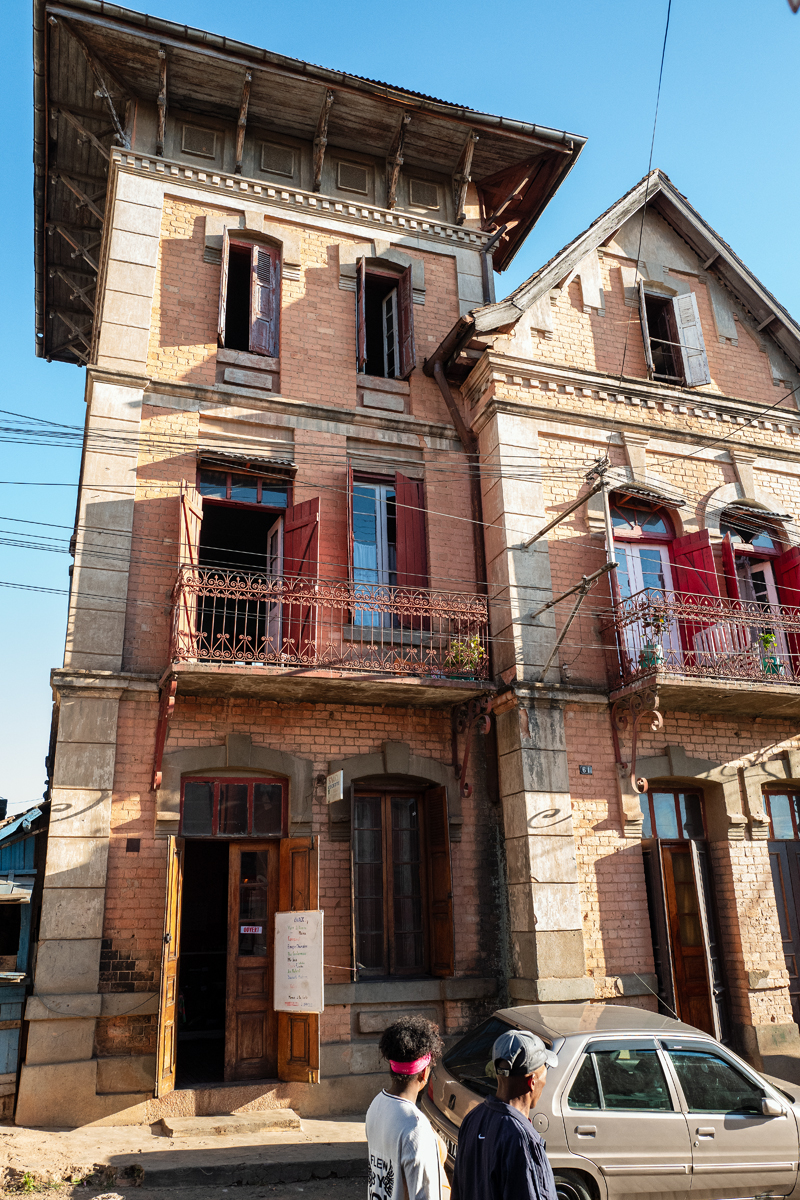
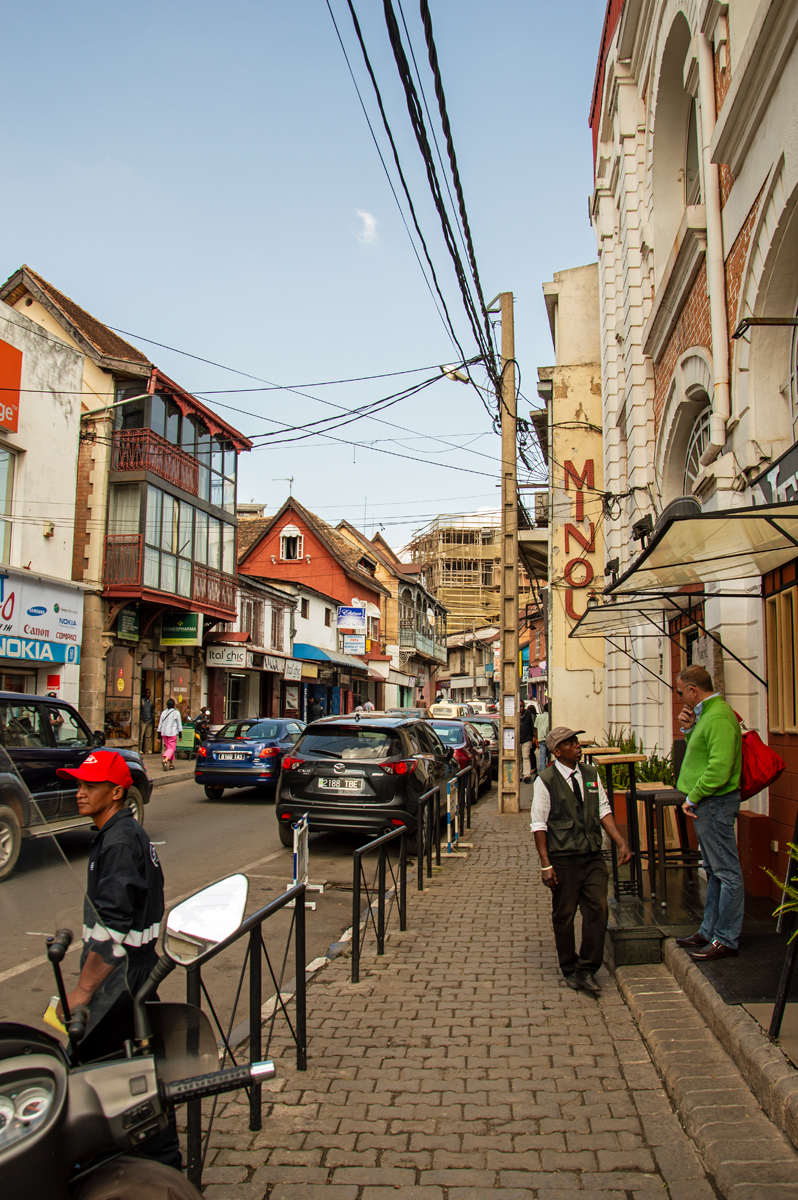
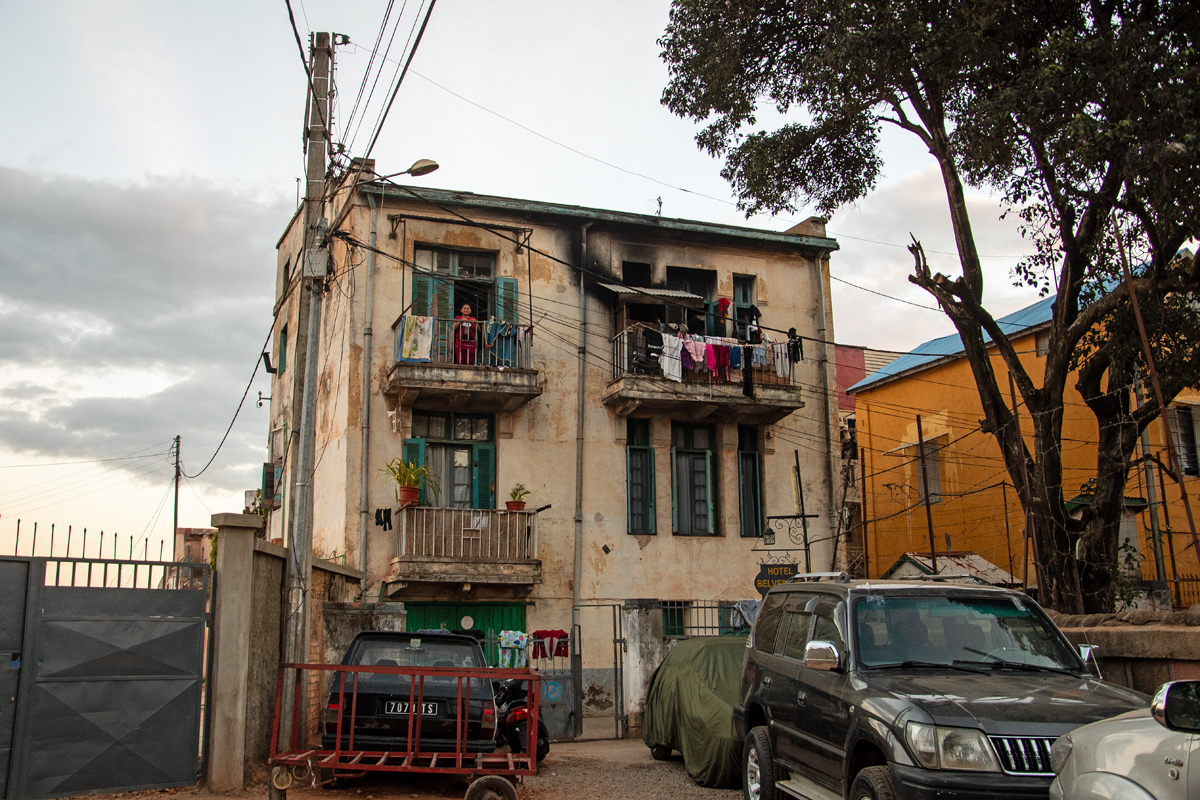
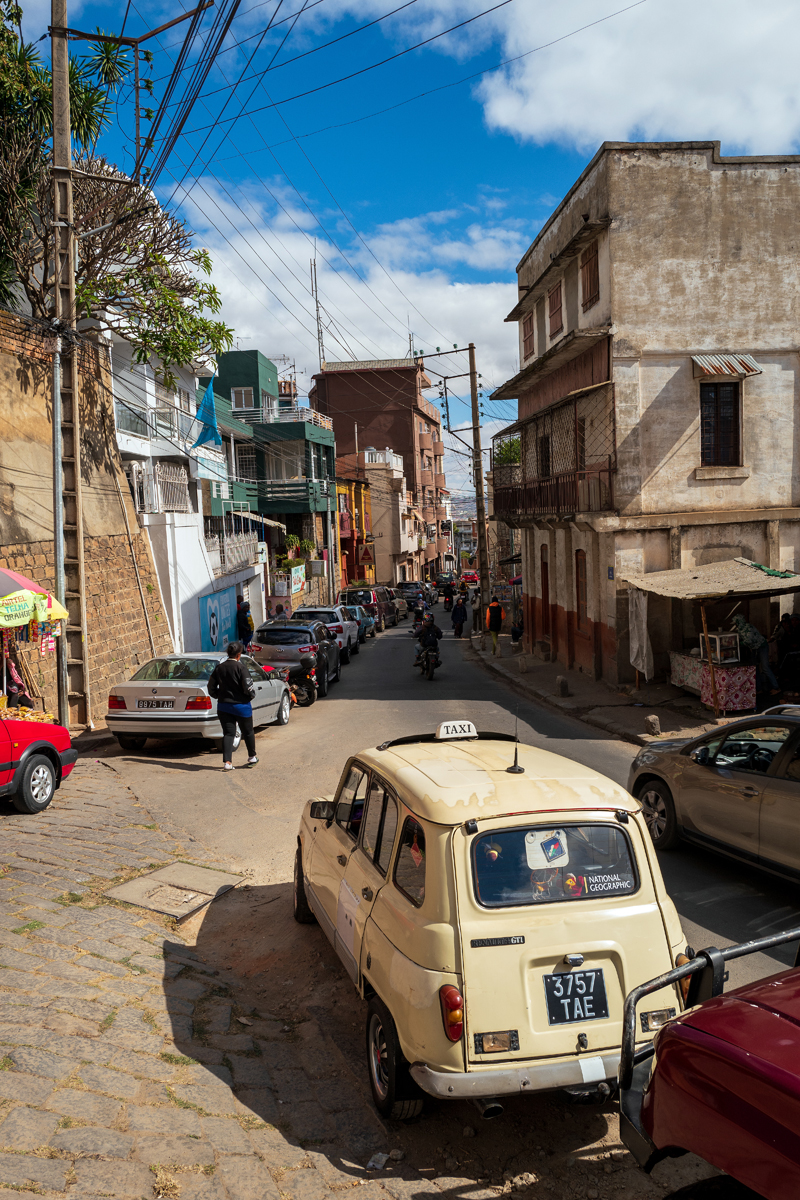
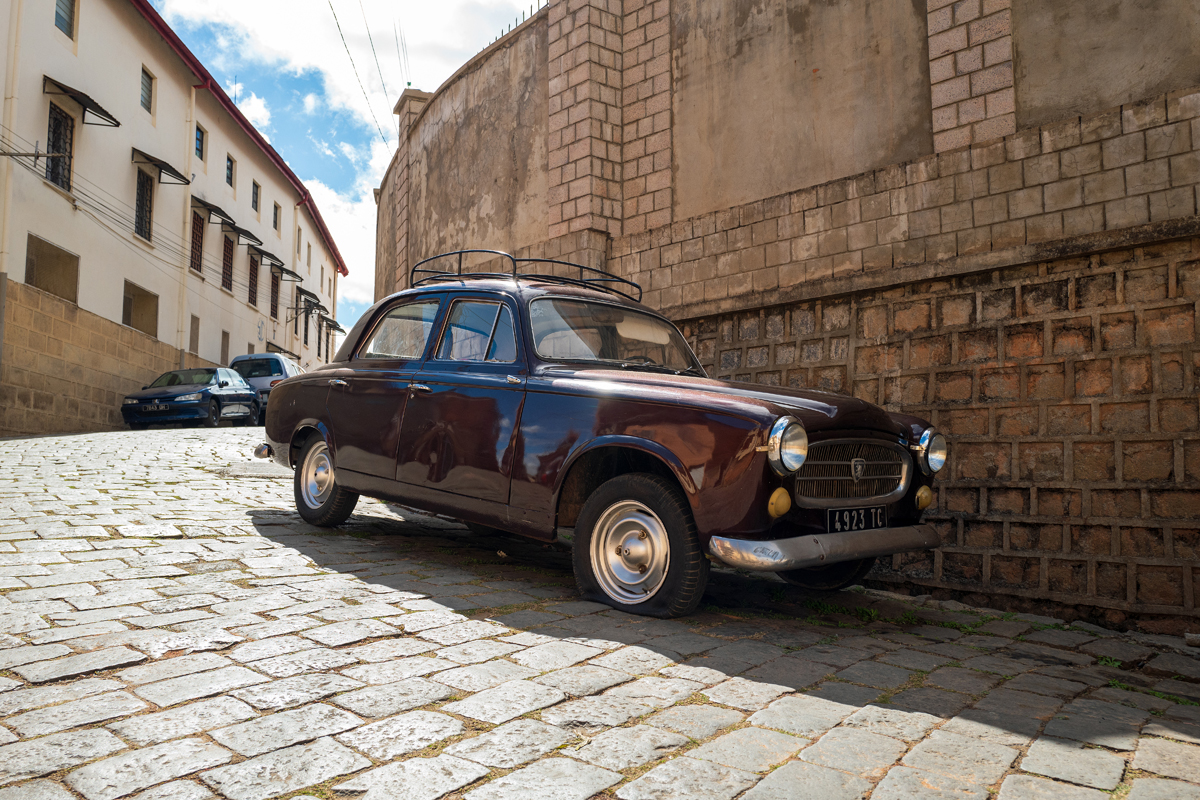
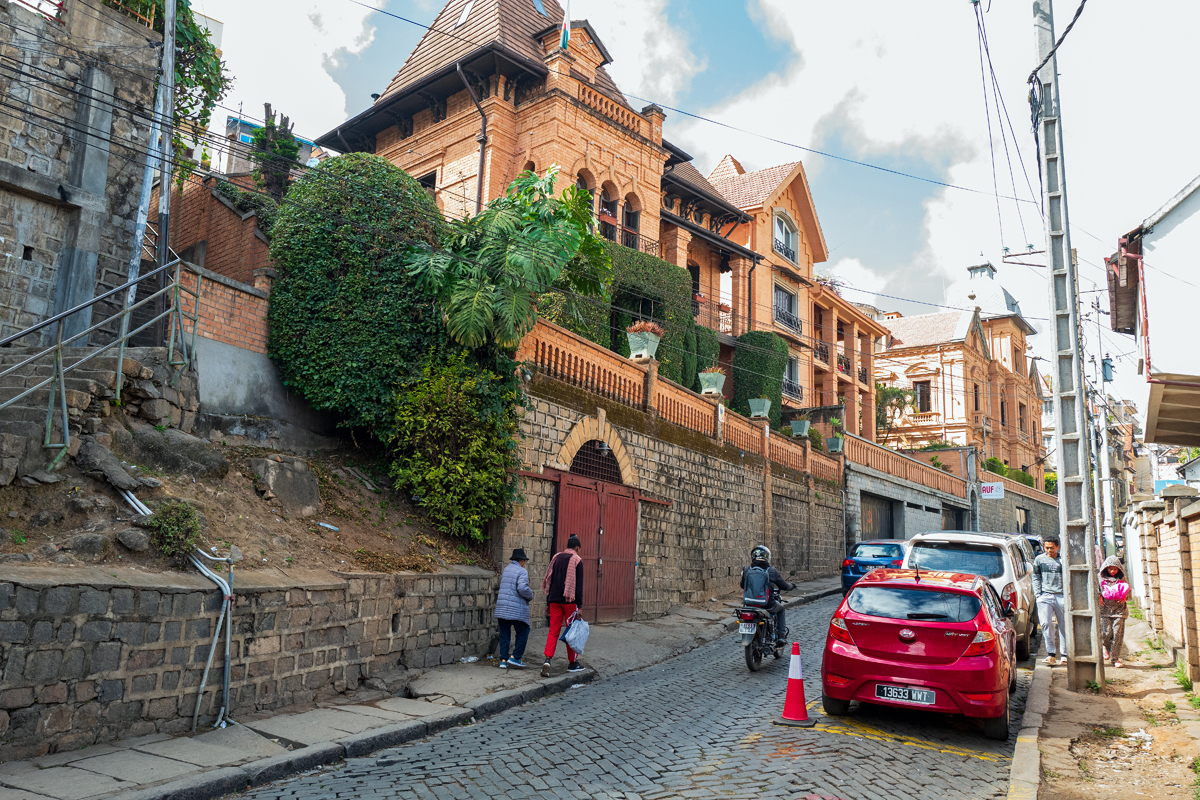
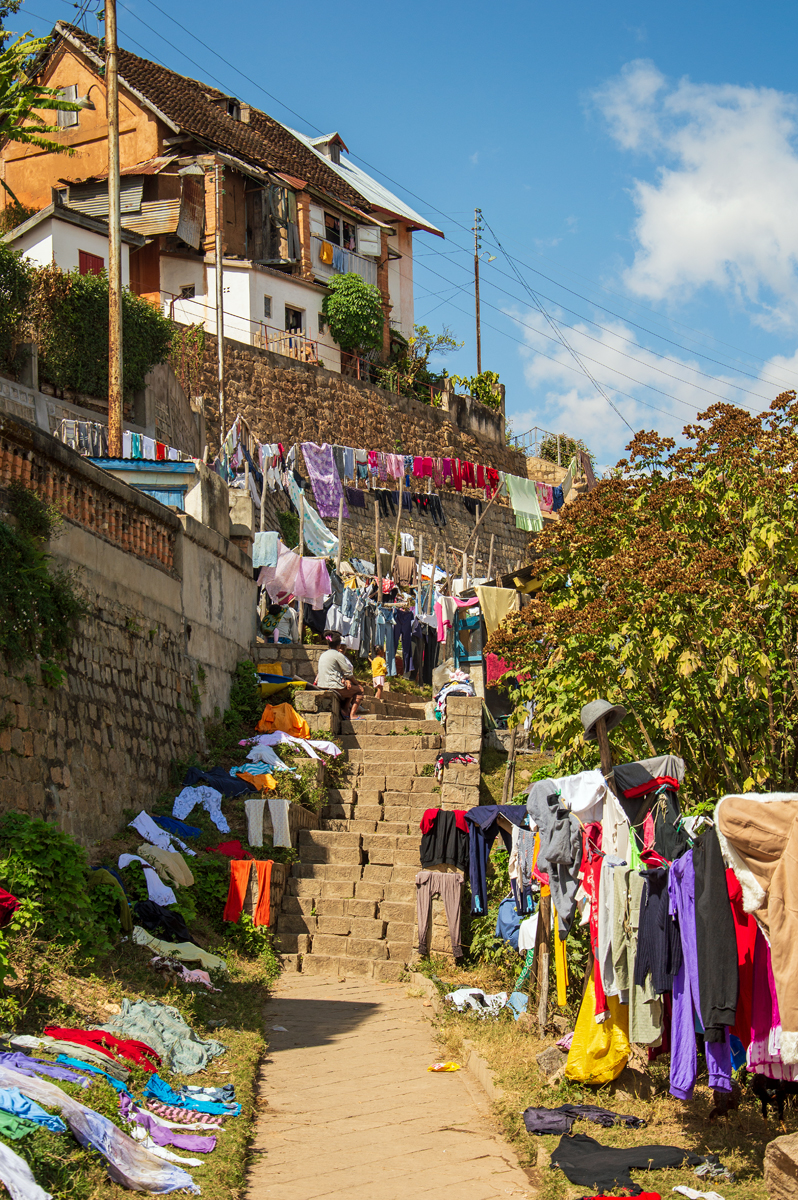
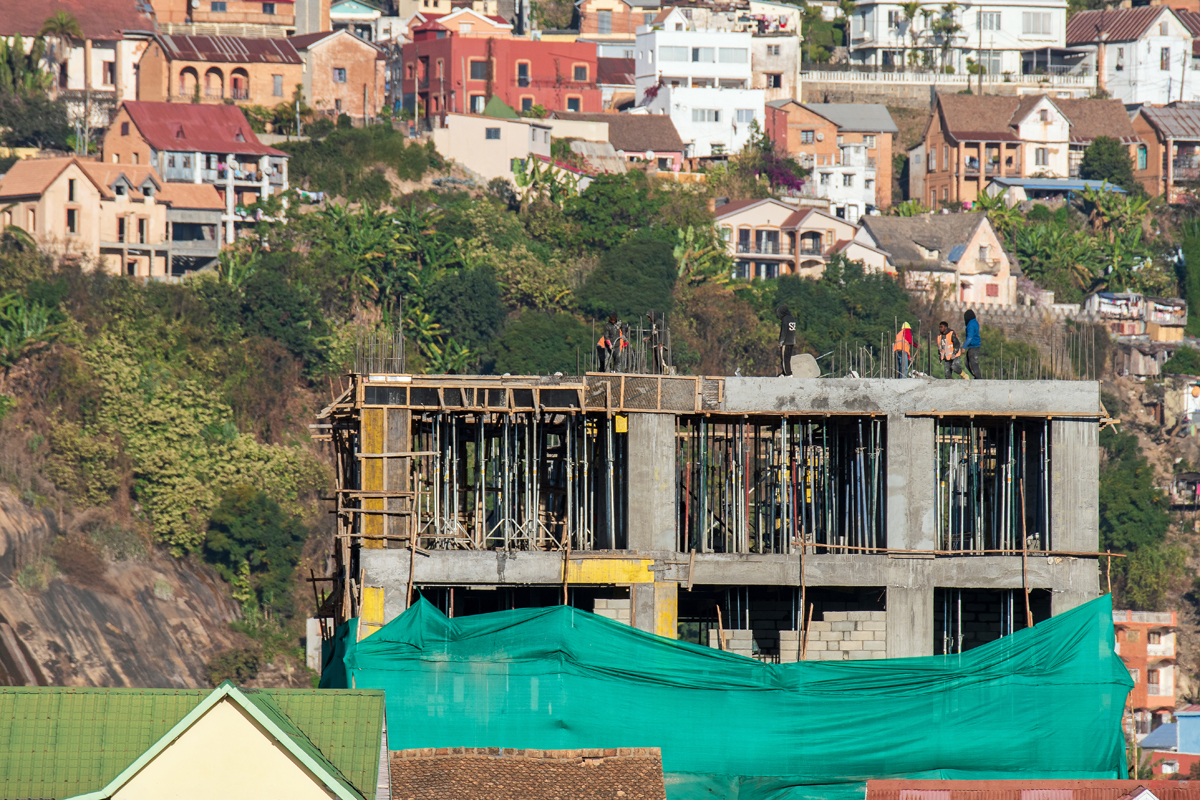
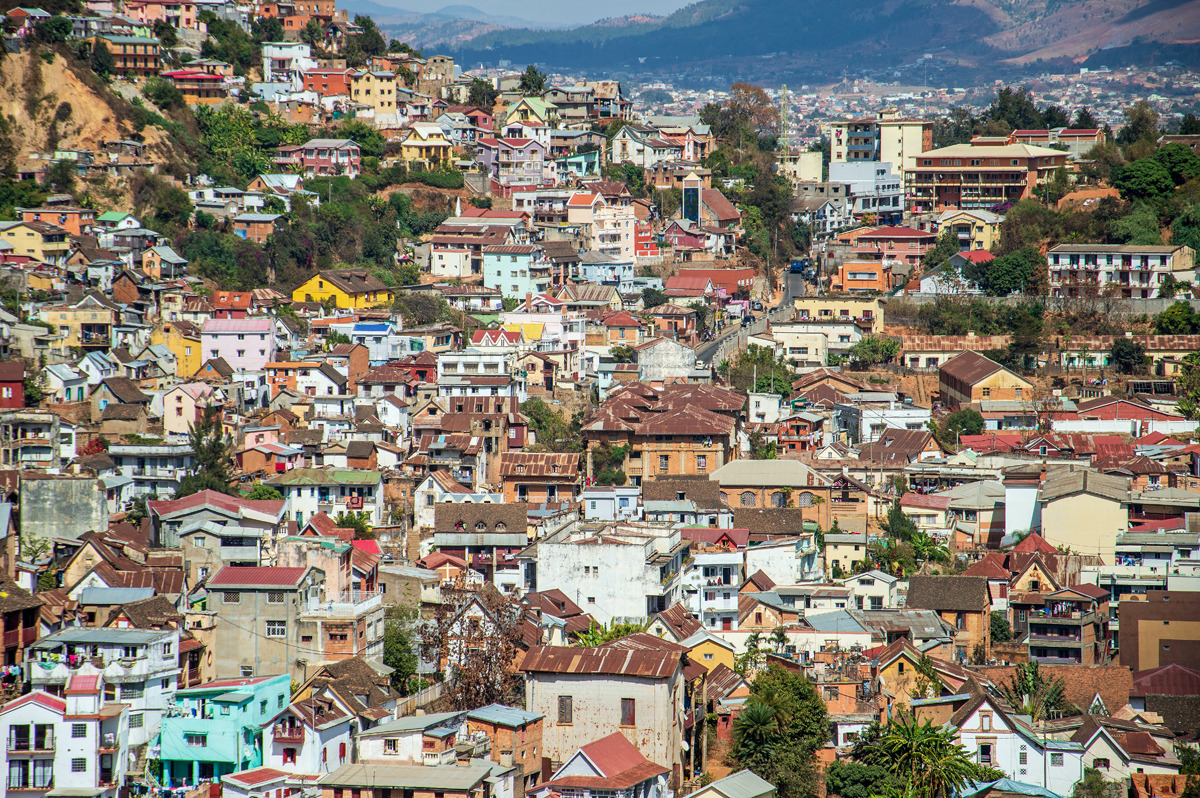
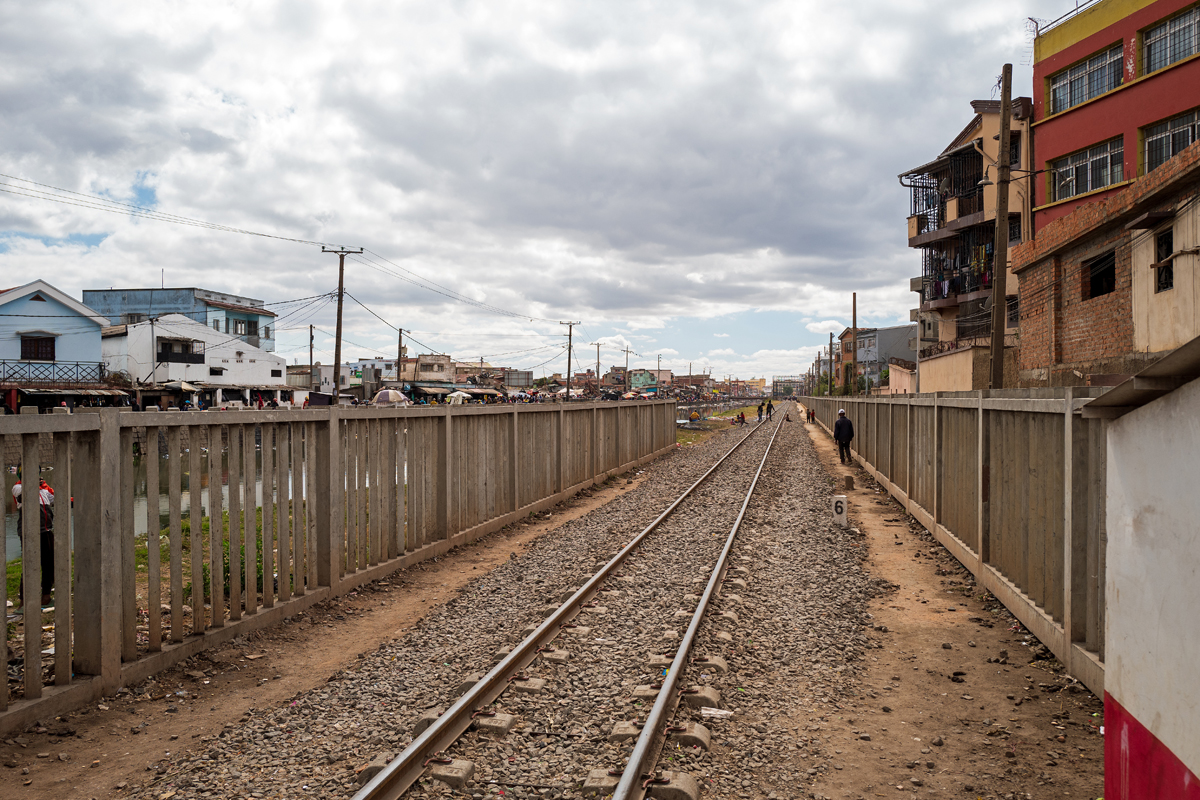
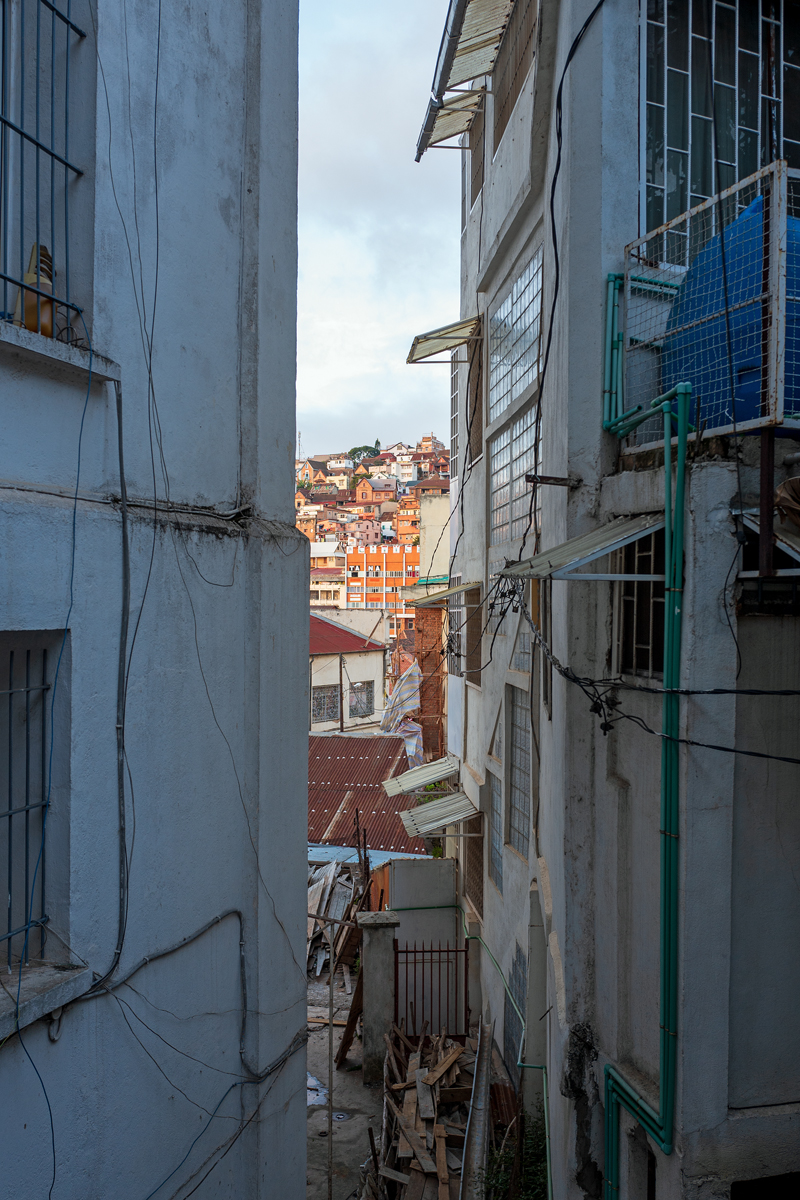
Old town stretches it´s alleys up the hills on both sides of central Avenue de l’Indépendence, which starts at the old train station that´s now out of order. The steep hills are covered in worn-down colonial influenced architecture. On the other side of the hills which seem to circle around Avenue de l’Indépendence and the sheds of Zoma, the traditional market every Friday, it´s getting more modern and poorer in the south.
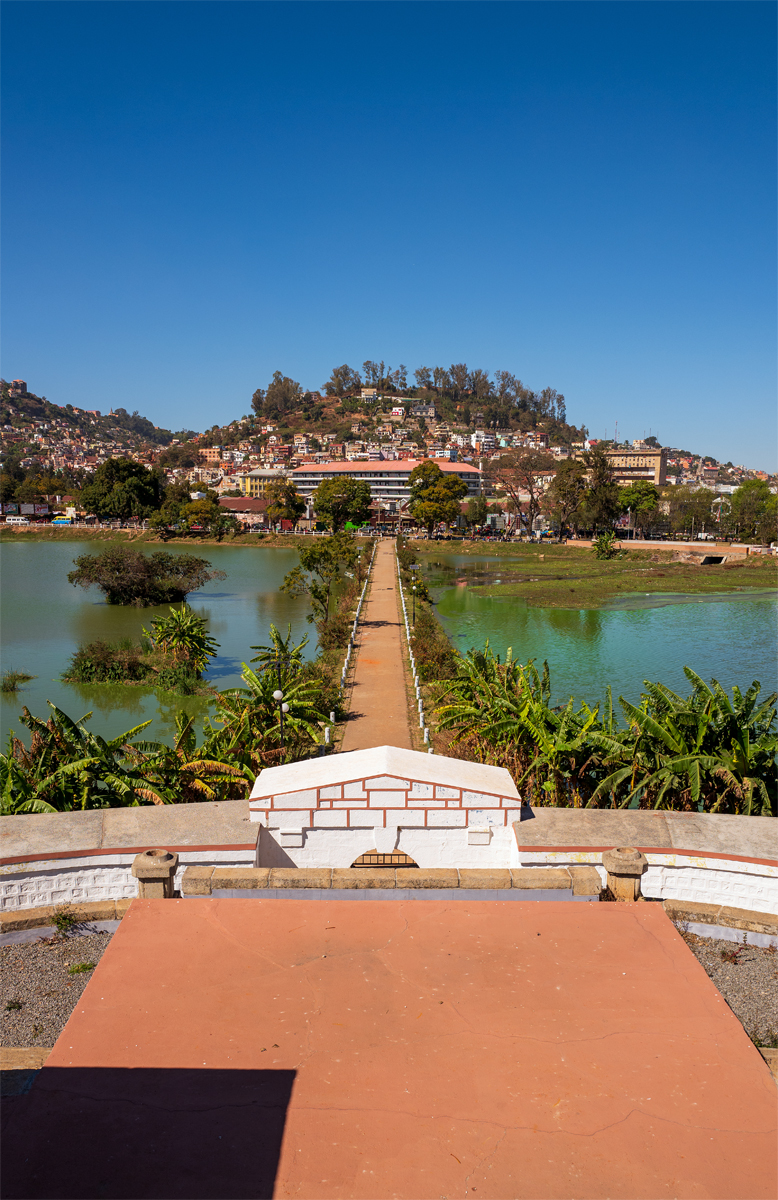
Die Altstadt beidseitig der zentralen Avenue de l’Indépendence, die am alten, inzwischen stillgelegten Bahnhof von Tana beginnt, bedeckt steile Hänge mit zum Teil charmanter Architektur, der die kolonialen Einflüsse deutlich anzusehen ist. Auf der anderen Seite der Hügelkette, in derem zentralen Kessel die Avenue de l’Indépendence und die Marktstände des ursprünglichen Freitagsmarkts „Zoma“ zu finden sind, wird es rund um den Lac Anosy moderner und weiter südlich ärmer.
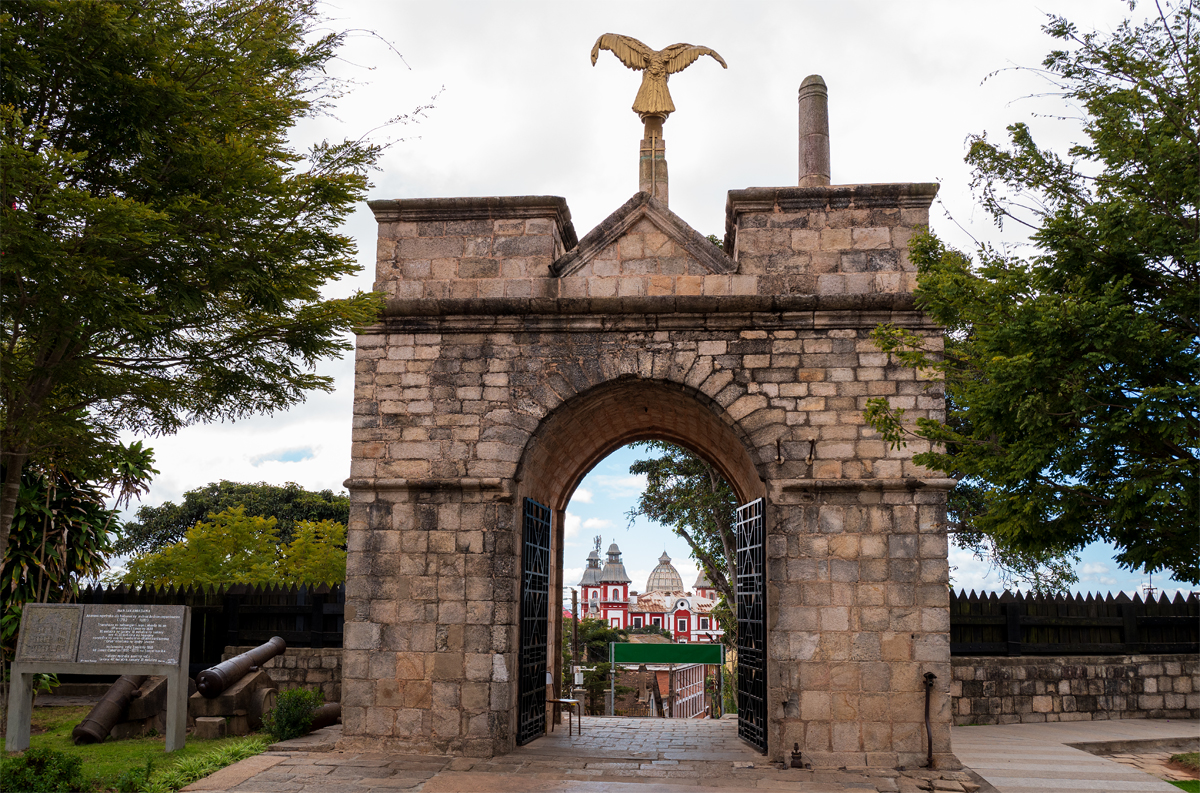
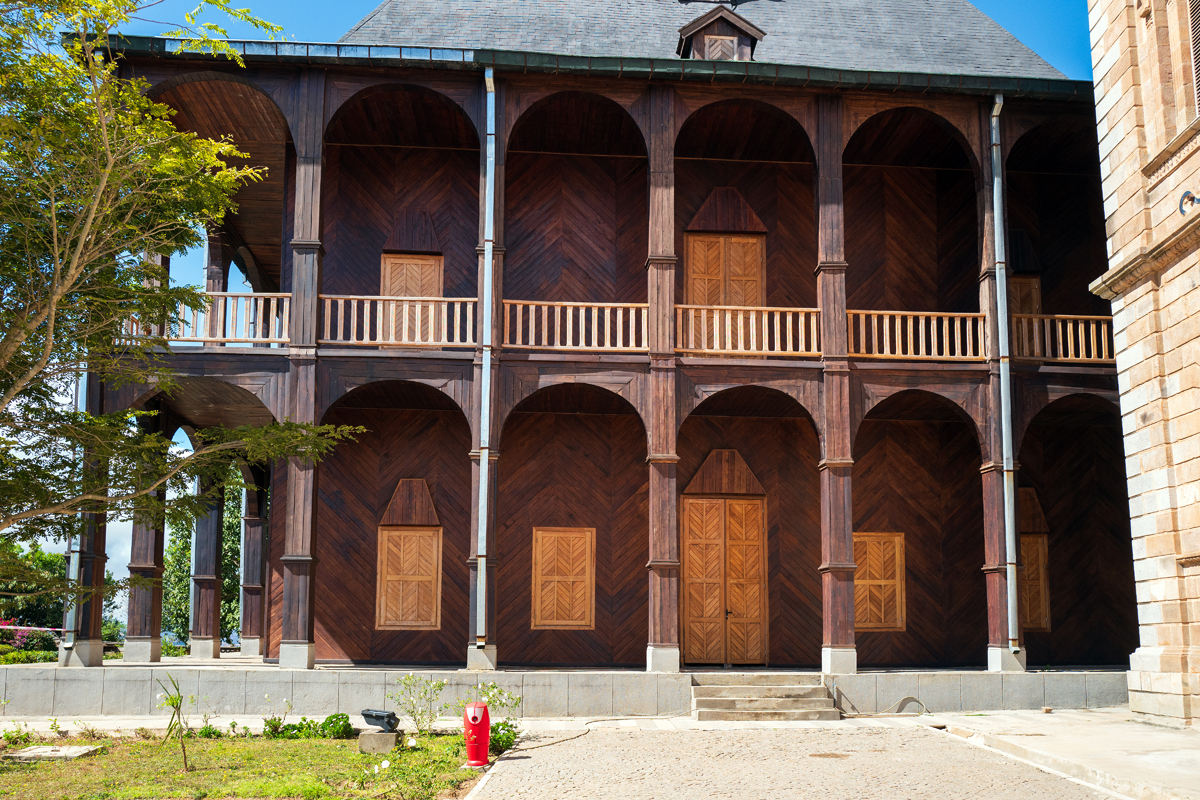
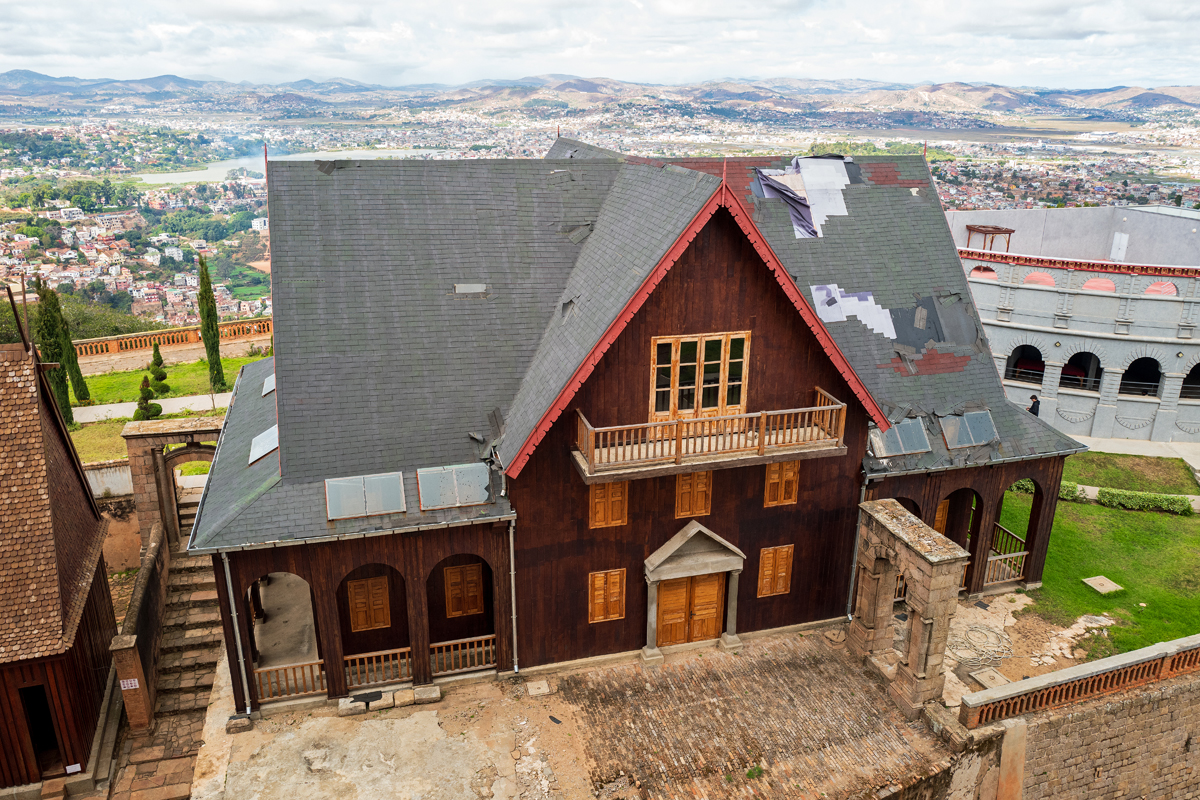
Rova – The Royal Palace – Der königliche Palast

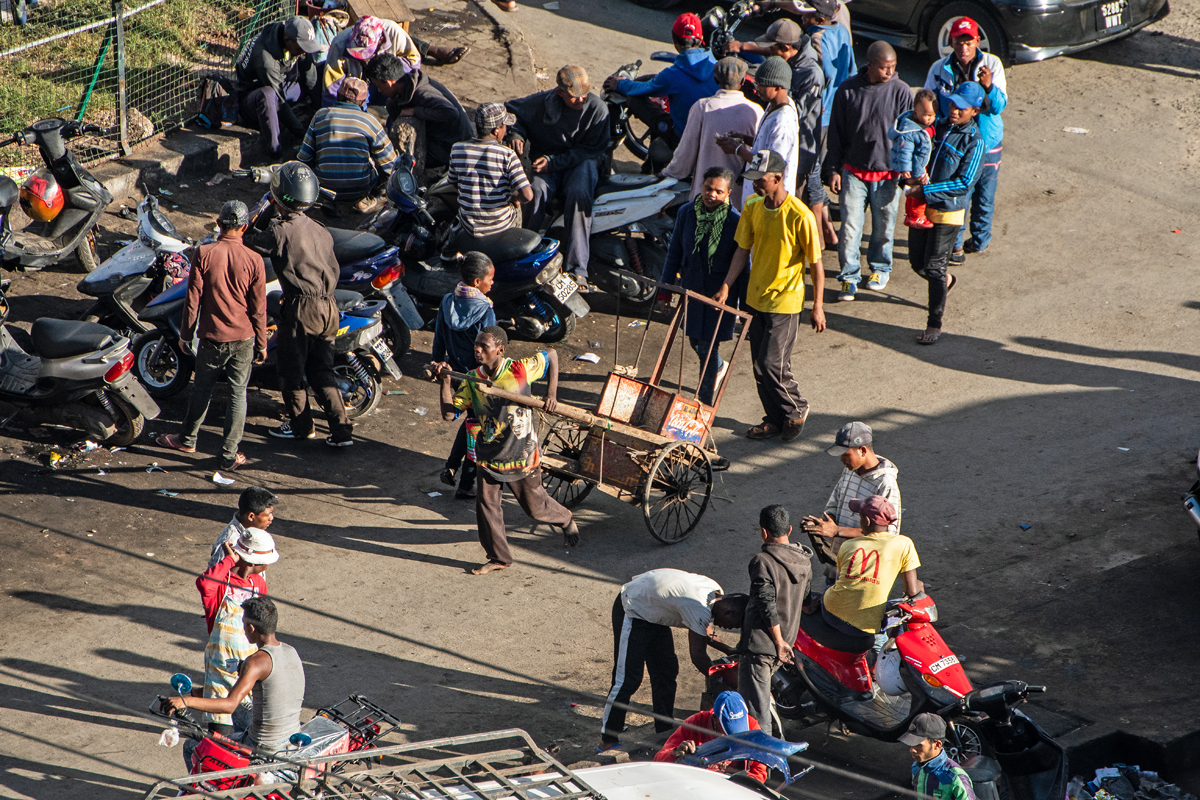
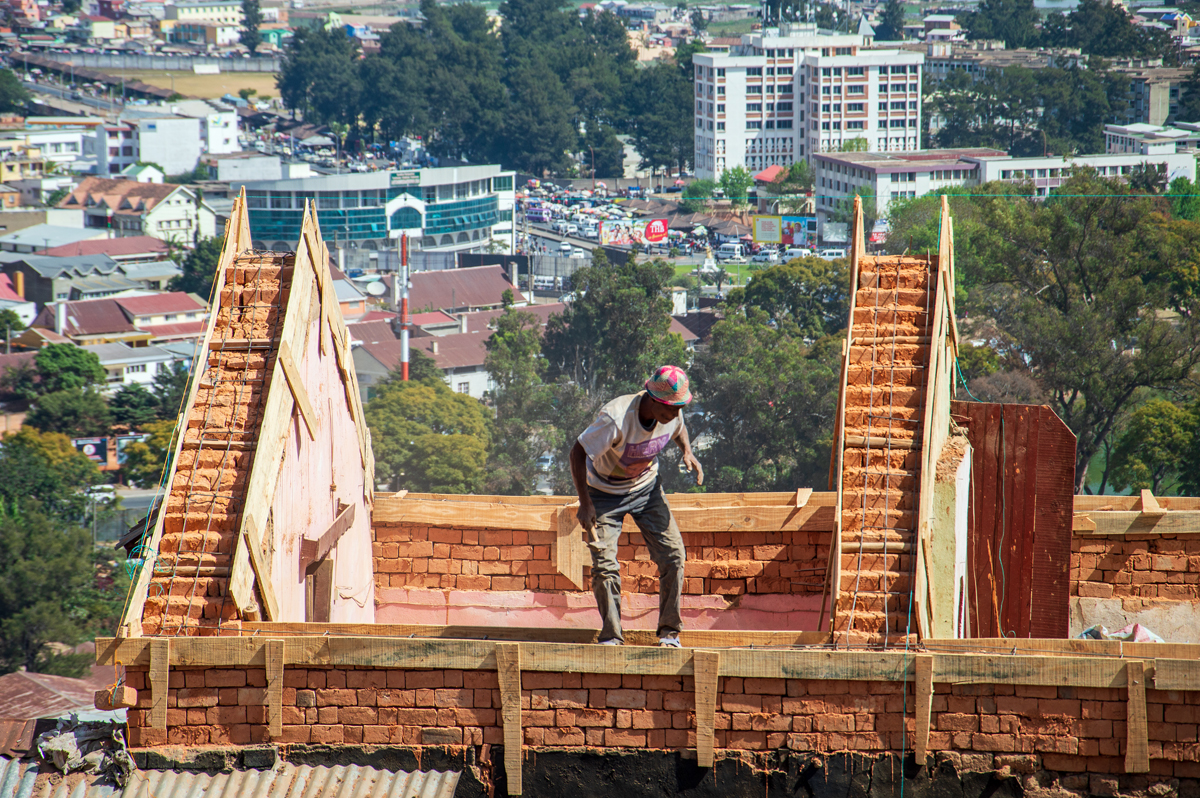
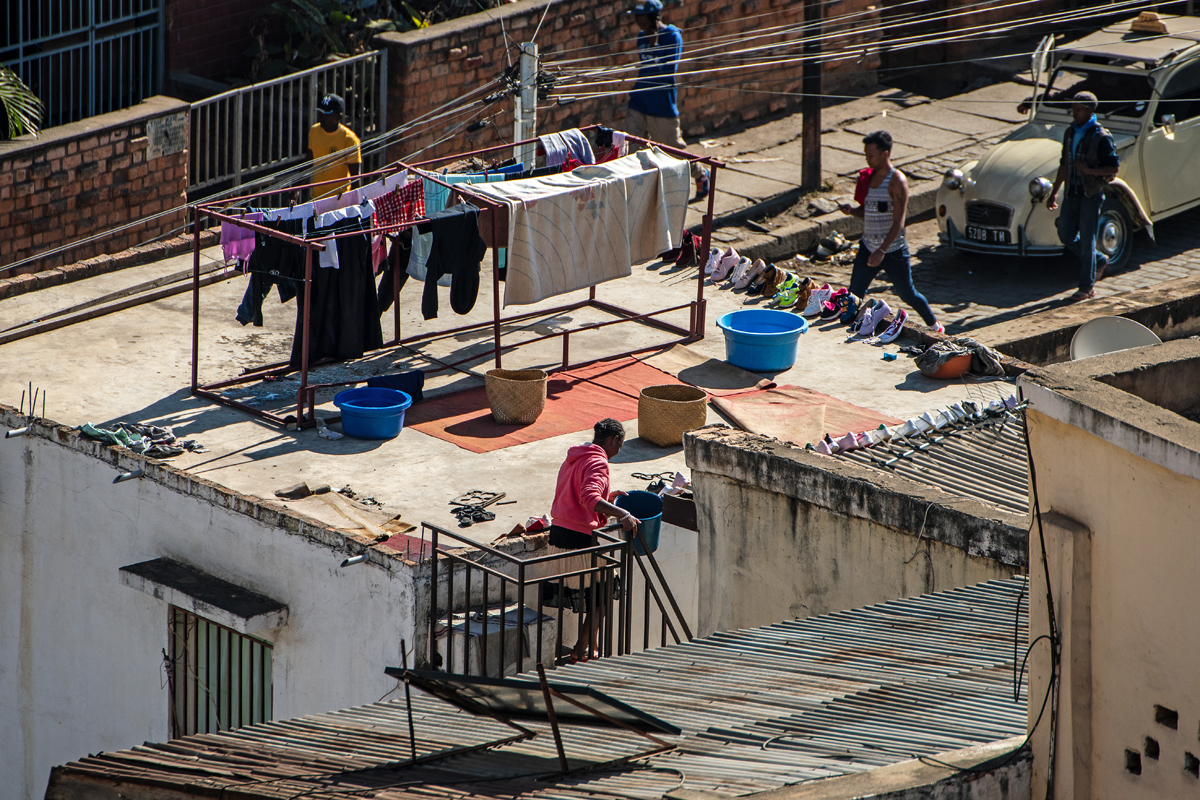
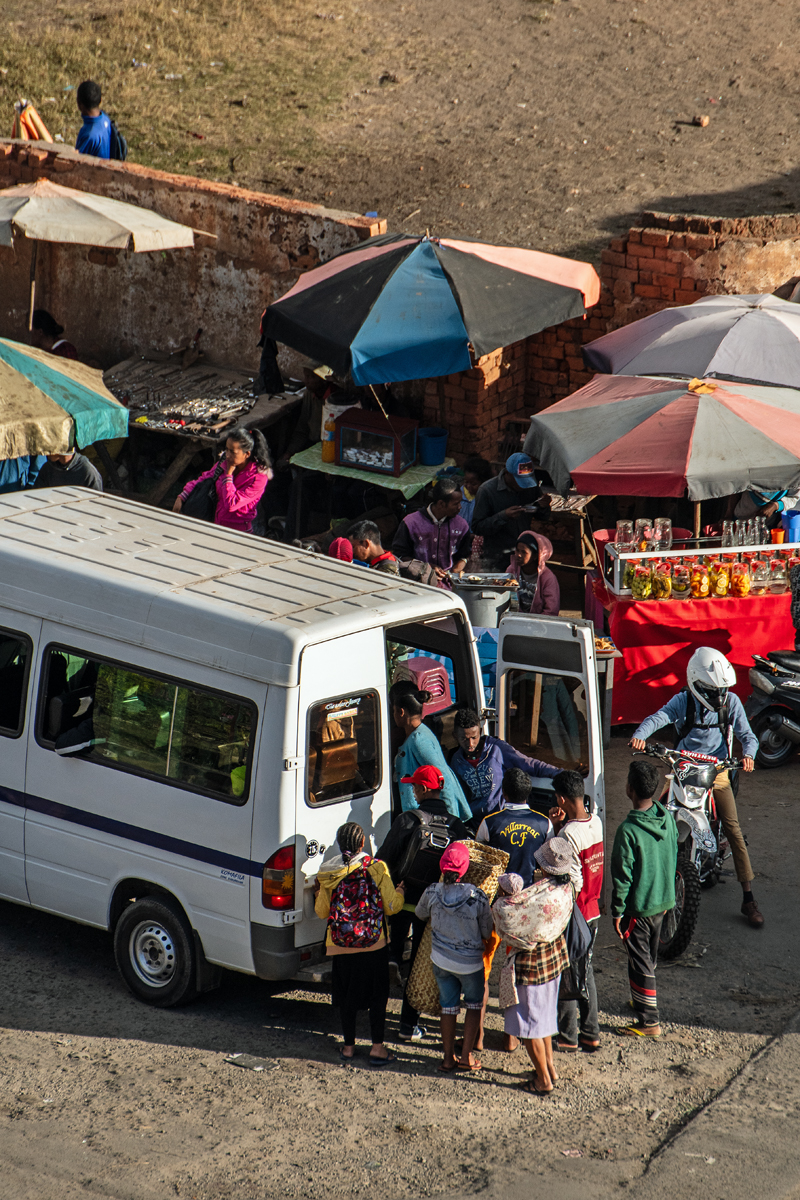
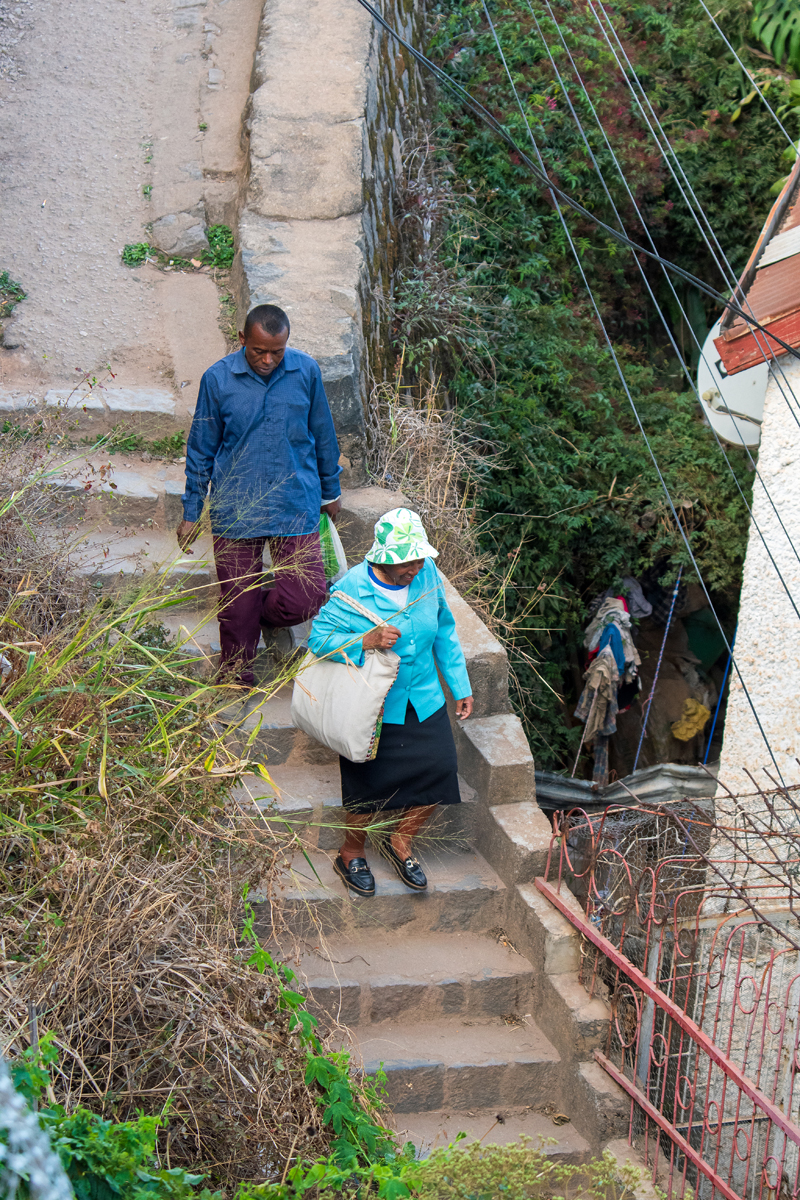

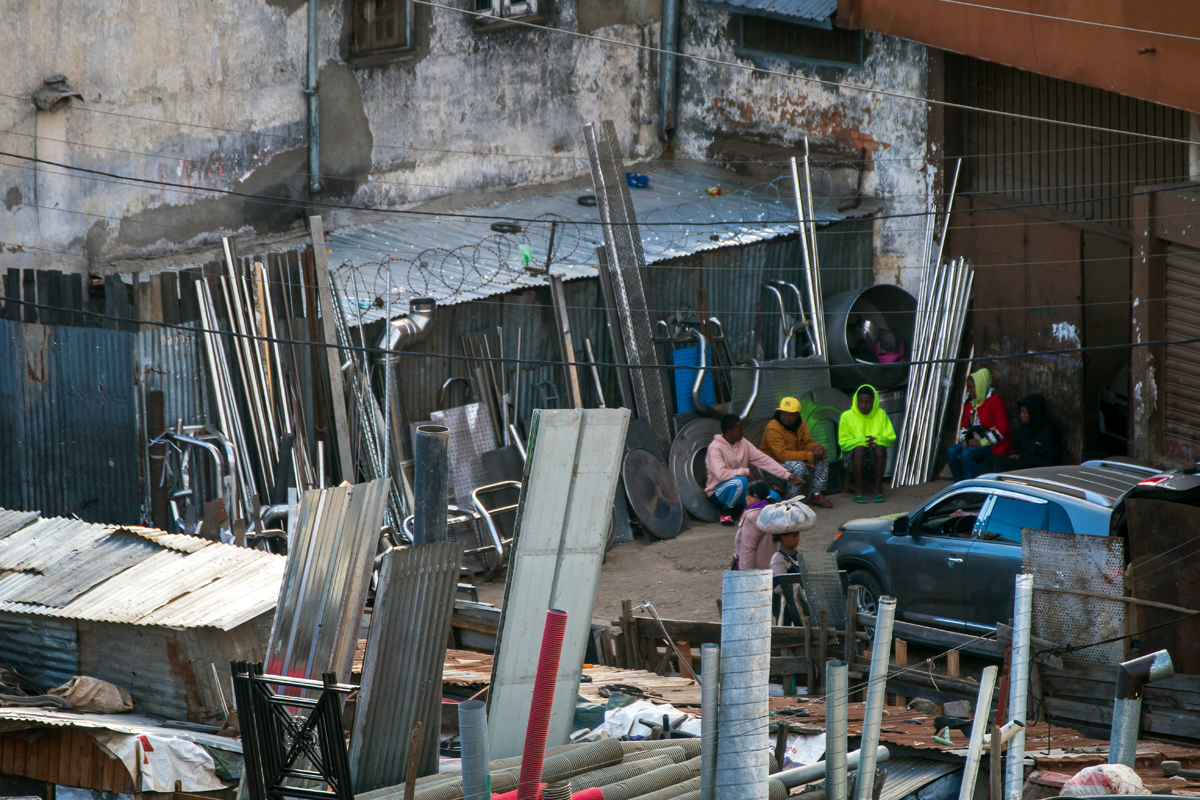

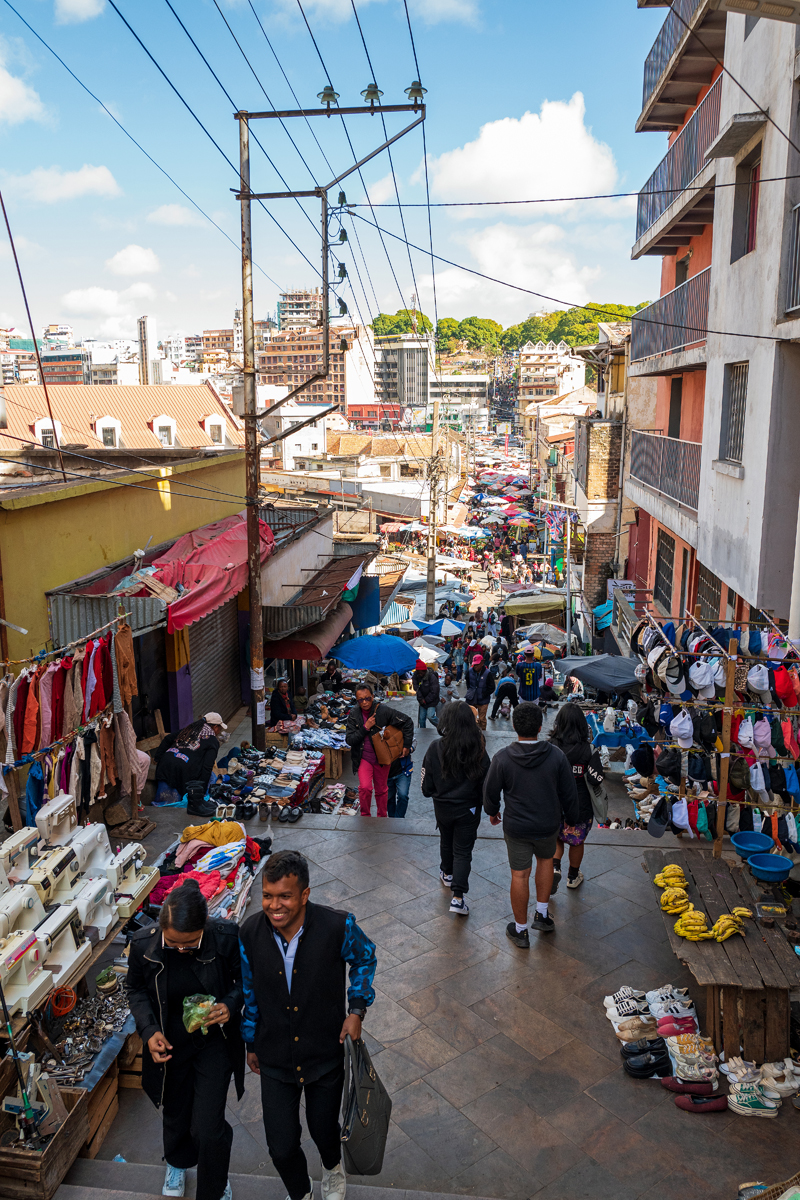
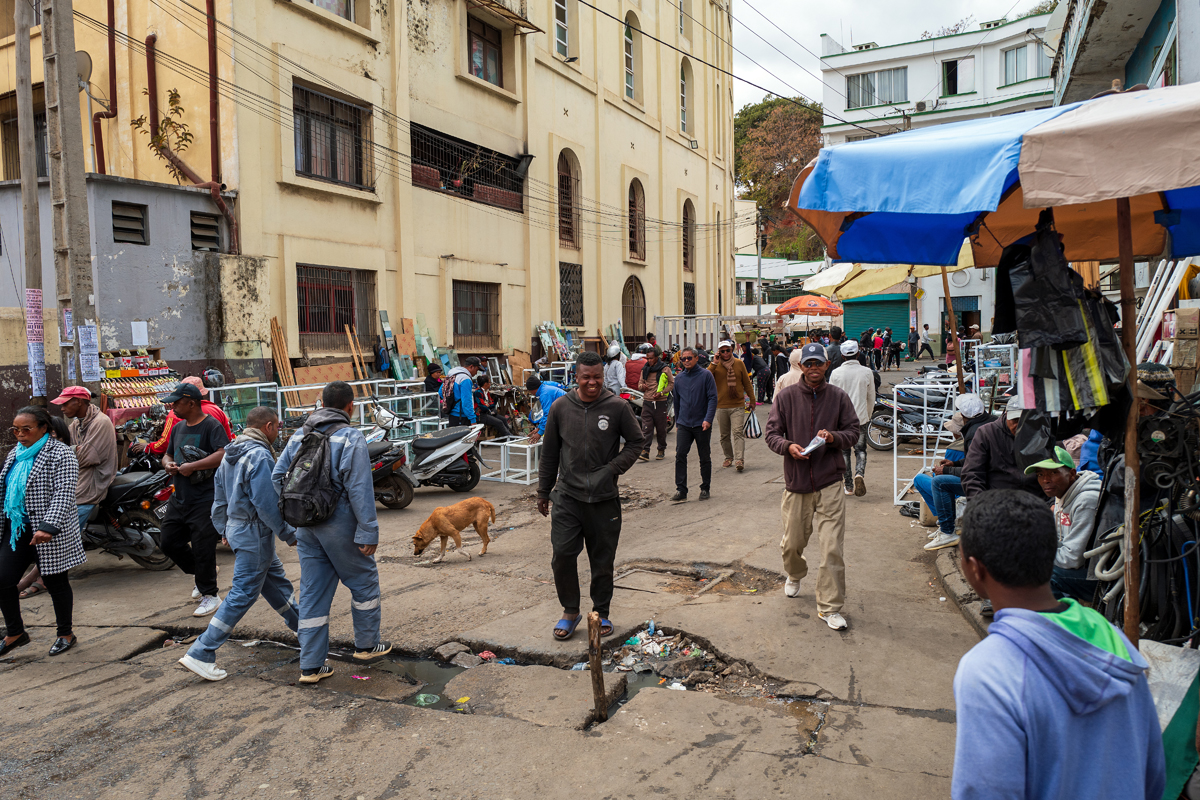
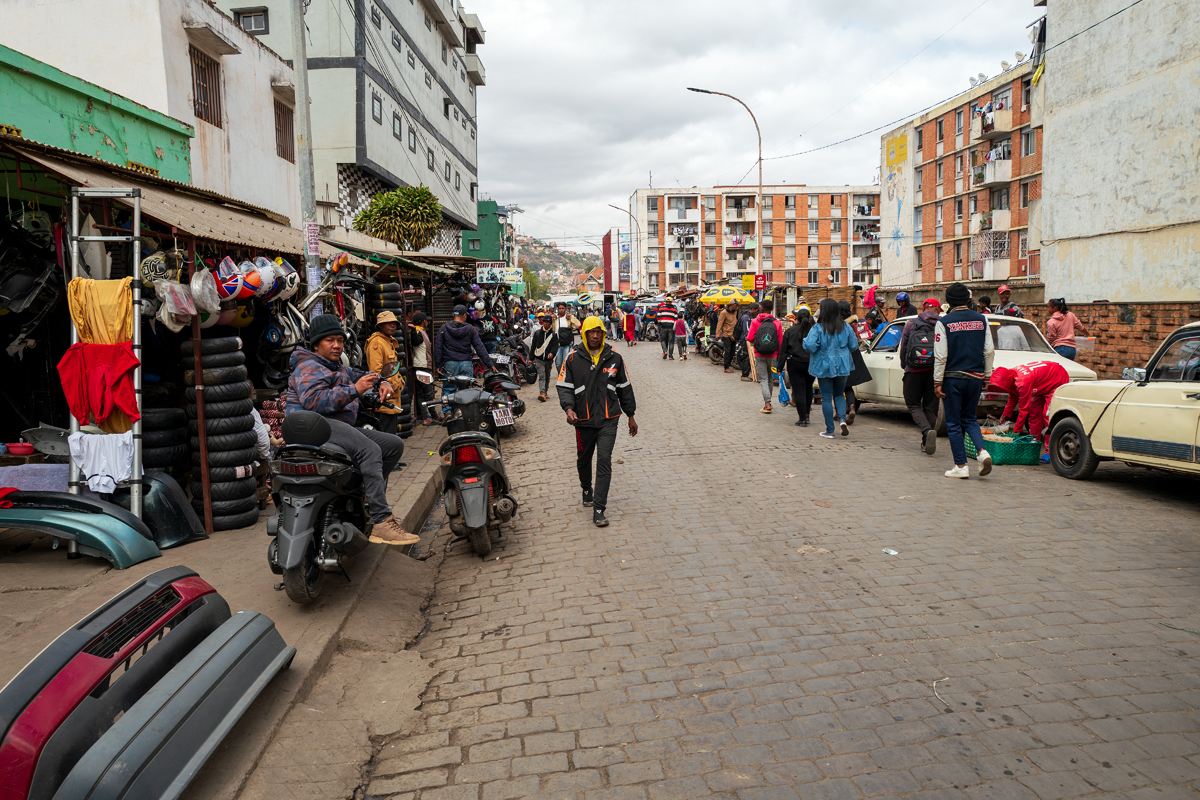
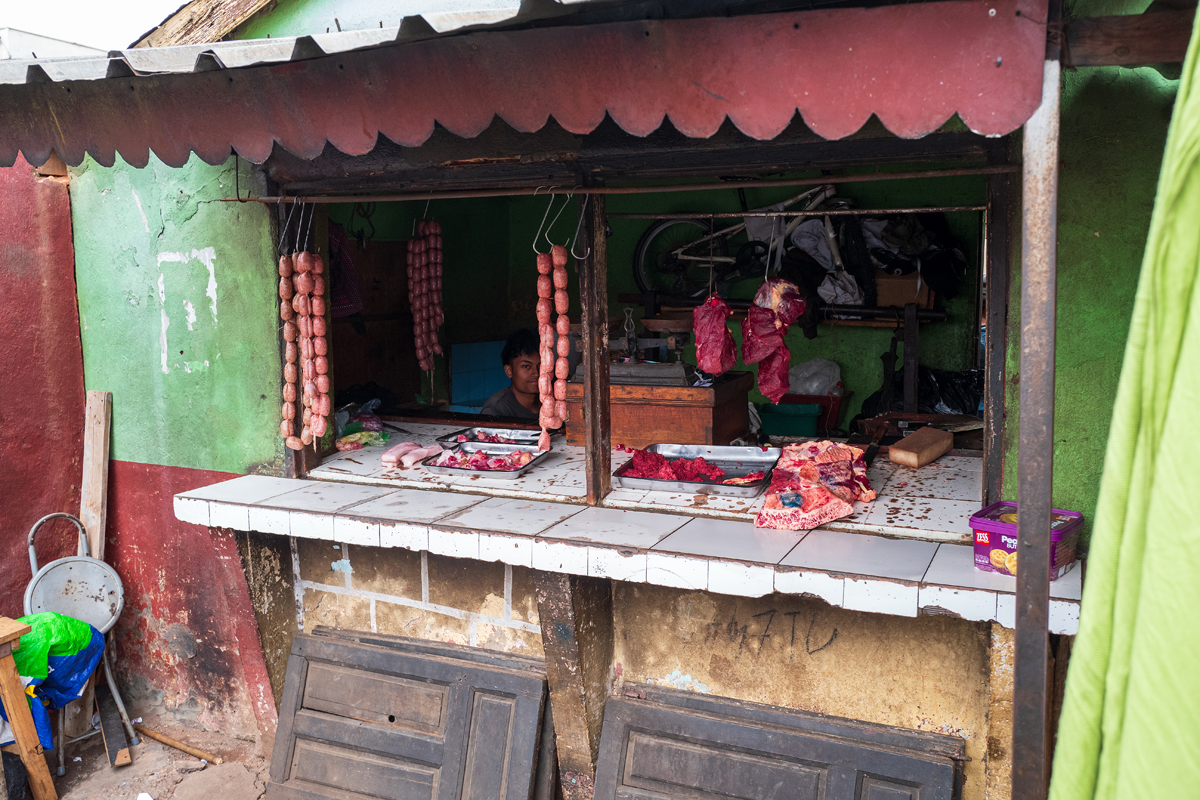
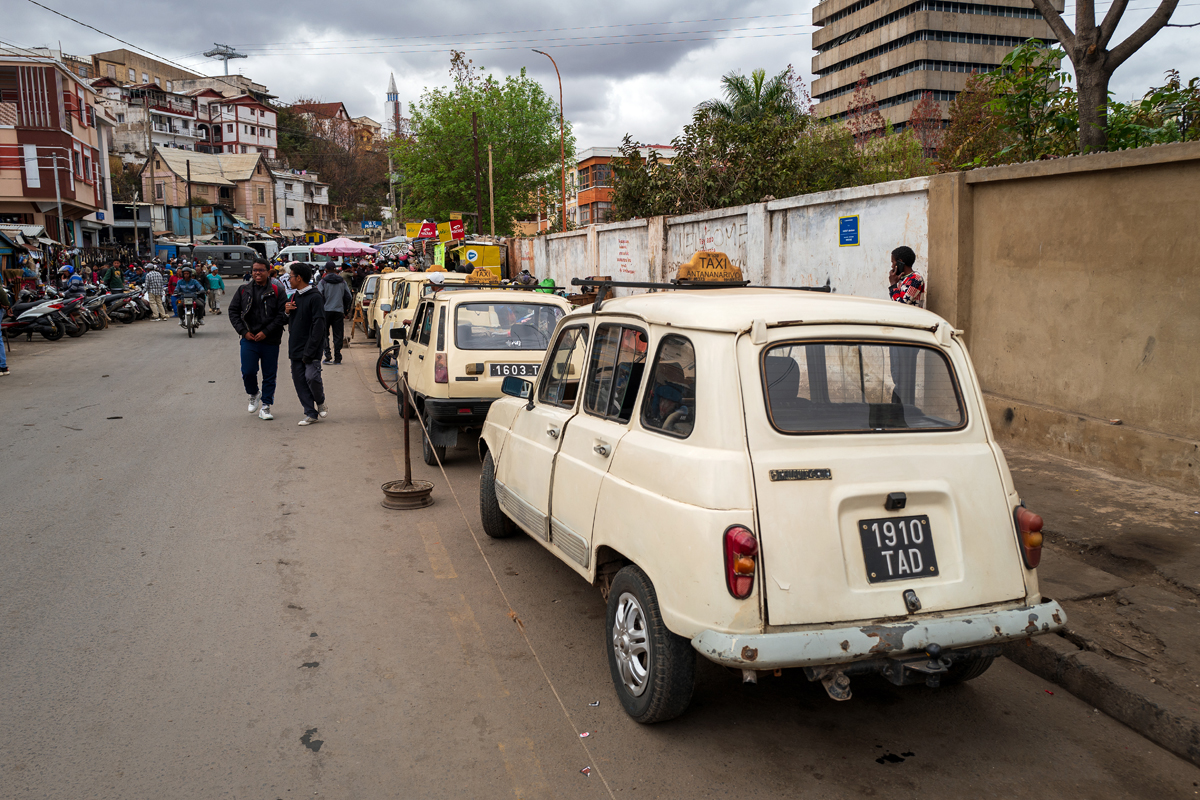
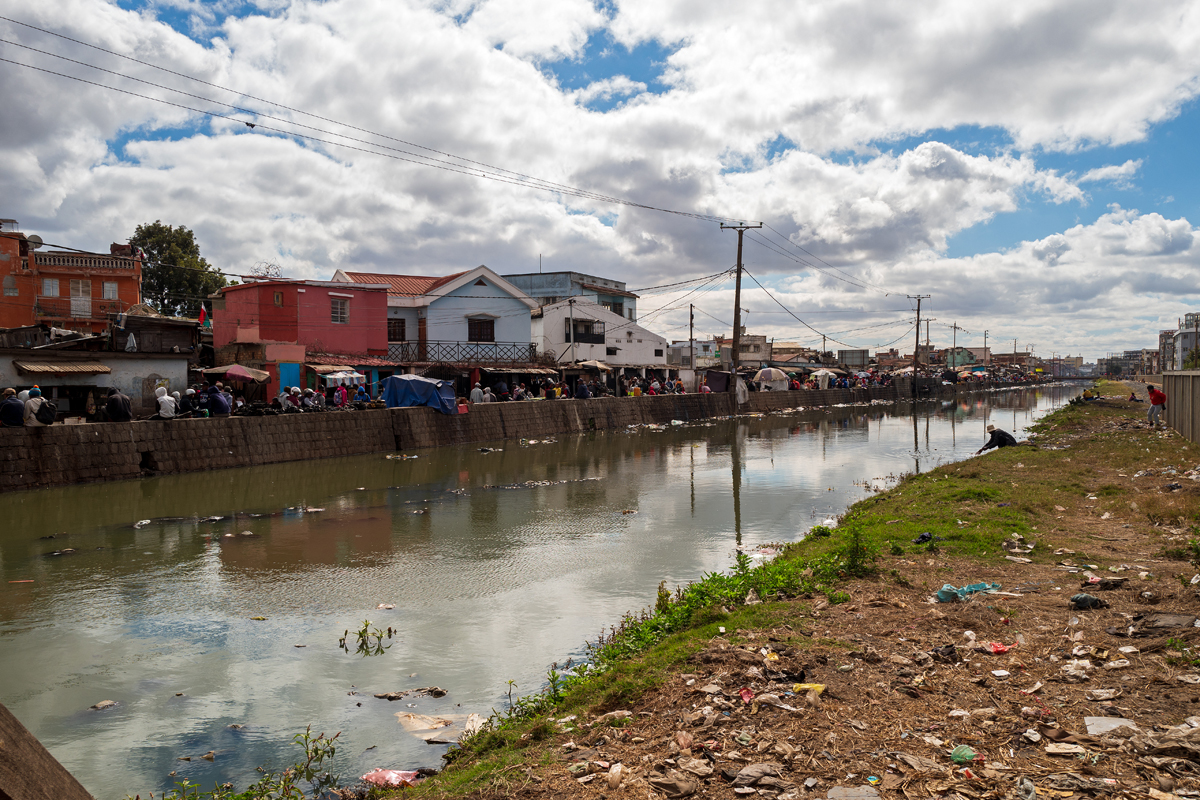
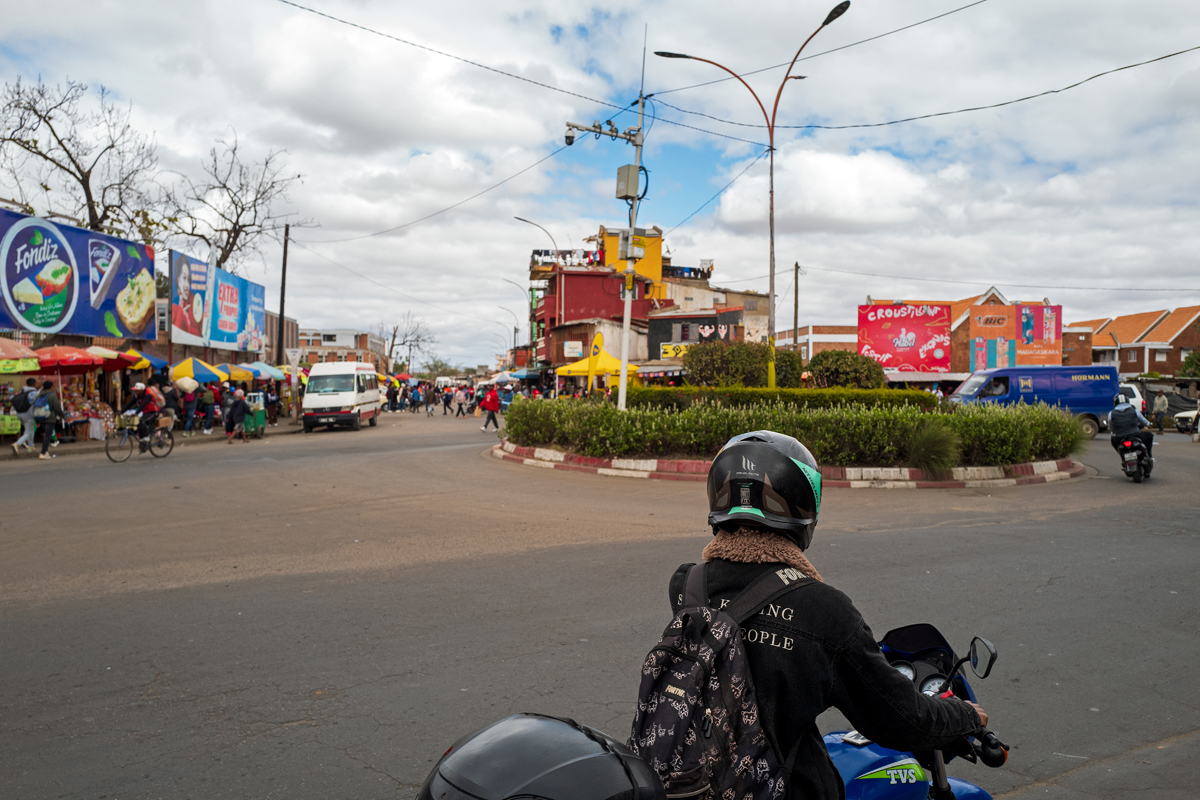
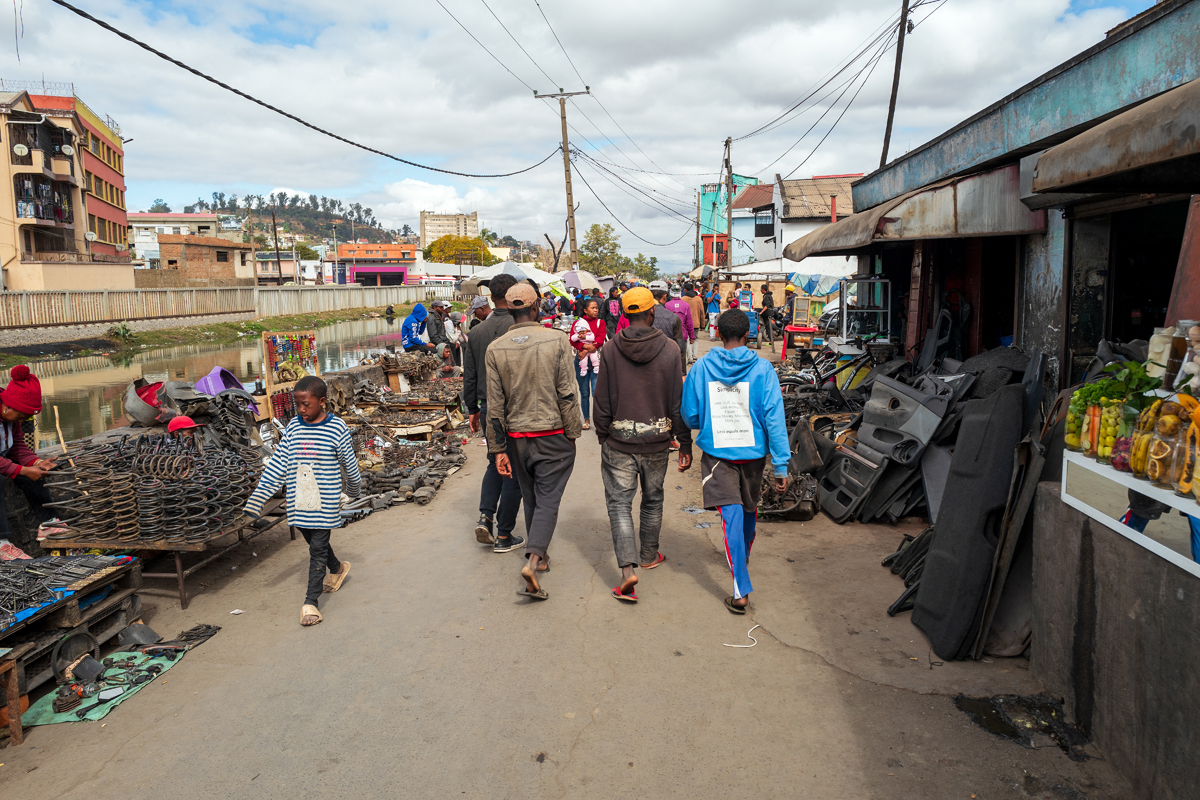
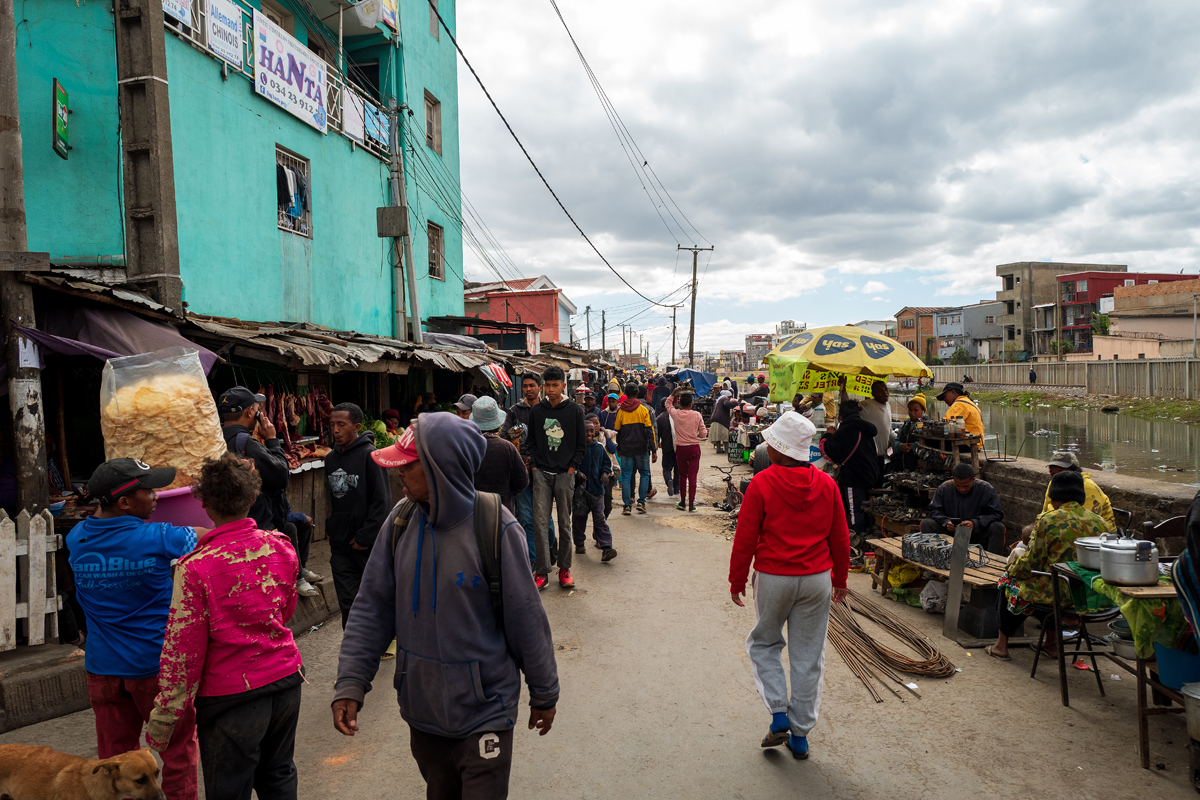
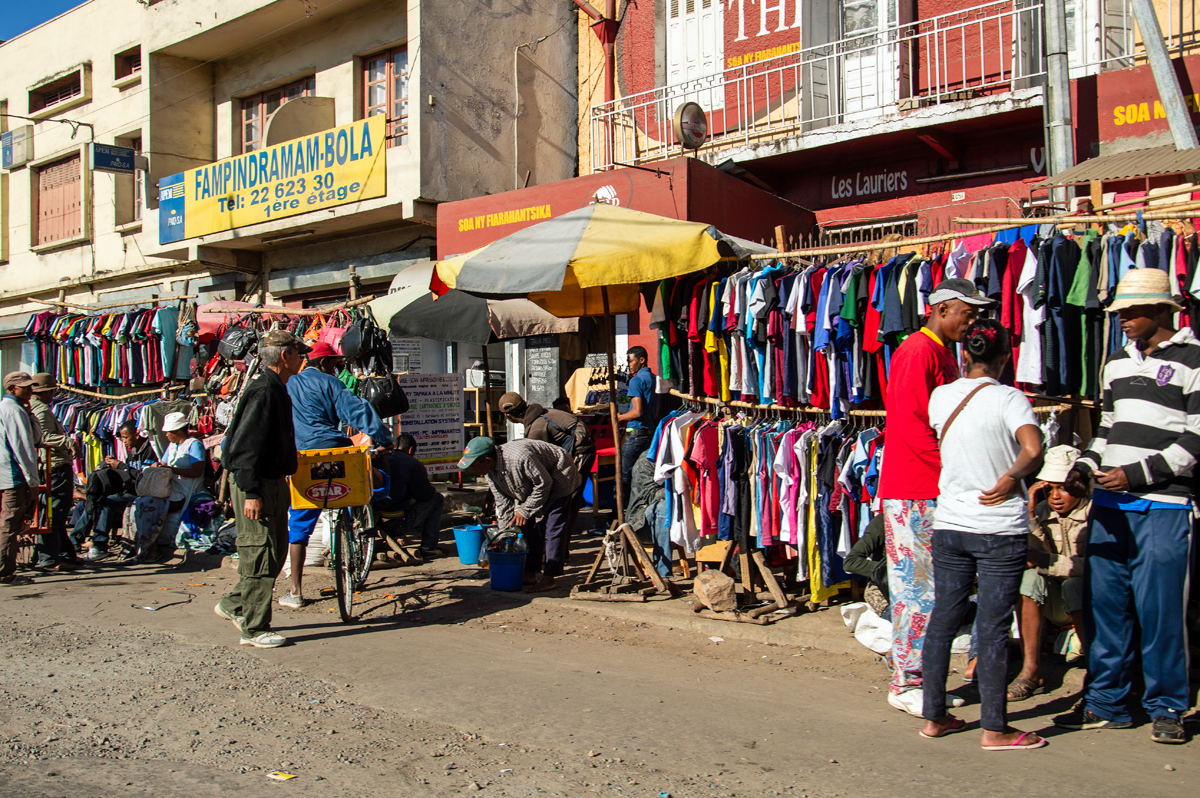
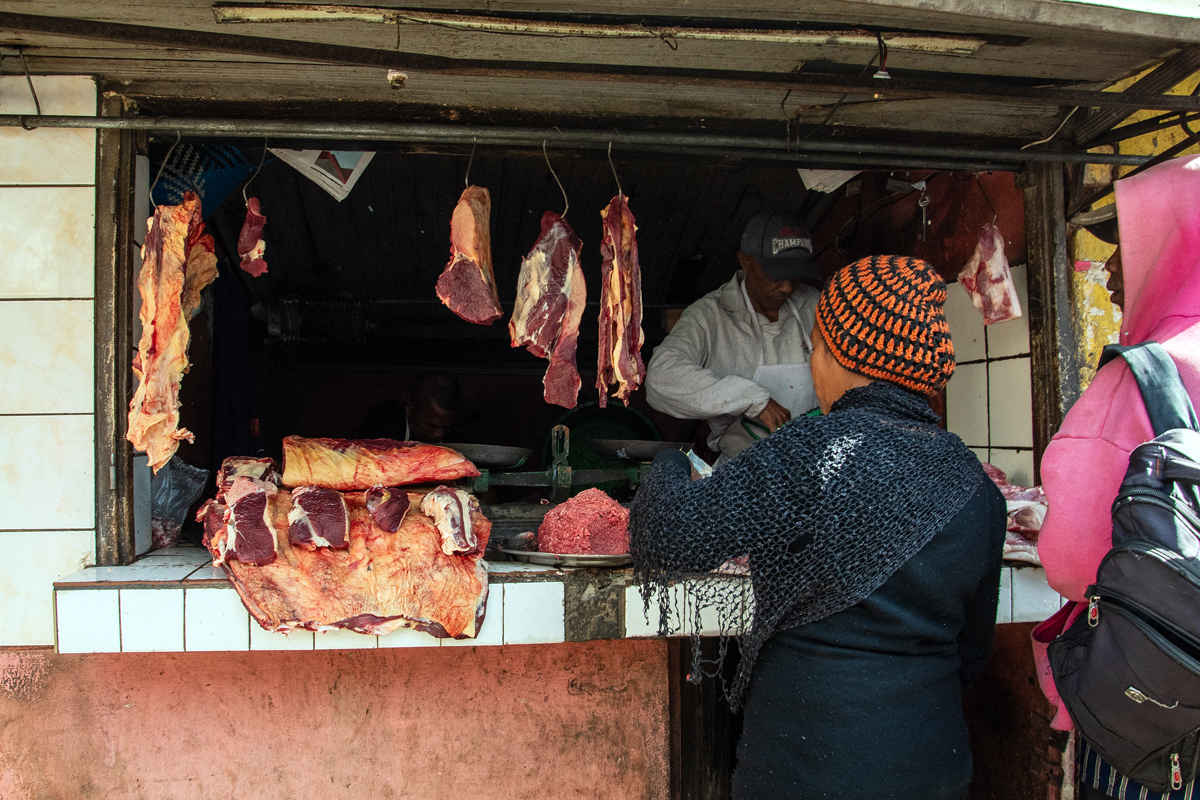
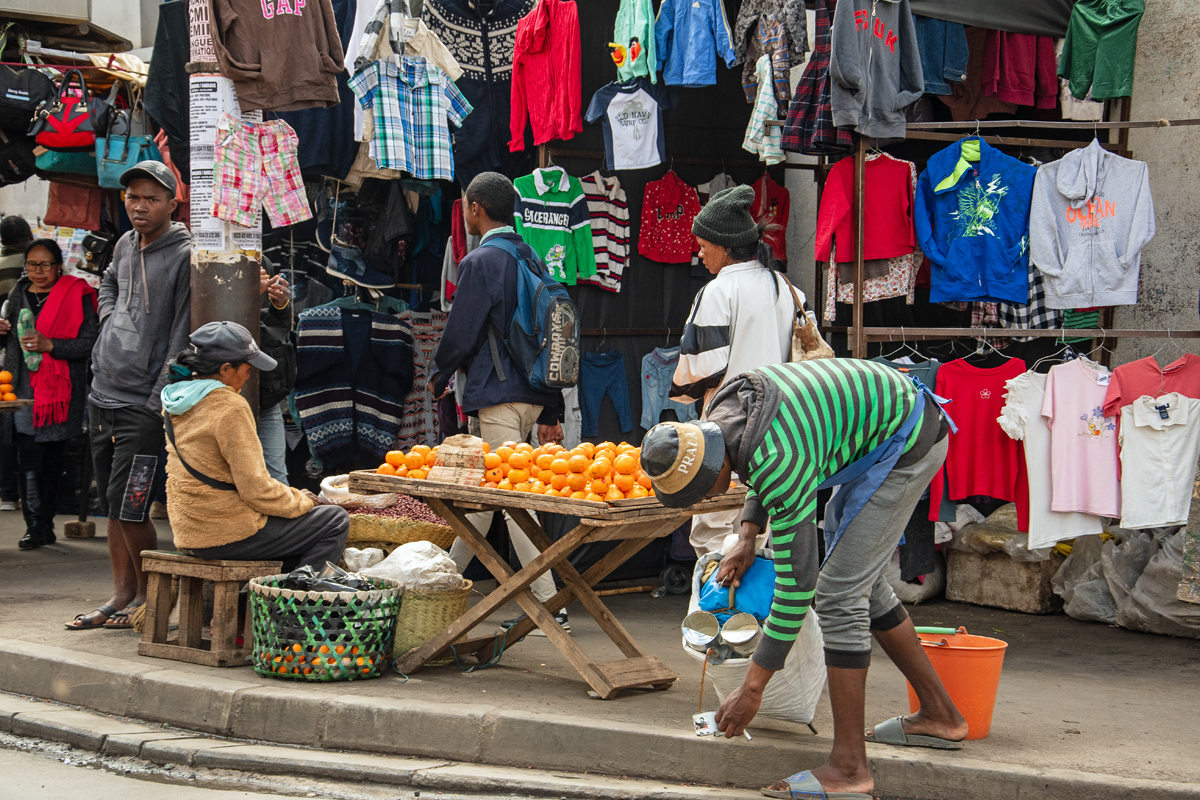
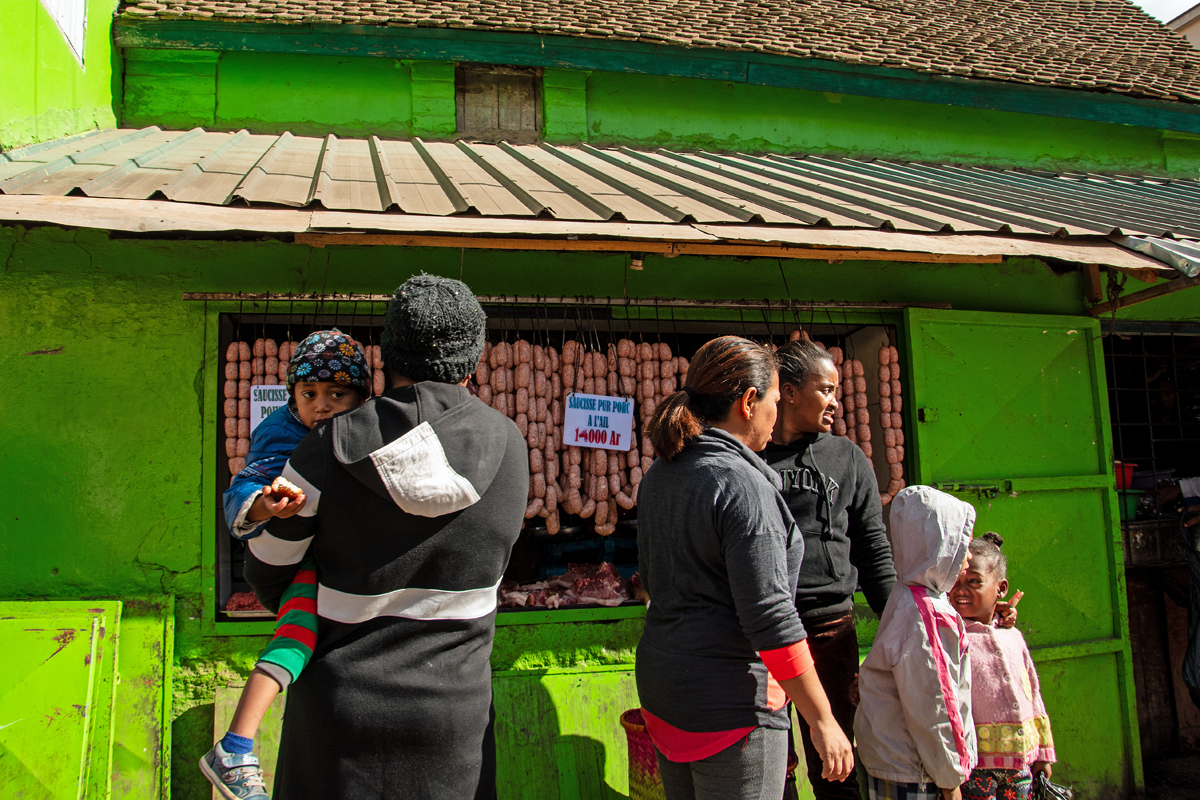
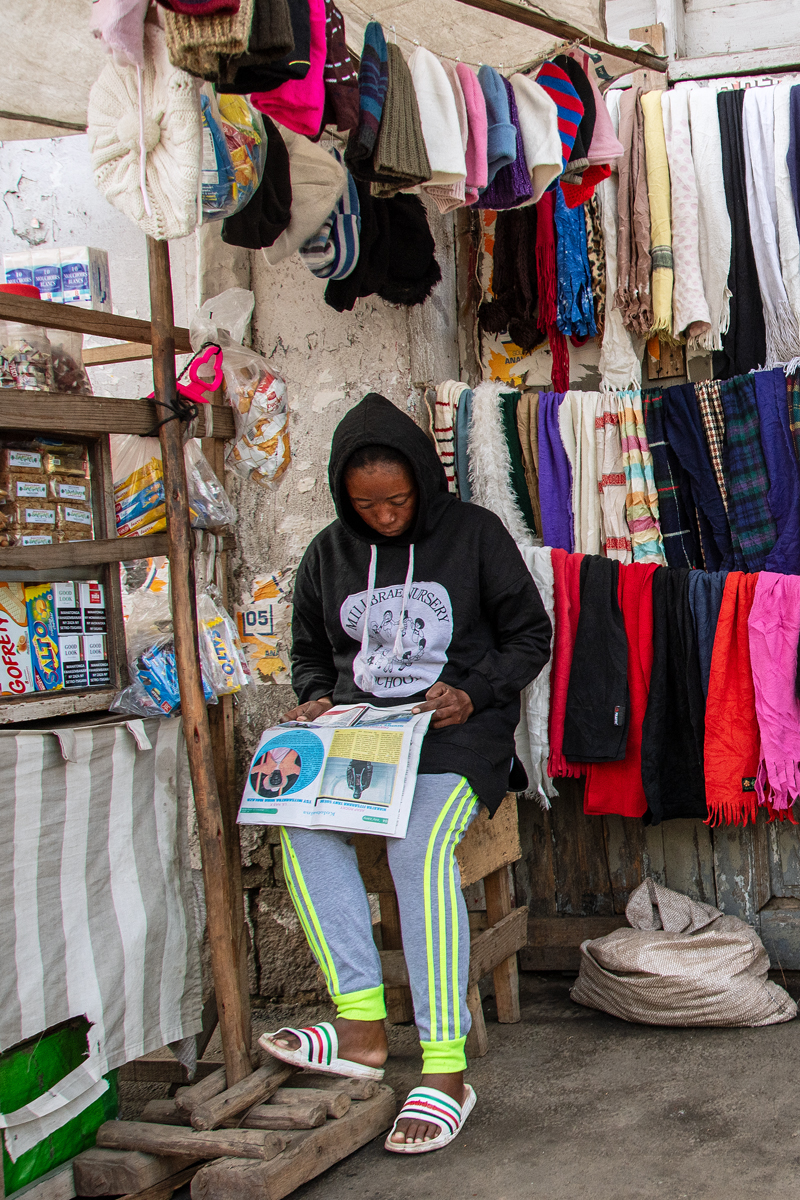
The streets of Tana are one big market, an enormous social space filled with life as it just happens and that´s the everlasting struggle for Ariary/Franc, for money, the next meal, and a place to stay. It scarcely happens that Vazahs (foreigners/white) take a stroll through Tana´s avenues and alleyways because of some obscure reasons why an African city should be more dangerous than Napoli, for instance. Bad weather can be dangerous too if walked into in a pair of flip-flops, a tank-top and short pants. The point is, Vazahs are rare and it´s quite easy to distinguish between them and all the others because of the colour of skin, which makes it a lot harder to find out about the wealthy locals. You have to check the details! Sometimes it´s just a watch that at least could be no Chinese fake or a pair of too-smooth shoes or the humongous, brand-new, sparkling, silver Mercedes 4×4 drive they´re speeding down the road. That´s why you spent your time in an ongoing sales talk about vanilla, pepper (all colours), toy cars made from coca cola-cans, sunglasses, solar panels, cinnamon sticks, chocolate, rare Malagasy birds, pants, cloths, fabric, shoes, wallets of zebu leather, gems, fake Chinese plastic toys, torches, wooden spoons, paintings by street artists, traditional instruments, crispy fried pieces of pig meat, strawberries, oranges, papaya, freshly cut meat, movies on VHS as well as DVD, music and baobab t-shirts. It´s a huge amount of fun you´re definitely willing to share with others – if possible Vazahs! It´s worth a couple of hikes up and down the alleys because it brings some people a small amount of money and it´s fun to collect all the stories you get to listen to. For example, the one about the Tana-sewage-disaster. Small channels run through the poor south of the city, filled with the stuff villains use to fall into in Superhero comic books before they become Super-villains. It is pure luck that there hasn´t been a deadly pandemic evolving from those channels up to this day.
Tanas Straßen sind ein einziger Markt, ein gigantischer sozialer Raum, in dem sich das gesamte Leben abspielt, und das dreht sich um Ariary/Franc, um Geld, das nächste Essen und ein Dach über dem Kopf. Vazah (Fremde/Weiße) flanieren nicht allzu oft durch Tanas Straßen und Gassen. Aus irgendeinem Grund gilt Tana als gefährlich. Kann schlechtes Wetter übrigens auch sein, wenn man in Flip-Flops, kurzer Hose und Tank-Top unterwegs ist! Vazahs sind also eher selten und im Gegensatz zu den reichen Einheimischen aufgrund der Hautfarbe zumeist deutlich besser zu identifizieren, was bedeutet, dass man sich andauernd in Verkaufsgesprächen für Vanille, Pfeffer (alle Farben), Spielzeugautos aus Coladosen, Sonnenbrillen, Solarzellen, Zimtstangen, Schokolade, seltene madegassische Sittiche, Hosen, Tücher, Stoffe, Schuhe, Portemonnaies aus Zebu-Leder, Edelsteine, Plastikspielzeug aus chinesischer Produktion, Taschenlampen, Kochlöffel, Bilder von Straßenkünstlern, traditionelle Musikinstrumente, knusprig gebratene Schweinefleischstücke, Erdbeeren, Orangen, Papayas, frisch zerlegtes Fleisch, Filme auf VHS oder DVD, Musik und Baobab-T-Shirts befindet. Aber das macht Spaß! Tana ist eine oder mehrere Wanderungen wert, bergauf, bergab. Das bringt ein paar Menschen etwas Geld, jede Menge Spaß und viele Geschichten. Zum Beispiel die von der katastrophalen Wasserver- und –entsorgung in der Stadt. Durch den armen Süden Tanas ziehen sich schmale Kanäle, deren Inhalt aussieht wie das, in das die Schurken der Superhelden-Comics zu stürzen pflegen, bevor sie zu Superschurken werden. Es ist reiner Zufall, dass bisher noch kein tödliches Supervirus seinen Weg aus diesen Kanälen hinaus in die Welt gefunden hat.

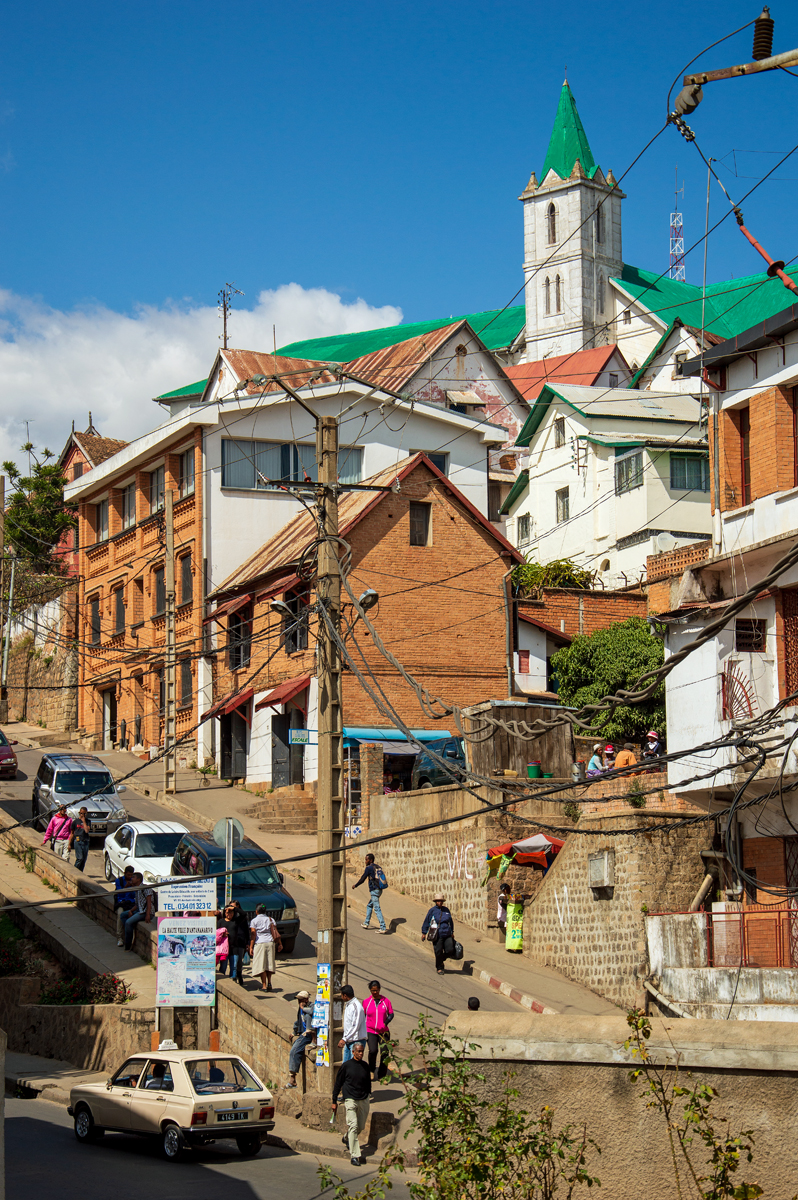
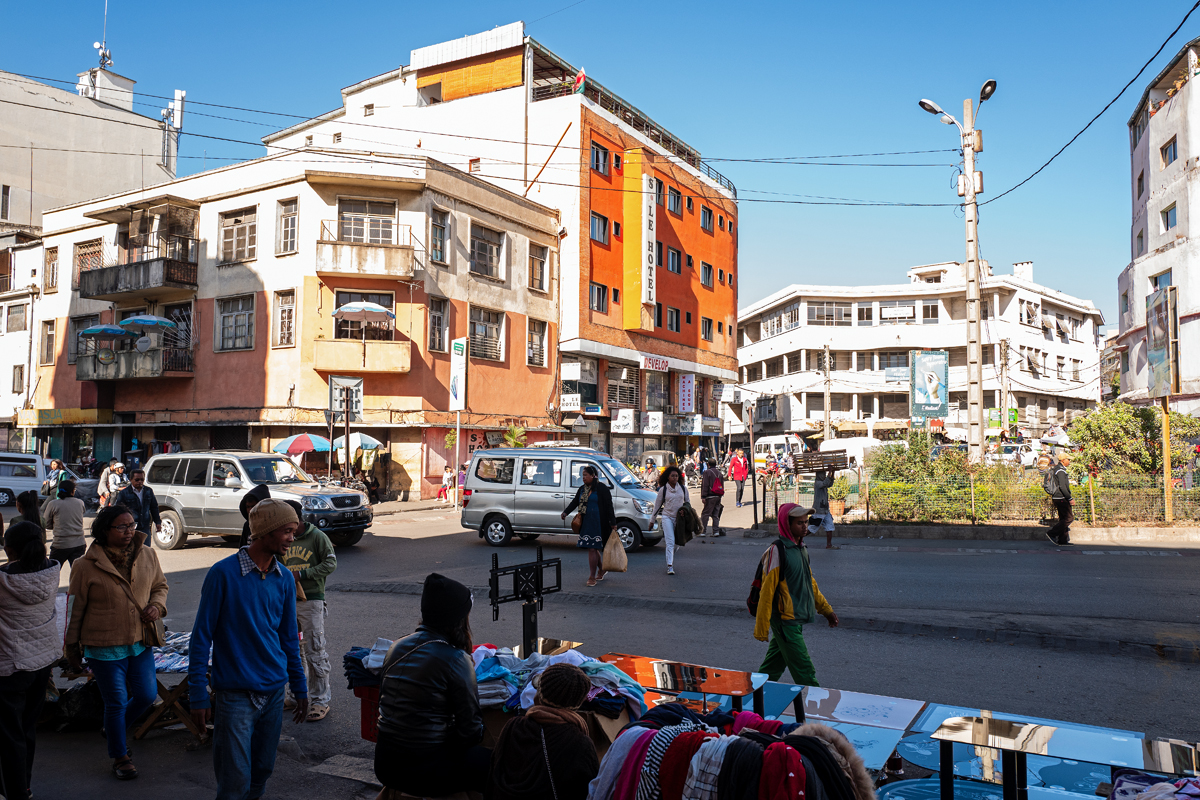
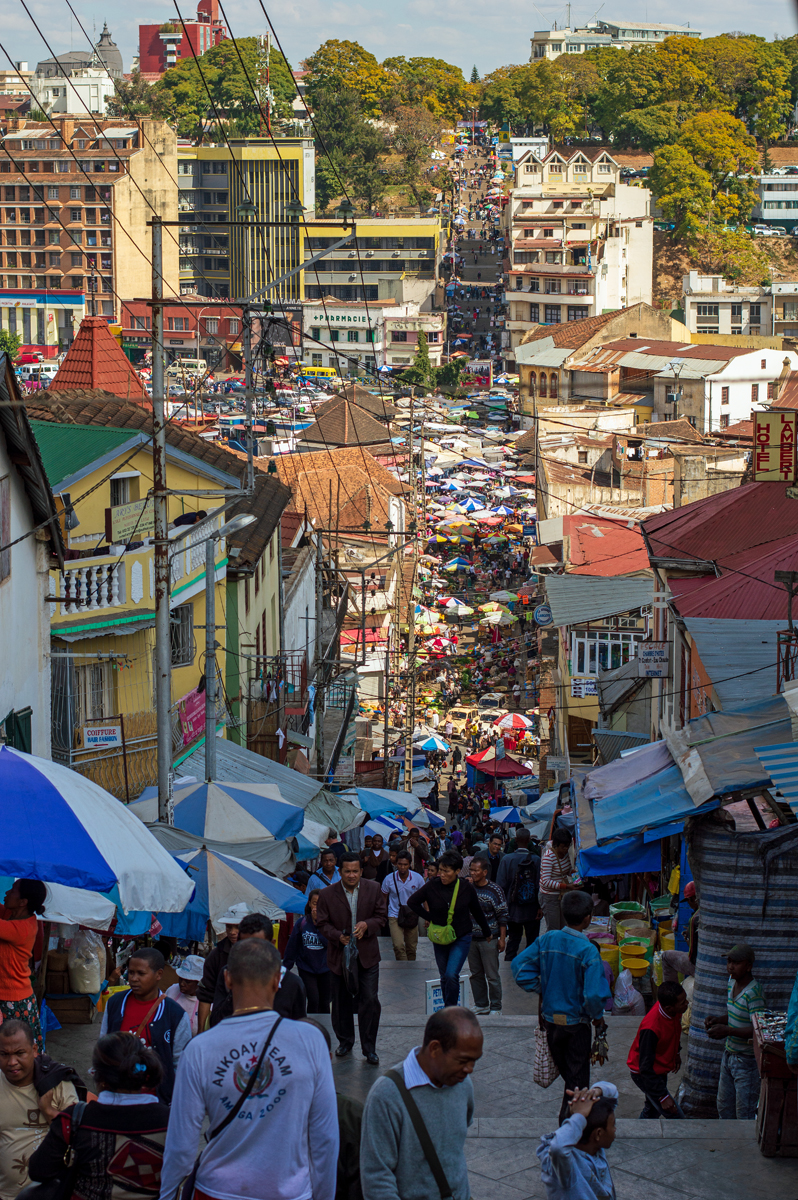
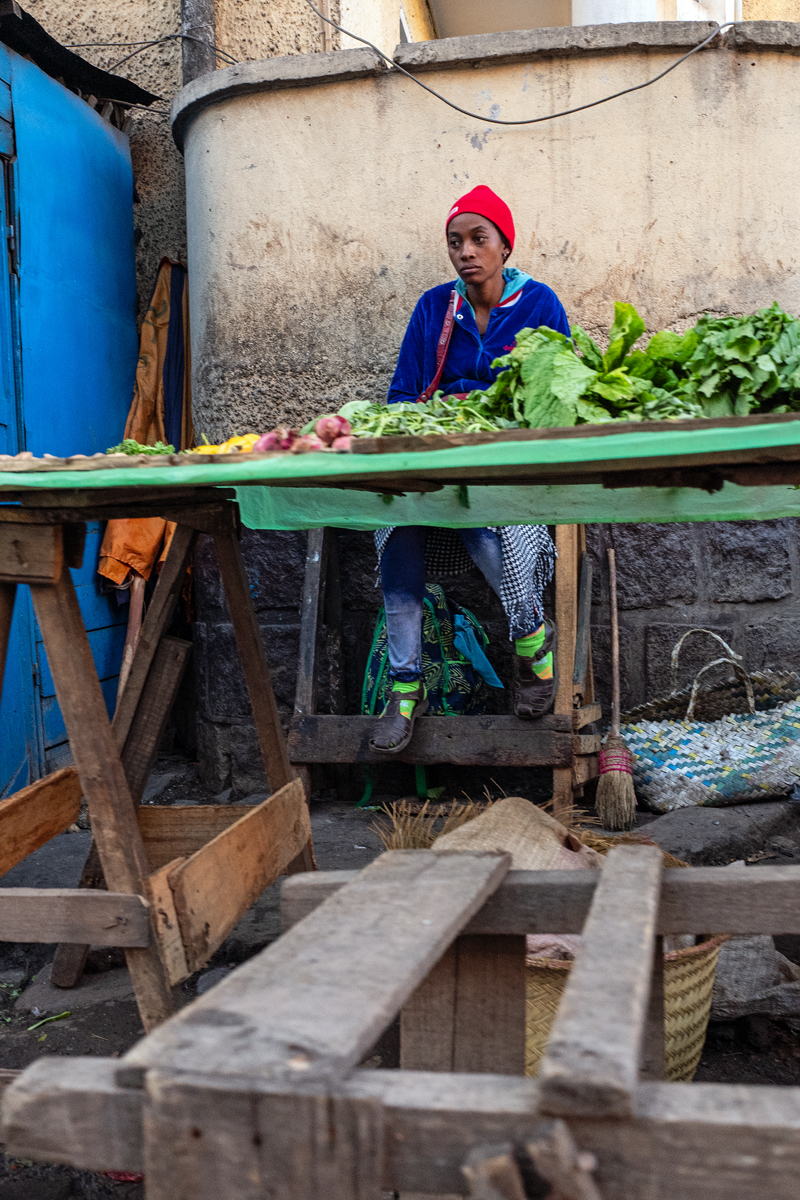
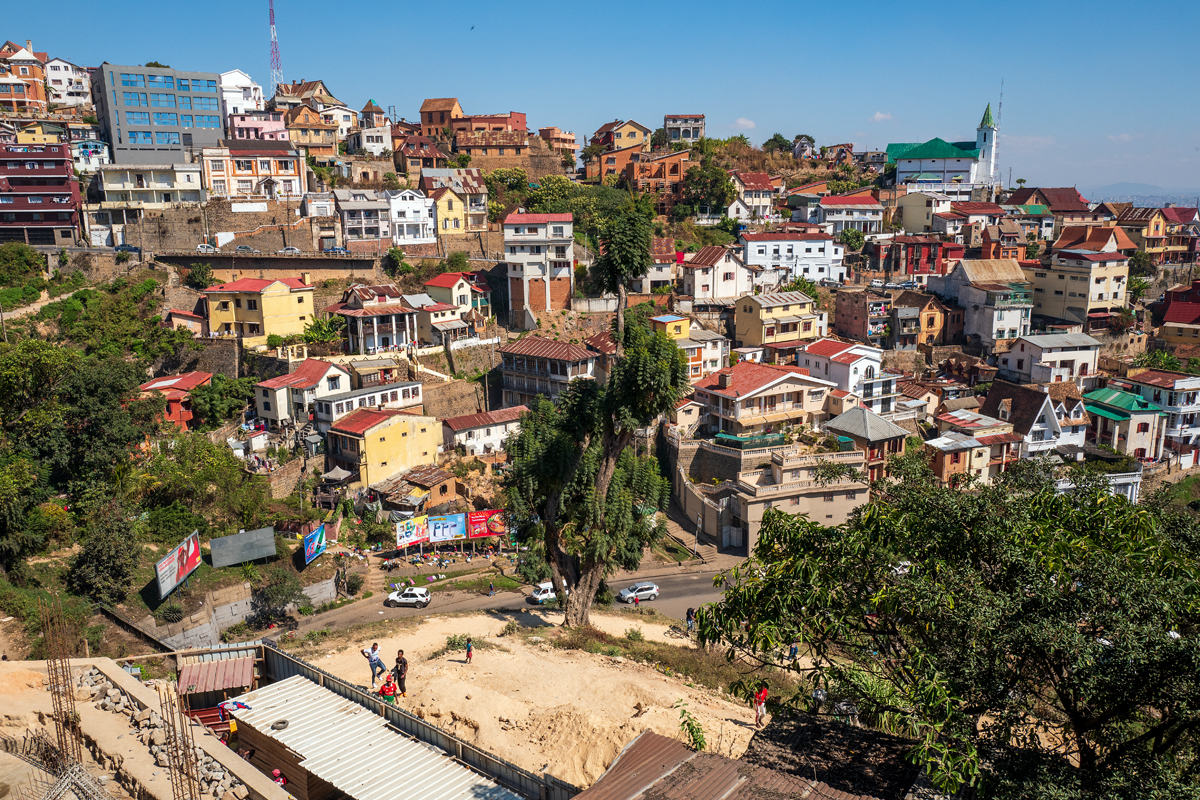
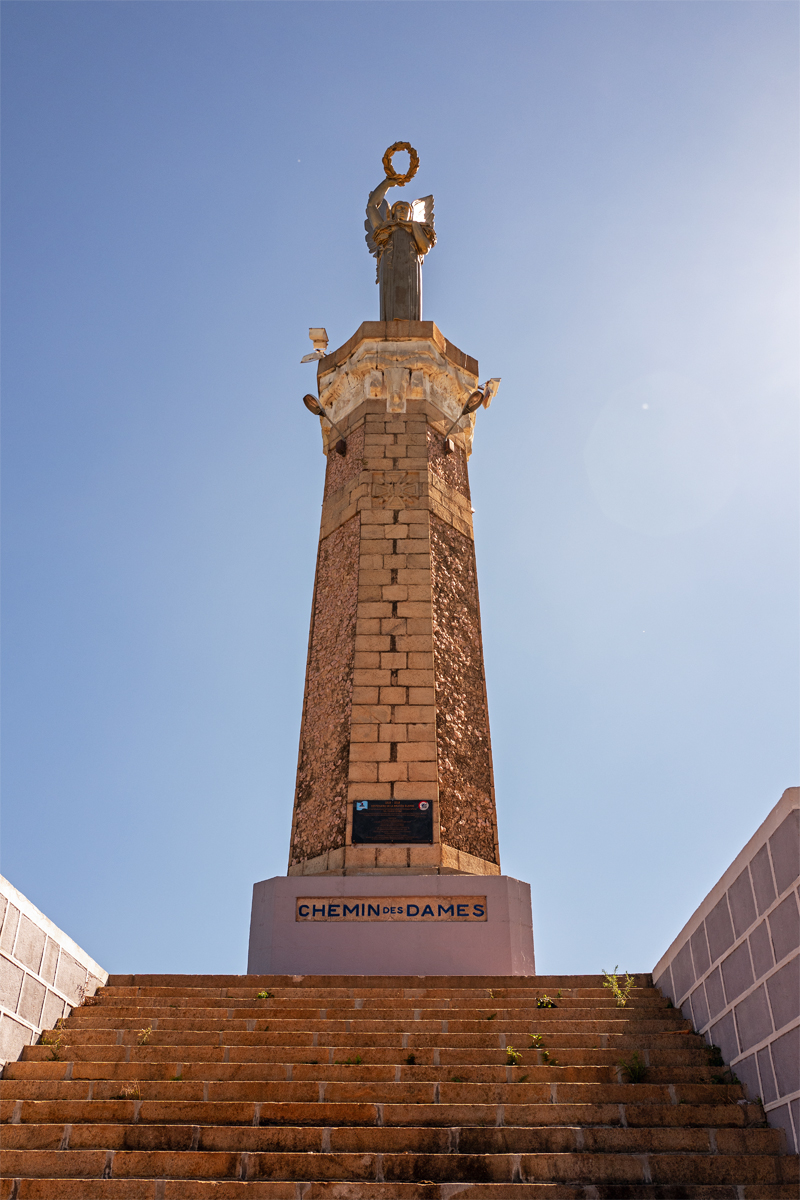
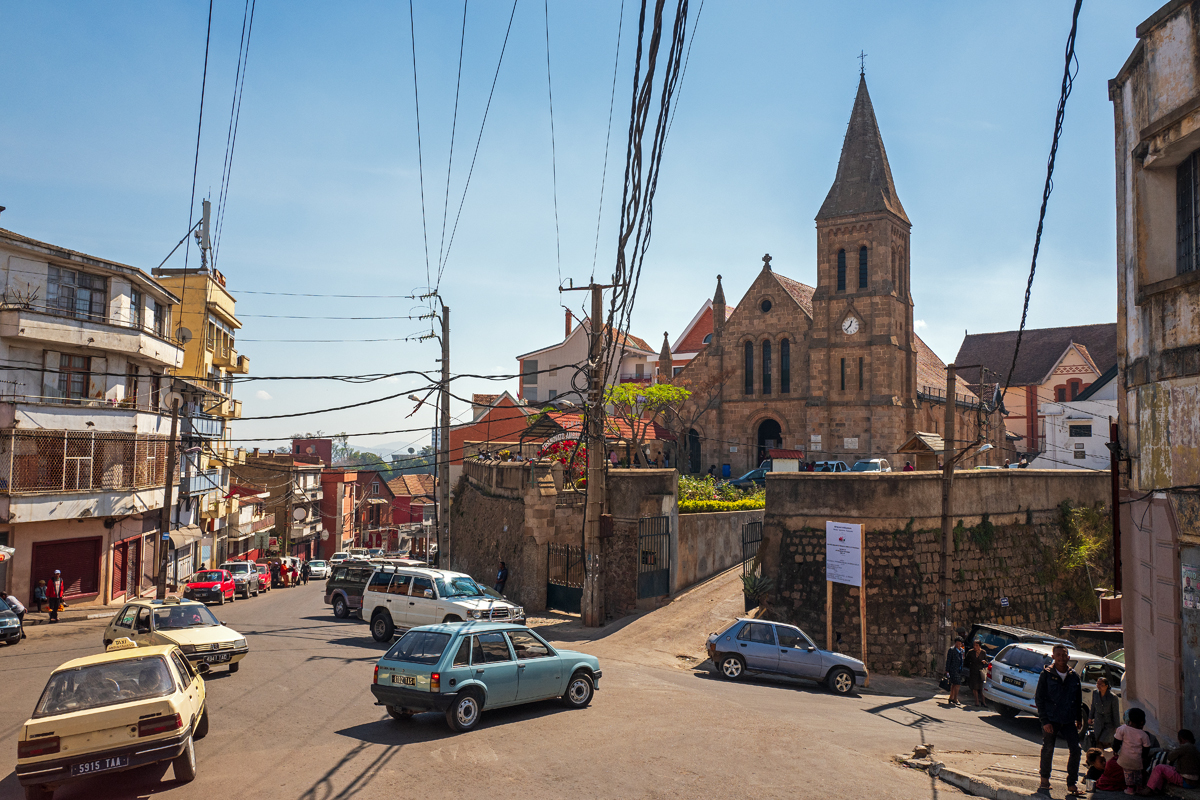
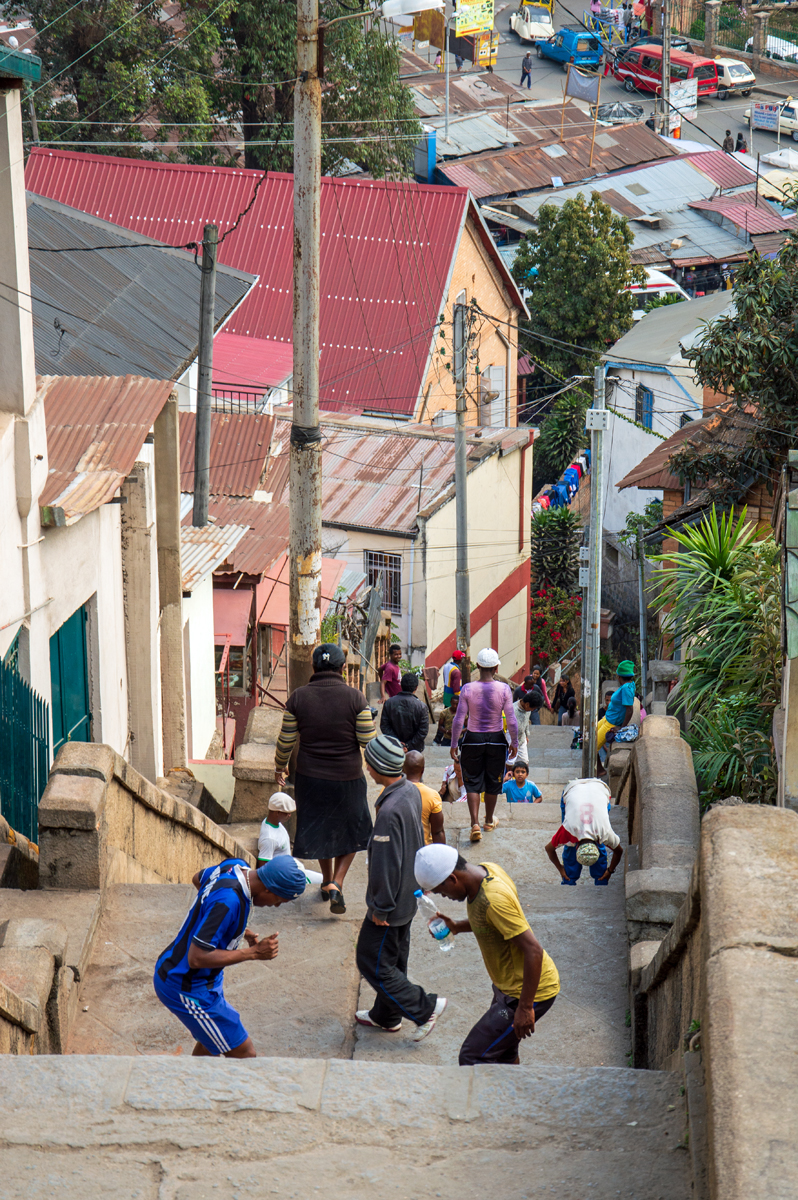
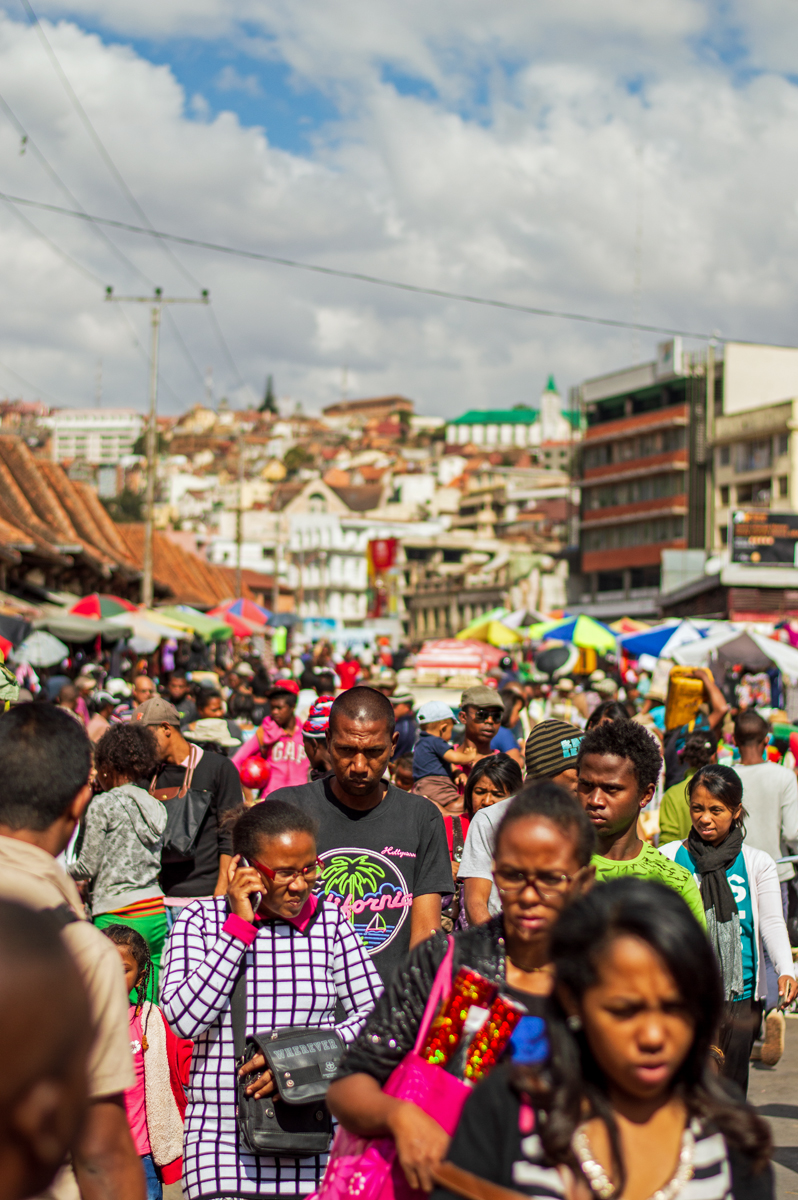
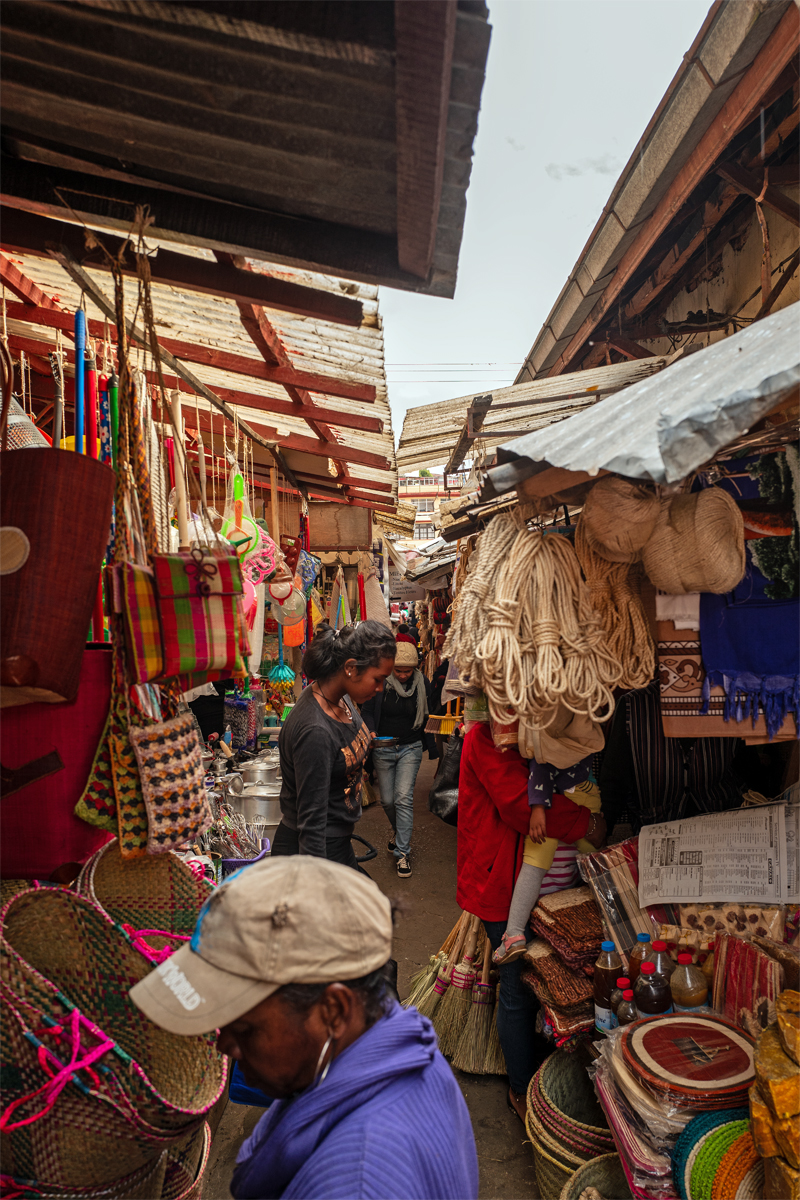
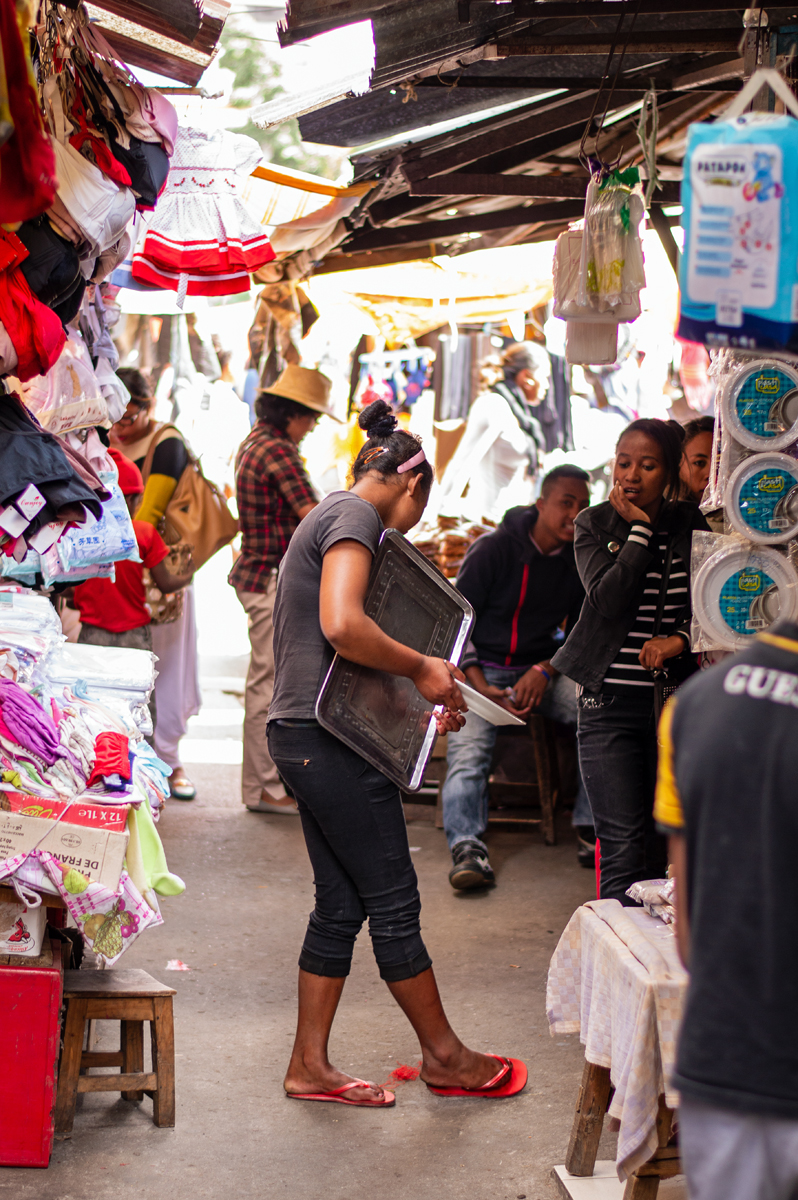
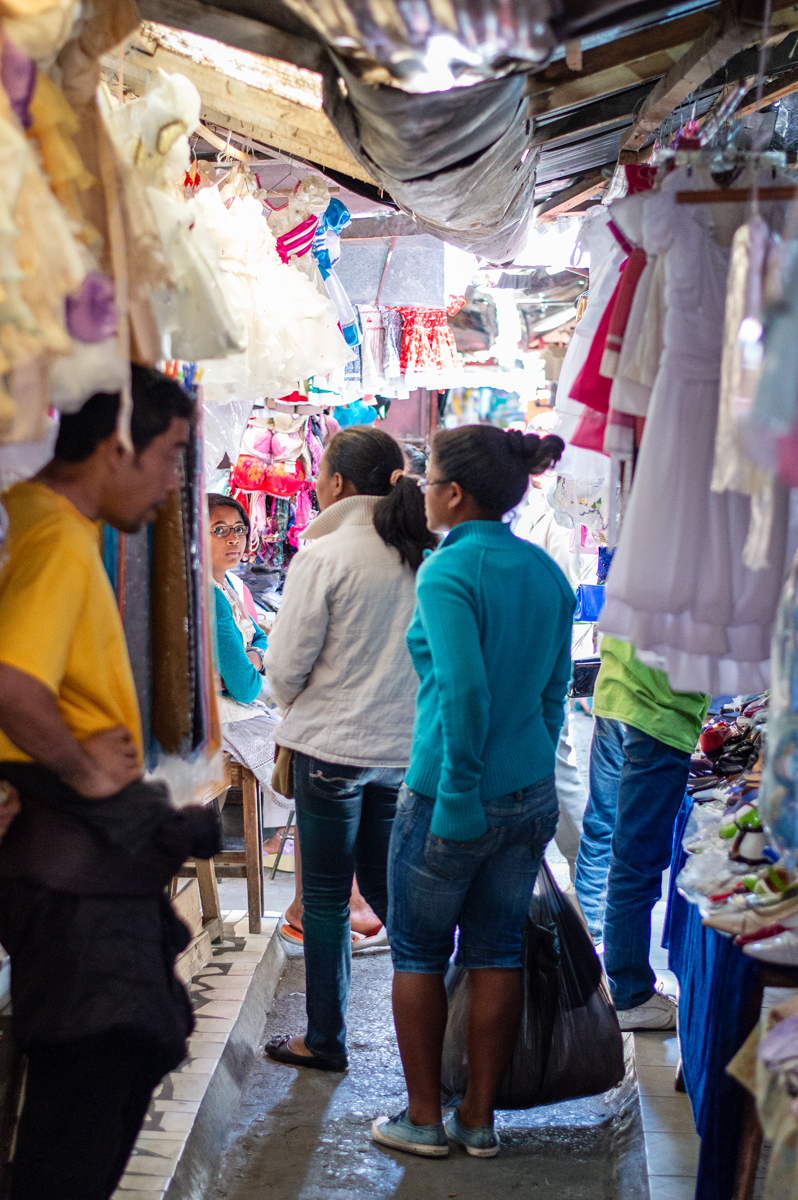
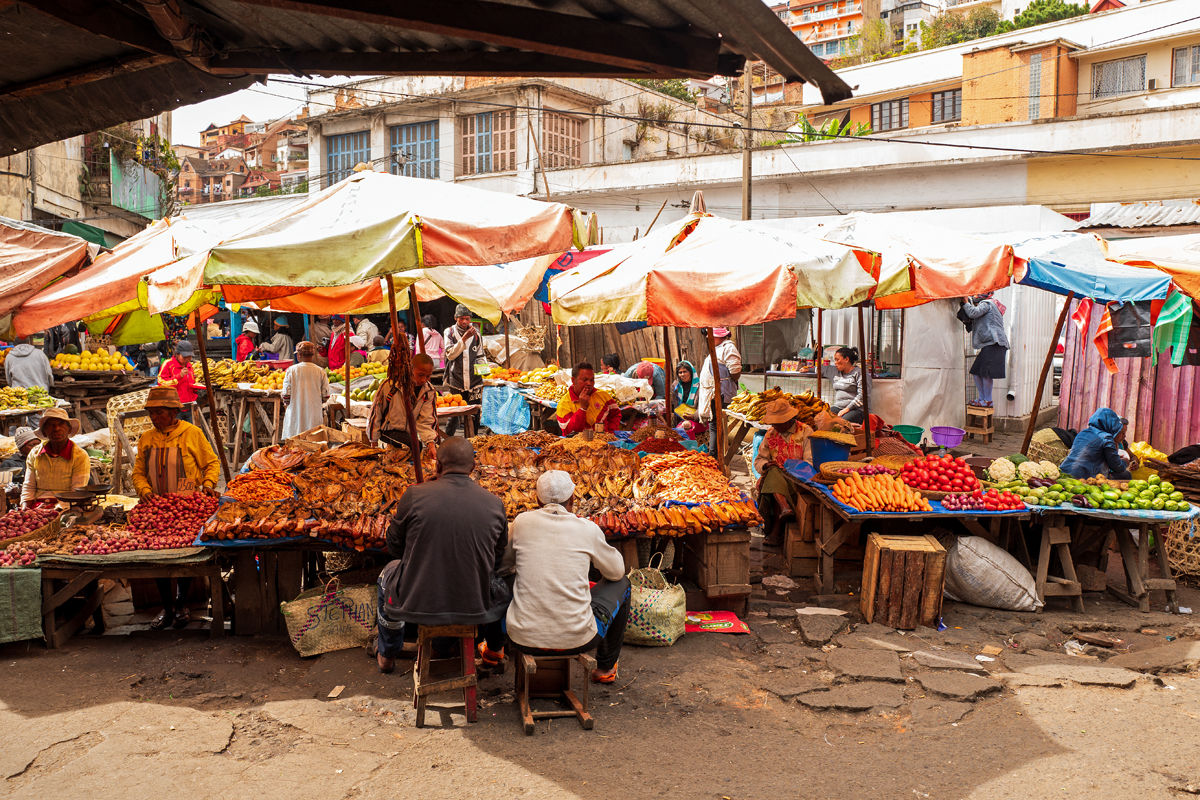
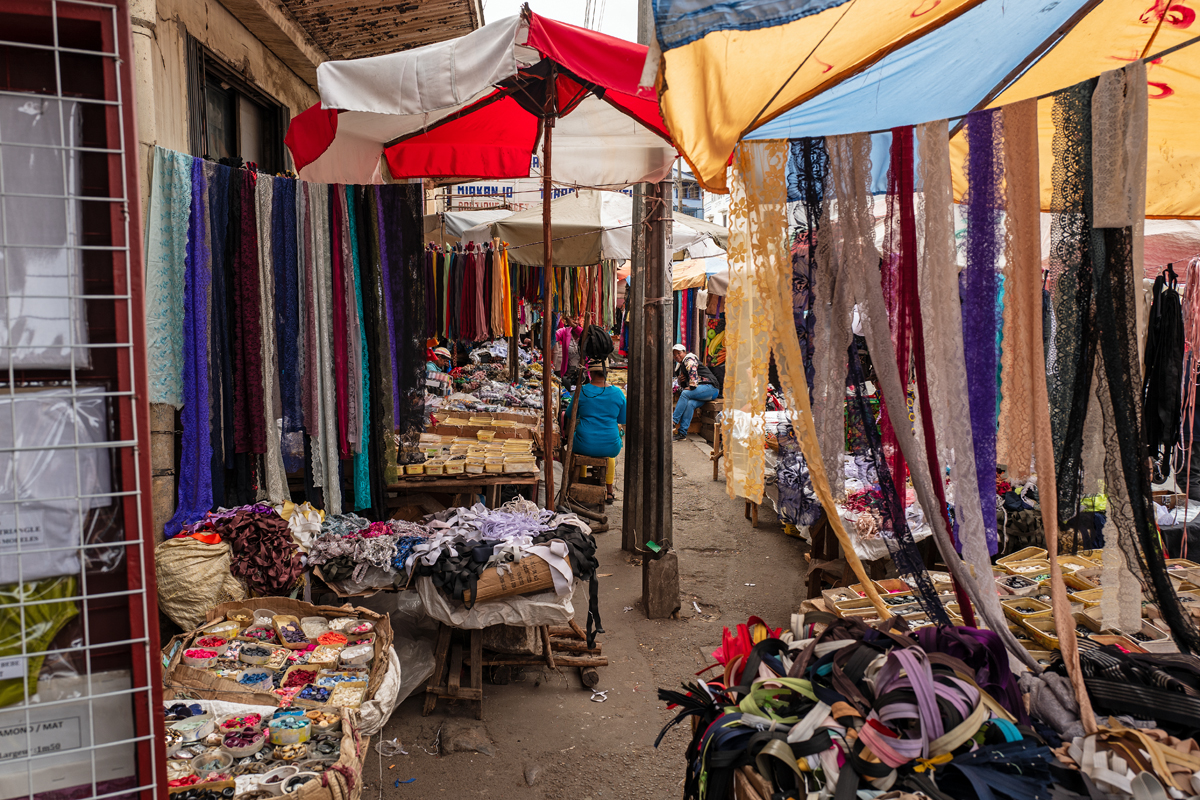
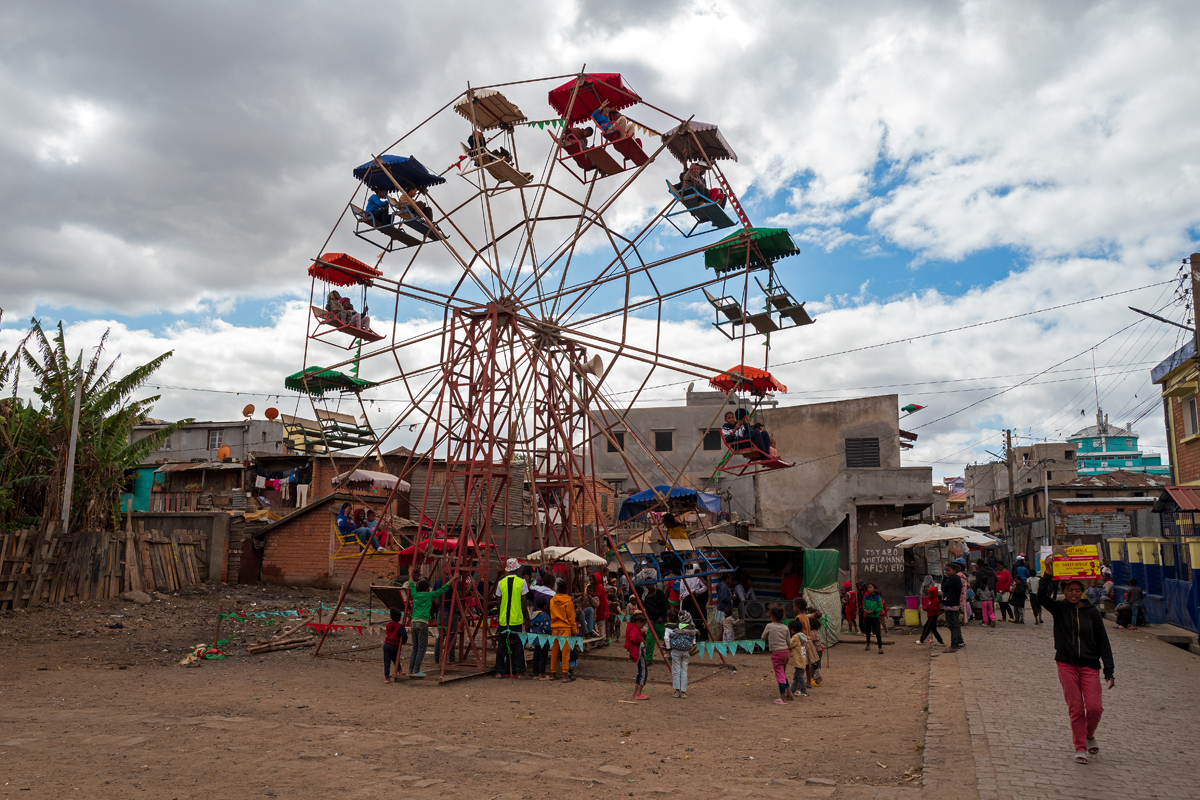
For travellers, Tana is all about the people, the architecture and the markets and shops. It´s easy to get lost, but in a positive way. Even on Sundays, when the people gather in front of the churches, in their finest dress. And if you need a break, just step inside a small shop, buy a cool drink and take a seat among stunned locals. Maybe they even serve ice cream with fresh strawberries. Everything you can think of as well as the things you cannot think of you get in the streets – or at one of the huge markets.
Für Reisende dreht sich in Tana ganz automatisch alles um die Menschen, die Architektur sowie um die Märkte und Läden. Dabei kann man sich leicht verlieren, aber auf eine positive Weise. Selbst an Sonntagen, wenn sich die Menschen in ihren besten Kleidern vor den Kirchen treffen. Und wenn man mal eine Pause braucht, betritt man einen der kleinen Läden, die es überall gibt, kauft sich ein kaltes Getränk und hockt sich zwischen die verblüfften Einheimischen. Vielleicht gibt es da sogar Eis und frische Erdbeeren. Alles, was man sich vorstellen kann, und natürlich vieles von dem, was sich niemand vorstellen kann, bekommt man auf den Straßen oder auf einem der riesigen Märkte.





 docugrAfrica
15 Gedanken zu “Antananarivo – Tana par plaisir”