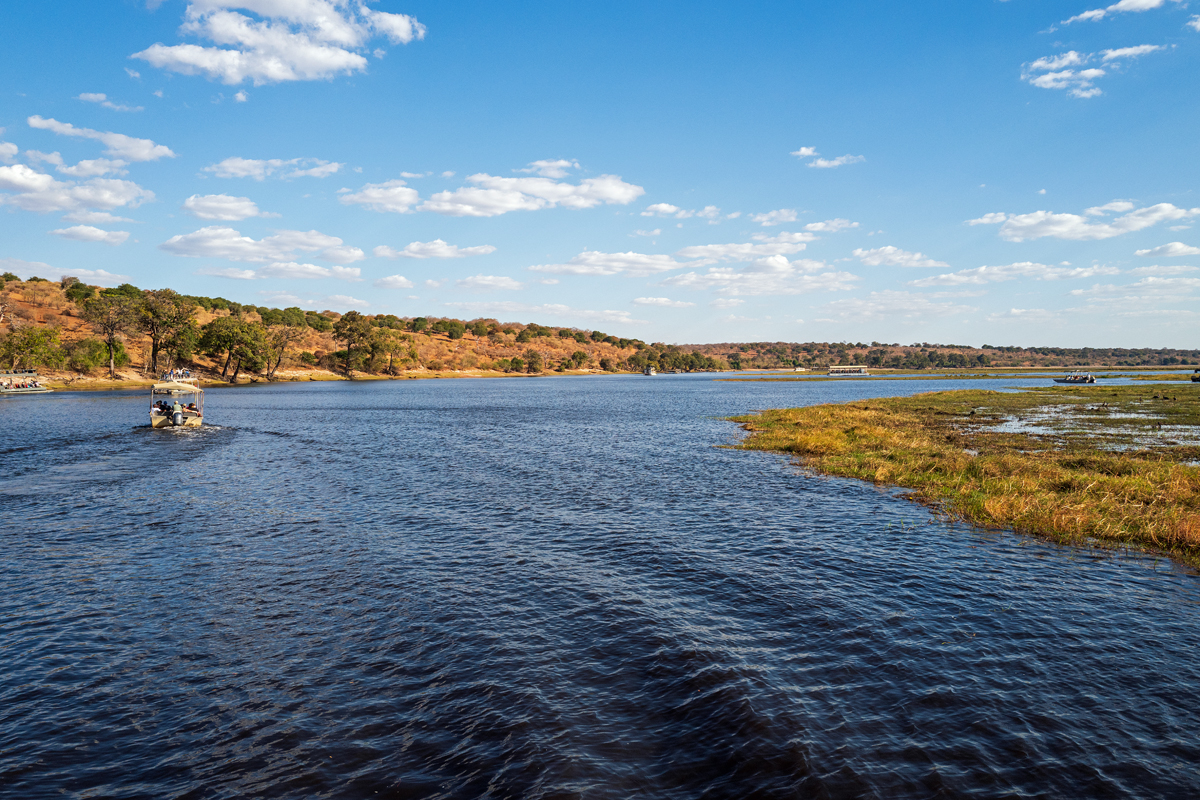
Chobe River floats through northern Botswana and marks the border to Zambezi Region (hist.: Caprivi Strip) in Namibia as well as with Zambia before flowing into Zambezi River at the quadripoint of Botswana, Namibia, Zambia, and Zimbabwe at Kazungula. It´s born in the highland of Angola under the name Cuando, and from there it meanders 1.500 km in south-eastern direction crossing Namibia and changing its name to Linyanti at the eponymous swamp in north-western Botswana. There, it takes a turn to the east where it changes its name again to Chobe – after passing Lake Lambezi. This region is the northern edge of the famous Okavango Delta.
Der Chobe-Fluss fließt durch den Norden Botswanas und bildet dort die Grenze zur Zambezi Region in Namibia (früher: Caprivi-Streifen) und Sambia, bevor er schließlich am Vierländereck von Botswana, Namibia, Sambia und Simbabwe bei Kazungula in den Sambesi mündet. Unter dem Namen Cuando entspringt er im Hochland Angolas, von wo aus er sich auf seine insgesamt 1.500 Kilometer lange Reise Richtung Südosten macht, schließlich Namibia durchquert und ab den gleichnamigen Sümpfen im Nordwesten Botswanas Linyanti genannt wird. Dort macht er eine scharfe Kurve gen Osten, wo er nochmals den Namen wechselt und nach Passieren des Liambezi-Sees Chobe heißt. Das Gebiet markiert die nördliche Grenze des berühmten Okavango-Deltas.


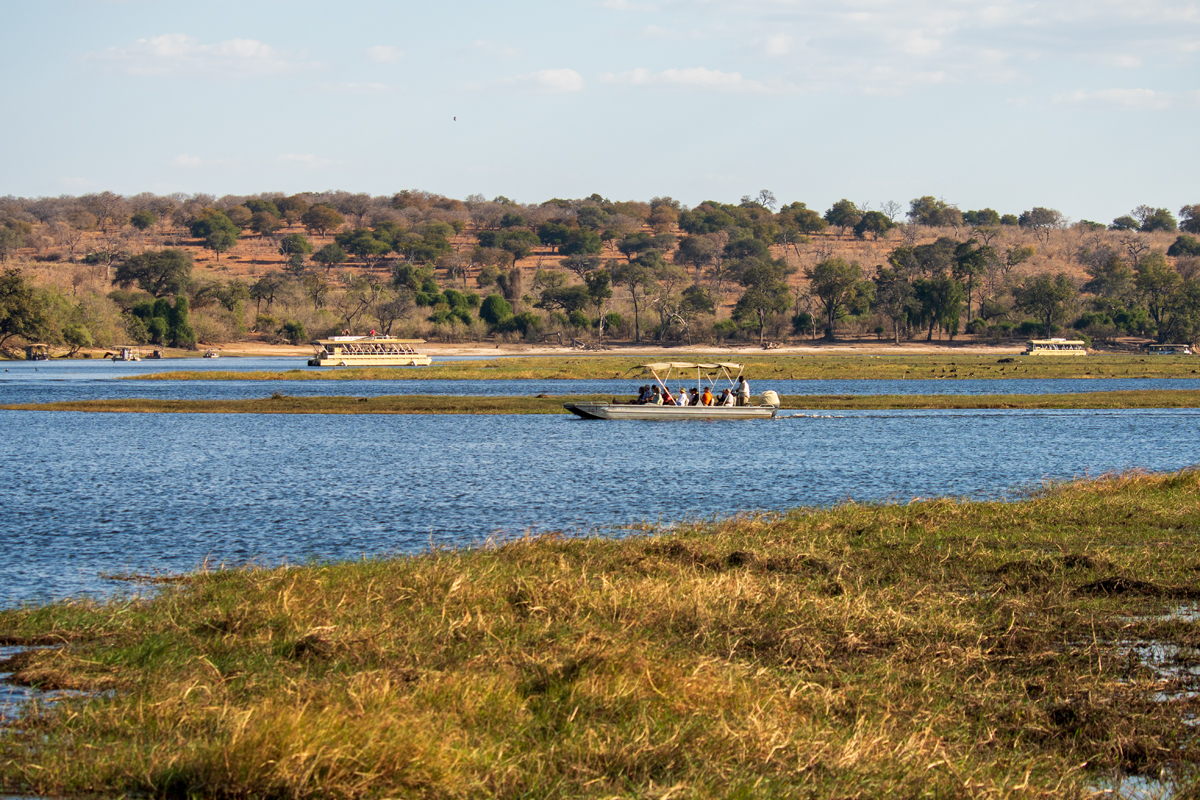
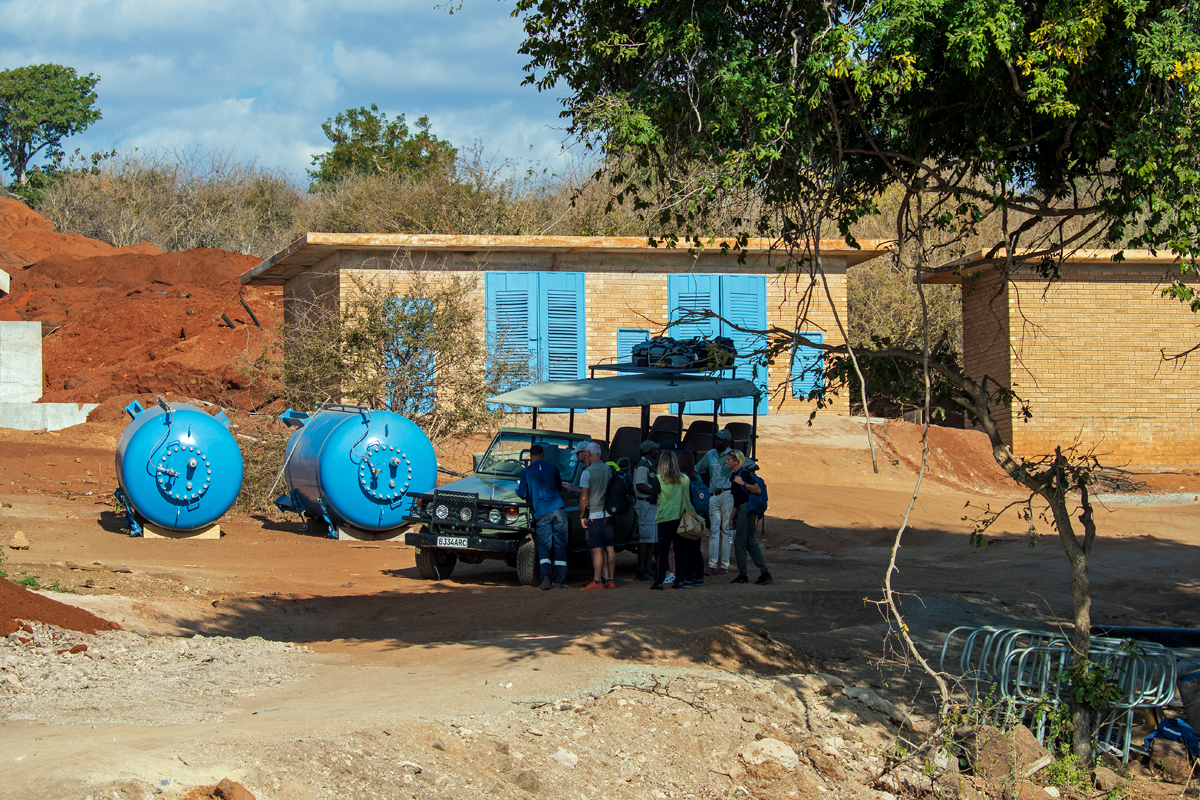
The history of Chobe National Park, which is protecting the whole area on the Botswanan side, dates to the year 1930 when a part of the territory of modern-day Chobe National Park was declared a hunting-free zone. But it took another three decades to the year 1960 until the area was declared a Wildlife Reserve, and another seven years until it became a National Park in 1967, shortly after Botswana gained its independence. Expansions in 1980 as well as in 1987 lead to the present extension of 10.566 km².
Die Geschichte des Chobe Nationalparks, der das gesamte Gebiet auf botswanischer Seite umfasst, reicht zurück bis ins Jahr 1930, als ein Teil des heutigen Nationalparkgebiets zu einer Jagd-freien Zone gemacht worden war. Allerdings sollte es noch bis 1960 dauern, bis das Gebiet zum Chobe Wildreservat – und noch einmal sieben Jahre, bevor es kurz nach der Unabhängigkeit des Landes 1967 zum ersten Nationalpark erklärt wurde. Erweiterungen in den Jahren 1980 und 1987 führten schließlich zur heutigen Ausdehnung von 10.566 km².
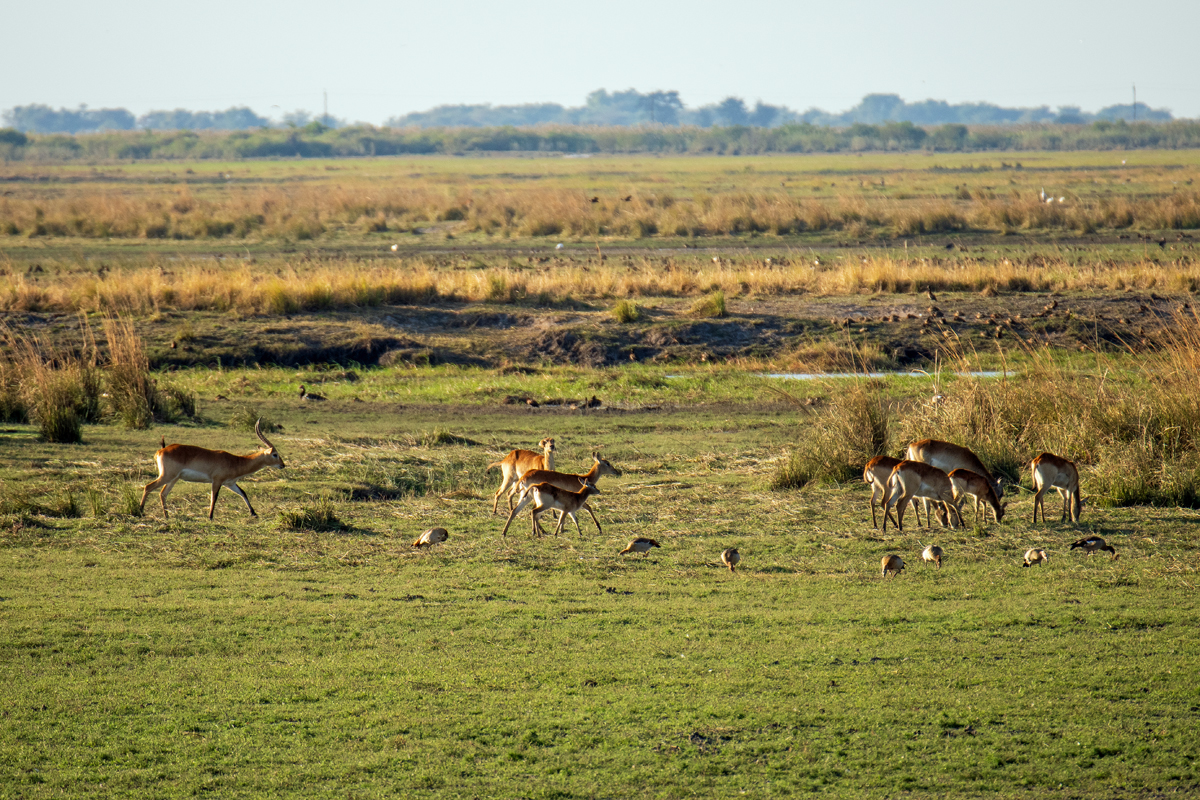

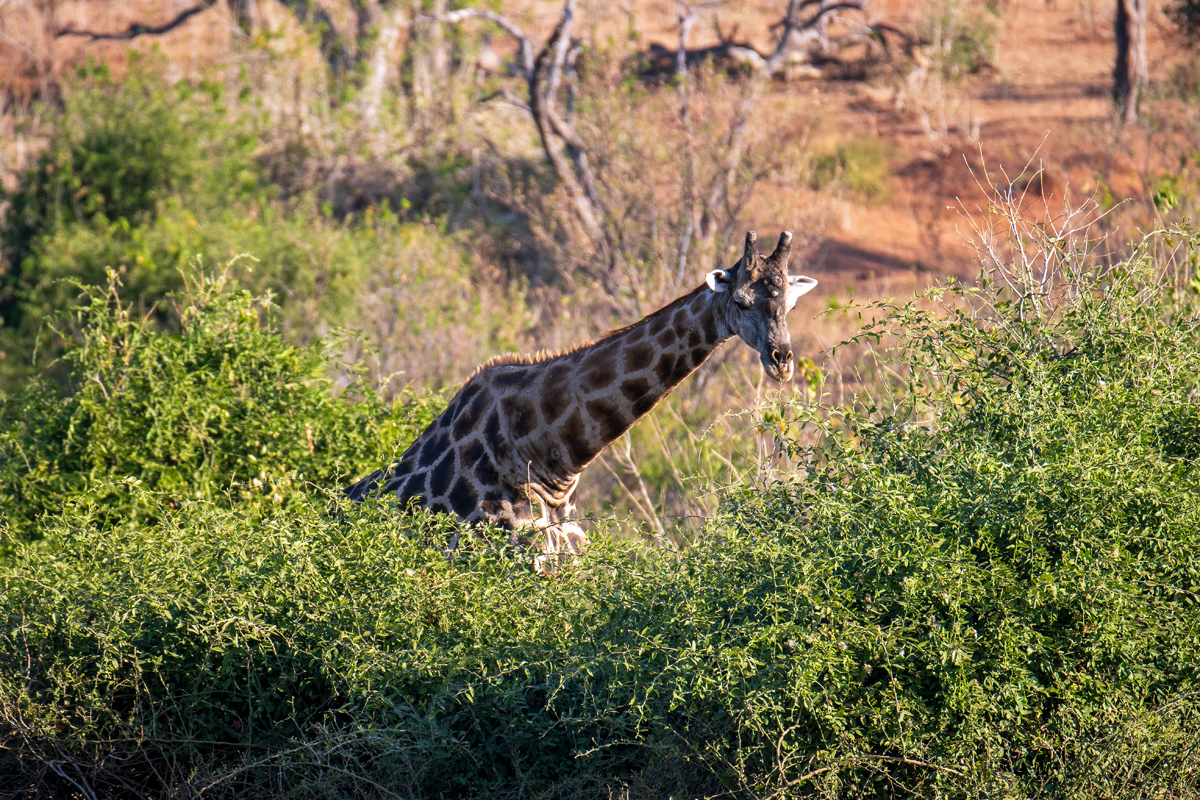
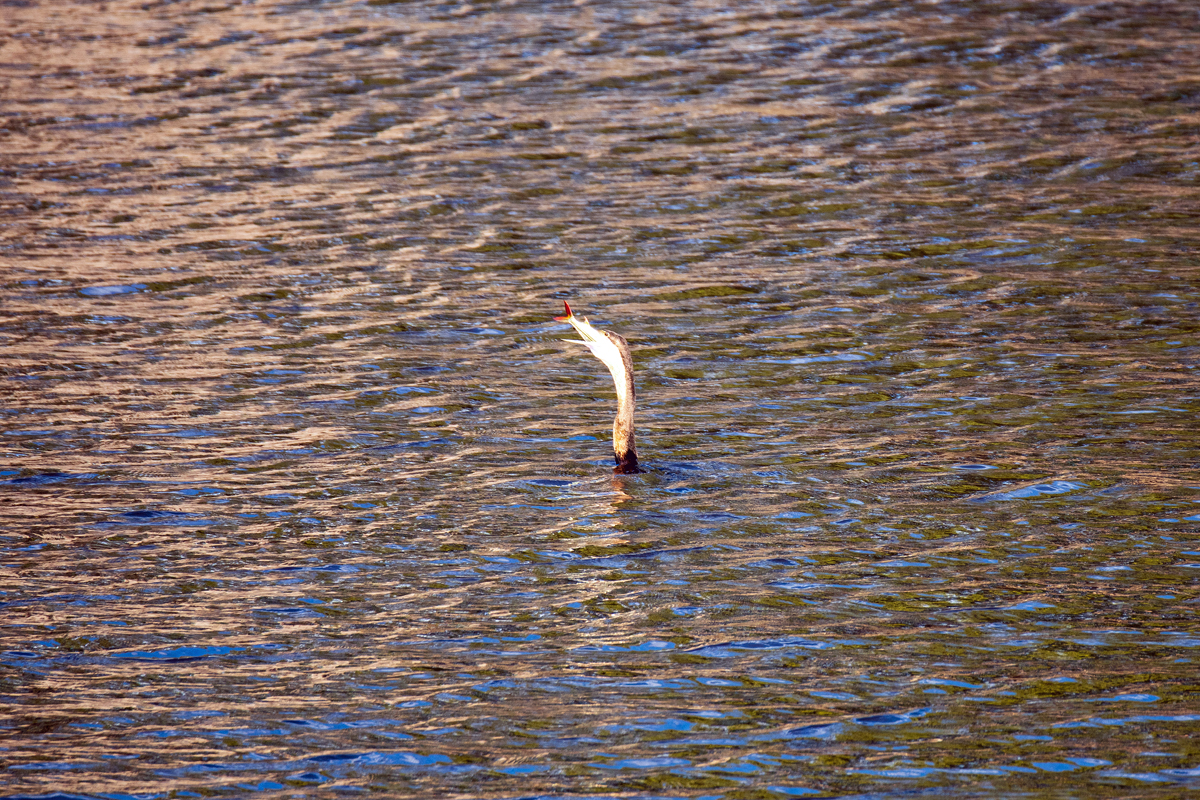

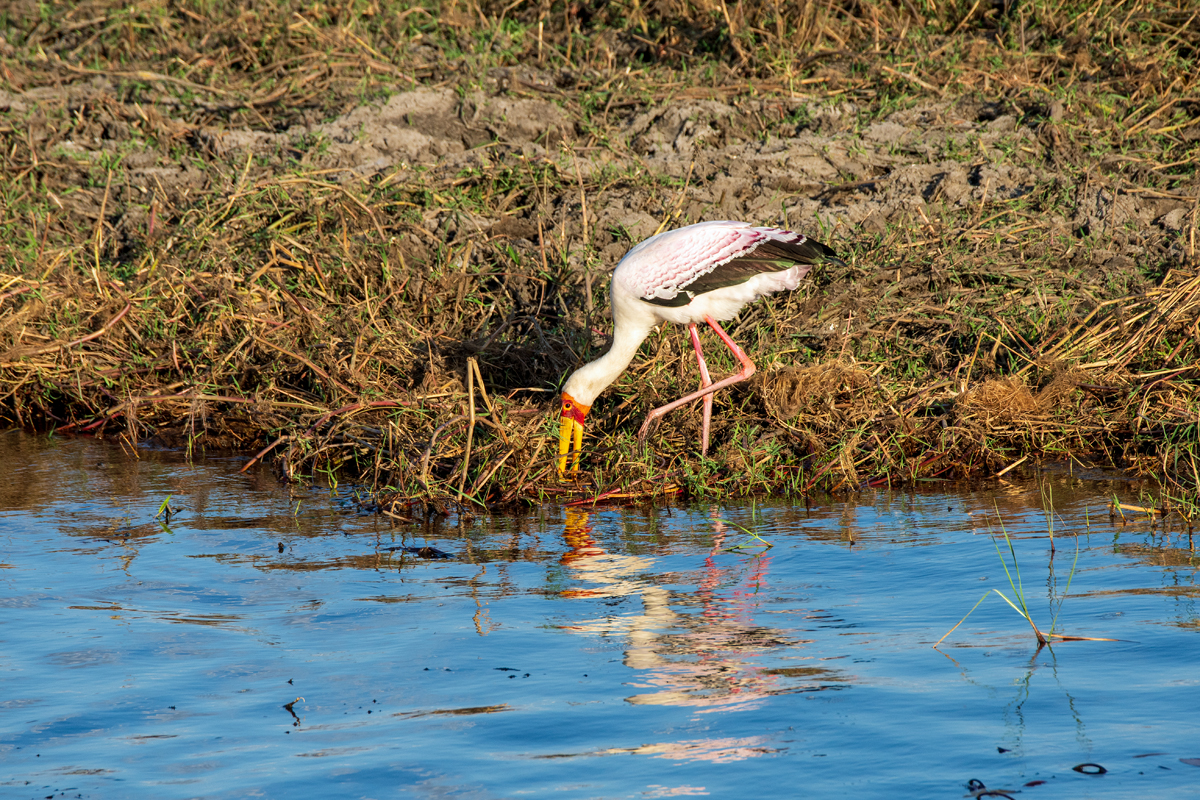

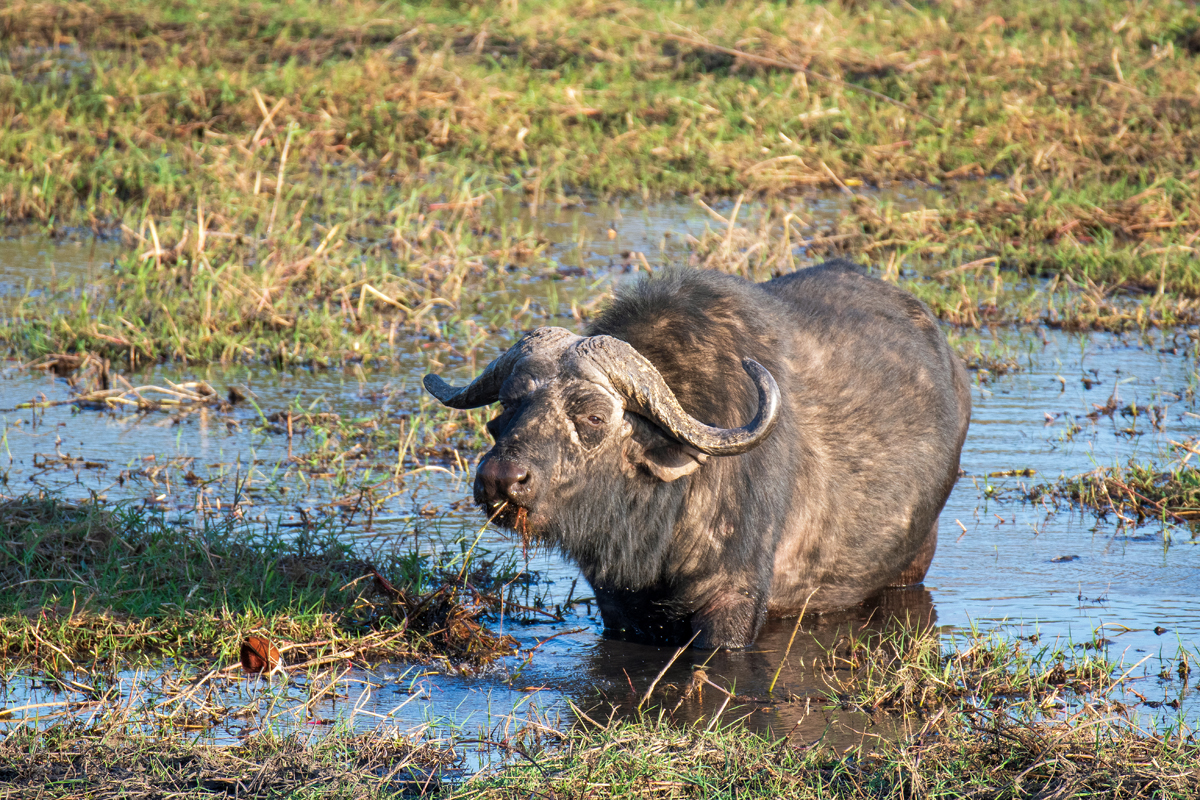
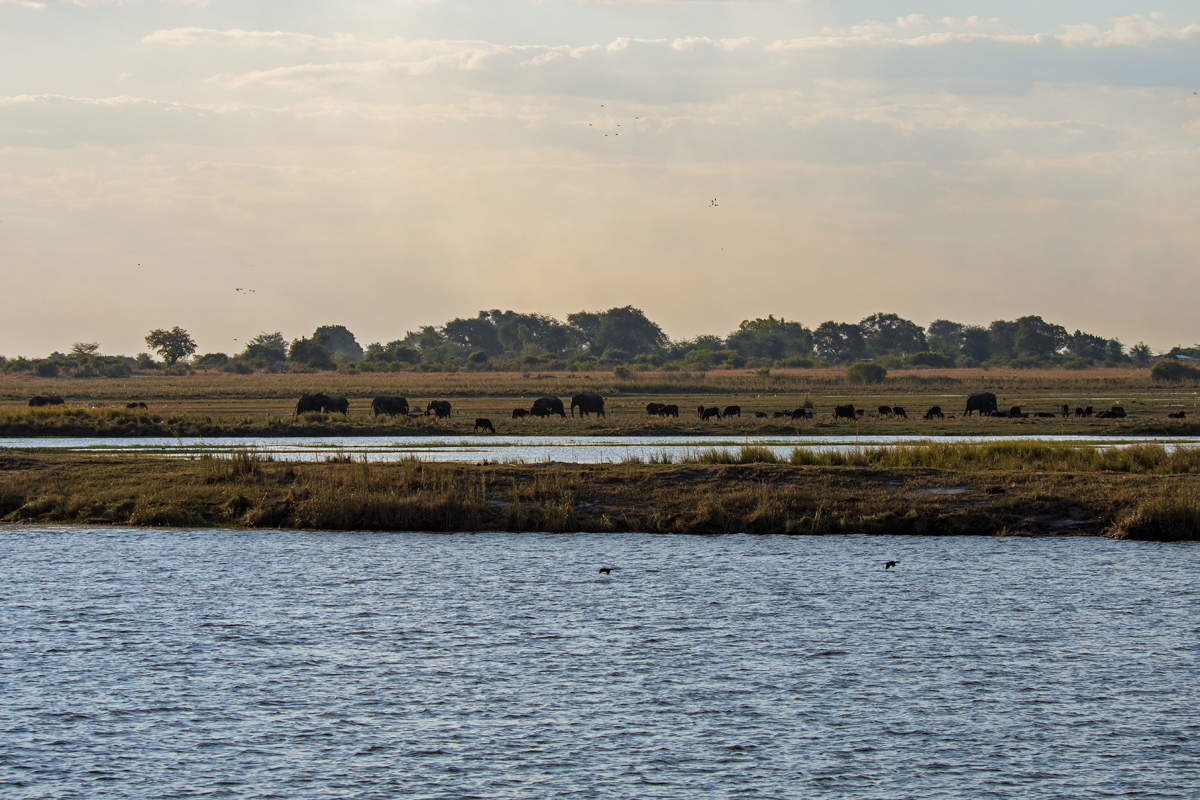
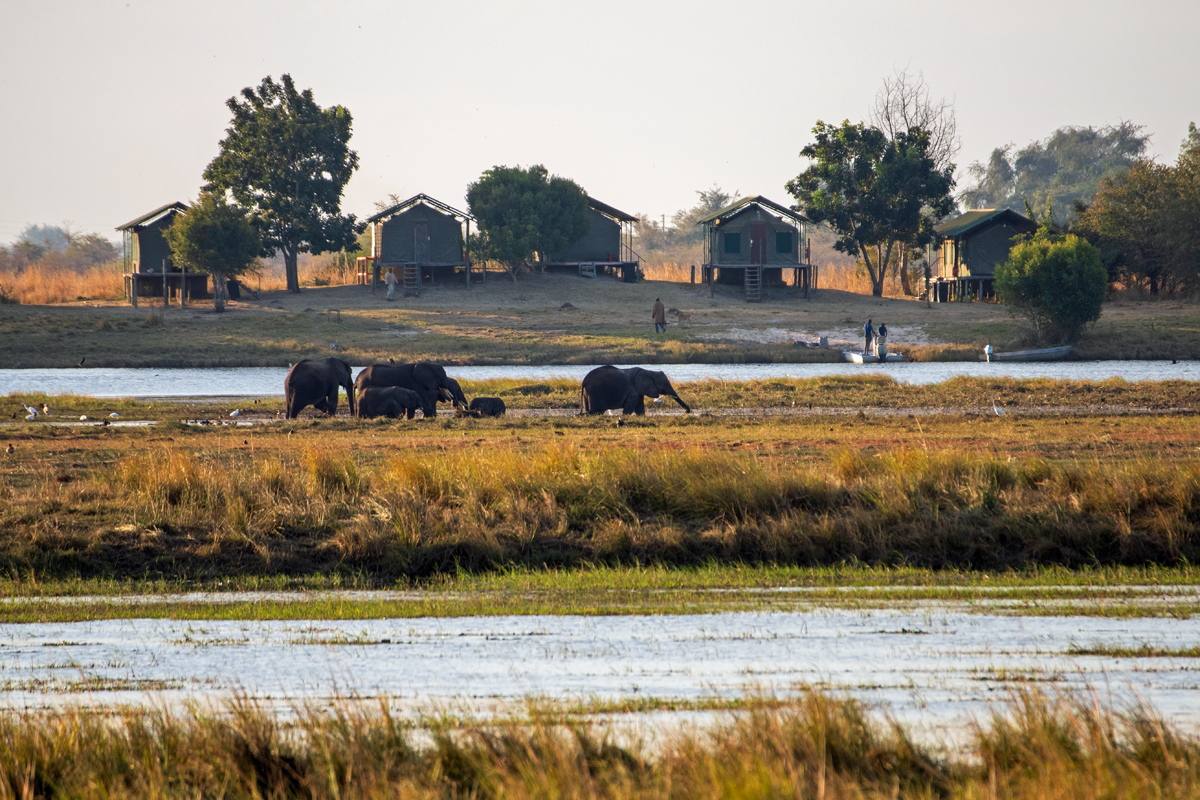

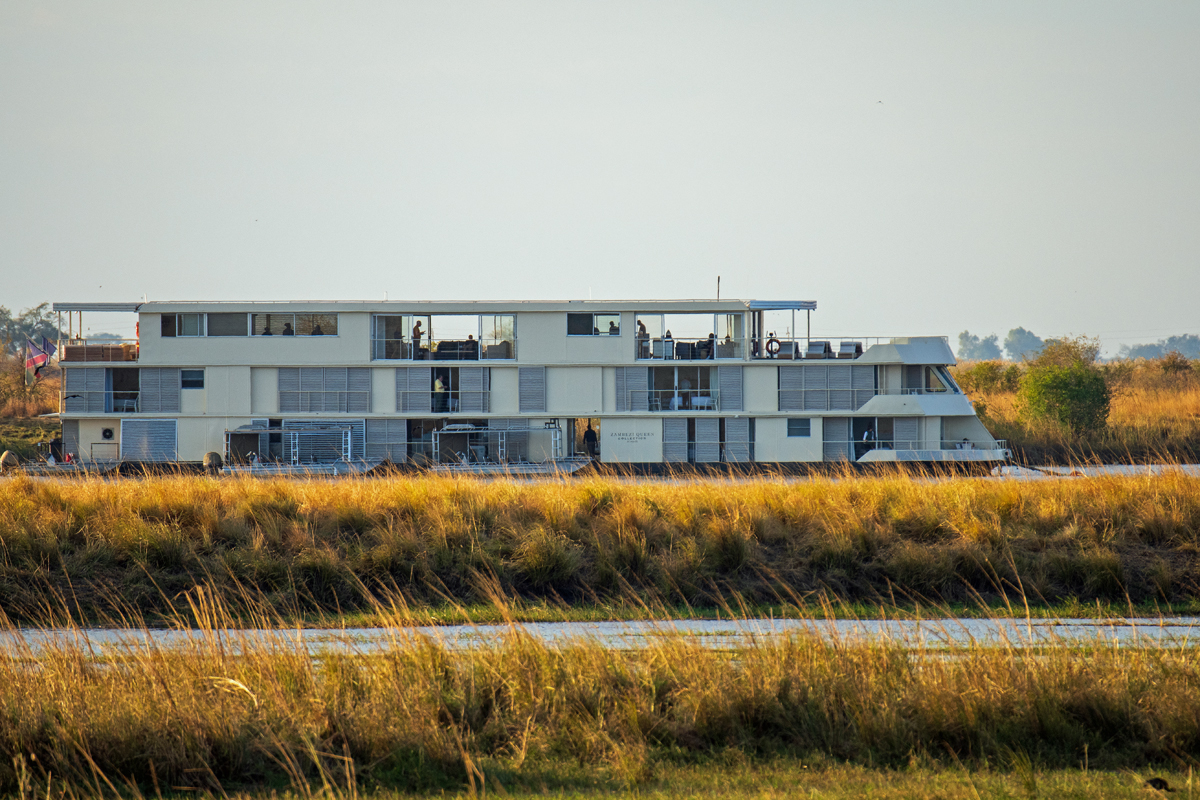
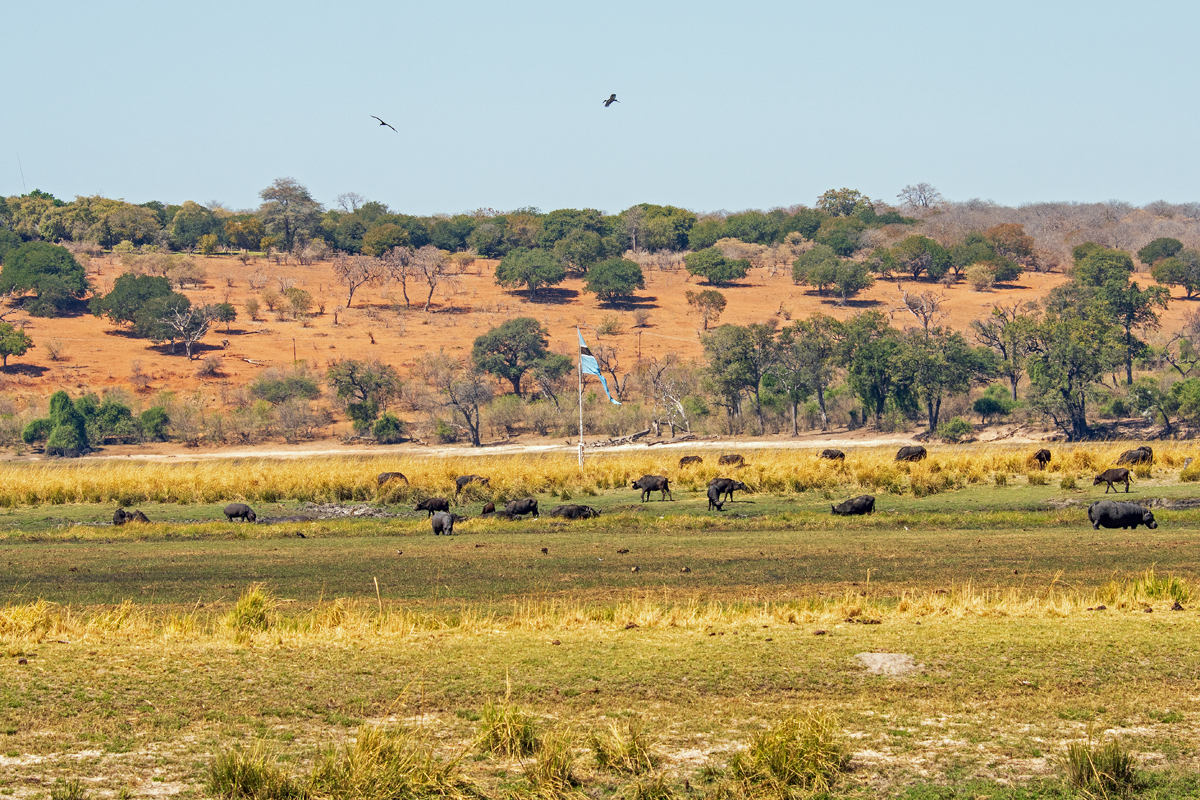
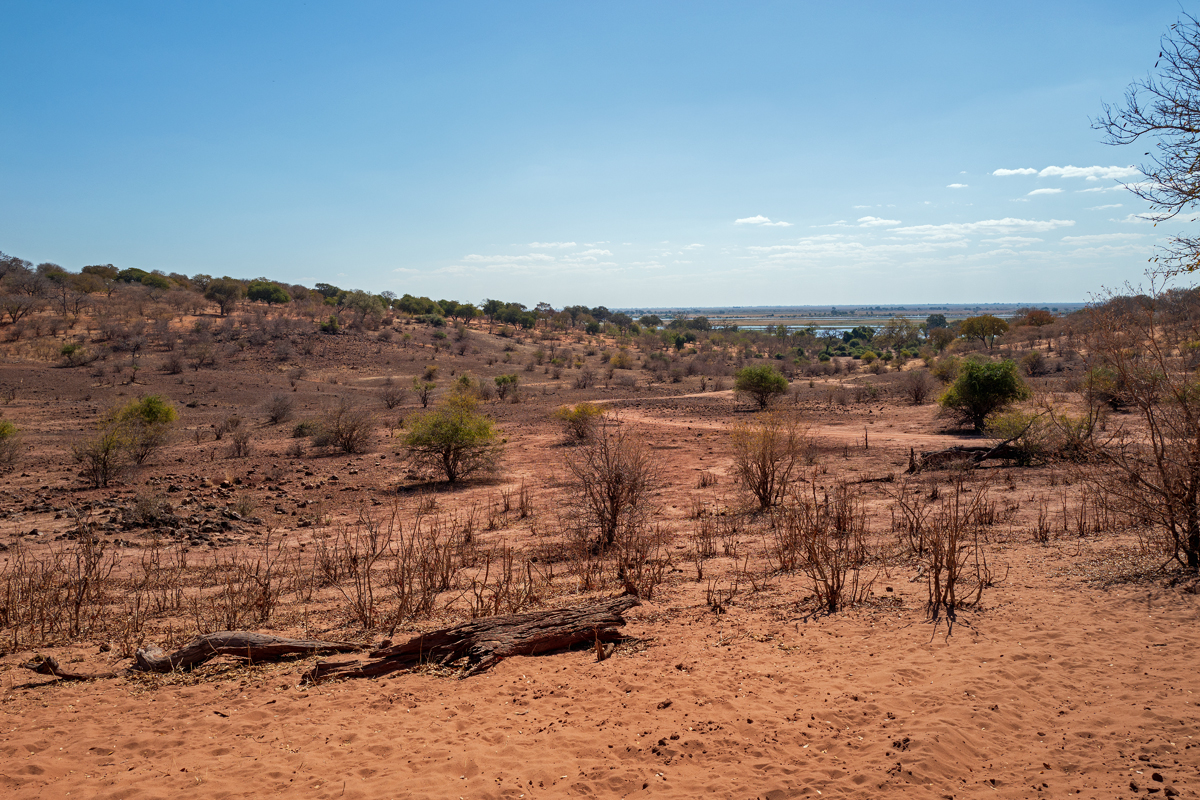
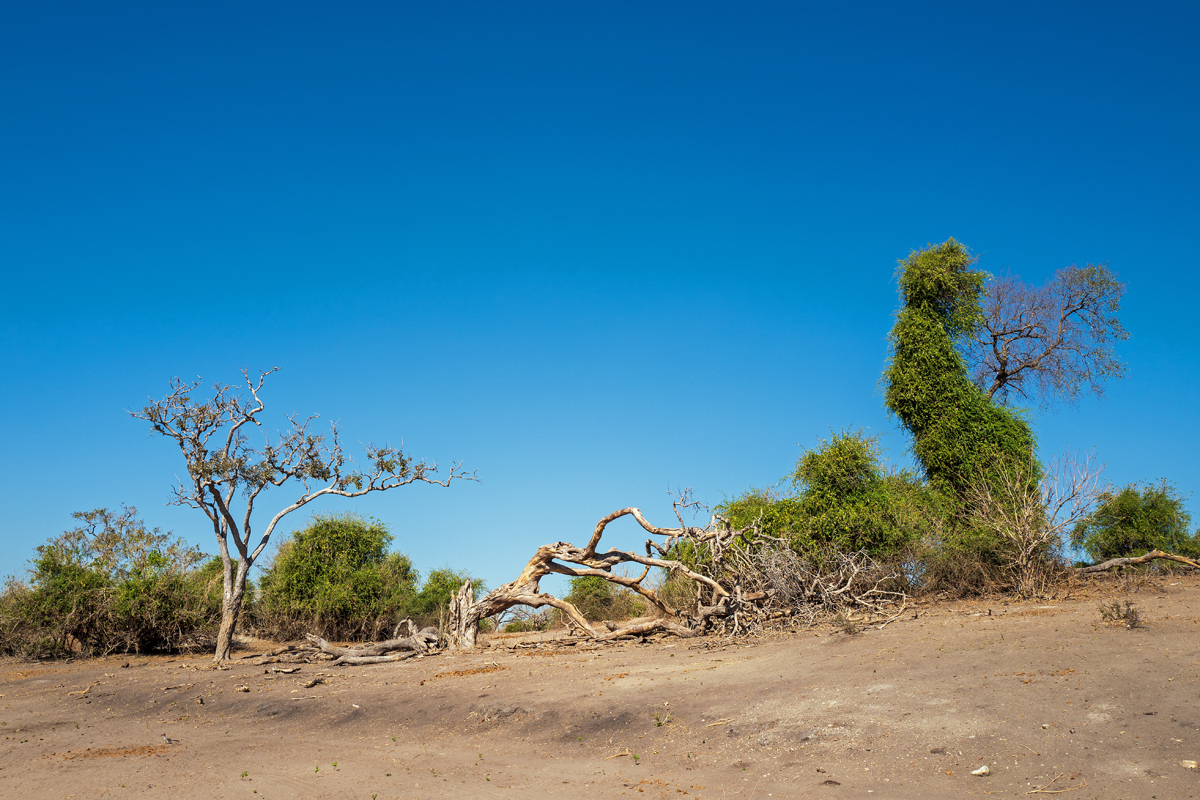
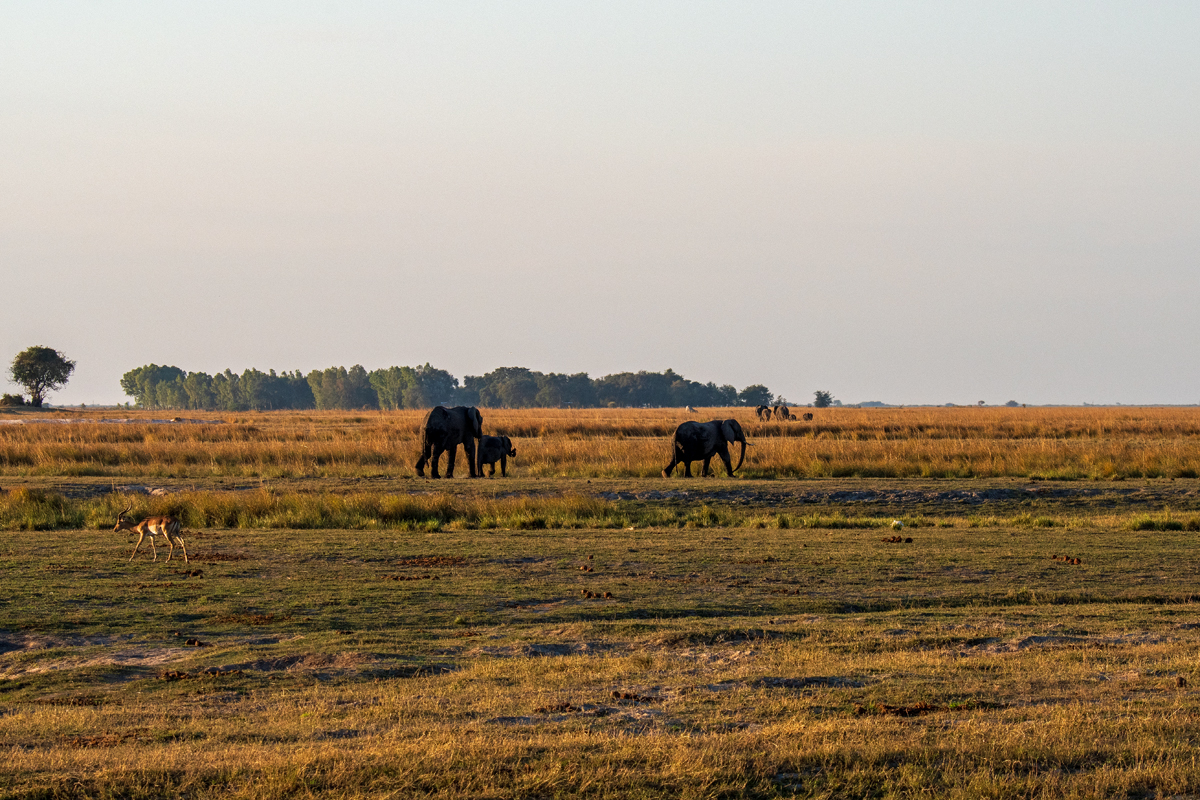
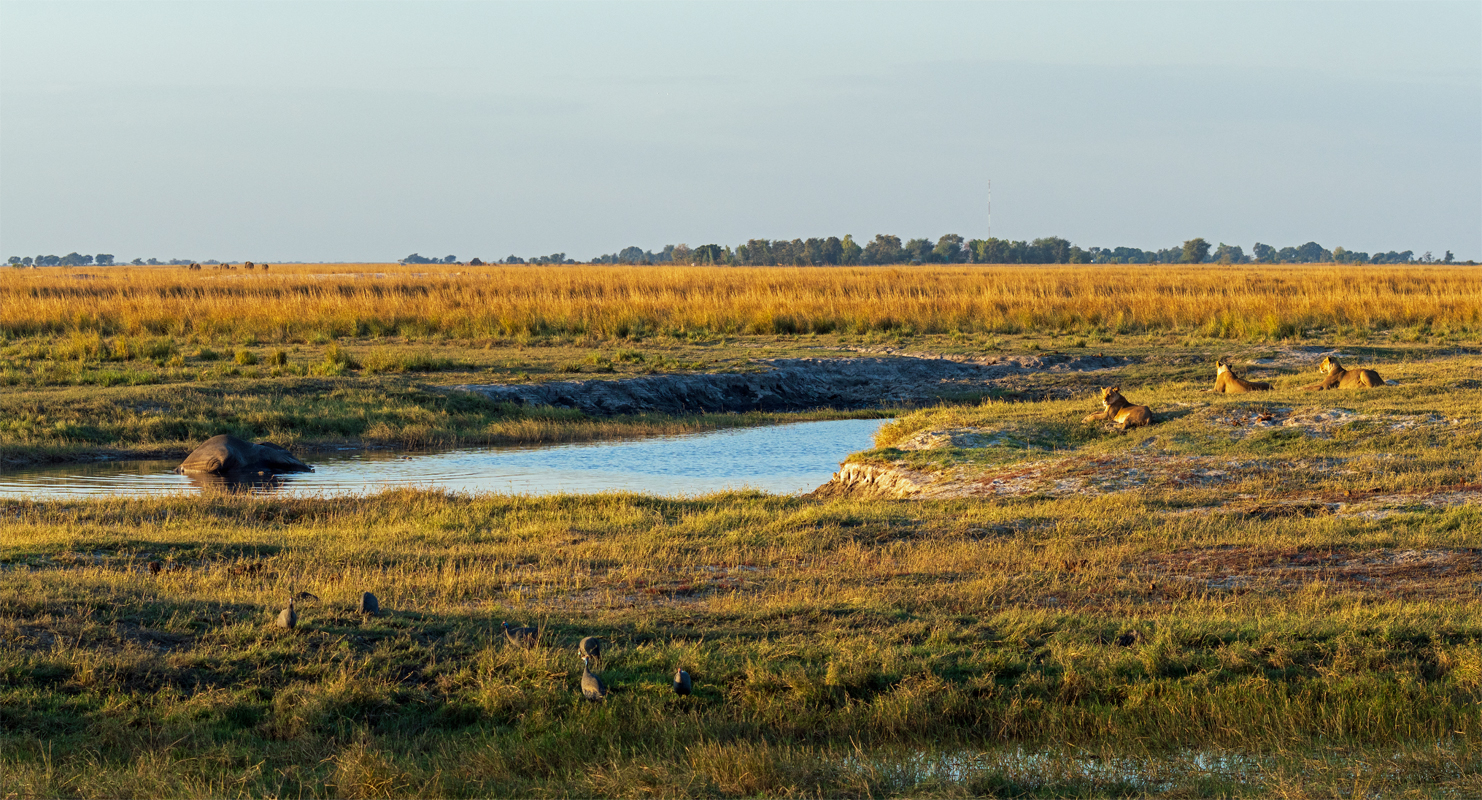
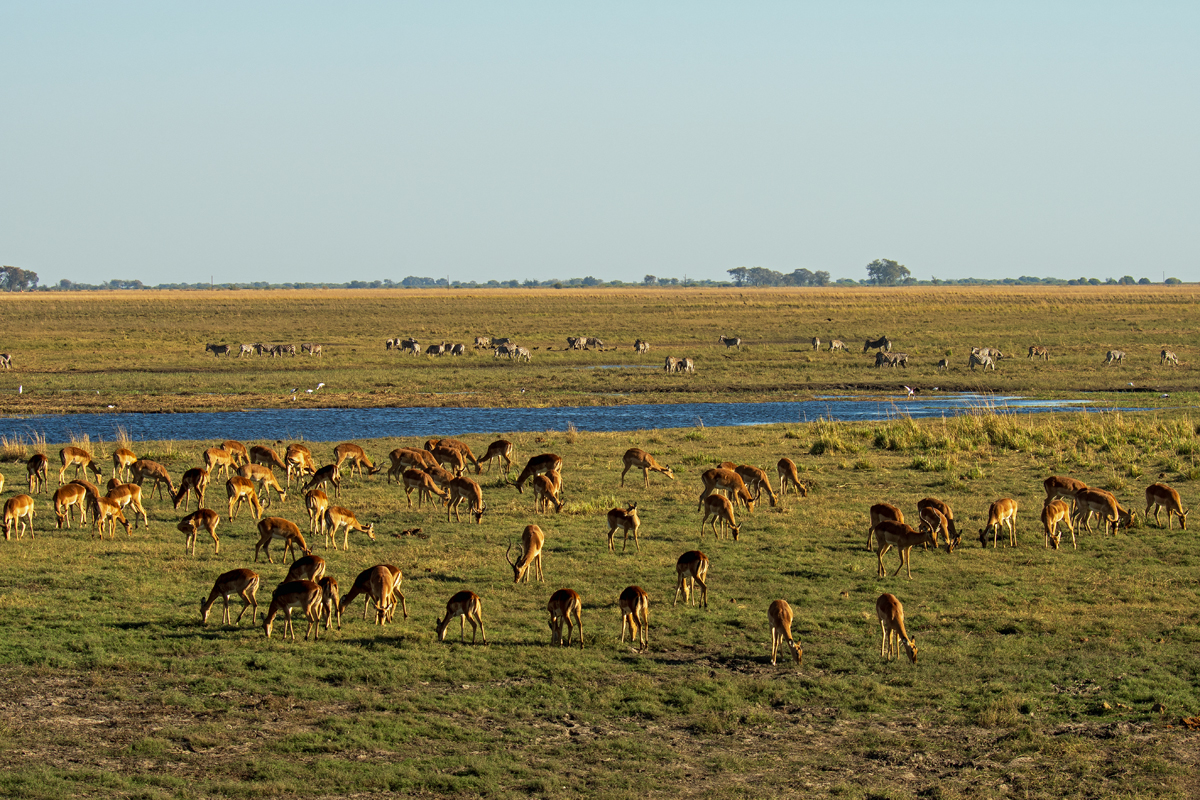
The riverbank is lined with floodplains, swamps, and the typical riparian vegetation, where most of the wildlife can be found especially in the dry season between May and October, because there are only few reliable water places in the park. The back country consists mainly of tree and bush savanna, and besides some lush gallery forests and grass savanna, there is also dry mopane woodland.
Das Flussufer ist gesäumt von Schwemmebenen, Sümpfen und typischer Ufervegetation, wo besonders in der Trockenzeit zwischen Mai und Oktober die meisten Tiere anzutreffen sind, da es im Park nur wenige sichere Wasserstellen gibt. Das Hinterland besteht vornehmlich aus Baum- und Buschsavannen, und neben dem streckenweise üppigen Galeriewald und Grassavannen gibt es auch eher trockenes Mopane-Gebiet.
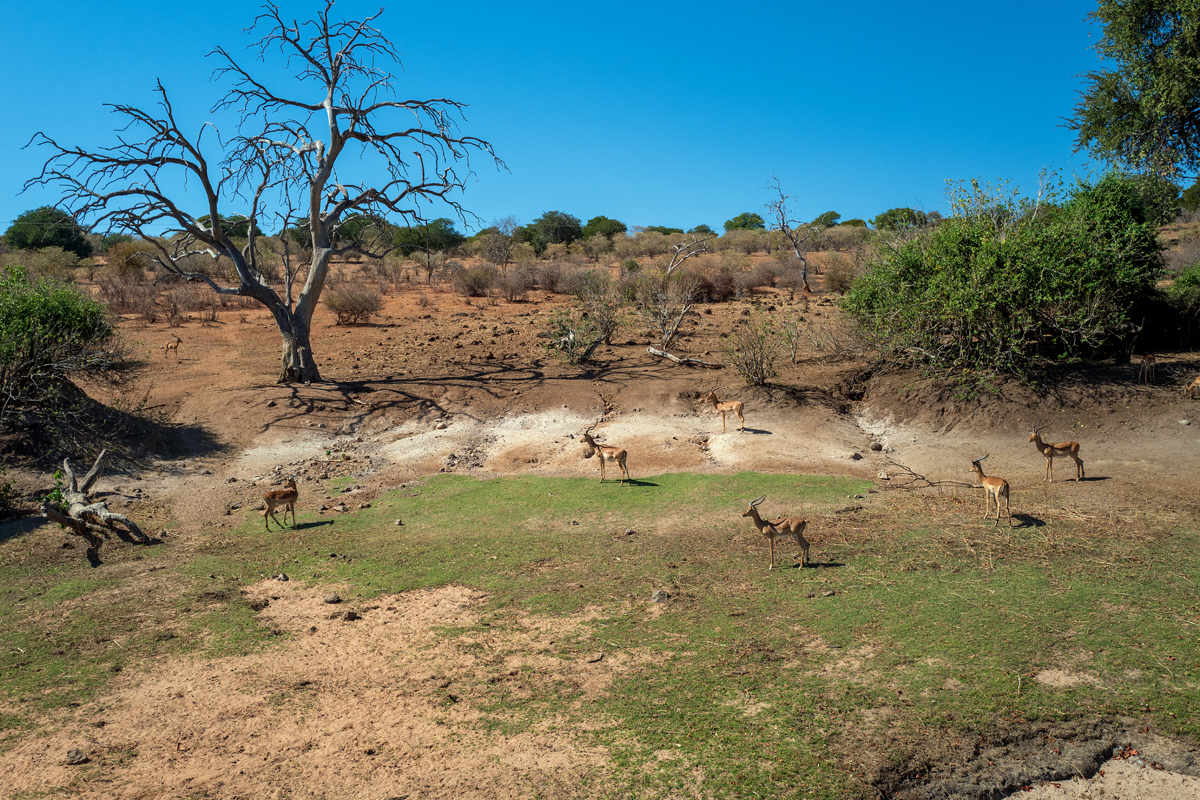


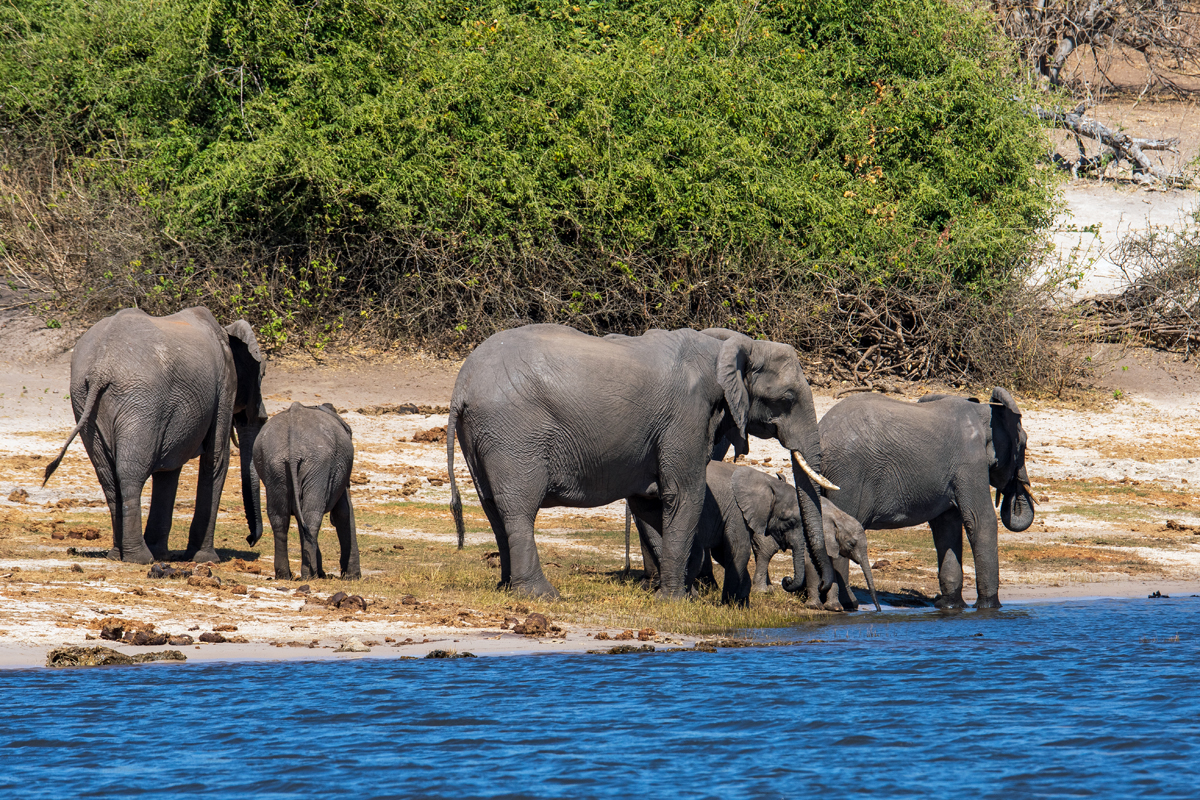
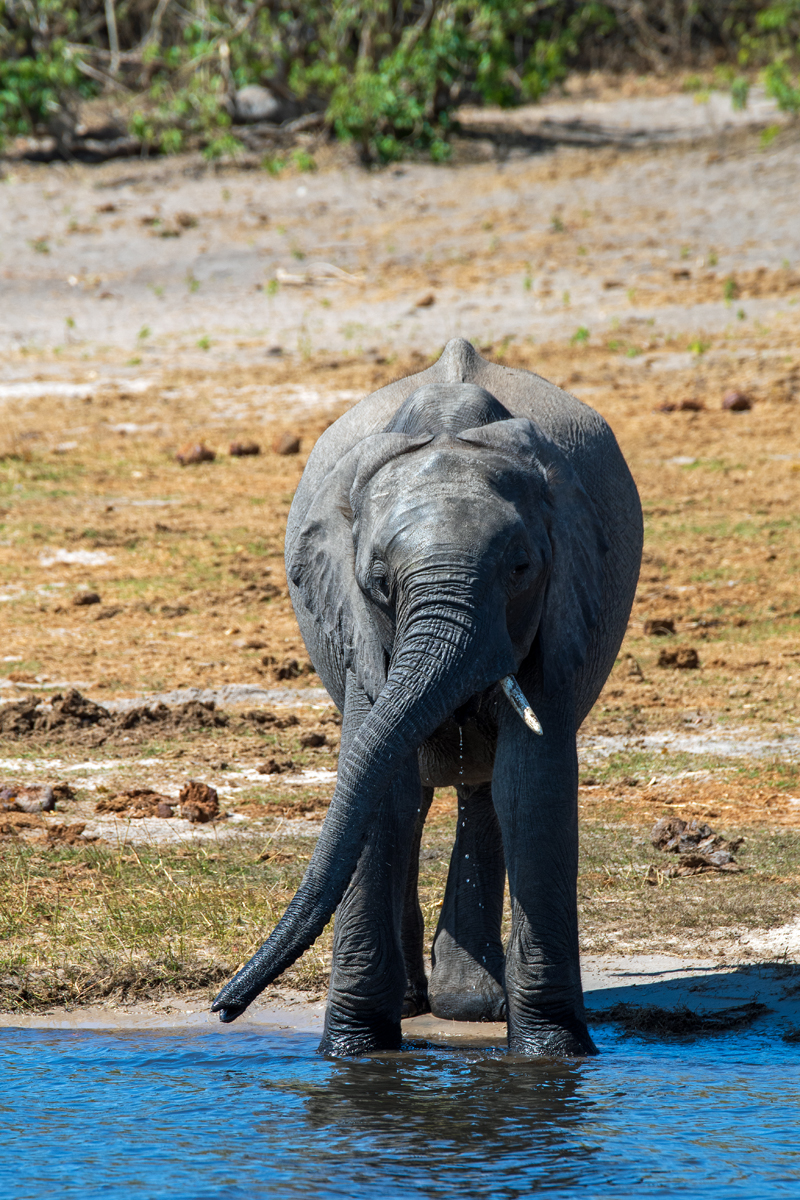
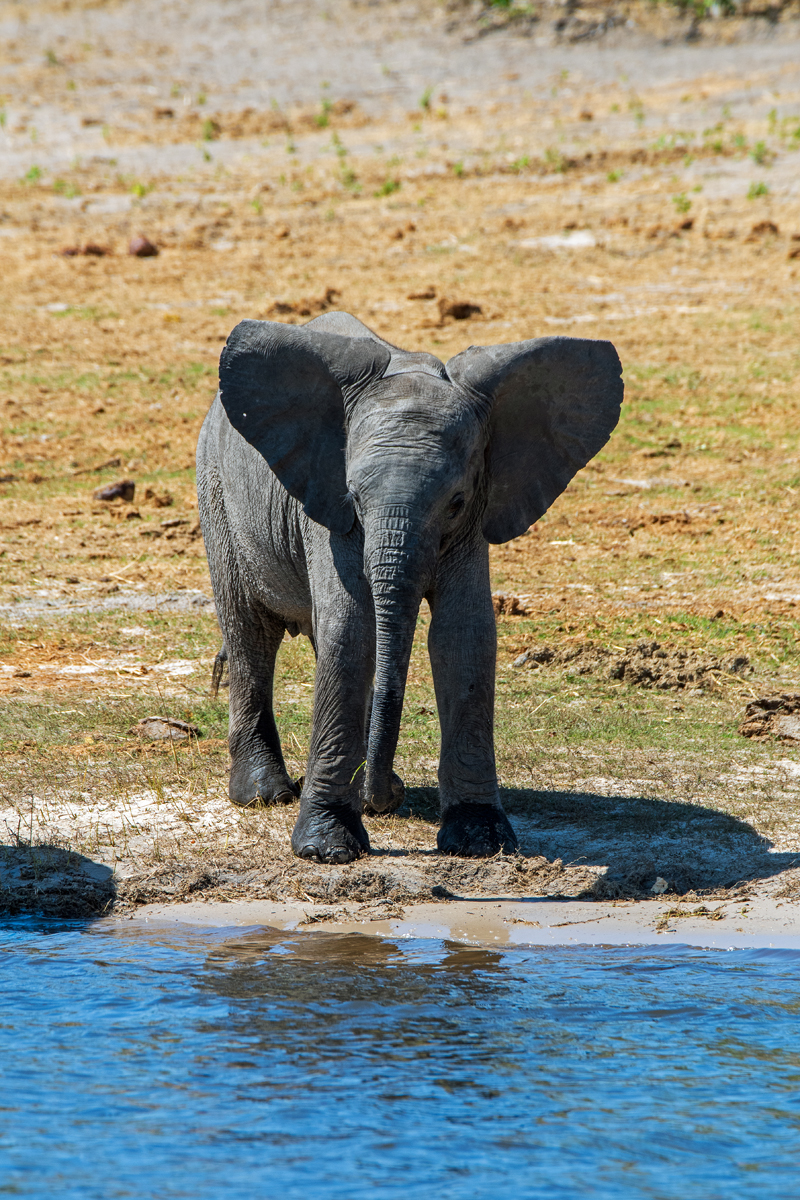
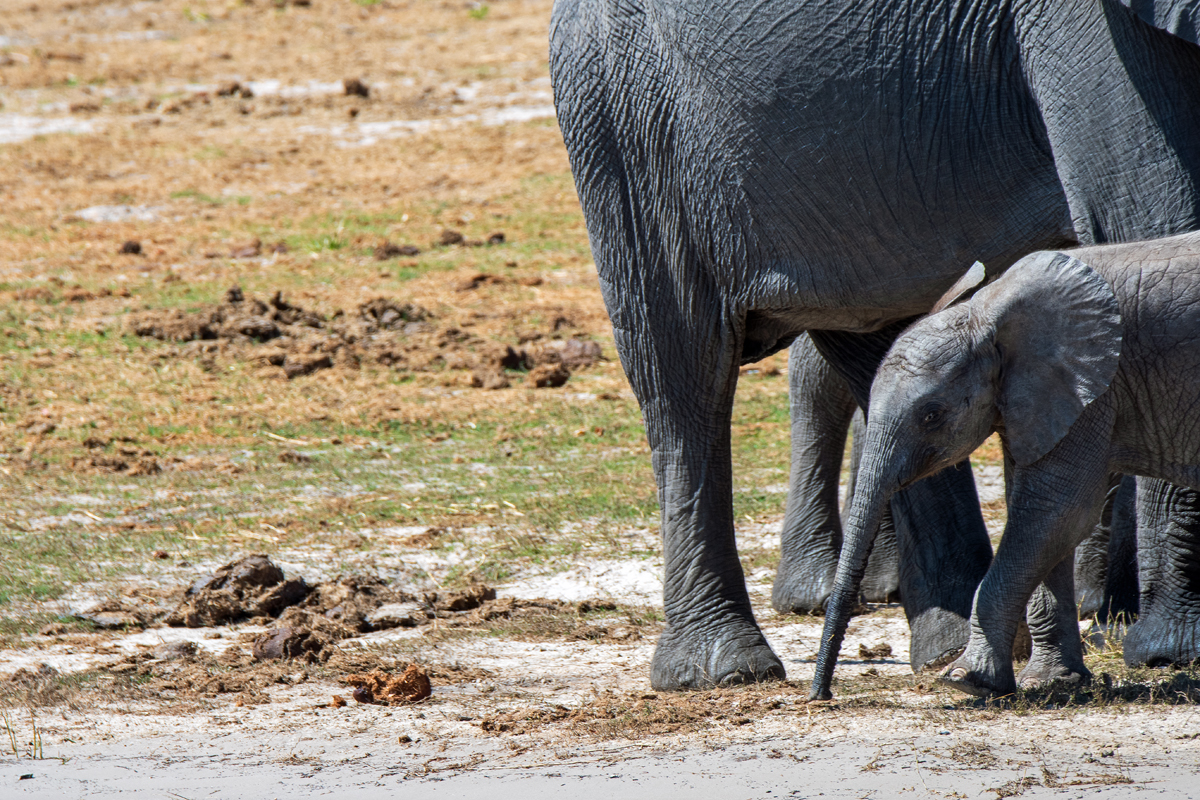

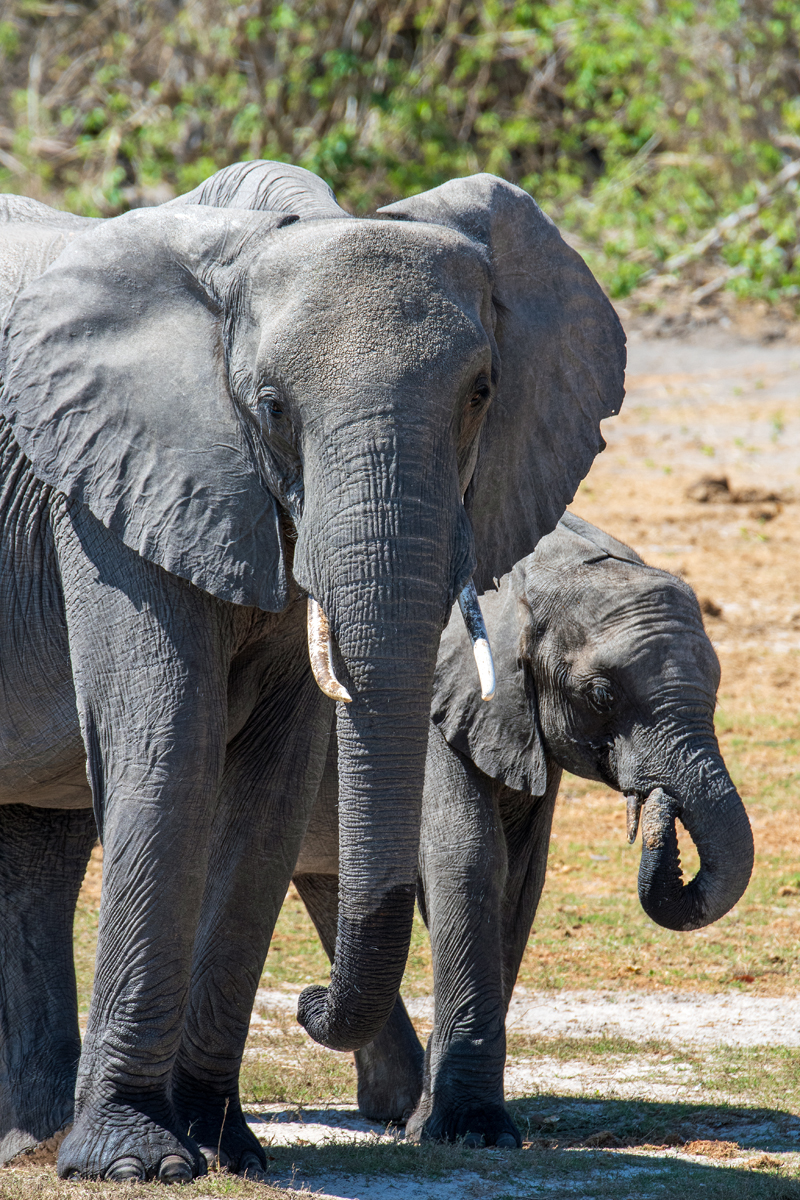
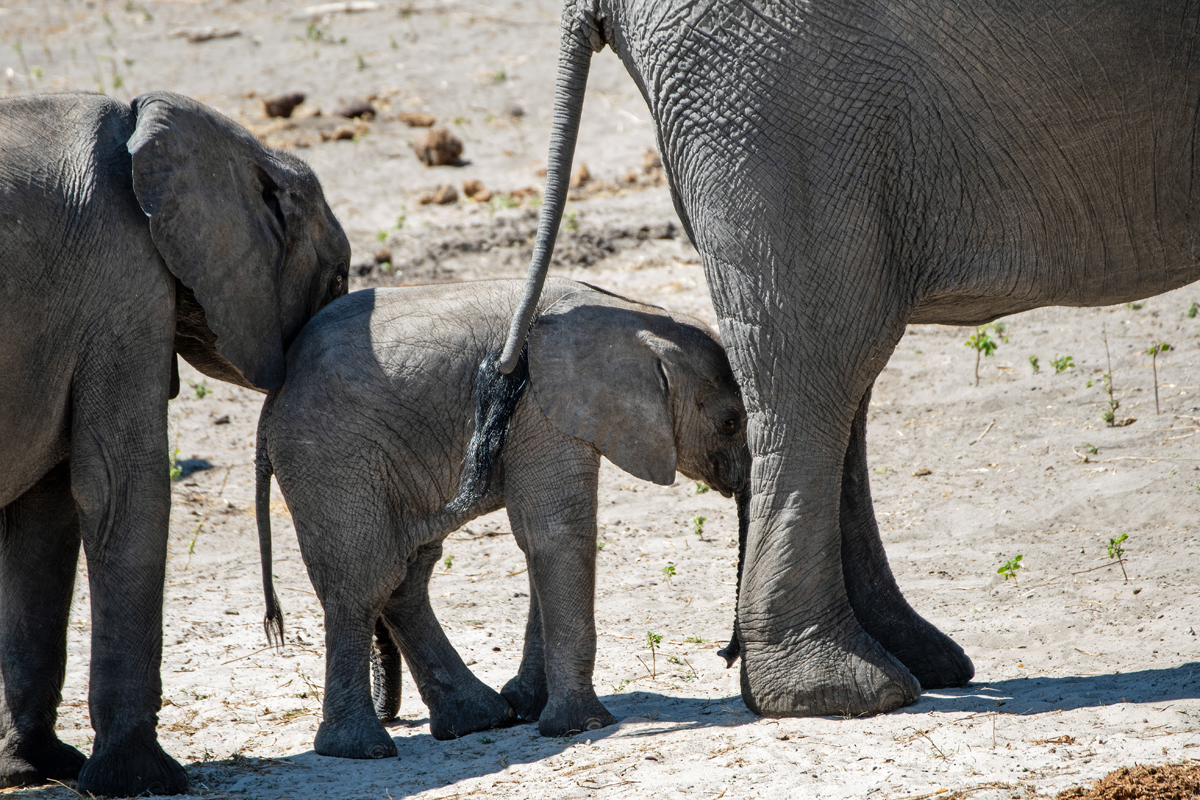
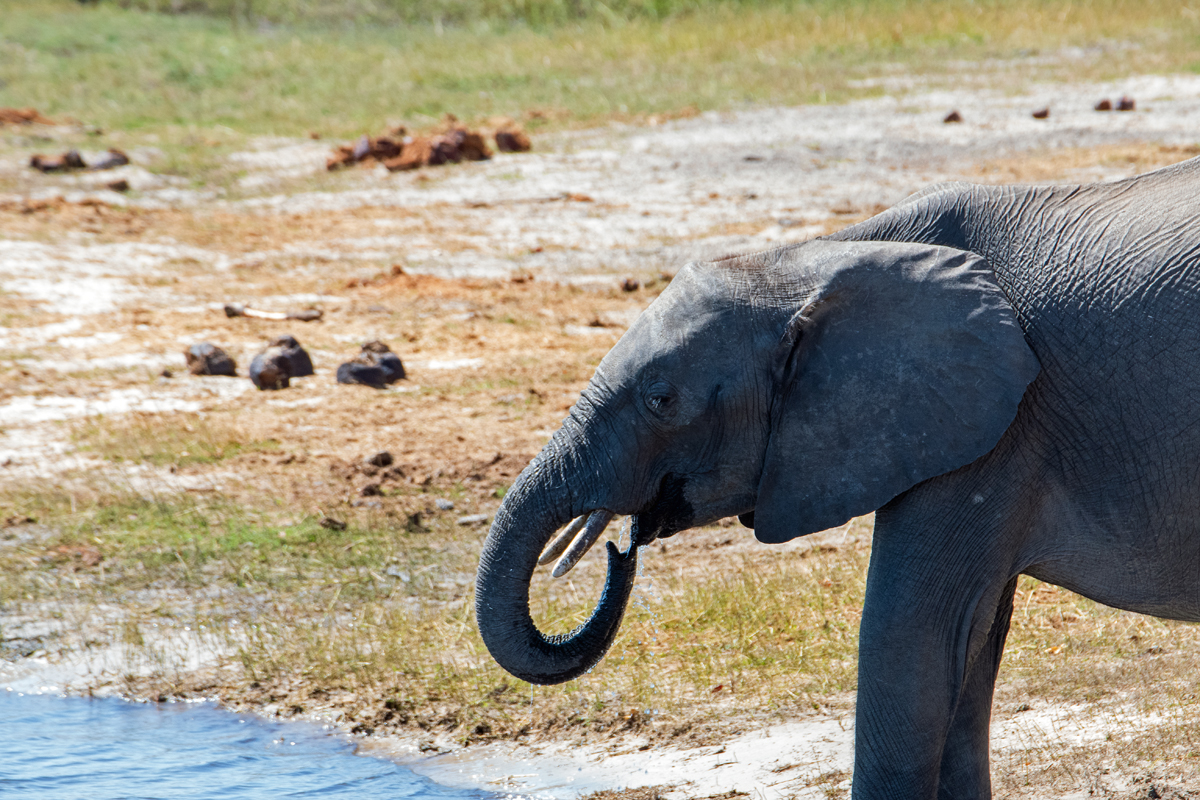
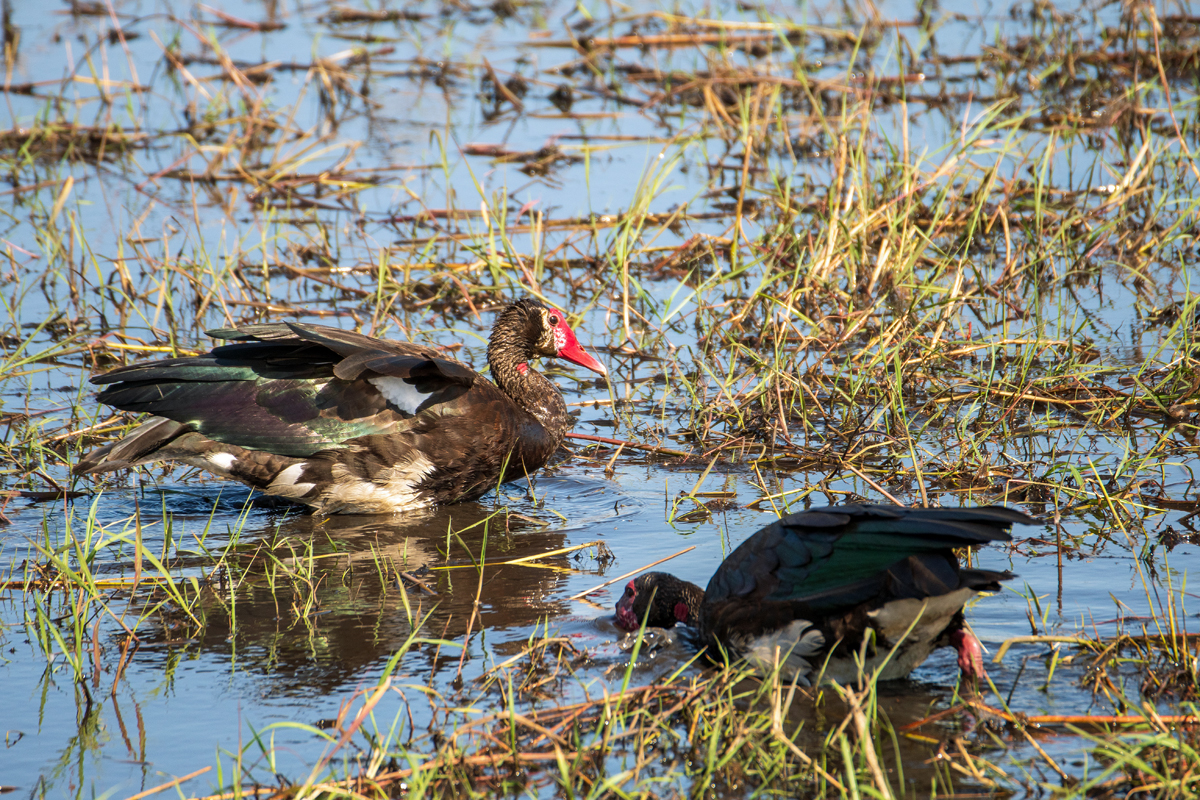
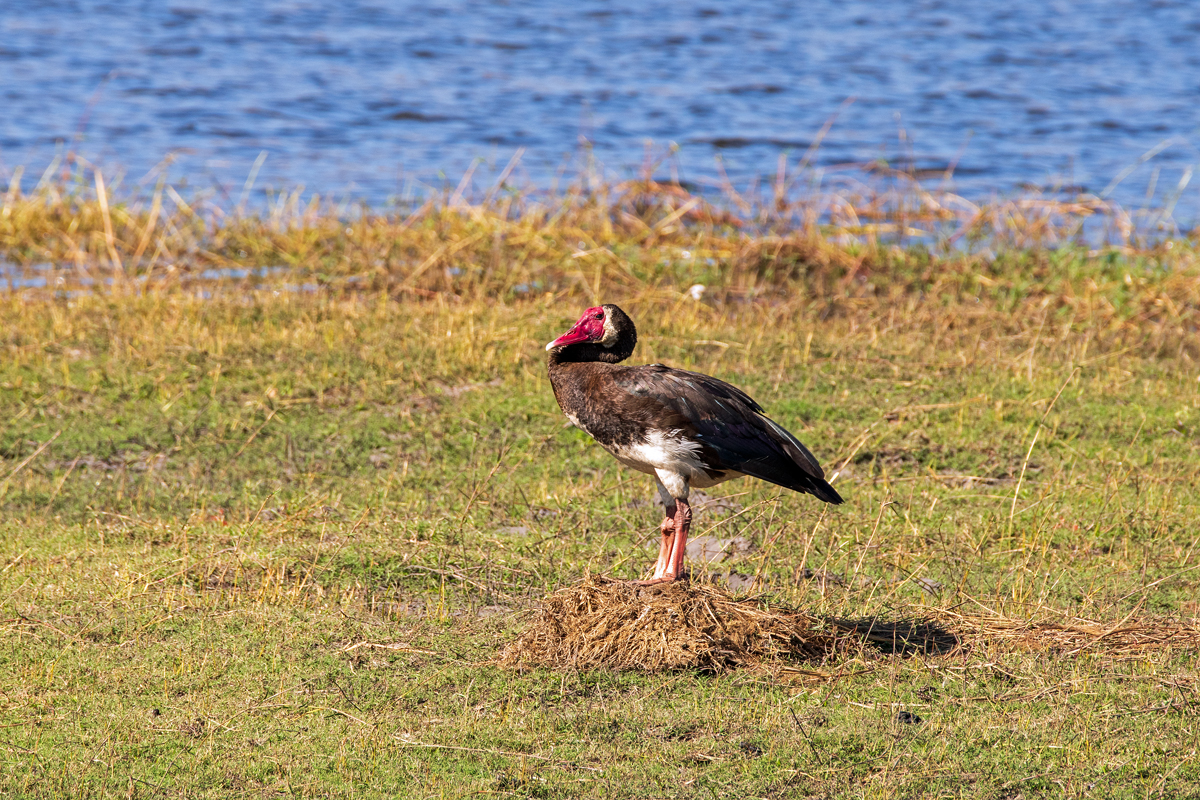

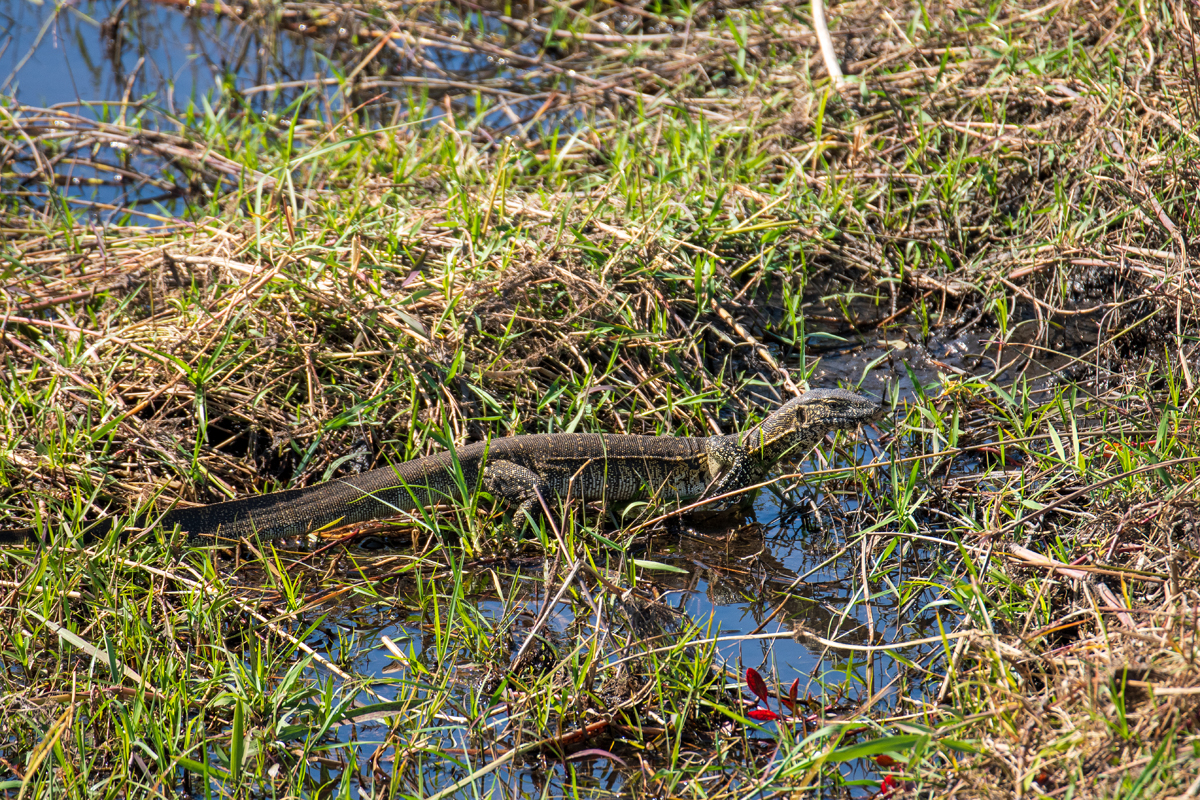
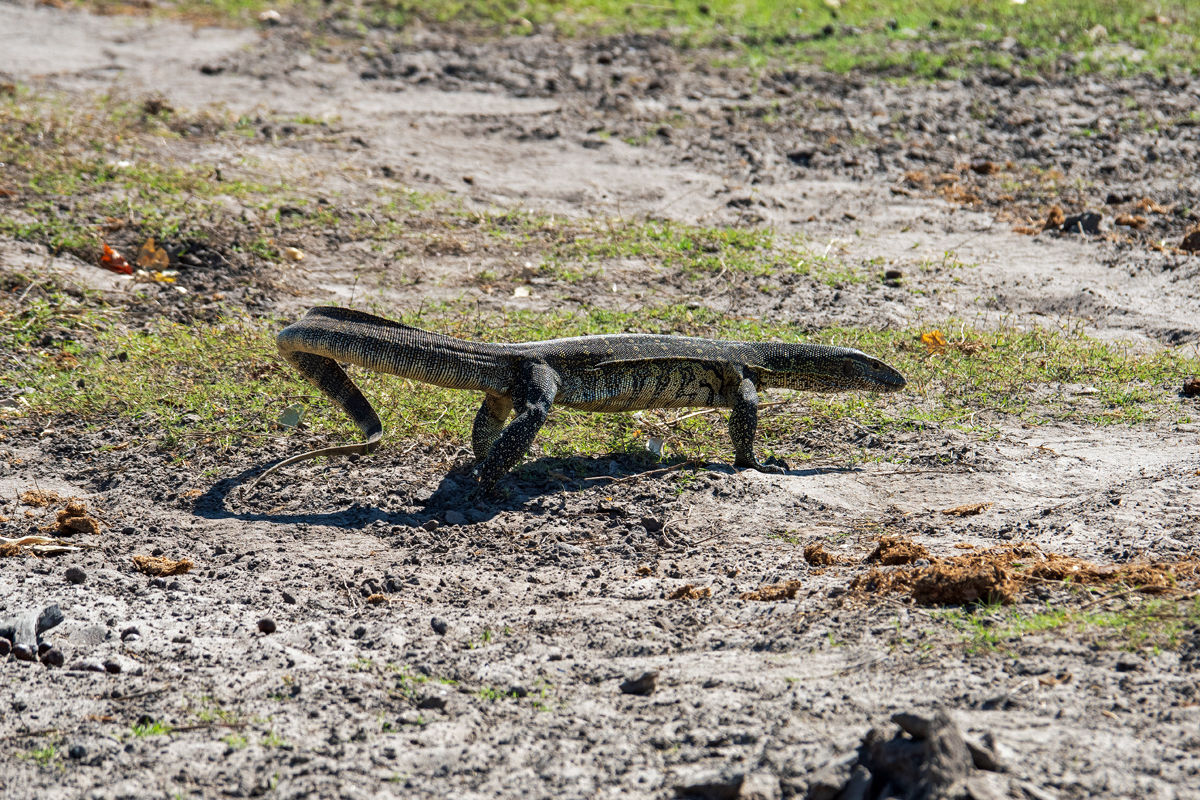

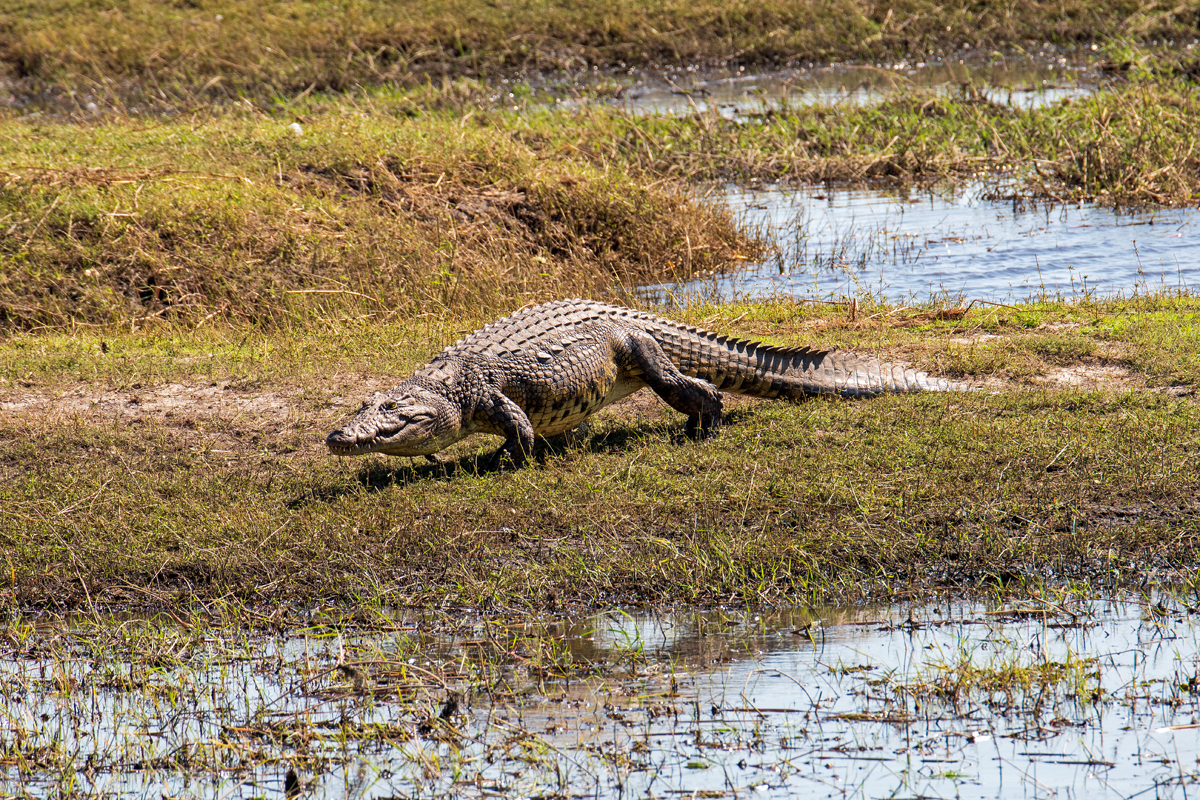
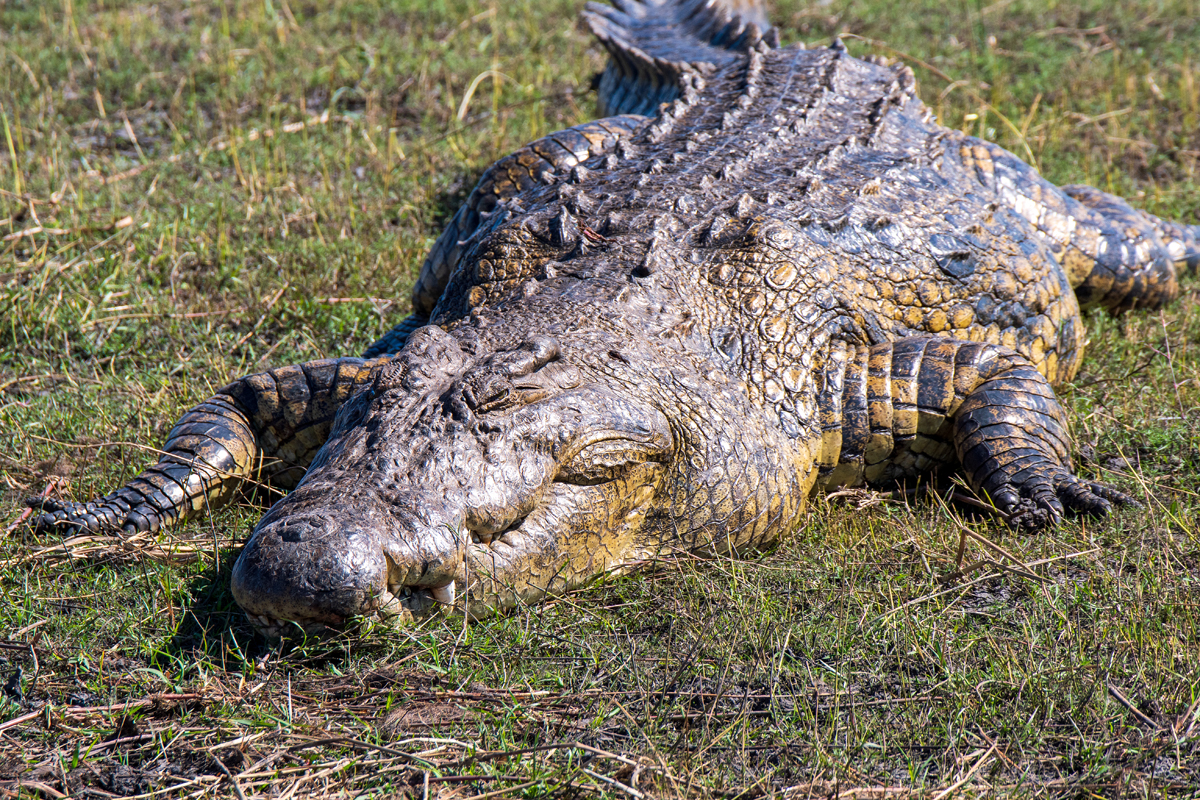
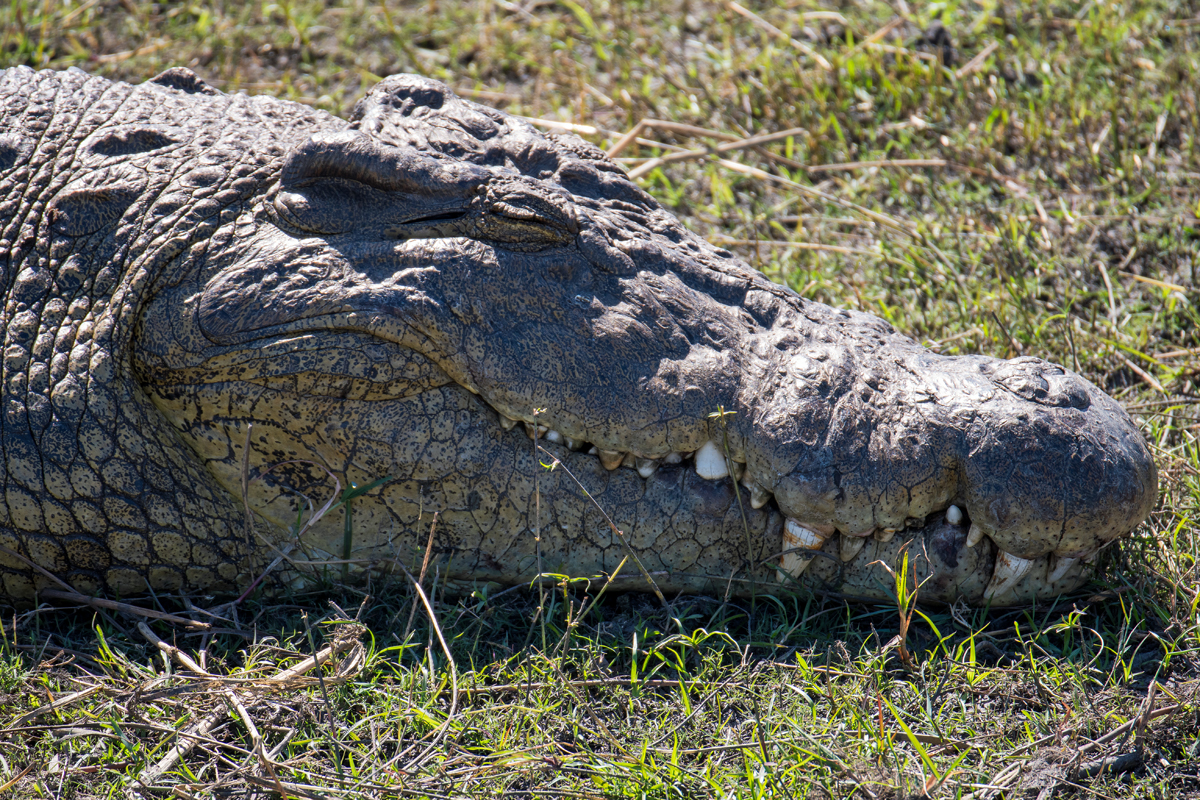
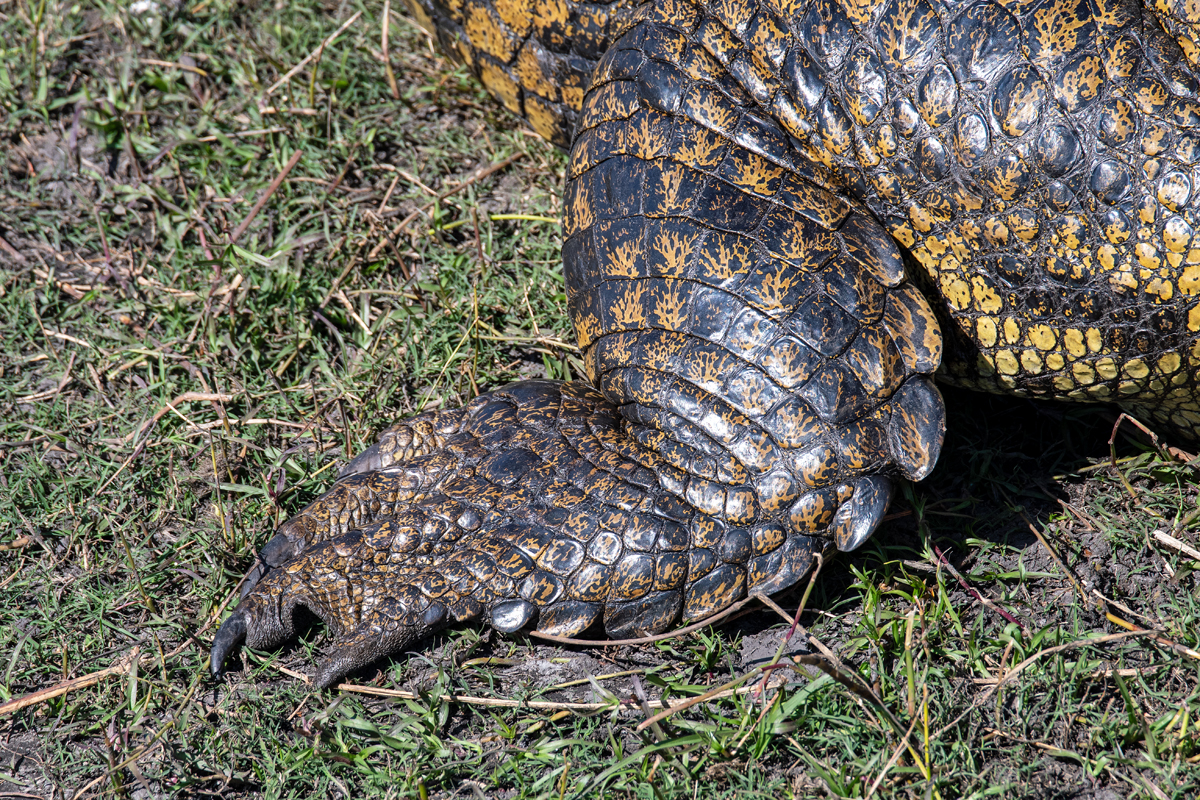
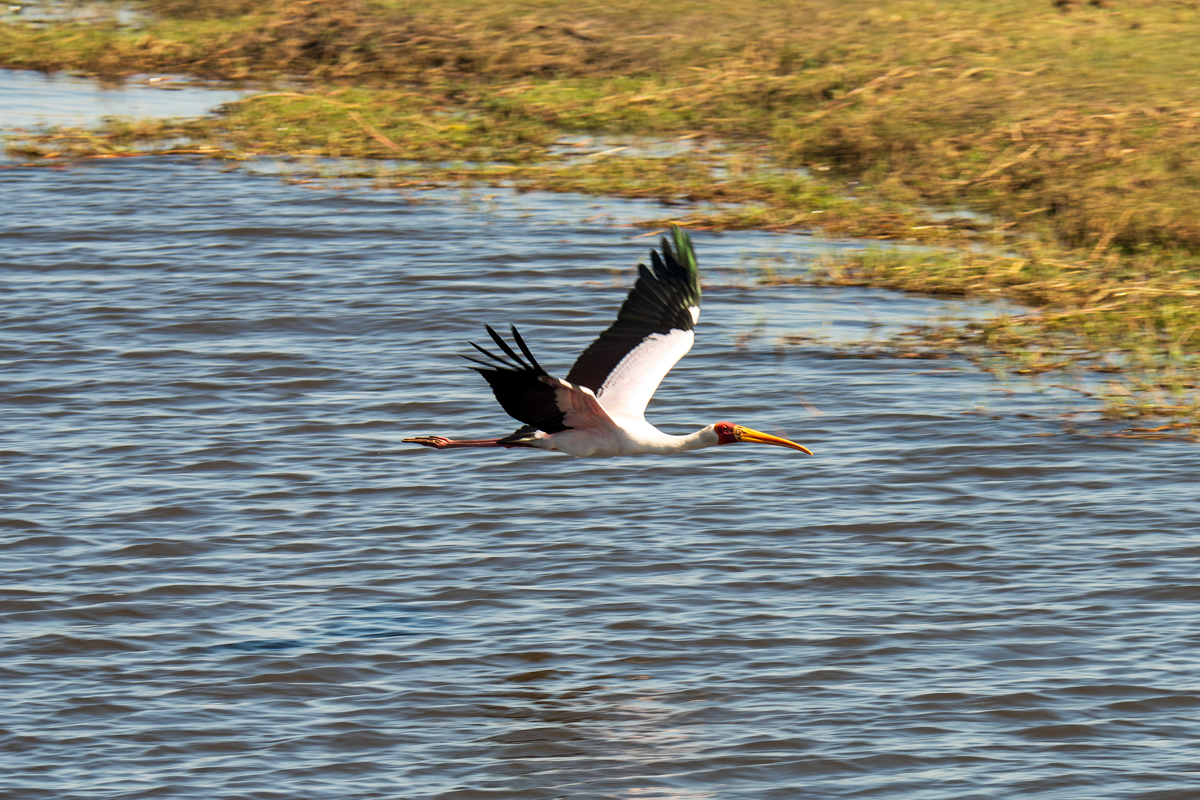

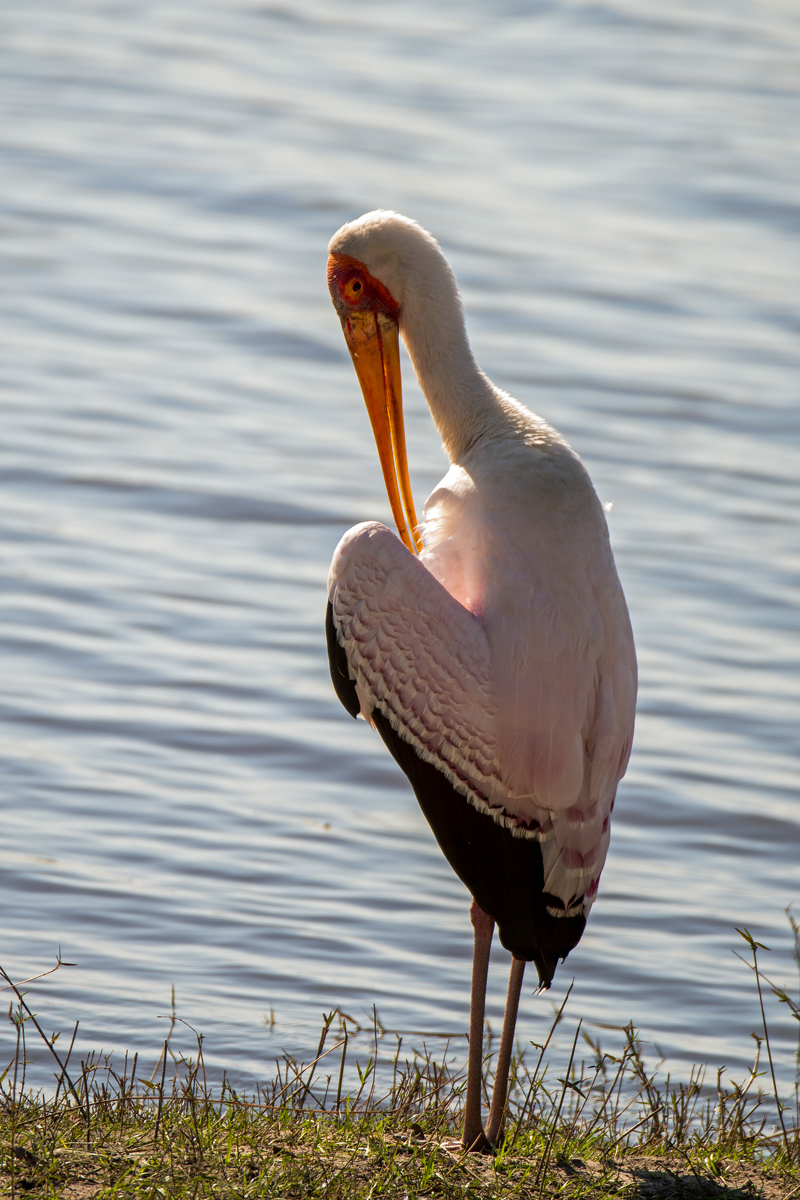
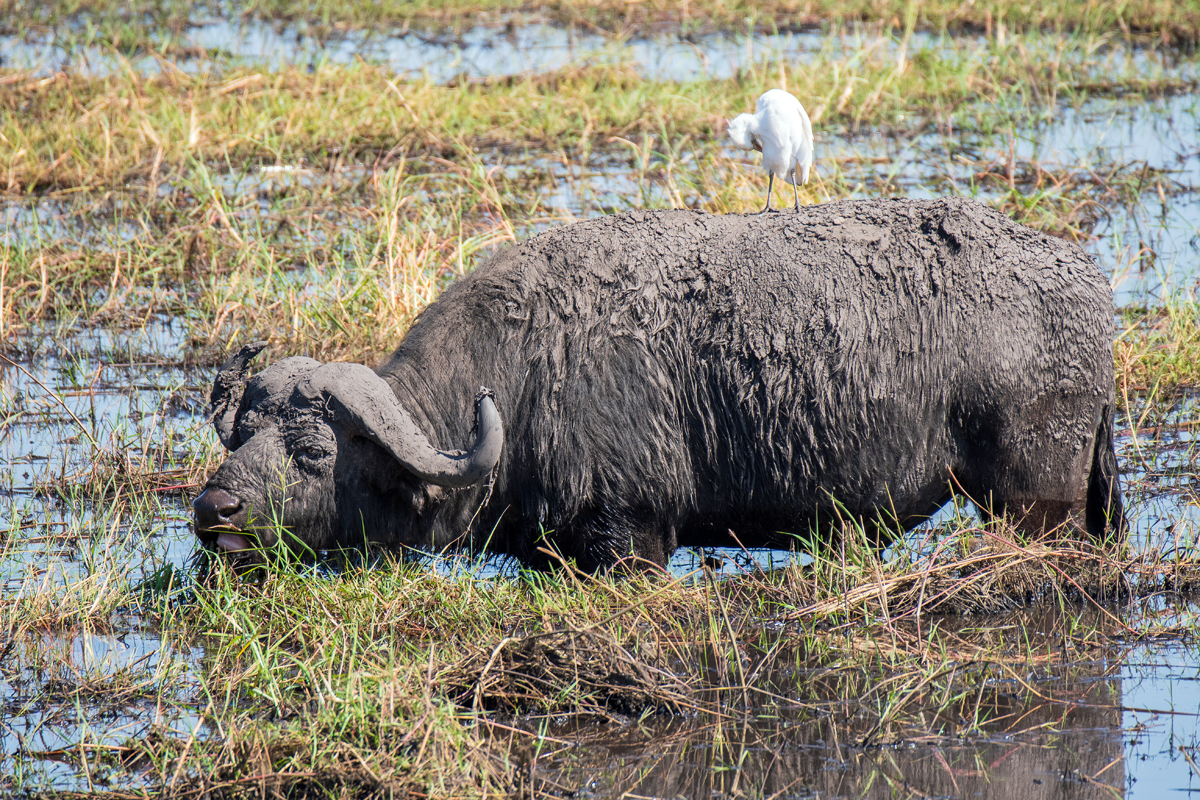
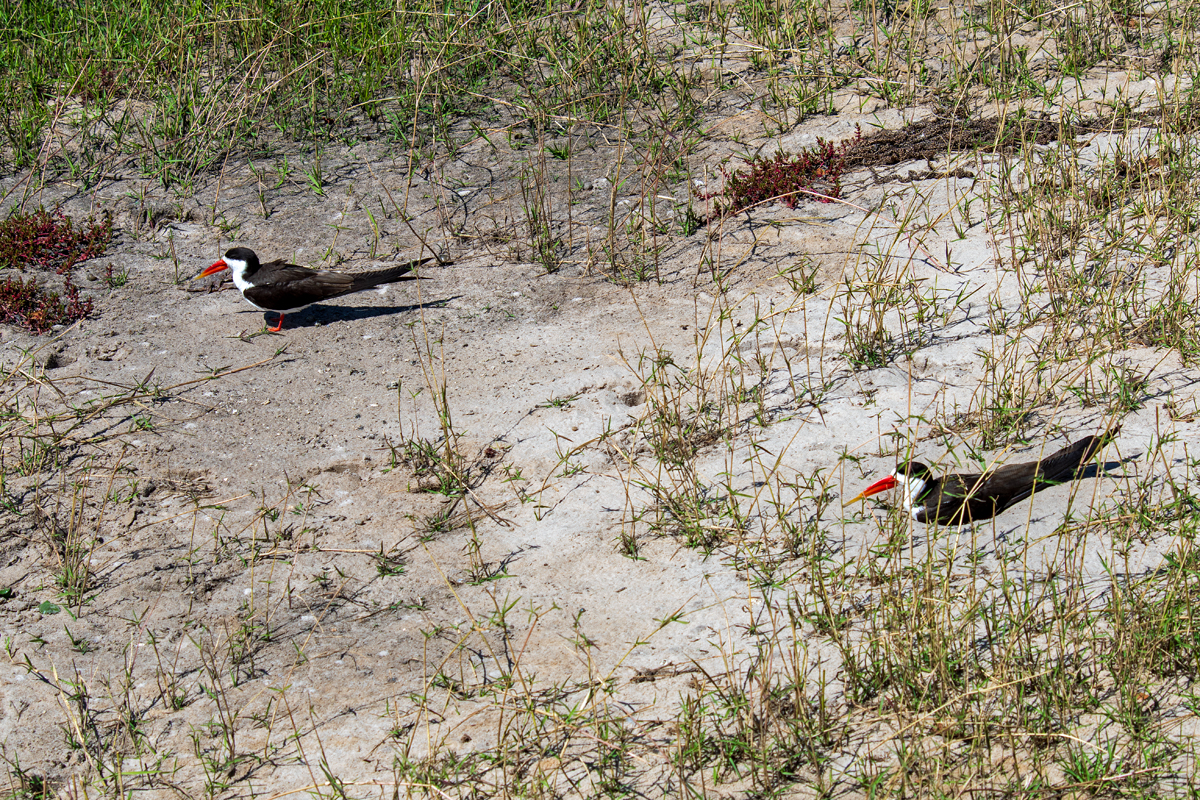
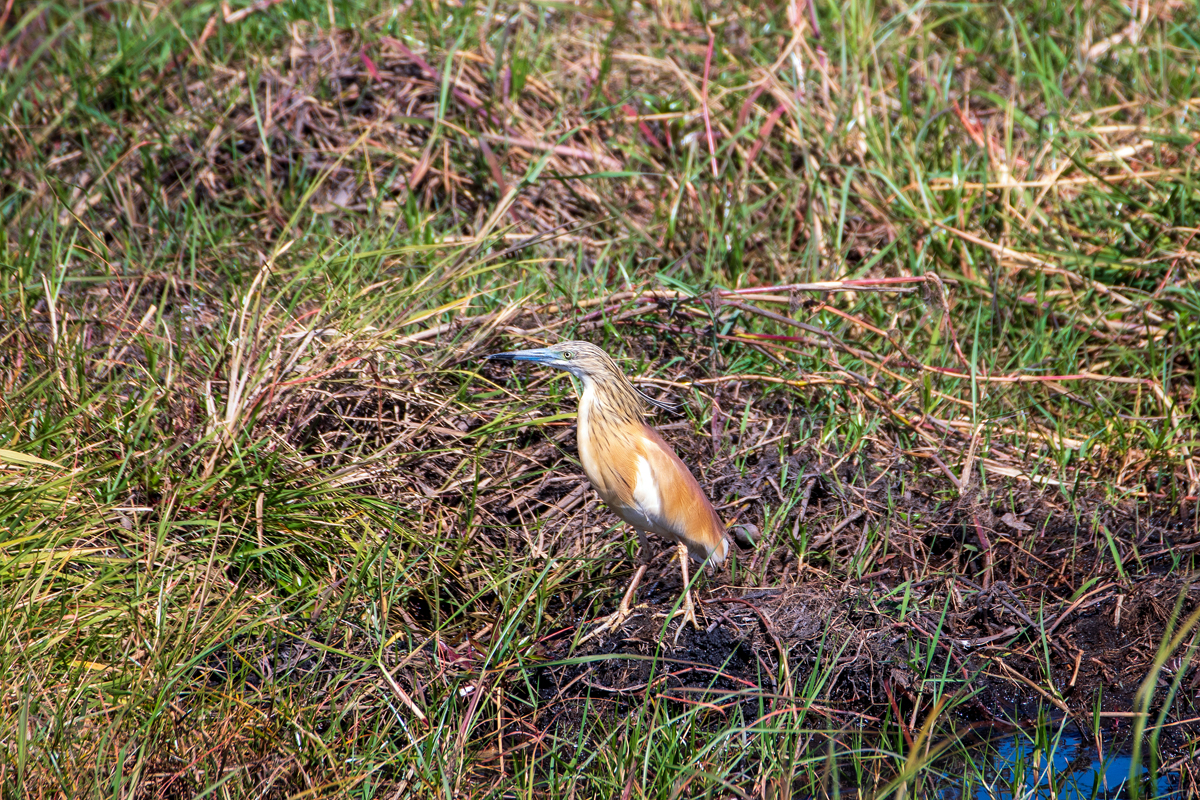
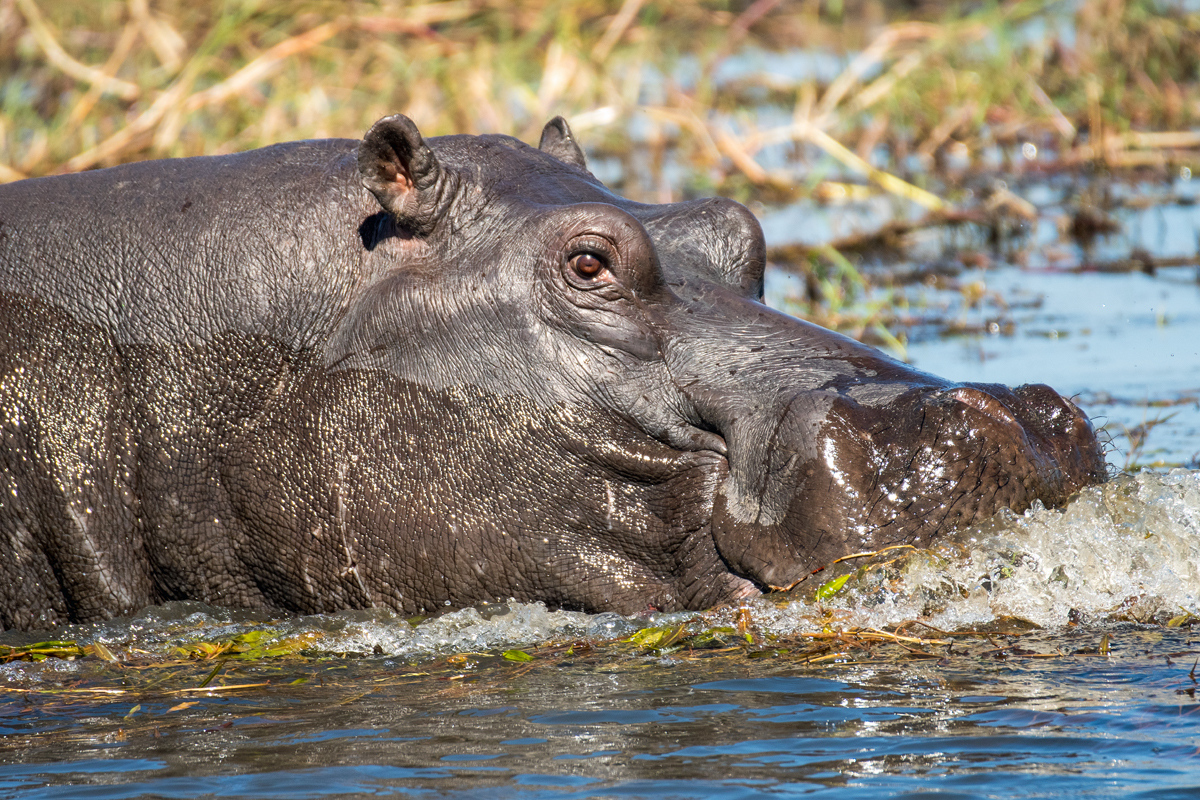
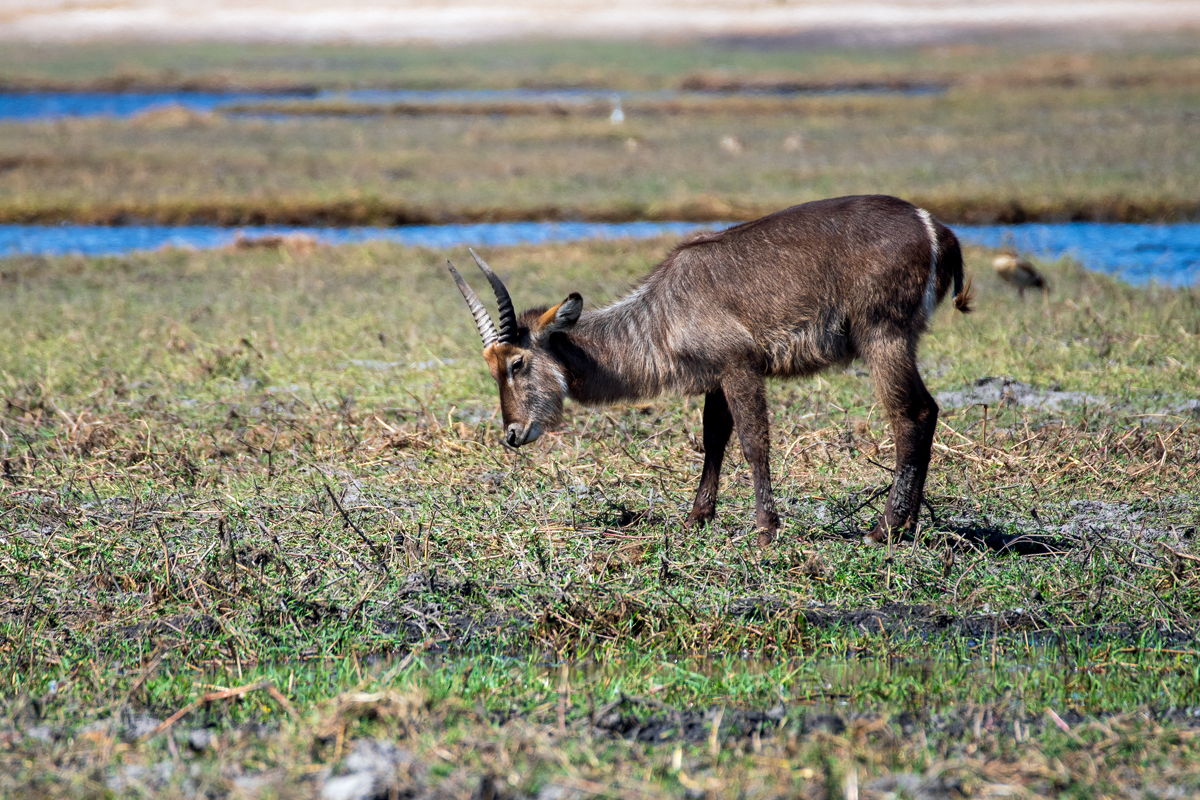
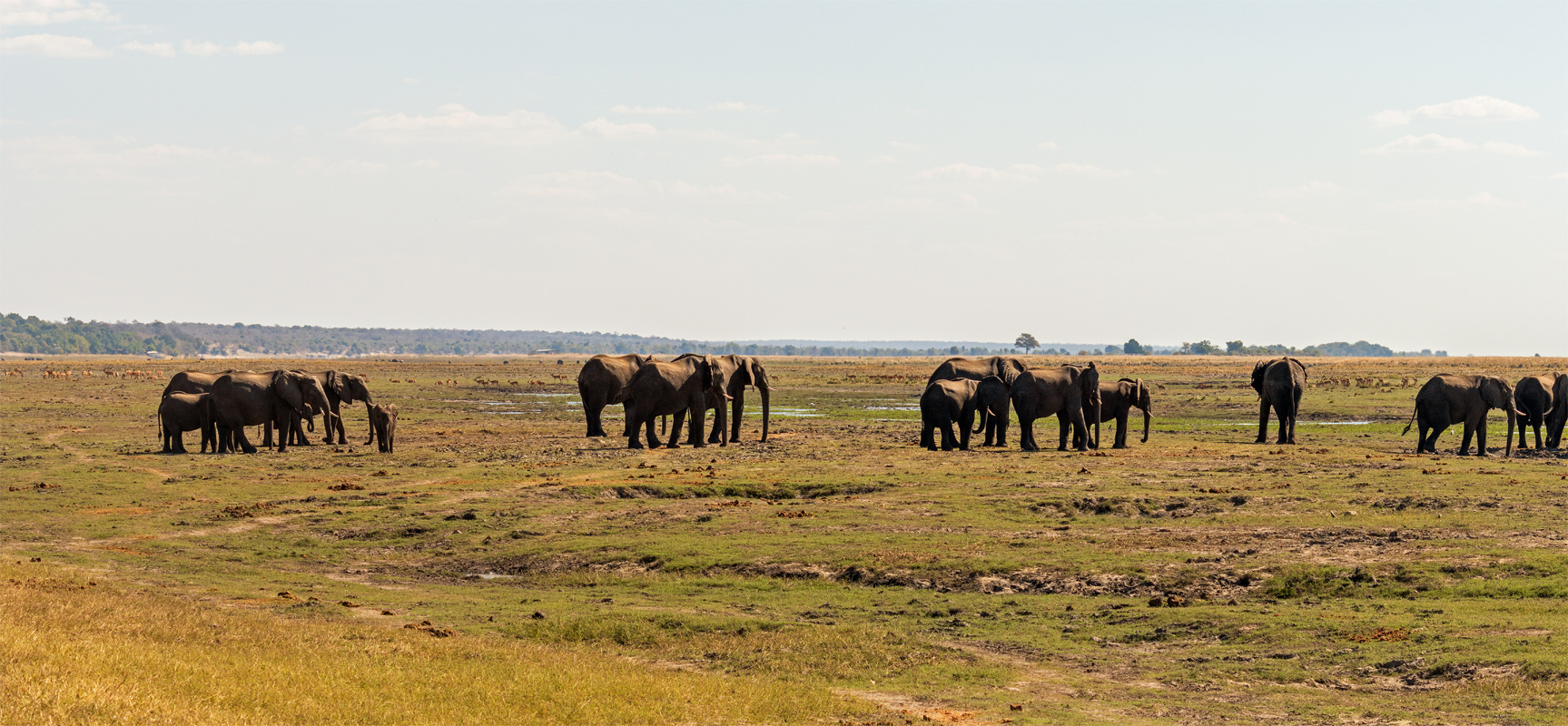
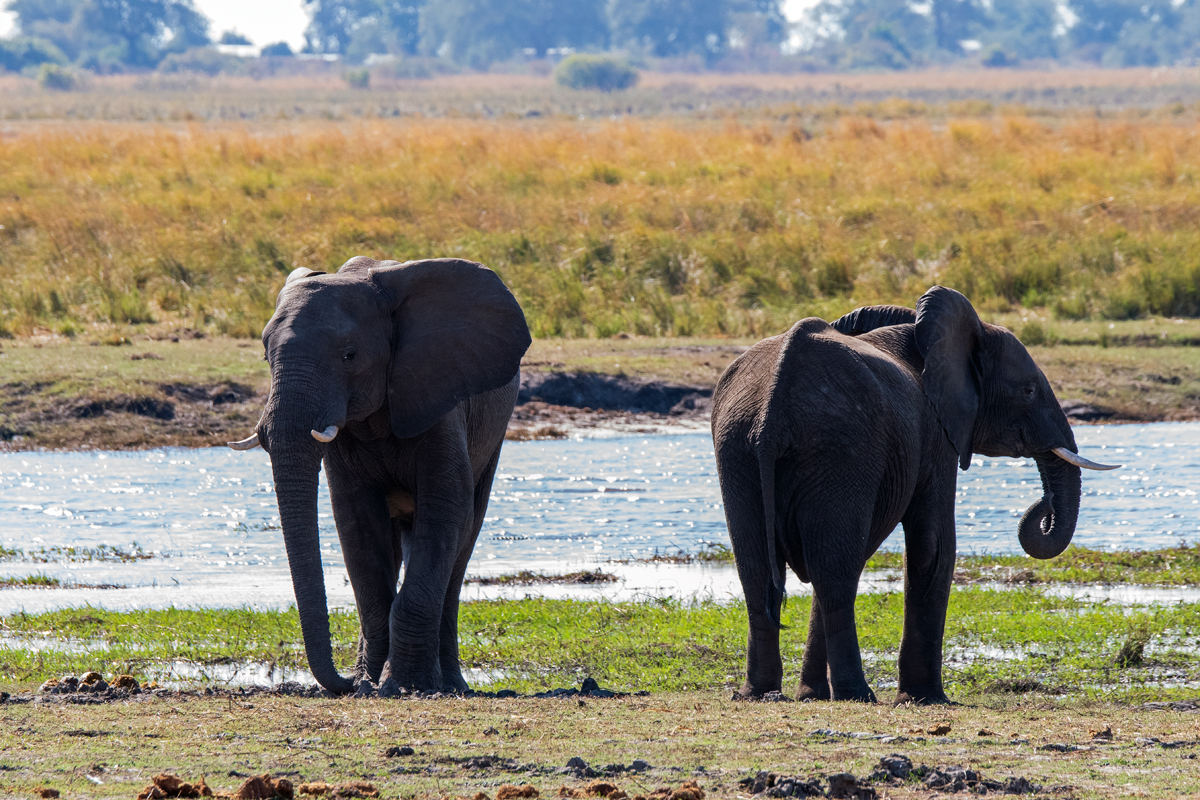
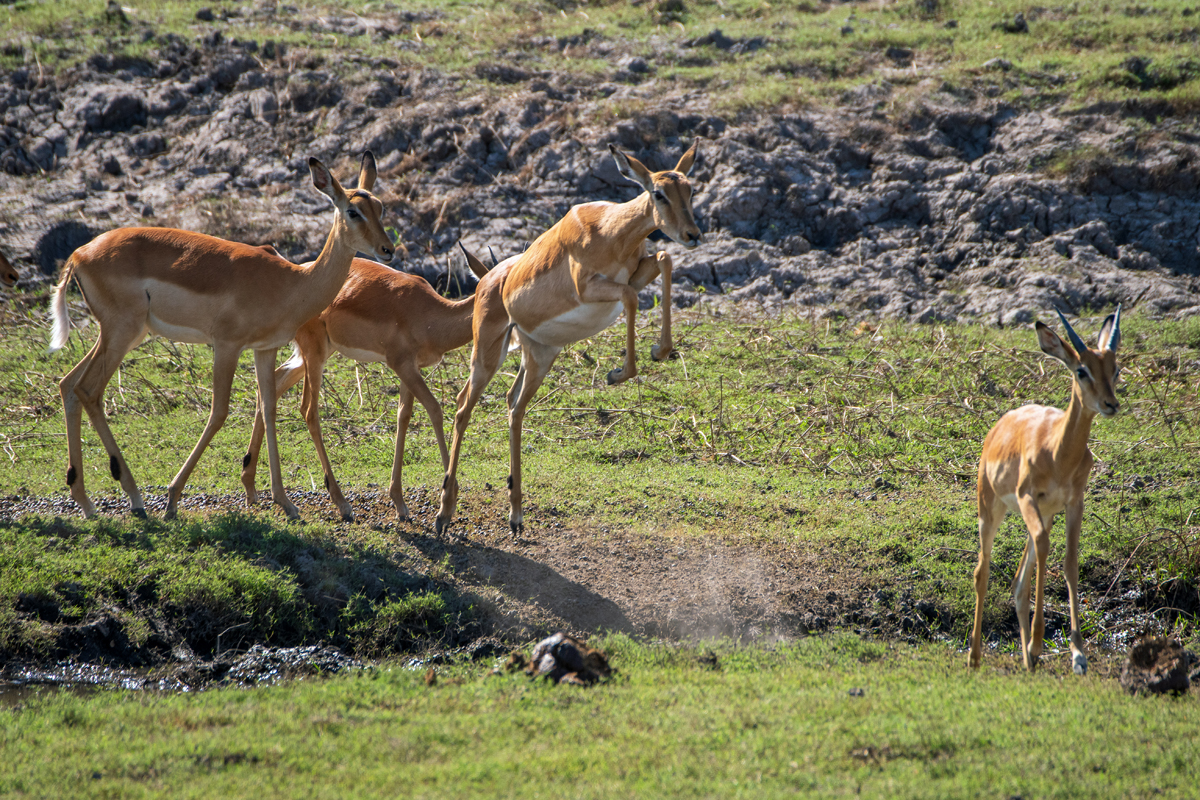
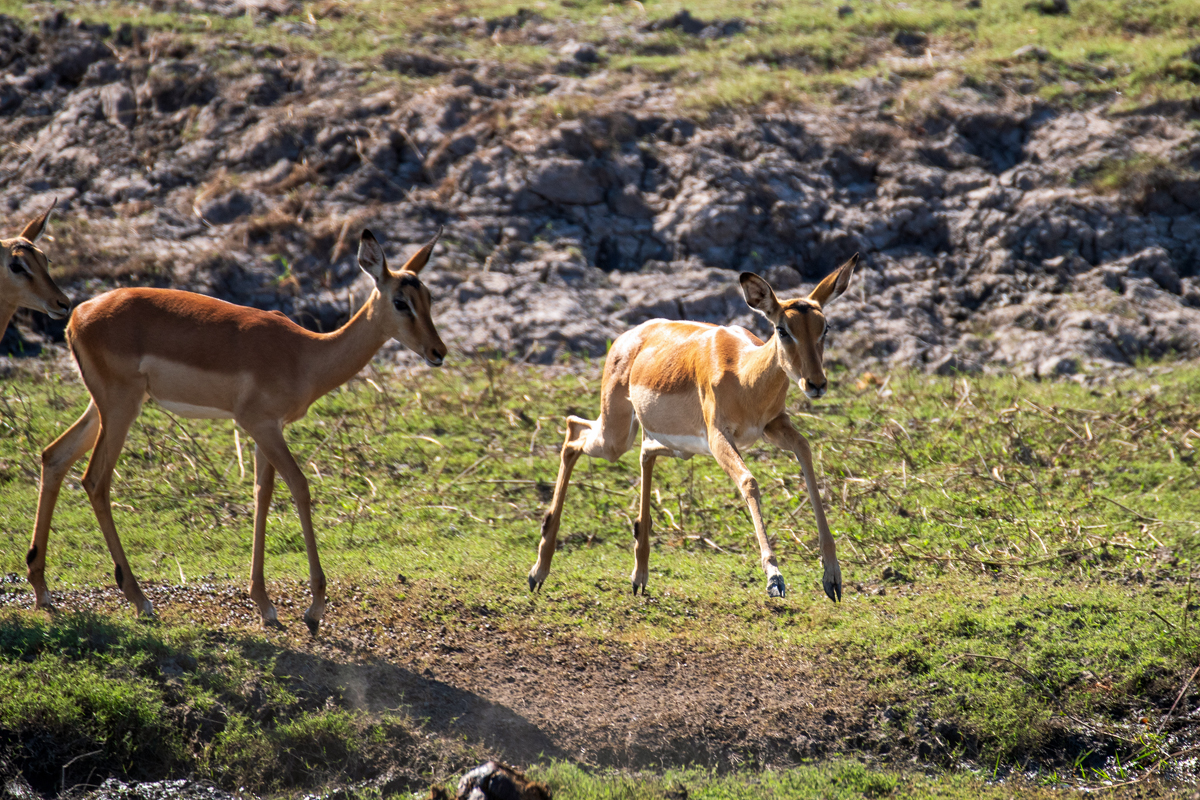
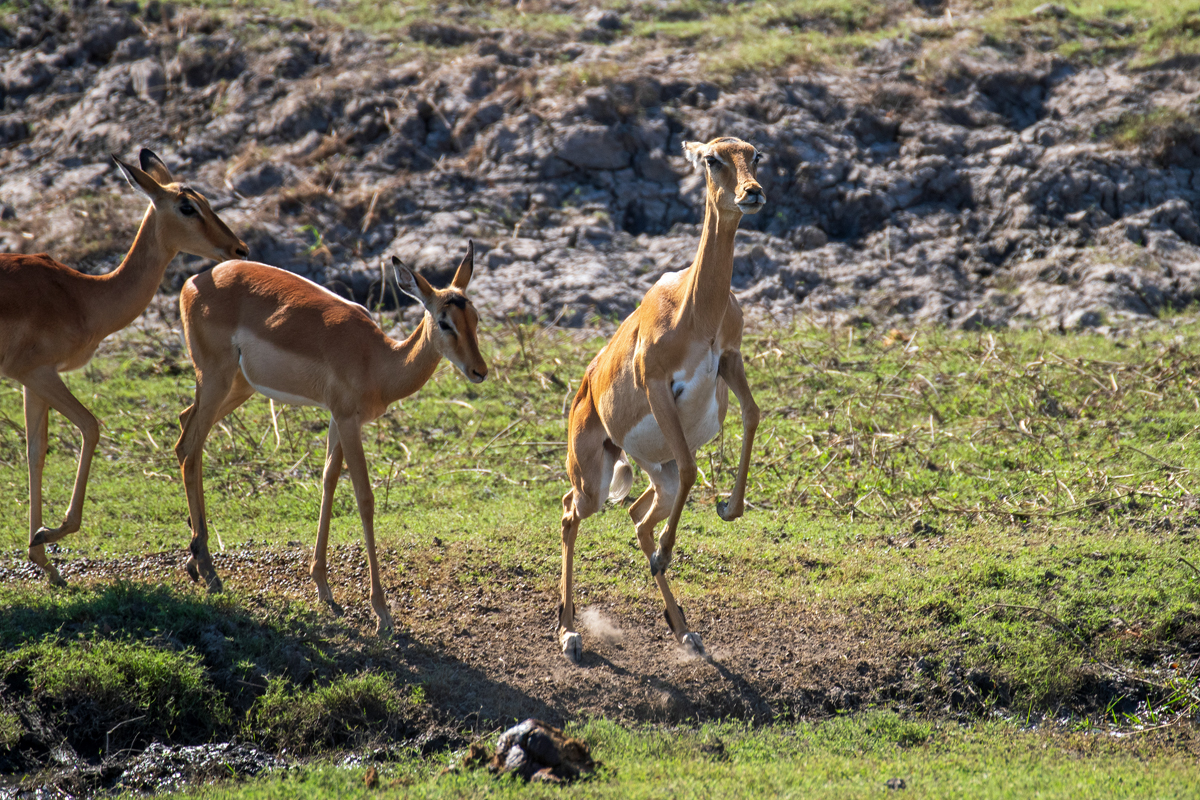
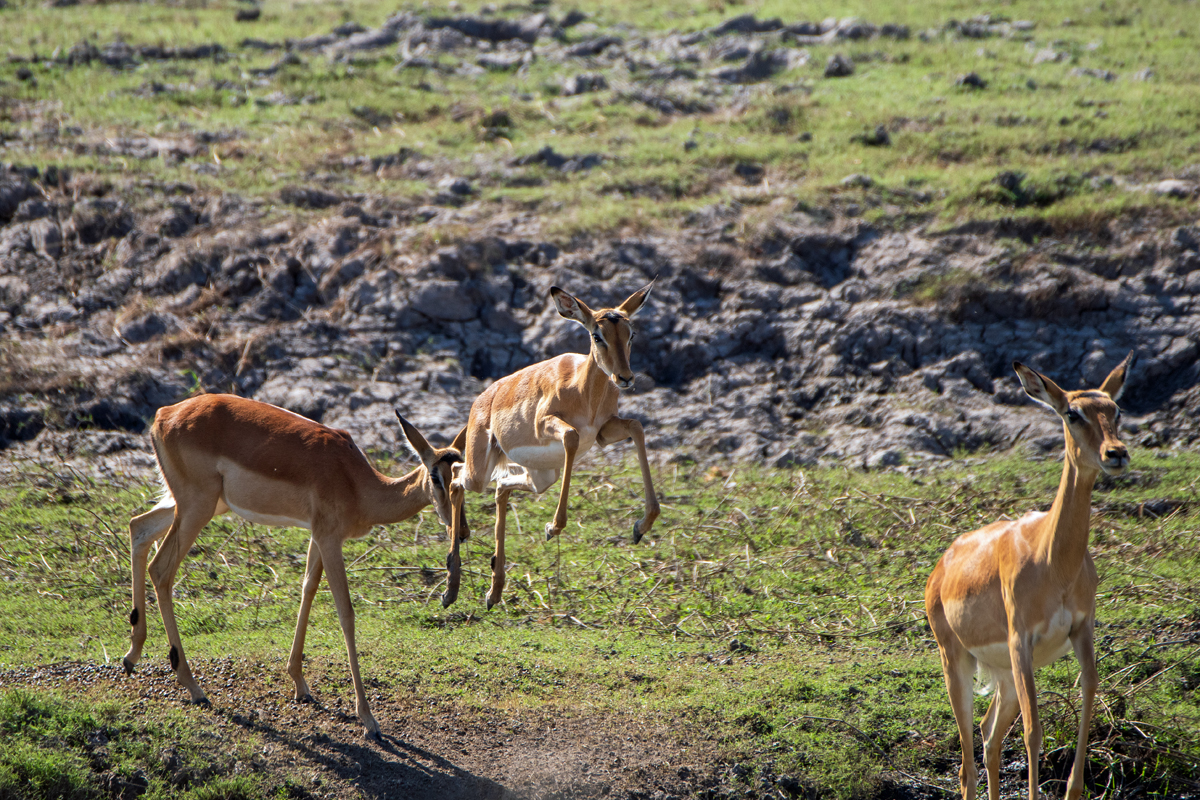
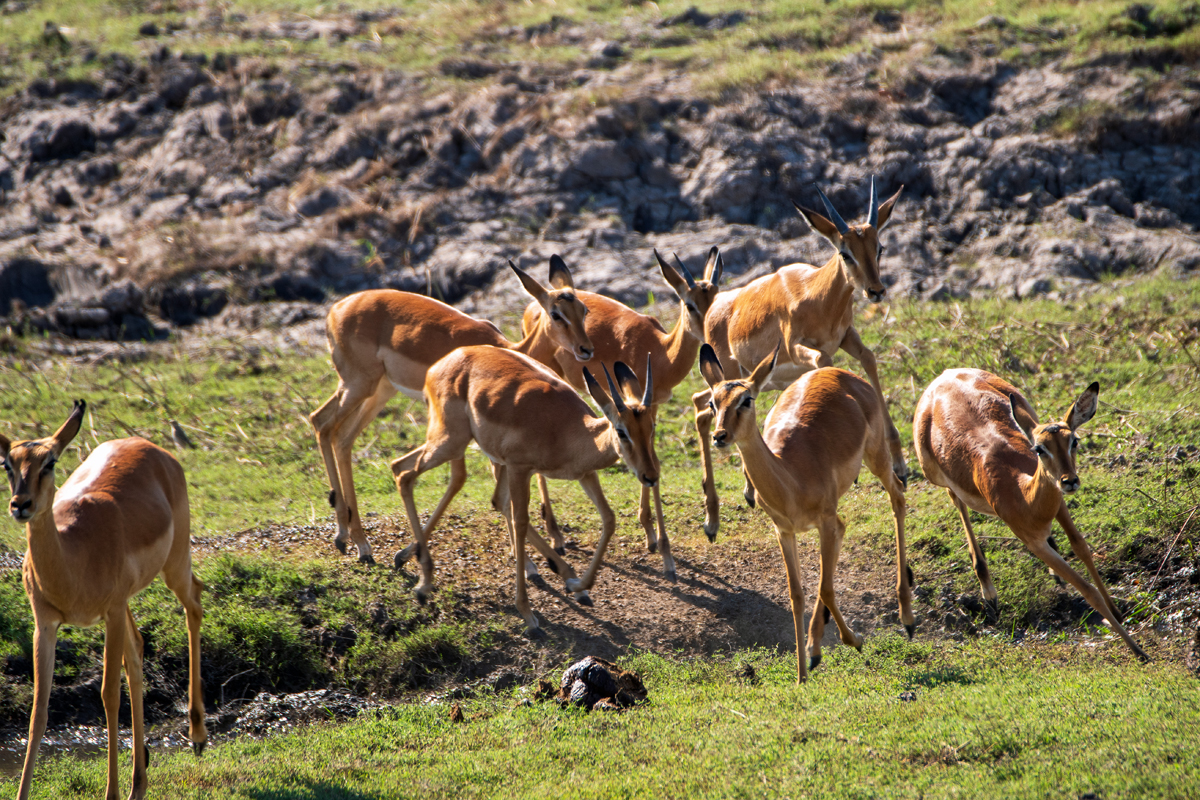
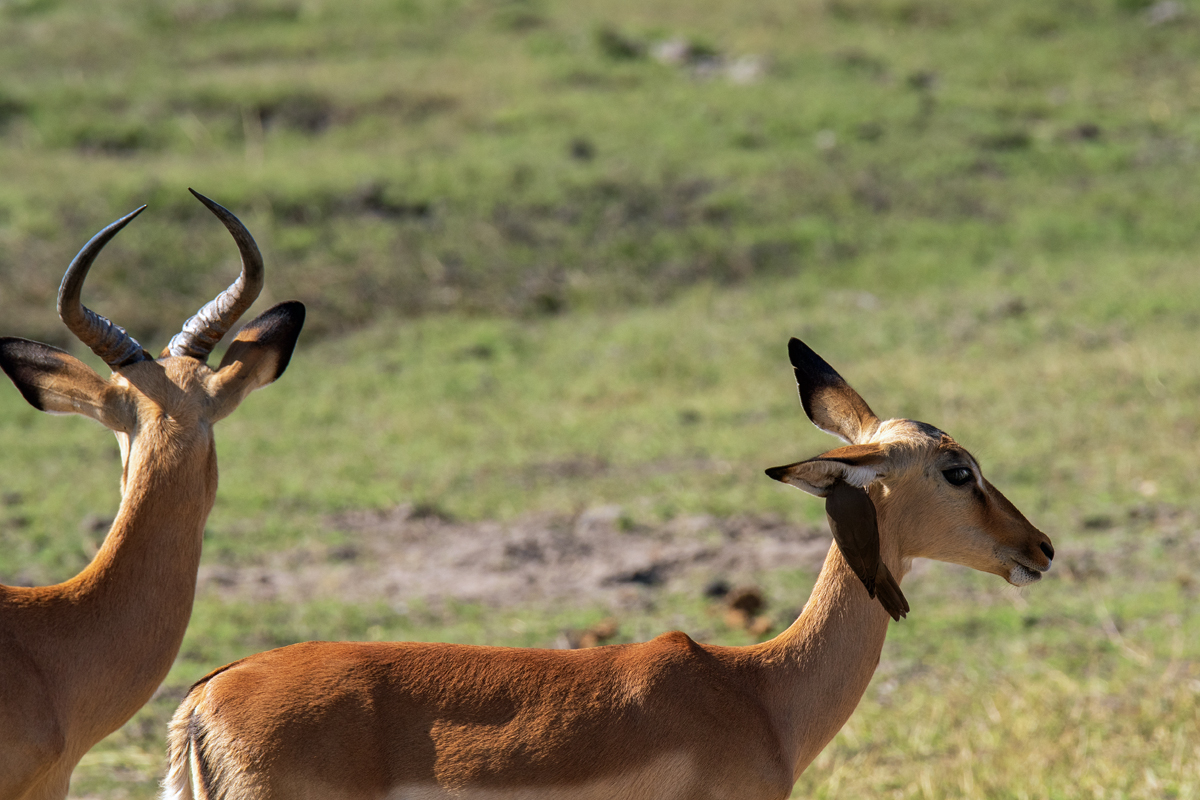
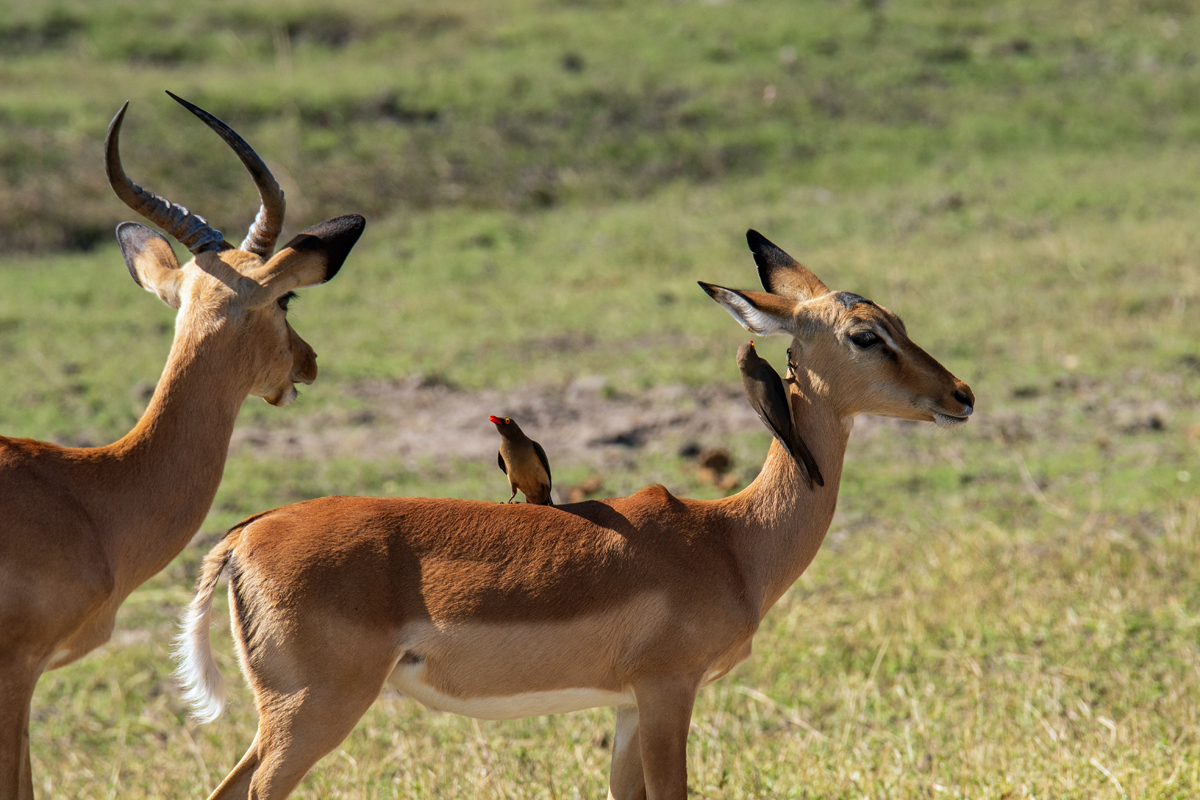
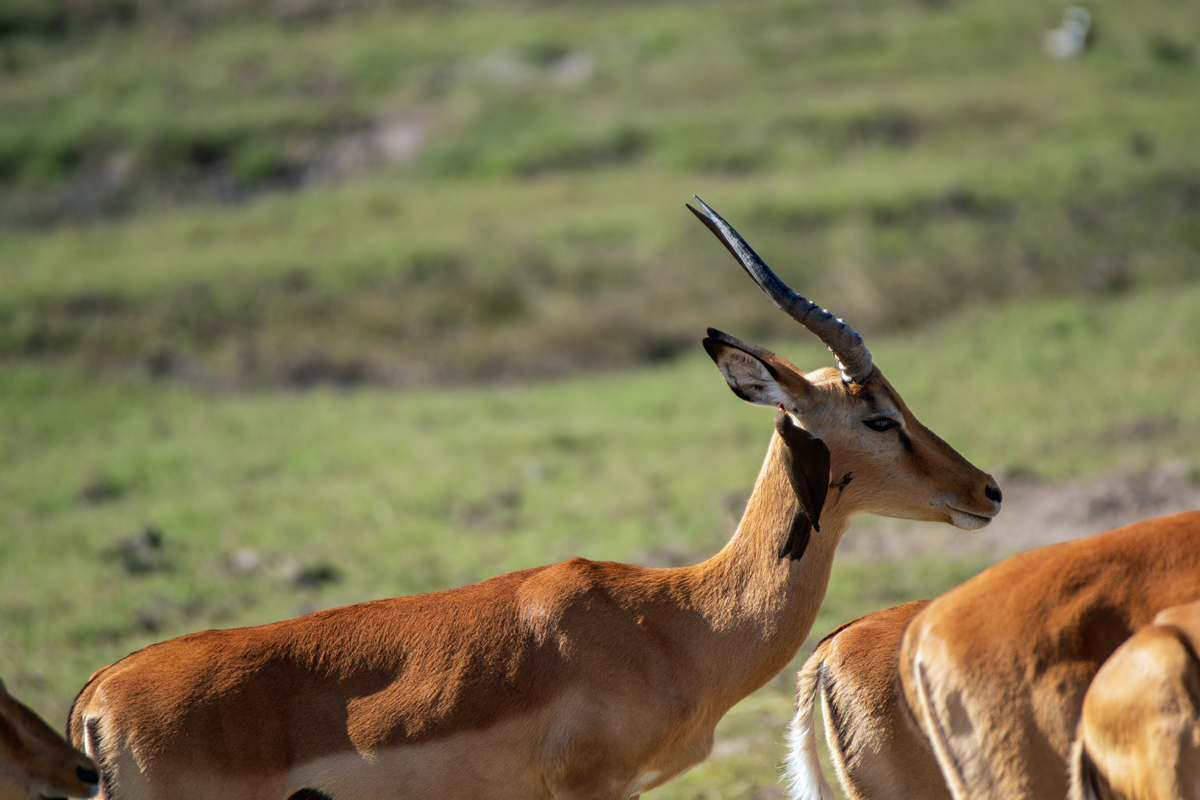
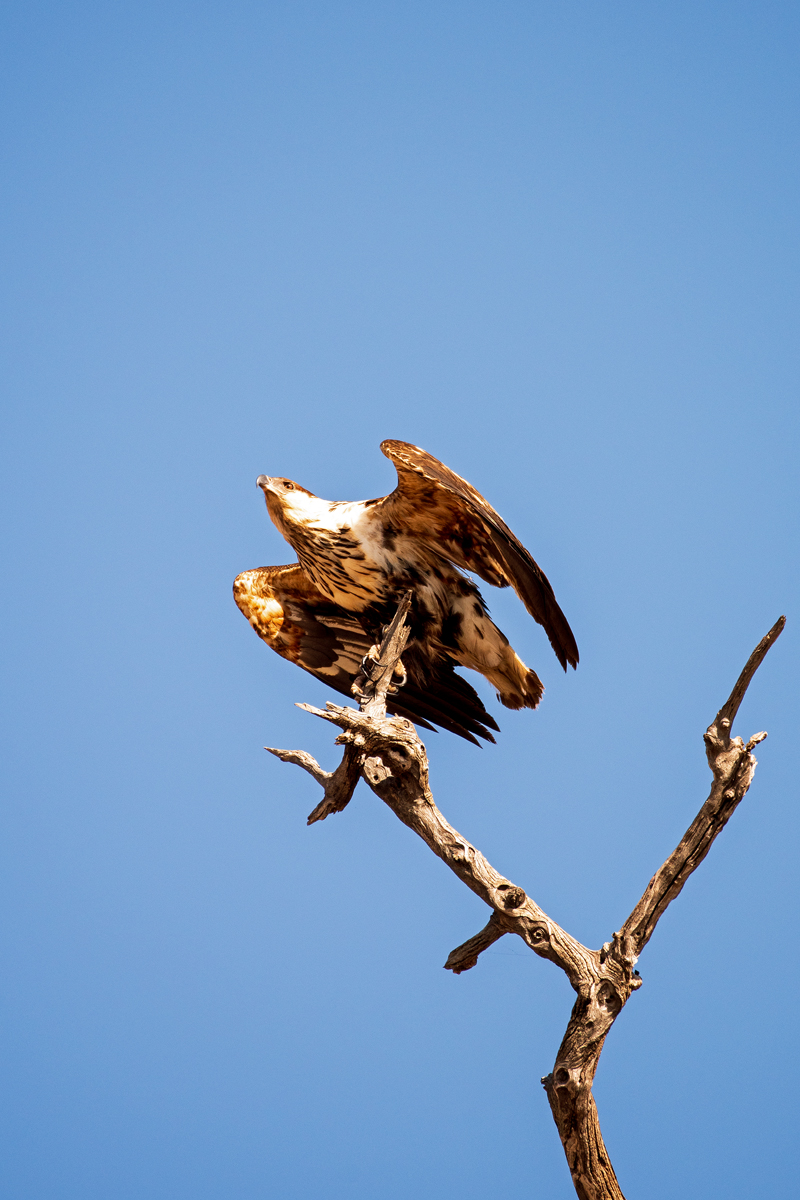
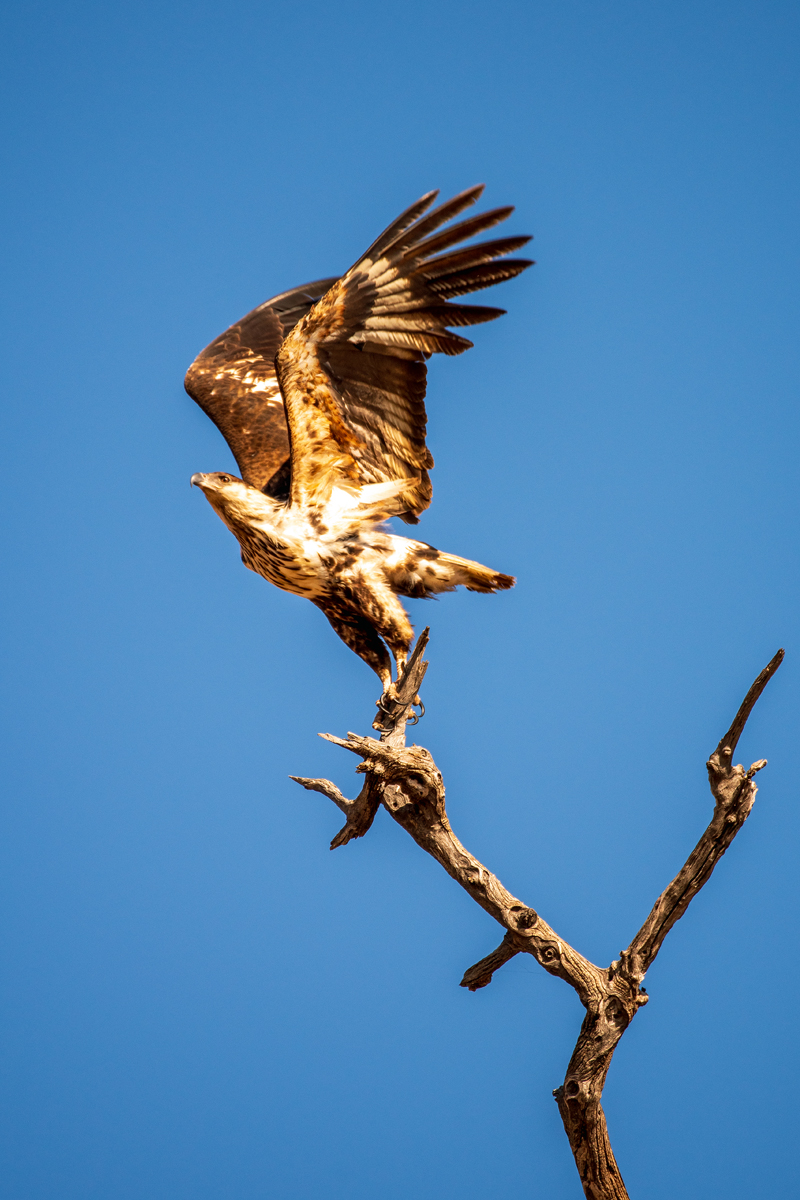
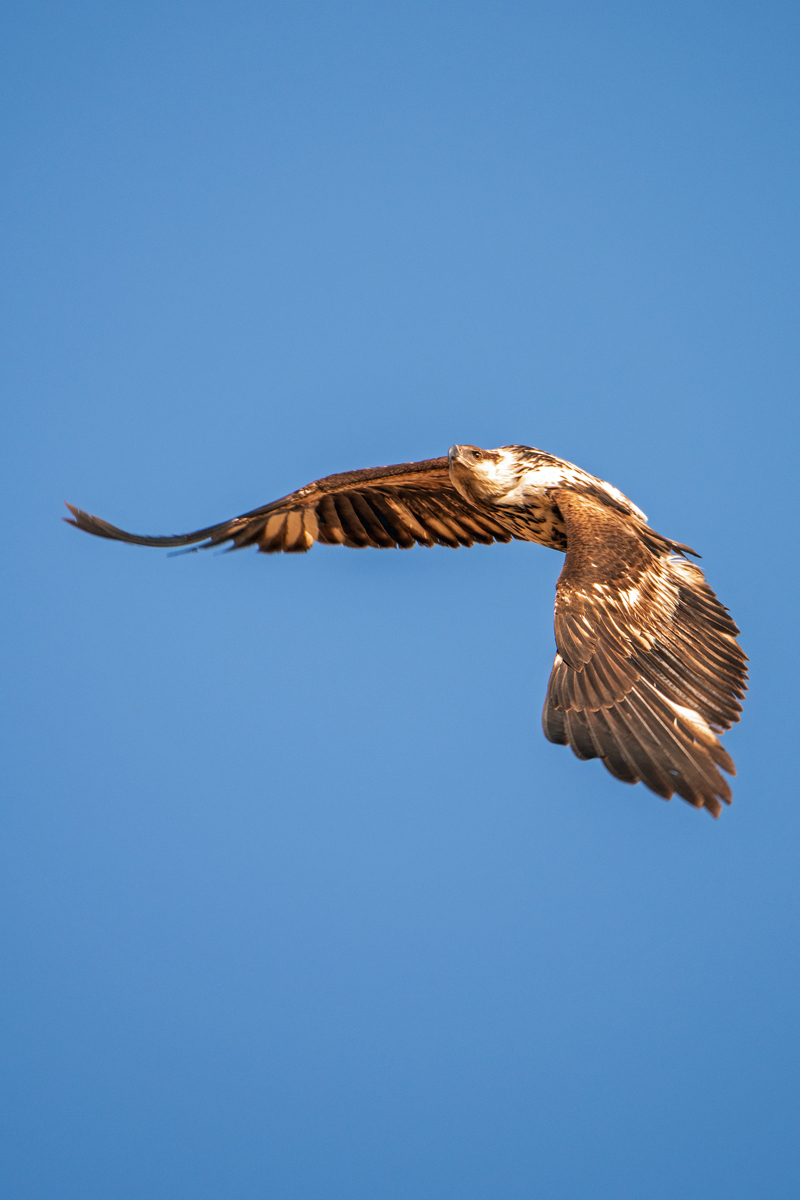
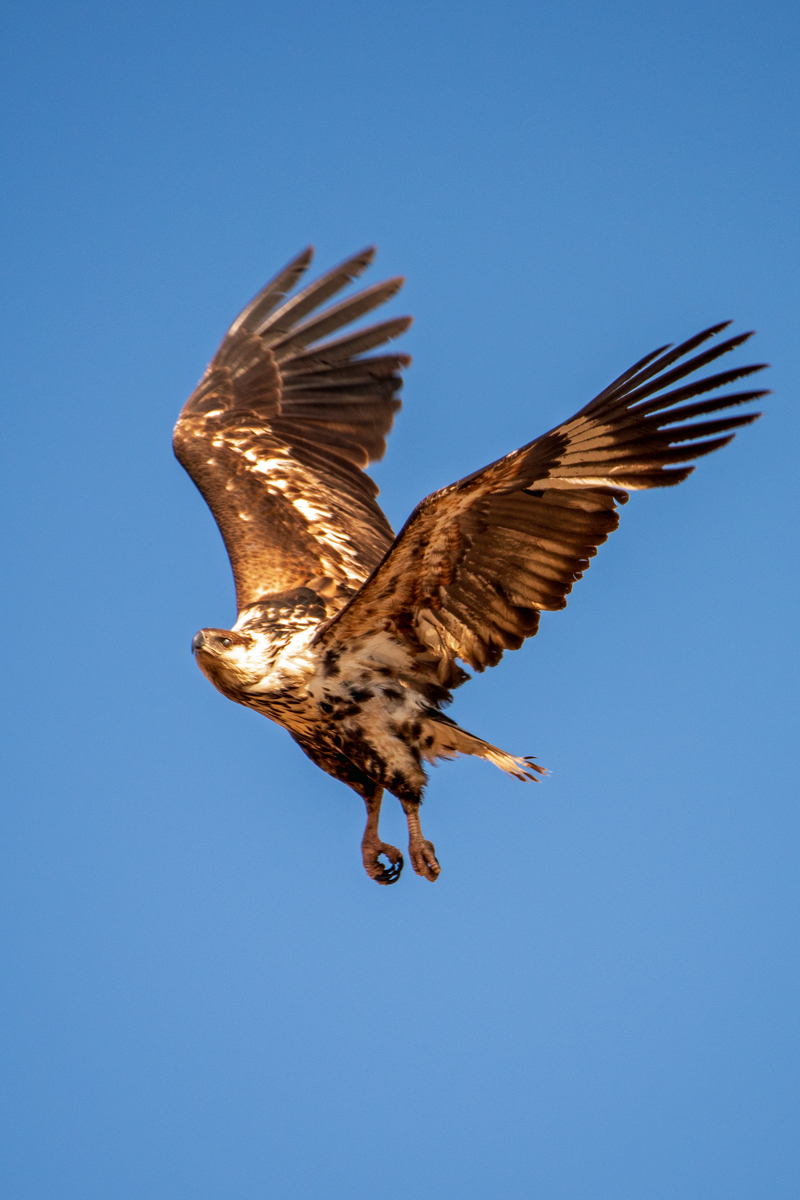
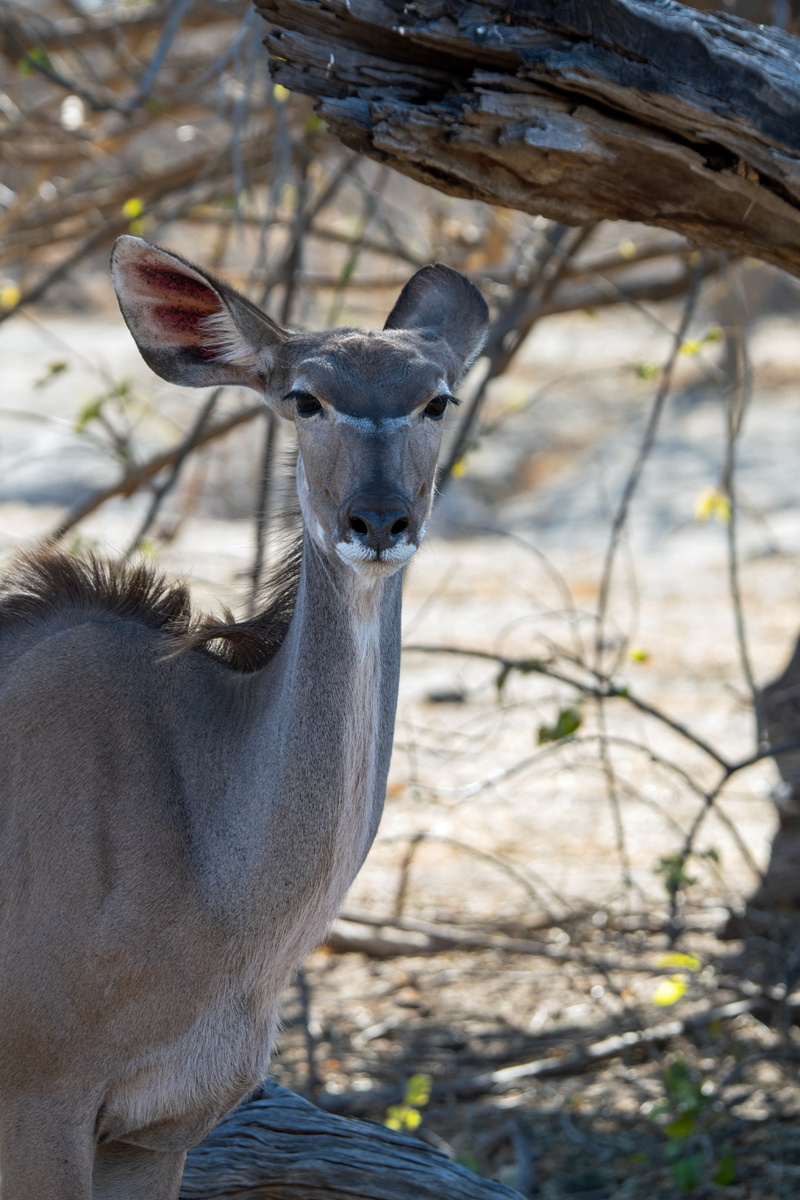
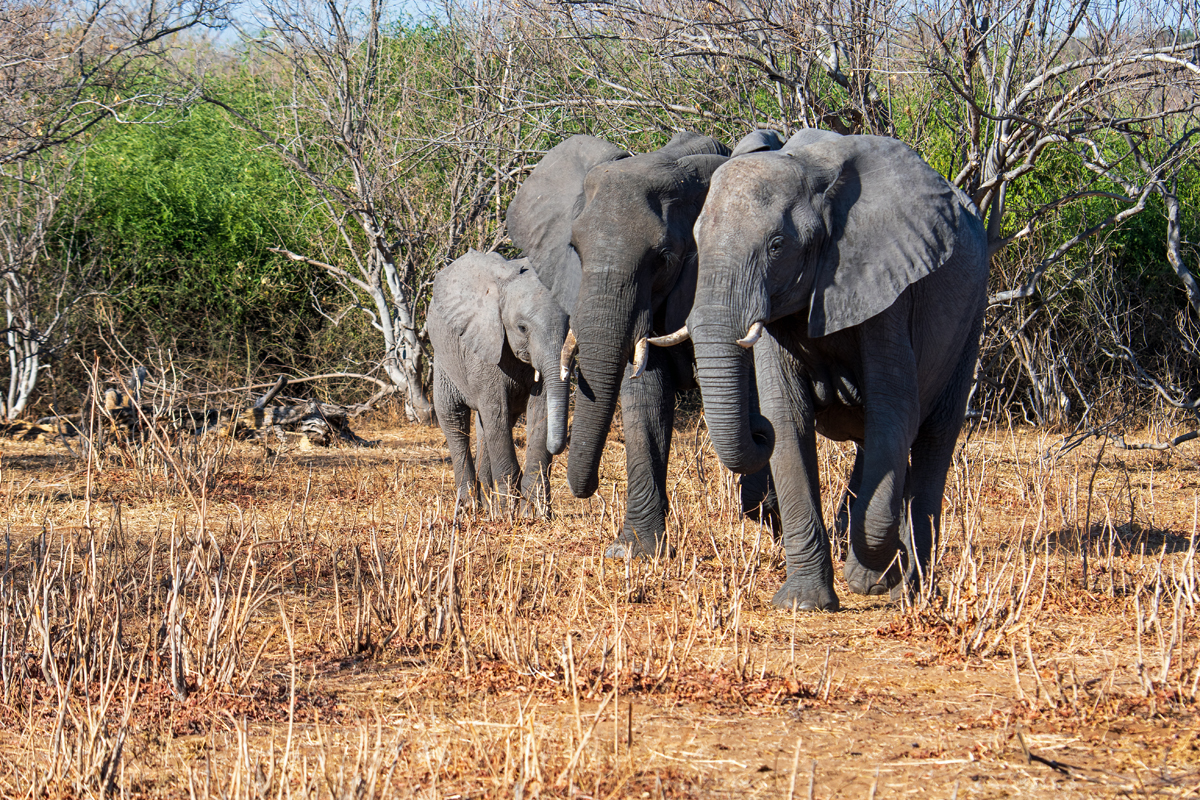
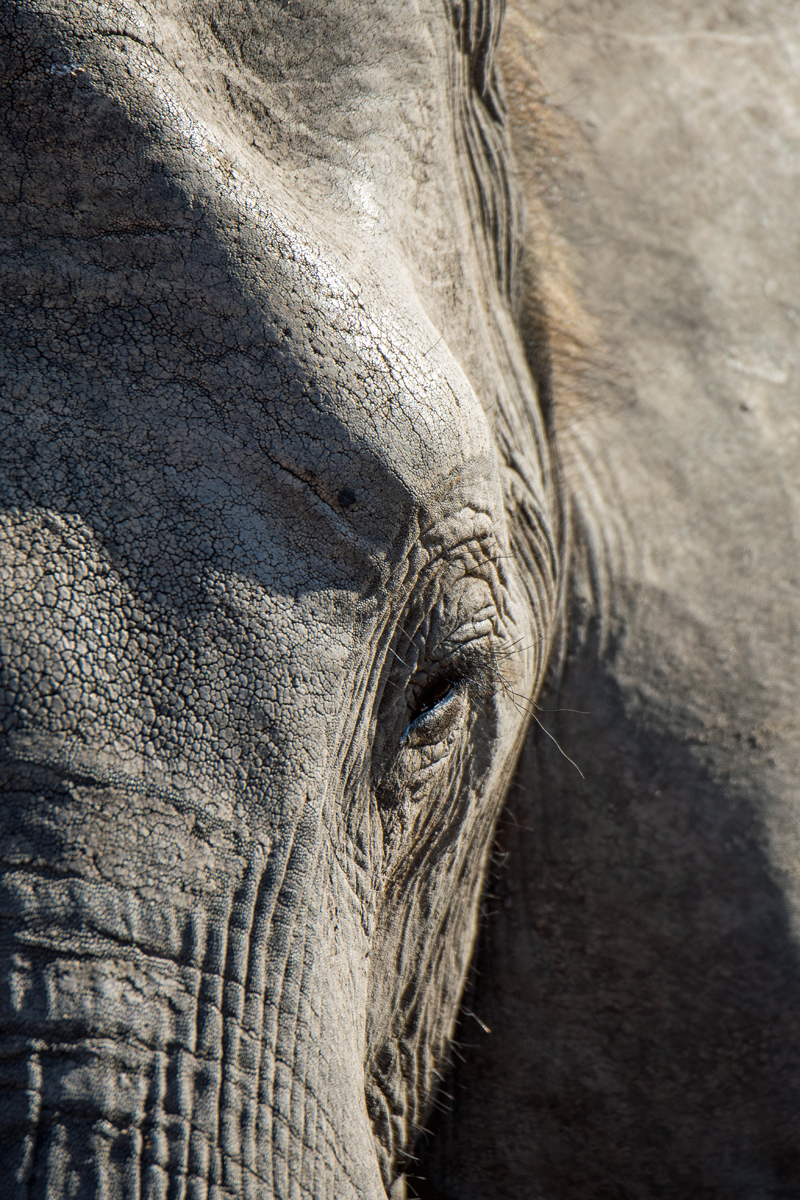
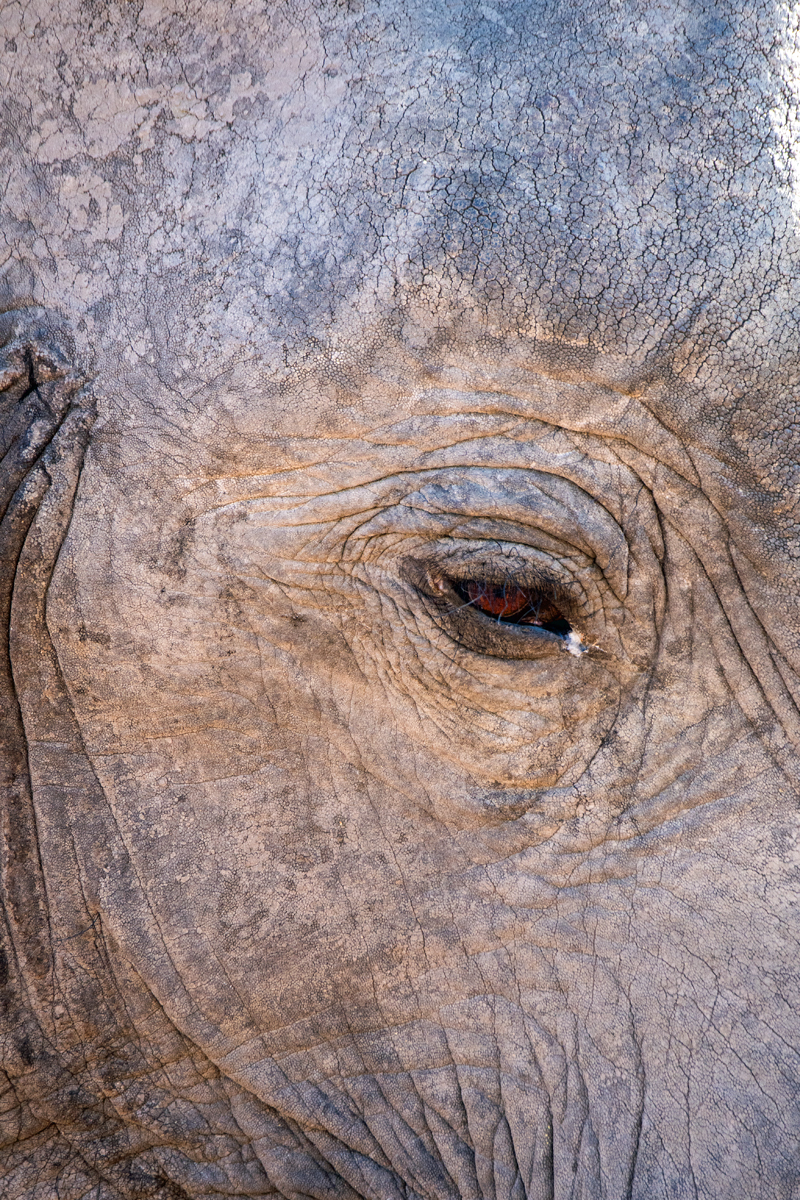
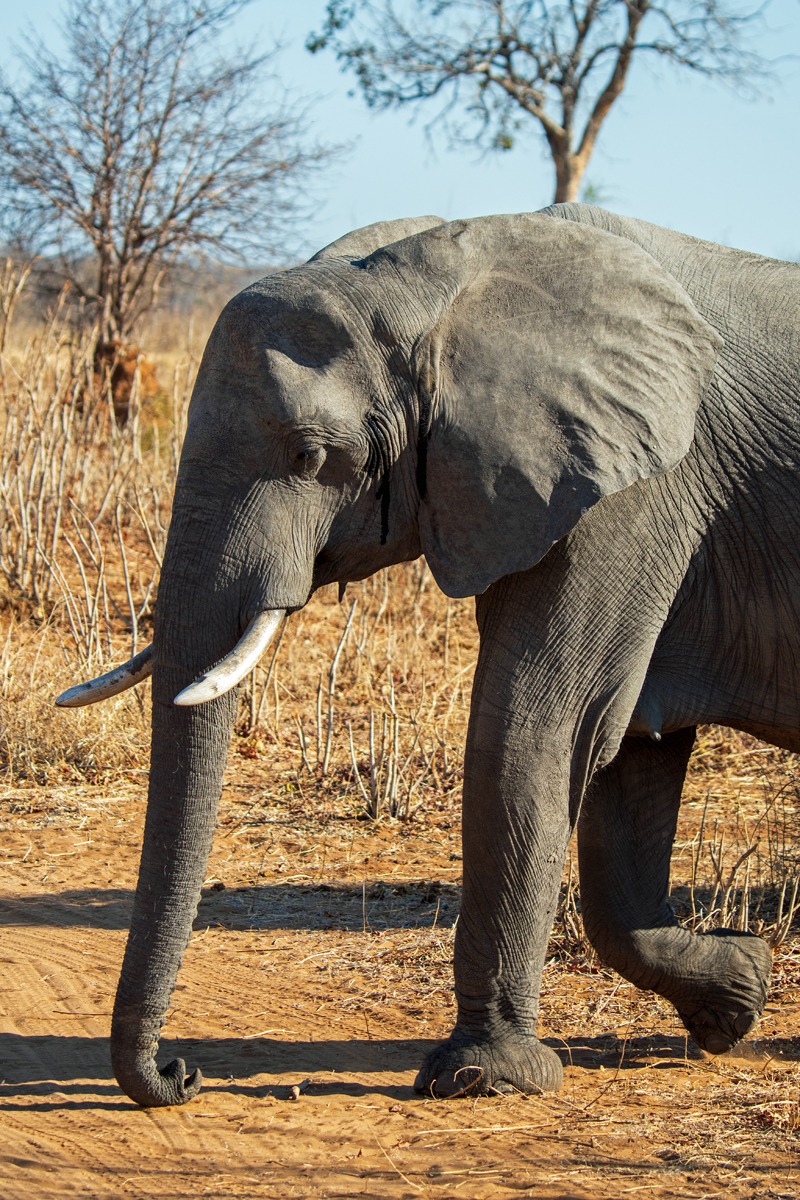
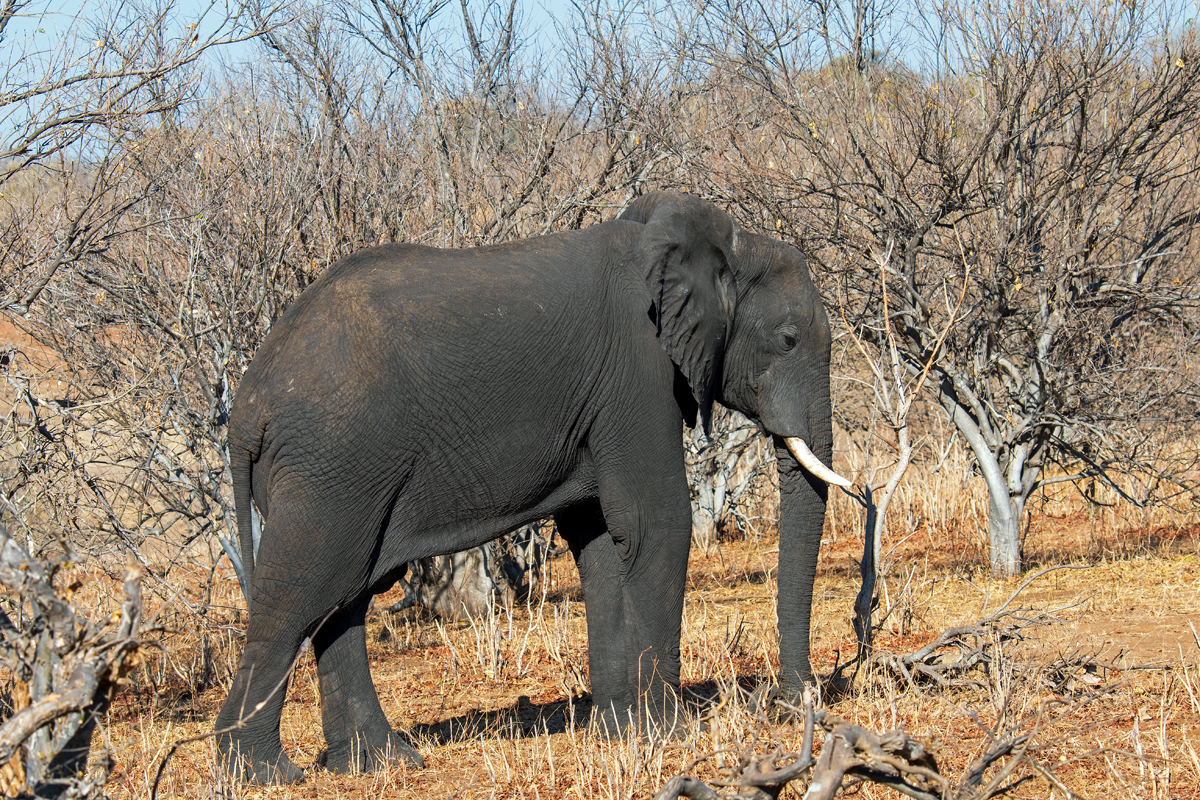
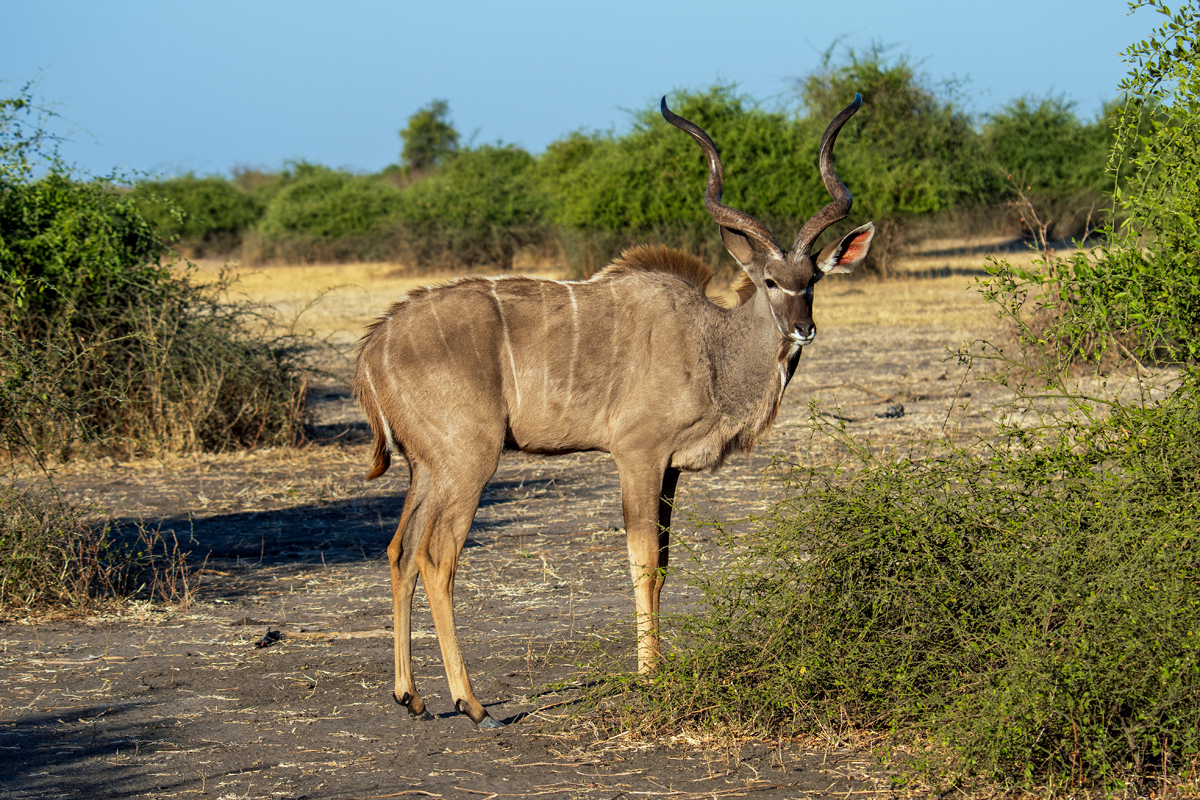
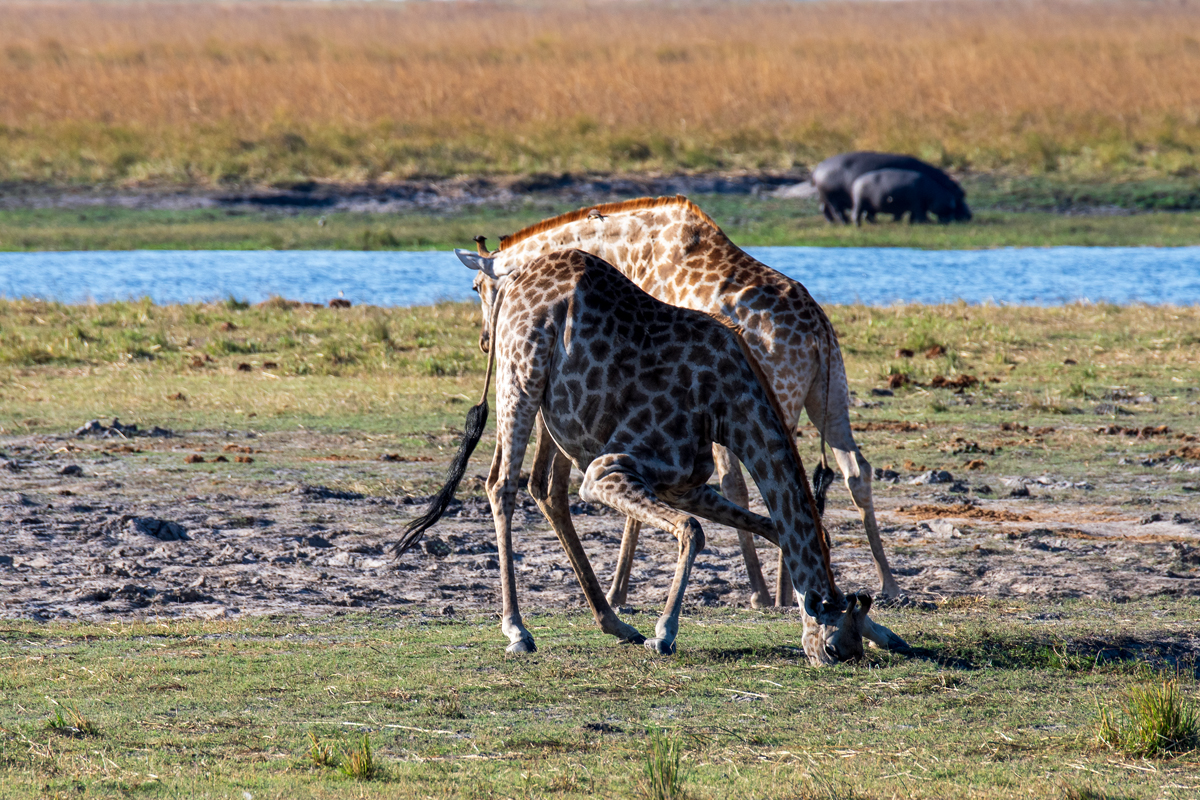
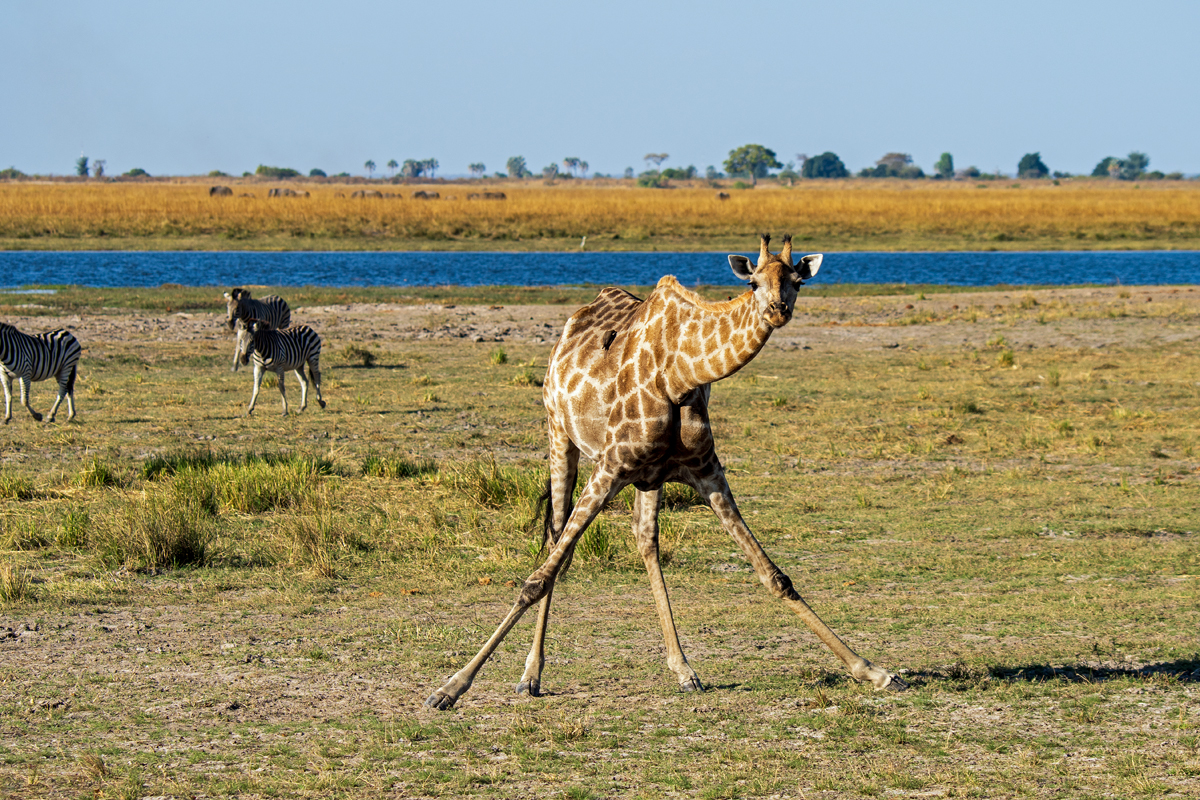
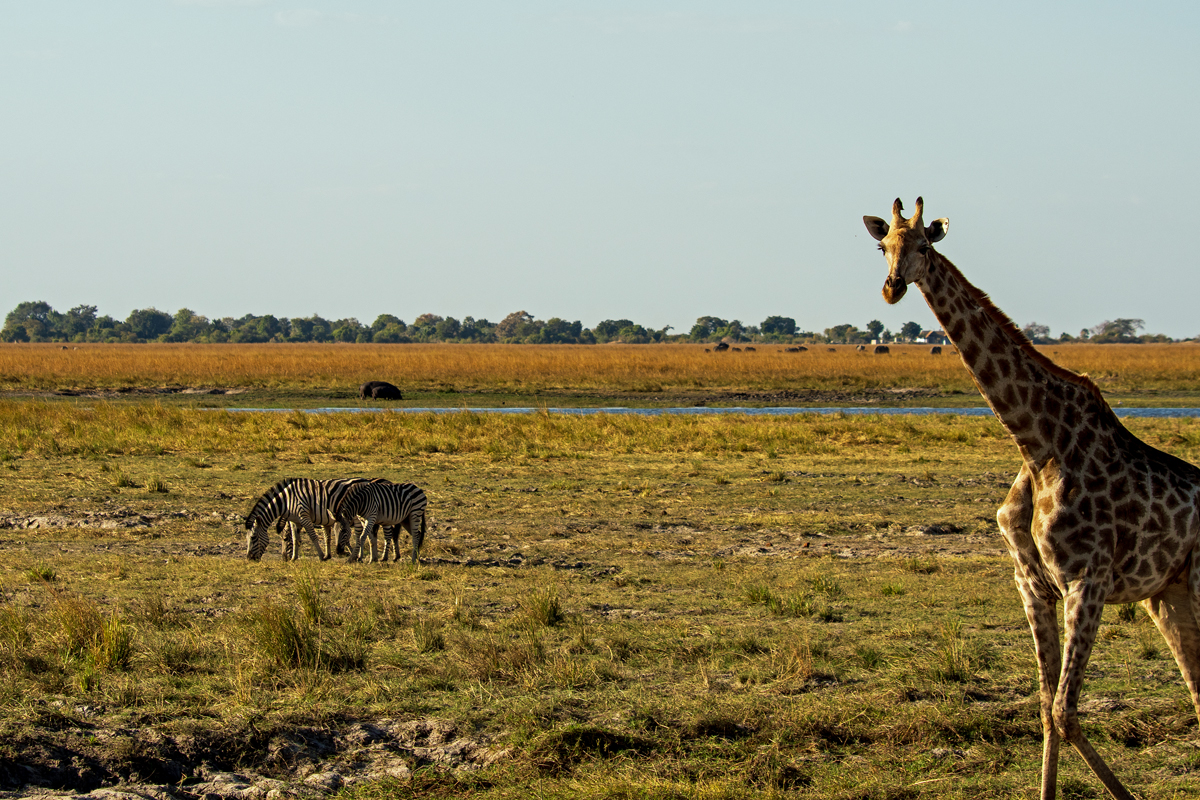
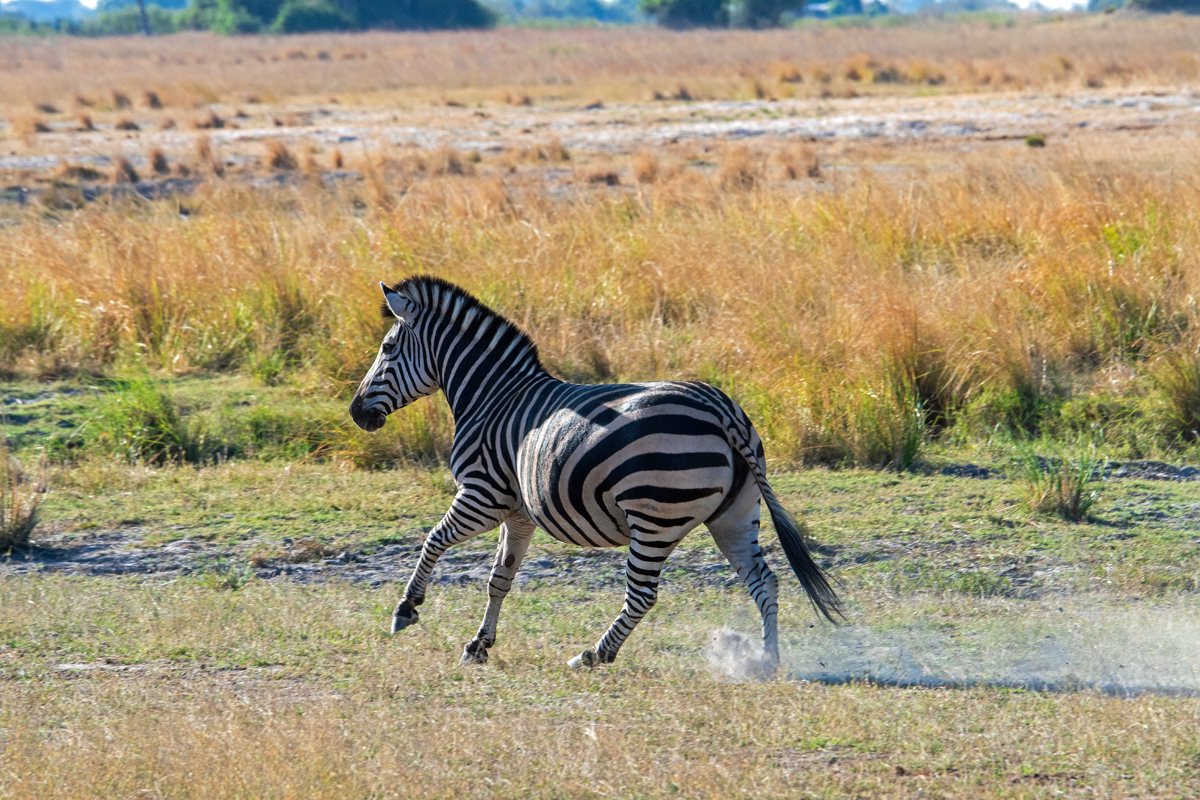
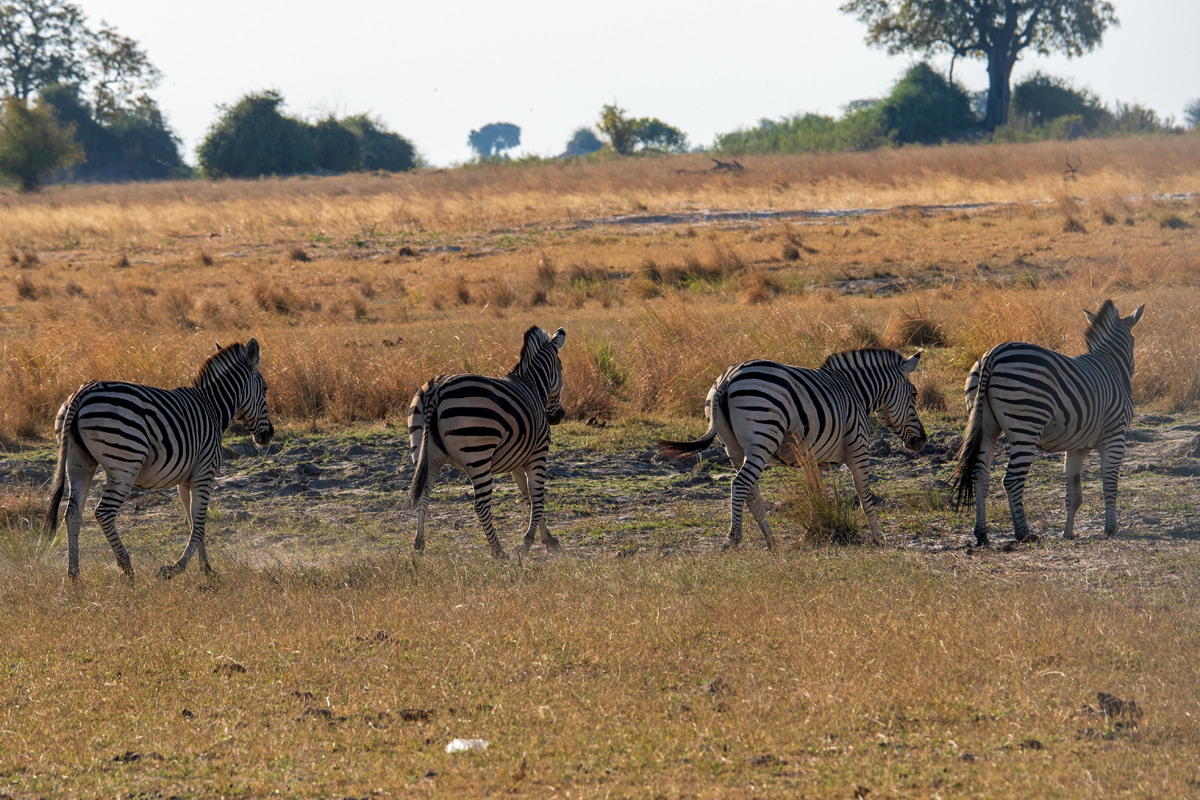
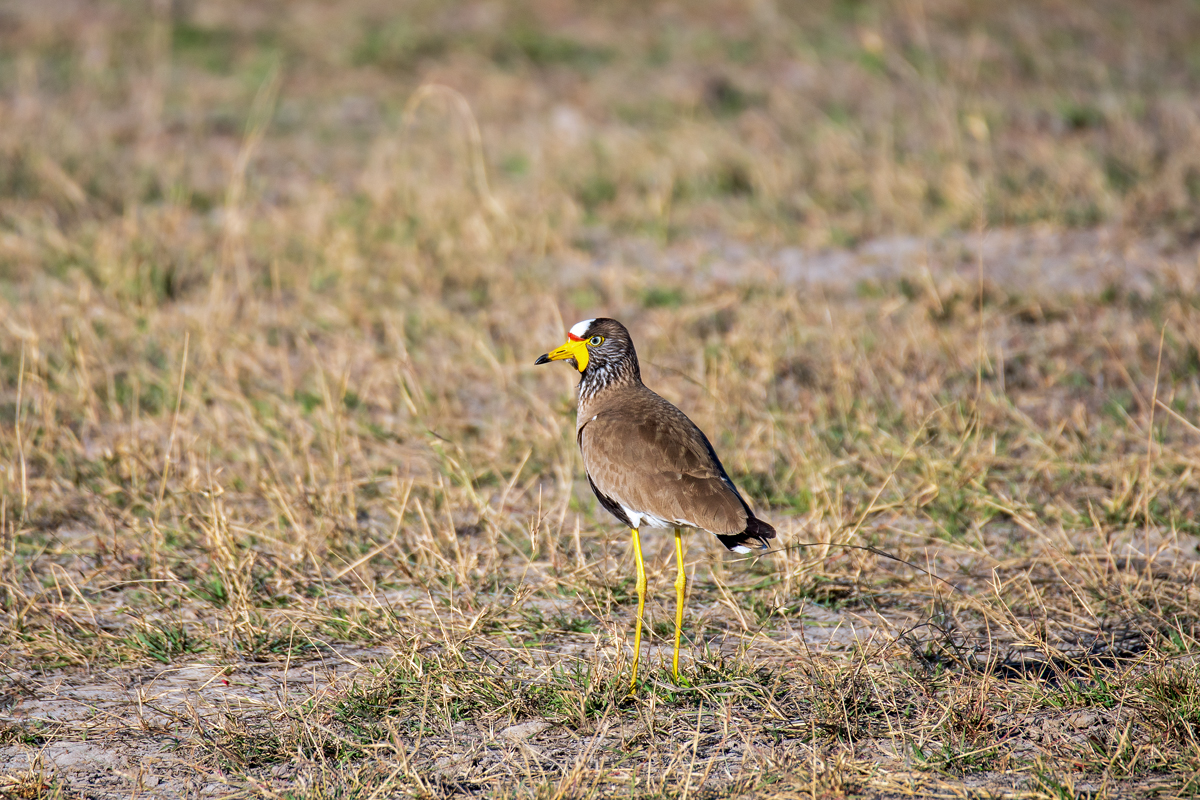
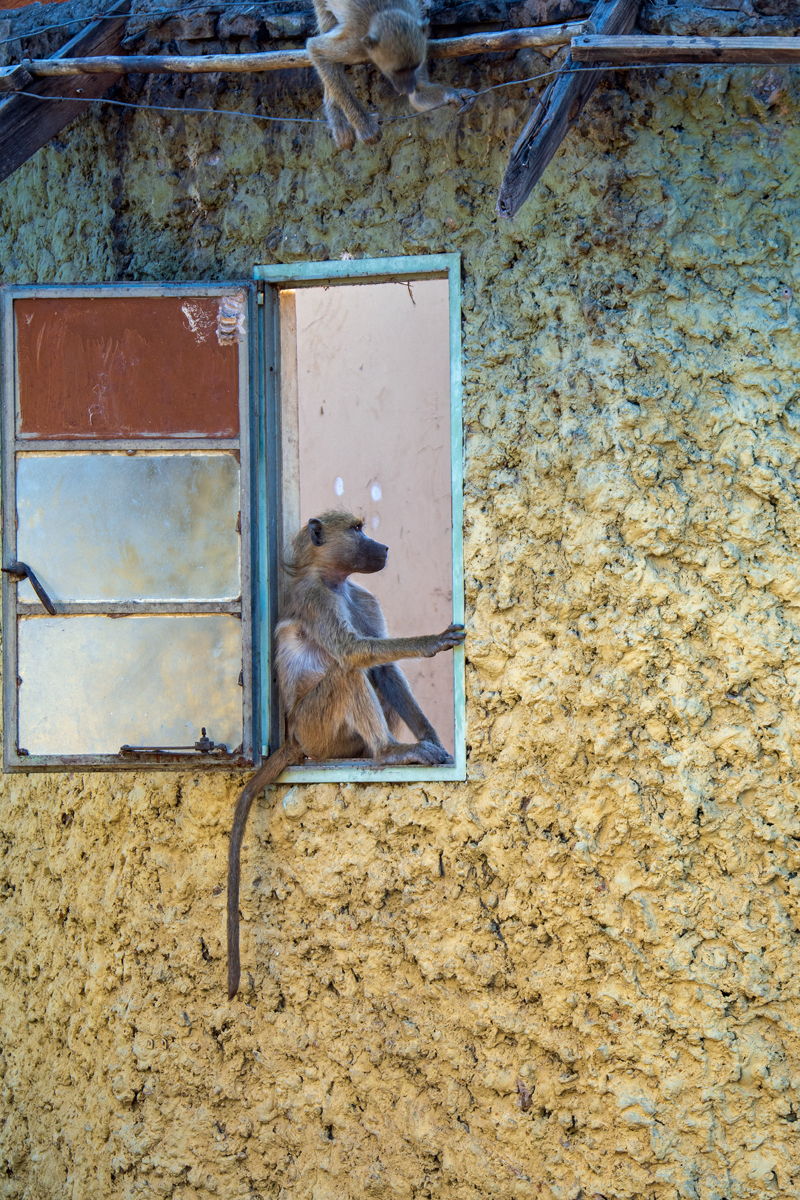
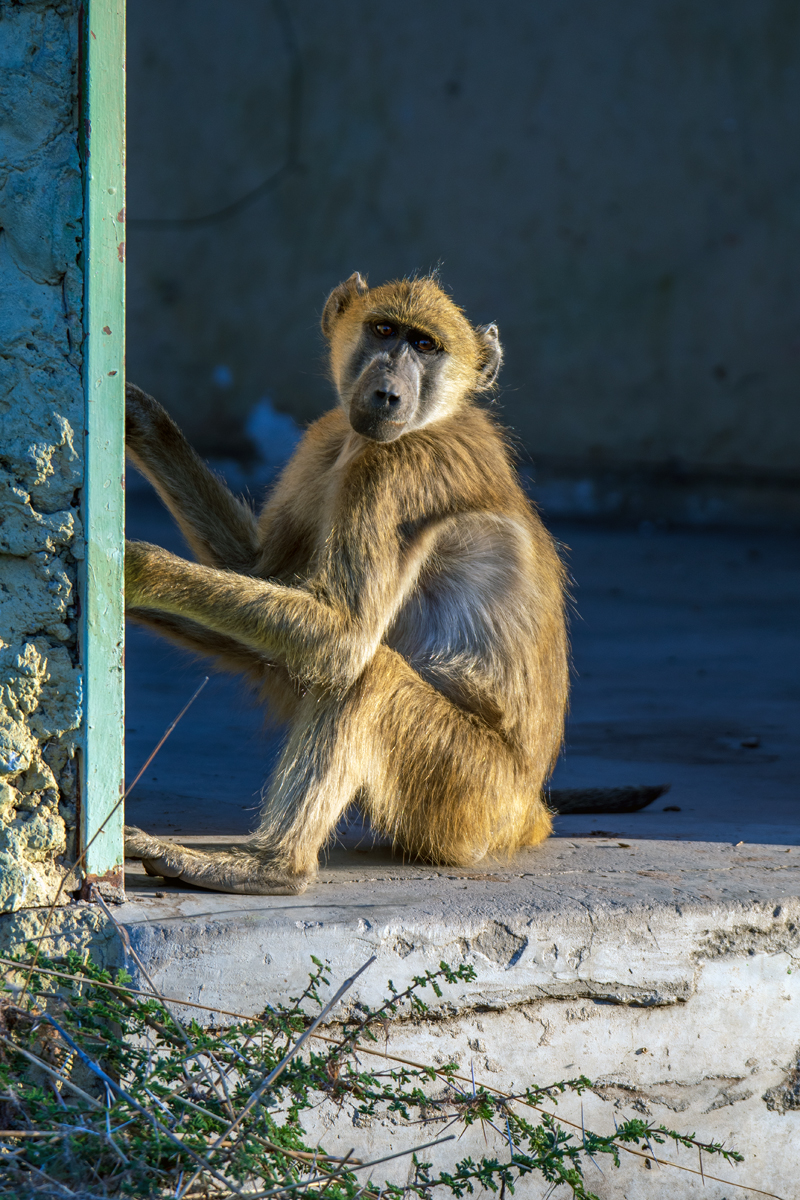
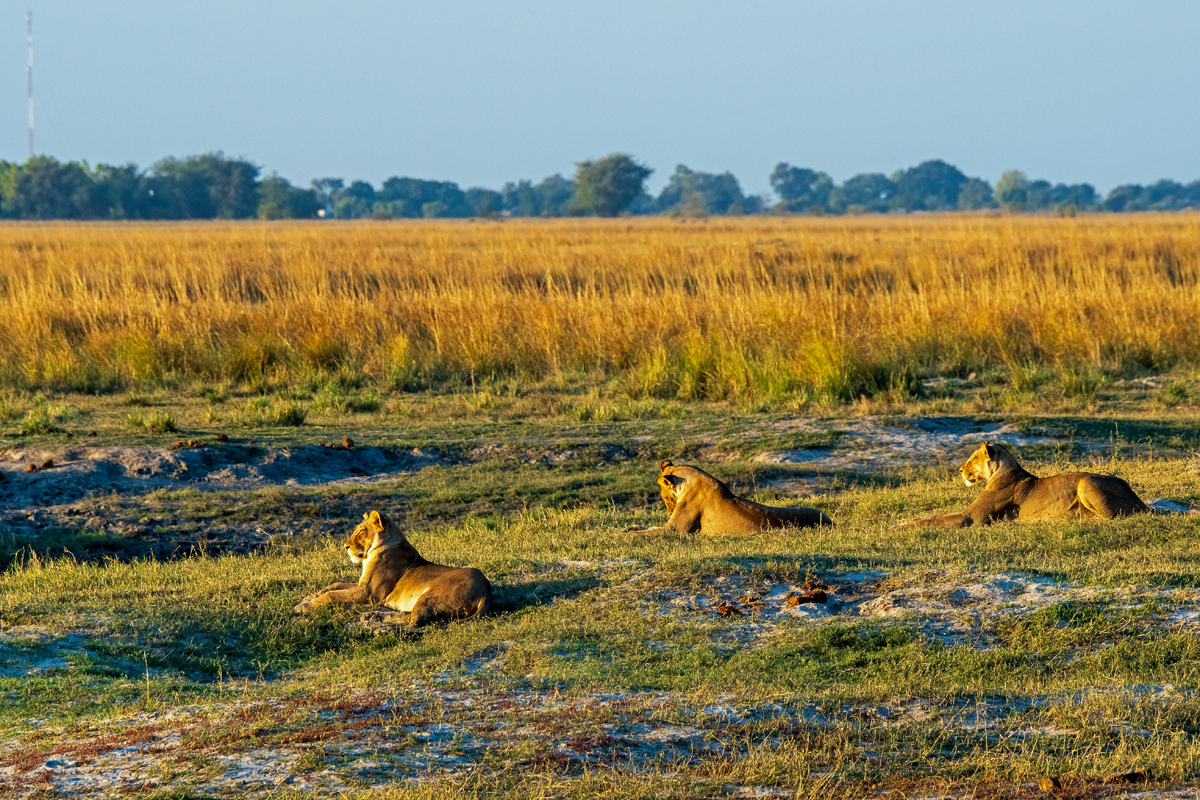
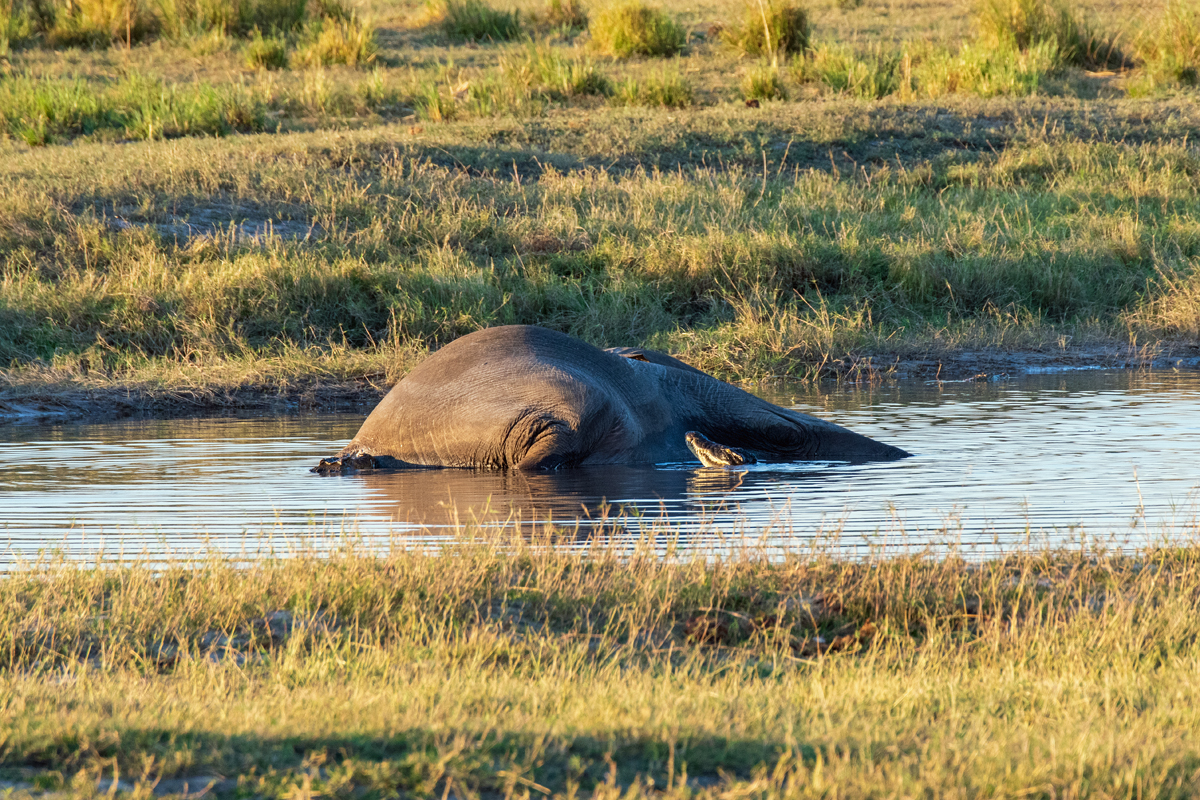
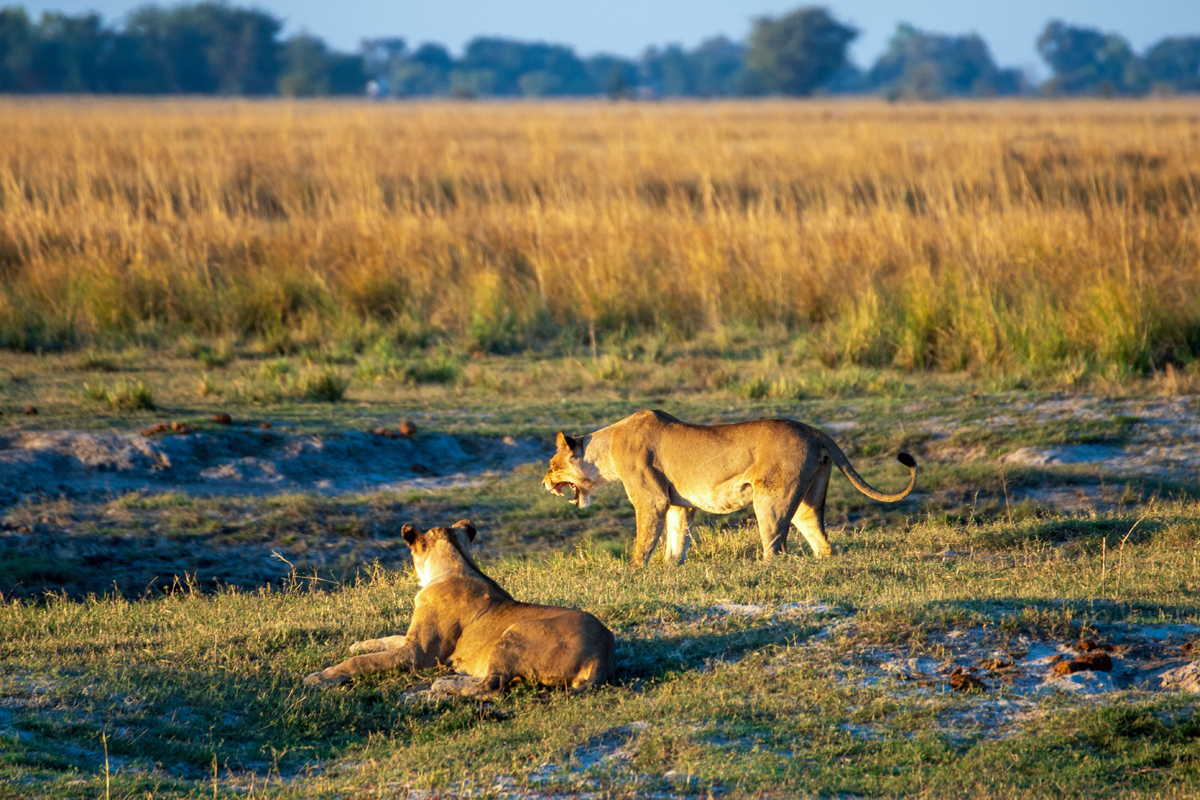
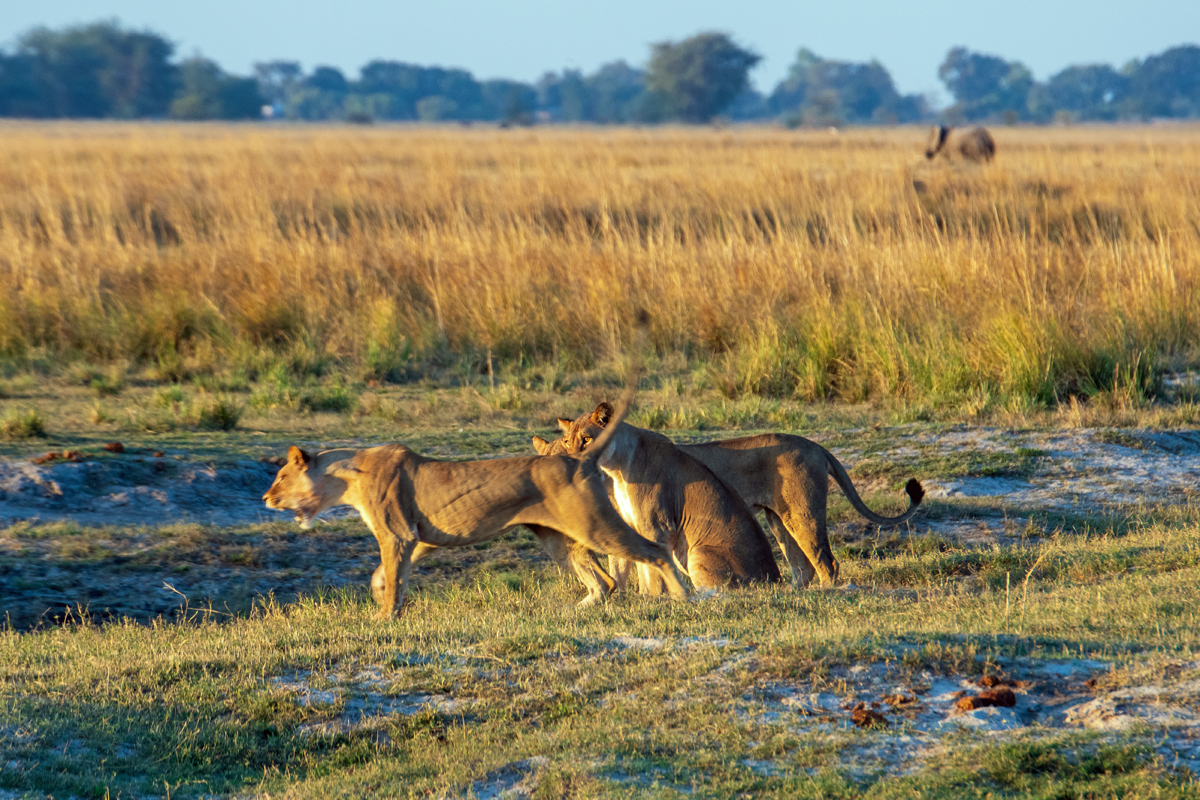
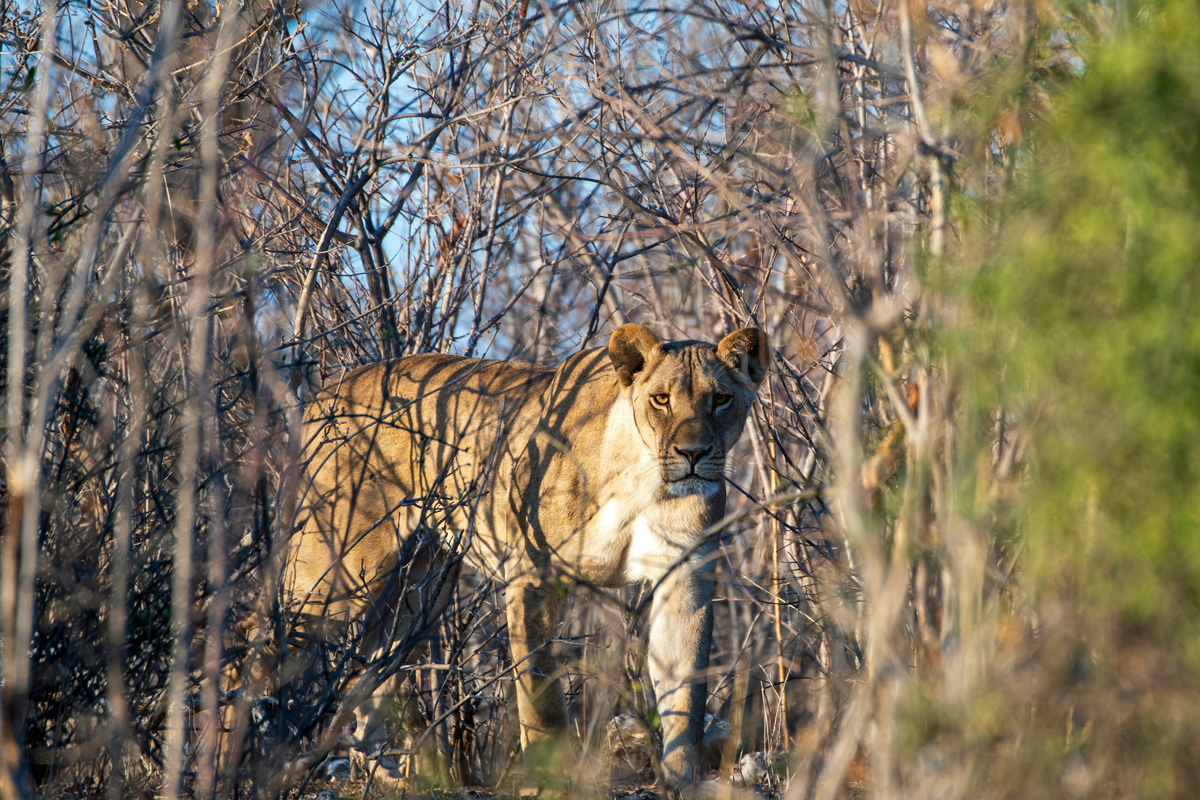
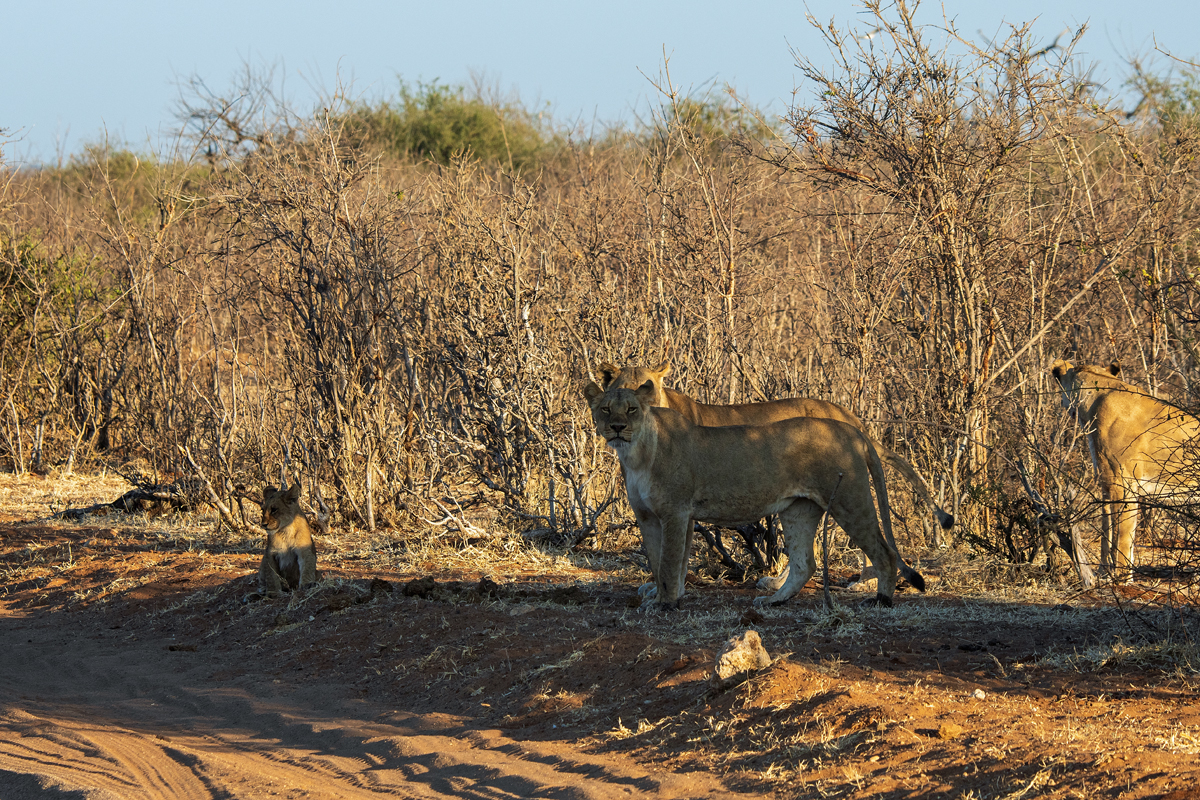
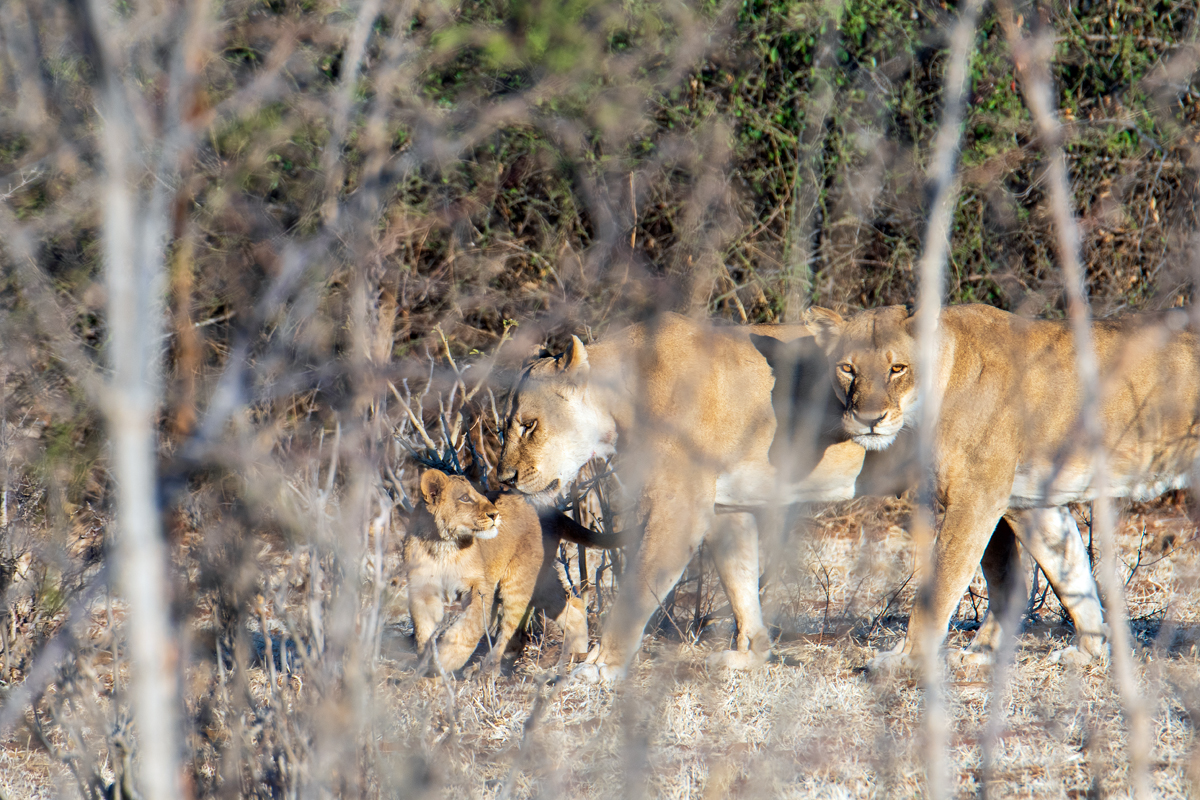
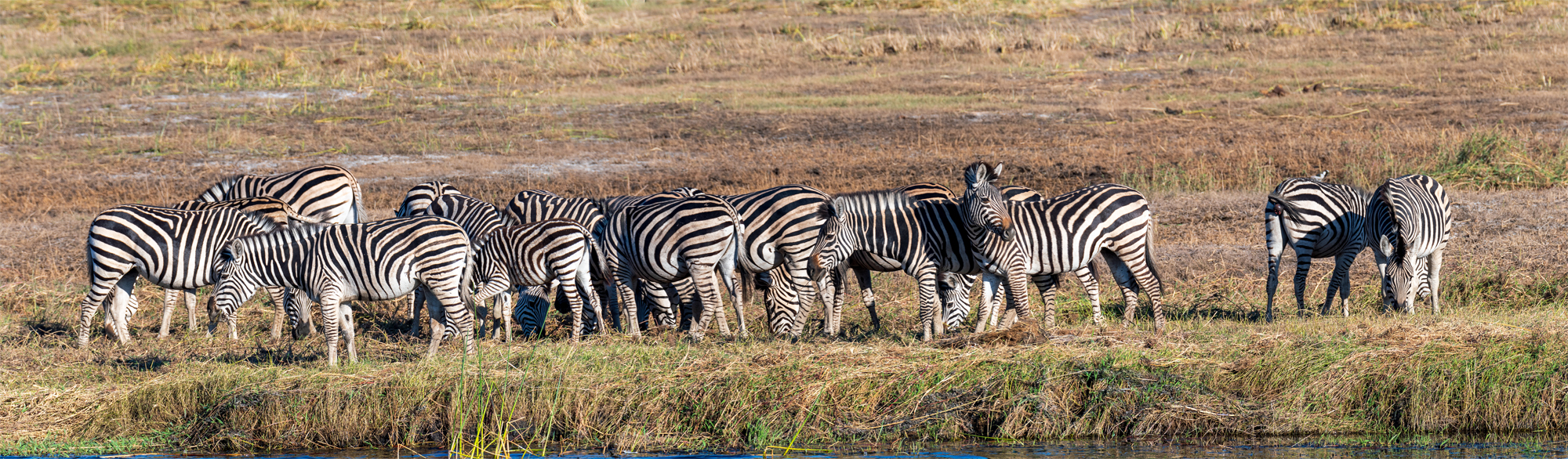
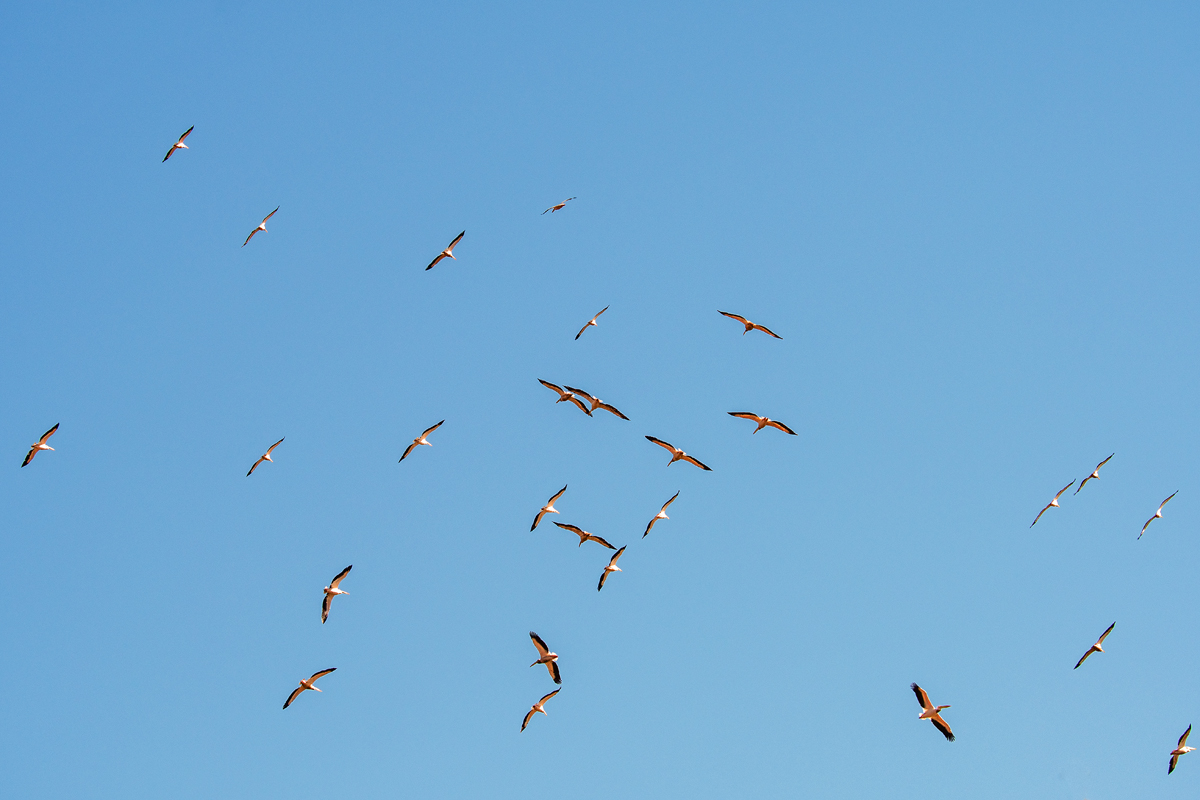
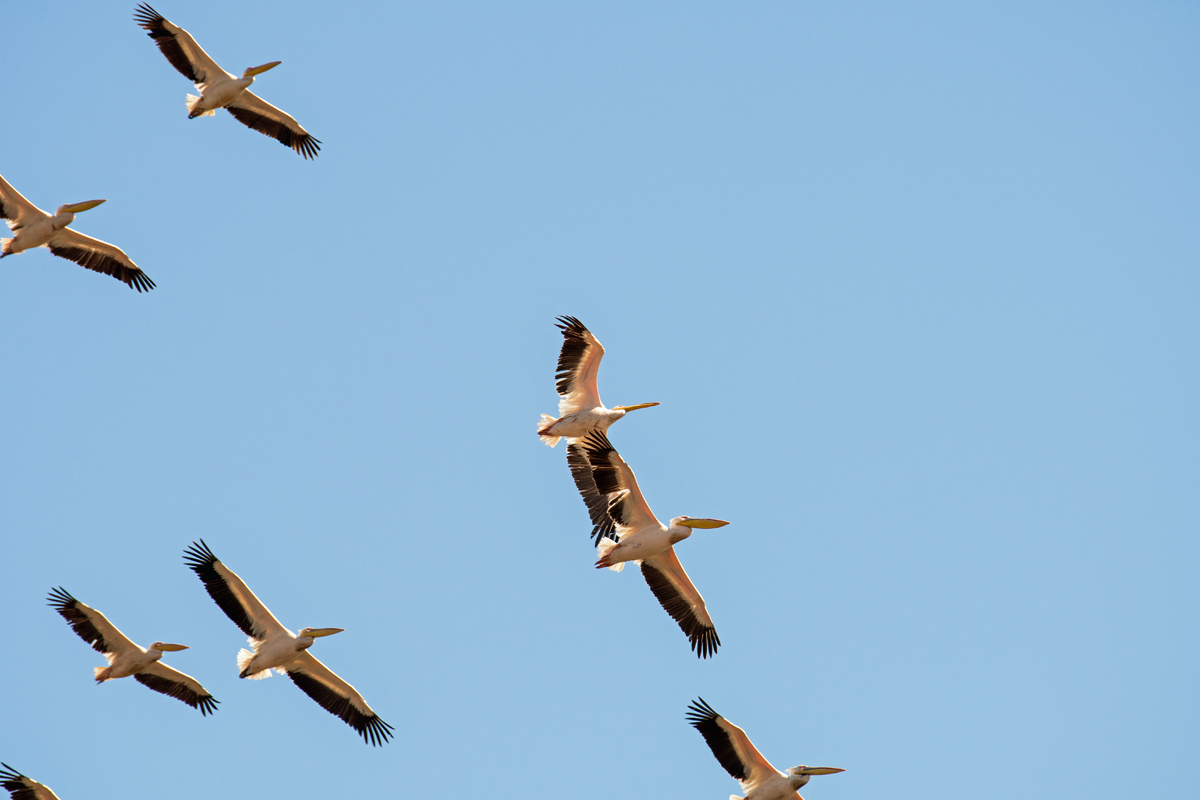
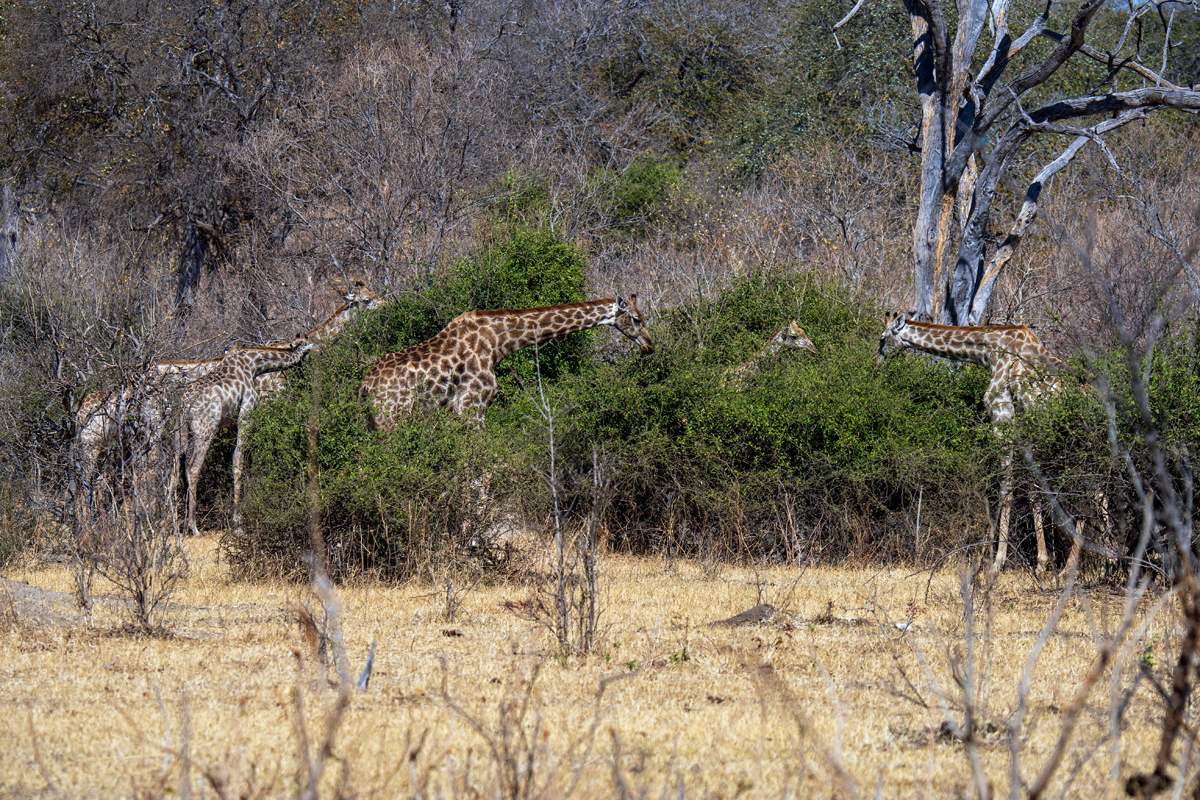
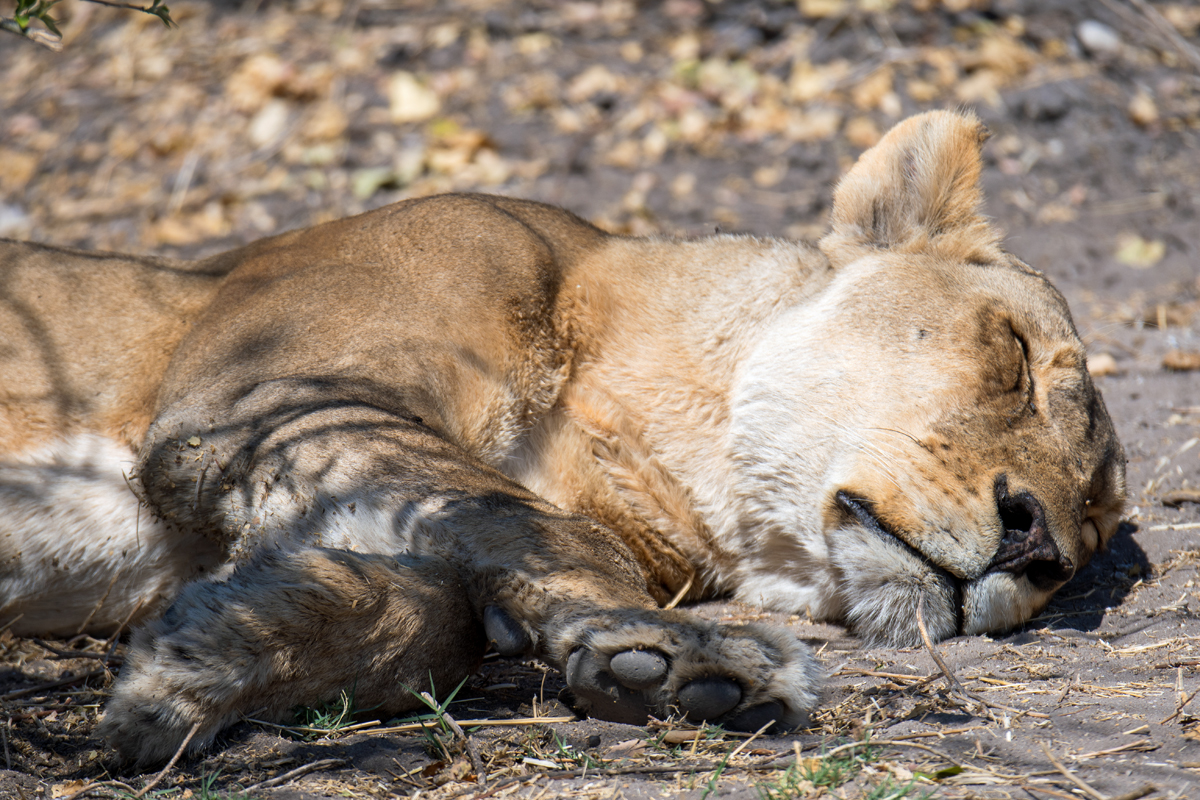
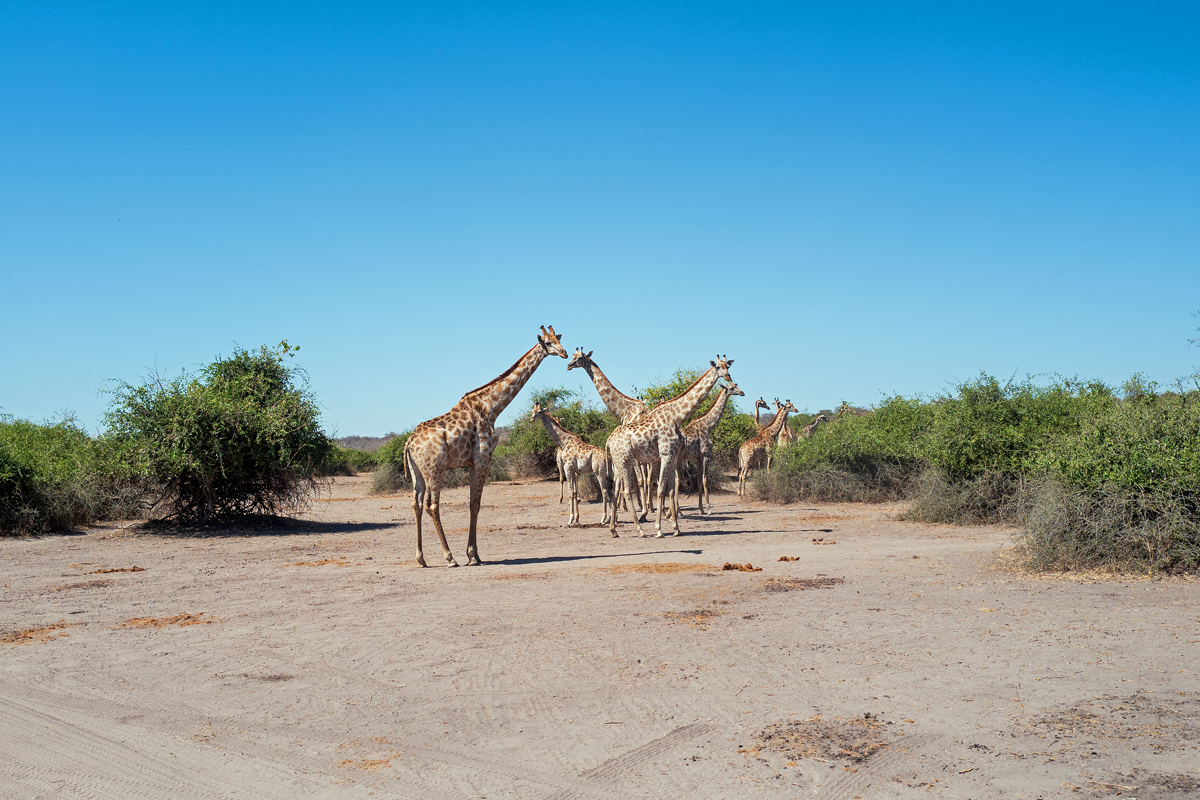
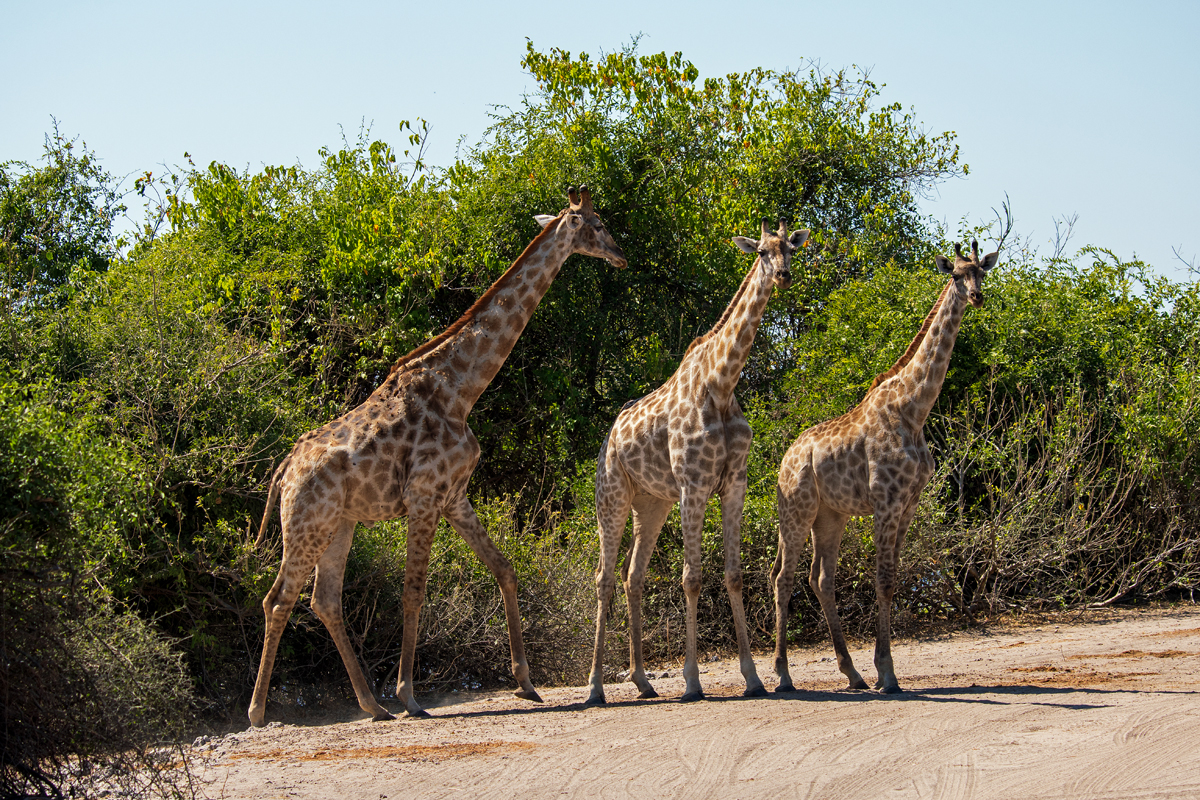
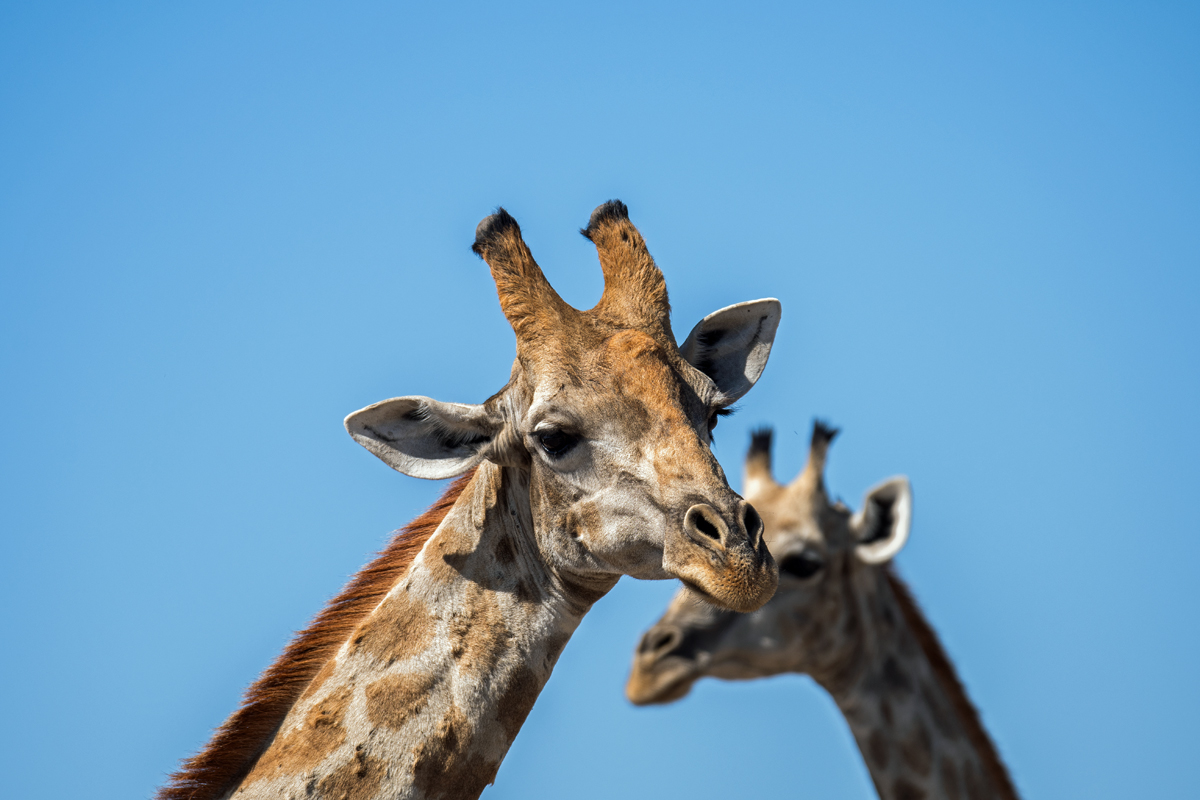
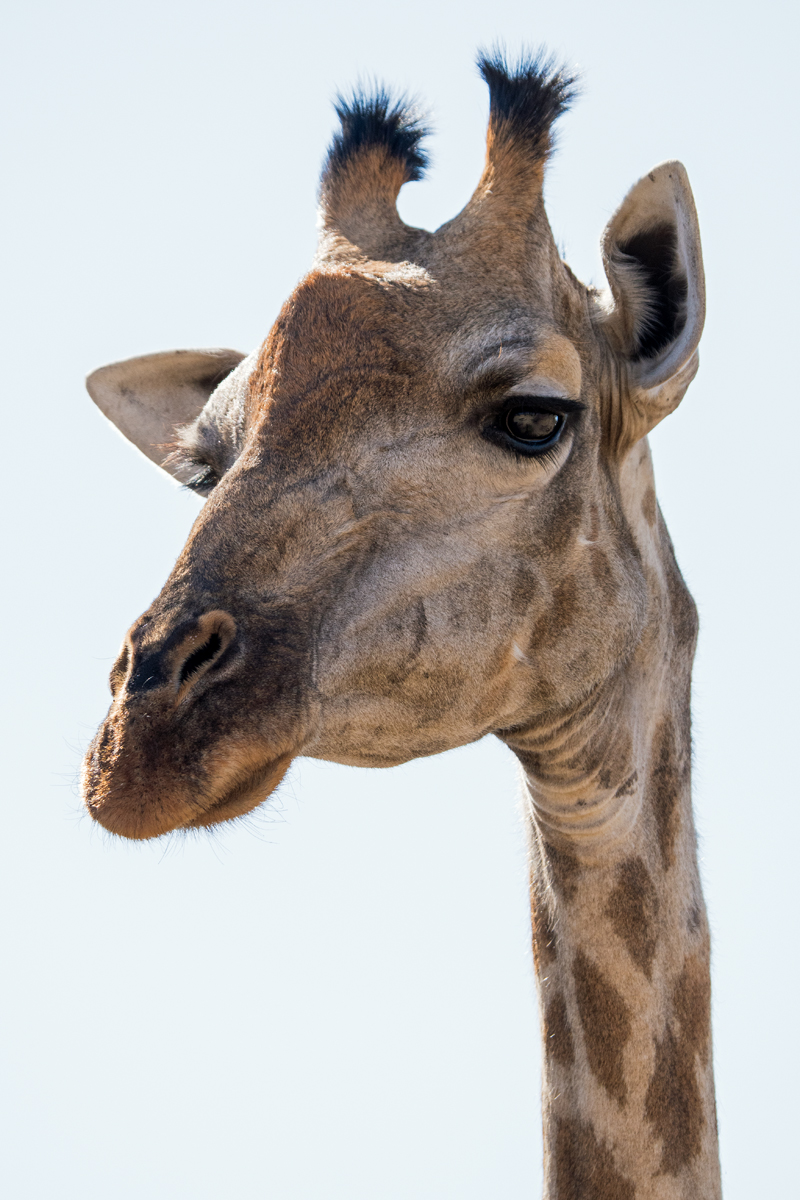
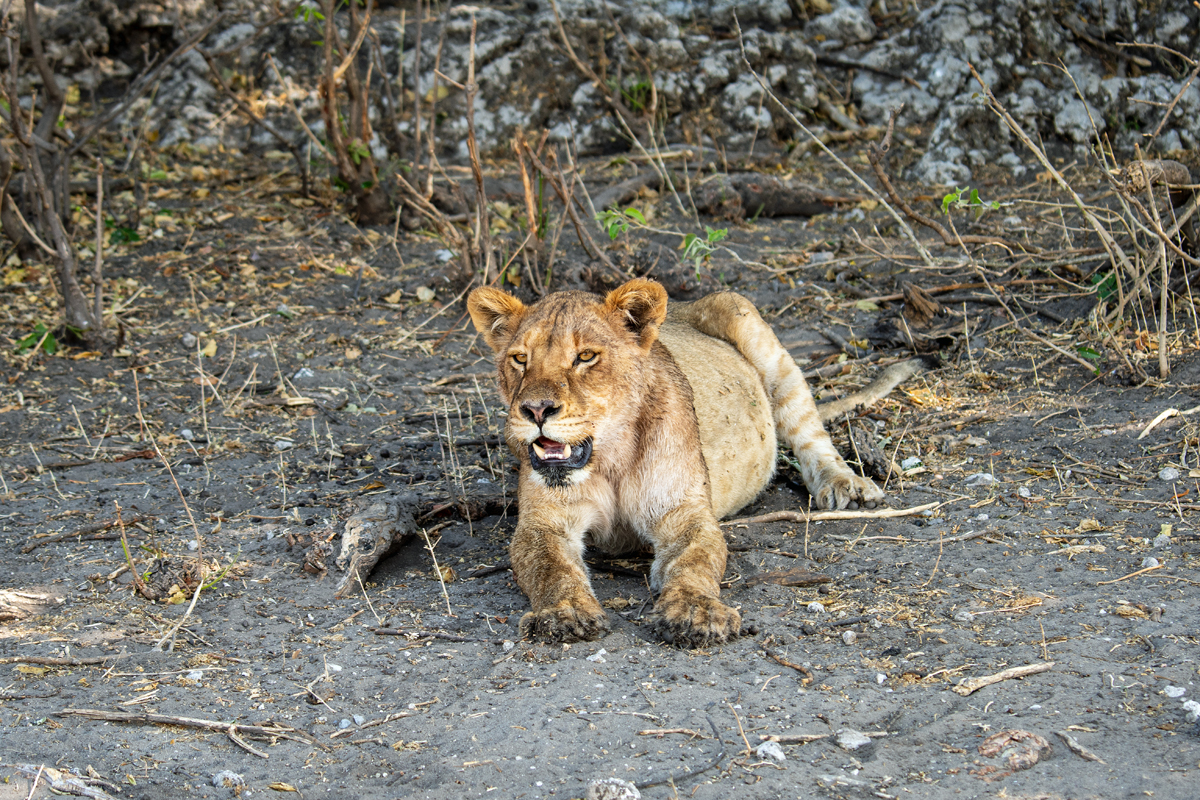
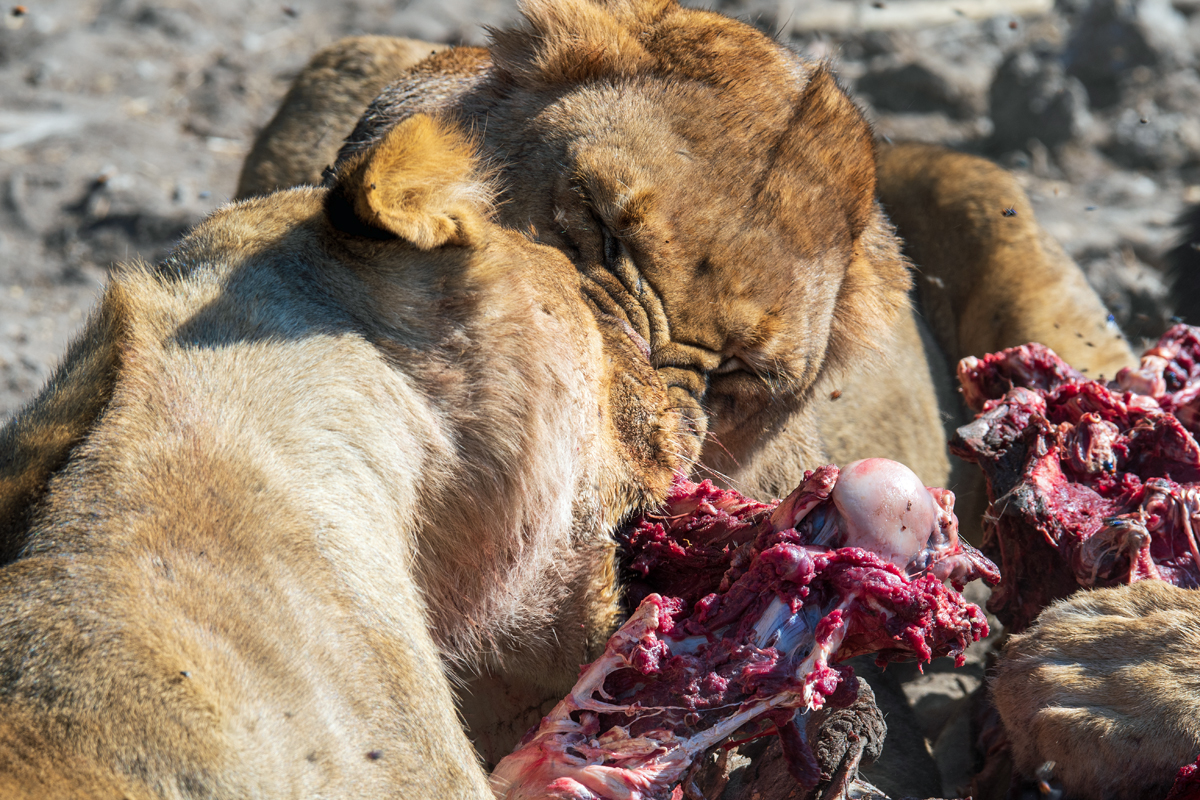
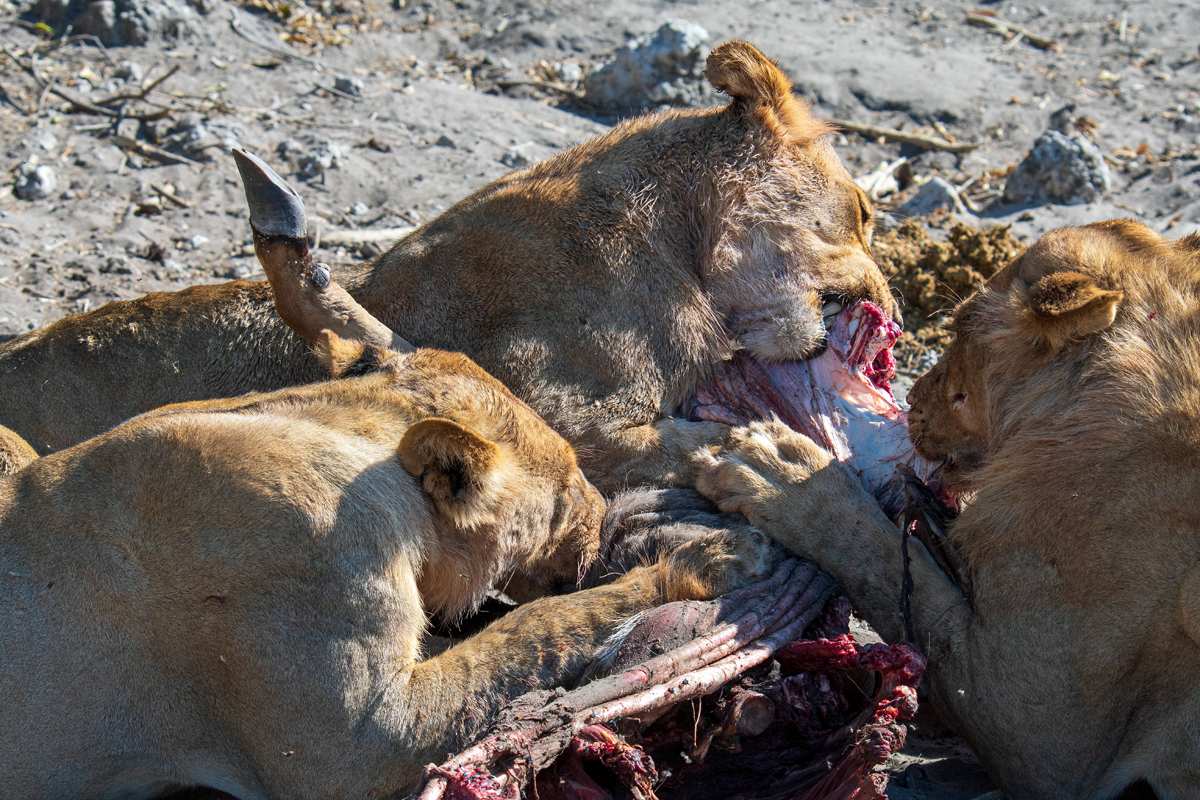
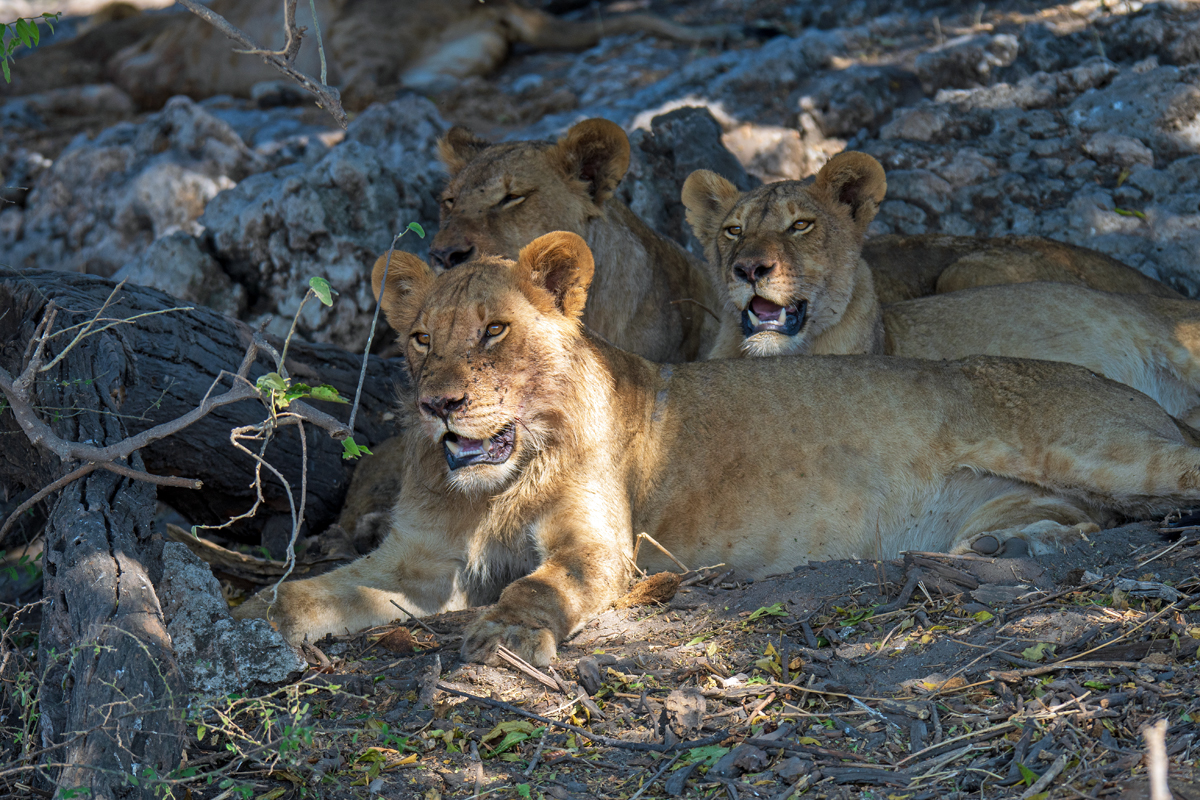
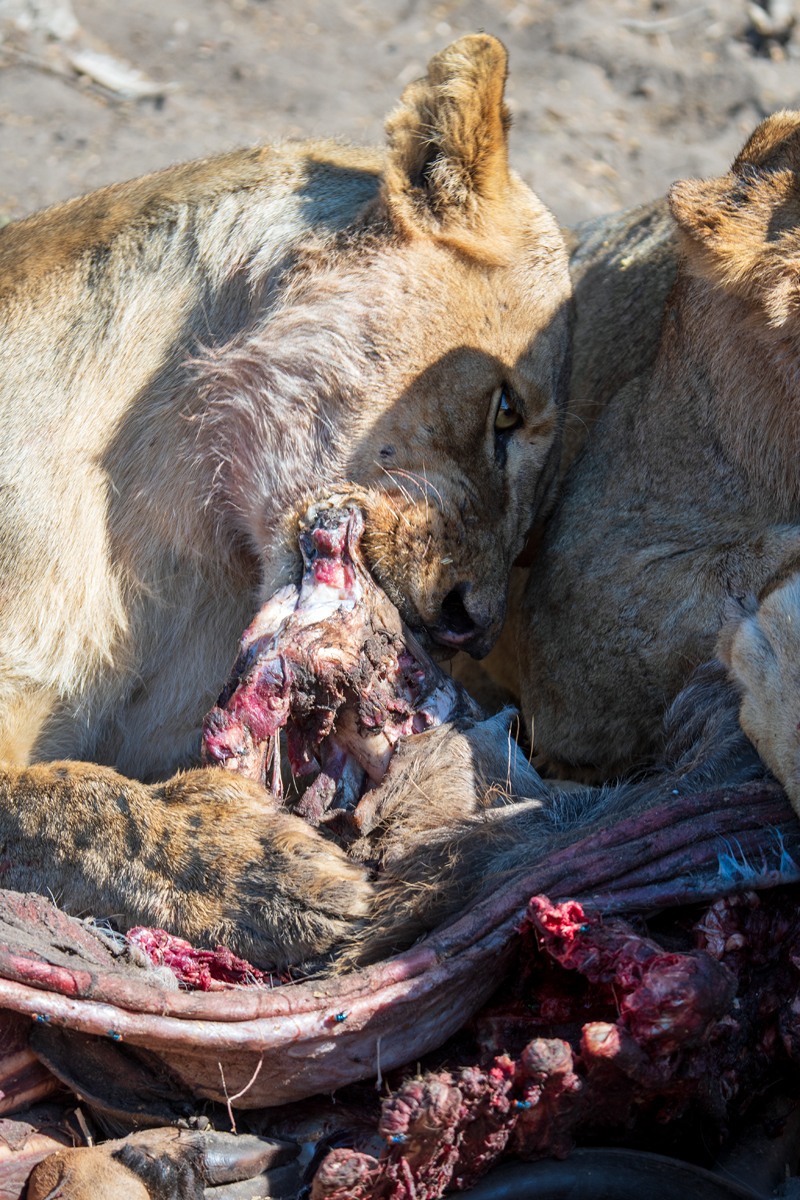
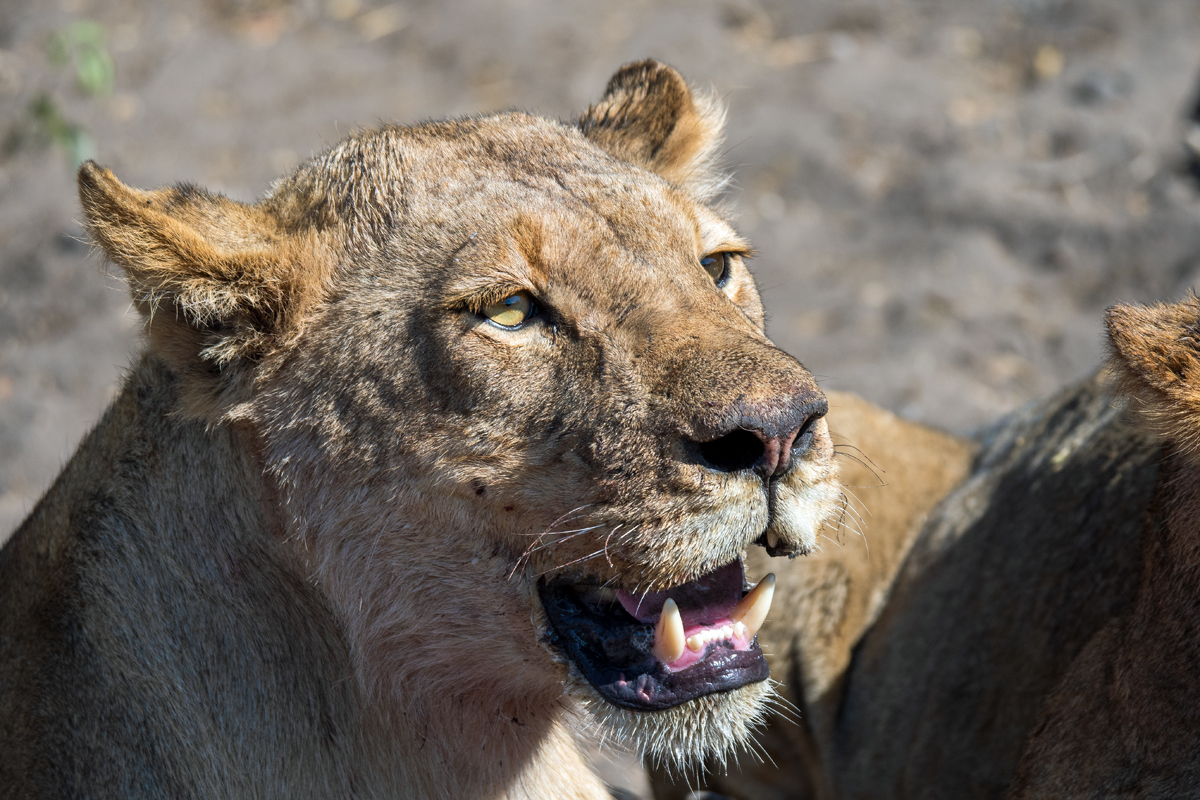
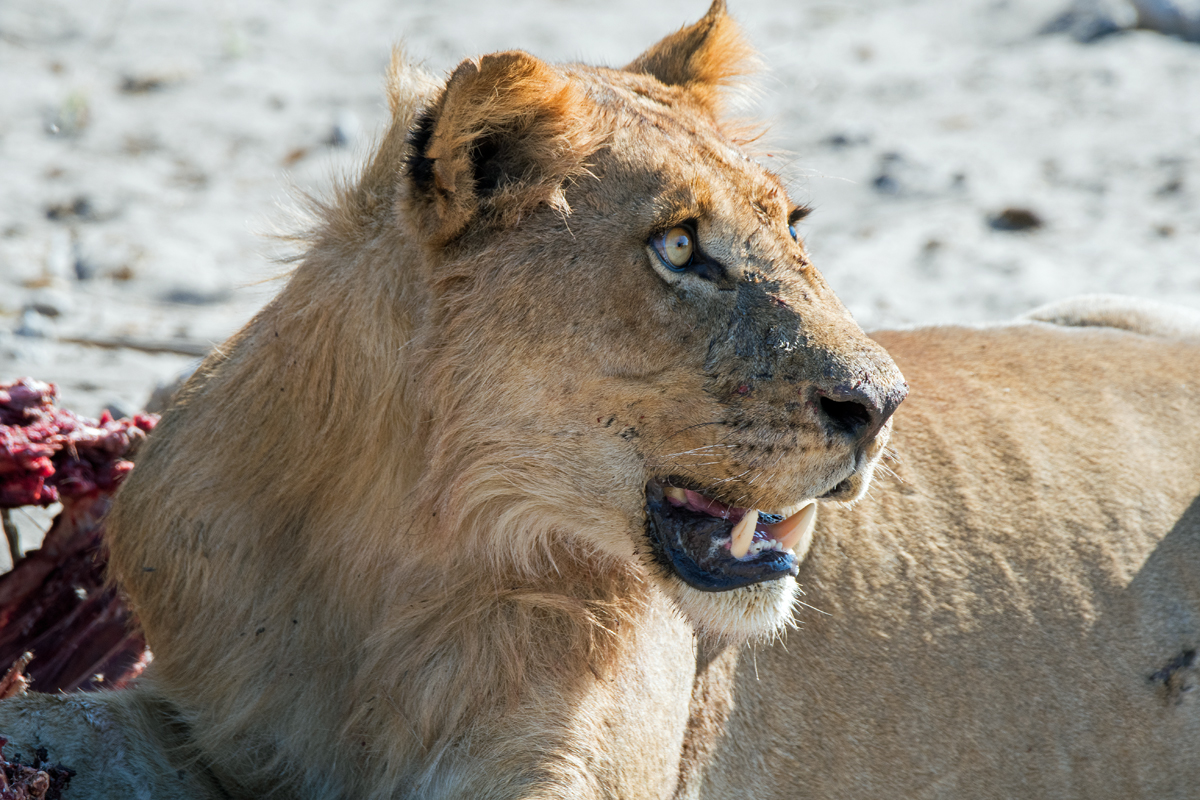
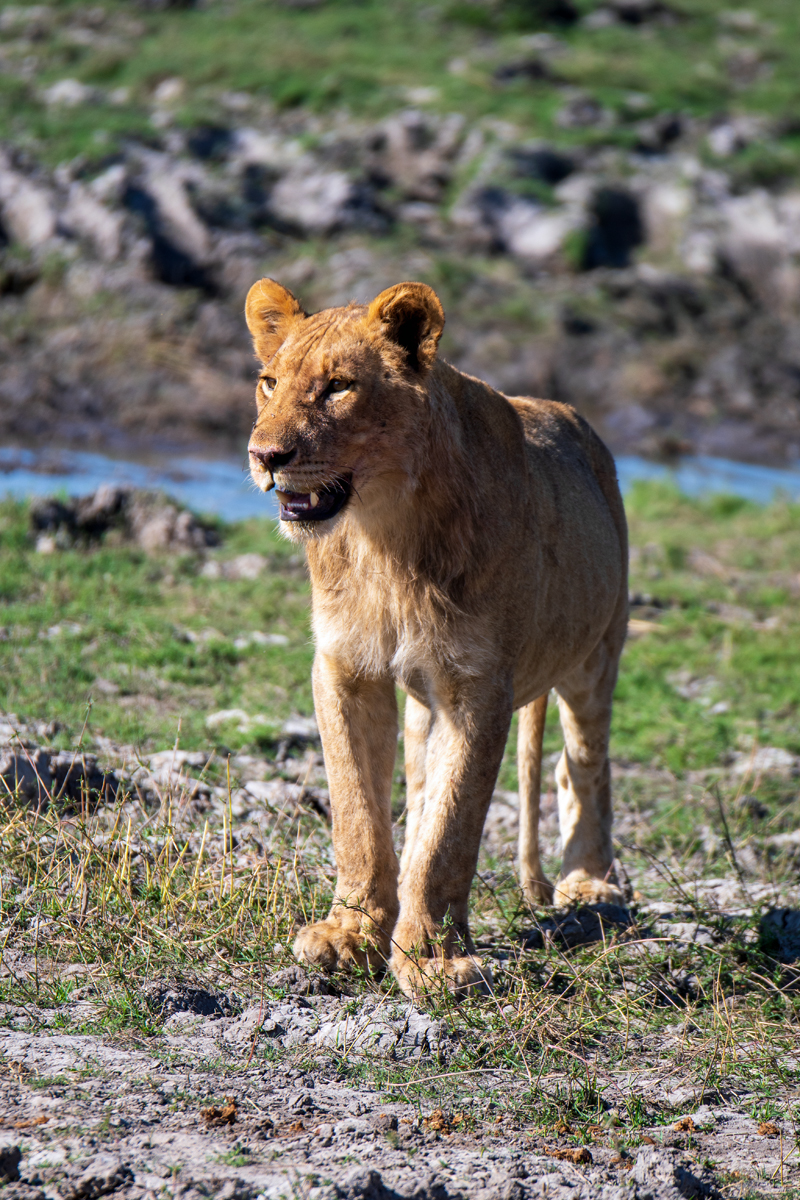
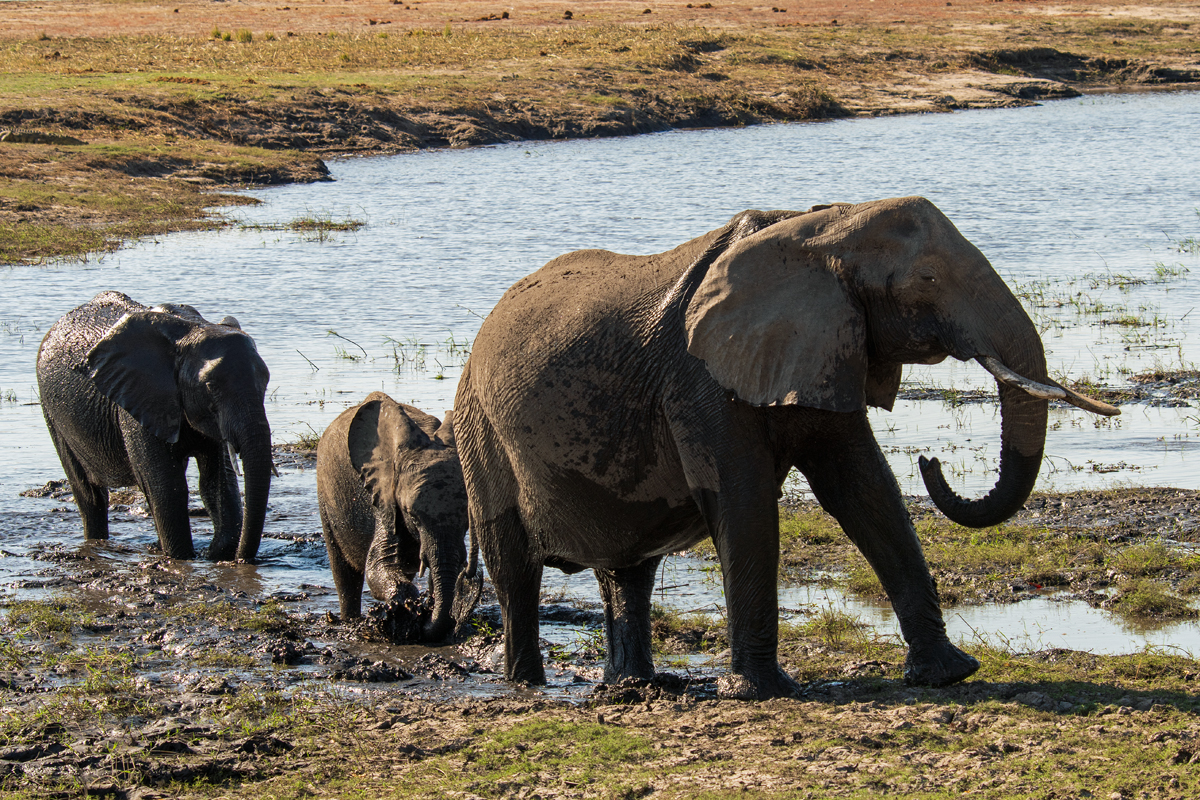
The region is famous for the largest existing herds of elephants on the planet. Up to 150.000 of those graceful animals are staying or wandering through the area and into Namibia, Angola, or Zambia. Fortunately, the constant development of the transnational Kavango Zambezi Transfrontier Conservation Area (KAZA) in Angola, Botswana, Namibia, Zambia, and Zimbabwe with a size of currently 520.000 km² makes this possible – again. In addition, Chobe National Park is one of the most diverse protected areas in Africa and extraordinarily rich in game with lions, leopards, elephants, hippos, giraffes, zebras and various other species of antelope as well as countless bird species.
Berühmt ist das Gebiet für die größten noch existierenden Elefantenherden auf dem Planeten. Bis zu 150.000 Tiere halten sich dauerhaft in dem Gebiet auf oder ziehen in Richtung Namibia, Angola oder Sambia hindurch. Die stetige Weiterentwicklung des grenzübergreifenden Kavango-Zambesi-Schutzgebiets (KAZA) zwischen Angola, Botswana, Namibia, Sambia und Simbabwe mit seiner Größe von heute rund 520.000 km² macht das erfreulicherweise wieder möglich. Darüber hinaus gilt der Chobe Nationalpark als eines der wild- und artenreichsten Schutzgebiete Afrikas mit Löwen, Leoparden, Elefanten, Flusspferden, Giraffen, Zebras und zahlreichen weiteren Antilopen-Arten sowie unzähligen Vogel-Arten.





































 docugrAfrica