
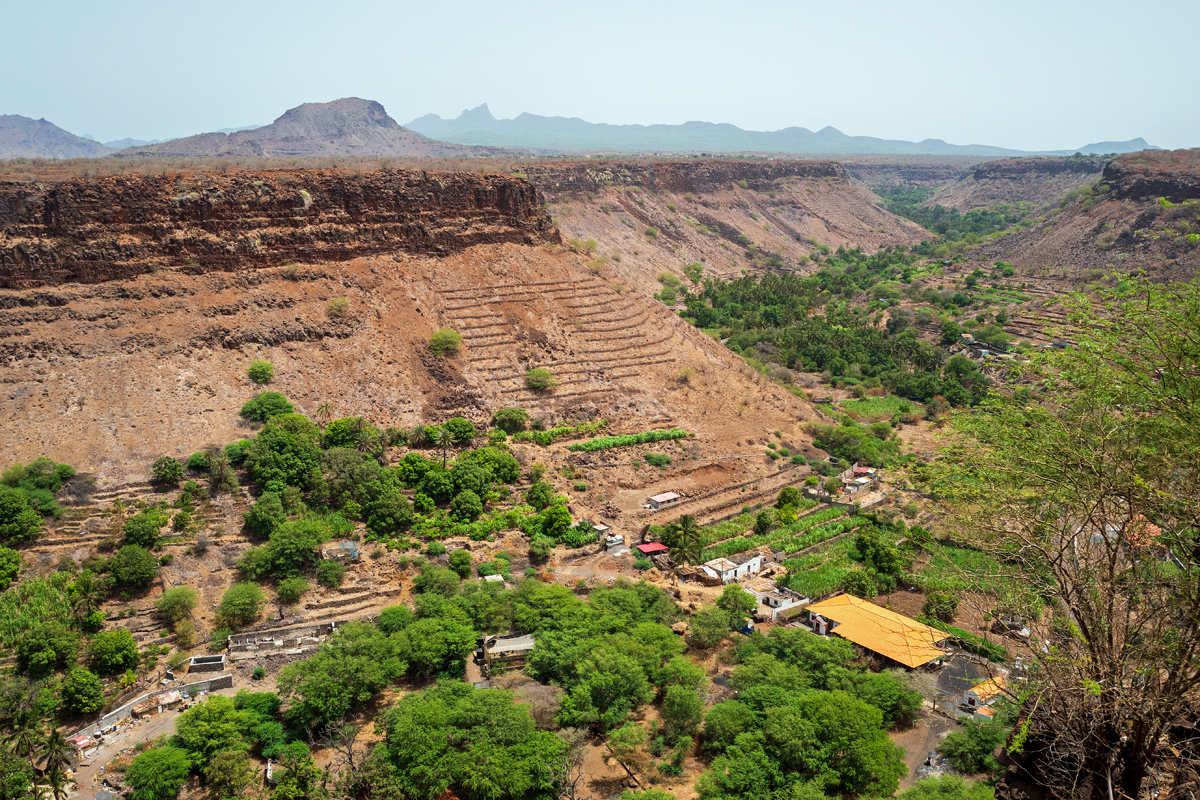
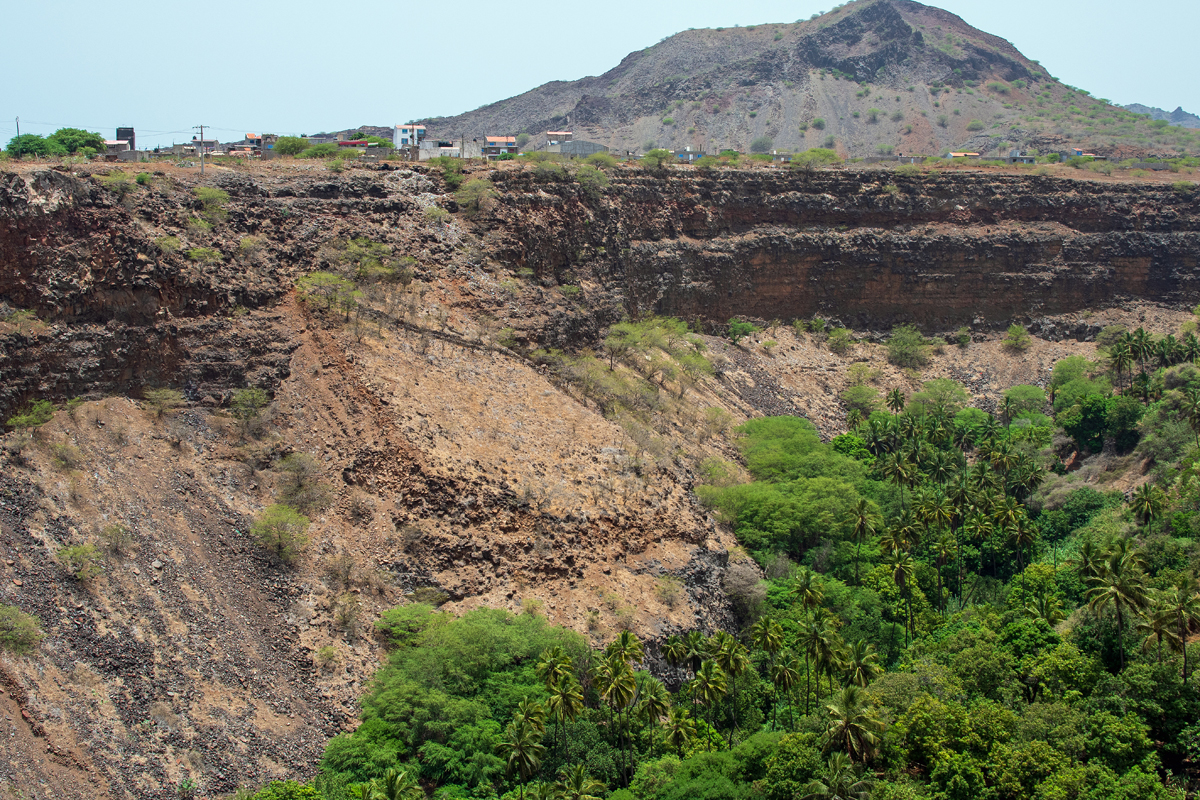
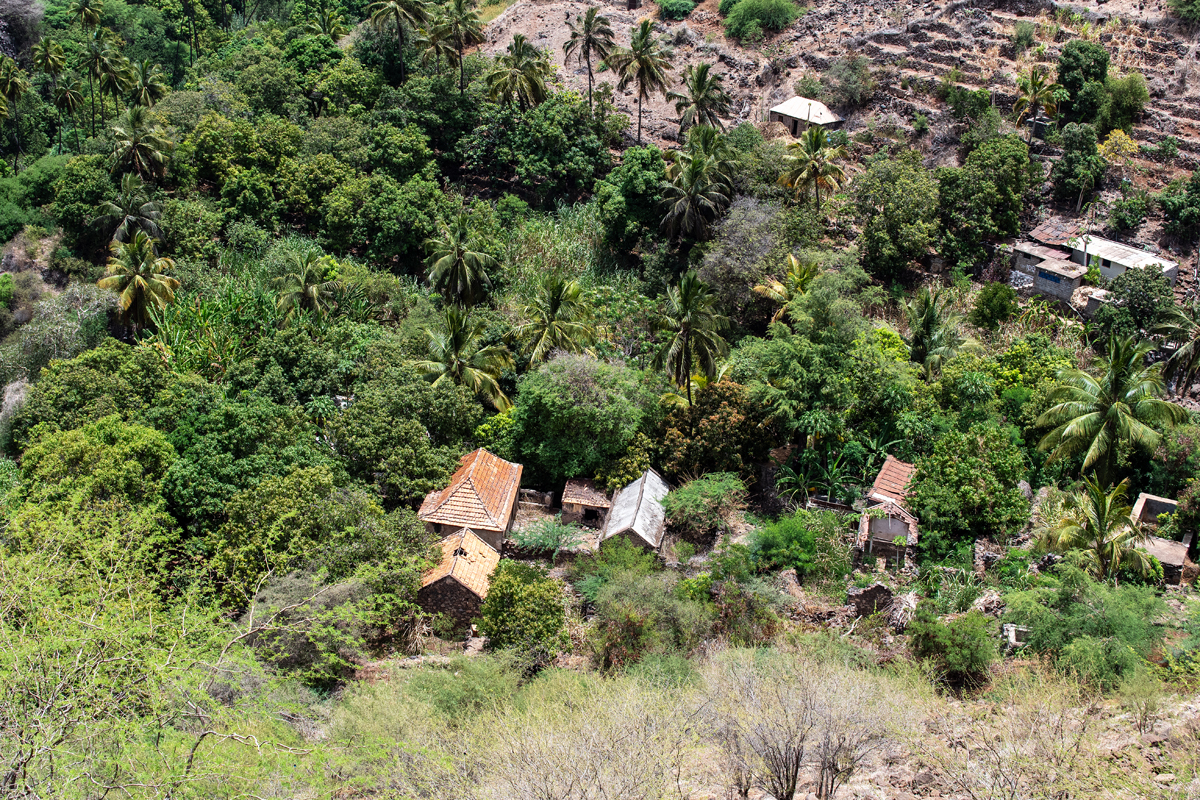
In 1462, Antonio da Noli, an Italian seafarer exploring the Atlantic Ocean for the Portuguese, built a settlement at the exit auf Ribeira Grande, a beautiful valley at the south coast of the island of Santiago. This is the beginning of human history on the archipelago as the settlement started to flourish, being granted the status of Cidade (city) in 1532. Much of its wealth came from being a central hub for slave trade, and Cidade Velha hosted a line of illustrious personalities over the years, such as Vasco da Gama, Christoph Columbus and Sir Francis Drake, who burned everything down in 1585.
1462 gründete Antonio da Noli, ein italienischer Seefahrer, der für die Portugiesen den Atlantik erkundete, eine Siedlung am Ausgang von Ribeira Grande, einem wunderschönen Tal an der Südküste der Insel Santiago. Das war der Beginn der menschlichen Siedlungsgeschichte auf dem Archipel, denn die kleine Siedlung wuchs und gedieh und erhielt bereits 1532 den Titel Cidade (Stadt). Ihr wachsender Wohlstand lag darin begründet, dass sie zu einem Hauptumschlagplatz im Sklavenhandel wurde. Darüber hinaus besuchte über die Jahre gleich eine Reihe berühmter Persönlichkeiten Cidade Velha, darunter Vasco da Gama, Christoph Columbus und Sir Francis Drake, der im Jahr 1585 alles niederbrannte.


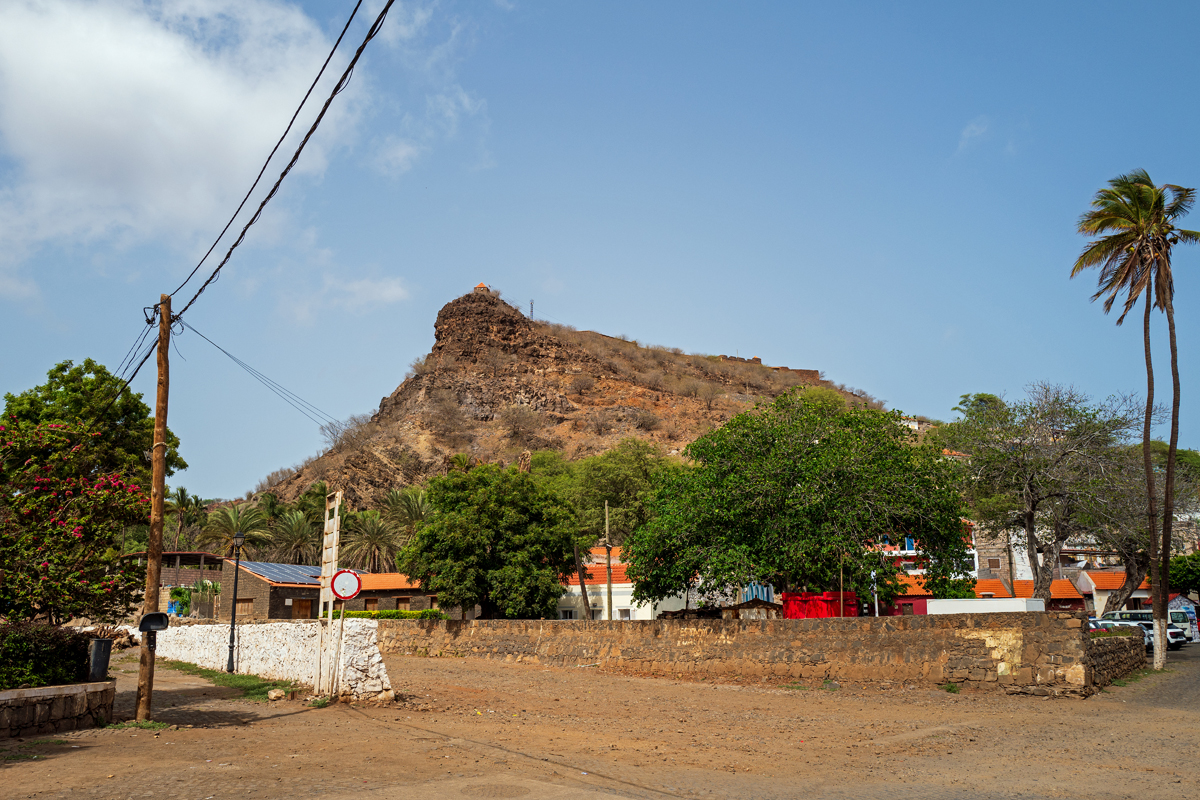
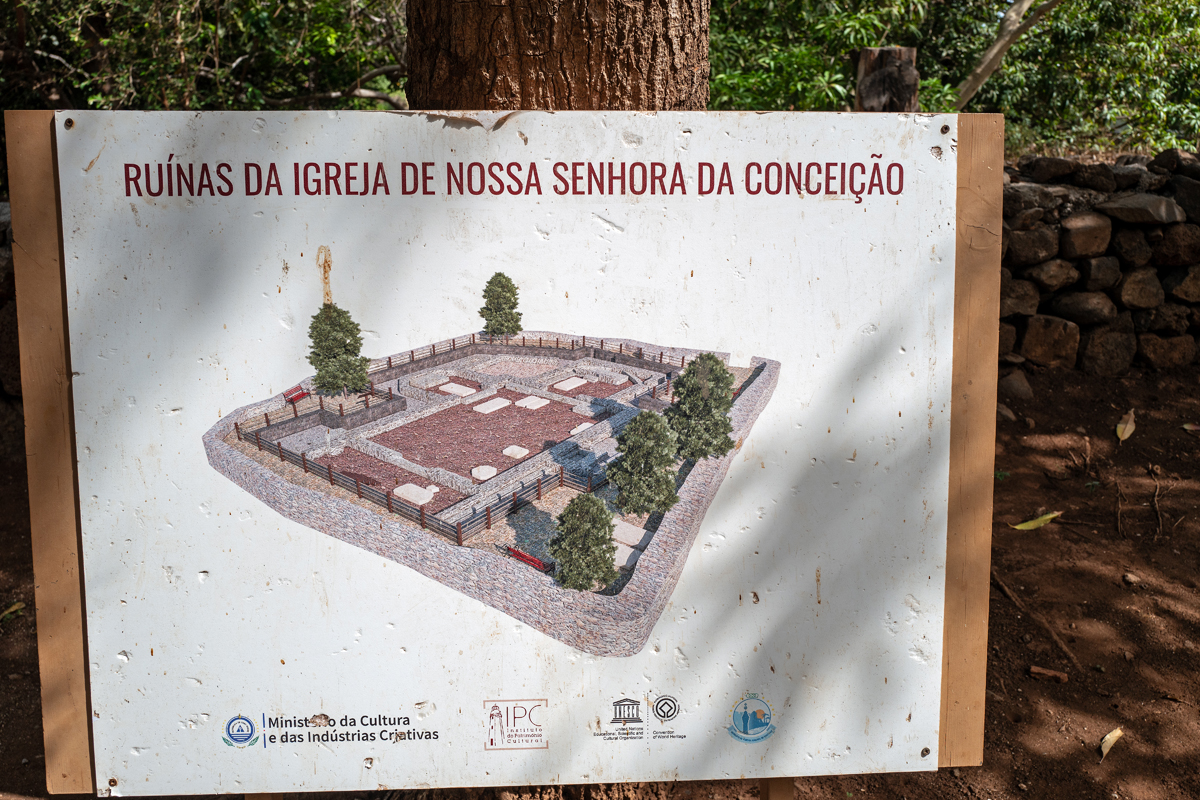
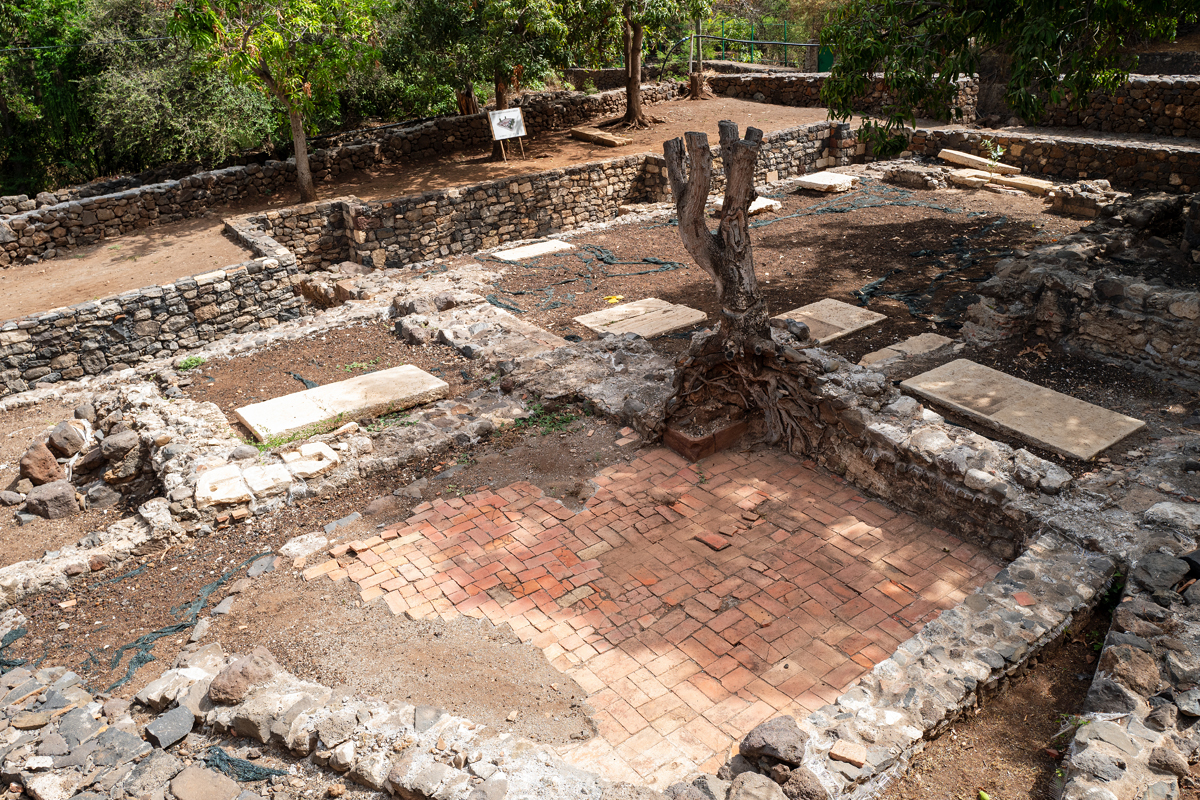
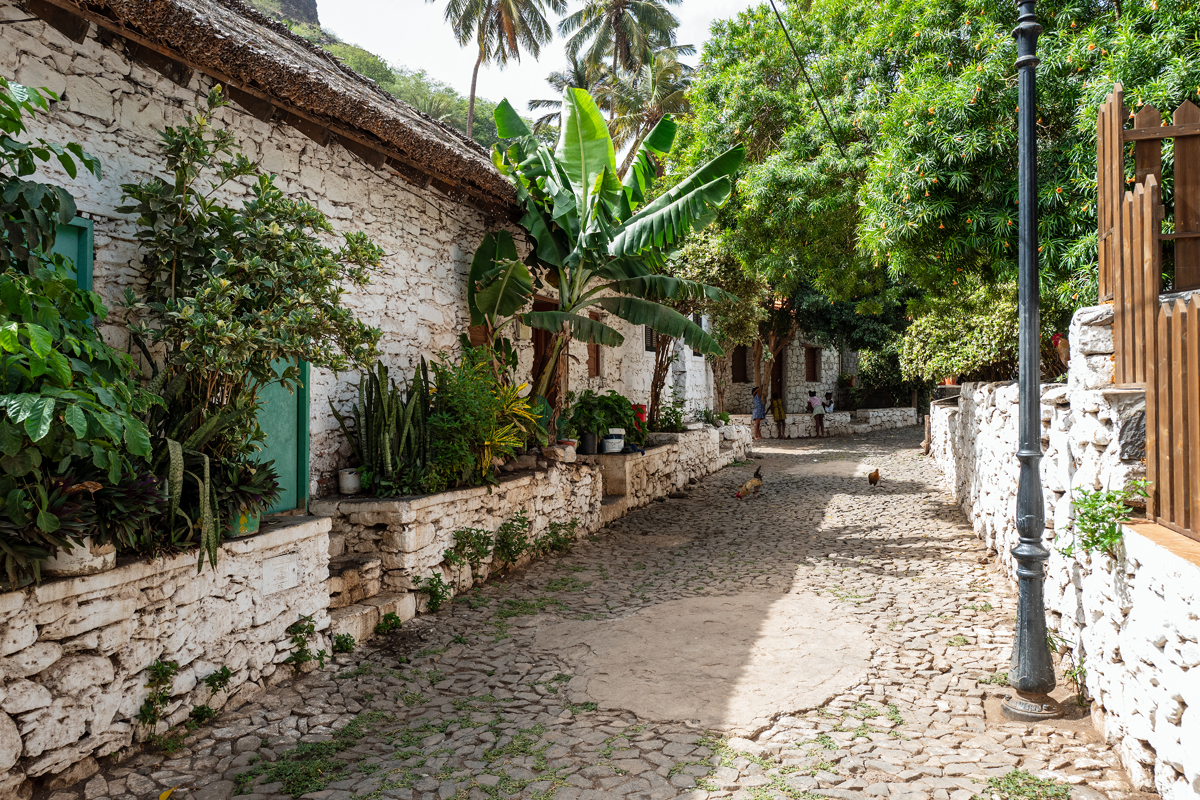
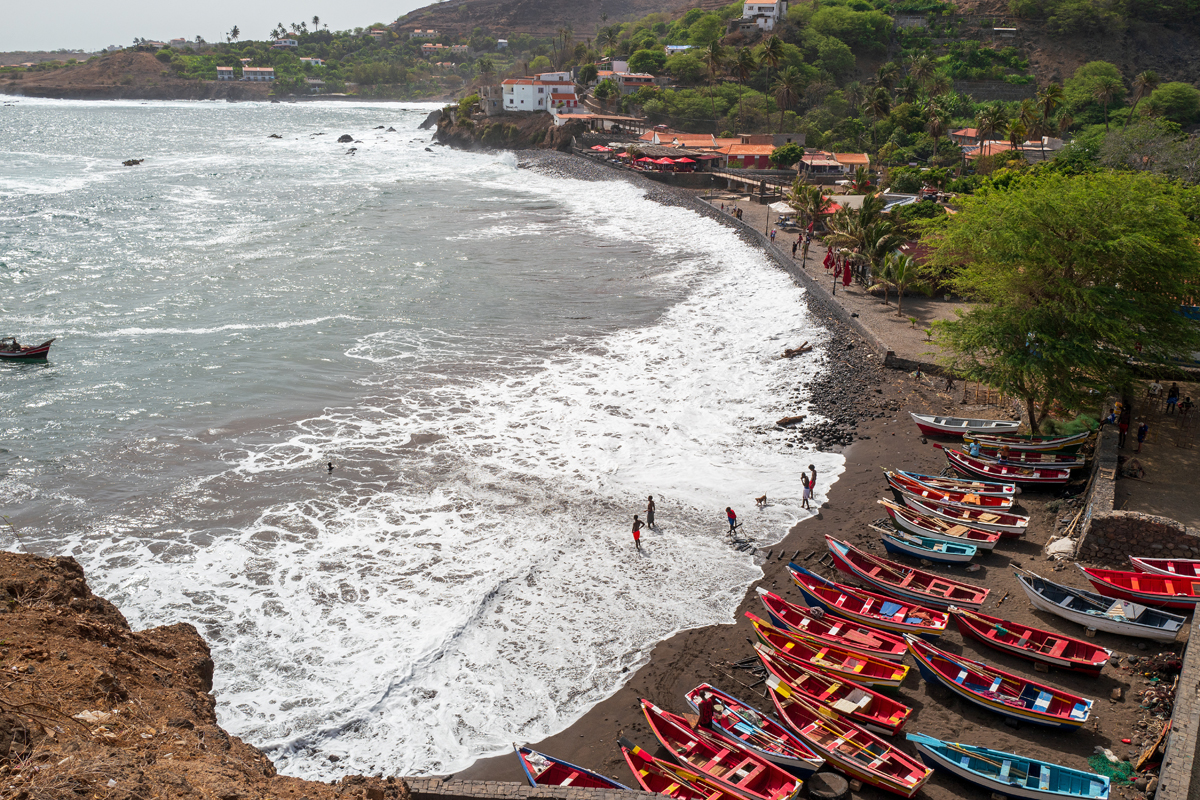
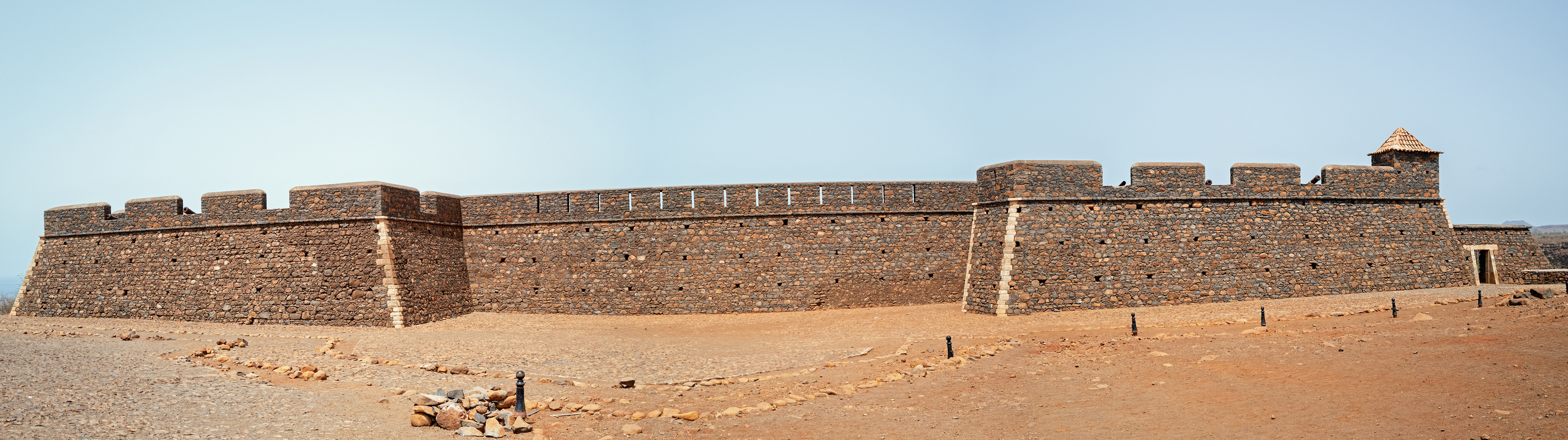
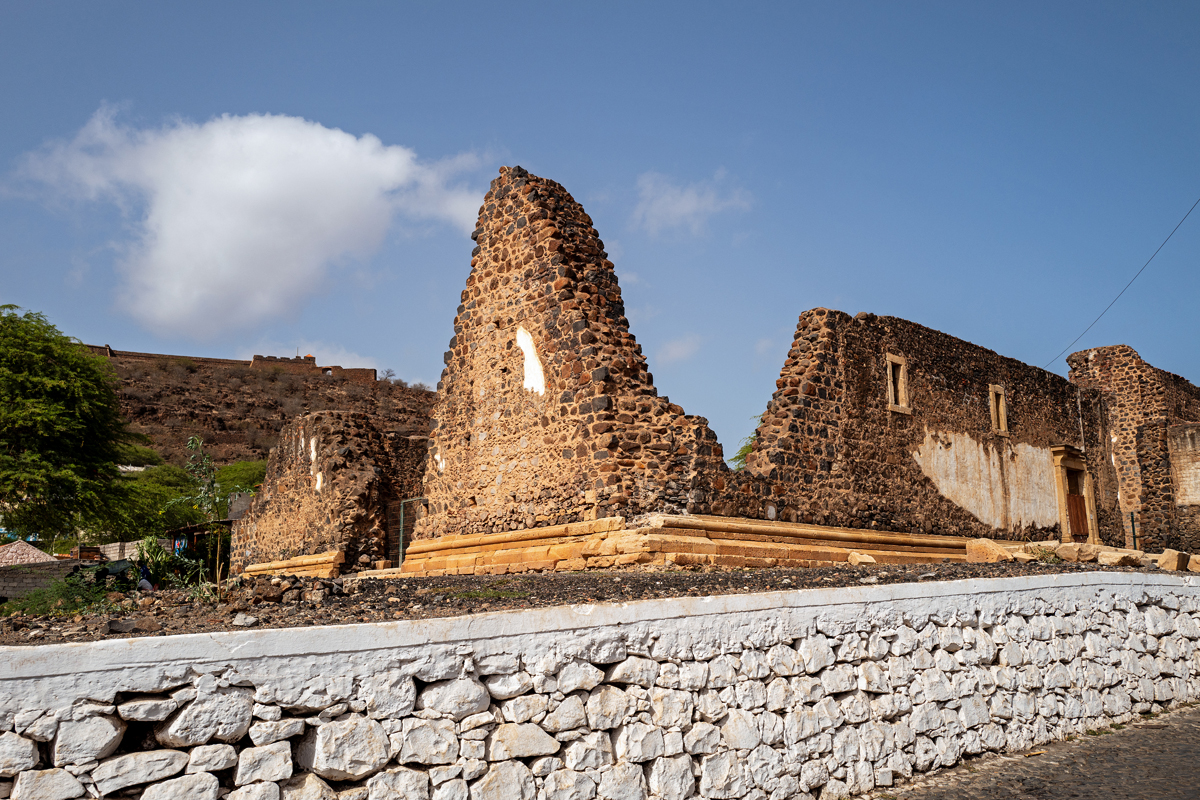
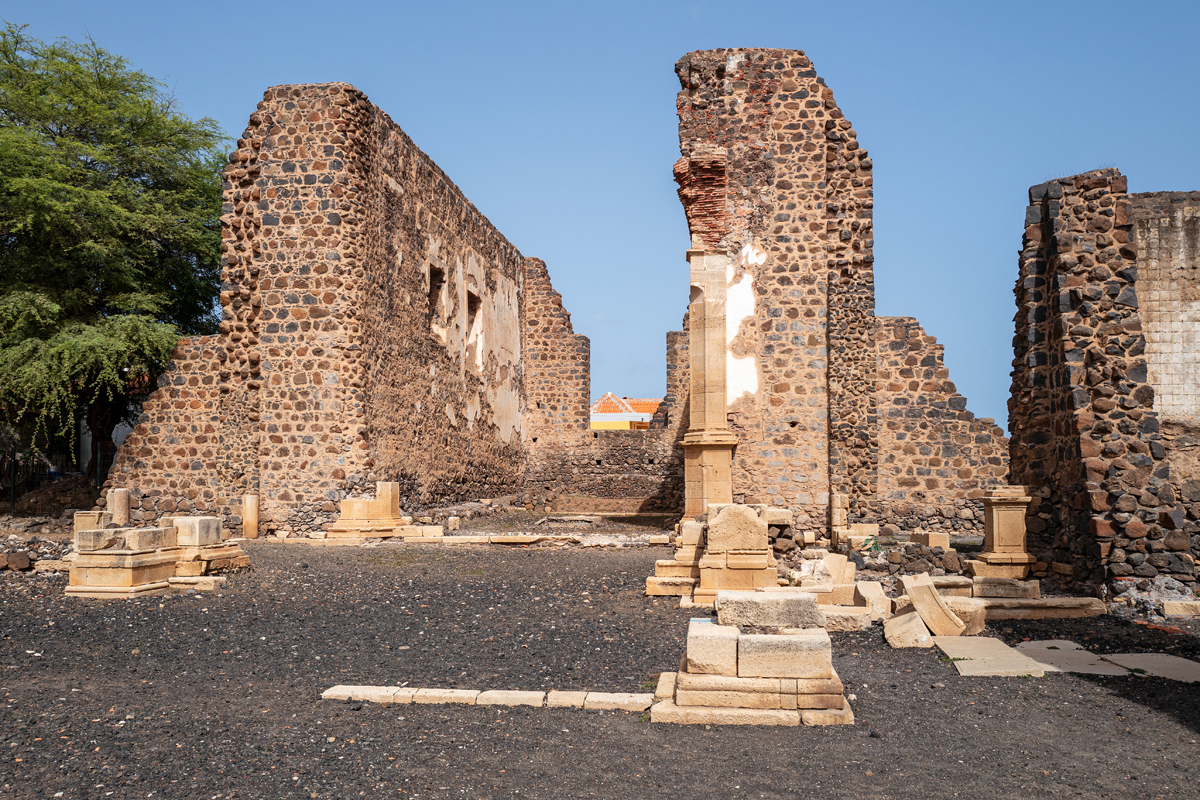
In later centuries, the focus of development shifted towards Praia only 8 km away, and Ribeira Grande soon became Cidade Velha, a small fishing village with the ruins of an once important city. Among those ruins and archaeological excavations is the oldest (European) church in the tropics, Igreja de Nossa Senhora do Rosário, and from the Forte Real do São Filipe from 1585, one has got stunning views over the valley down to Cidade Velha.
Später verschob sich der Fokus in Sachen Entwicklung auf das bloß etwa acht Kilometer entfernt gelegene Praia, und Ribeira Grande wurde rasch zu Cidade Velha, einem kleinen Fischerdorf mit den Ruinen einer einst bedeutenden Stadt. Unter diesen Ruinen und archäologischen Ausgrabungen befindet sich auch die älteste (europäische) Kirche in den Tropen, Igreja de Nossa Senhora do Rosário, und vom Forte Real do São Filipe, das aus dem Jahr 1585 stammt, hat man einen fantastischen Ausblick über das Tal bis hinab nach Cidade Velha.

 docugrAfrica
2 Gedanken zu “Cidade Velha”