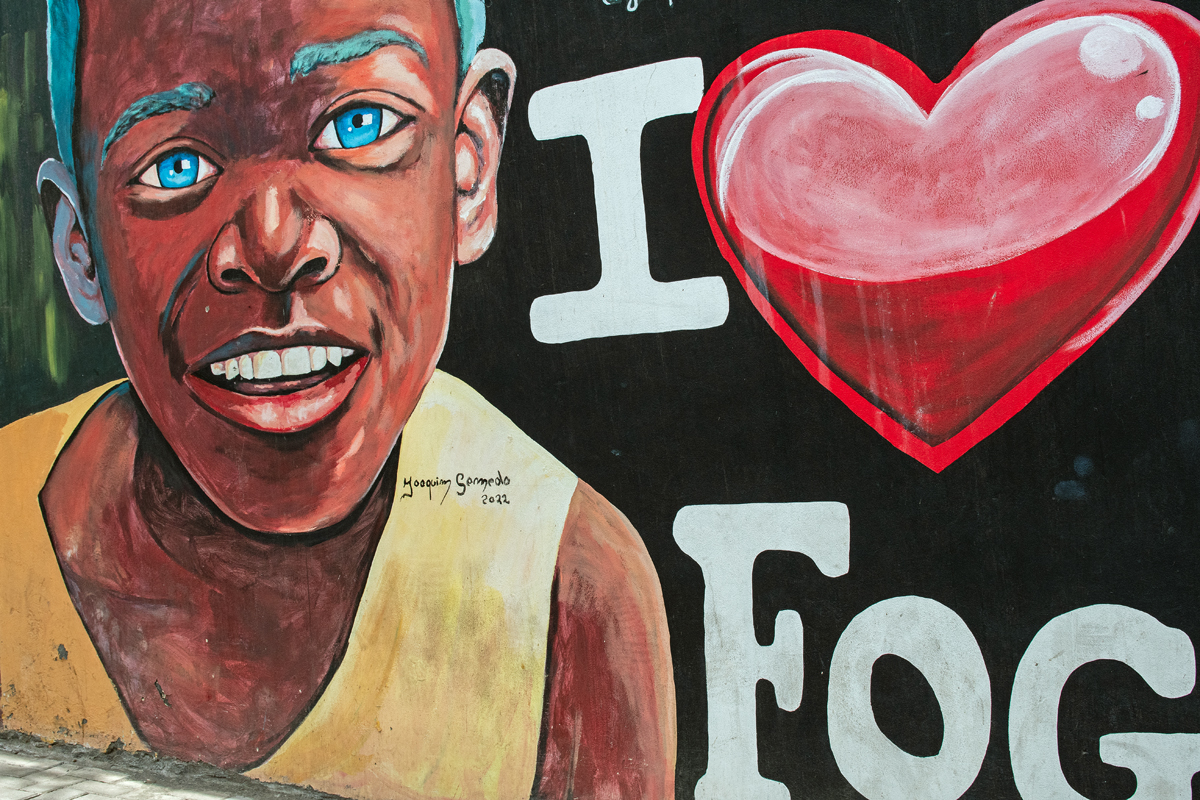
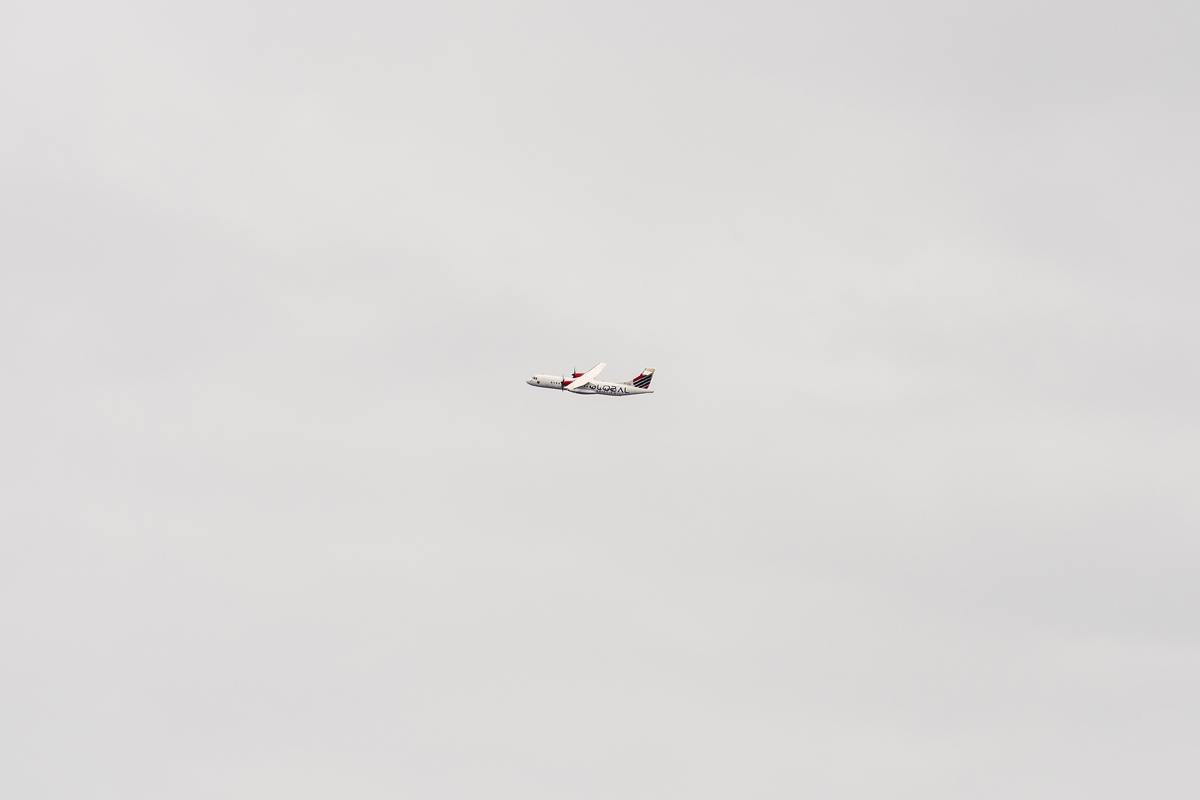
São Filipe is the capital of the volcanic island of Fogo and behind Cidade Velha on Santiago the second oldest settlement in Cape Verde, founded in the 16th century. It is located on the west coast of the island with a small airport on the edge of town as well as the port Vale de Cavaleiros four kilometres north of the centre. The fertile volcanic soil of the island is used to grow wine, coffee, fruits and vegetables, and tourism is also playing a vital role in Fogo’s economy.
São Filipe ist die Hauptstadt der Vulkaninsel Fogo und nach Cidade Velha auf Santiago die zweitälteste Siedlung der Kapverden, gegründet im 16. Jahrhundert. Die Stadt liegt an der Westküste der Insel mit einem Flughafen an der Peripherie und dem Hafen Vale de Cavaleiros nur vier Kilometer nördlich des Stadtzentrums. Im fruchtbaren vulkanischen Boden gedeihen Rebstöcke, Kaffeesträucher, Früchte und Gemüse, und auch der Tourismus spielt eine wesentliche Rolle für Fogos Wirtschaft.

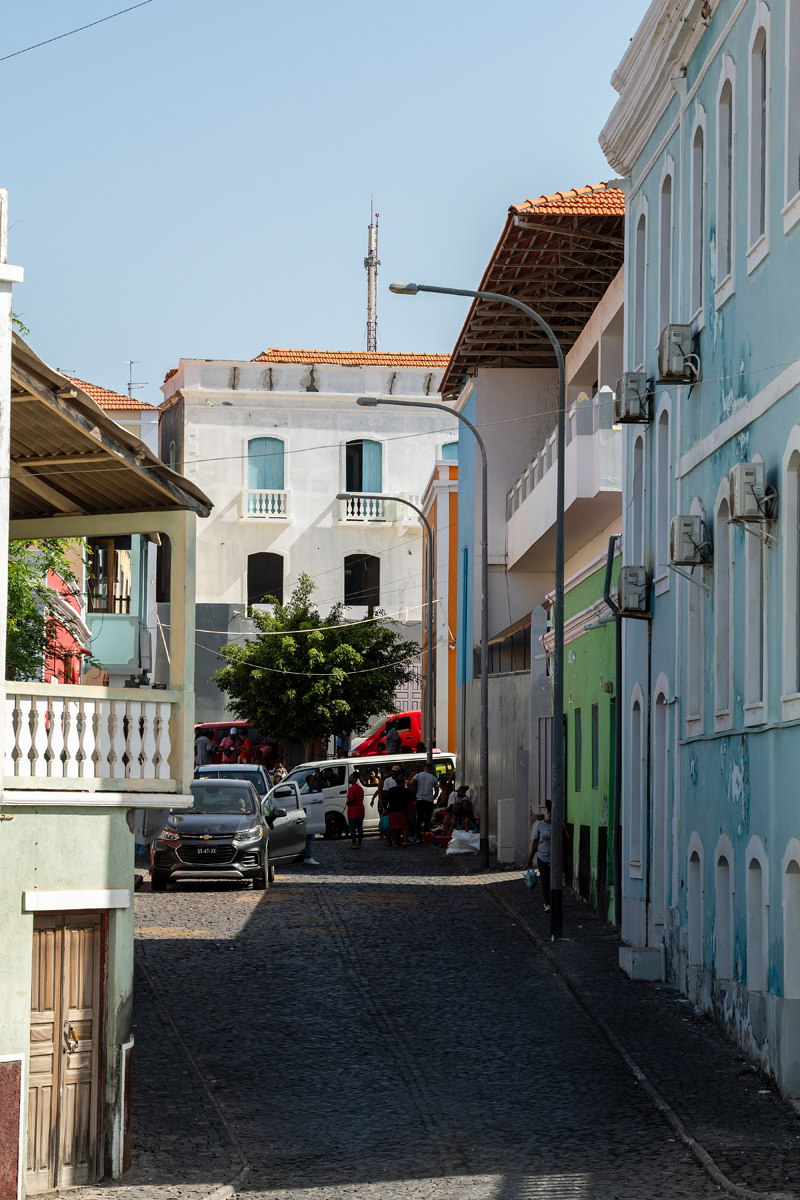
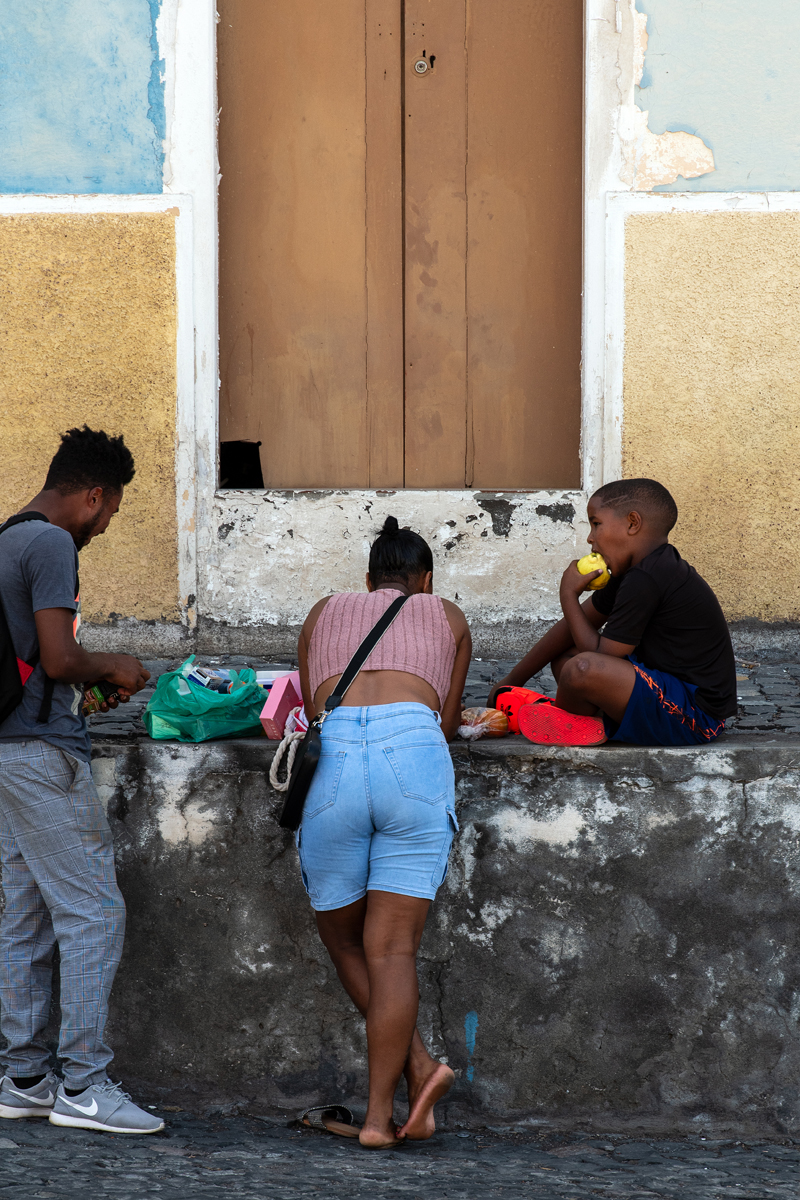
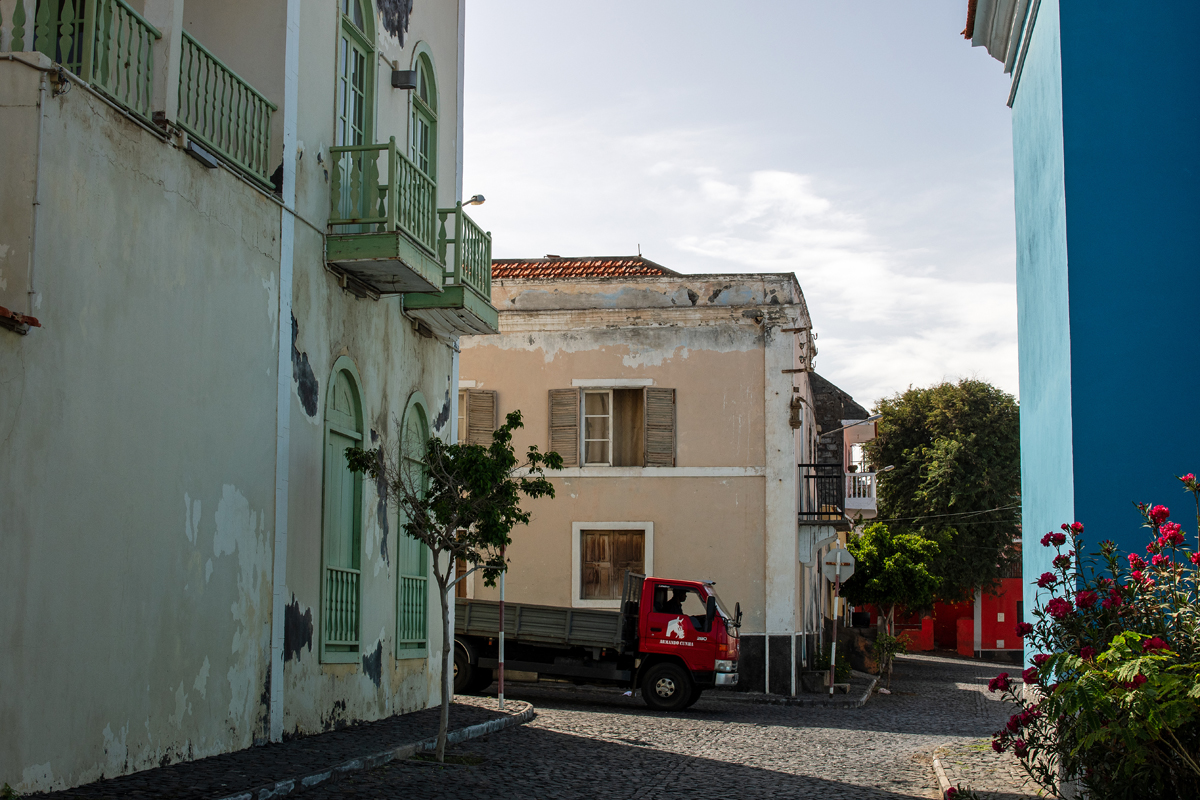
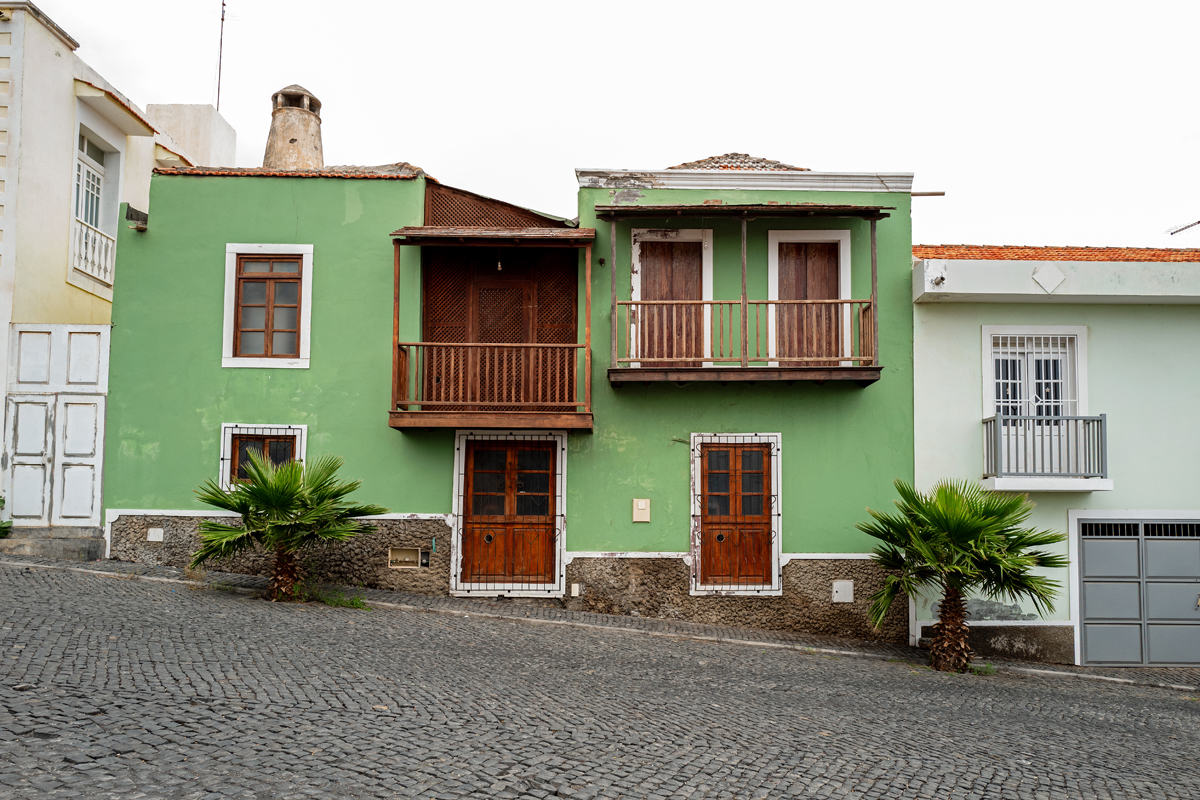
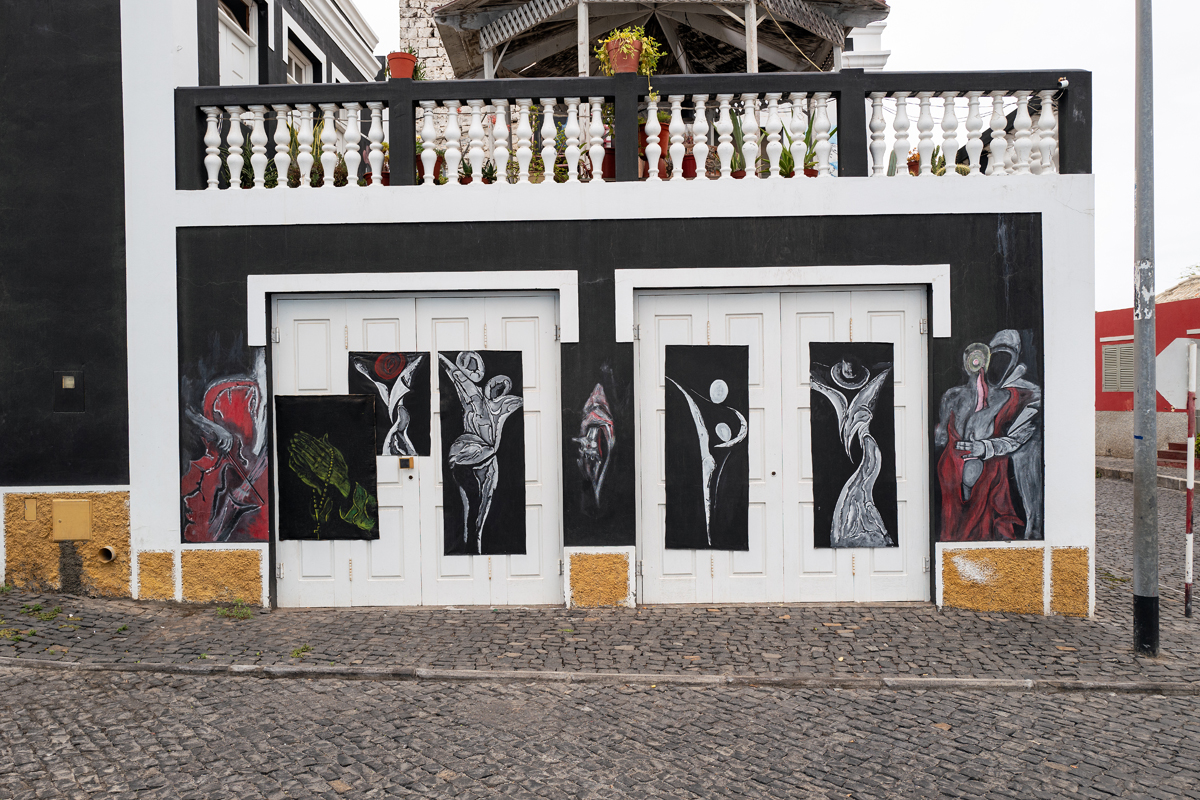
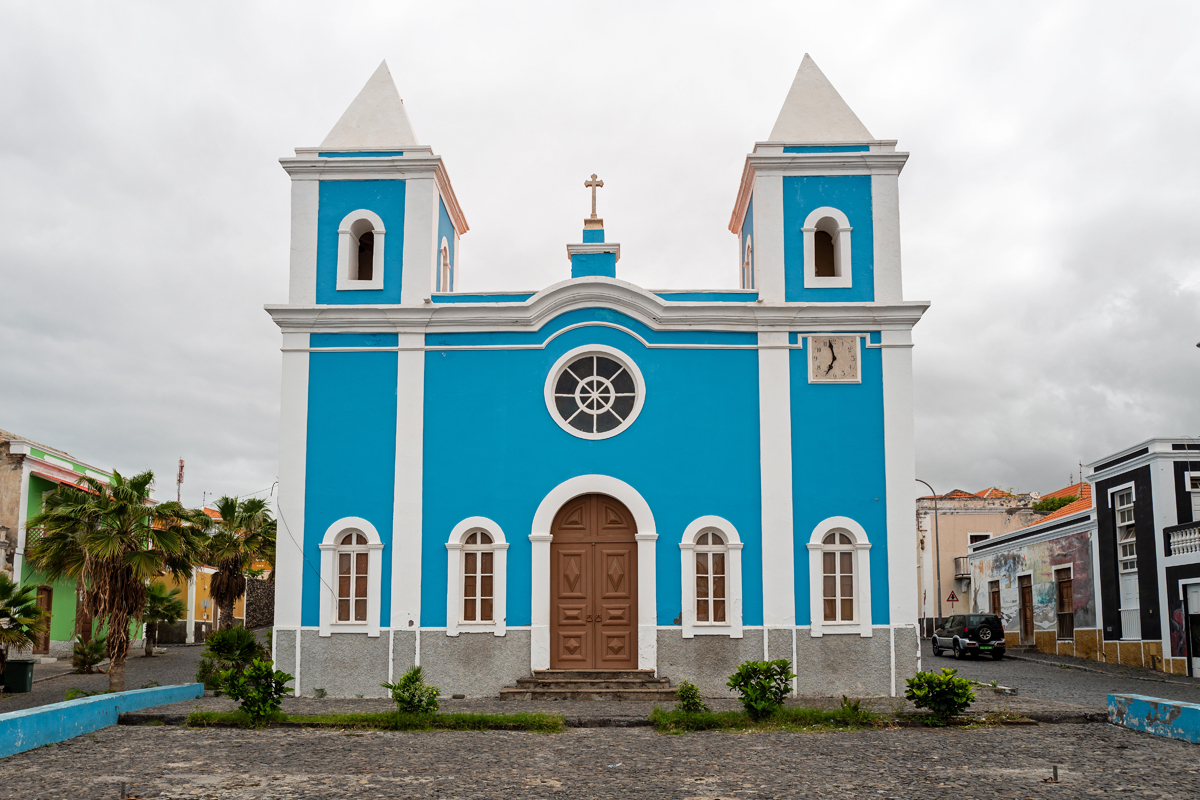
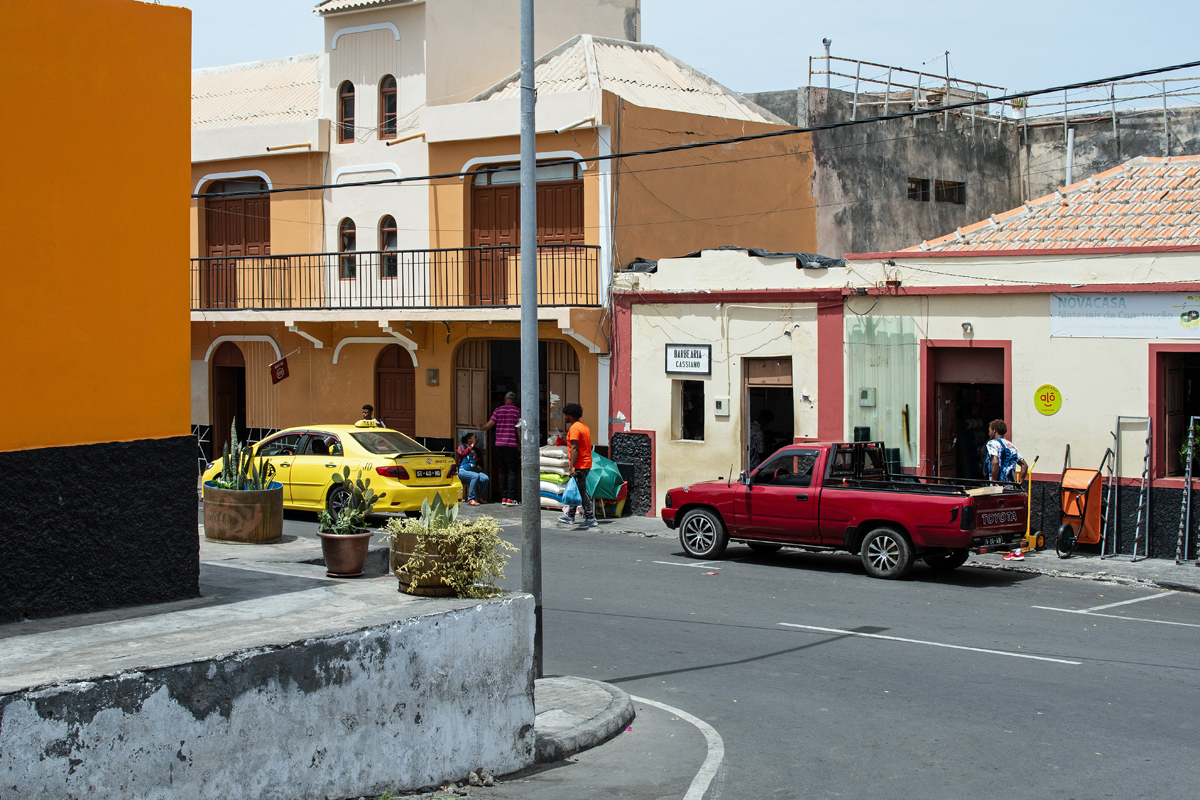
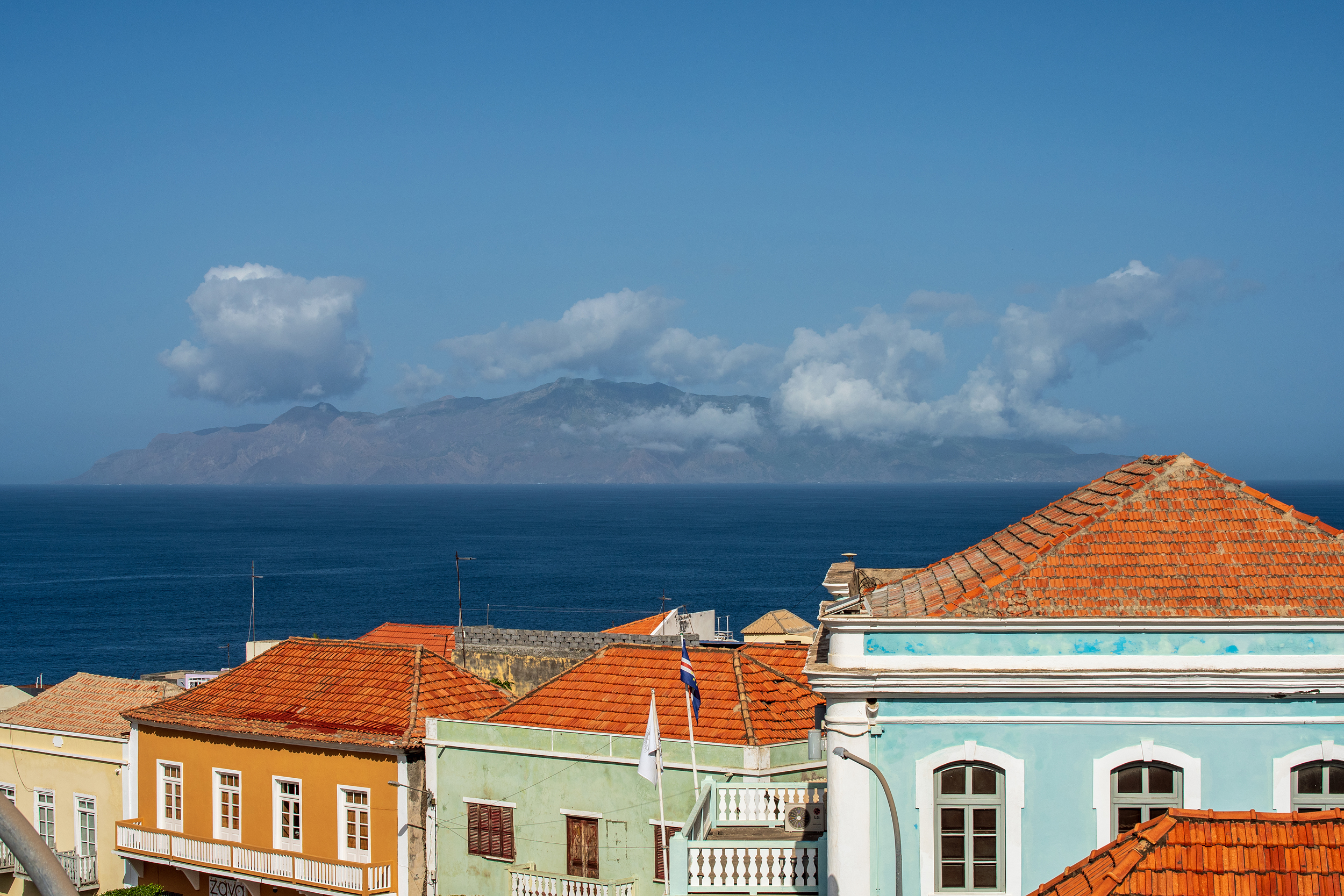
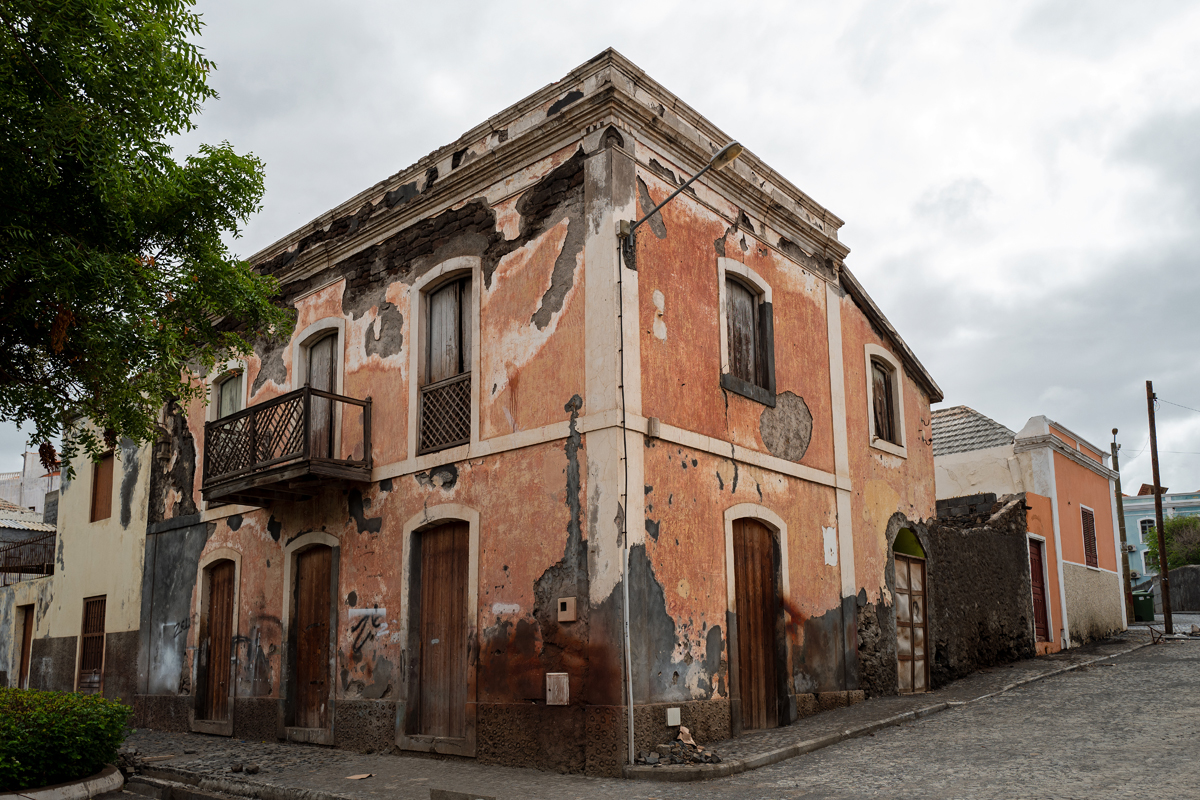
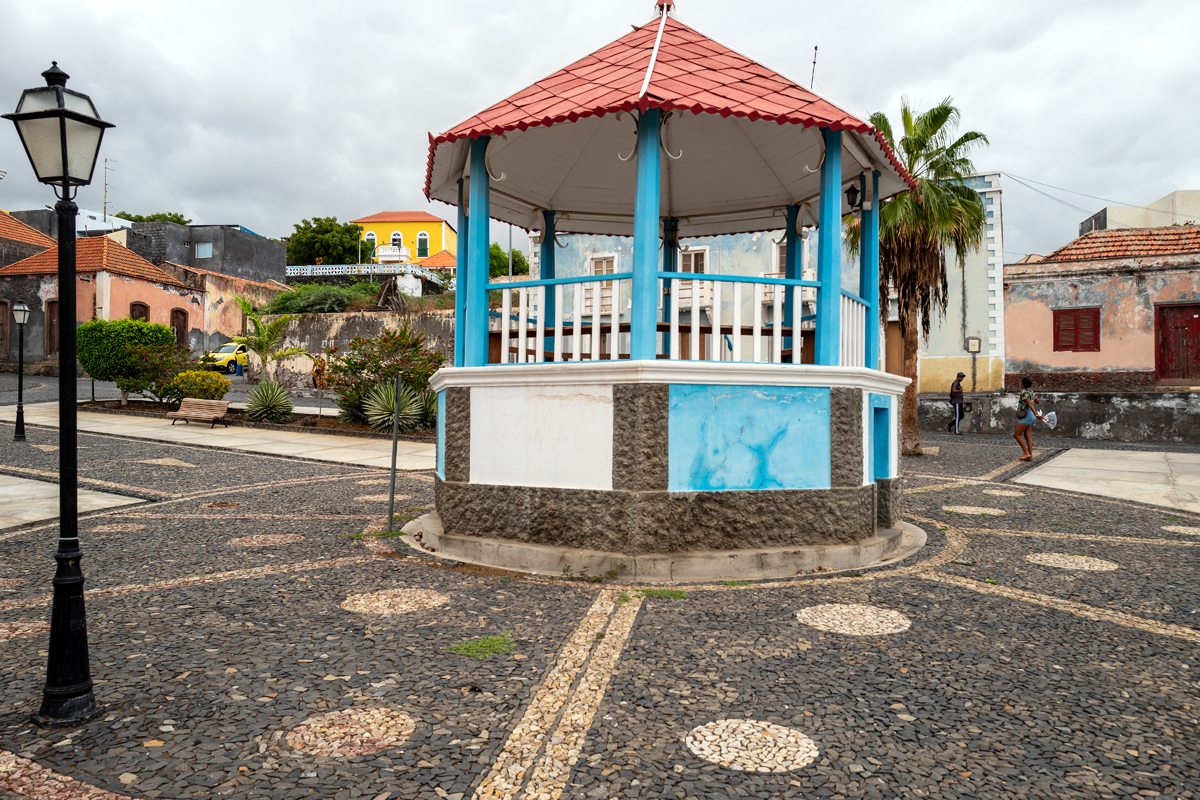
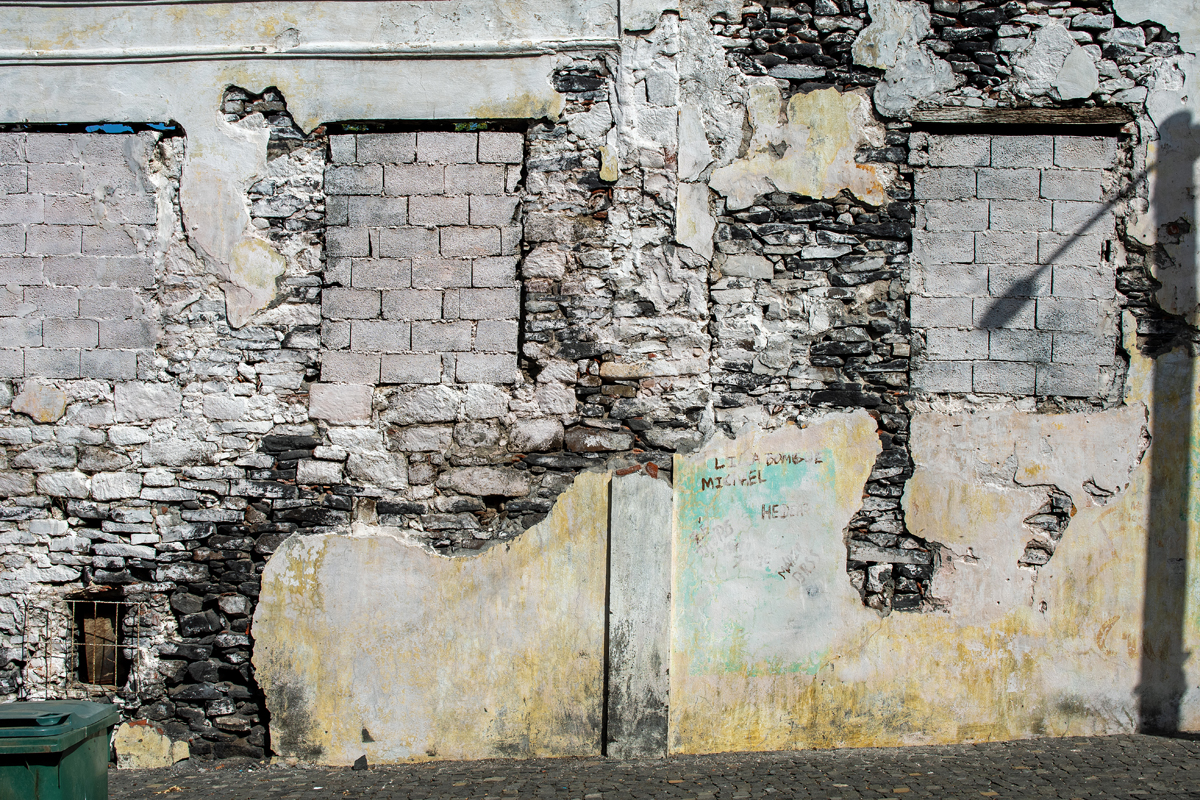
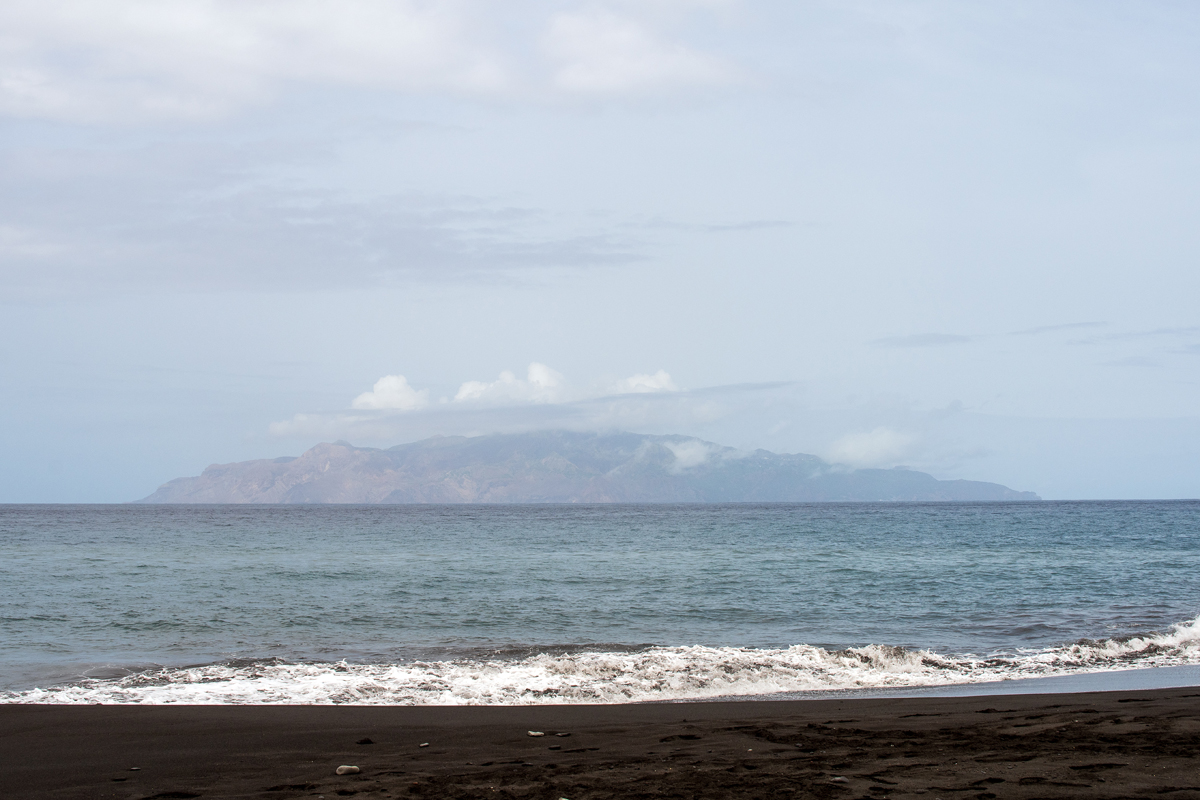
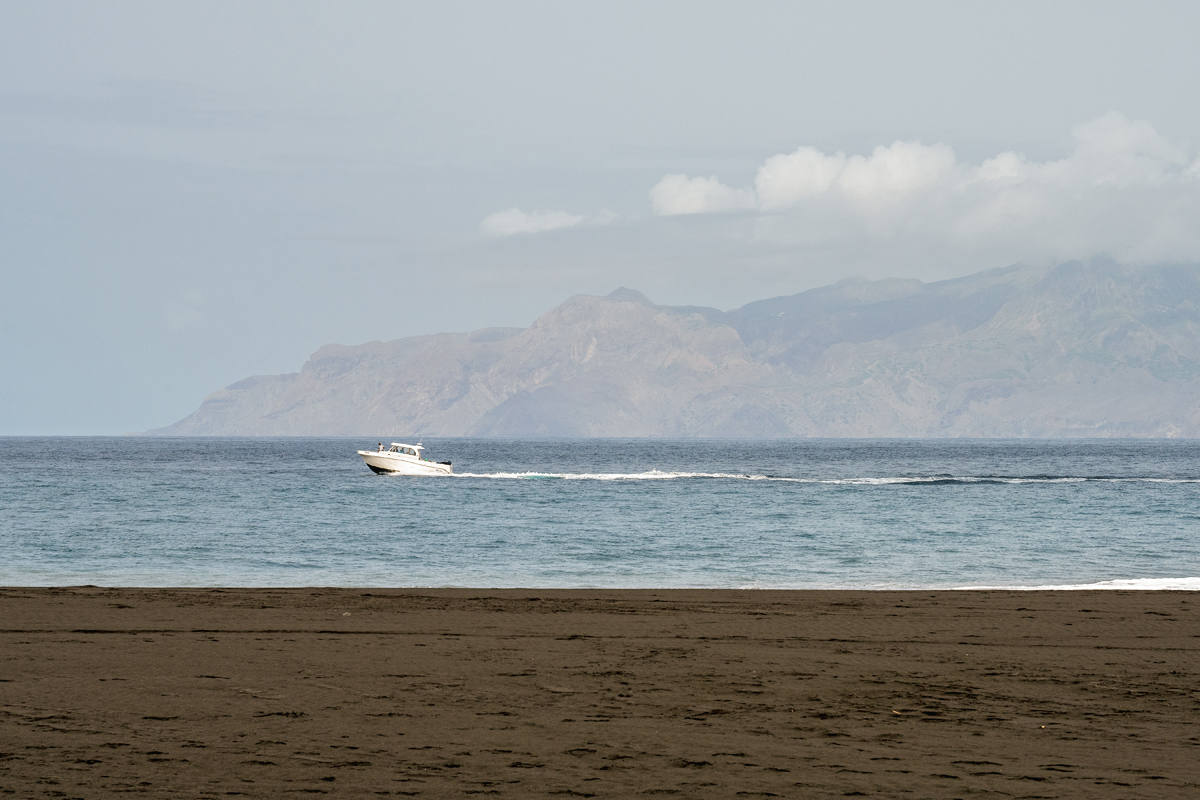
More than 10.000 people are living in São Filipe nowadays, but that doesn´t make the town a bustling place. It´s too hot for busy activities, and everyone is seeking shade. The status of being the most beautiful of Cape Verde´s cities comes from the many unique Sobrado houses, some of them tastefully restored and modernised, some with a patina, and some of them hopelessly decayed. The streets are steep, and on the few clear days, one can see neighbouring Brava peeking through the clouds every now and then.
Mehr als 10.000 Menschen leben heute in São Filipe, aber das macht die Stadt noch nicht zu einer wirklich lebhaften Metropole. Es ist einfach zu heiß für geschäftige Aktivitäten, und eigentlich sucht jeder bloß nach Schatten. Den Ruf, die schönste Stadt der Kapverden zu sein, hat São Filipe aufgrund seiner zahlreichen Sobrado-Häuser, von denen einige stilvoll restauriert und modernisiert wurden, einige haben Patina angesetzt, und andere sind bereits hoffnungslos, aber stets pittoresk, verfallen. Die Straßen sind steil, doch an klaren Tagen kann man sogar die Nachbarinsel Brava sehen, die hin und wieder aus den Wolken hervorlugt.





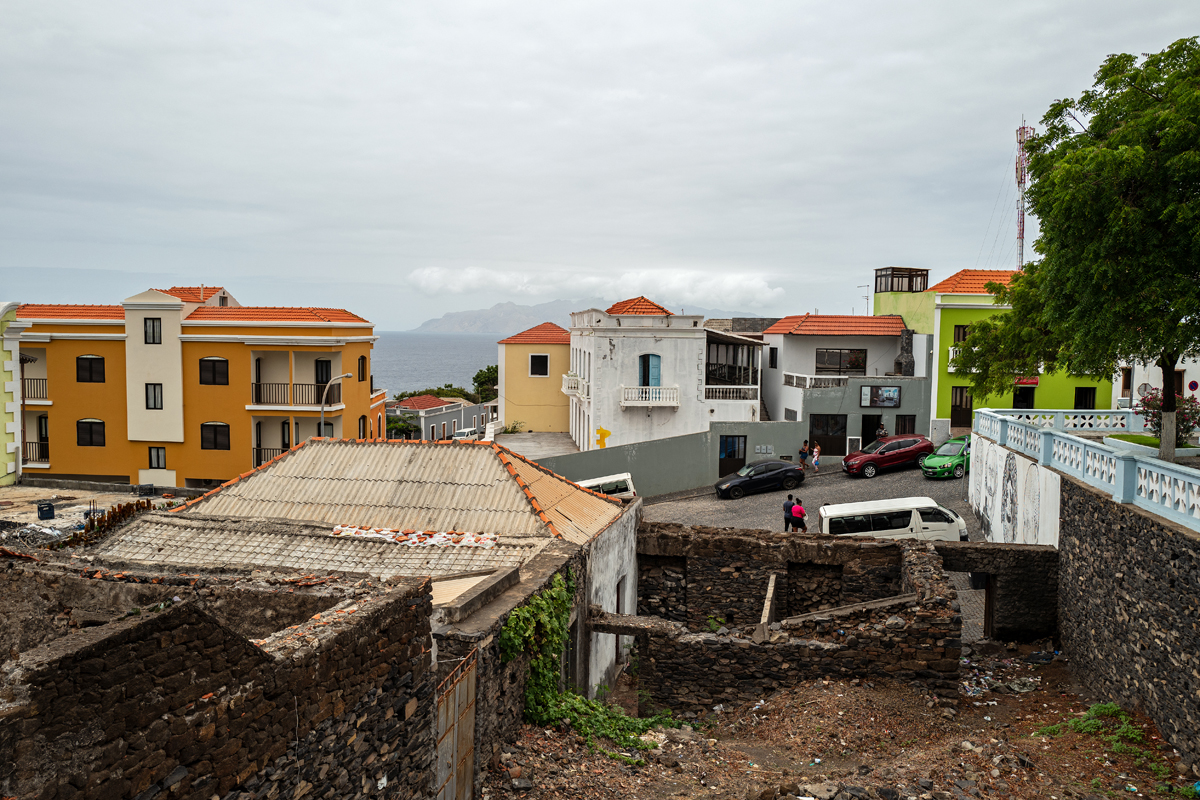
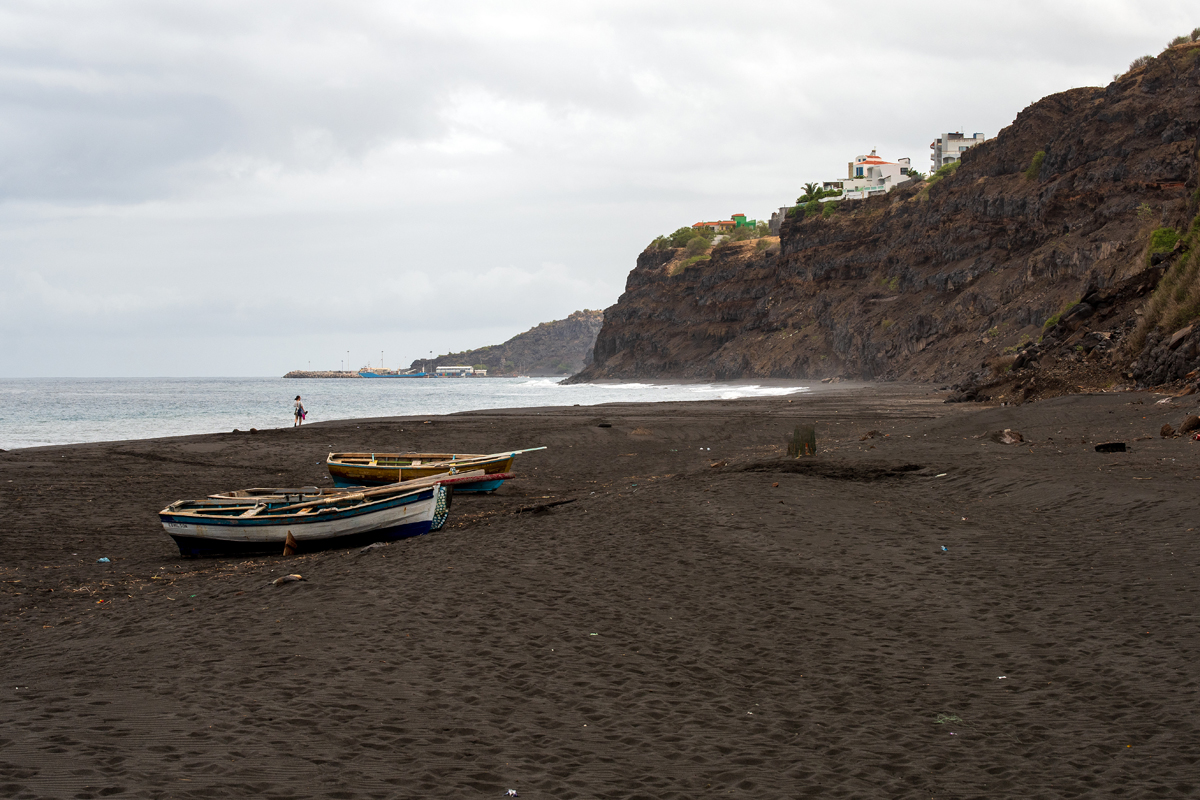
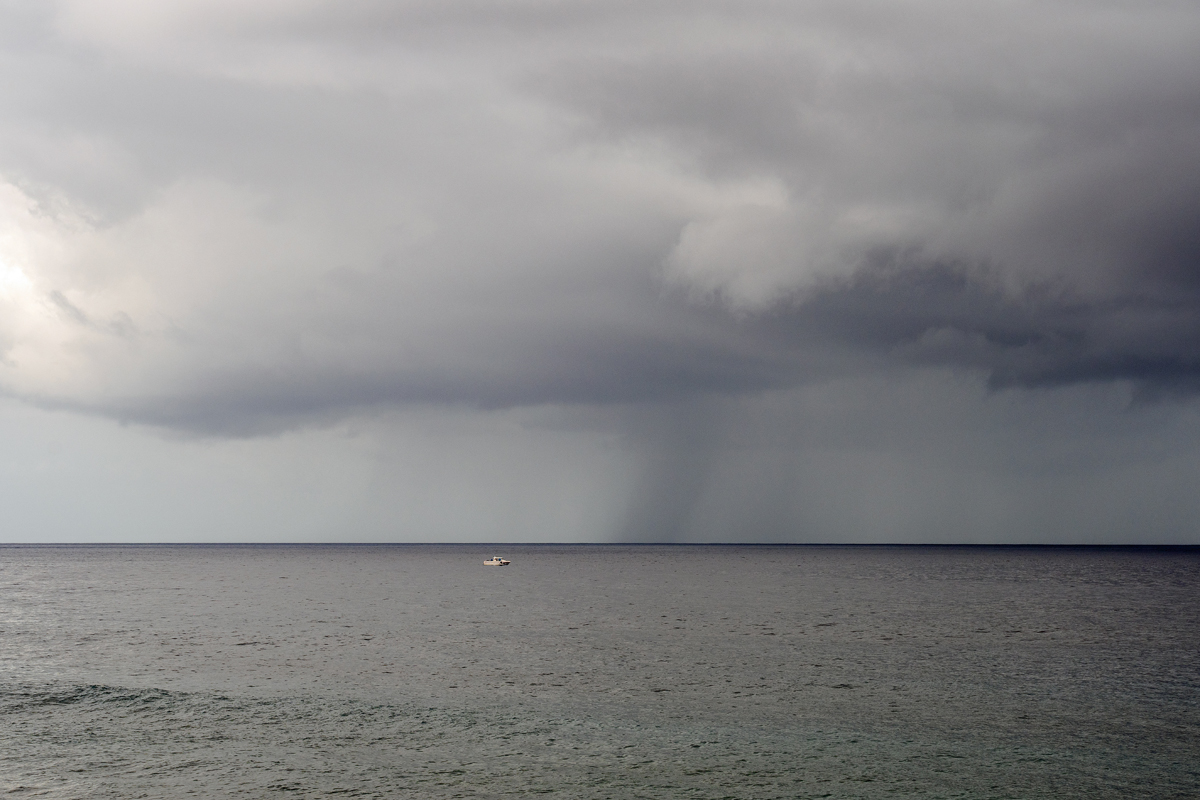
20 m below lies São Filipe´s black beach with the port just around the corner and facing Brava. 12 km of Atlantic Ocean separates Fogo from its remote sibling, and sometimes “the wild one” seems to be close enough to swim, but that would surely be a lethal mistake. Locals call the water Alcatraz, because you can get trapped in between the huge rolling waves, if the strong currents haven´t pulled you to the open sea before. This makes the 45 minutes the ferry takes to cross those 12 km a special experience, and Brava can only be reached by ferry. No airport!
20 Meter unterhalb der Stadt liegt São Filipes schwarzer Strand mit dem Hafen gleich um die Ecke und einem guten Blick direkt auf Brava. Nur zwölf Kilometer atlantischer Ozean trennen Fogo von der abgelegenen Schwesterinsel, und manchmal wirkt es fast so, als könne man einfach hinüberschwimmen, aber das wäre ein mit Sicherheit tödlicher Fehler. Die Einheimischen nennen Meerenge zwischen den Inseln Alcatraz, da man dort gefangen ist im Labyrinth riesiger Wellenberge, wenn einen die starken Strömungen nicht längst hinaus aufs offene Meer gezogen haben. Das macht die 45-minütige Fährfahrt durch Alcatraz zu einem ganz besonderen Erlebnis, denn Brava kann nur mit der Fähre erreicht werden, es gibt keinen Flughafen.



 docugrAfrica
Sehr sehr schöne fotografie!
LikeGefällt 1 Person
Vielen Dank! 🙂
LikeLike