2024
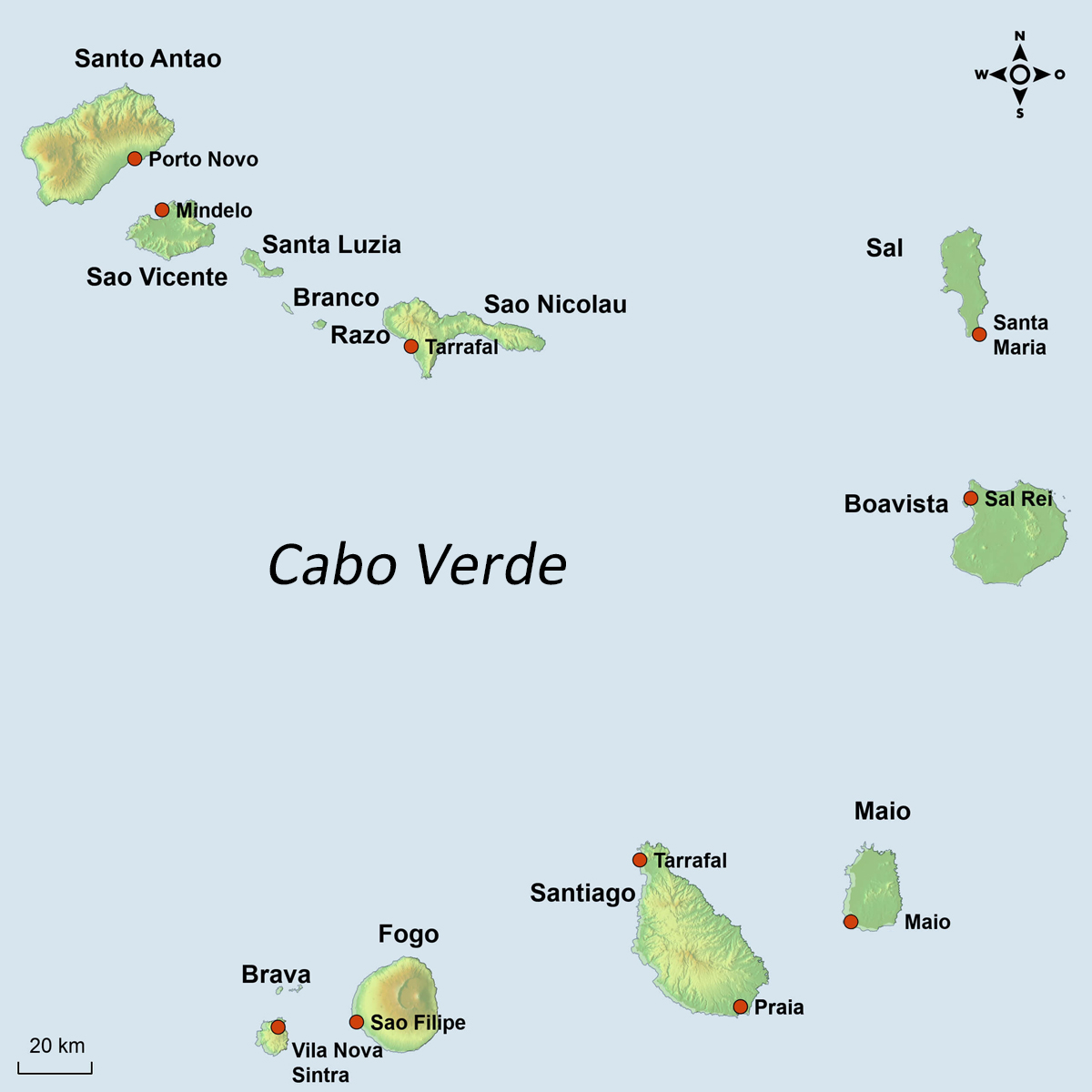
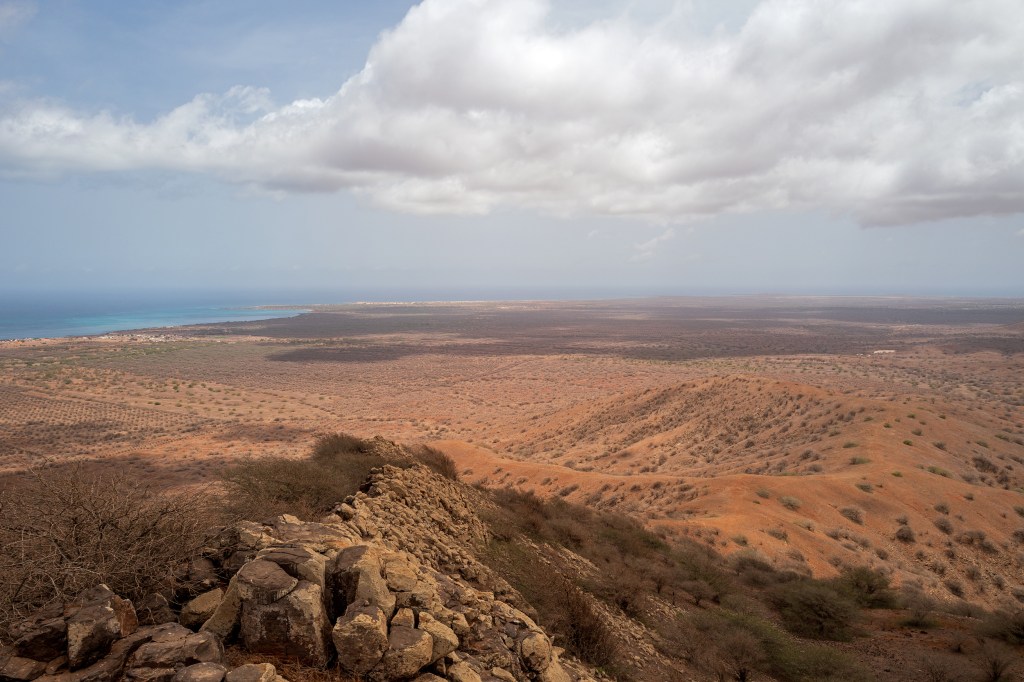
Cape Verde is an island republic more than 500 km off the African west coast with nine inhabited islands as well as several smaller and uninhabited islets. Generally, one distinguishes between the northern islands, Ilhas de Barlavento, Boa Vista, Sal, São Nicolau, Ilhéu Raso (uninhabited), Ilhéu Branco (uninhabited), Santa Luzia (uninhabited), São Vicente and Santo Antão, and the southerly islands, Ilhas de Sotavento, Maio, Santiago, Fogo, Brava with the uninhabited islets Ilhéus do Rombo. Landscape-wise they couldn´t be more different, from the flat and rather dull sand islands Maio, Boa Vista and Sal, the latter ones already entered and taken over by mass tourism industry, to the mountainous and sometimes lush and green islands of the north-west, São Nicolau and Santo Antão, as well as the south-west, Santiago, Fogo and Brava.
Kap Verde ist ein Inselstaat gut 500 km vor der Küste Westafrikas mit neun bewohnten sowie zahlreichen kleineren bis kleinsten unbesiedelten Inseln. Grundsätzlich unterscheidet man zwischen den Nordinseln, den Ilhas de Barlavento, Boa Vista, Sal, São Nicolau, Ilhéu Raso (unbewohnt), Ilhéu Branco (unbewohnt), Santa Luzia (unbewohnt), São Vicente und Santo Antão, und den Südinseln, den Ilhas de Sotavento, Maio, Santiago, Fogo sowie Brava mit den unbewohnten Ilhéus do Rombo. Landschaftlich könnten die Inseln nicht unterschiedlicher sein, von den flachen und ziemlich öden Sandinseln Maio, Boa Vista und Sal, von denen die beiden letztgenannten bereits vom Massentourismus geentert wurden, über die gebirgigen und stellenweise üppig-grünen Inseln des Nordwesten, São Nicolau und Santo Antão, bis zu jenen im Südwesten, Santiago, Fogo und Brava.
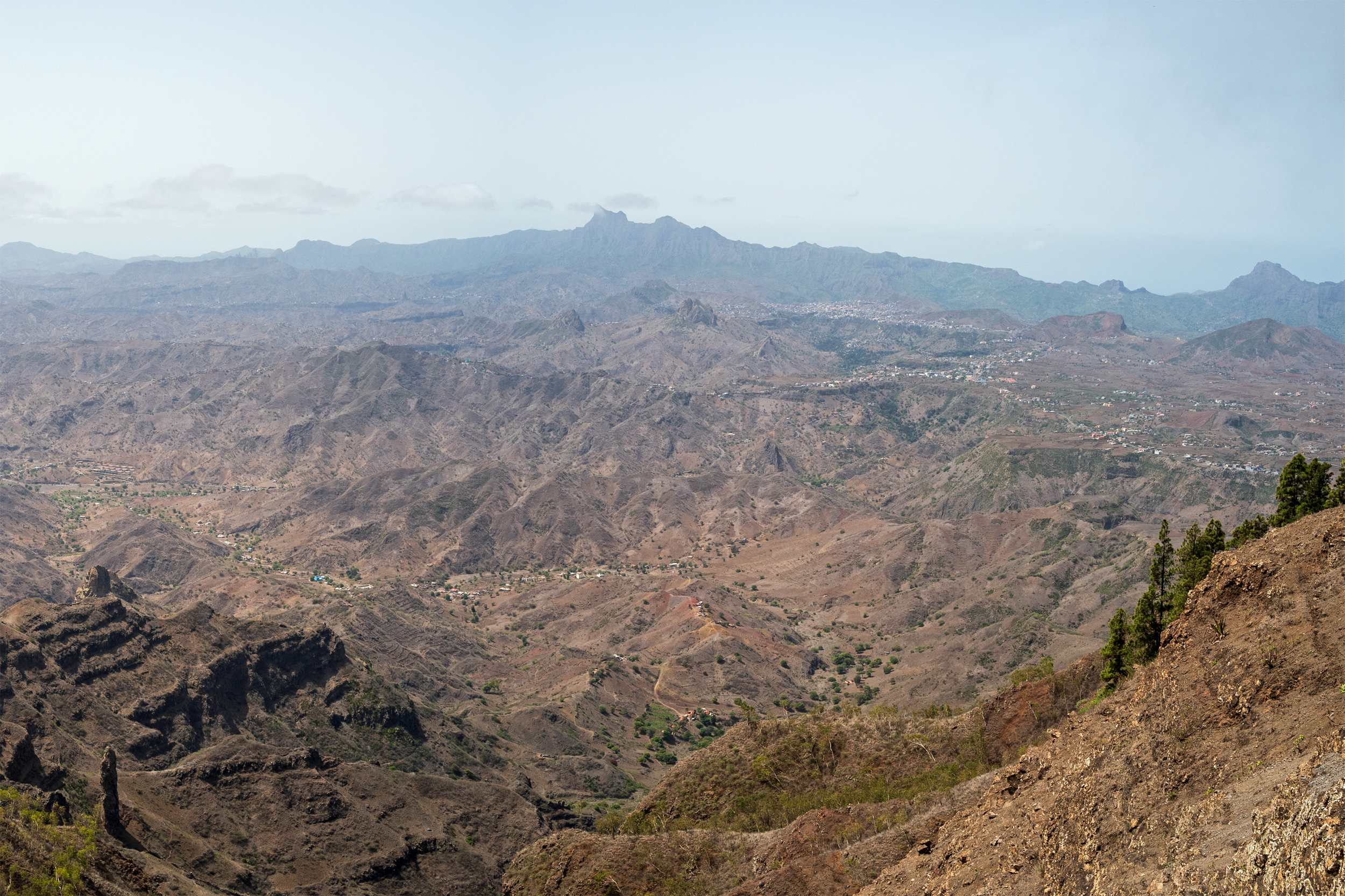
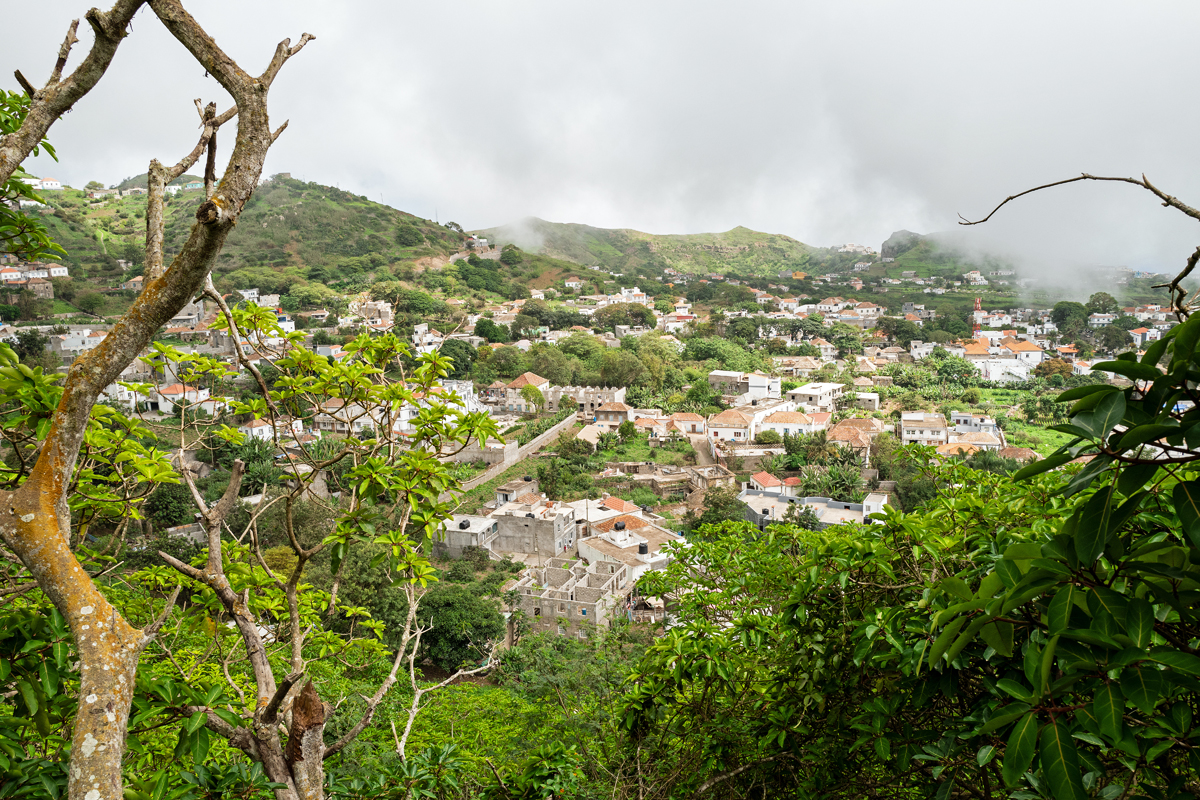
As a result, they all are distinct characters, with Sal and Boa Vista being the ugly ducklings, dreary, blank and boring, but they got beaches. São Vicente with Mindelo, the country´s cultural capital, is something like the colourful party maker, São Nicolau and Santo Antão are the relatively green outdoor hiking destinations with stunning landscapes, while Santiago is the rough-and-tough southerner with the capital Praia, maybe the only real city of Cape Verde. It is said to be the most African of all the islands, whatever that means. Most of the people are living on Santiago, most of them in Praia, so most of the problems live there too, like everywhere else on this planet. Maio is the hidden gem in sparkling turquoise water, while Fogo, the fire mountain, and Brava, the wild one, are the last outposts in the south-west, one a gigantic crater rising from the Atlantic Ocean with several smaller volcanoes inside its enormous caldera, among them Pico de Fogo (2.829 m), the country’s highest peak, the other one a massive rock, defying the brutal waves and the weather of the surrounding seas, with its head in the clouds most of the days.
Daraus resultiert der Umstand, dass sie alle ganz unterschiedliche Charaktere haben, wobei Sal und Boa Vista so etwas wie die hässlichen Entchen sind, karg, leer, langweilig, aber sie haben Strände. São Vicente mit Mindelo, der „Kulturhauptstadt” des Landes, ist dann so etwas wie der charismatische Alleinunterhalter, São Nicolau und Santo Antão hingegen sind die hippen Outdoor- und Trekking-Ziele mit fantastischen Landschaften, während Santiago mit der Hauptstadt Praia, der vermutlich einzigen echten Stadt auf den Kapverden, der raubeinige Unruhestifter aus dem Süden ist. Es heißt, es sei die afrikanischste aller Inseln, was auch immer das bedeuten soll. Die meisten Menschen leben auf Santiago und davon die meisten in Praia – und mit ihnen ihre Probleme, so wie überall sonst auf der Welt. Maio ist der versunkene Schatz im funkelnden türkisfarbenen Wasser, während Fogo, der Feuerberg, und Brava, „die Wilde“, schließlich die letzten Außenposten im Südwesten sind, einer ein gigantischer Krater, der sich mächtig aus dem Atlantik erhebt und in seiner riesigen Caldera weiteren, kleineren Vulkanen, darunter dem Pico de Fogo, dem mit 2.829 m höchsten Gipfel des Landes, eine Heimat bietet, und die andere ein massiver Felsen ist, der den brutalen Wellen und dem Wetter der stürmischen See trotzt, während der Kopf die meisten Tage in den Wolken steckt.
Cape Verde gained independence in 1975, and its culture is creole, and so the people are. They are descendants of Europeans, mainly Portuguese, and slaves from western Africa, and therefor their country is also a mixture of both cultural spaces, even though one can get the impression, the European influence is the stronger one, especially if you look at organization, infrastructure, but also bureaucracy. Cape Verdeans seem to be the most relaxed people on the planet, “No stress!” is their motto, and they live it with long siestas in the shade against the relentless heat of the day, through melancholic music, good food, and a total absence of business sense. If someone wants to sell you something, he or she is not Cape Verdean, but probably Senegalese. Most of the time you get the feeling you´re disturbing the people whom you are willed to give money for whatever transaction of any goods or services, which is exceedingly charming – like everything else on Cape Verde islands.
Kap Verde erlangte 1975 die Unabhängigkeit, seine Kultur ist kreolisch, und das sind auch die Menschen. Sie sind Nachkommen von Europäern, hauptsächlich natürlich von Portugiesen, sowie den Sklaven aus Westafrika, weshalb ihr Land ebenfalls eine Mischung aus Europa und Afrika ist, wobei man den Eindruck bekommen kann, dass der europäische Einfluss der stärkere ist, besonders beim Blick auf Organisation, Infrastruktur, aber auch die Bürokratie. Kapverden sind vielleicht die entspanntesten Menschen auf dem Planeten, „No stress!“ ist ihr Motto, und das leben sie auch mit langen Siestas im Schatten, um der unbarmherzigen Hitze des Tages zu entgehen, mit melancholischer Musik, gutem Essen und dem völligen Fehlen von Geschäftssinn. Wenn einem einer etwas verkaufen will, dann ist das sicher kein Kapverde, sondern eher ein Senegalese. Die meiste Zeit hat man das Gefühl, dass man die Menschen, denen man für Waren oder Dienstleistungen Geld geben möchte, wahnsinnig stört, was unverschämt charmant ist – wie eigentlich alles auf den Kapverden.


 docugrAfrica