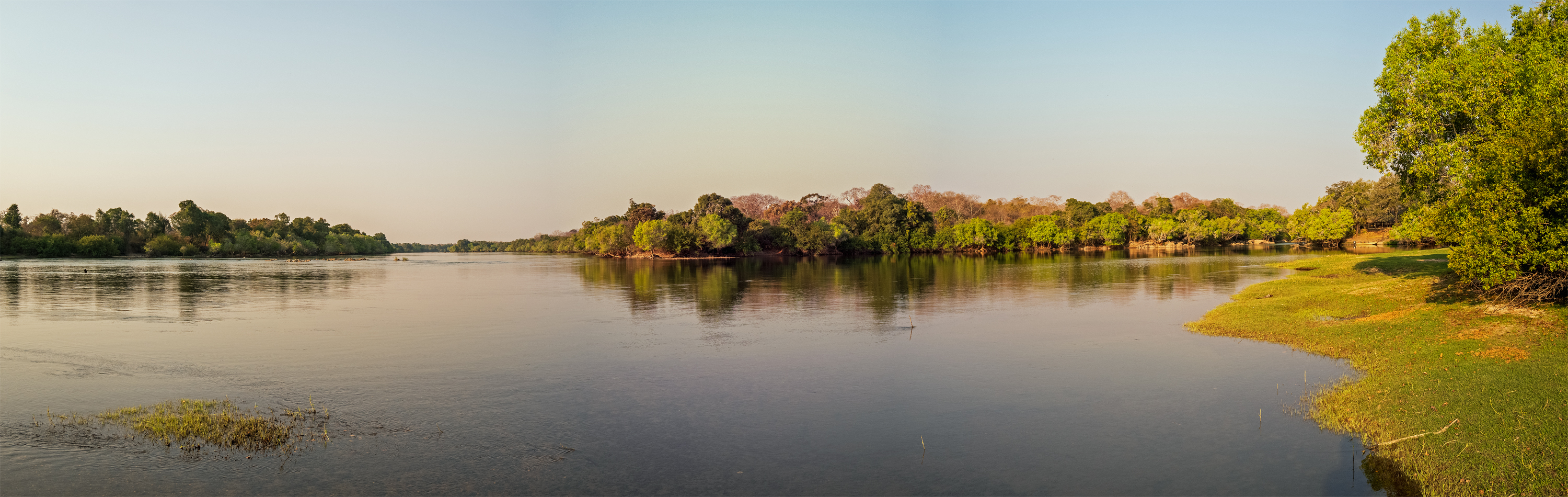
Kafue National Park is a protected area of many superlatives. With a size of 22.480 km2, it is not only the largest National Park in the country but also one of the largest worldwide and more than half the size of Switzerland. Furthermore, it is the first National Park in Zambia, founded in 1950, but it got plundered for more than five decades, and that means not only poaching. The parks lush teak forests have been ravaged for the precious wood which is often used as firewood. As late as in the beginning of the new millennium, there came the turnaround with serious anti-poaching measures and the battle against deforestation, when Lodges were built, and the infrastructure got improved and extended in order to reactivate Safari tourism. There is plenty to see in the park, but because of its sheer size and its wildness it is not easy to visit, and you can´t reach most of the accommodation without an own 4×4 for they are widely scattered all across this immense area.
Der Kafue Nationalpark ist ein Schutzgebiet der Superlative. Mit 22.480 km2 ist er nicht nur der größte Nationalpark des Landes, er ist auch einer der größten weltweit und gut halb so groß wie die Schweiz. Er war auch der erste Nationalpark Sambias und wurde 1950 gegründet, wurde aber mehr als 50 Jahre lang quasi geplündert, was nicht bloß Wilderei meint, sondern vor allem auch schonungslosen Raubbau an den üppigen Teakholz-Wäldern, dessen Holz sogar als Brennstoff verwendet wird. Erst zu Beginn des neuen Jahrtausends begann sich das Blatt zu wenden. Der Kampf gegen Wilderei und illegale Abholzung wurden endlich ernsthaft angegangen, neue Lodges errichtet, die Infrastruktur verbessert und ausgebaut und dadurch der Safaritourismus neu angekurbelt. Der Park hat viel zu bieten, ist aber aufgrund seiner immensen Größe und Wildheit nach wie vor schwer zu bereisen, da man ohne eigenes Allradfahrzeug nicht einmal bis zu irgendeiner Unterkunft gelangt. Und die liegen über das gesamte riesige Gebiet verstreut.
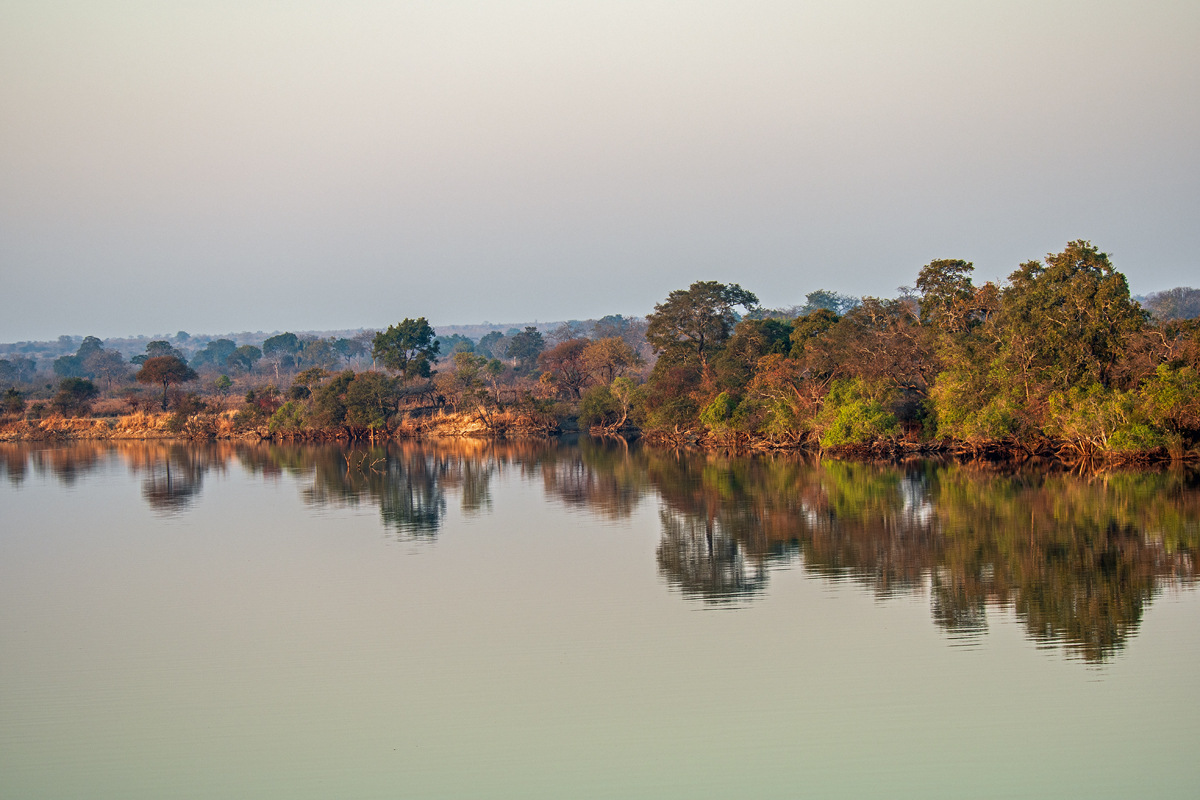
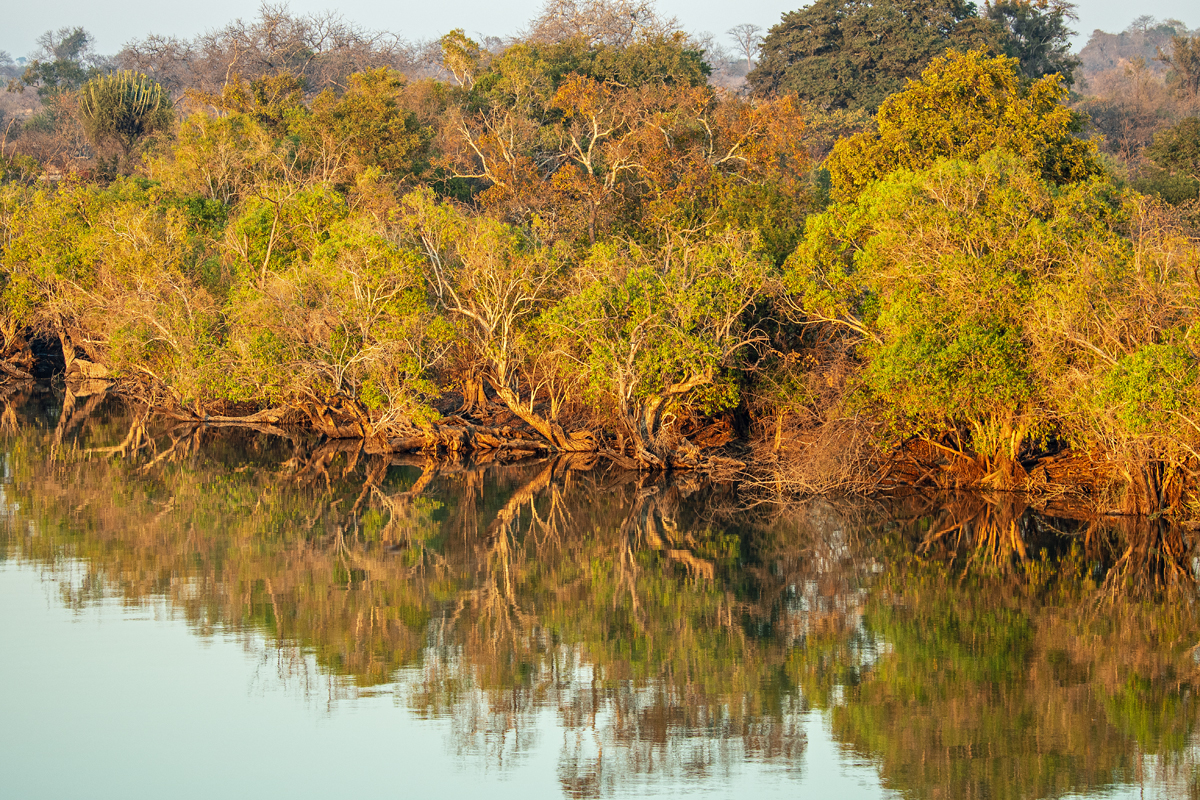
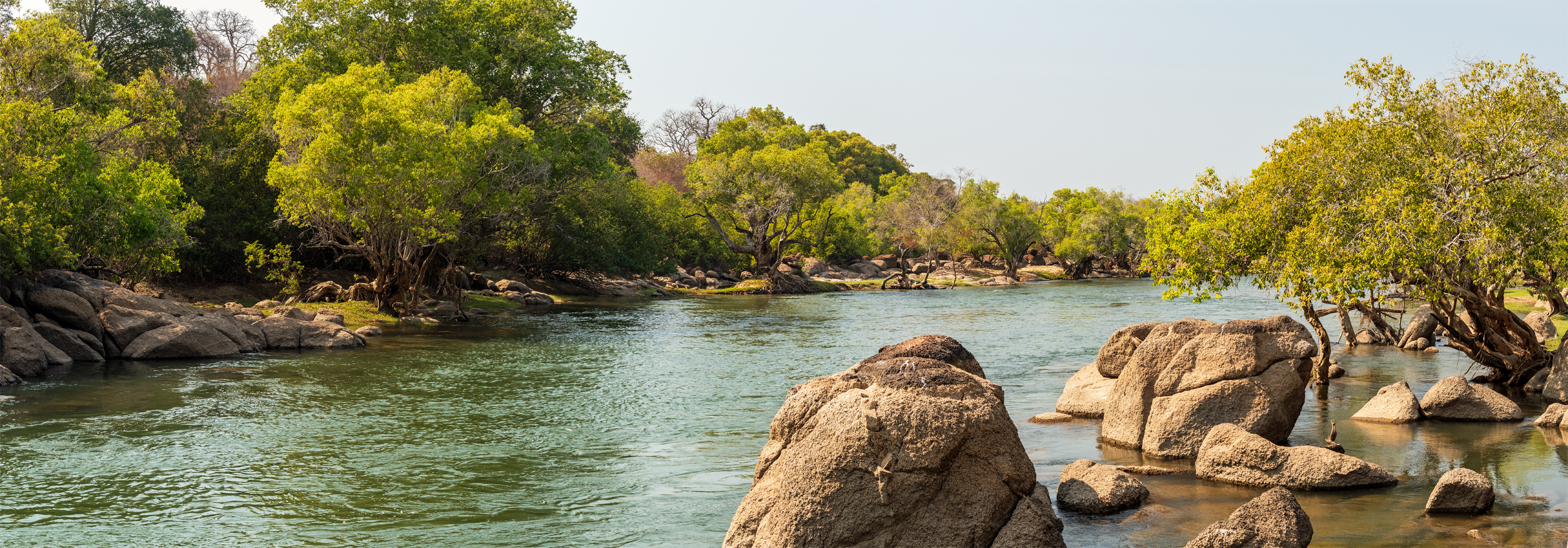
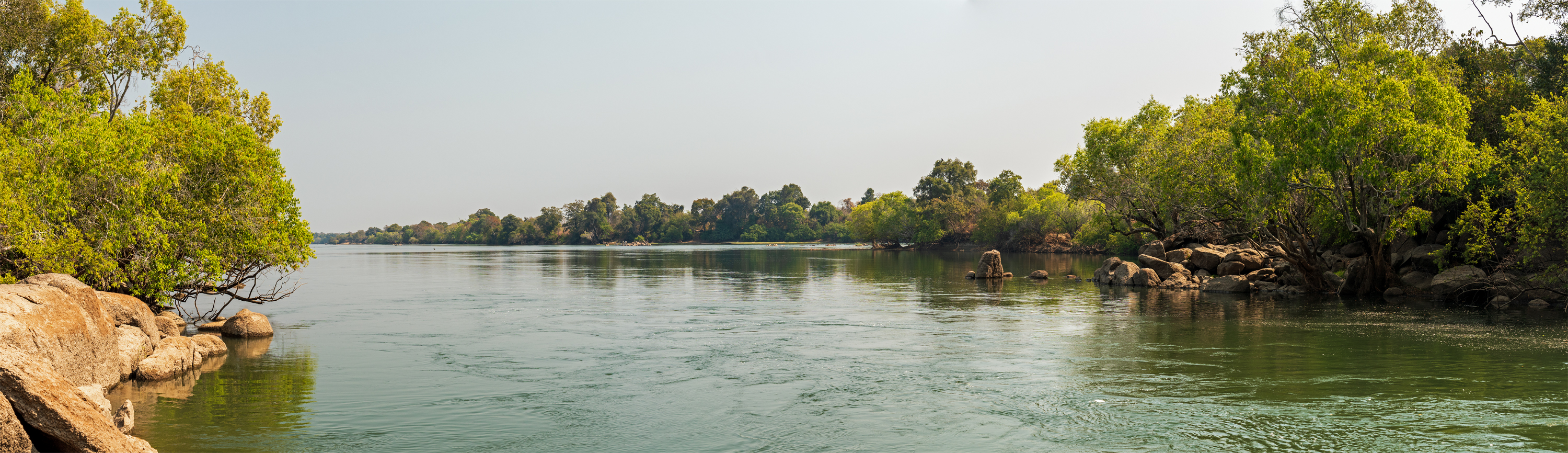
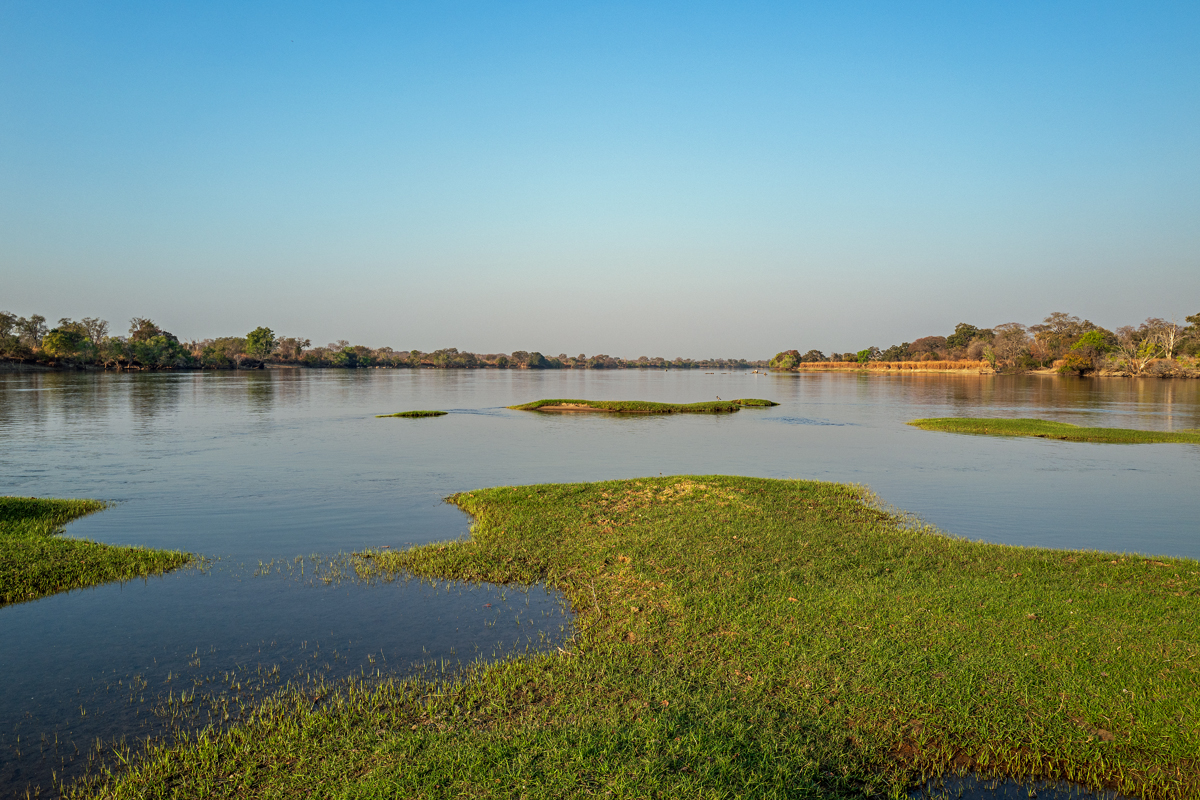
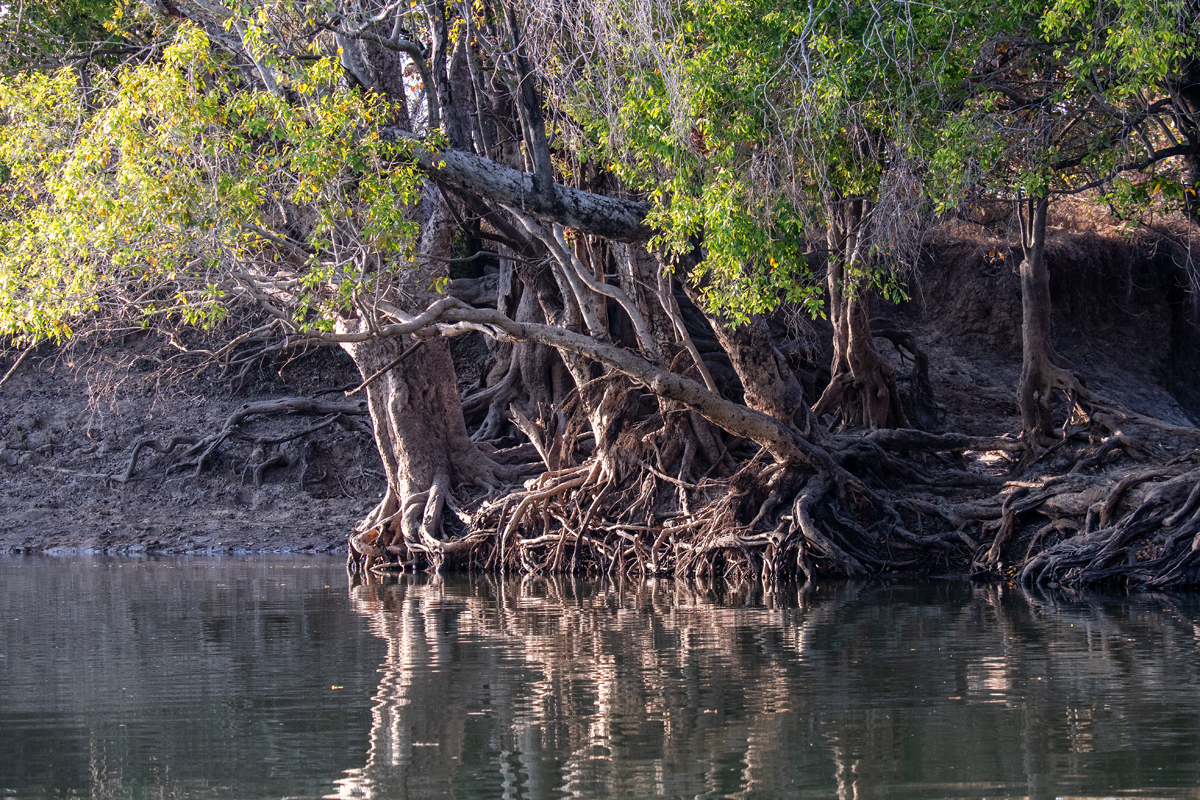
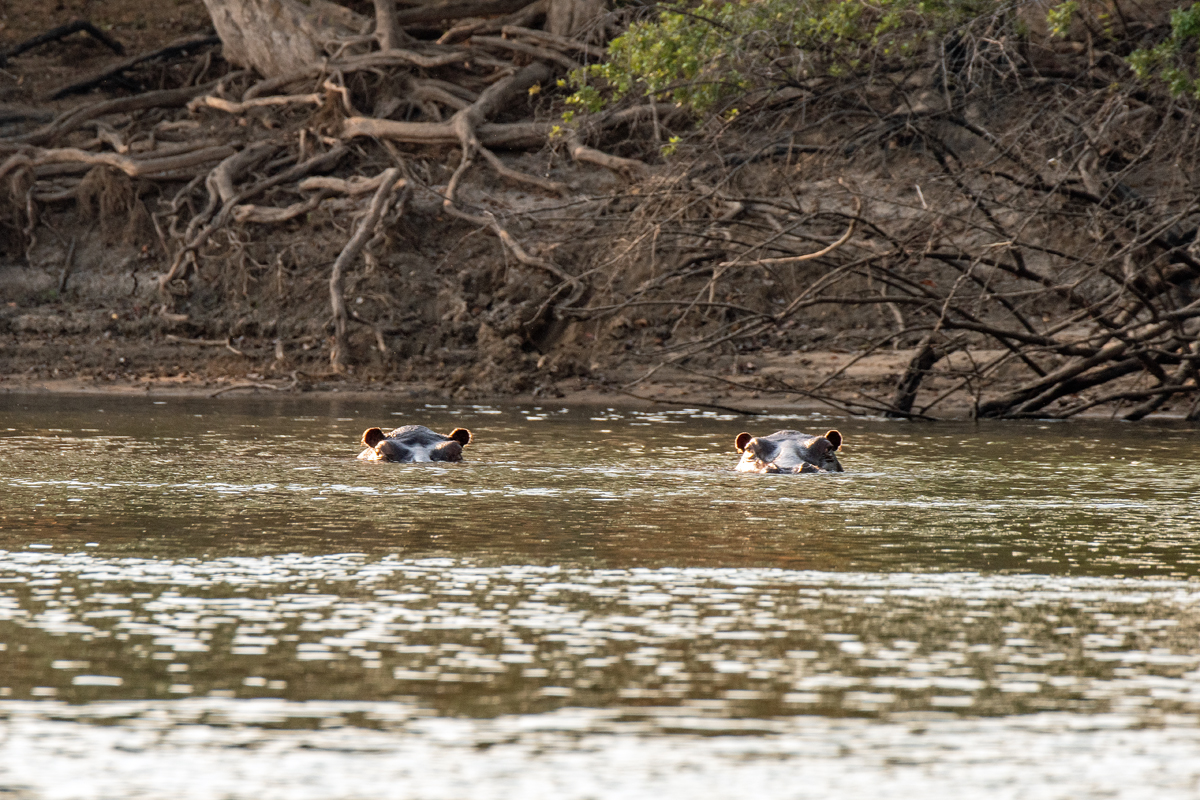
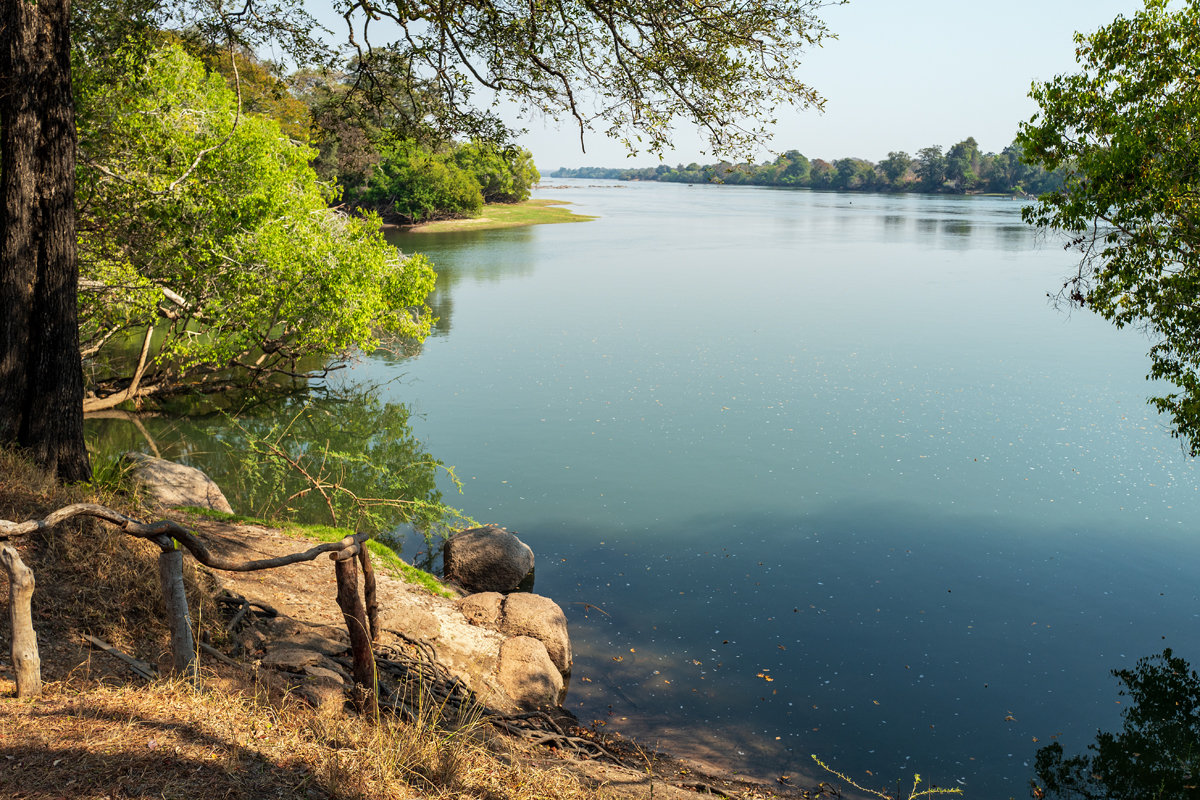
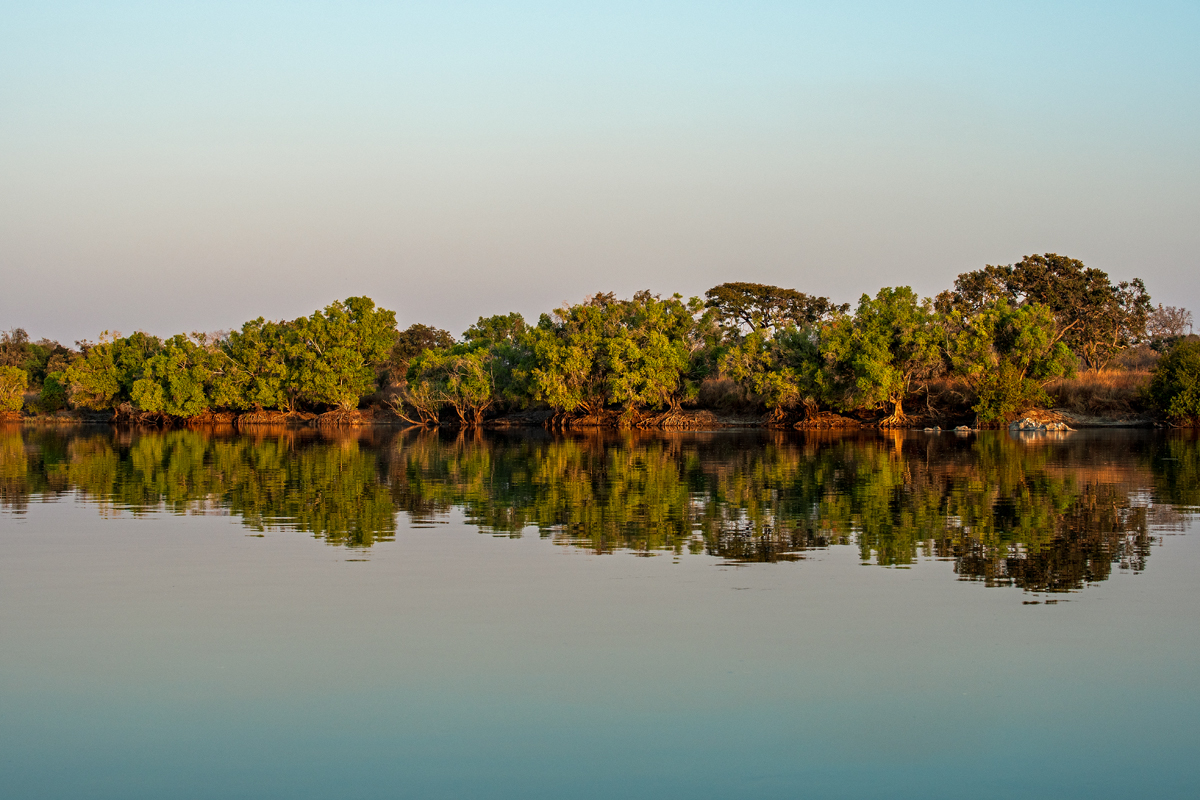
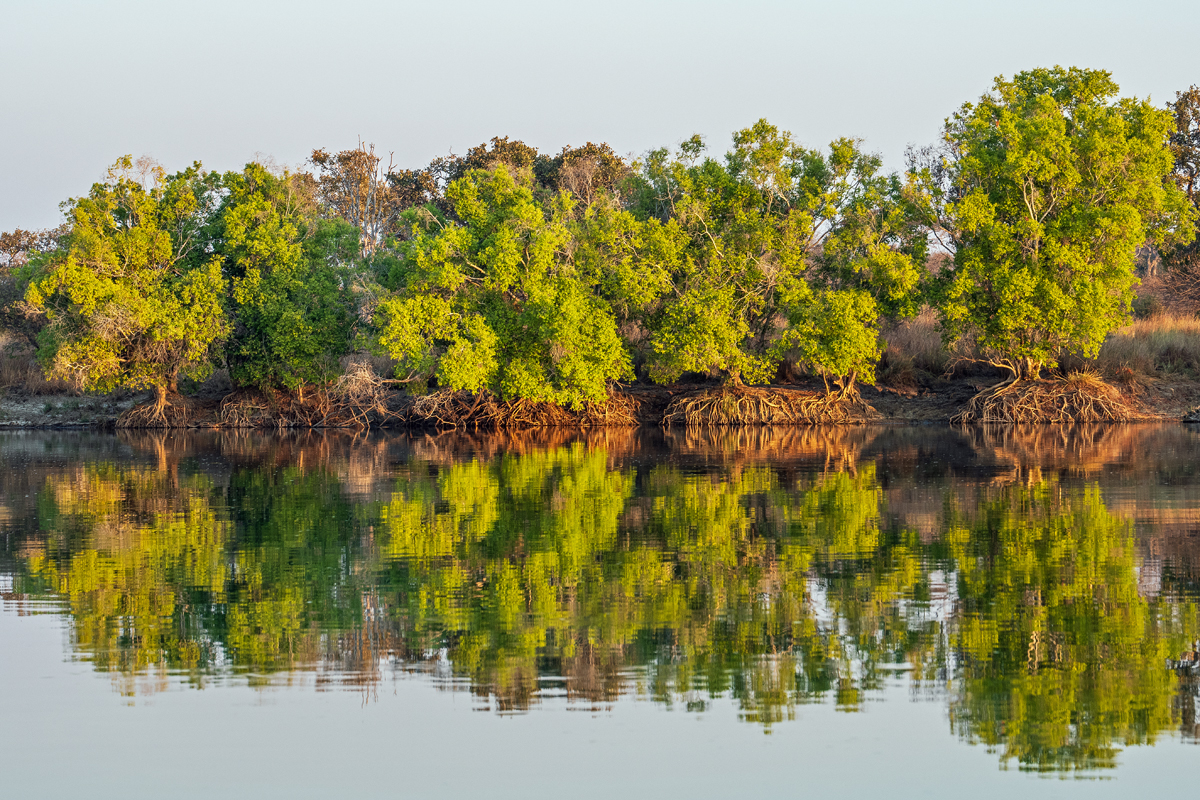
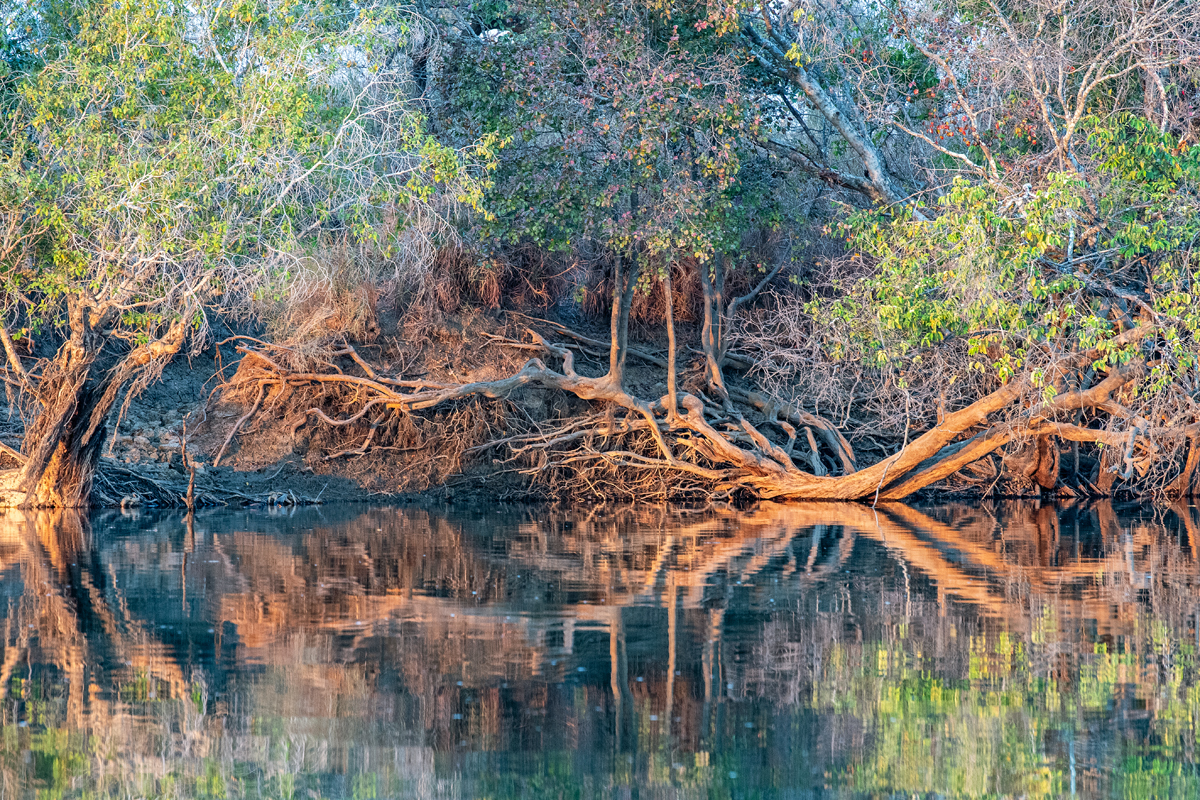
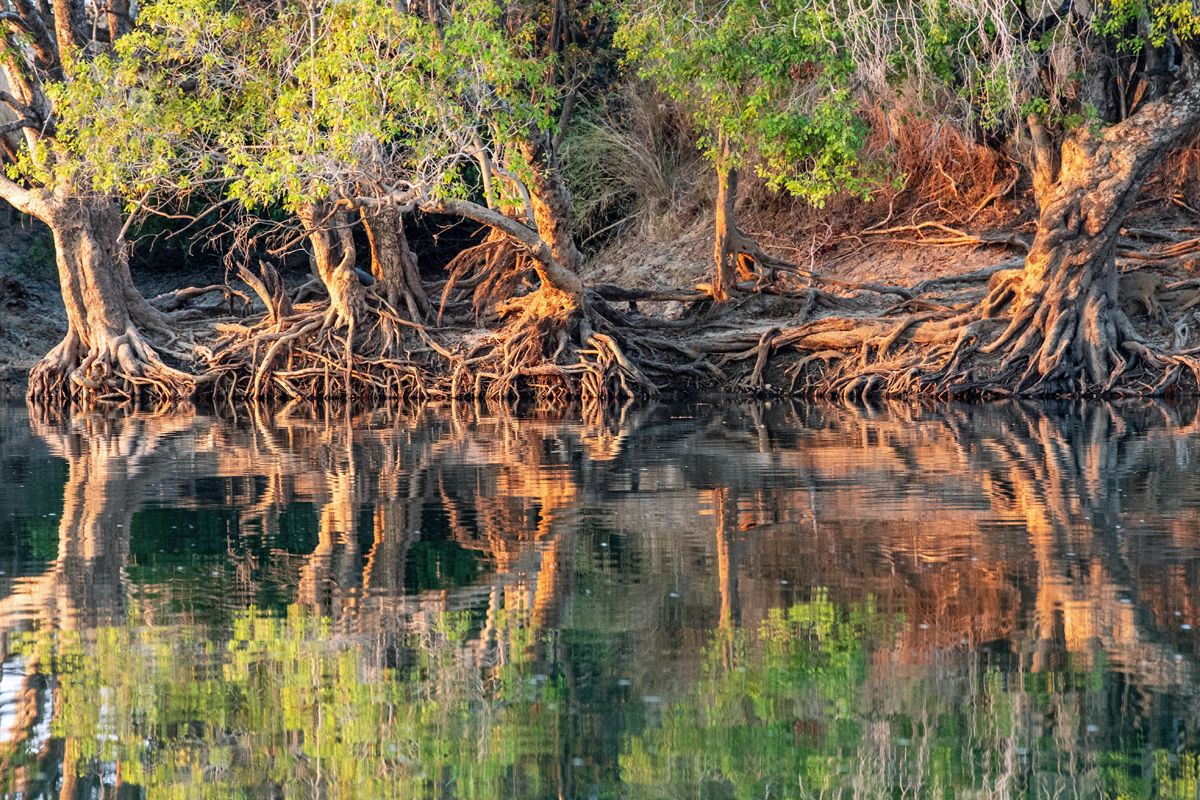
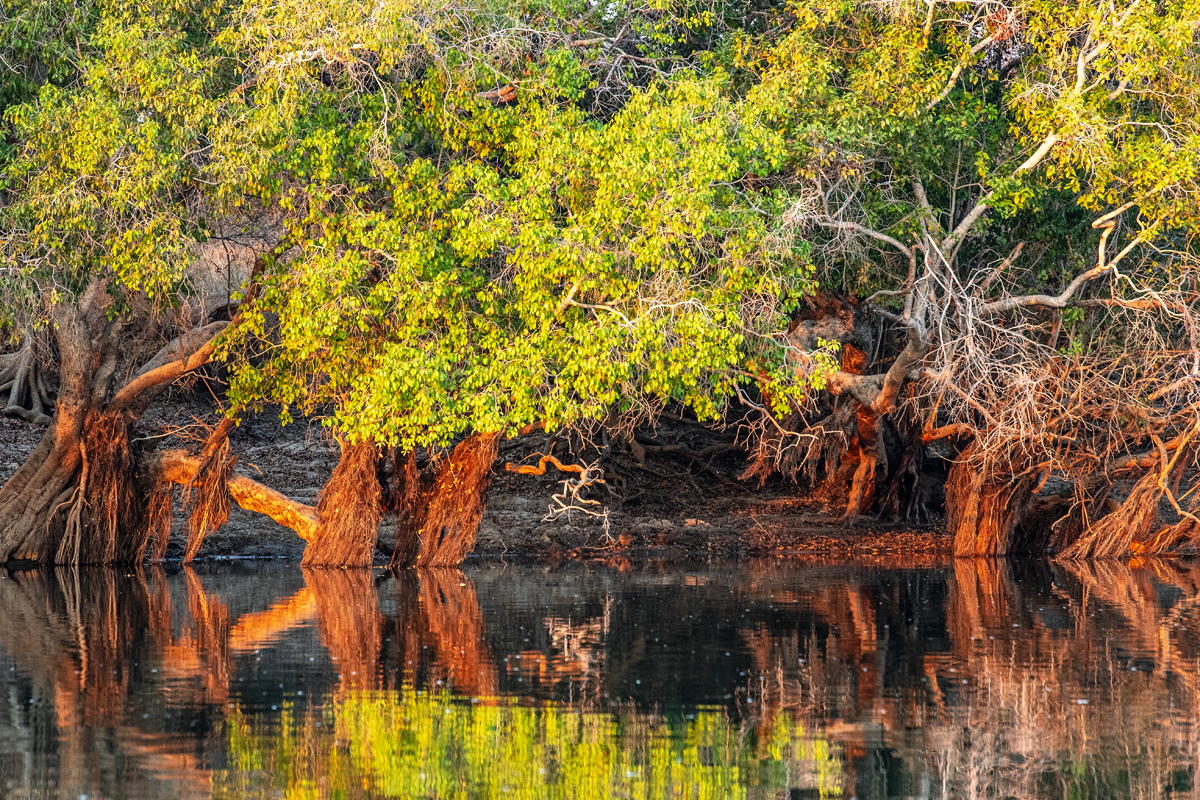
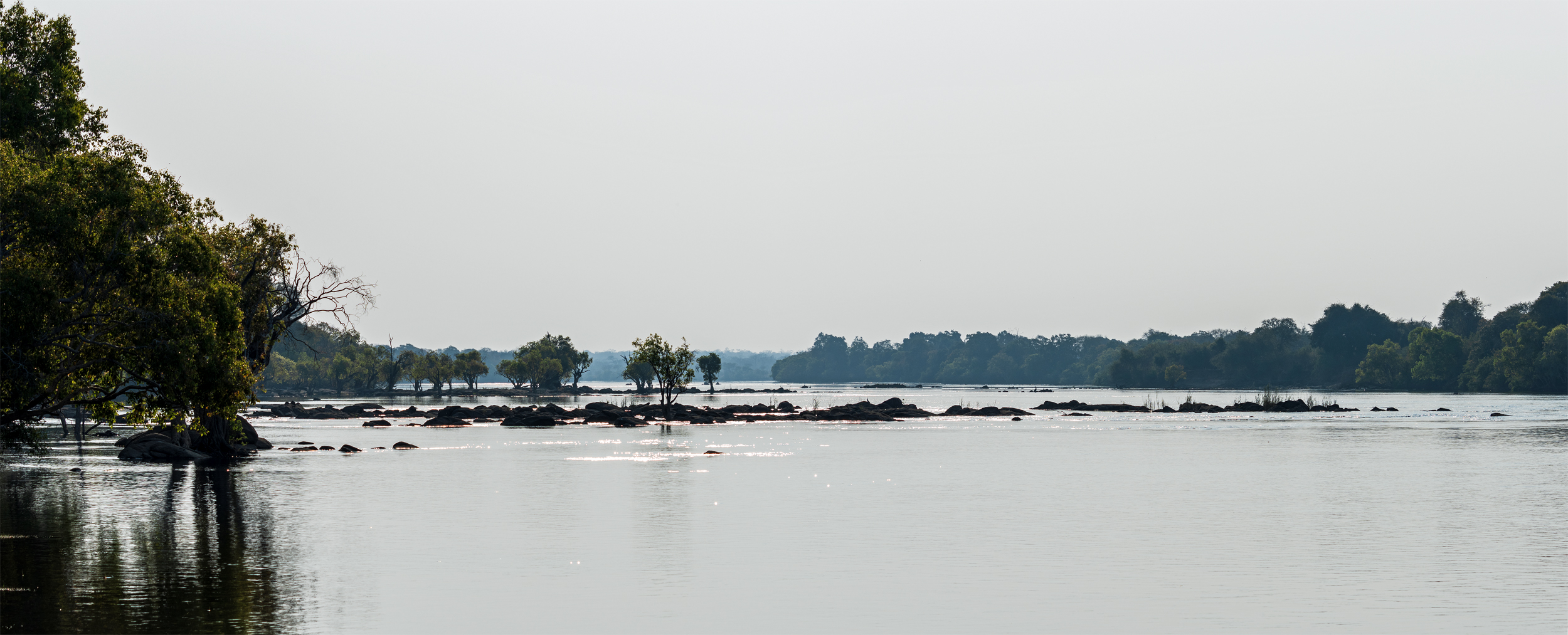
Kafue National Park, named after the main river crossing the region, contains many different vegetation zones like teak forests, river meadows, floodplains, swamps as well as mixed woodland, savannas, scrubland, and the sandy, semi-arid region at the fringe of Kalahari Desert in the south. Kafue River is the lifeline and is supplied by numerous tributaries, naturally the centre of attraction for the vast number of animals in the park – especially during the dry season.
Der Kafue Nationalpark, der nach dem Fluss, der durch ihn fließt, benannt wurde, umfasst die unterschiedlichsten Vegetationszonen von Teakholz-Wäldern über Auen, Flutebenen und Sümpfe bis hin zu Mischwäldern, Savannen, Buschland und die sandigen, semi-ariden Gebiete am Rande der Kalahari-Ausläufer im Süden. Der Kafue ist dabei die Lebensader und wird gespeist von zahlreichen Zuflüssen, die besonders in der Trockenzeit natürliche Anziehungspunkte für die unzähligen Wildtiere im Park sind.
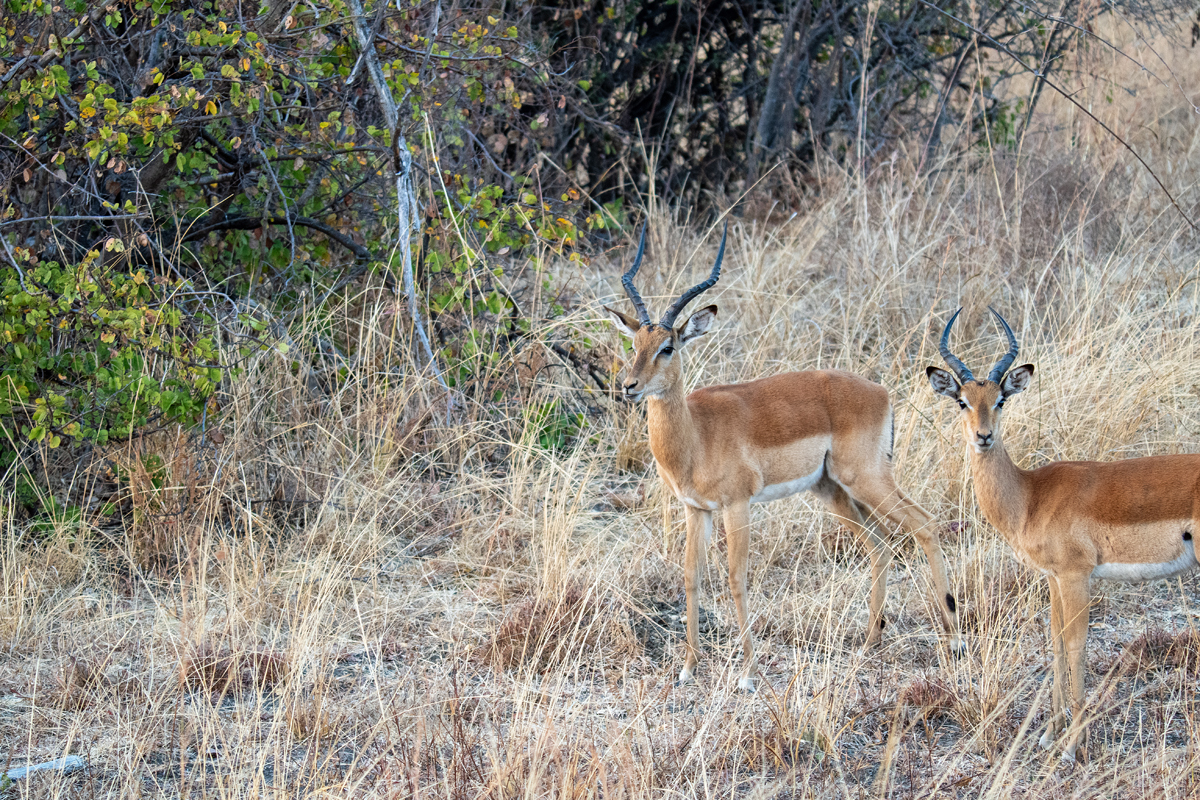
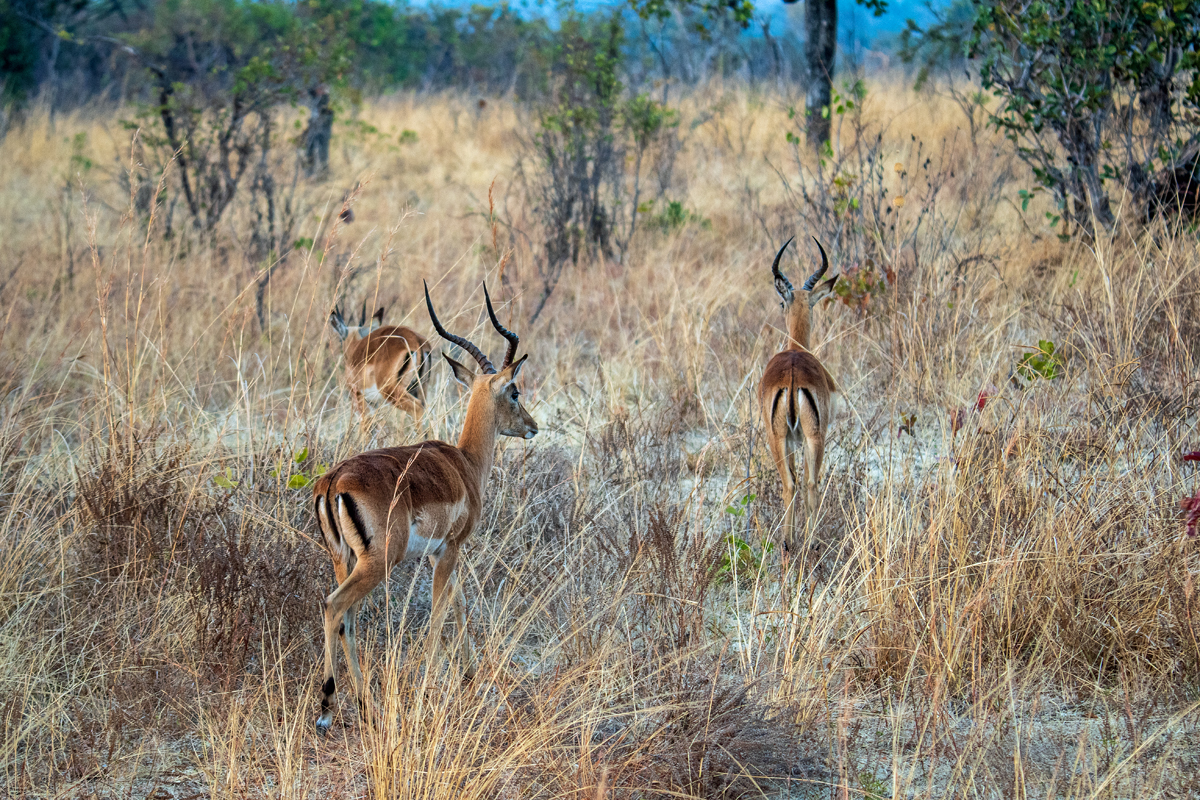
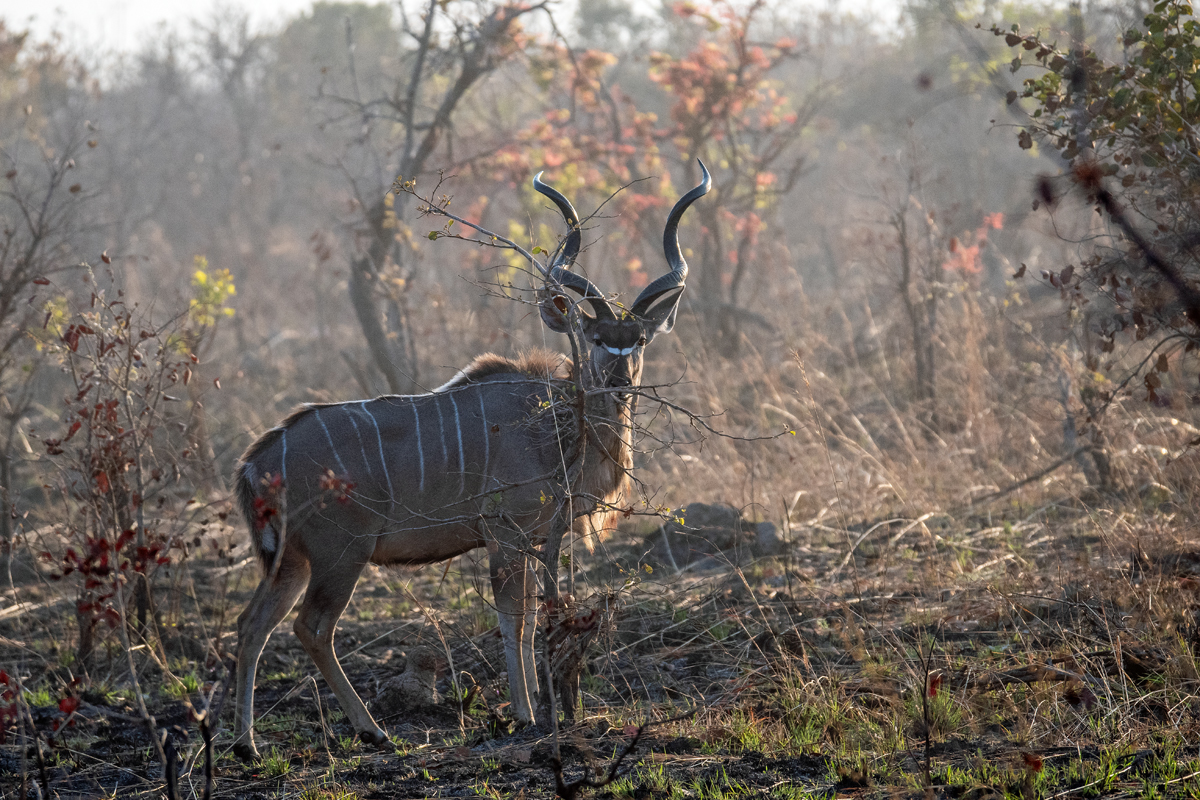

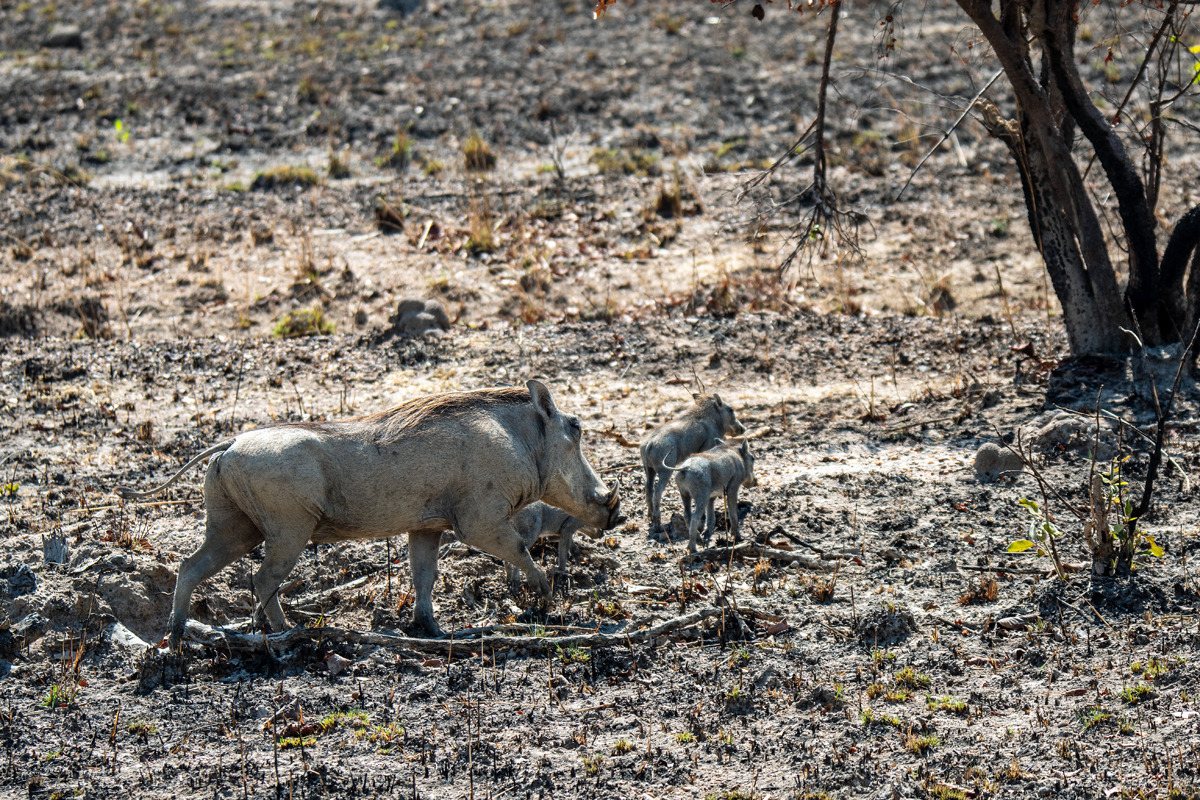
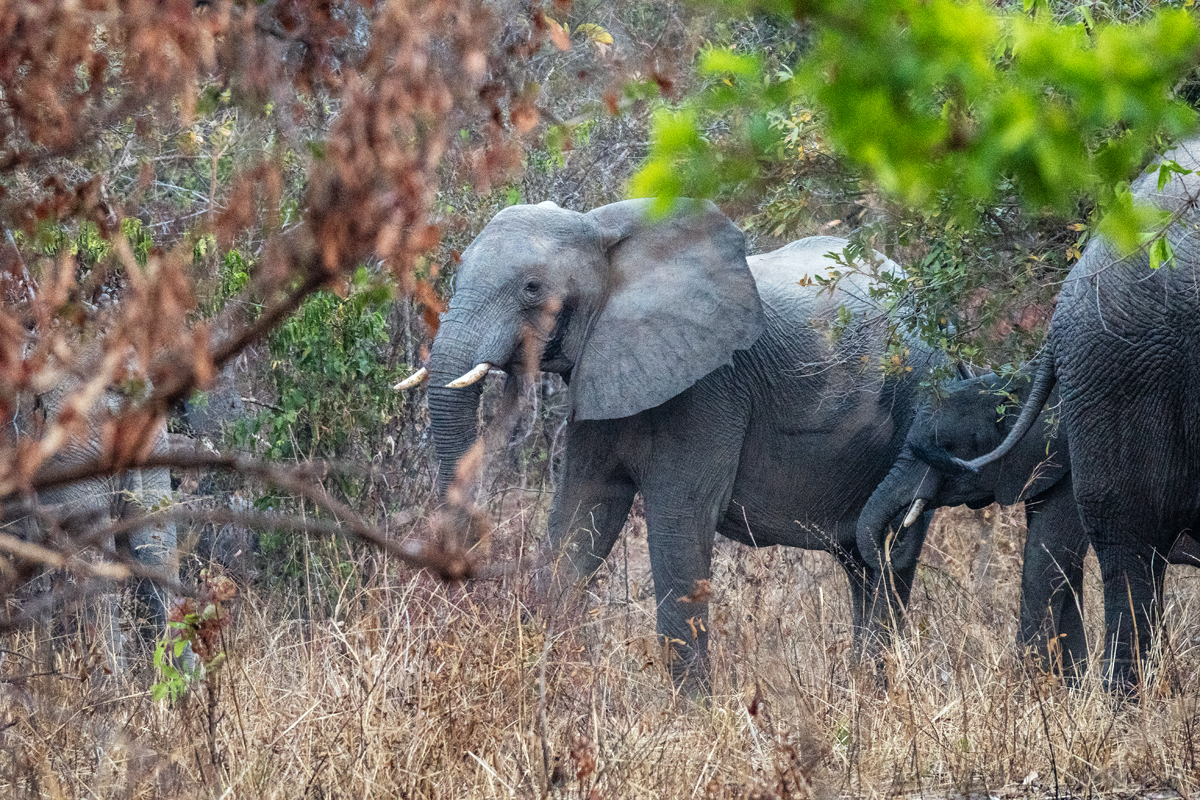
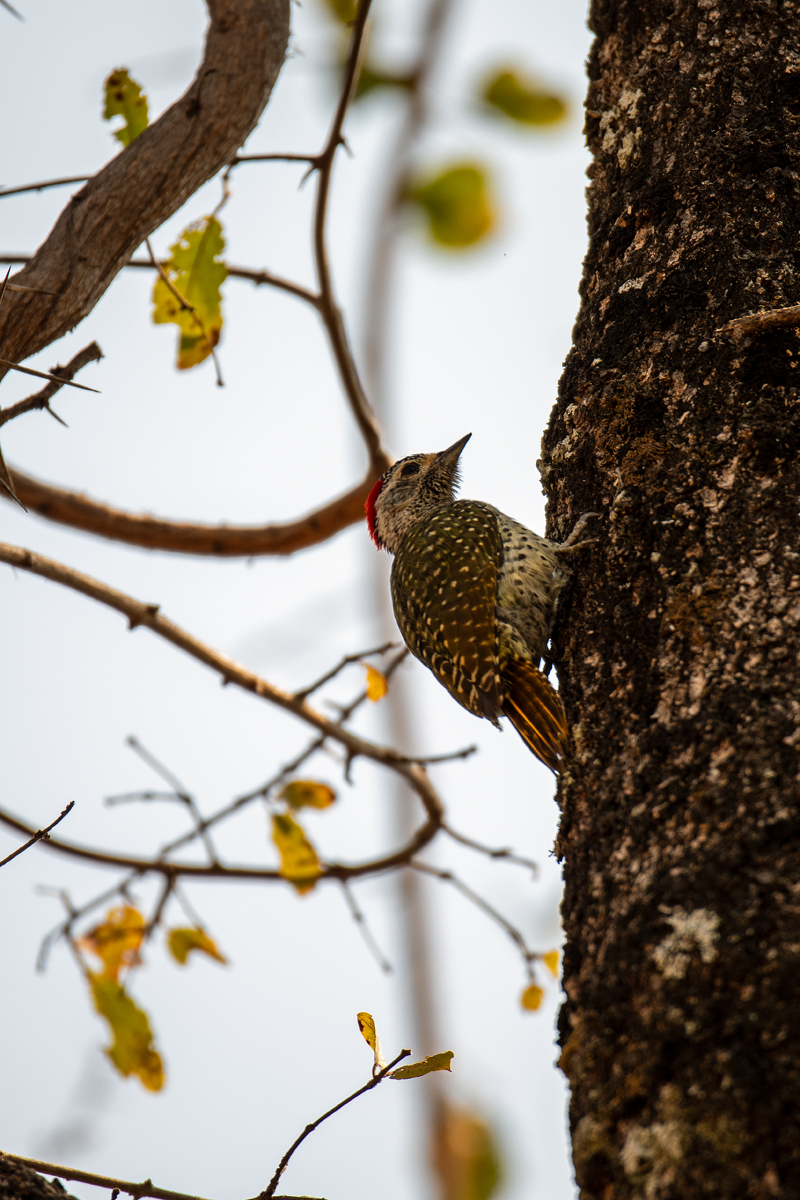
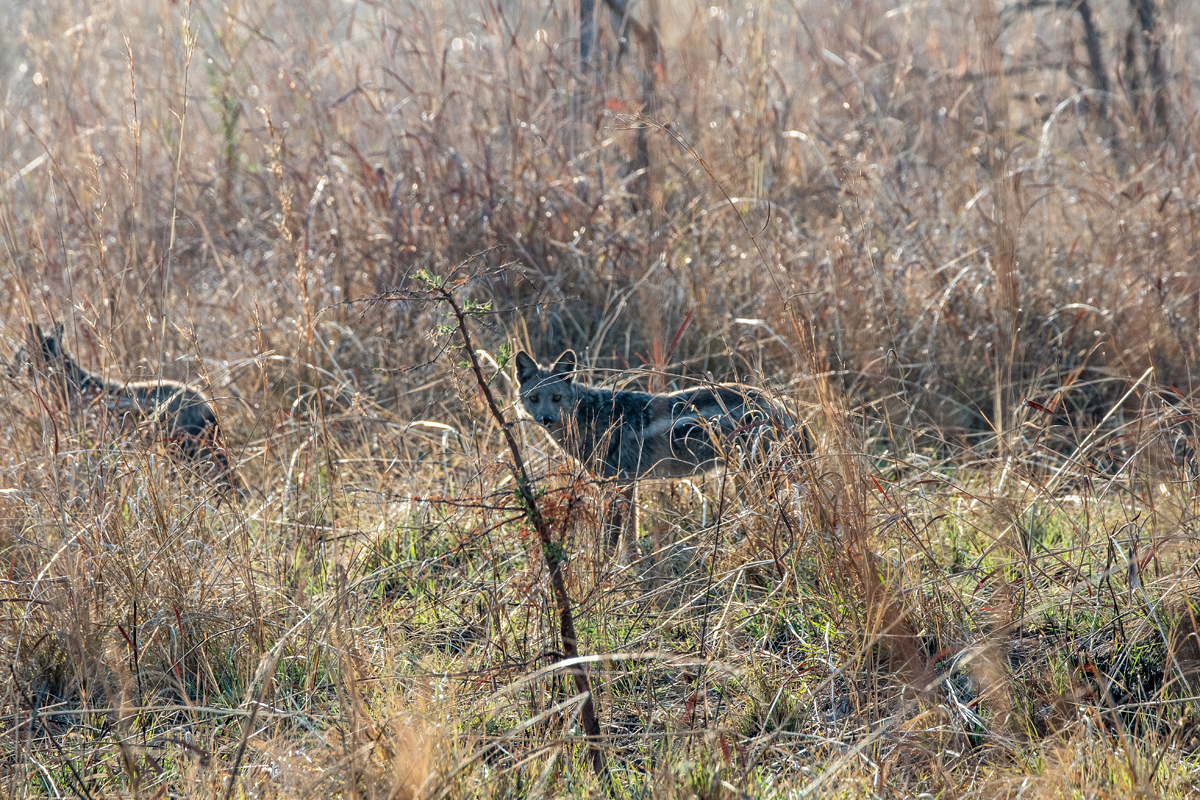
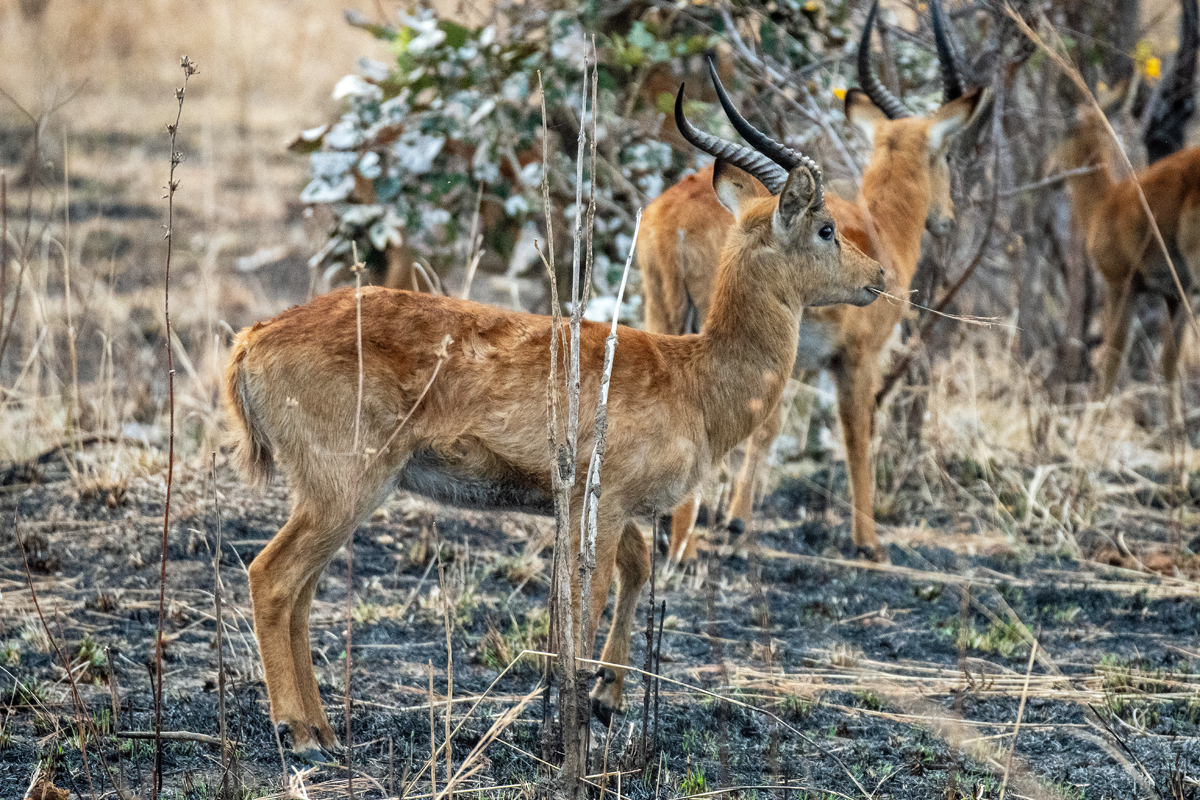

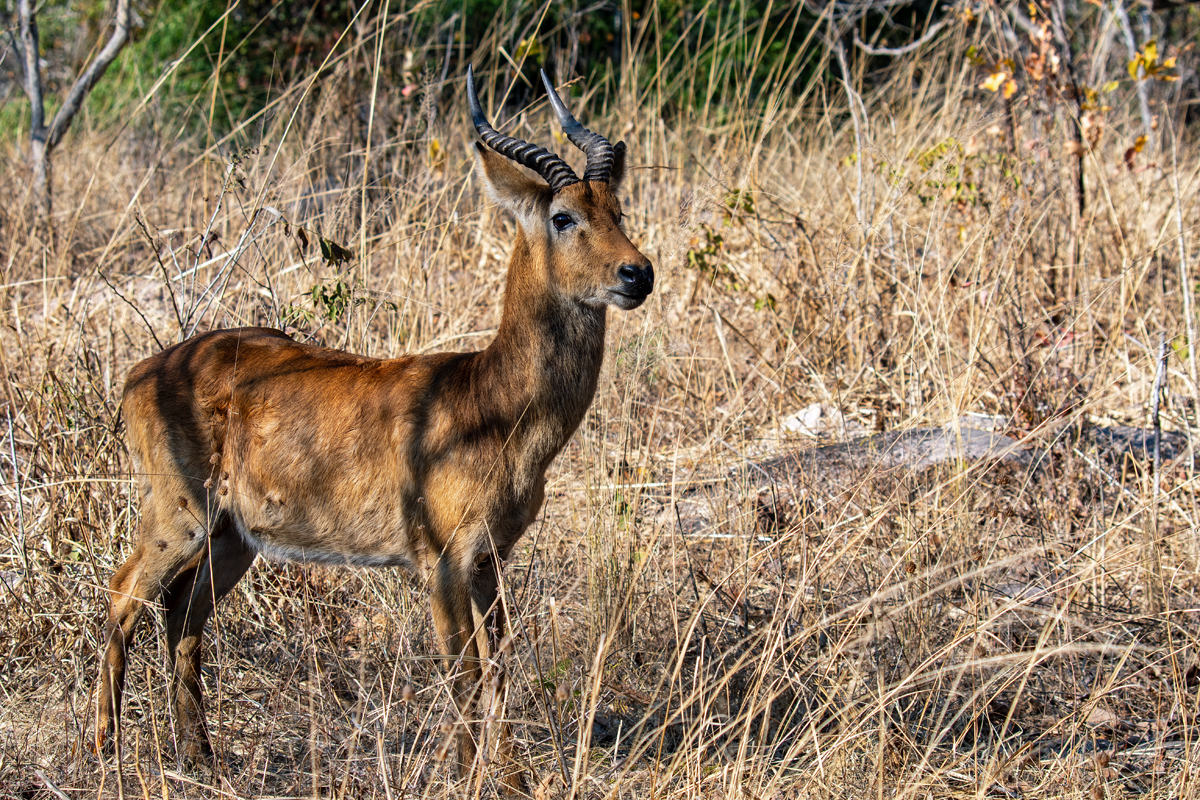
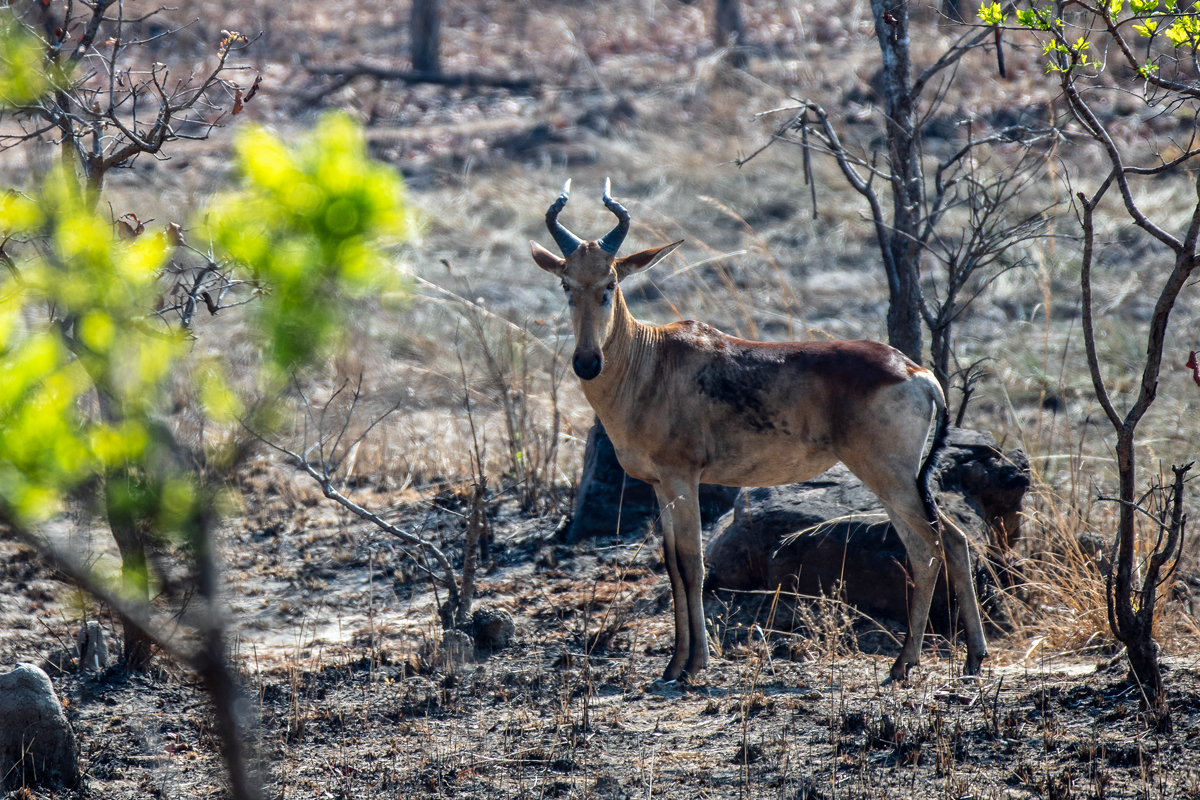
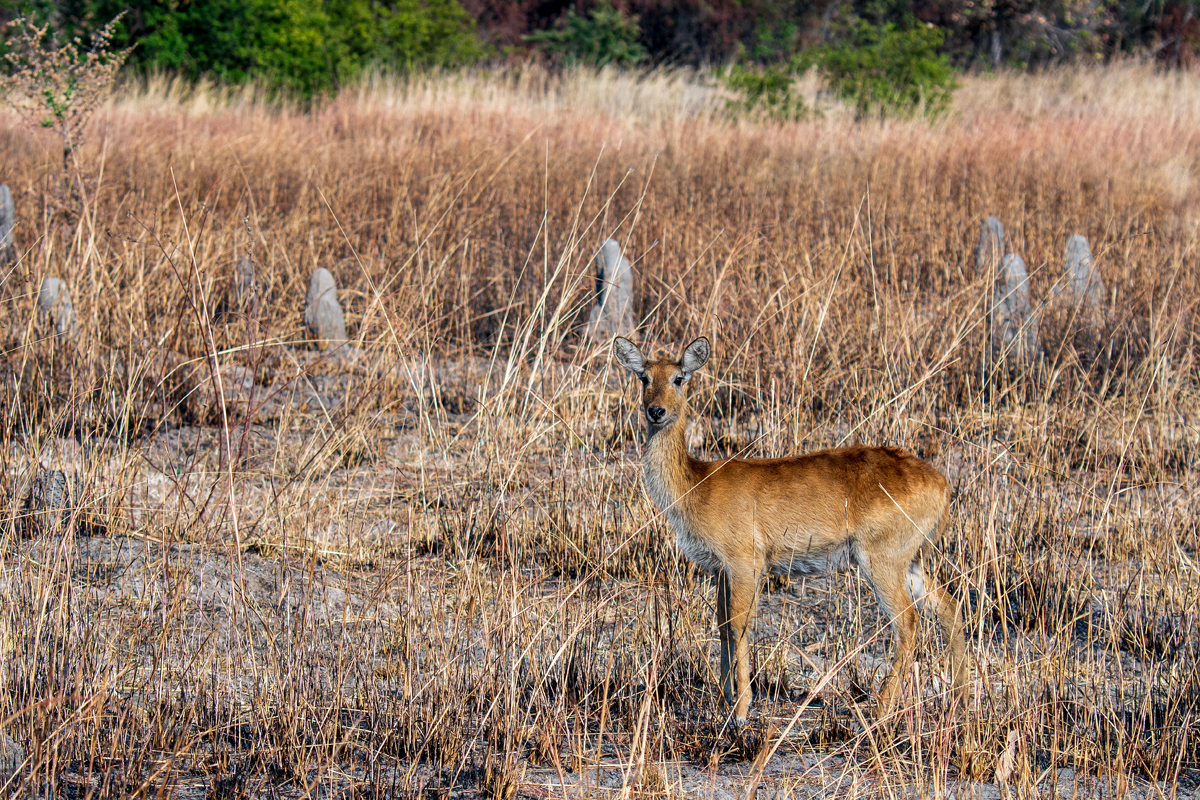
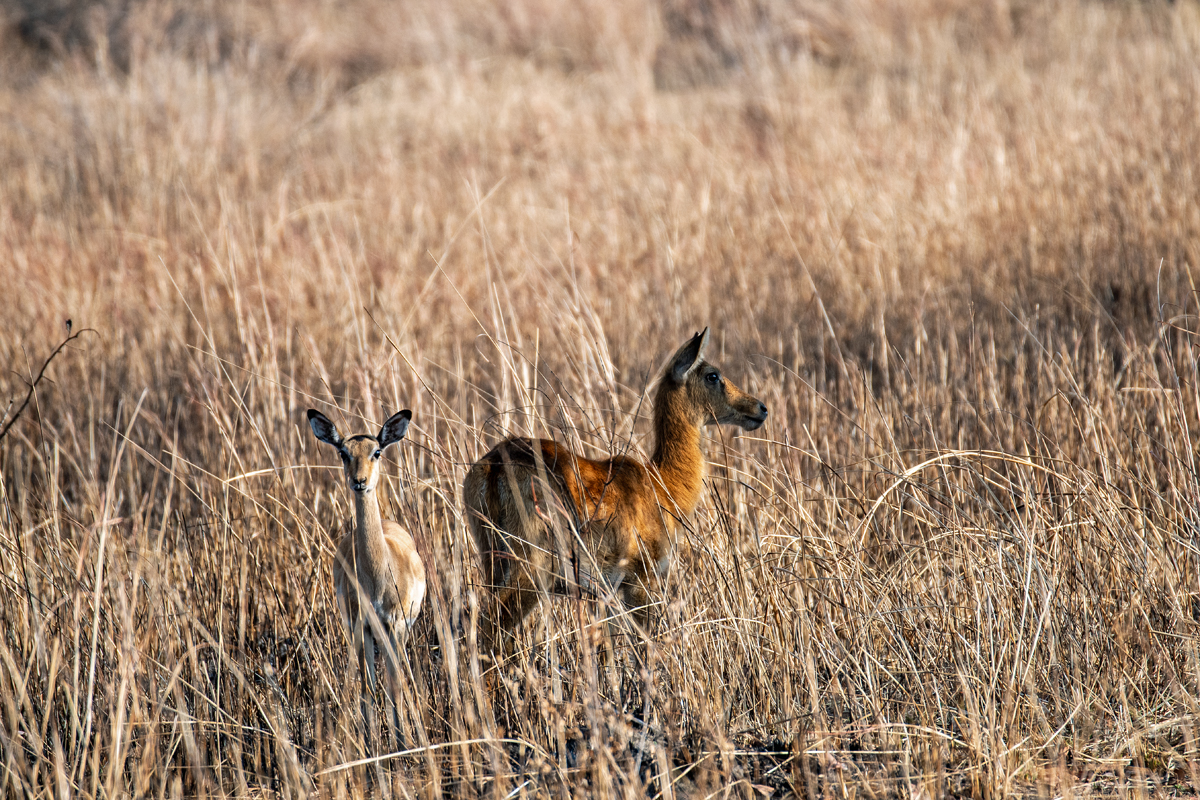
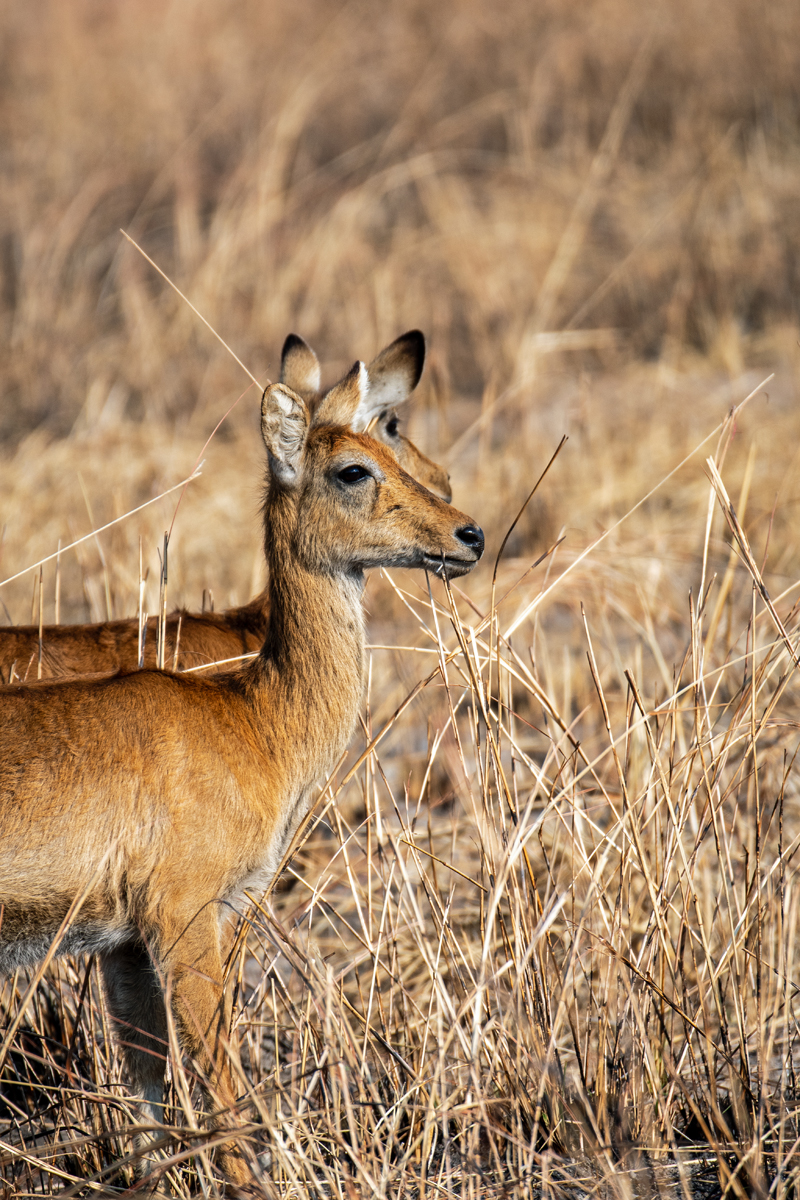
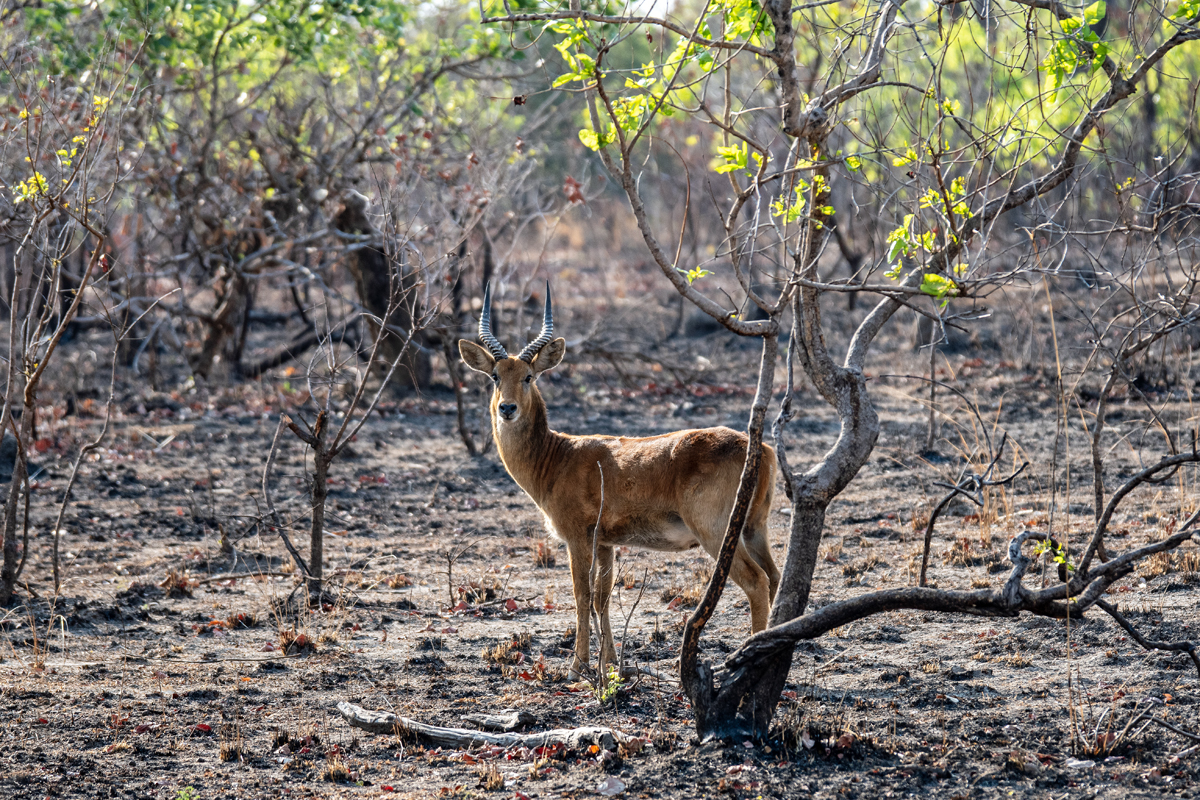
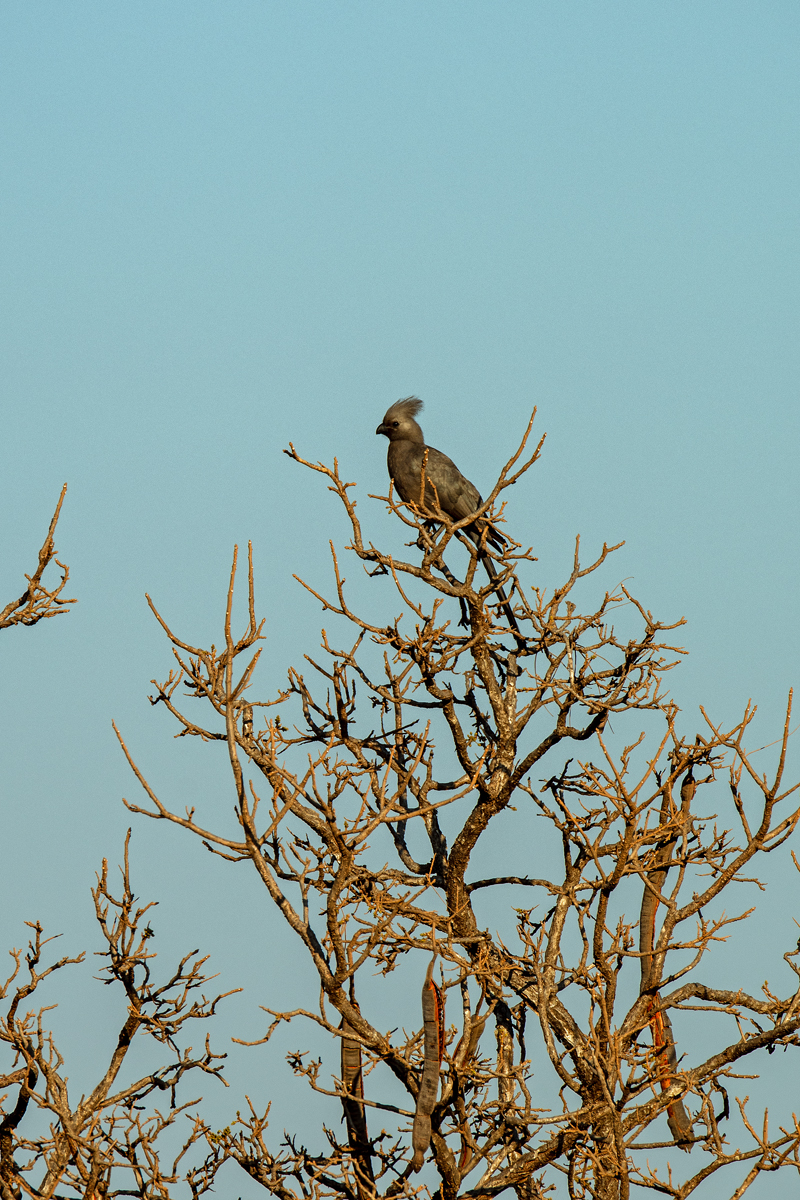
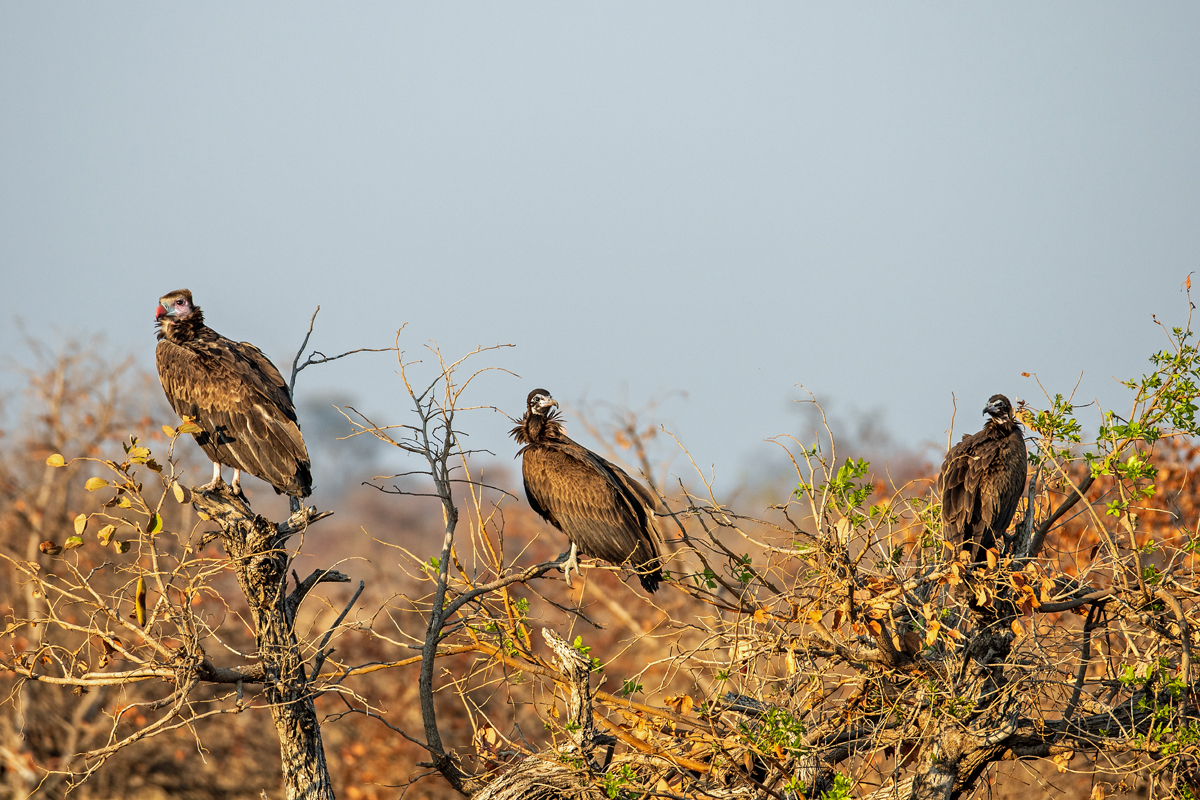
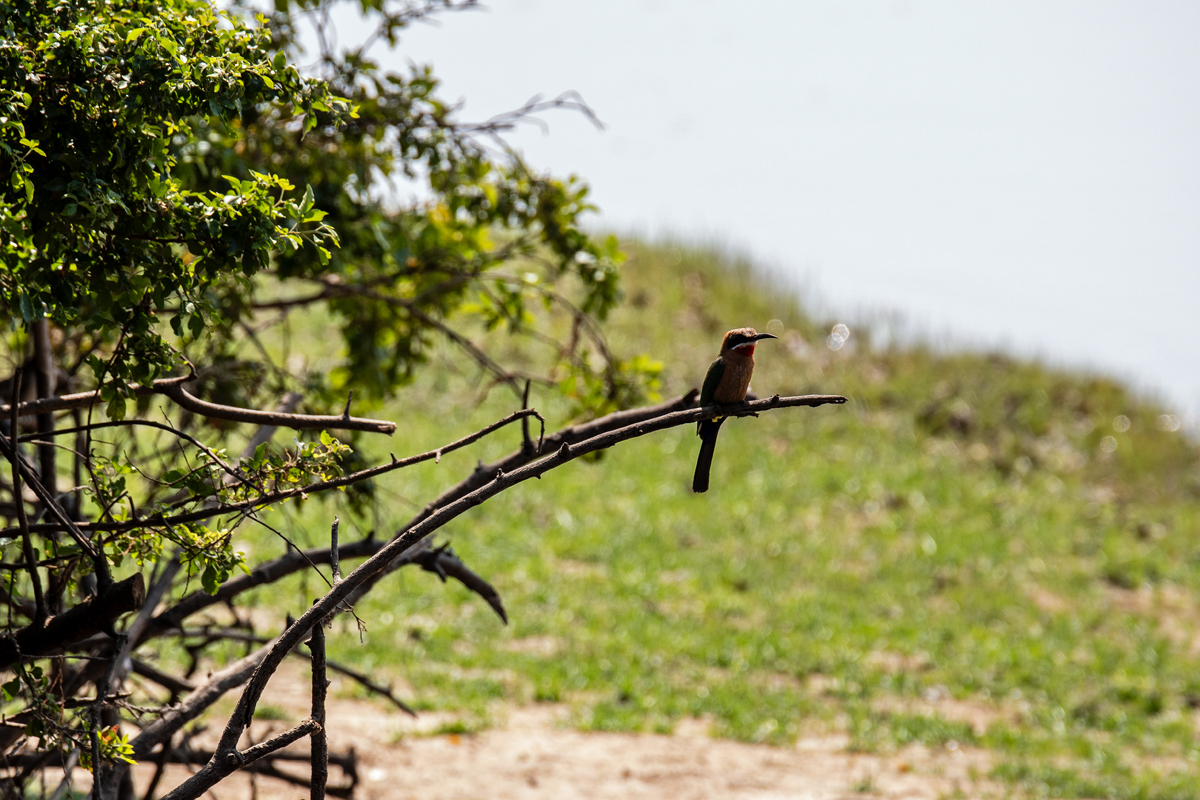
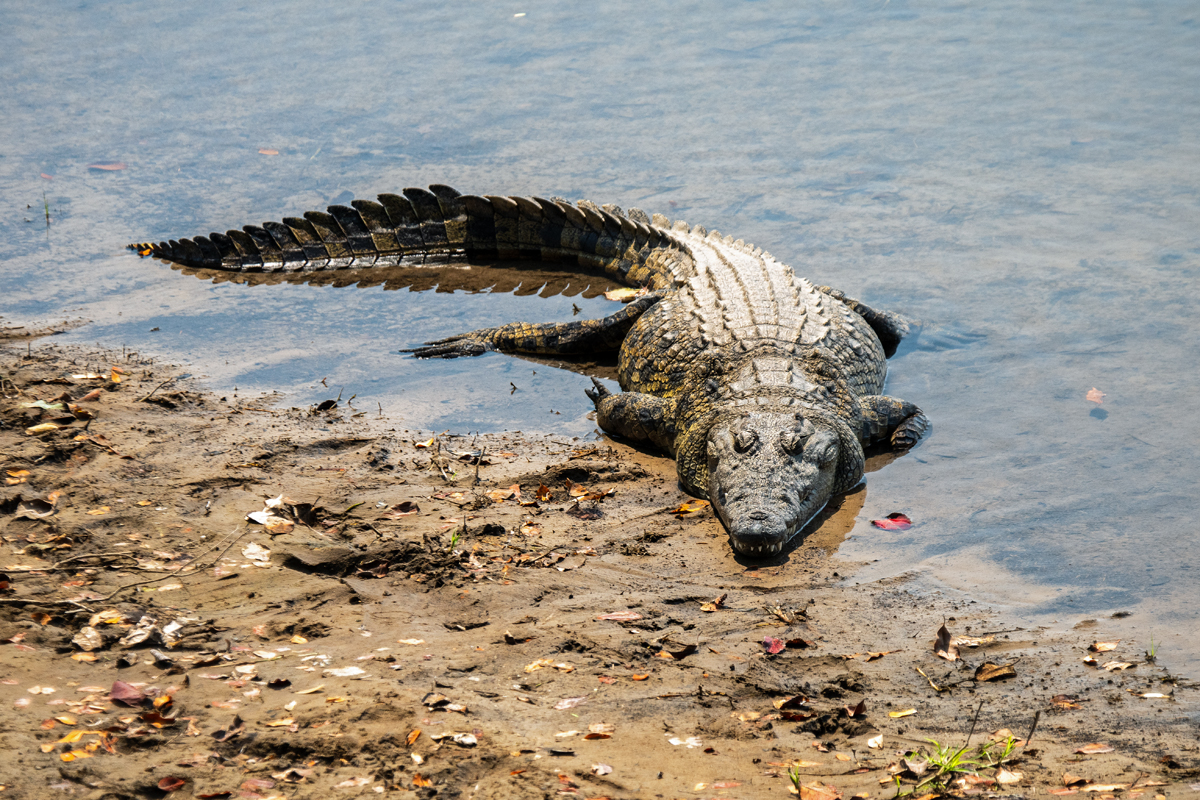
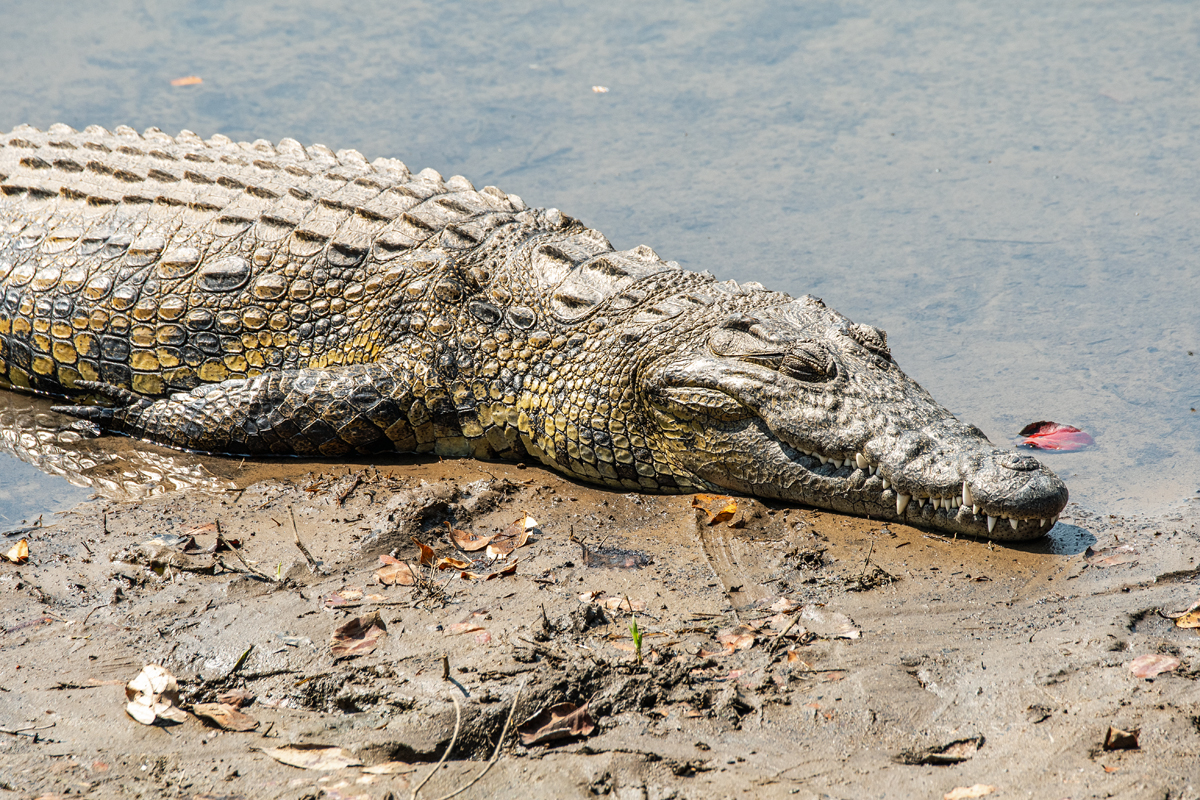
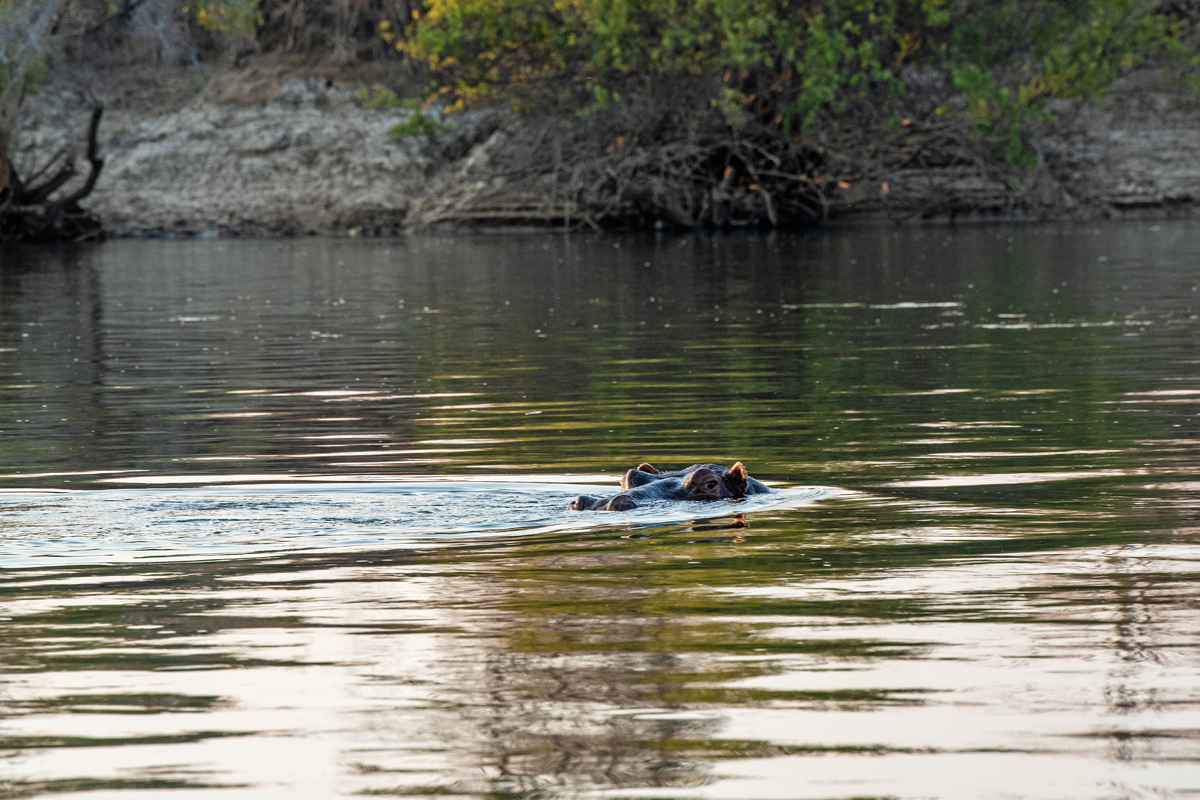
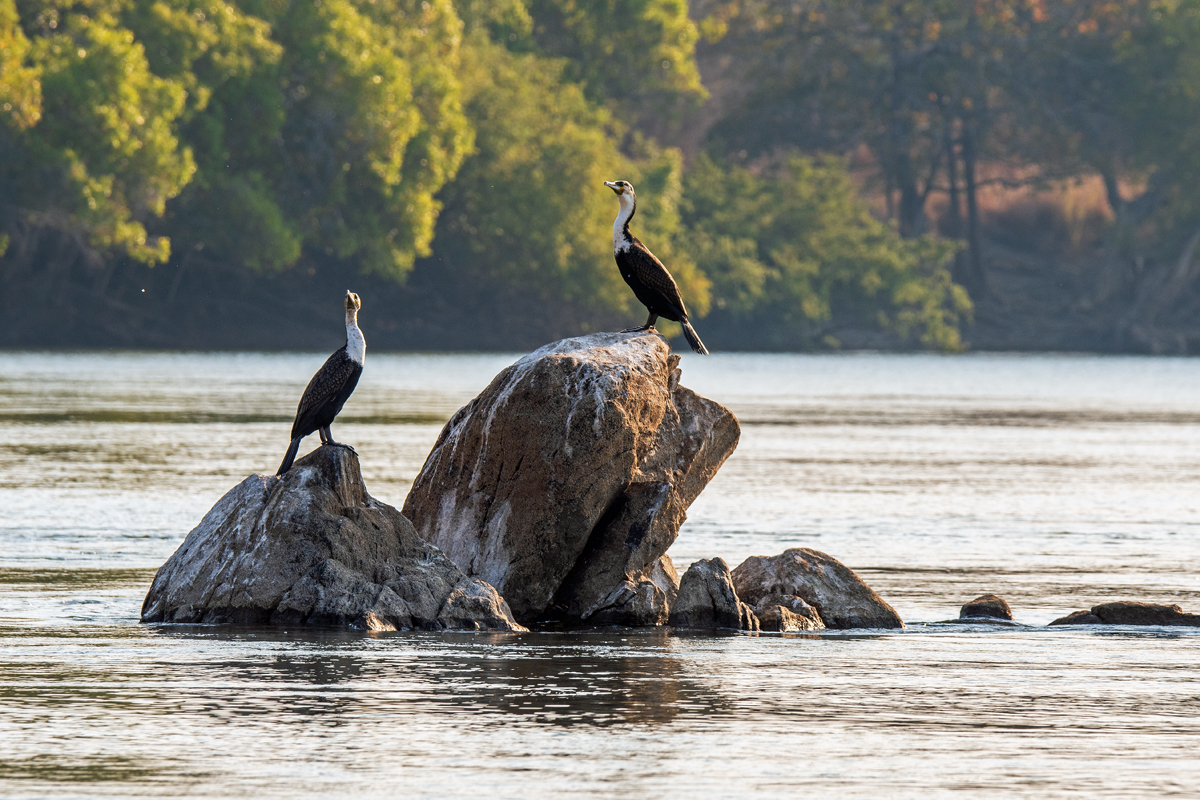
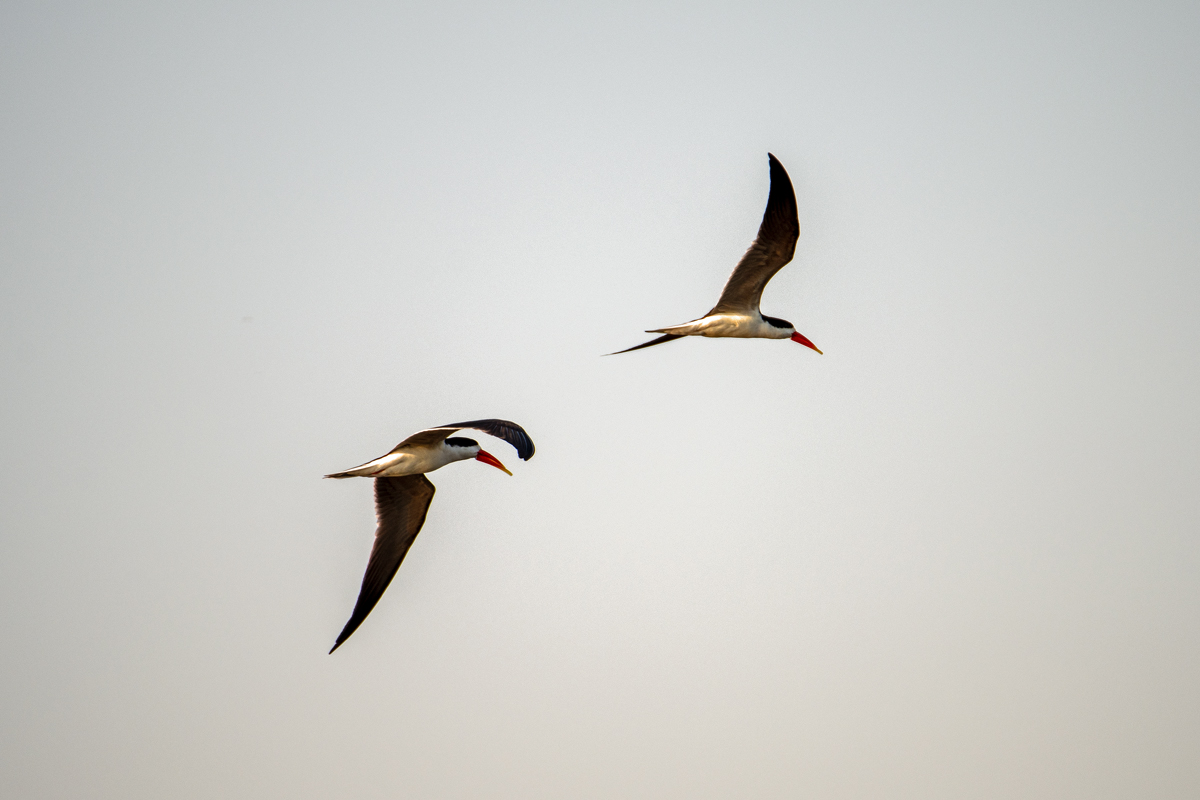
The park is home to more than 160 mammal species as well as 500 bird species, only giraffe, tsessebe and rhinos are missing, the latter because of being poached to extinction in the past. At least, there are thousands of elephants roaming through the area again, and one of the reasons is that the migration corridors of the trans-national Kavango-Zambezi Conservation Area (KAZA) are starting to work, connecting Zambia’s protected areas with those in Angola, Namibia, Botswana and Zimbabwe. But the annual wildfires are a problem, sometimes set by the park management, sometimes by poachers, and as a result, the animals must move to other regions to find food. After the wildfires, wide areas of savanna and scrubland appear bleak and hostile, apart from tsetse flies which can be a real nuisance.
Mehr als 160 Säugetierarten und knapp 500 Vogelarten bietet der Park ein Zuhause, nur Giraffen, Leierantilopen und Nashörner fehlen, letztere, weil sie bis zur Ausrottung gewildert wurden. Immerhin ziehen wieder Tausende Elefanten durch das Gebiet, auch, weil die Migrationskorridore des transnationalen Kavango-Zambezi-Schutzgebiets (KAZA) zwischen Sambia, Angola, Namibia, Botswana und Simbabwe inzwischen ihre Wirkung entfalten. Allerdings machen die alljährlichen Buschbrände, die teils von der Parkverwaltung, teils von Wilderern gelegt werden, den Tieren zu schaffen, die dann in andere Bereiche des Parks ziehen müssen, um Nahrung zu finden. Dann präsentieren sich weite Teile der Savannen- und Buschlandschaft trostlos und lebensfeindlich, abgesehen von den Tsetsefliegen, die zu einer echten Plage werden können.
 docugrAfrica
Welch eine Entdeckung vor allen Dingen deine Hintergrundinformationen finde ich sehr interessant. Reise mit deinen wunderschönen Fotos immer mit.
Frage nochmals, nach eine, Fotoband von dir, wenn es dies gibt, bitte ich um Info, danke
LikeLike