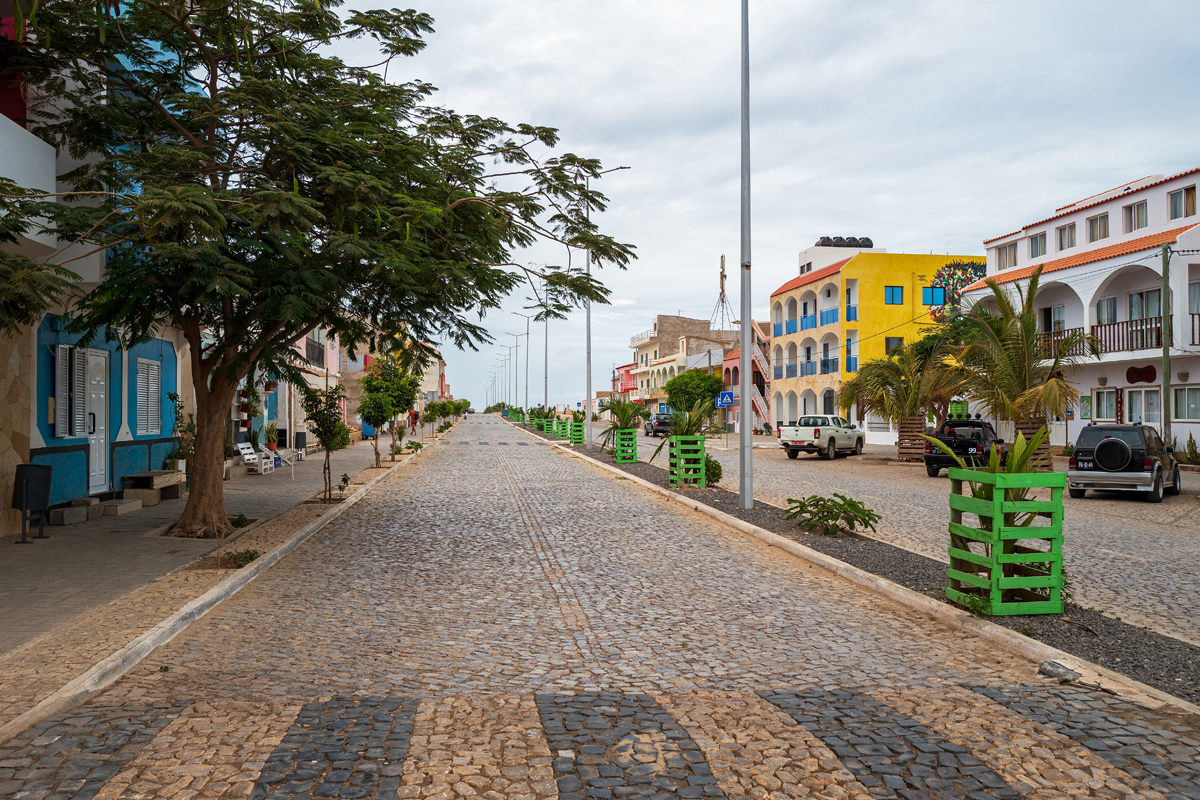
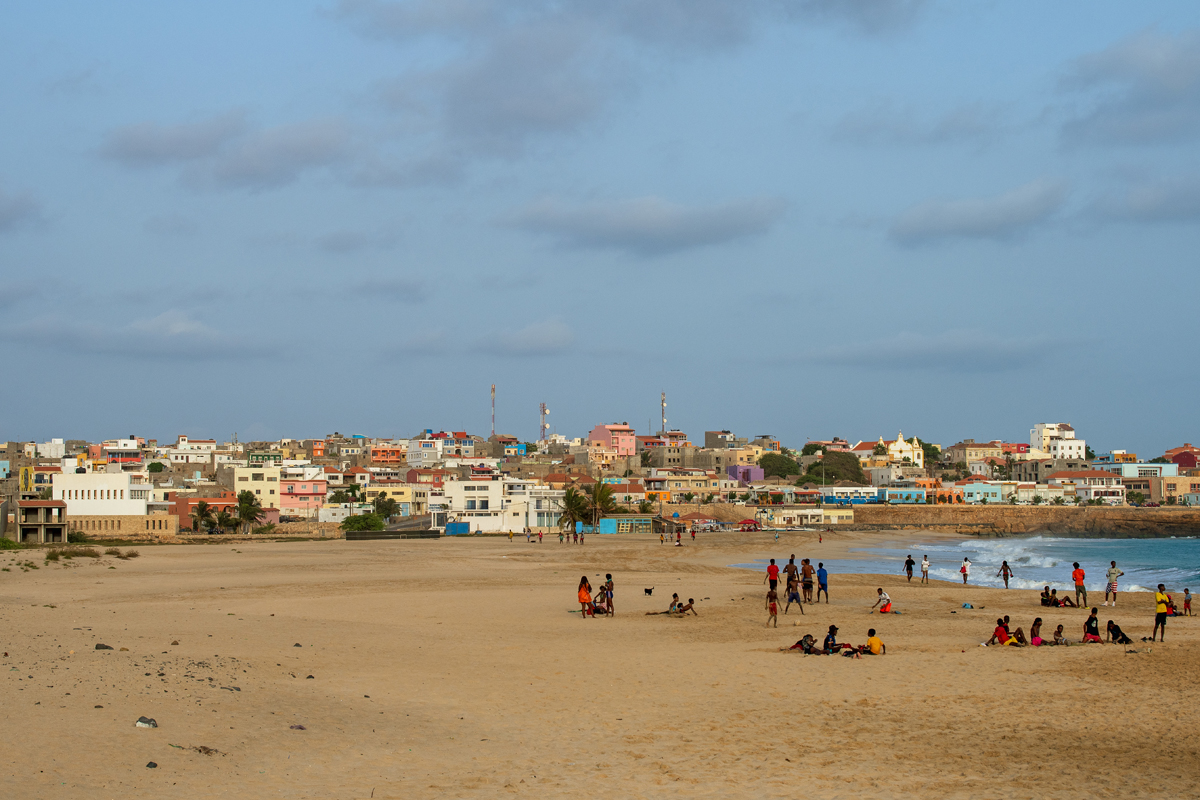
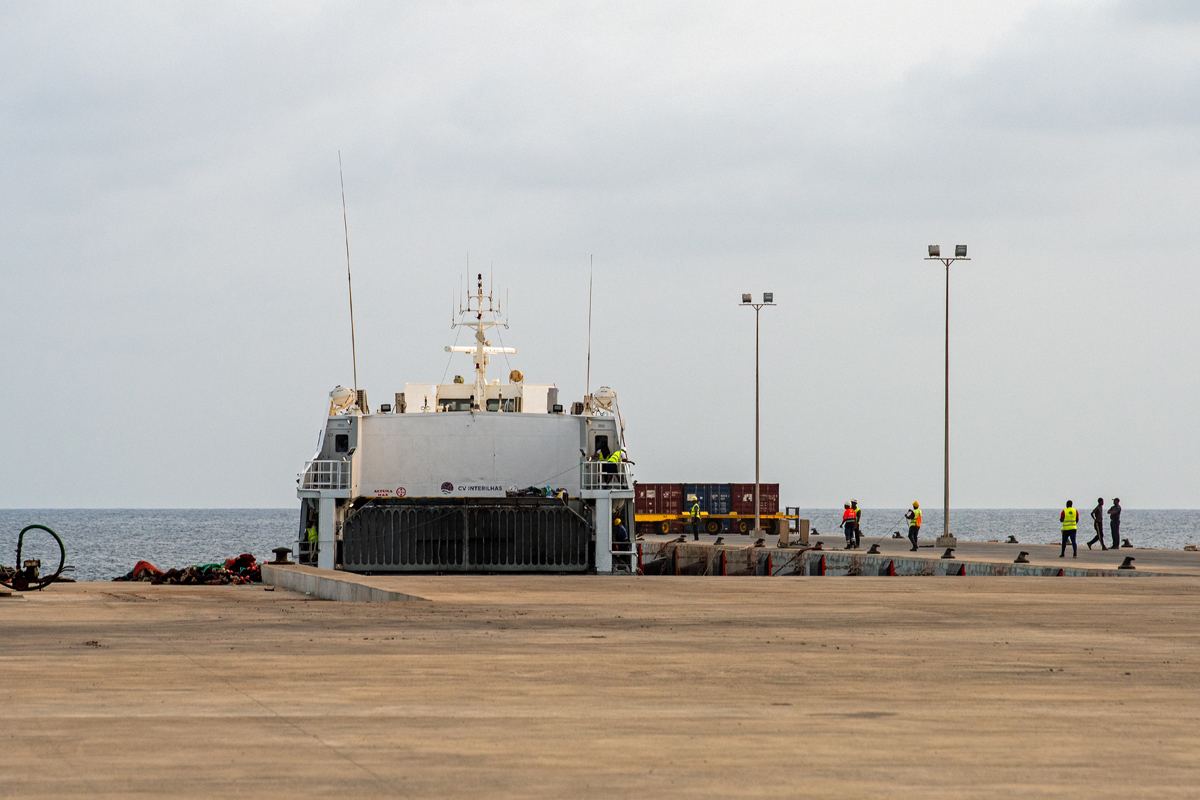
The capital of Maio is located at the southwestern tip of the island and has the only decent port. Some 3.000 or 4.000 people are living there, and all the island´s students attend high school in town. Maio had been discovered in 1460 but was of no further interest because of being barren and hostile. Nevertheless, the Portuguese settled the island with slaves as shepherds for the livestock they brought there to produce meat for Cidade Velha on Santiago as well as for all the slave trade ships passing by.
Die Hauptstadt Maios liegt an der Südwestspitze der Insel und verfügt über den einzigen echten Hafen. Etwa 3.000 bis 4.000 Menschen leben in der Stadt, und alle Schüler der Insel gehen dort auf die einzige weiterführende Schule. Maio wurde zwar bereits 1460 entdeckt, war aber erst einmal von keinem weiteren Interesse für die Portugiesen, weil sie so karg und lebensfeindlich war. Nichtsdestotrotz siedelten sie dort Sklaven an, um Vieh zu halten und damit Cidade Velha auf Santiago und die durchfahrenden Sklavenhändlerschiffe mit Fleisch zu versorgen.


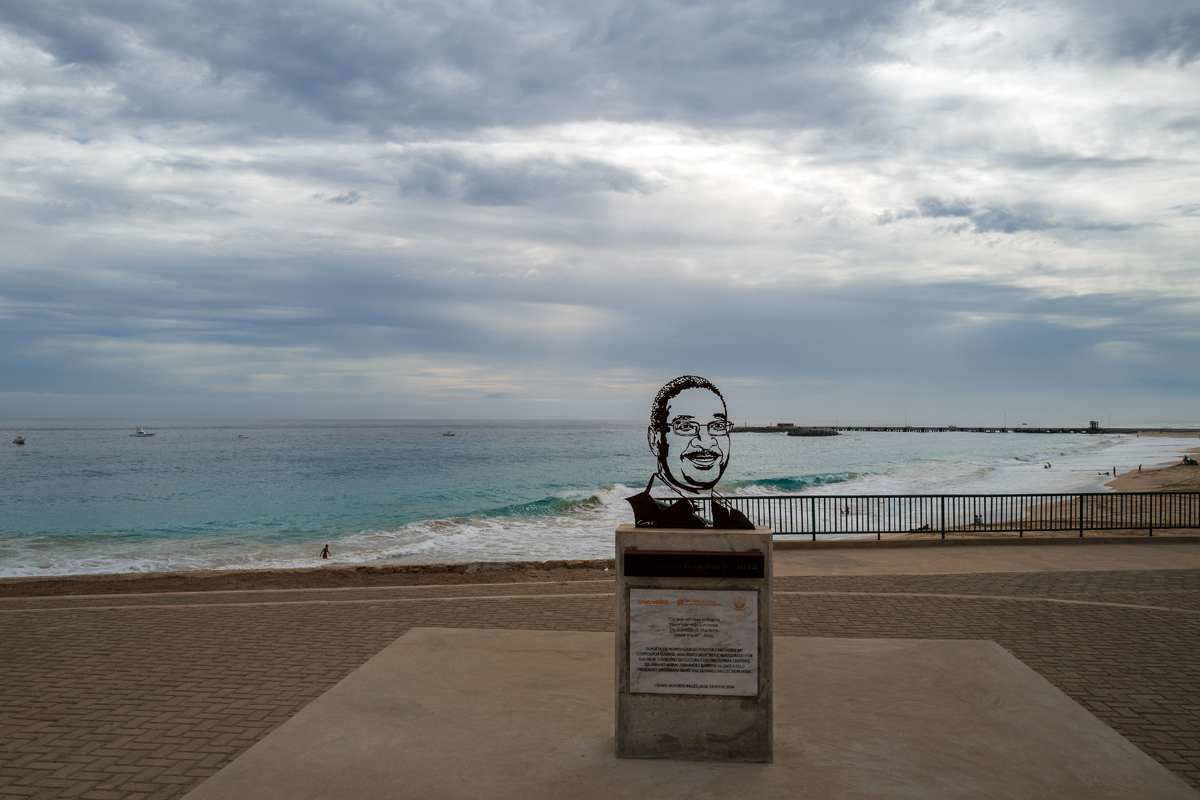
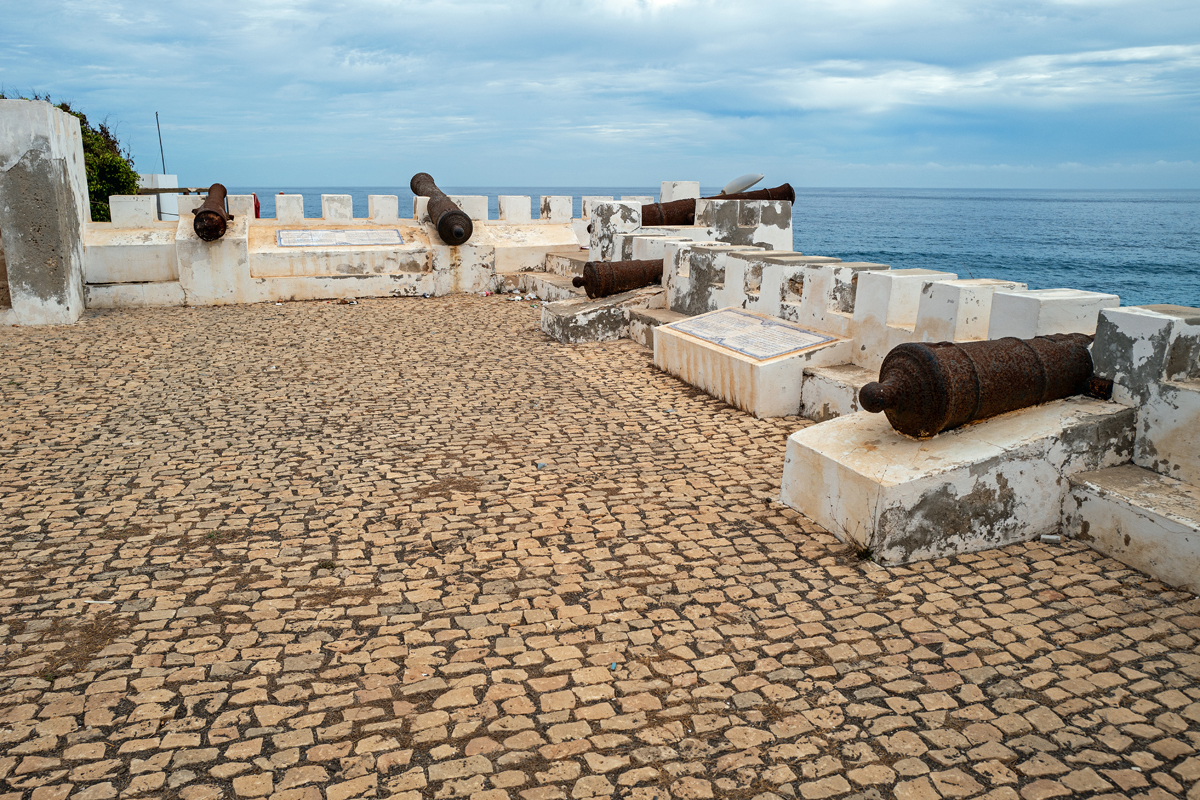
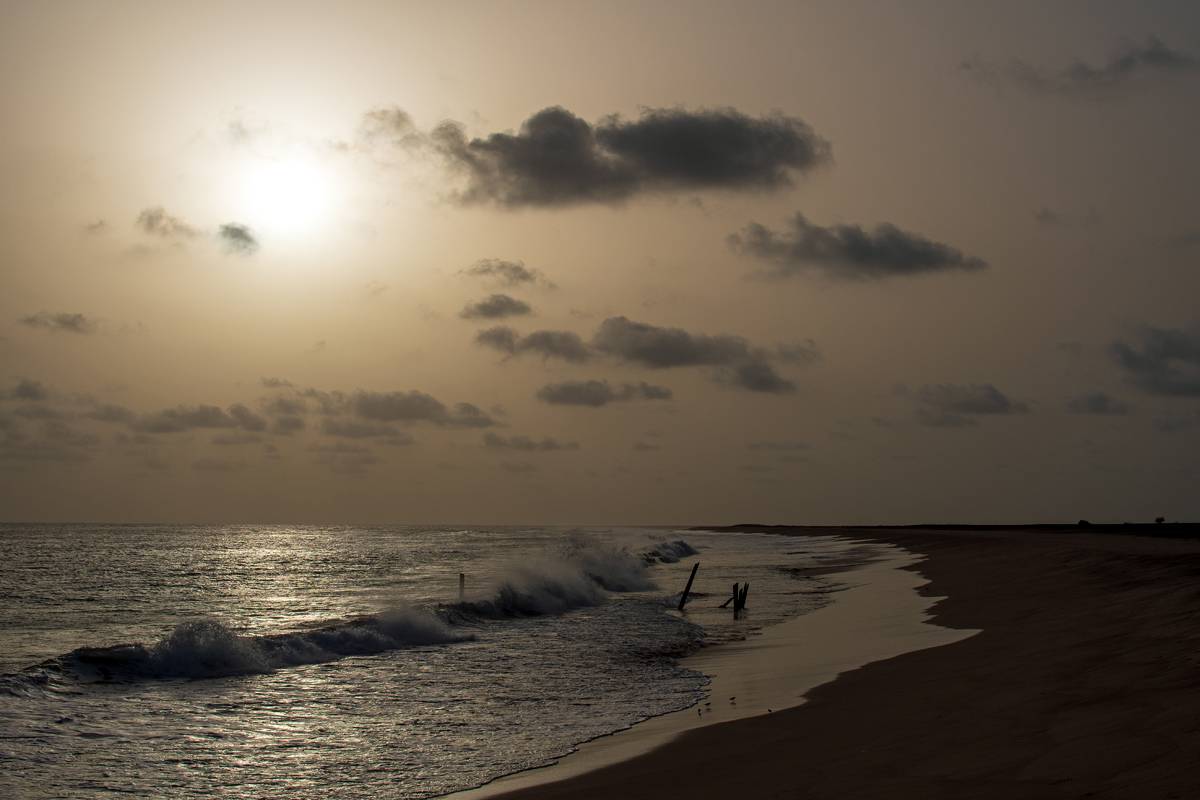
It was only in the 16th century that they started cultivating cotton, and the first free settlers arrived on the island. In order to protect them, the Portuguese built the Fort of São José at the southern end of the central Avenida Amilcar Cabral, from where you have lovely views over the town as well as the port and the furious waves crashing against the rocks below.
Erst im 16. Jahrhundert, als man Baumwolle anzubauen begann, kamen die ersten freiwilligen Siedler auf die Insel. Um sie zu schützen, bauten die Portugiesen das Fort São José am Südende der zentralen Avenida Amilcar Cabral, von wo man einen schönen Blick über die Stadt, den Hafen und die beeindruckenden Wellen hat, die weiter unten gegen die Felsen schlagen.
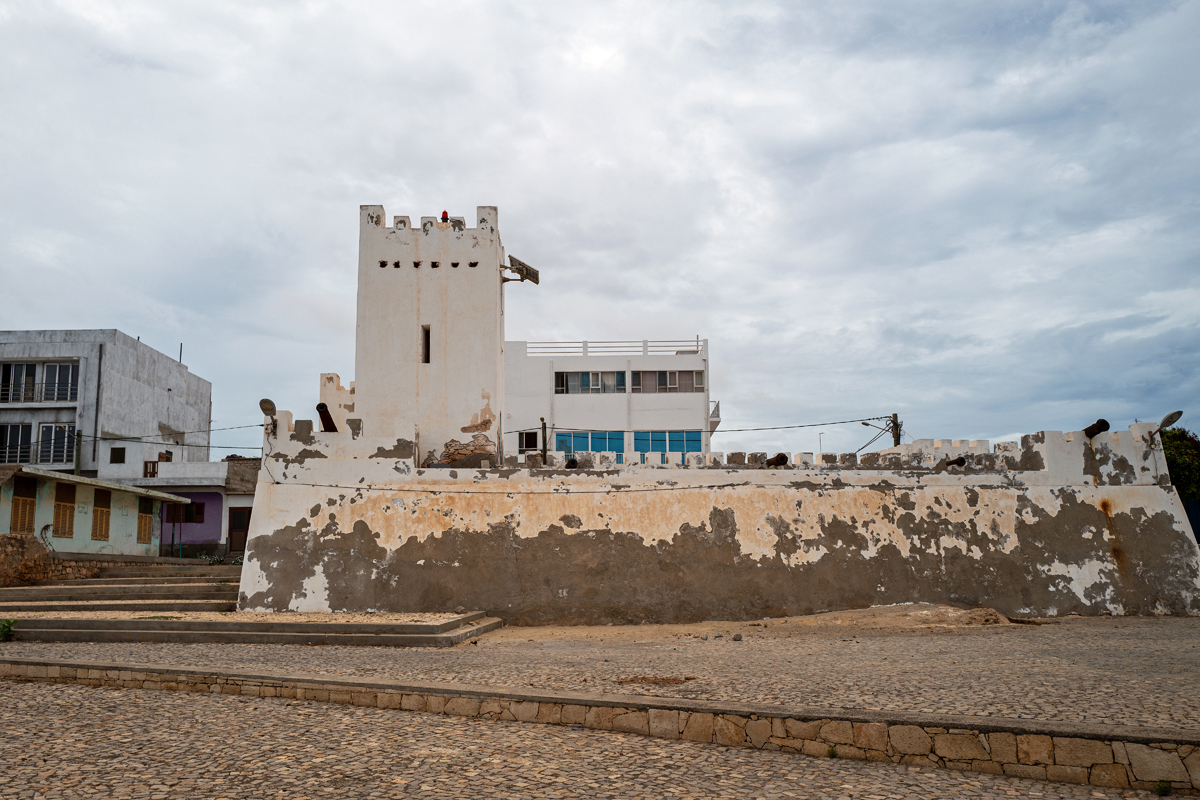

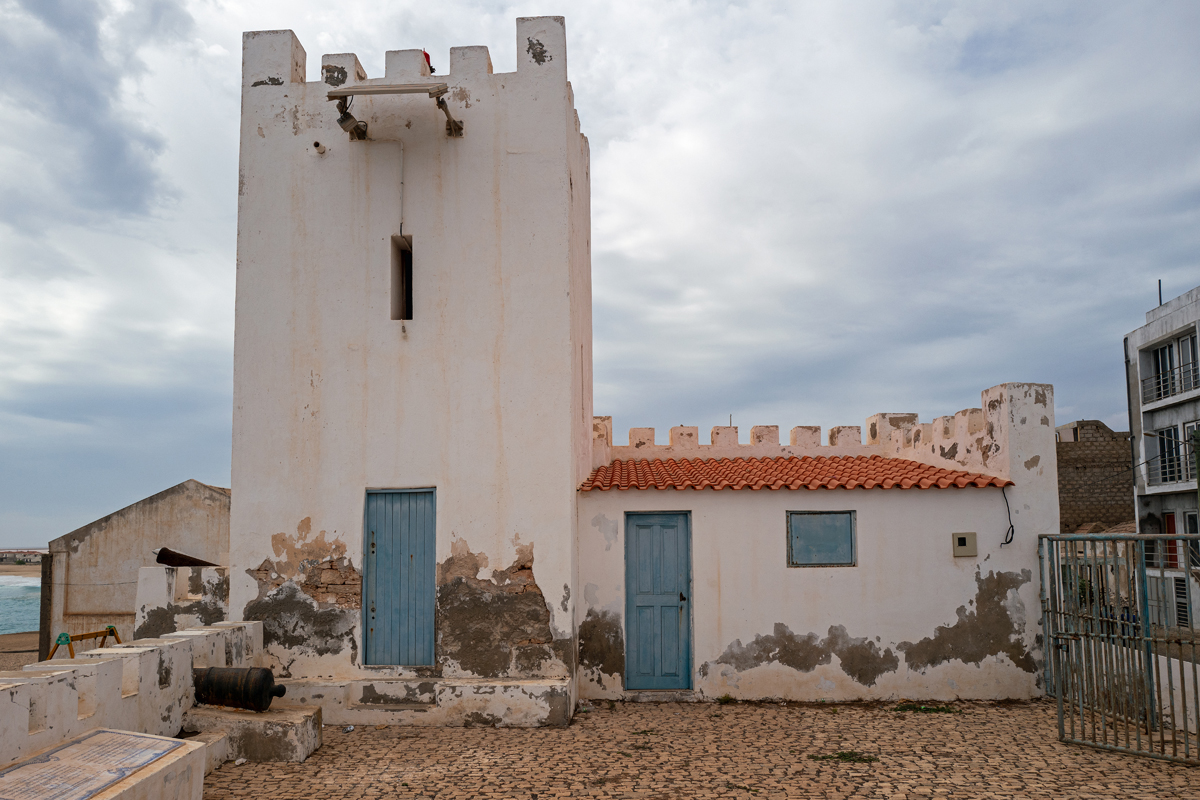
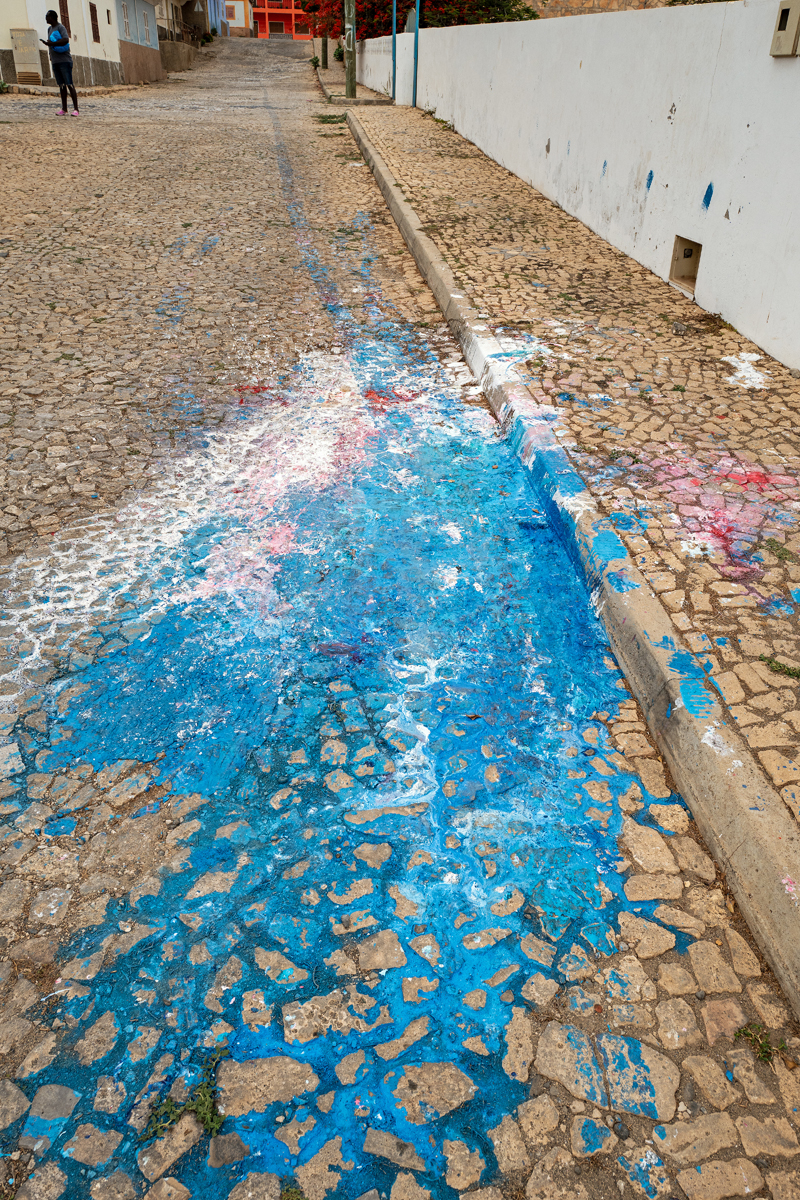
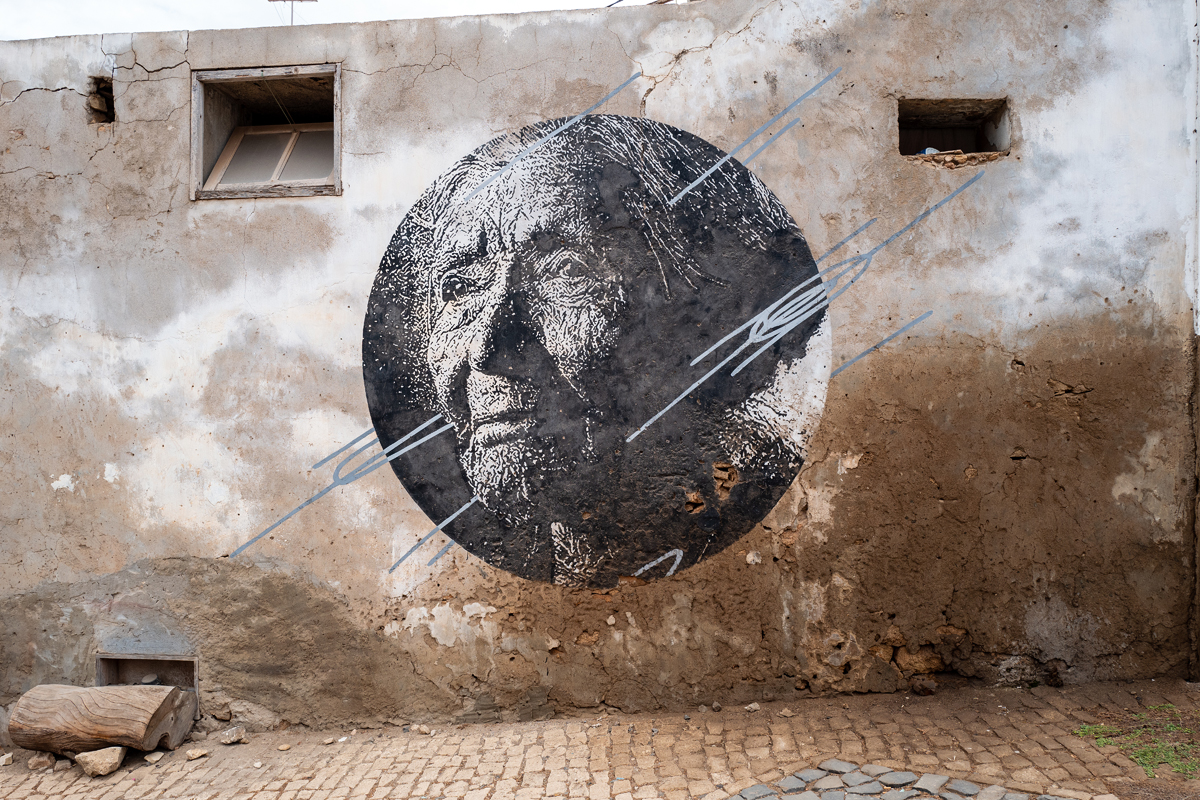
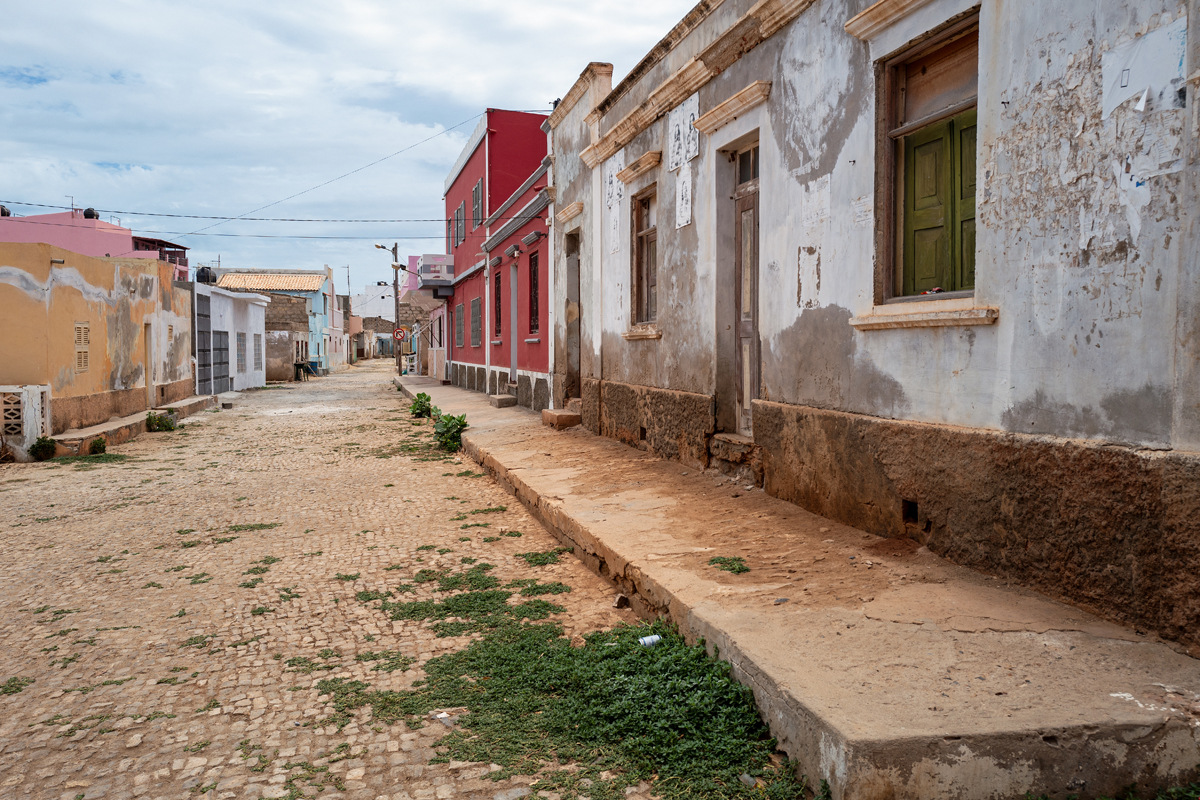
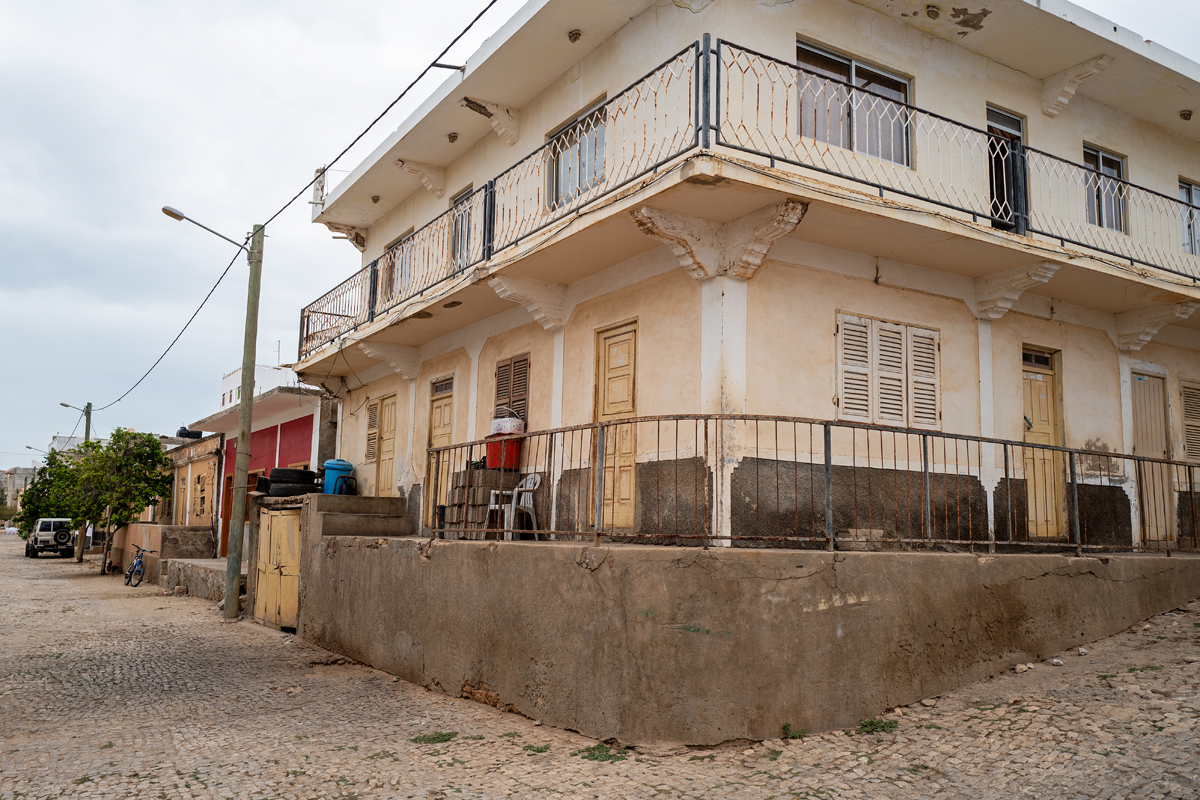
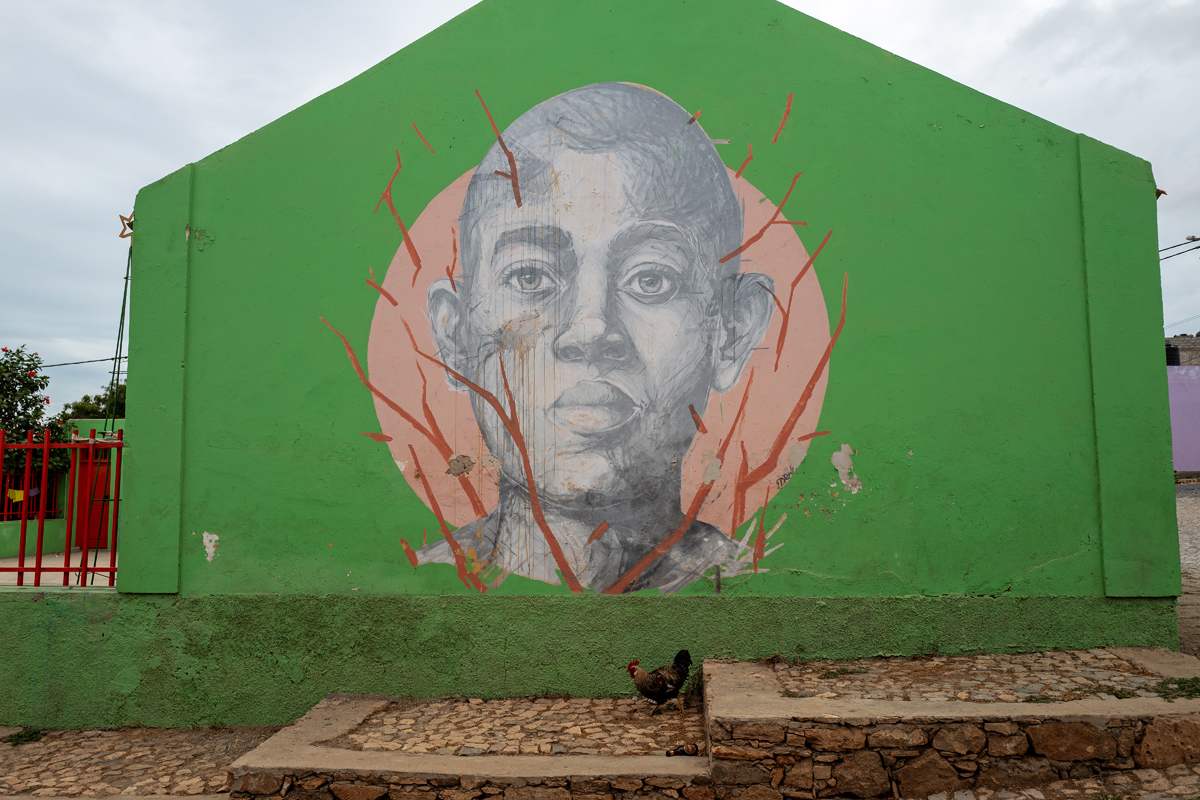
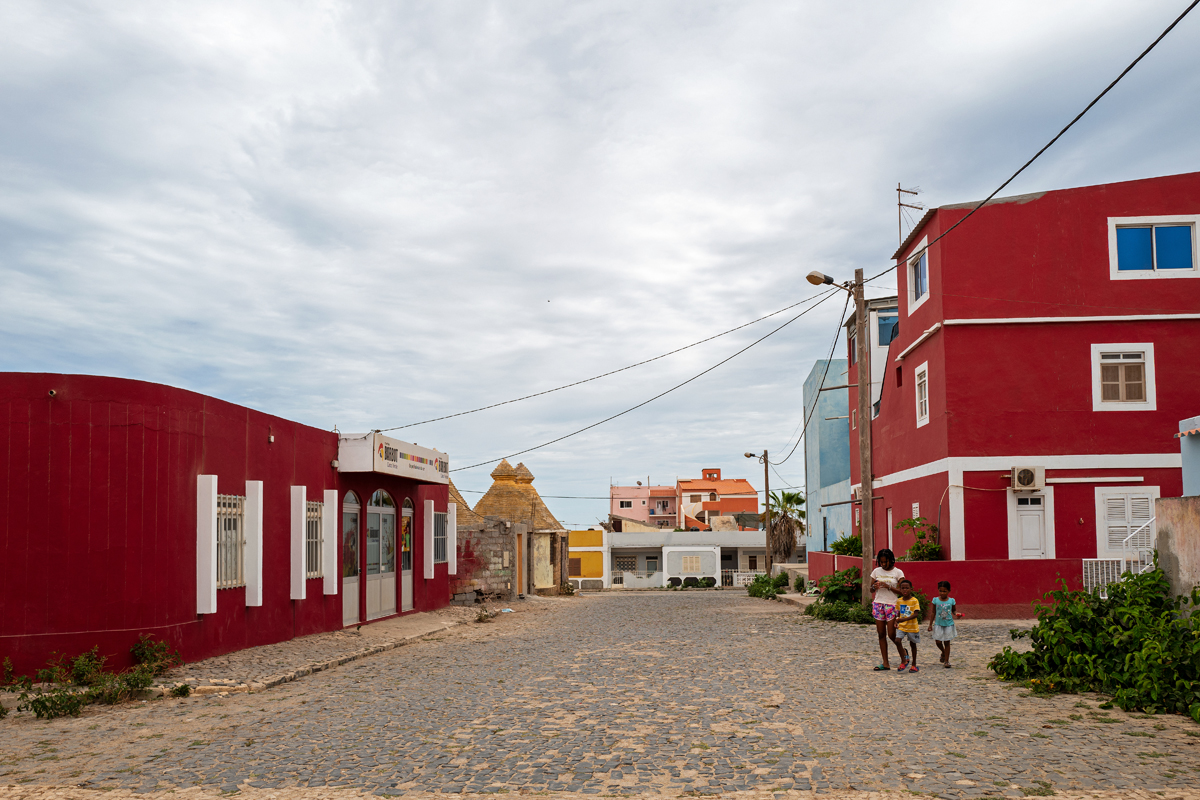
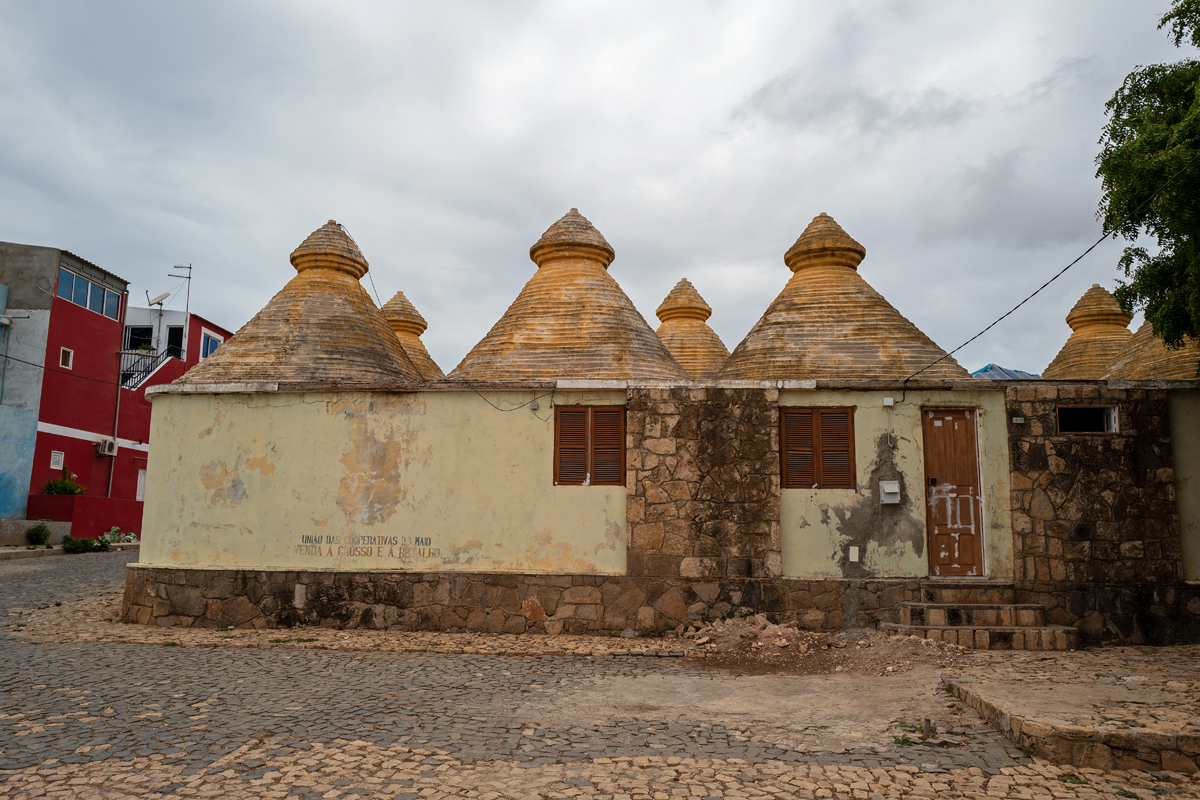
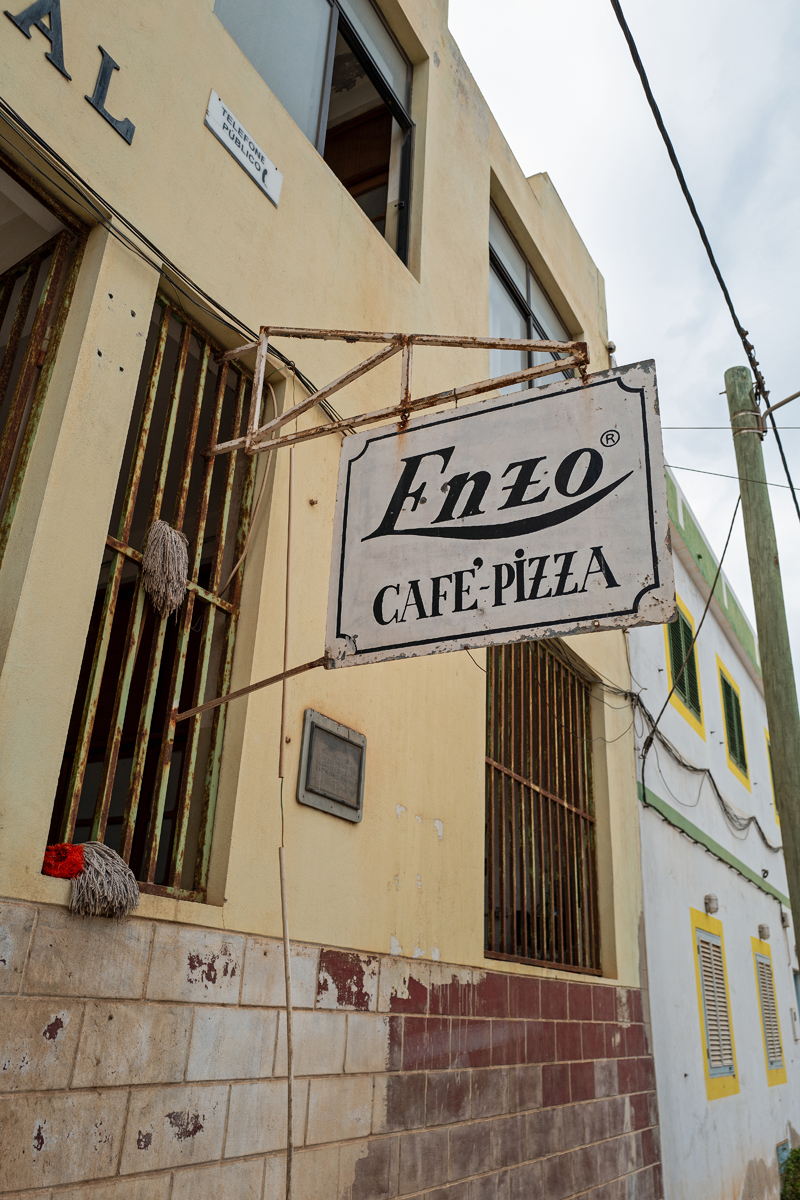
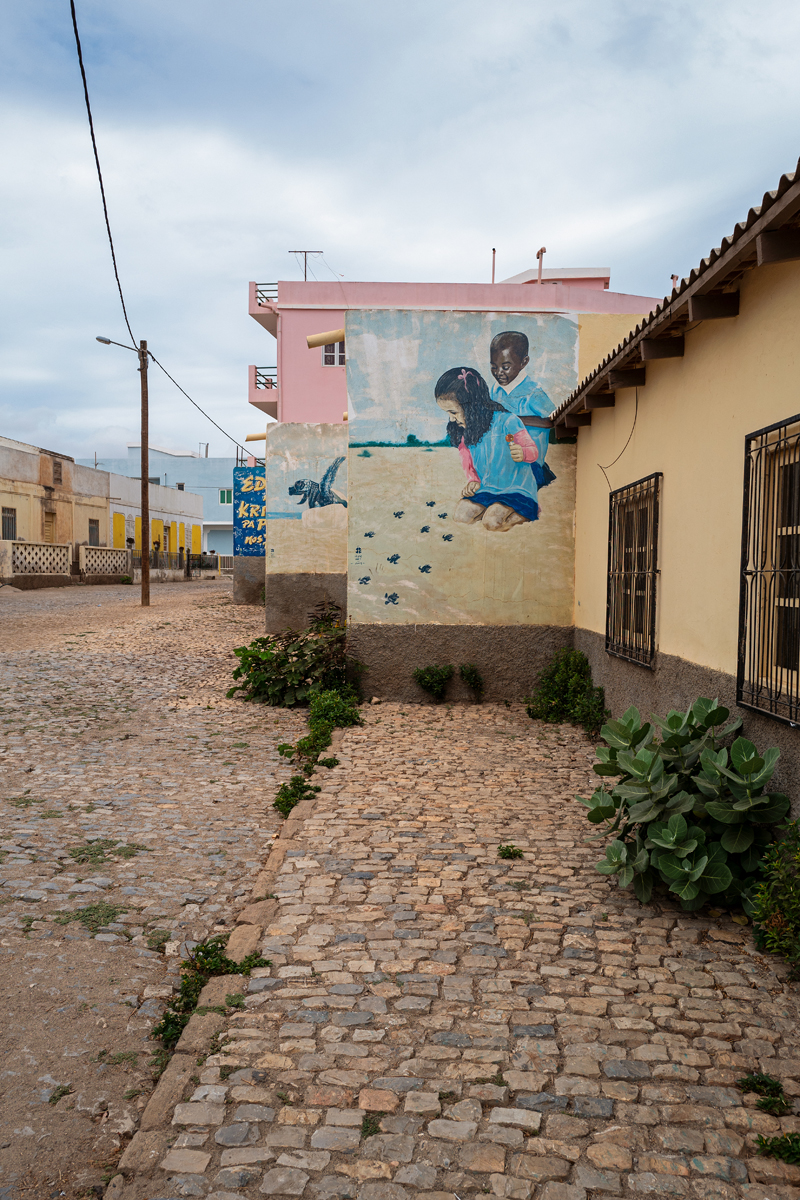
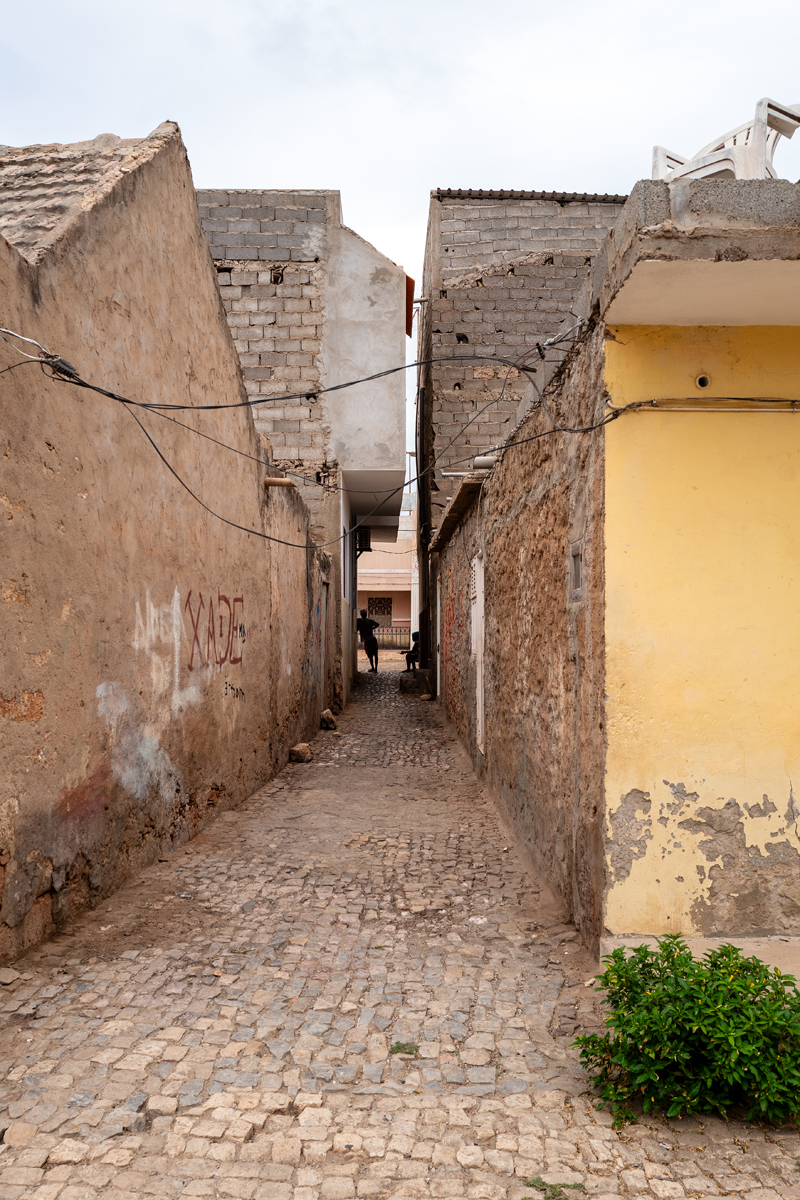
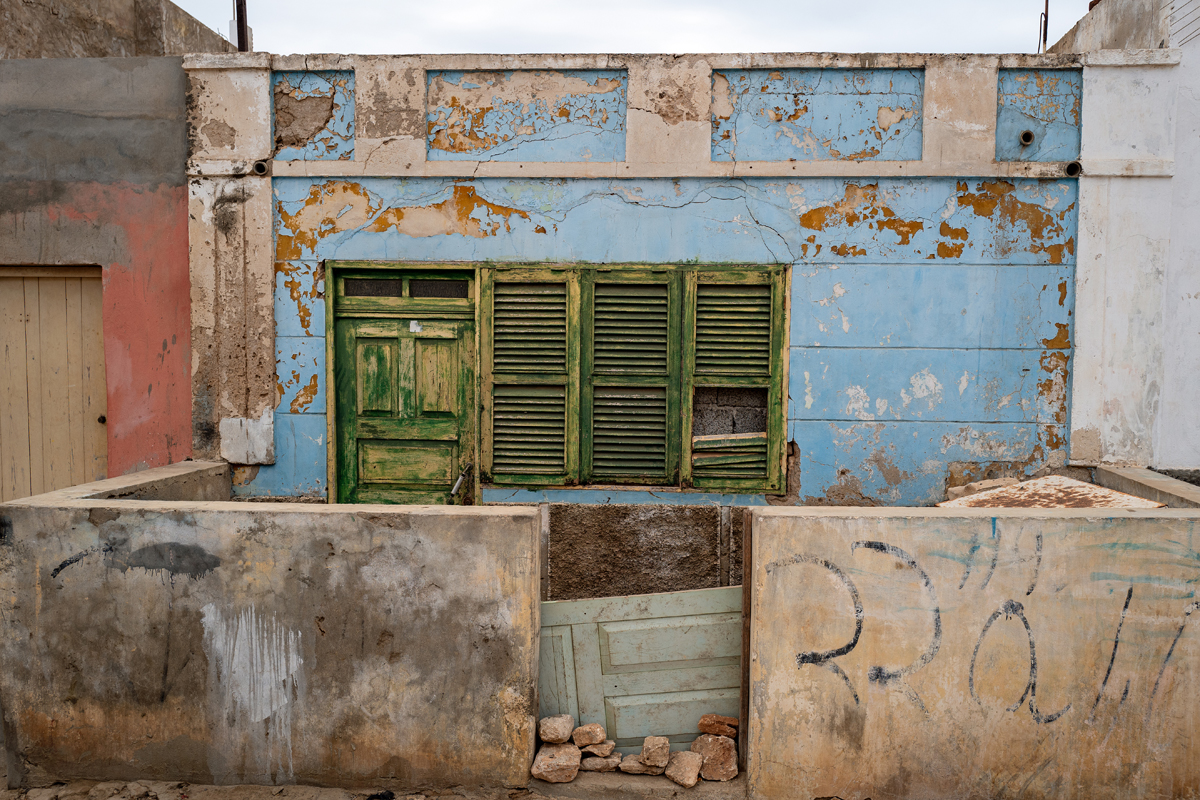
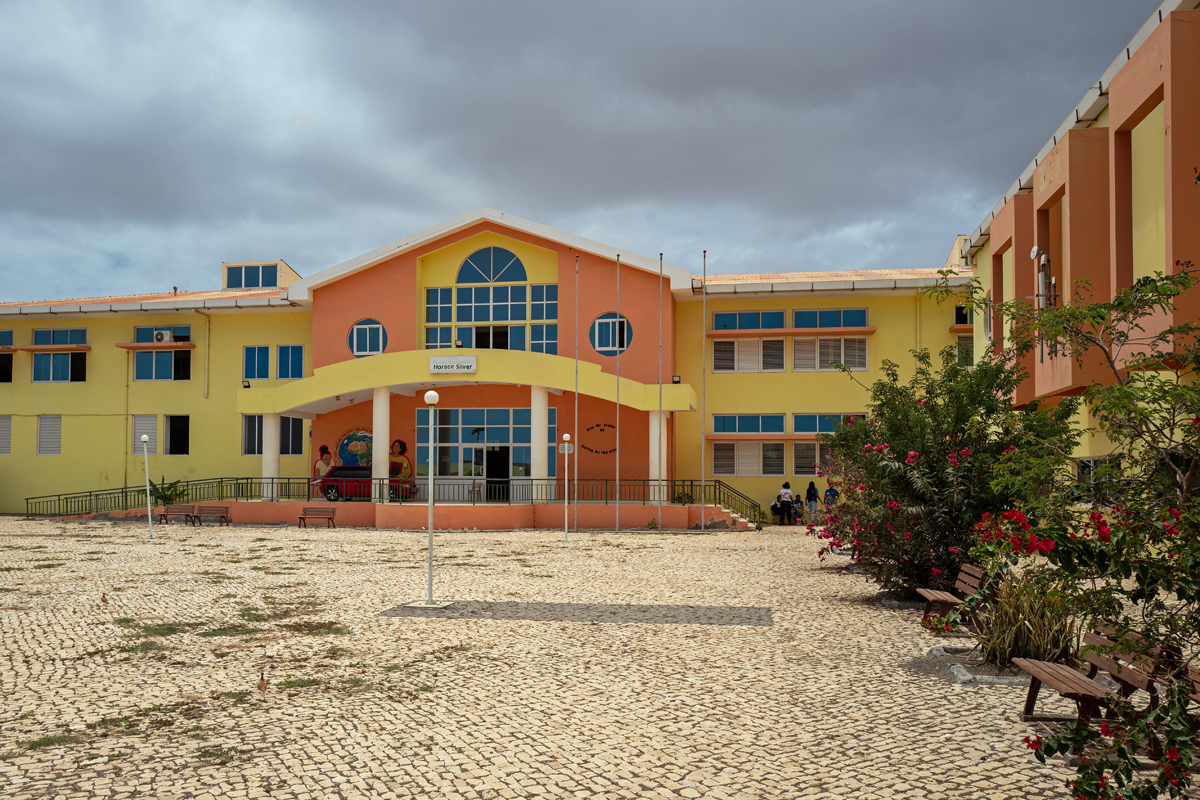
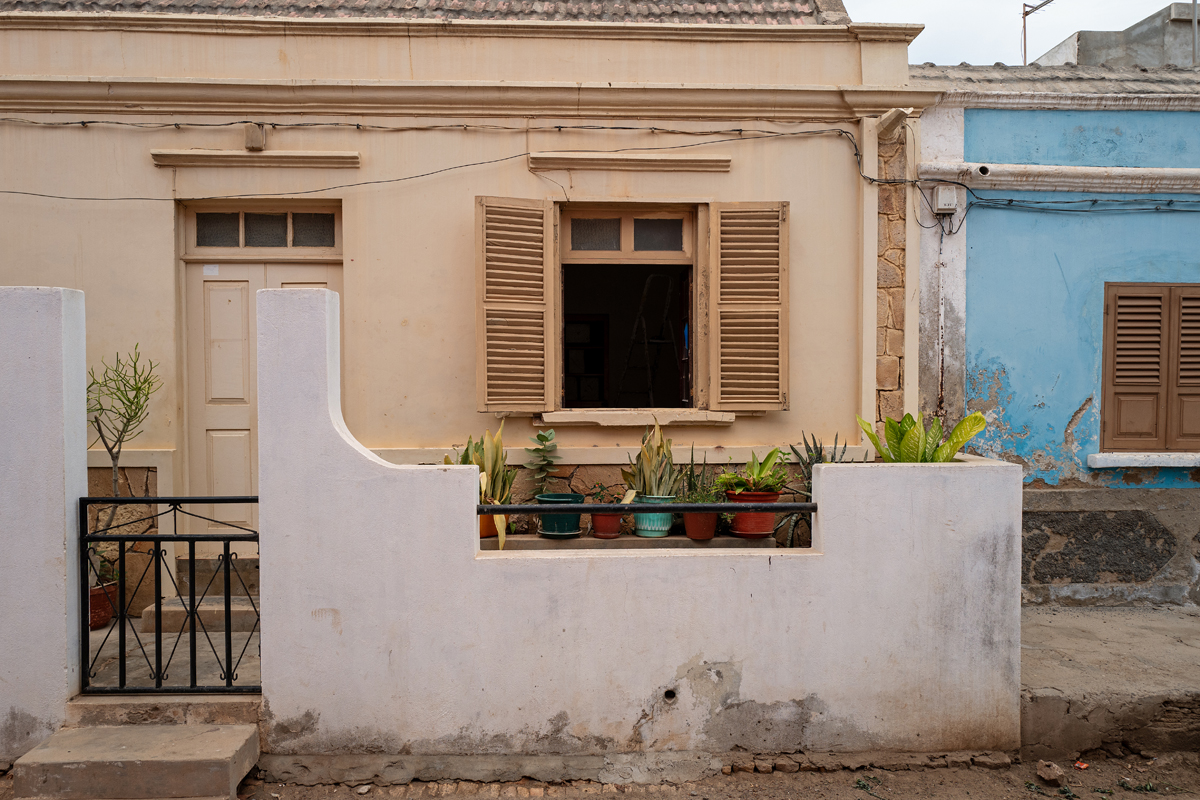
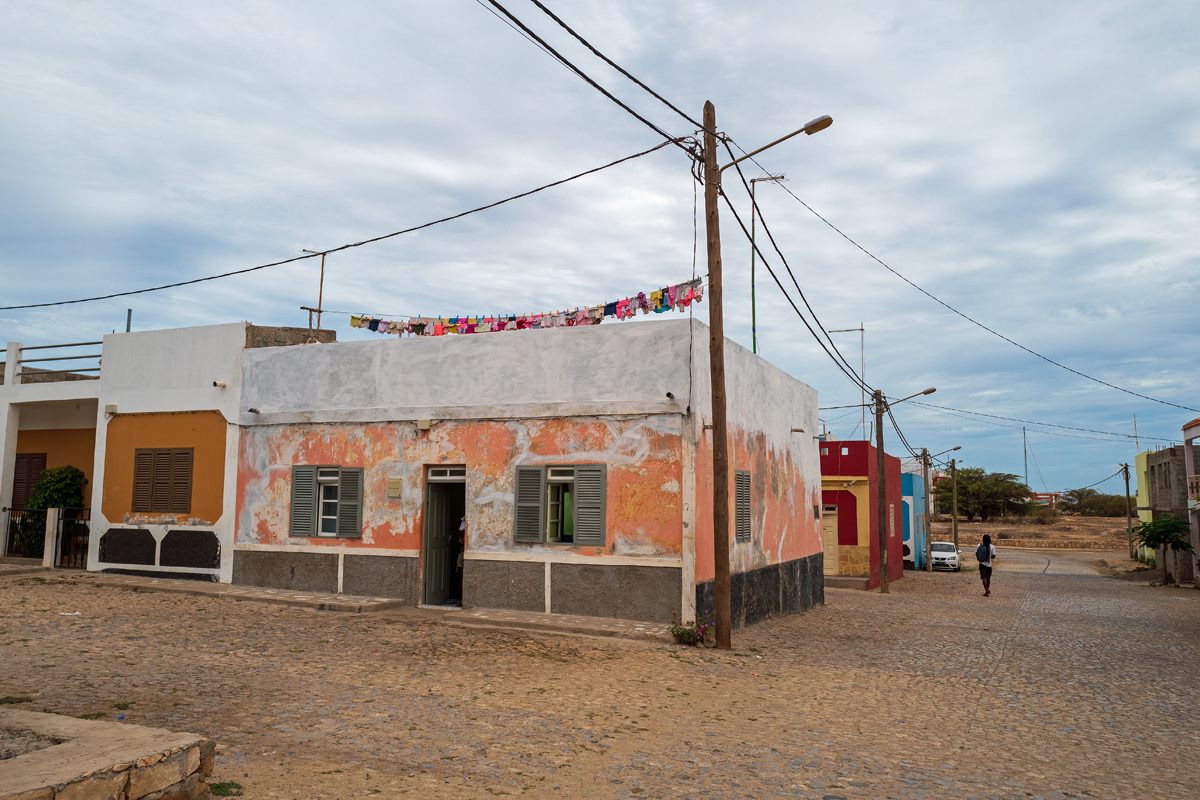
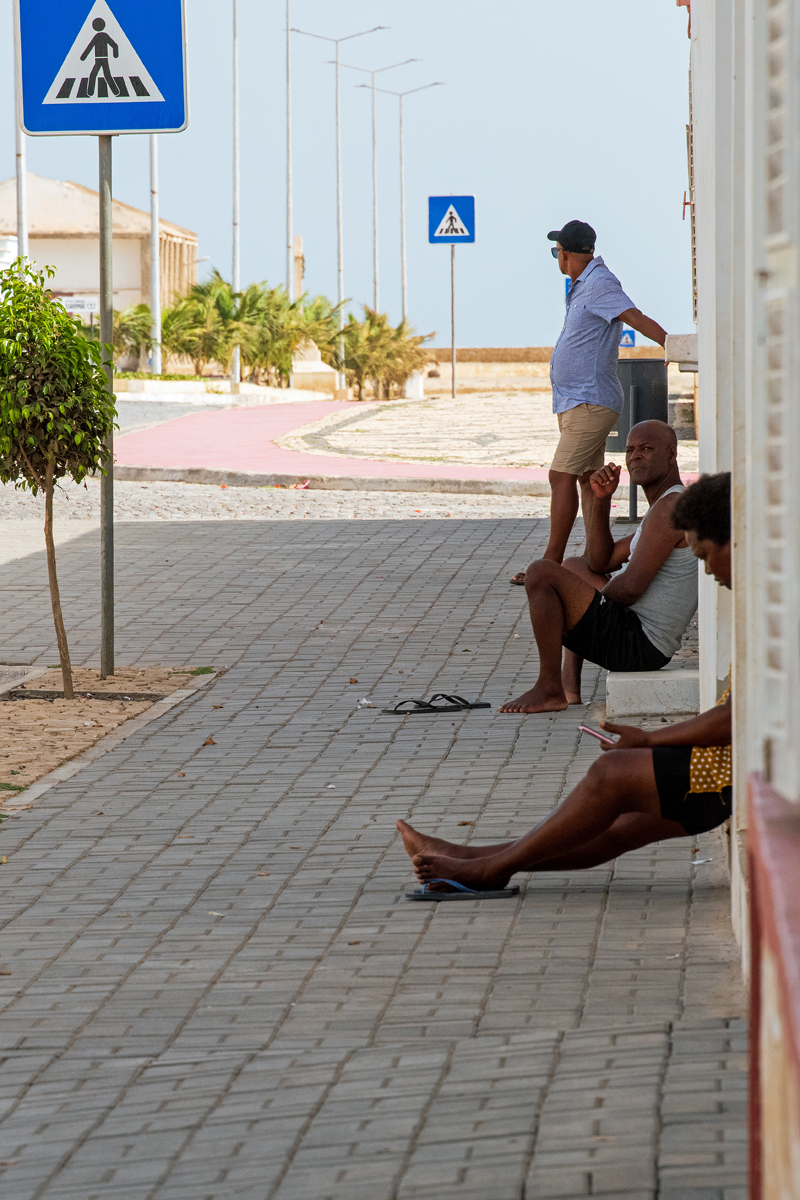
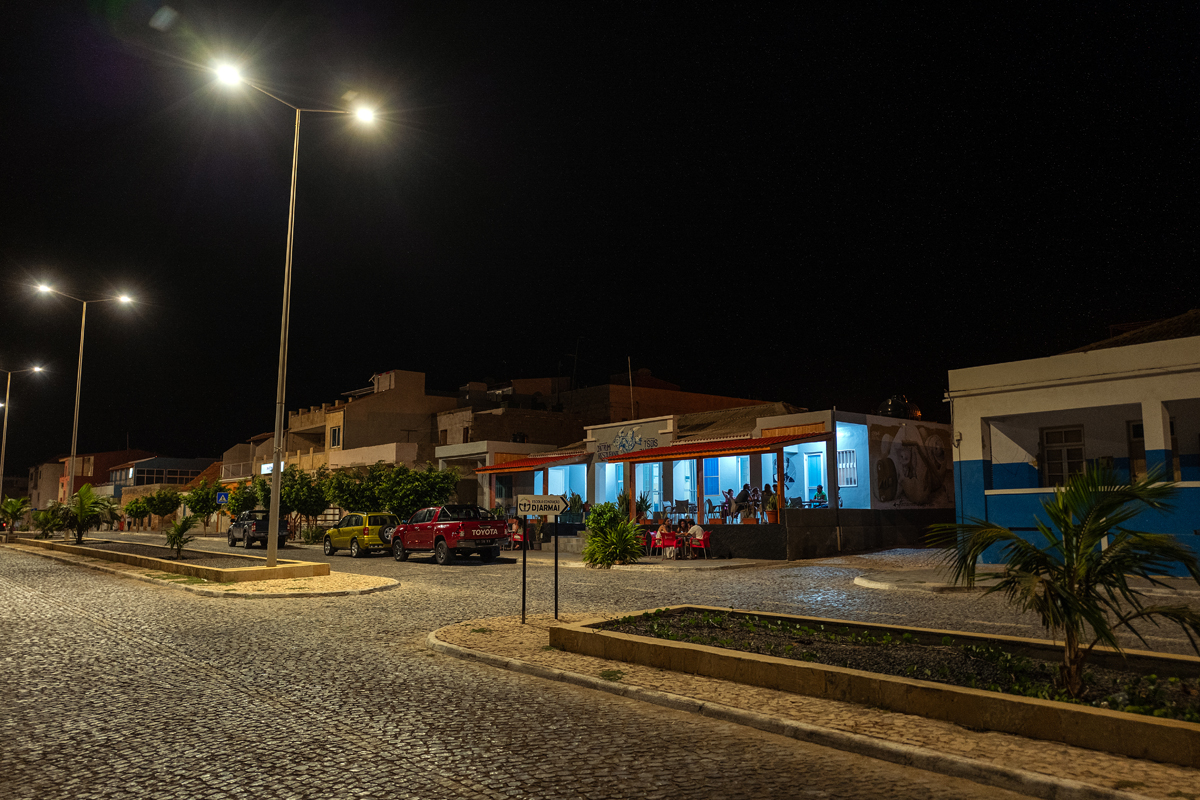
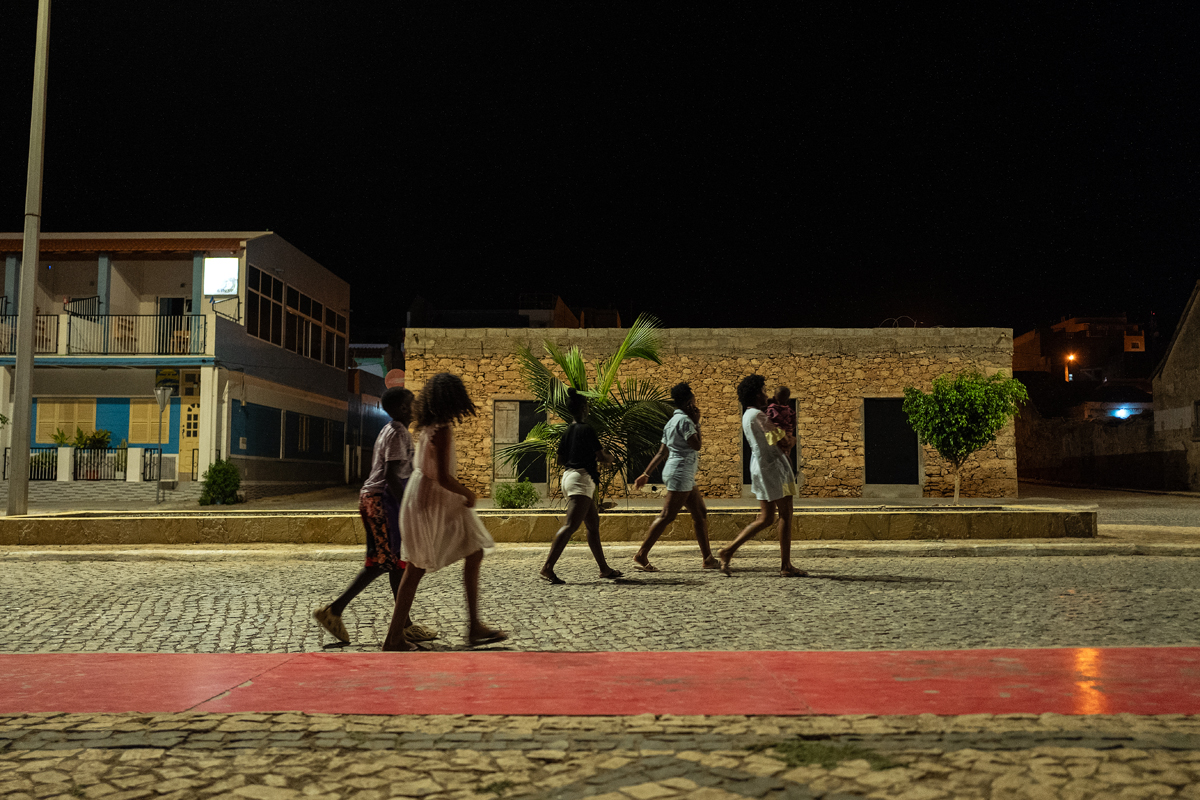
Cidade do Maio itself is the perfect place to take a stroll through the narrow alleyways and past awesome colonial architecture including some stunning Sobrado houses. Many buildings are colourfully painted, some elaborately restored, but also many in different states of decay. And like everywhere in Cape Verde, there are plenty of murals decorating walls and facades all around town.
Cidade do Maio selbst ist der perfekte Ort, um gemütlich durch die manchmal engen Gassen und vorbei an bezaubernder Kolonialarchitektur – darunter traditionelle Sobrado-Häuser – zu schlendern. Viele der Häuser sind in bunten Farben gestrichen, manche wurden aufwändig restauriert, andere befinden sich in verschiedenen Stadien des Verfalls. Und wie überall auf den Kapverden zieren zahllose Wandgemälde die Wände und Fassaden der Stadt.
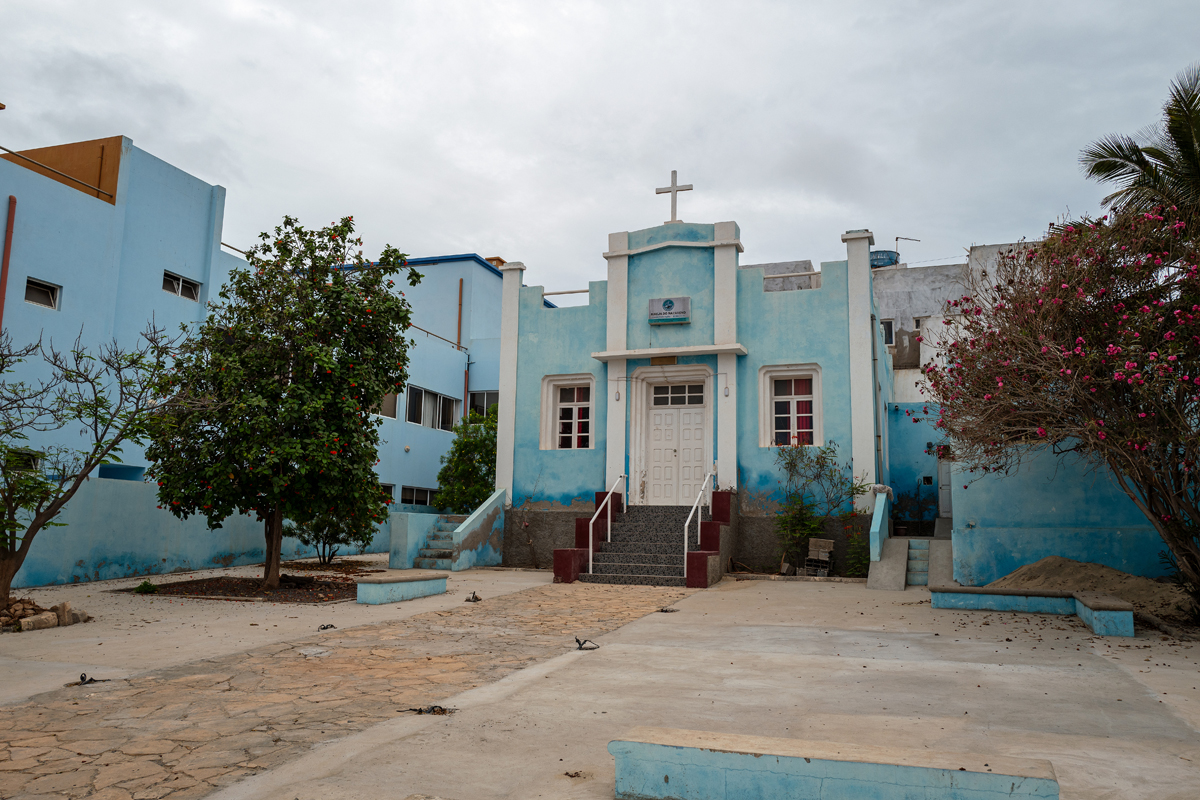

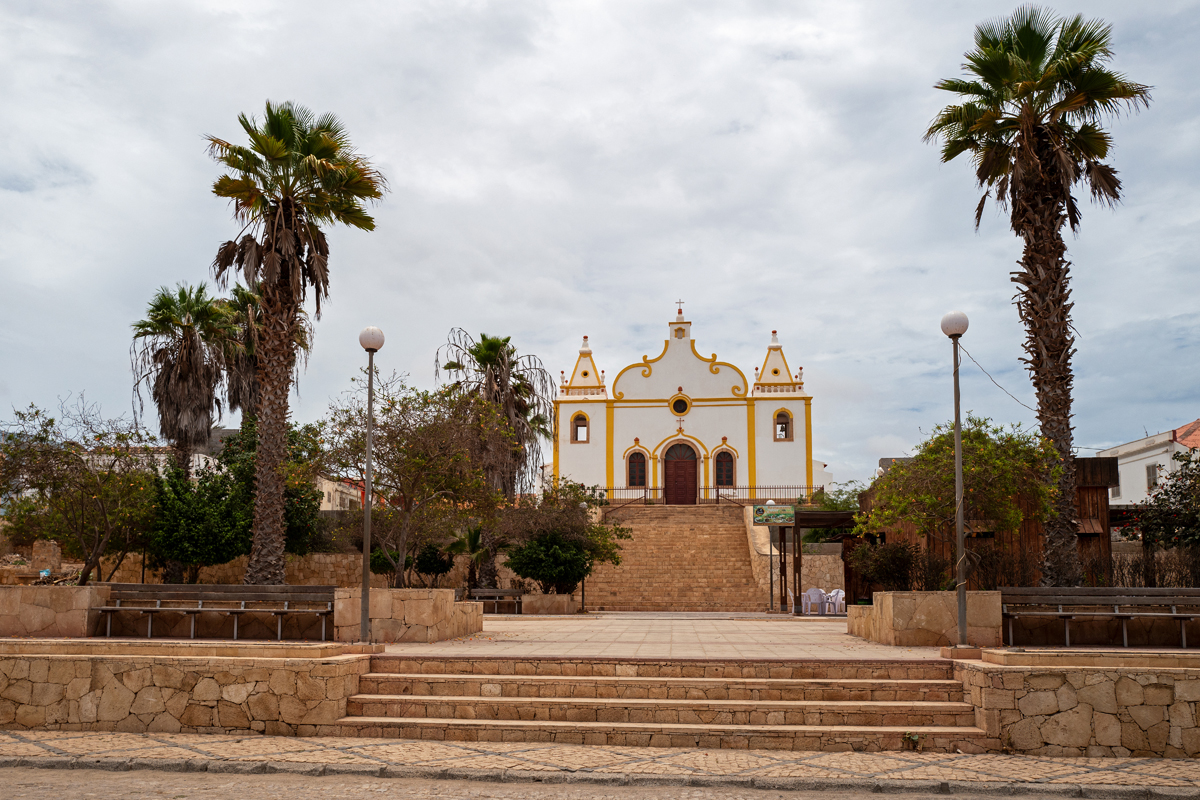

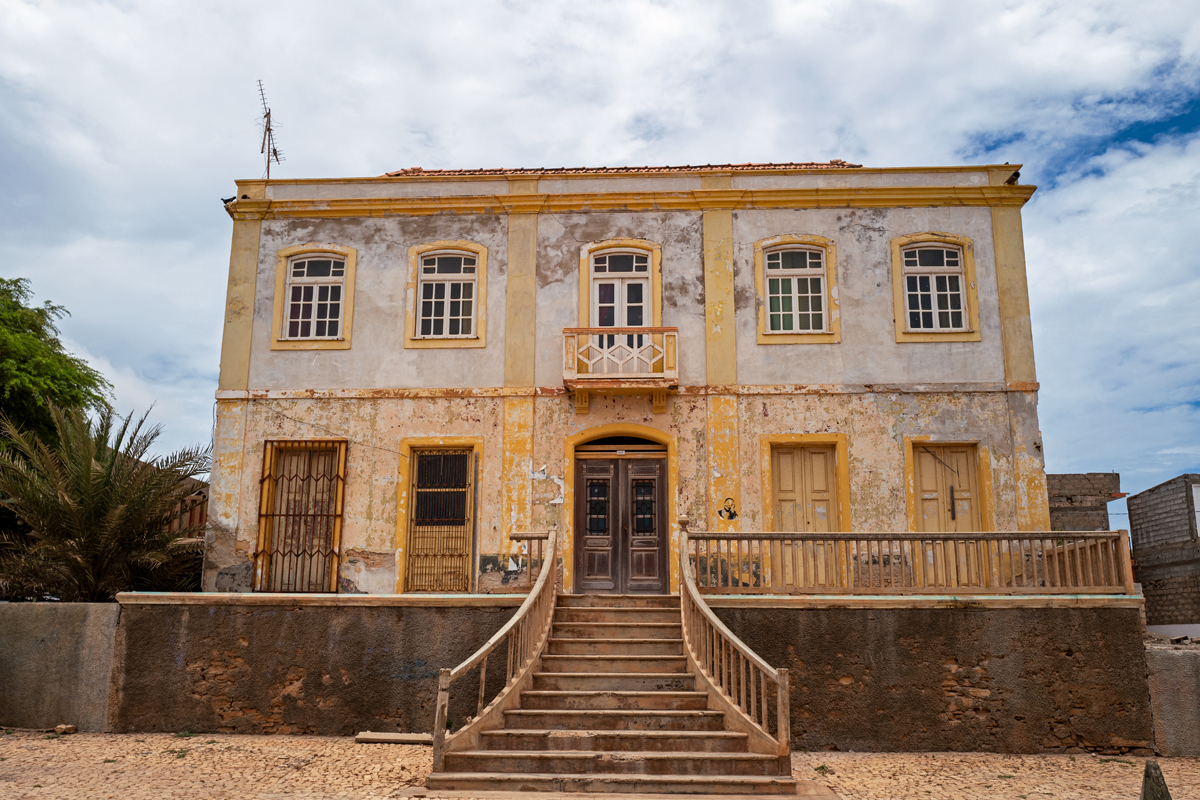
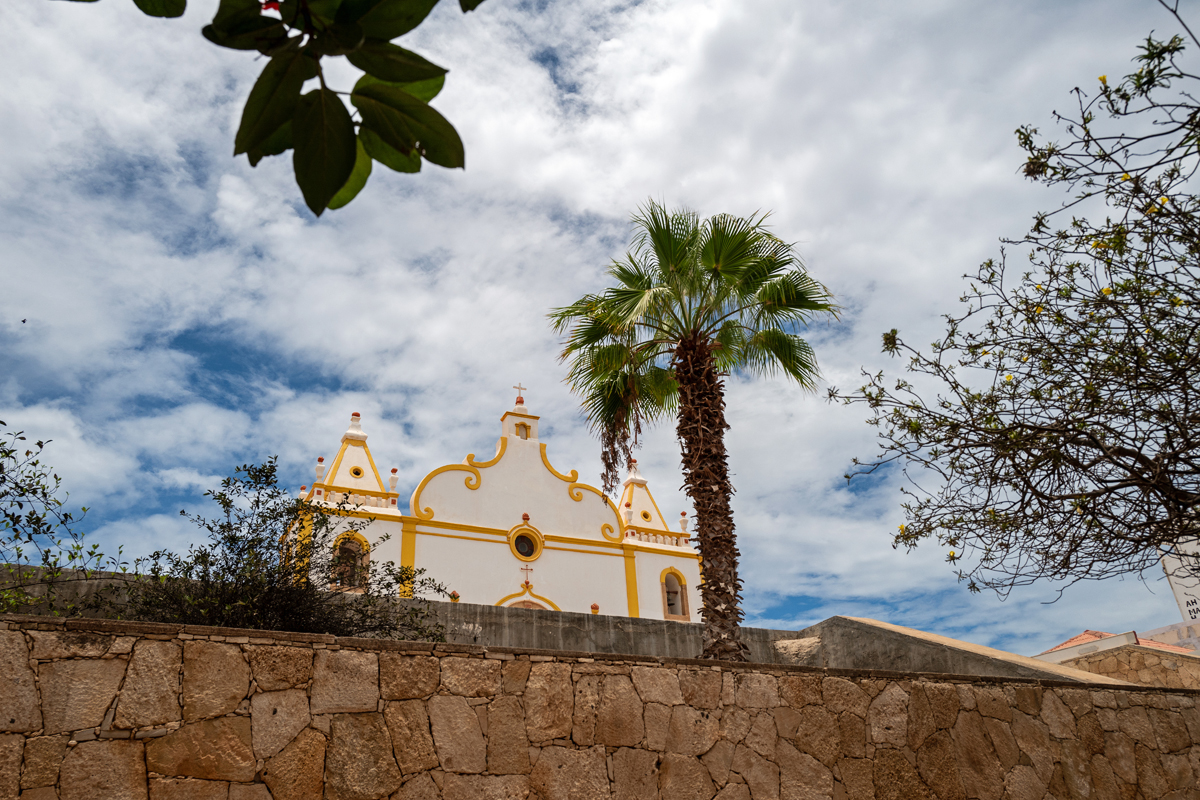
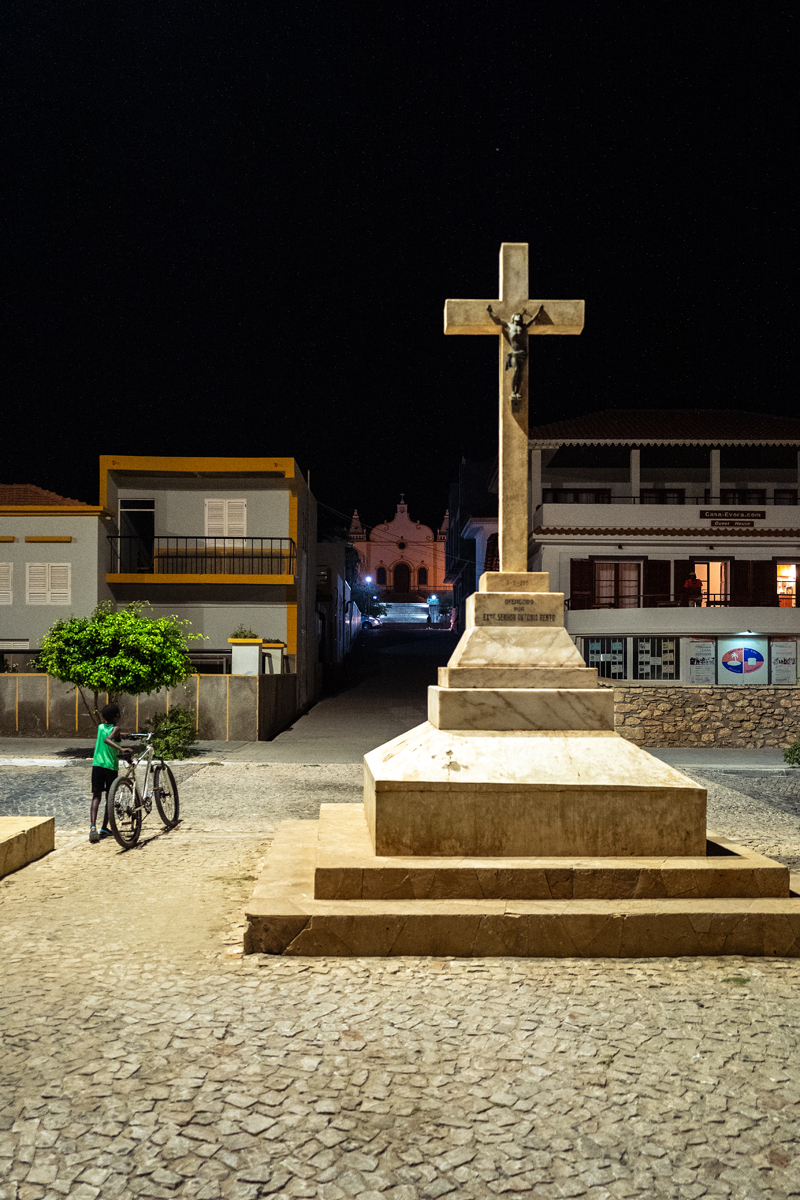
At one of the highest points of town, the church Igreja de Nossa Senhora da Luz is the one landmark of Cidade do Maio. It had been built in 1872 in a Portugese influenced style and to some extent with materials from Portugal. Legend has it that they tried to relocate a picture of Our Lady of The Rosary from the chapel at Monte Penoso to the church, but whenever they tried, it appeared back in the chapel the next morning, so they decided that it could stay in the chapel. The church is surrounded by nice houses of which the one of Antonio Evora is the most impressive, the most beautiful one. The guy had once been the owner of the saltworks north of town and thus the wealthiest man on the island. Today, the yellow Sobrado house is used as the headquarter of the political party PAICV.
An einem der höchsten Punkte steht die Kirche Igreja de Nossa Senhora da Luz, die so etwas wie das Wahrzeichen der Stadt ist. Sie ist 1872 im portugiesischen Stil und zum Teil sogar mit Material aus Portugal erbaut worden. Die Legende besagt, dass damals das Bild der Rosenkranz-Madonna aus der Kapelle am Monte Penoso nach Cidade do Maio hatte umziehen sollen, doch nach jedem Versuch tauchte es am nächsten Morgen wieder am alten Ort in der Kapelle auf, so dass man am Ende beschloss, es dort zu belassen. Die Kirche ist umgeben von schönen Häusern, unter denen jedoch das von Antonio Evora das bei weitem eindrucksvollste und schönste ist. Einst war er der Besitzer der Saline nördlich der Stadt und dadurch der reichste Mann auf der Insel gewesen. Heute wird das gelbe Sobrado-Haus von der politischen Partei PAICV als Hauptquartier genutzt.
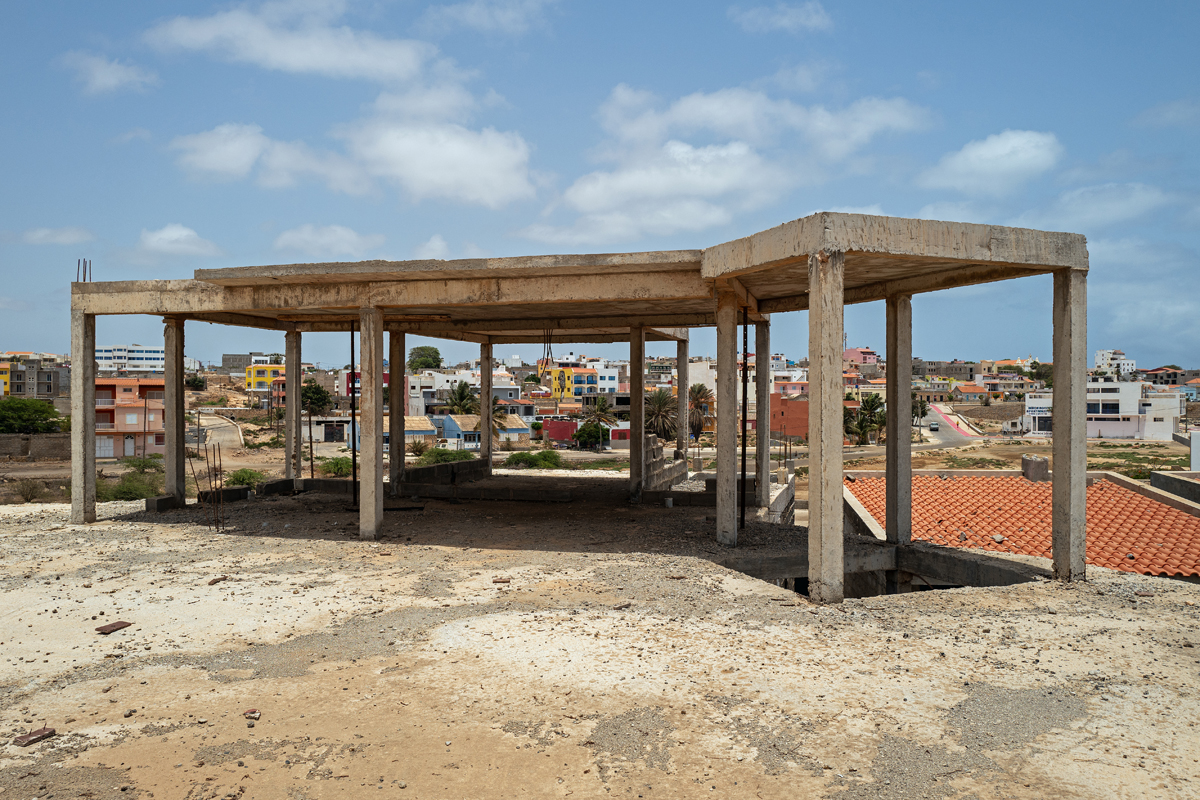
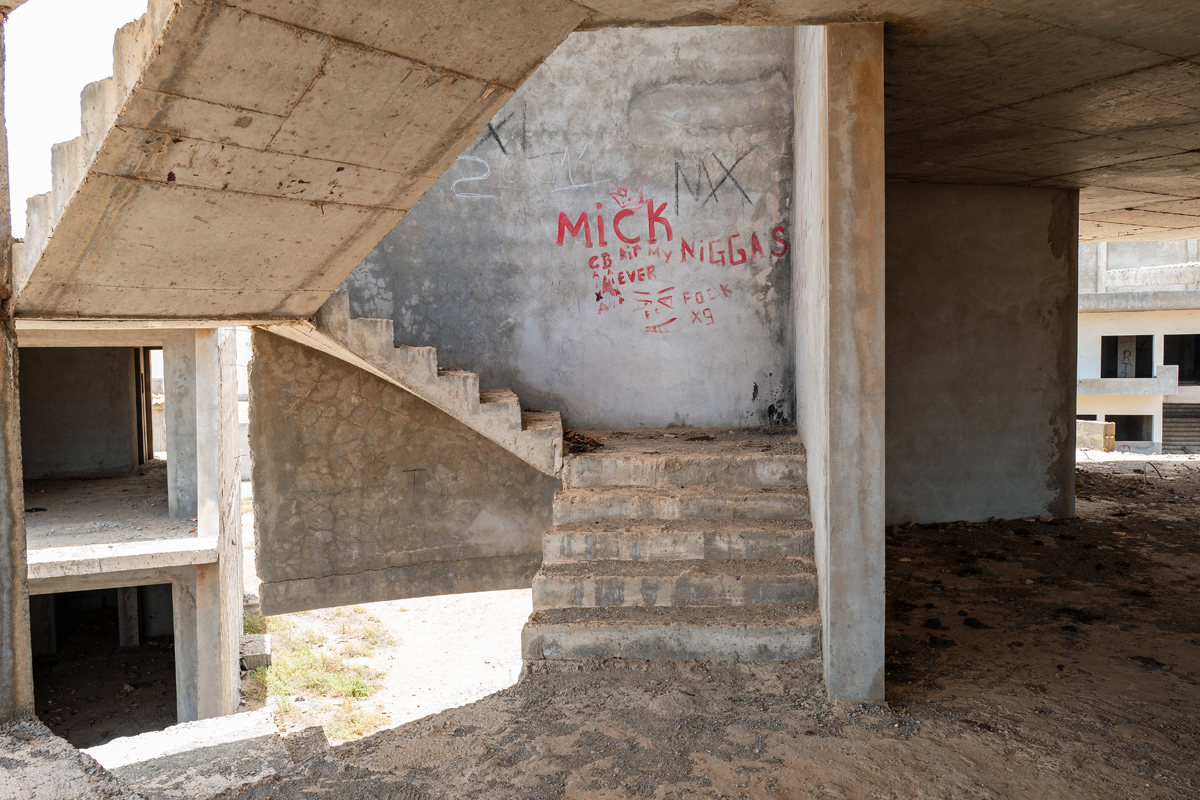
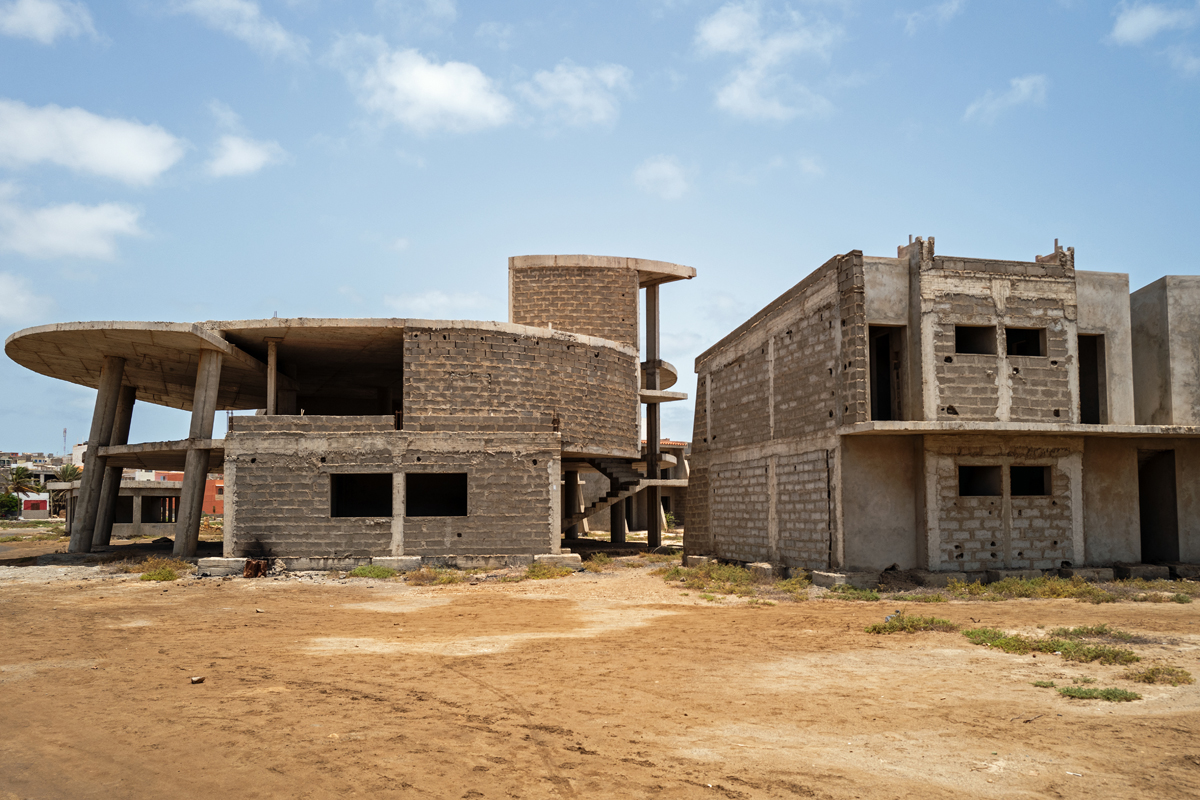
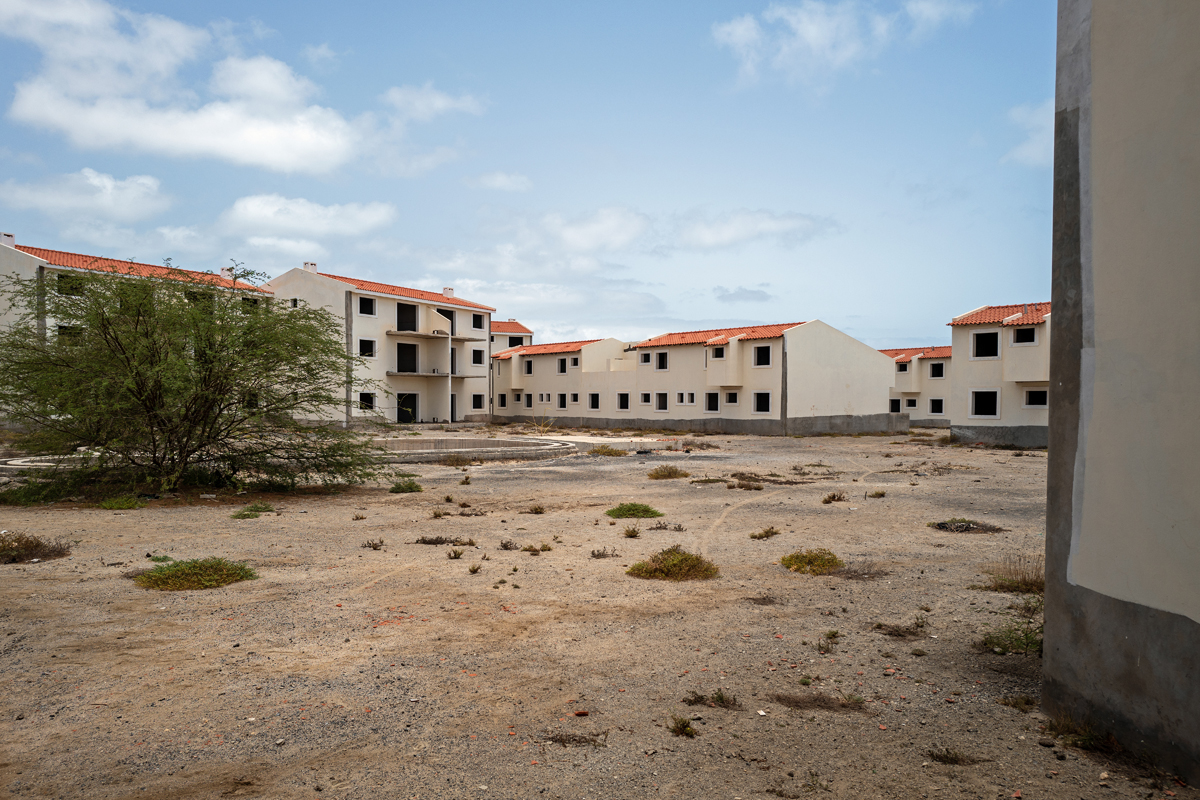
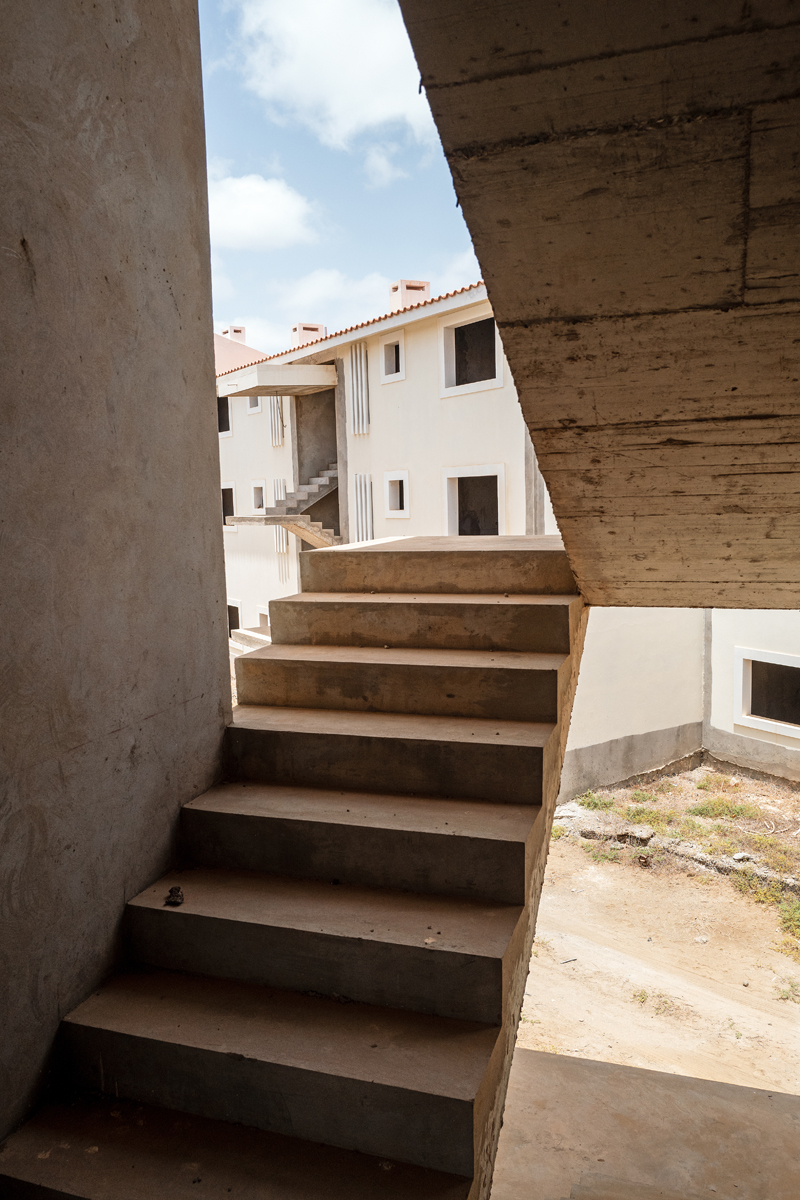
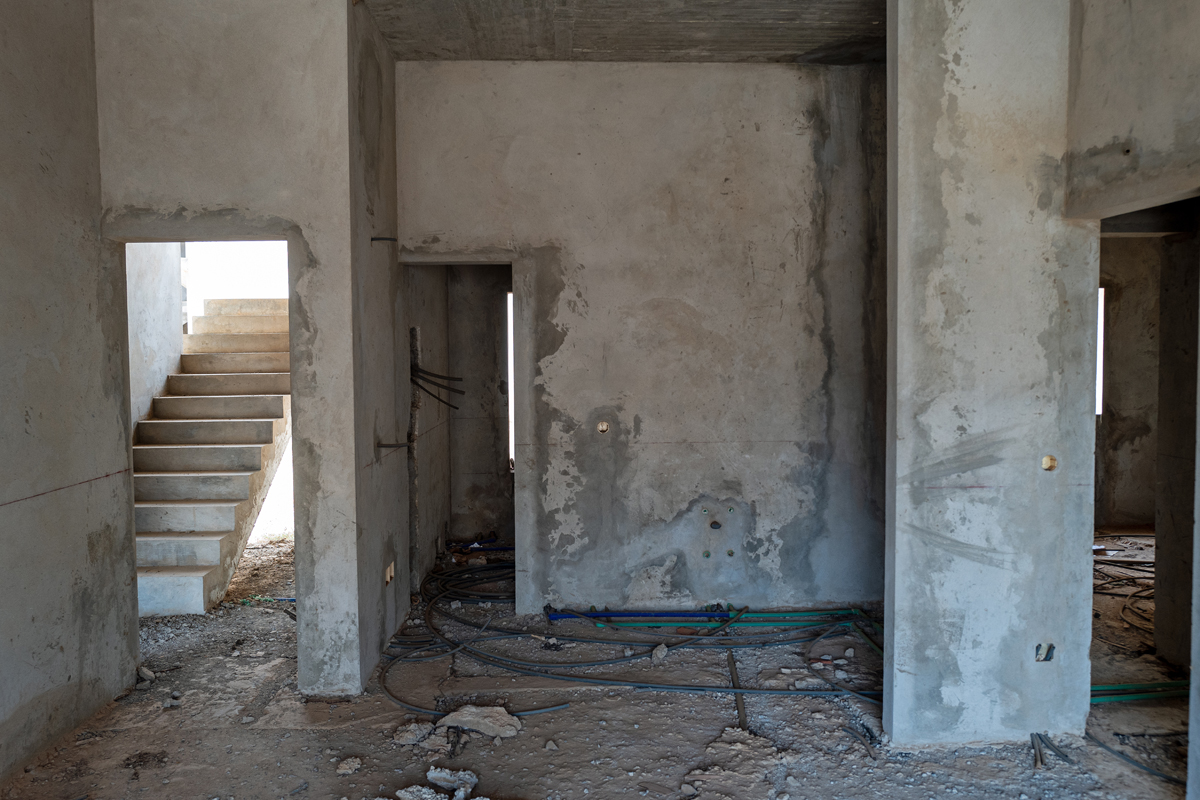
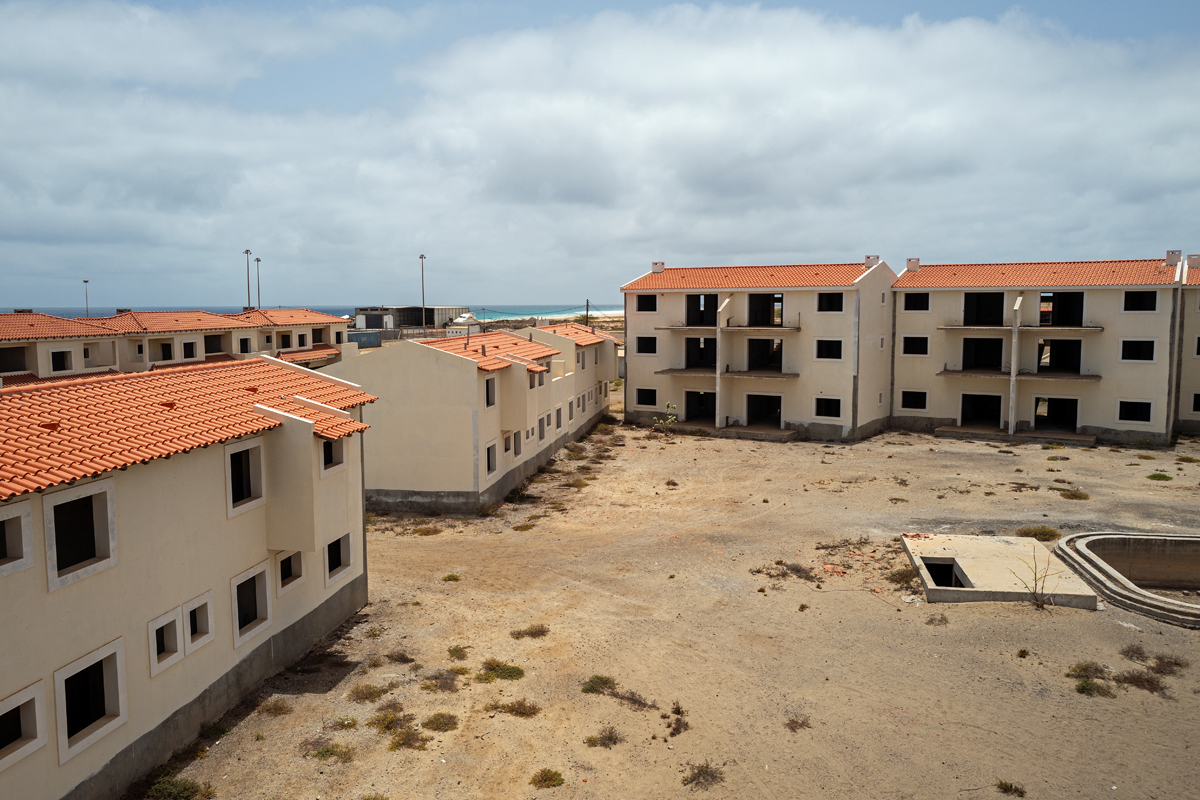
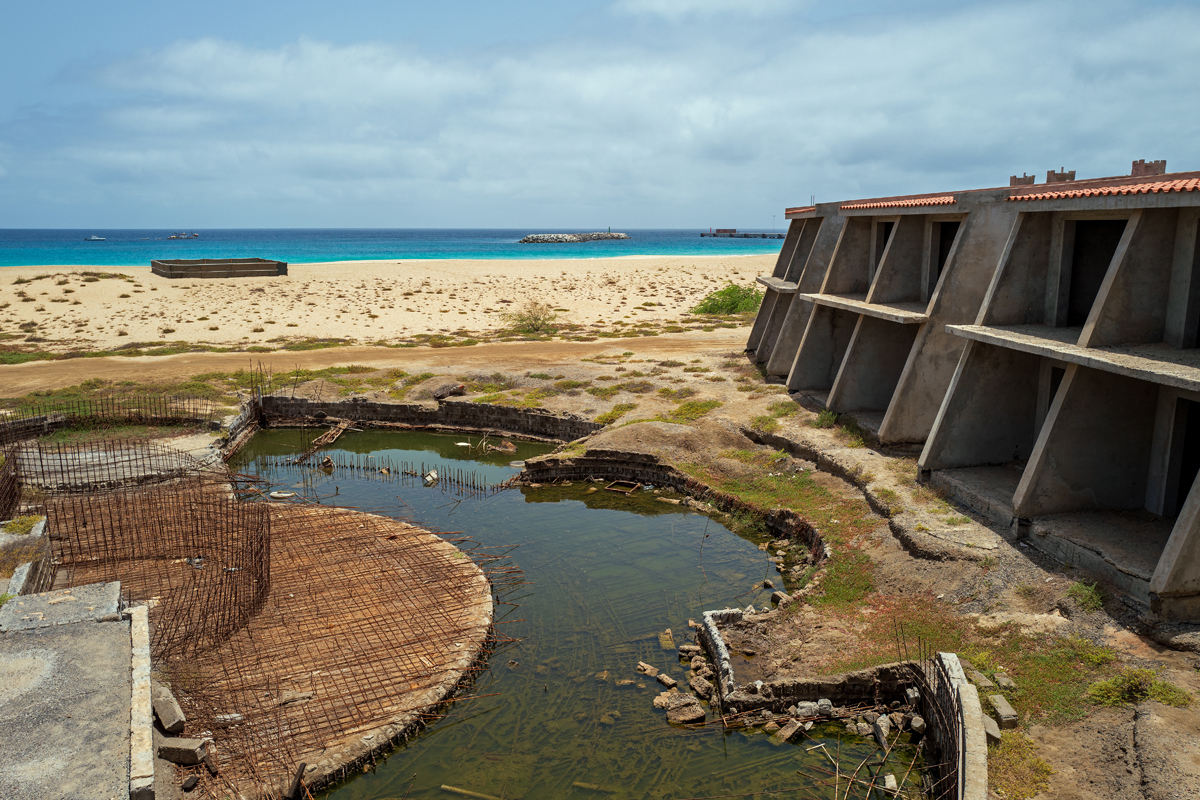
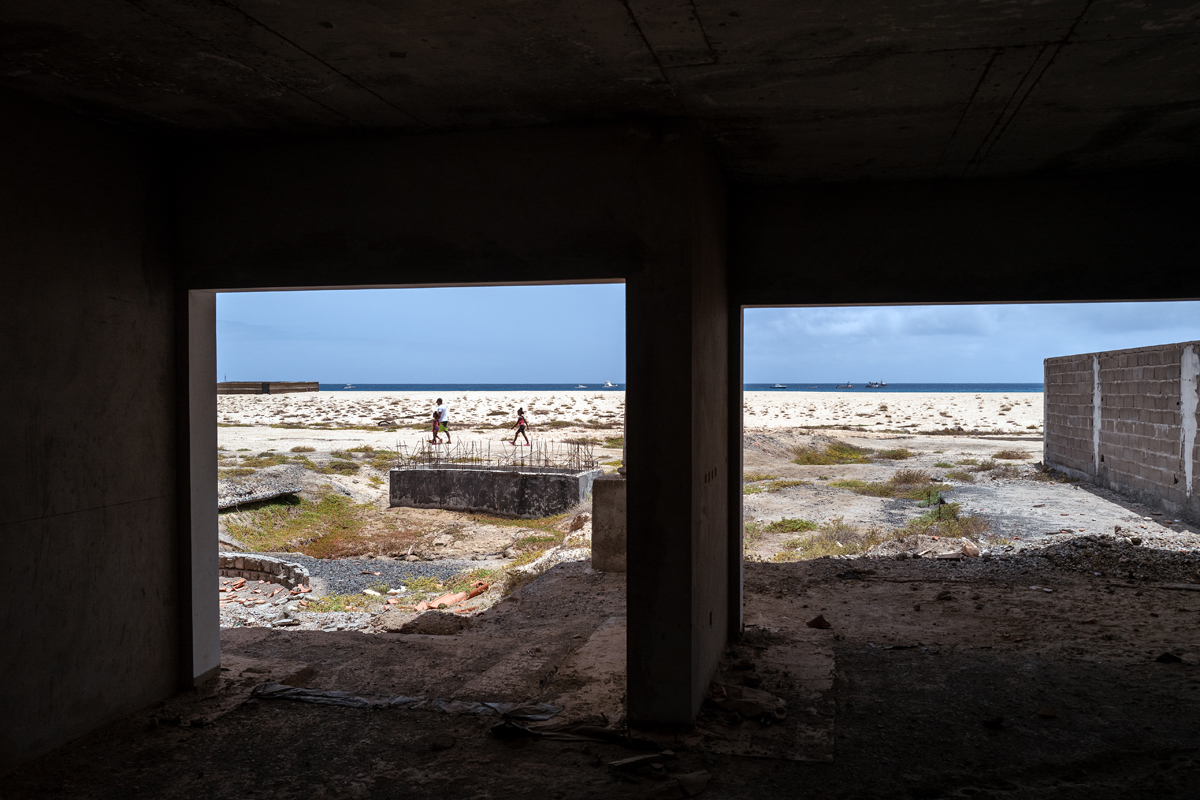
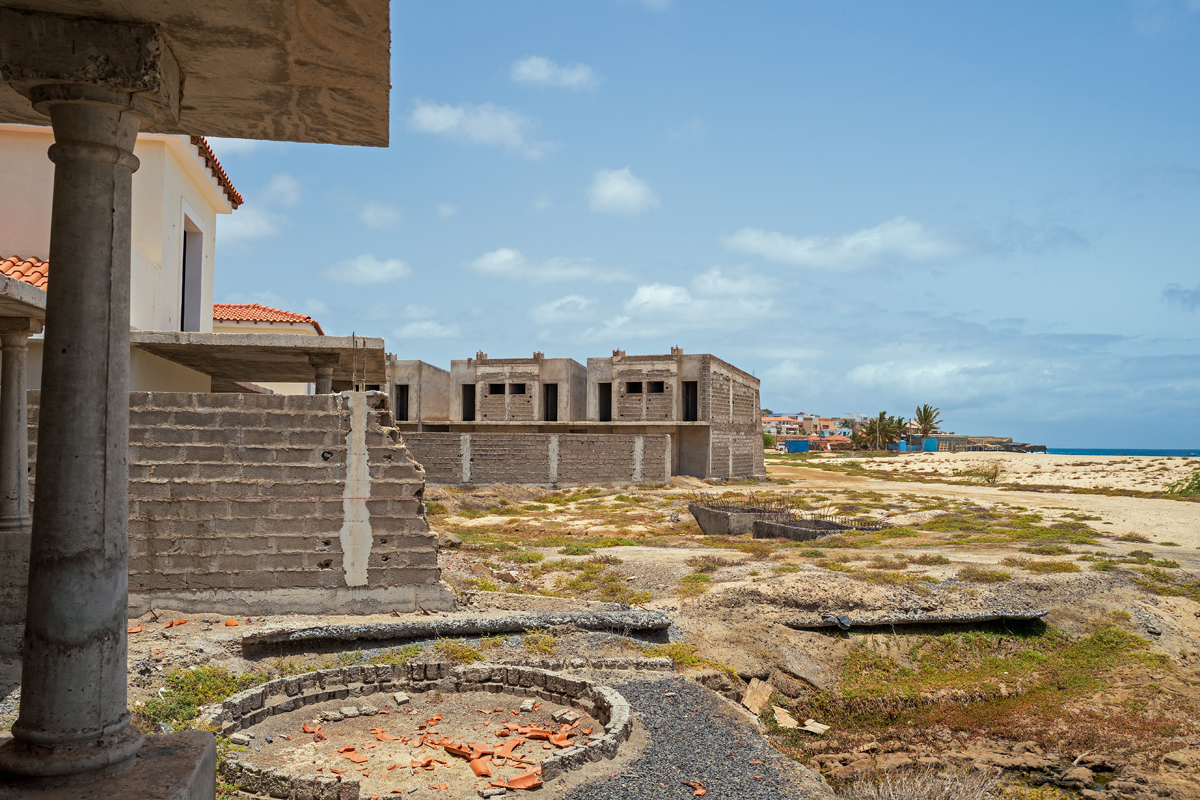
In the north, between the town centre and the port with the communal beach between them, there is a monumental memorial for man´s megalomania and stupidity. Some grand moron had had the idea of implanting Sal´s and Boa Vista´s mass tourism schemes to Maio and had started building a massive resort right behind the beach, but somewhere along the way, he must have had run out of money, because nowadays there are only unfinished buildings and piles of construction waste left. The buildings are crumbling, the scrap is rusting and rotting away, and the only value in it is the fact that it is now the most absurd lost place I have ever seen in my life.
Im Norden, zwischen Stadtzentrum und Hafen mit dem öffentlichen Strand in der Mitte, steht ein monumentales Denkmal für Größenwahn und menschliche Dummheit. Irgendein wirklich großartiger Idiot hatte die Idee, das Prinzip des Massentourismus wie auf Sal und Boa Vista auch nach Maio zu bringen, und hatte begonnen, ein gewaltiges Ressort direkt hinter dem Strand zu bauen. Doch irgendwo auf seinem Weg zur Erschaffung des nächsten Urlaubsbunkers ist ihm dann das Geld ausgegangen, weshalb da jetzt jede Menge Bauruinen und haufenweise Bauschutt die Landschaft verschandeln. Erstere bröckeln vor sich hin, letzteres rostet und verrottet, und der einzige Mehrwert, den das Ganze hat, ist der, dass es sich dabei um den mit Abstand absurdesten Lost Place handelt, den ich je gesehen habe.





 docugrAfrica
2 Gedanken zu “Cidade do Maio (Cidade do Porto Ingles)”