
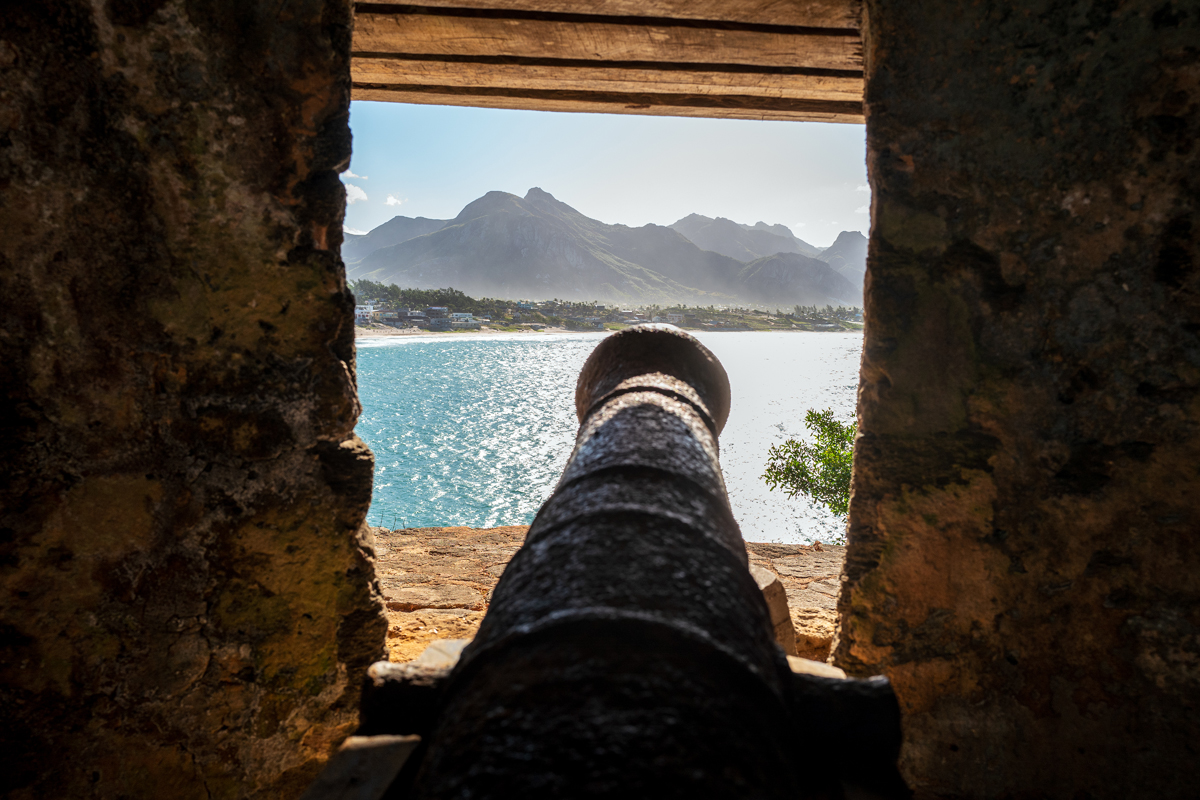
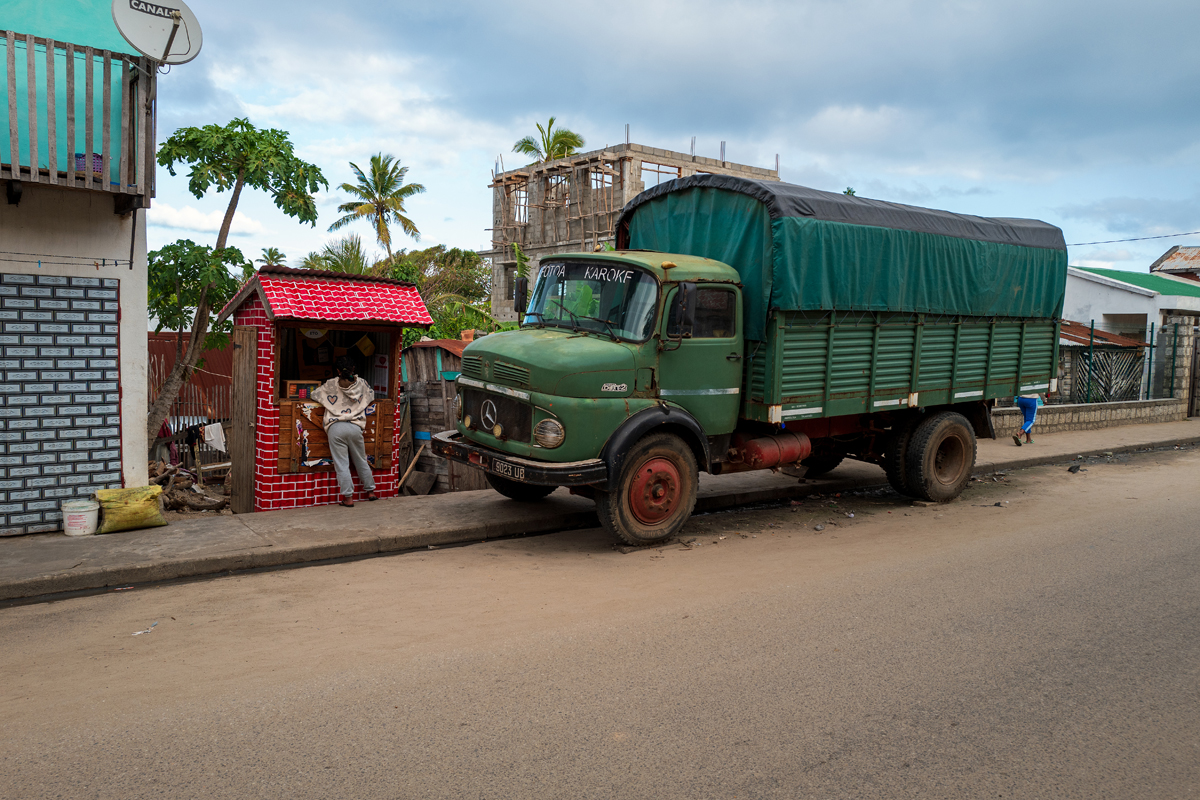
Tolagnaro, also known by its French colonial name Fort Dauphin, is Madagascar´s southernmost city, built on a peninsula at the south-eastern tip of the island at the place of the former settlement Tholongar. After a brief visit of Portuguese castaways in the Antanosy region at the beginning of the 16th century, it has been the French under Jacques Pronis and Étienne de Flacourt building Fort Flacourt in 1642 which was renamed Fort Dauphin shortly after. After a conflict between the local community and the French, they left again, and it wasn´t until the French conquest of Madagascar in 1895/1896, that Europeans entered the place again. From 1897 up to 1970, when Madagascar gained independence, there was always French military stationed at the Fort.
Tolagnaro, das auch unter seinem französischen Kolonialnamen Fort Dauphin bekannt ist, ist Madagaskars südlichste Stadt, die auf einer Halbinsel an der Südostspitze des Eilands auf der früheren Siedlung Tholongar errichtet worden war. Nach einem kurzen Besuch durch portugiesische Schiffbrüchige in der Antanosy-Region zu Beginn des 16. Jahrhunderts waren es die Franzosen unter Jacques Pronis und Étienne de Flacourt, die 1642 Fort Flacourt, das wenig später in Fort Dauphin umbenannt wurde, erbauten. Nach Konflikten mit der einheimischen Bevölkerung wurde das Fort aufgegeben, und erst mit der Eroberung Madagaskars durch die Franzosen 1895/1896 kamen wieder Europäer in die Region. Von 1897 bis zu Madagaskars Unabhängigkeit 1970 war stets französisches Militär im Fort stationiert.
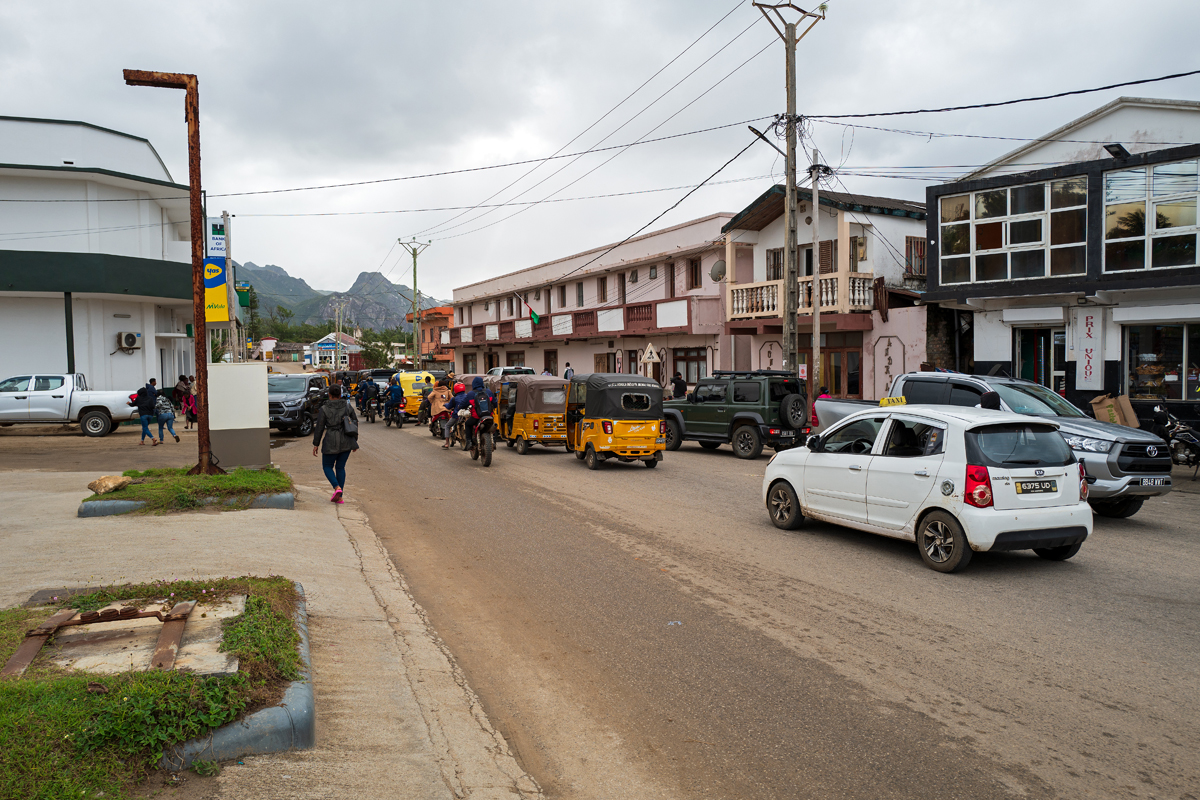
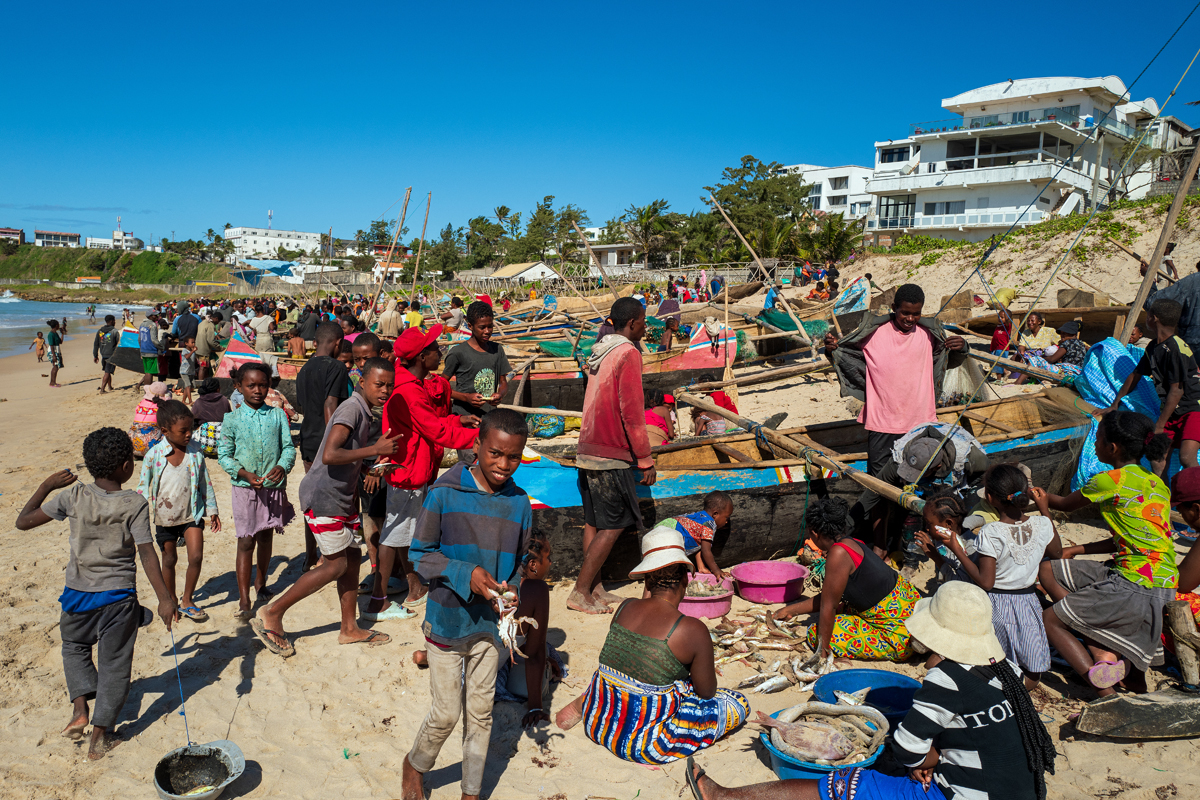


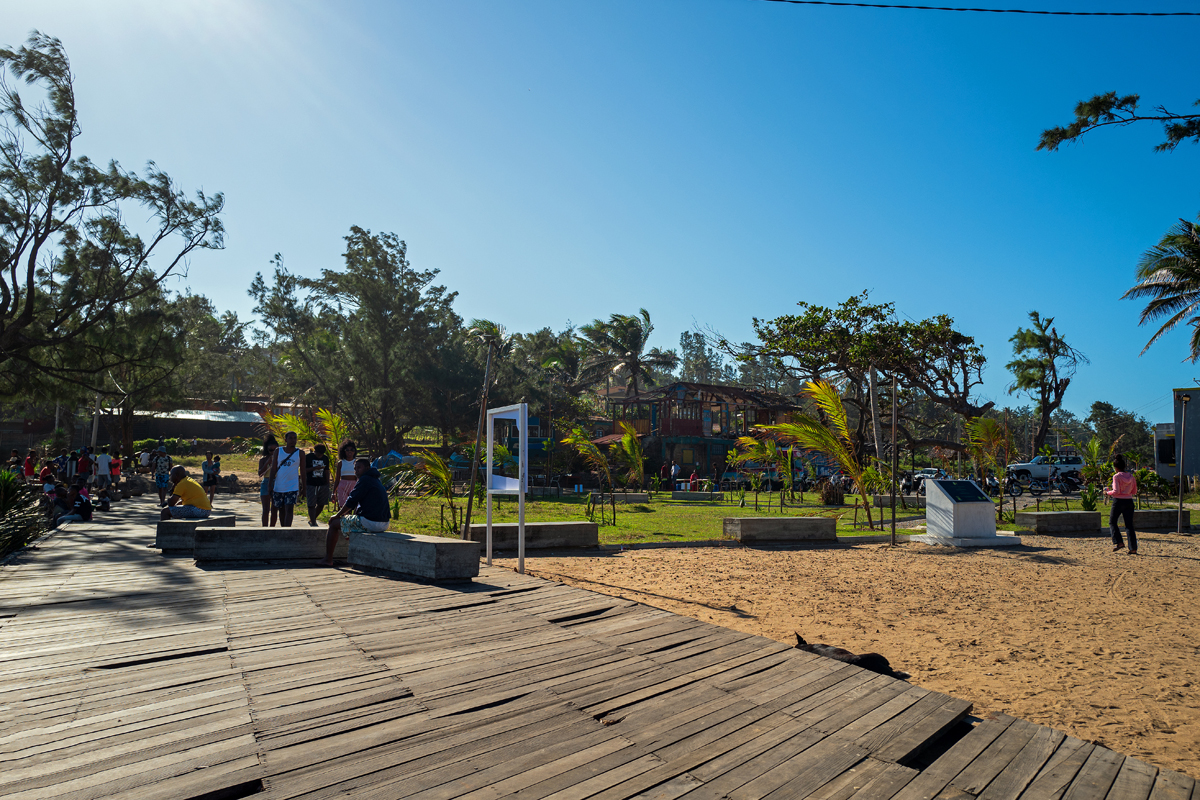
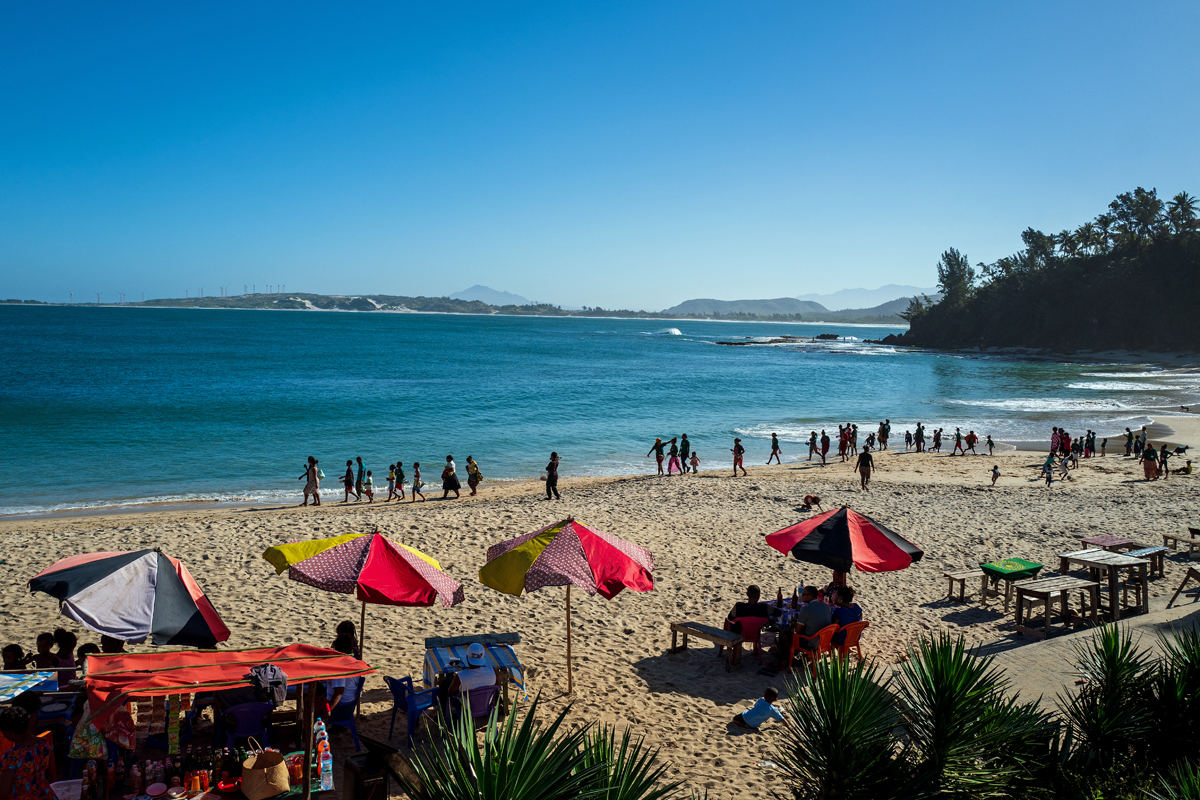
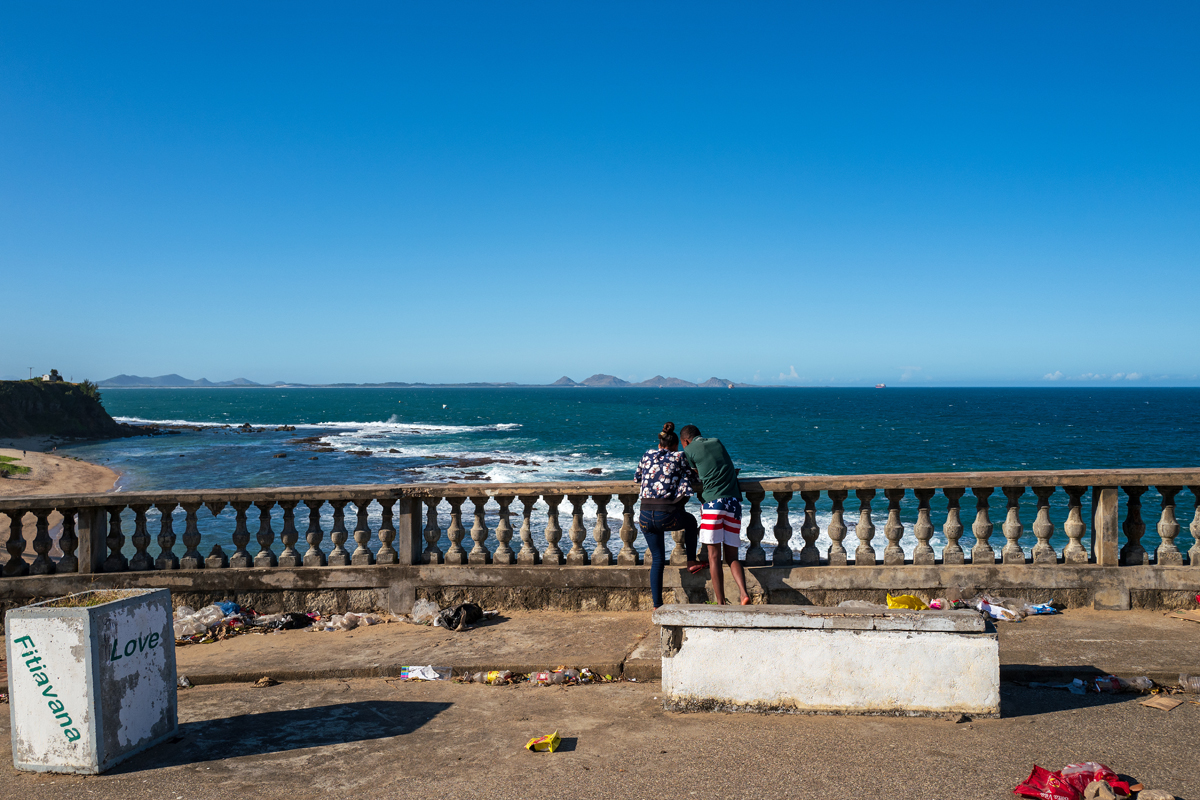
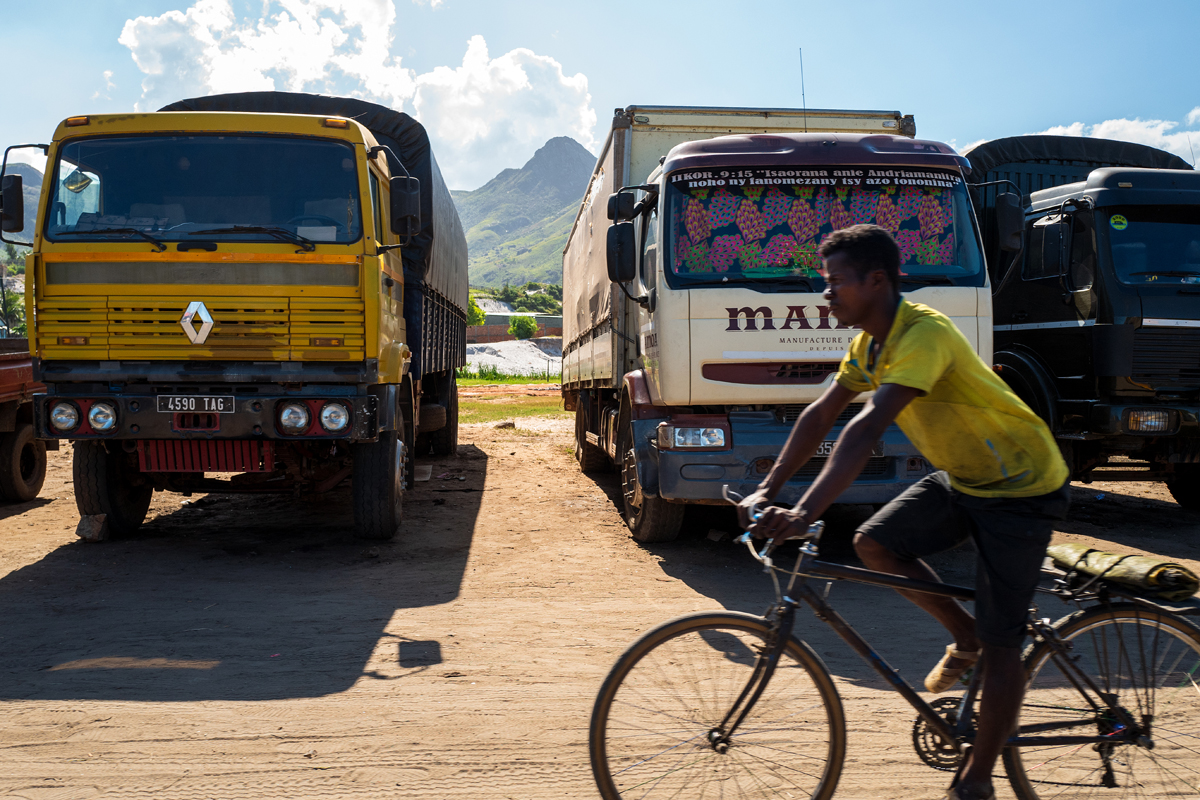
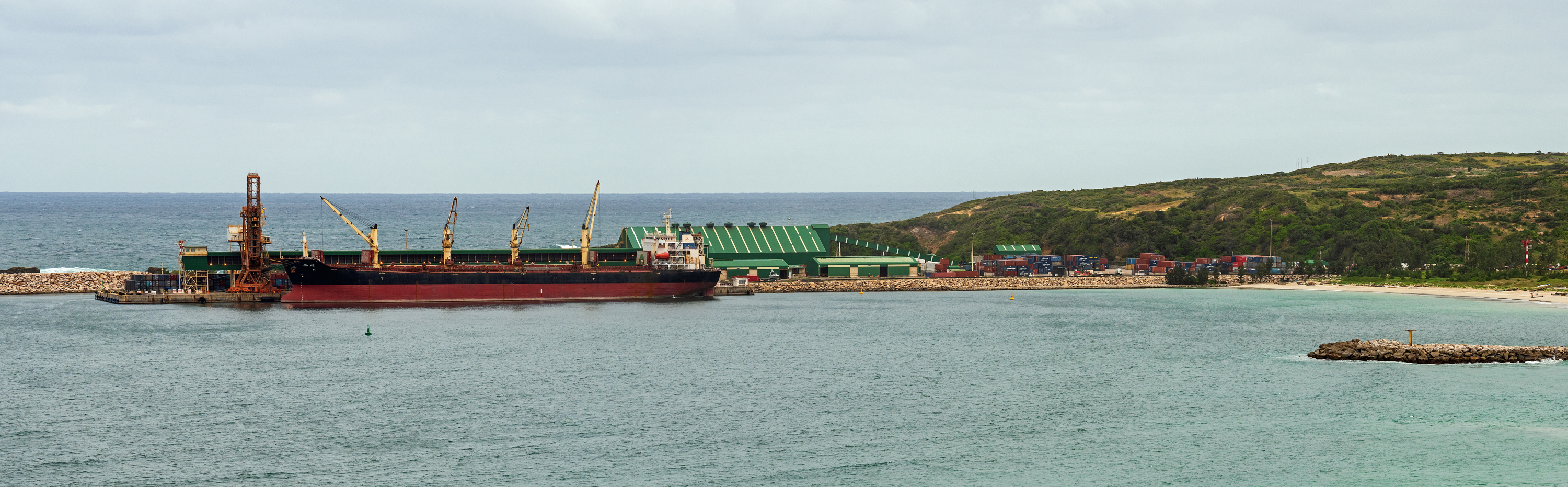
Today, Tolagnaro has around 70.000 inhabitants thanks to mining activities of QIT Madagascar Minerals (QMM), largely belonging to Rio Tinto, one of the world’s largest metals and mining corporations. They´re mining for the titanium-iron oxide mineral ilmenite that is needed in the production of titanium dioxide for coatings, paint and plastic. The processing of the ore is being done at the headquarters of QMM in Canada. That´s why they have built the new Port d’Ehola opposite to popular Ankoba beach. Besides new inhabitants and modest prosperity, the mining venture also brought things like prostitution, HIV as well as environmental degradation.
Heute hat Tolagnaro etwa 70.000 Einwohner, dank der Bergbau-Aktivitäten von QIT Madagascar Minerals (QMM), die zum großen Teil Rio Tinto gehören, einem der weltgrößten Bergbau- und Metall-verarbeitenden Konzerne. Sie bauen in großem Stil das Titaneisenerz Ilmenit ab, das bei der Produktion des begehrten Weißpigments Titandioxid für Beschichtungen, Farben und Kunststoffe benötigt wird. Die Verarbeitung findet jedoch ausschließlich am Stammsitz von QMM in Kanada statt. Deshalb hat die Firma den neuen Hafen Port d’Ehola gegenüber des beliebten Strand Ankoba beach gebaut. Neben neuen Einwohnern und moderatem Wohlstand bringt der Bergbau Tolagnaro auch Dinge wie Prostitution, HIV und Umweltzerstörung.
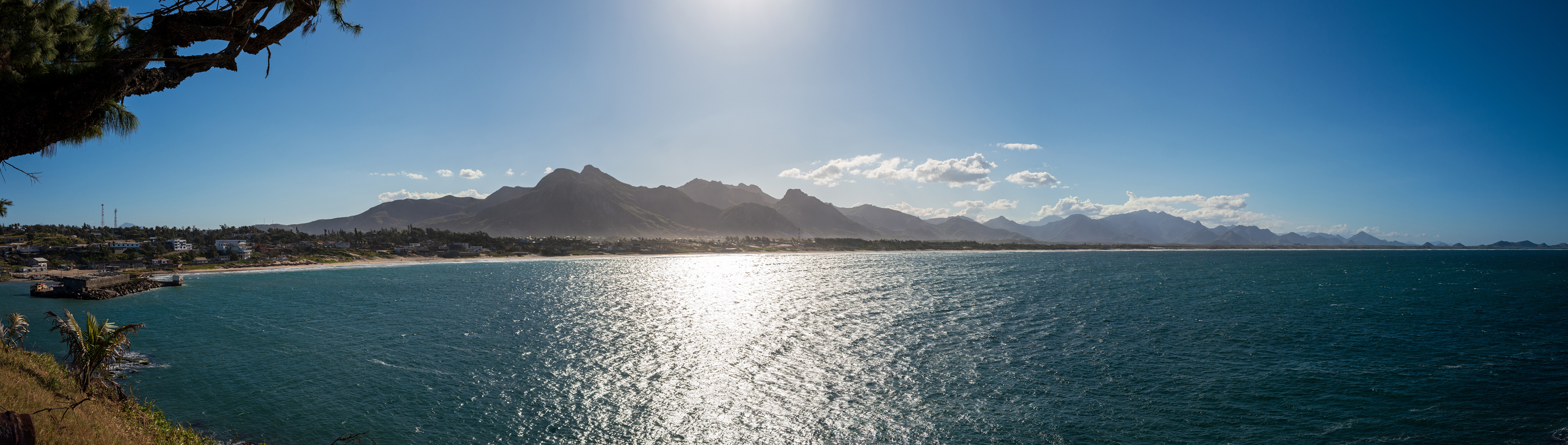


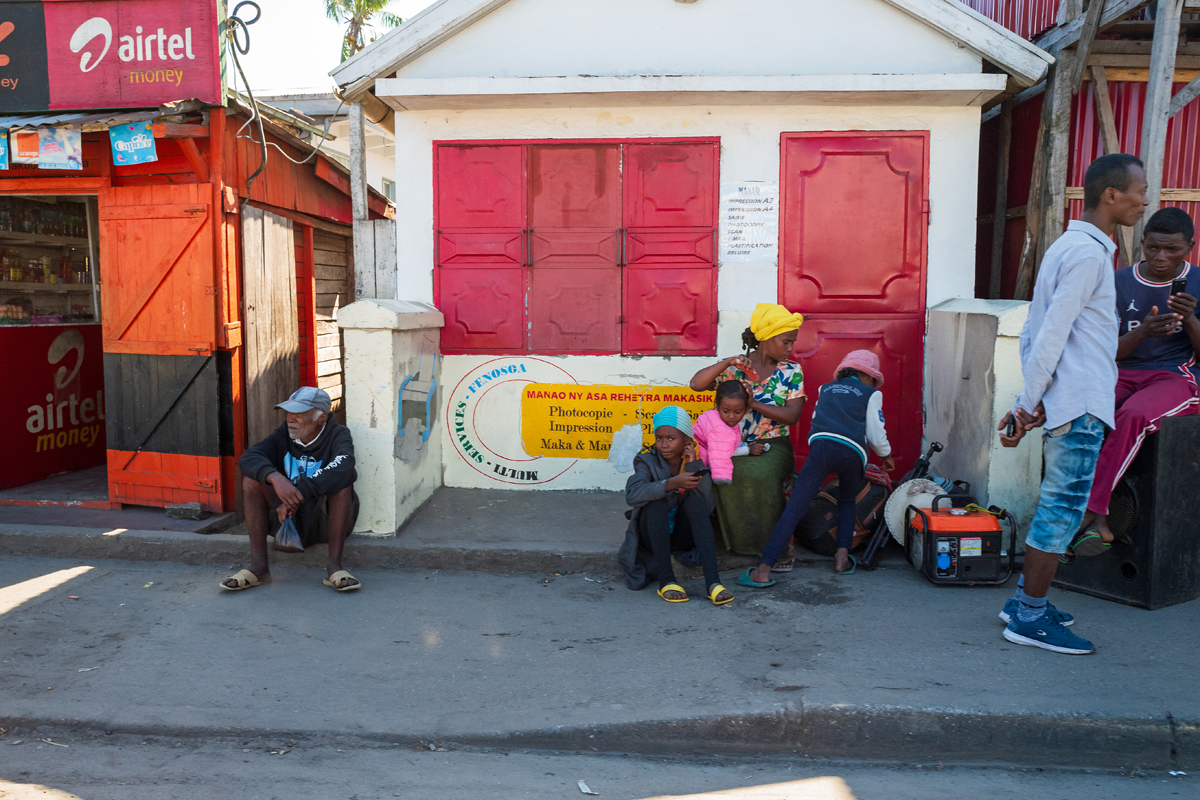
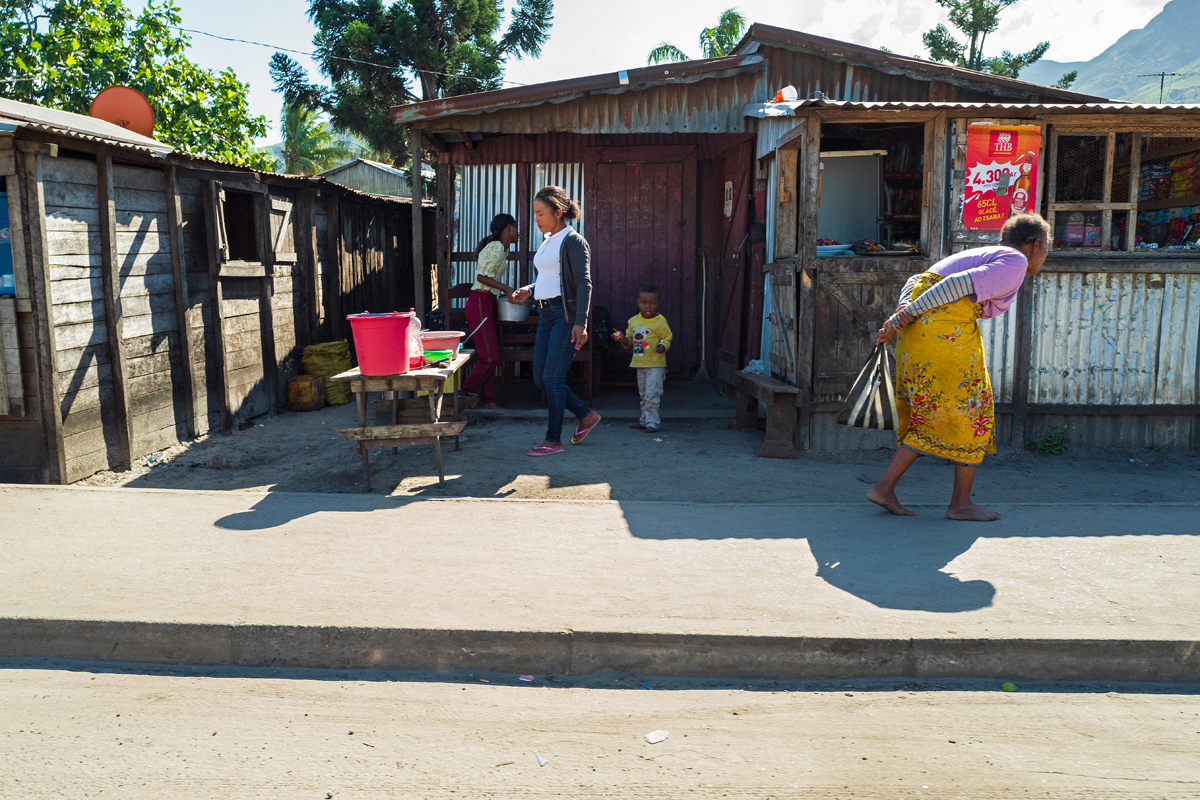
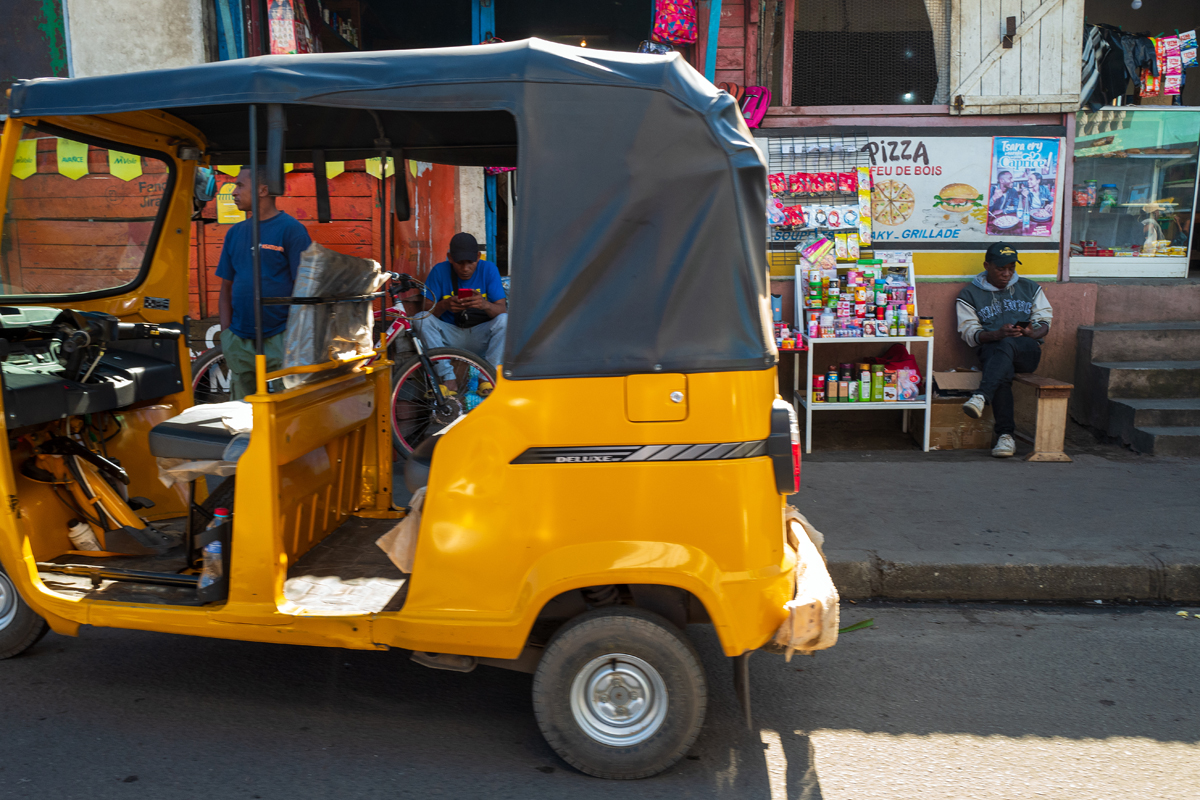

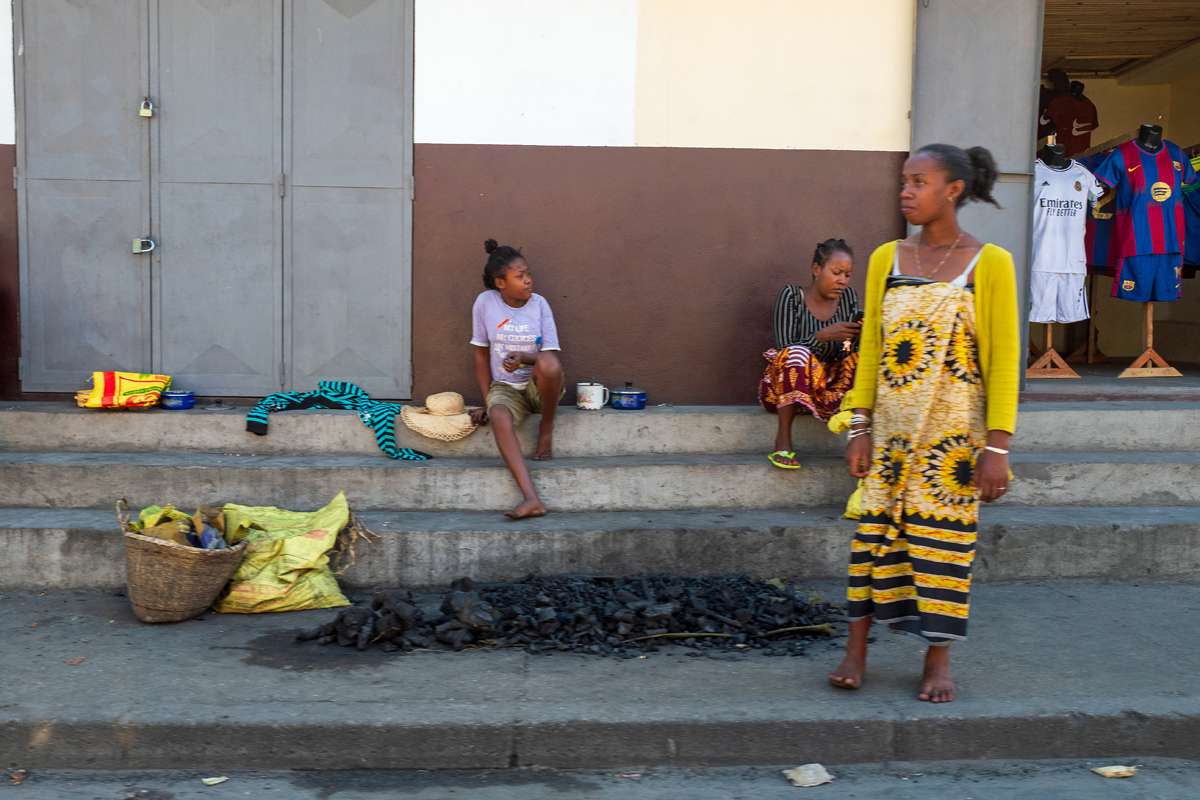
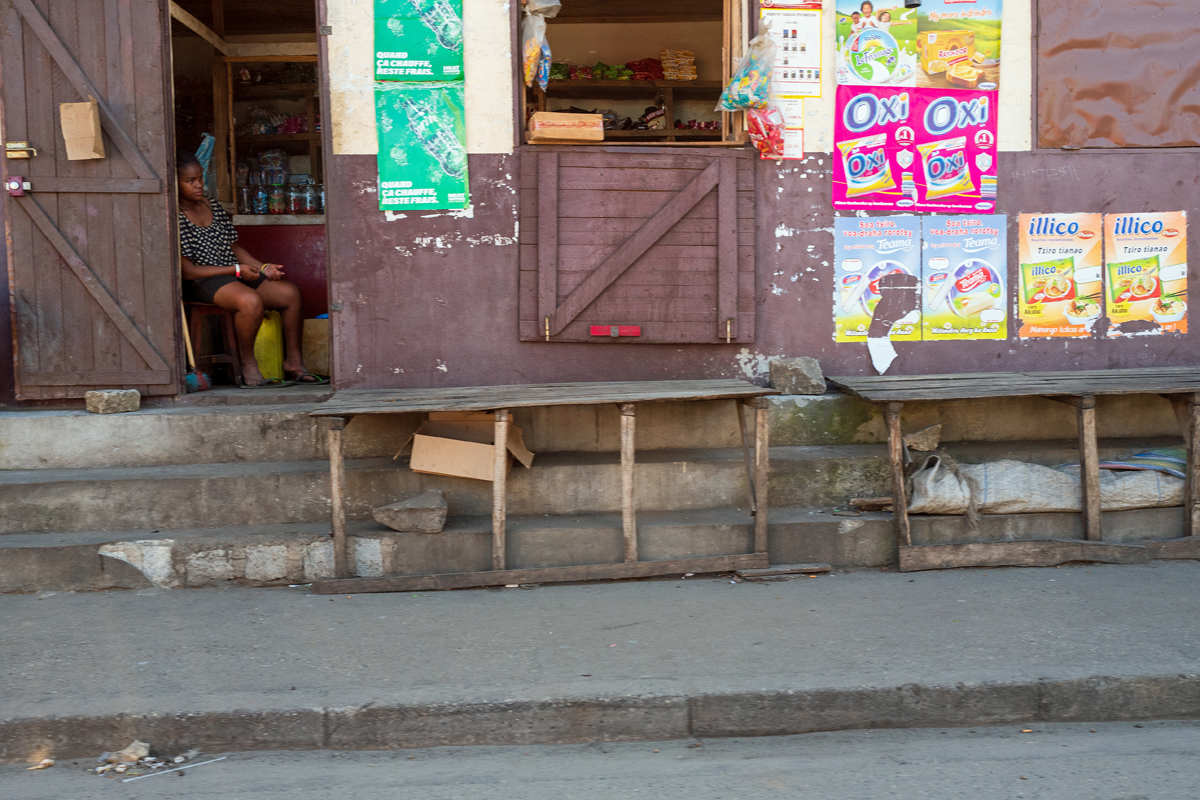
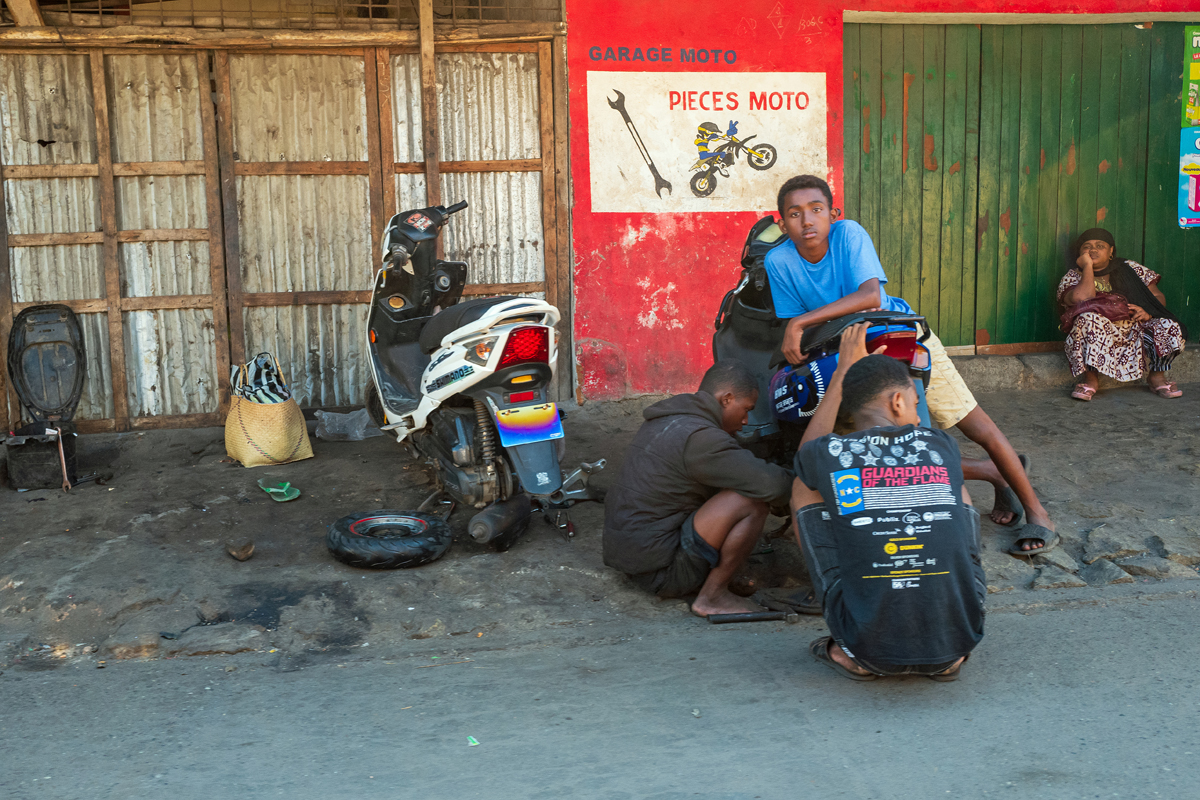
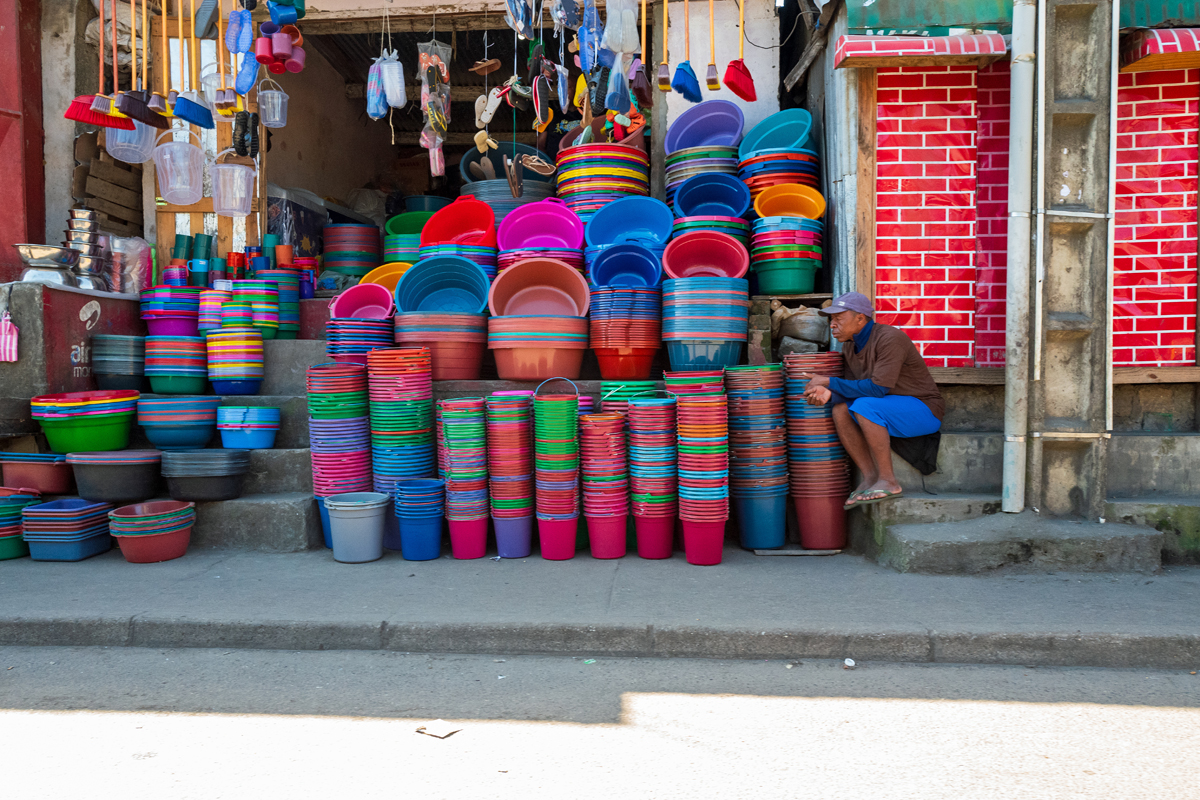
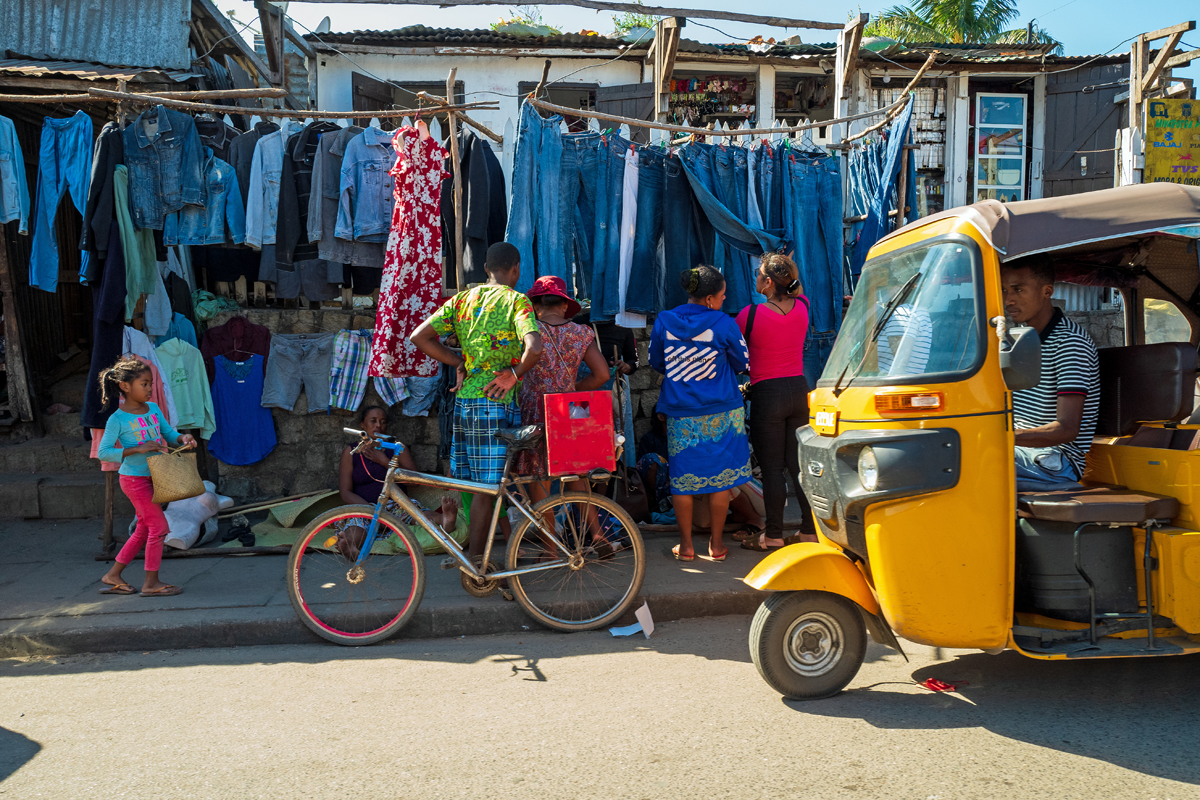
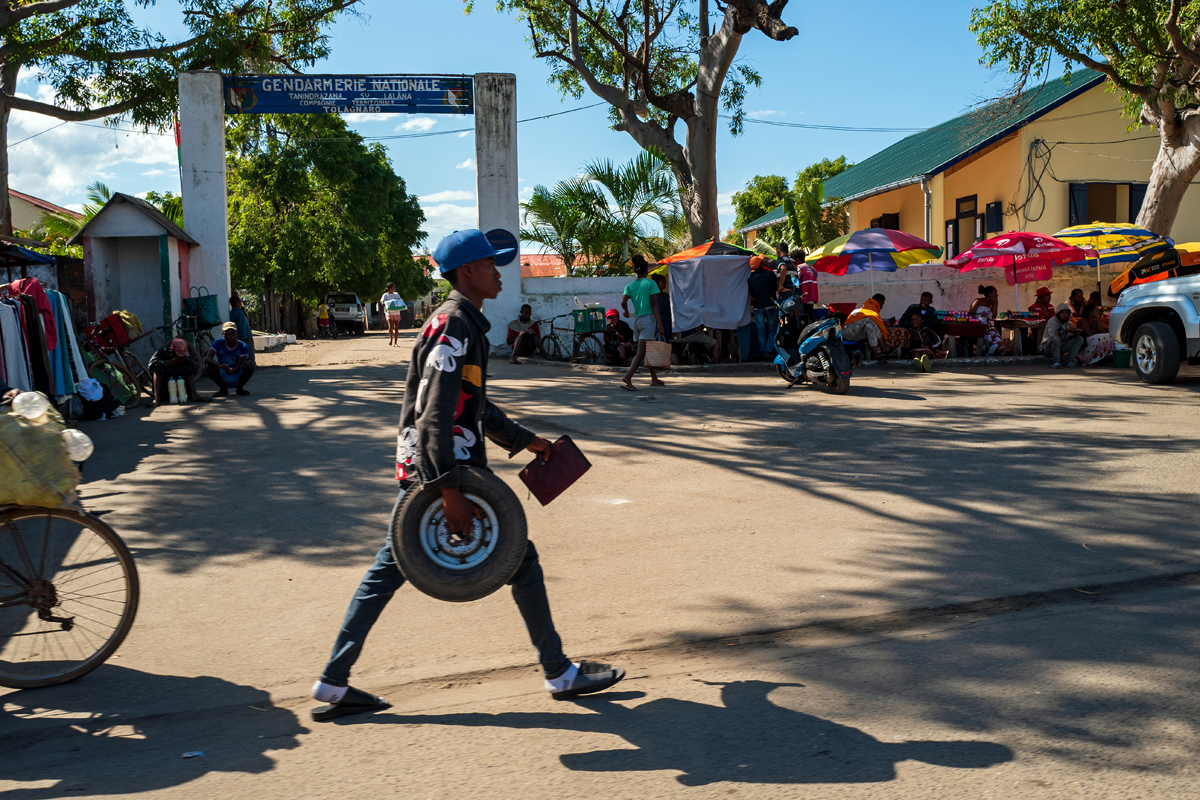
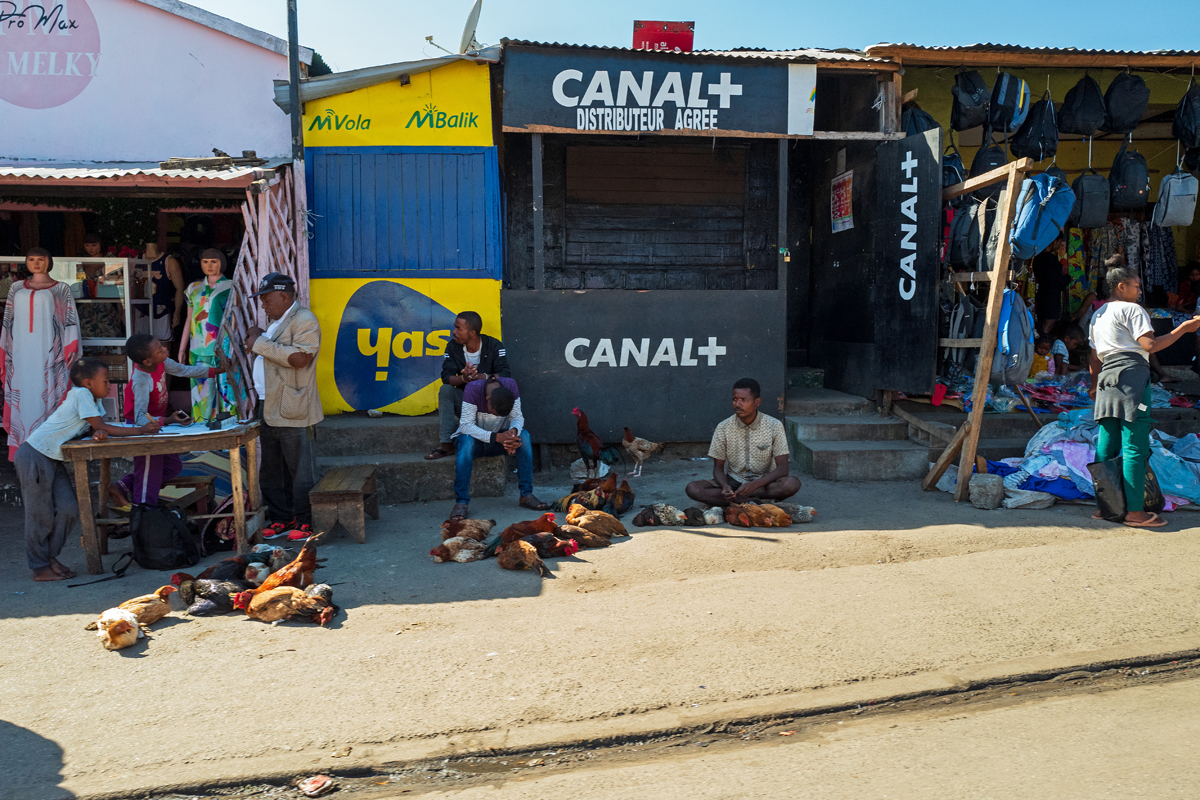
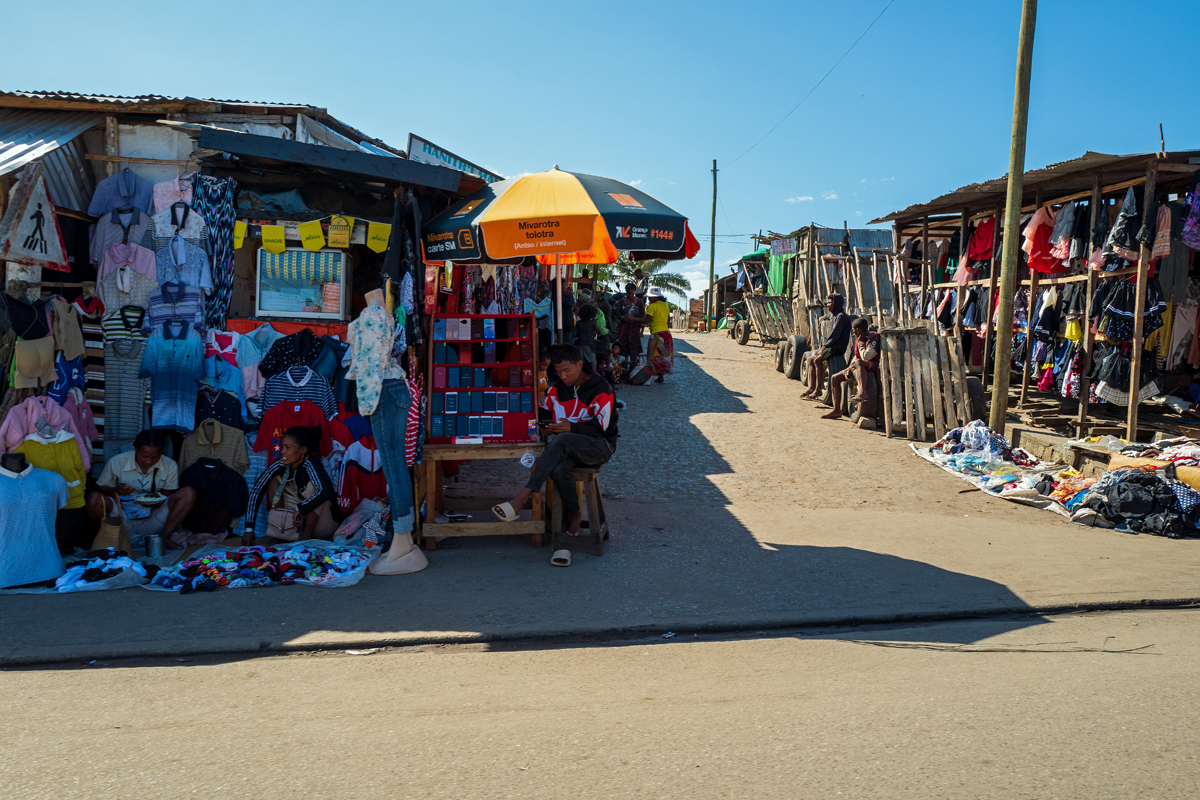

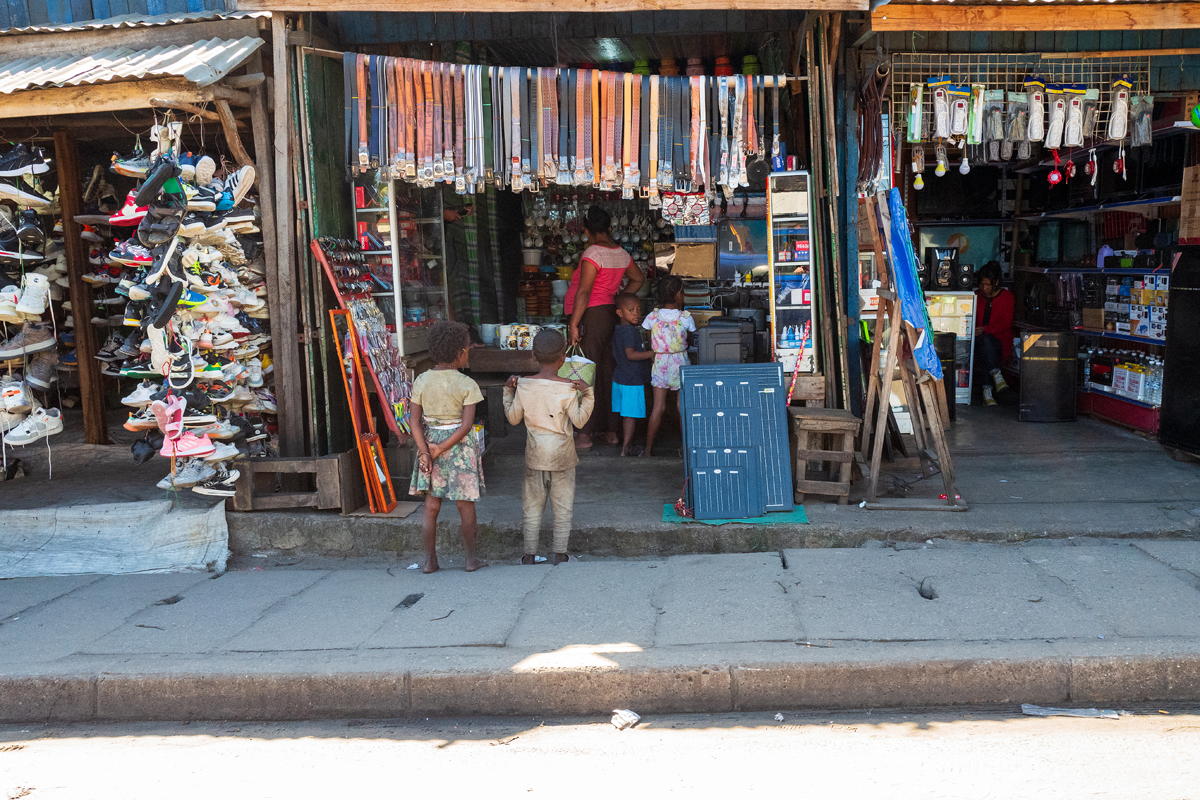
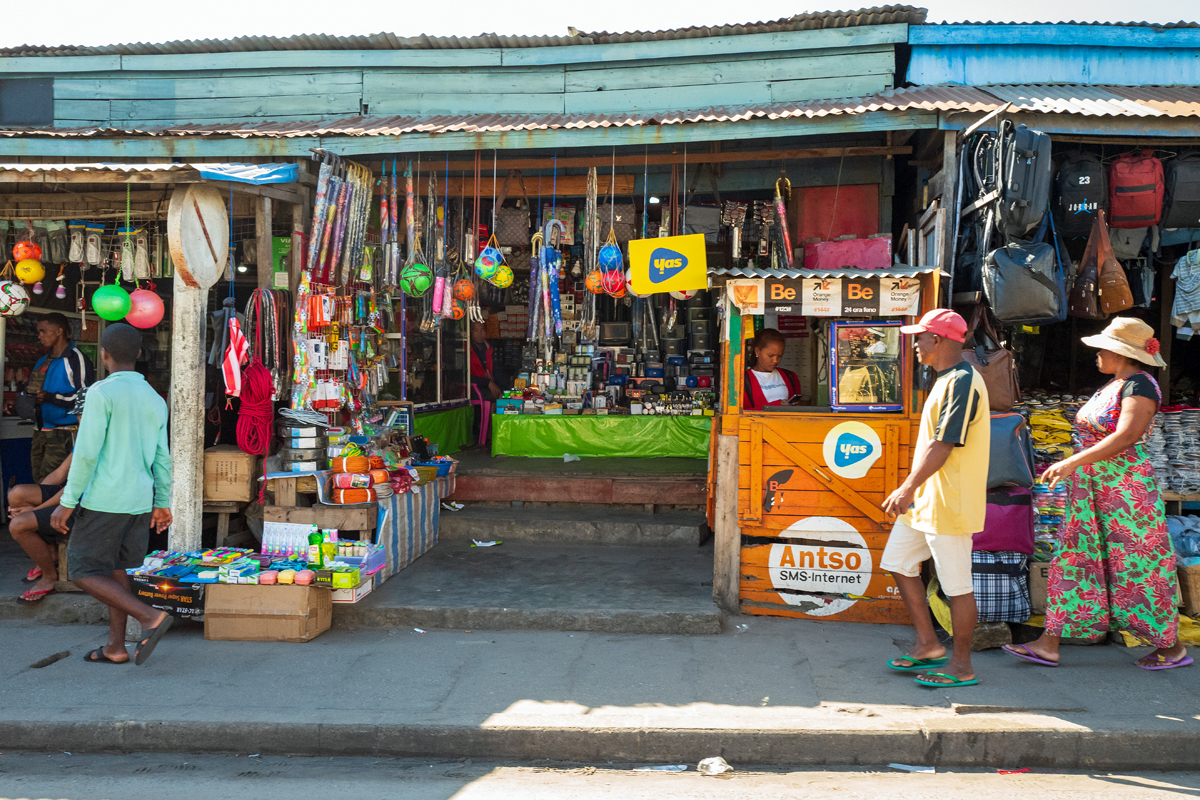
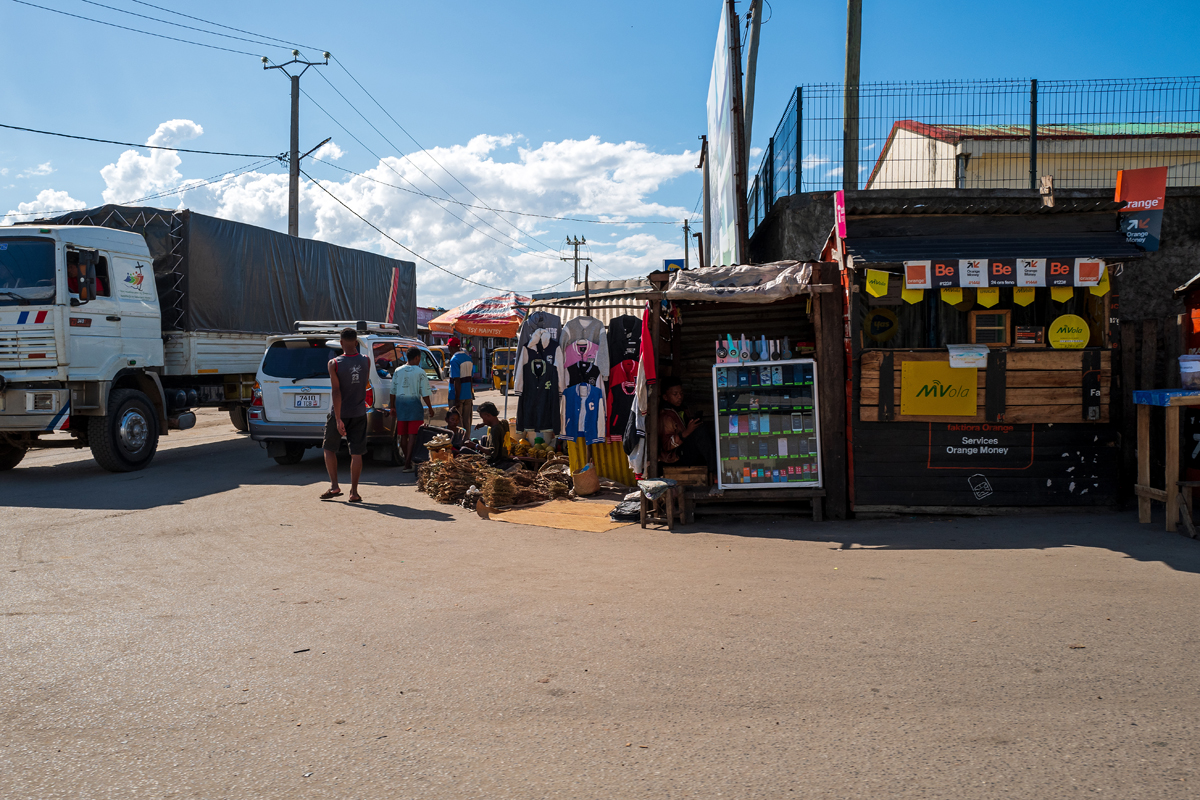
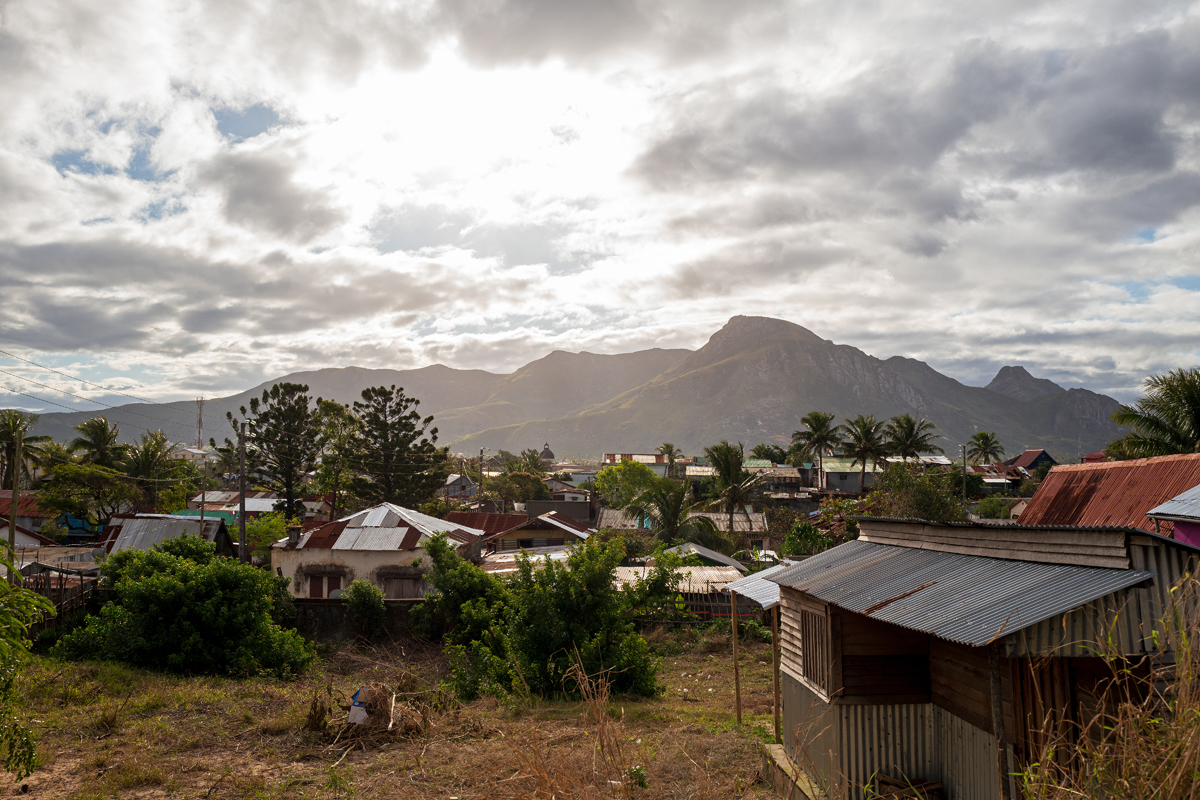
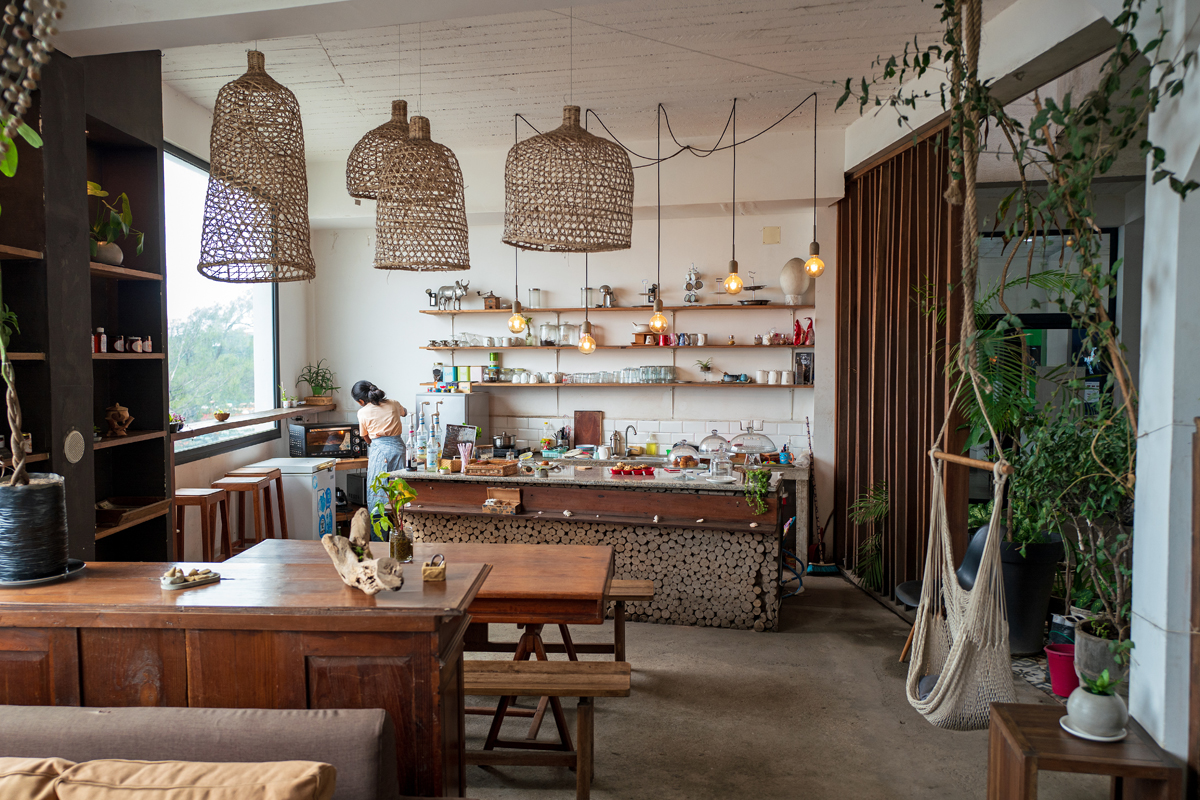
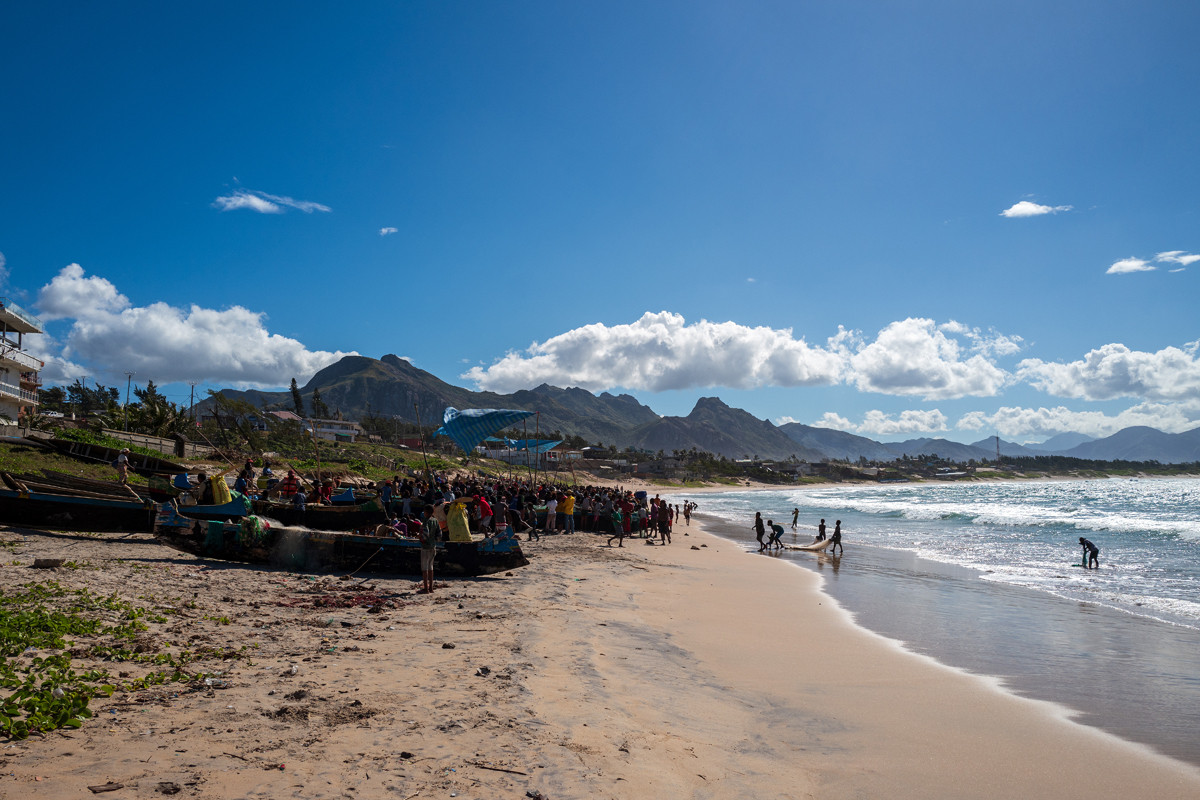
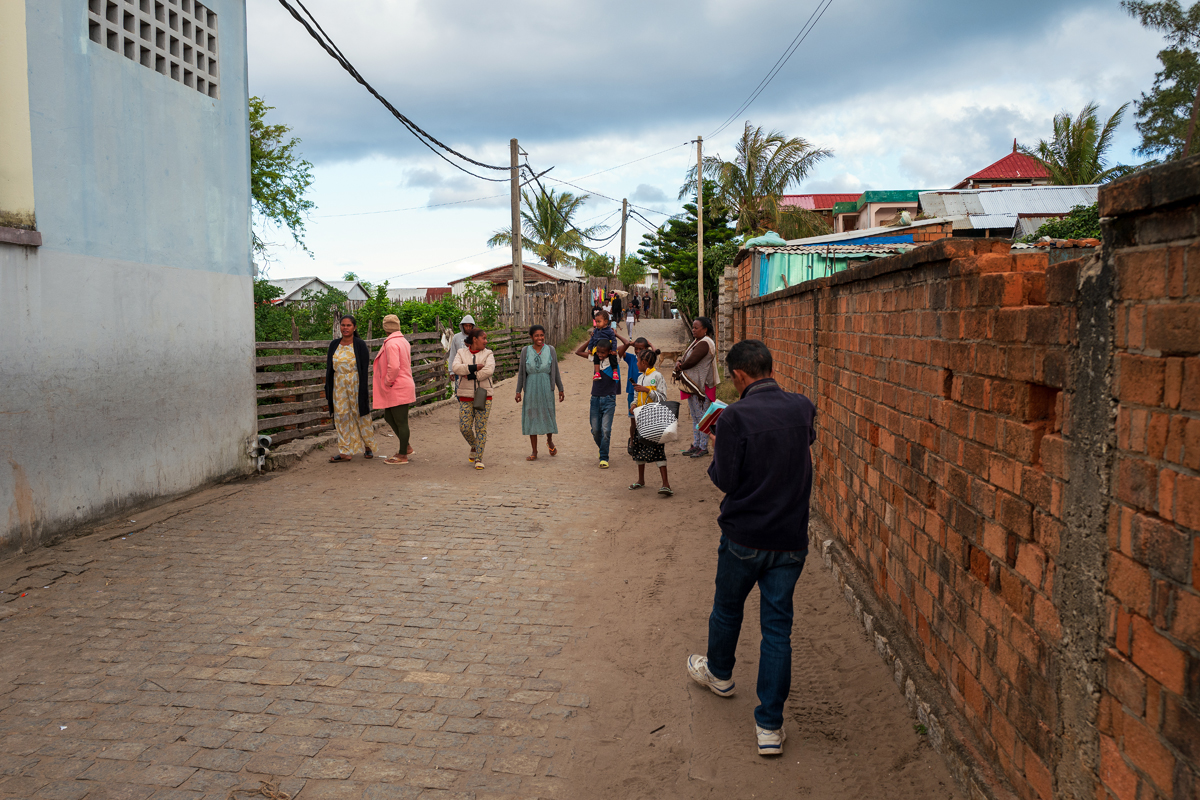
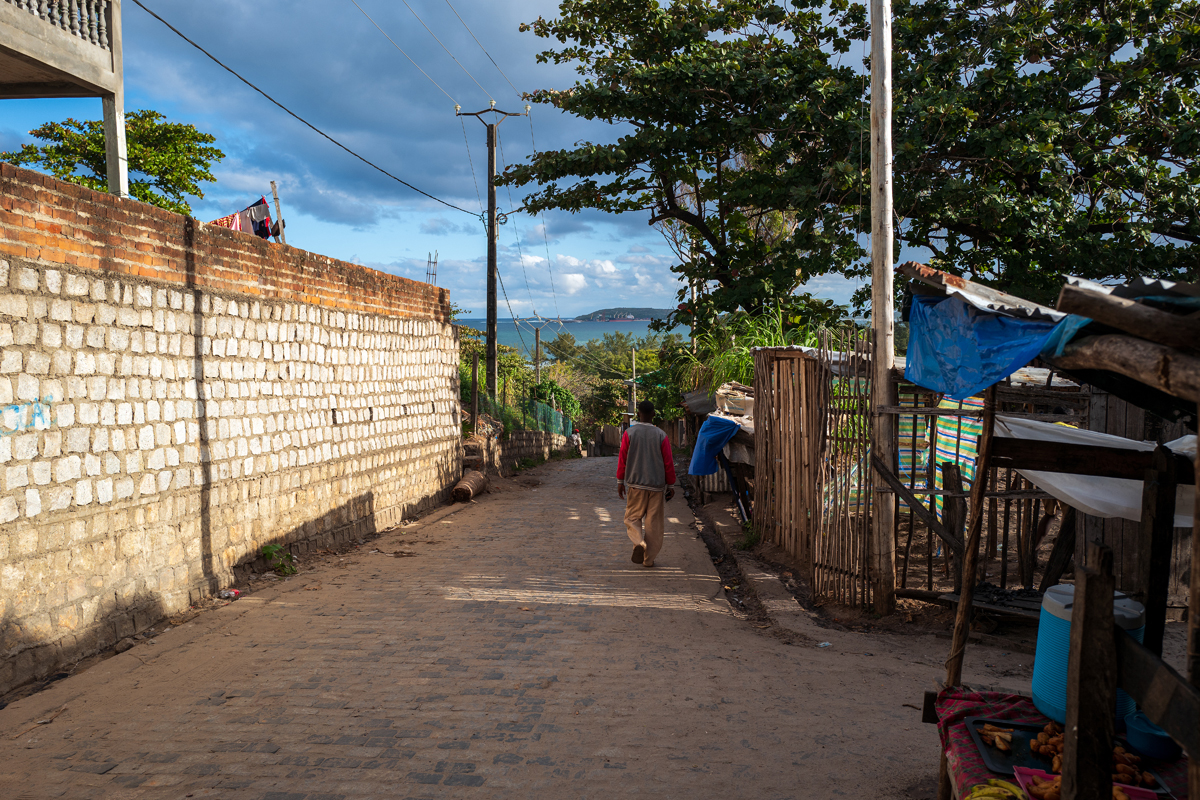
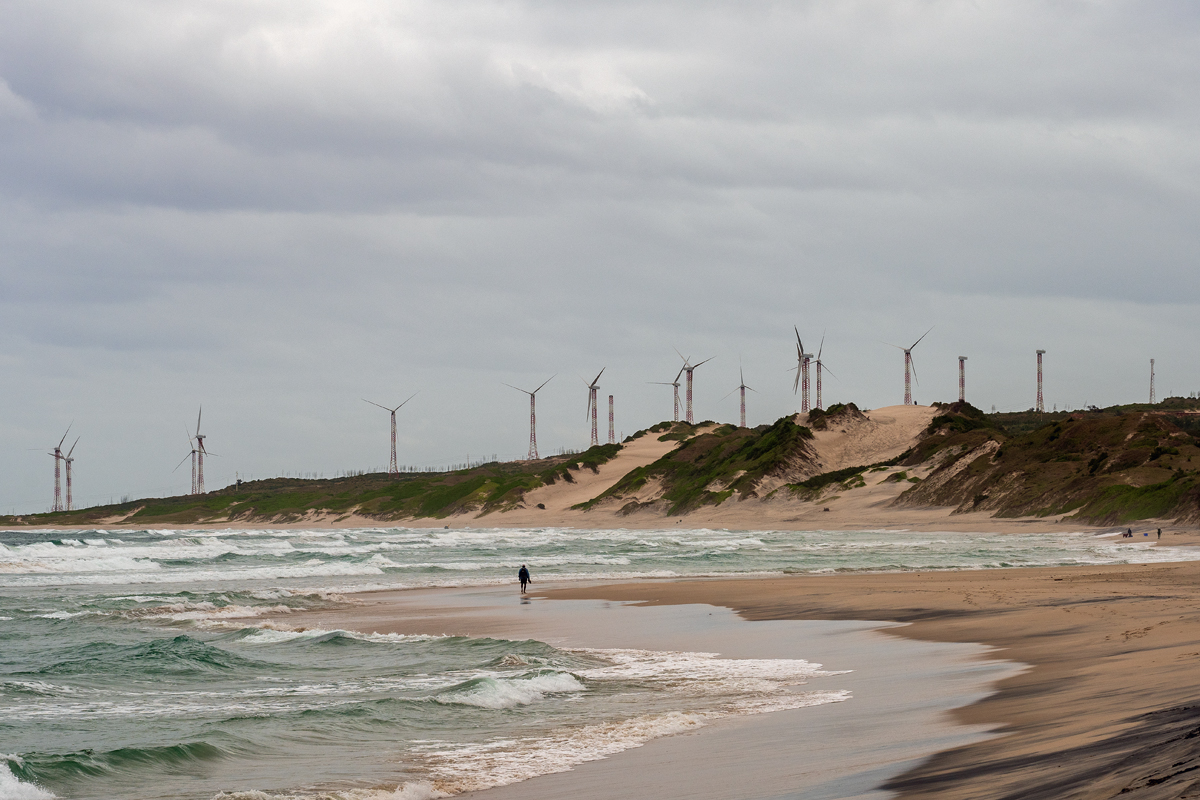
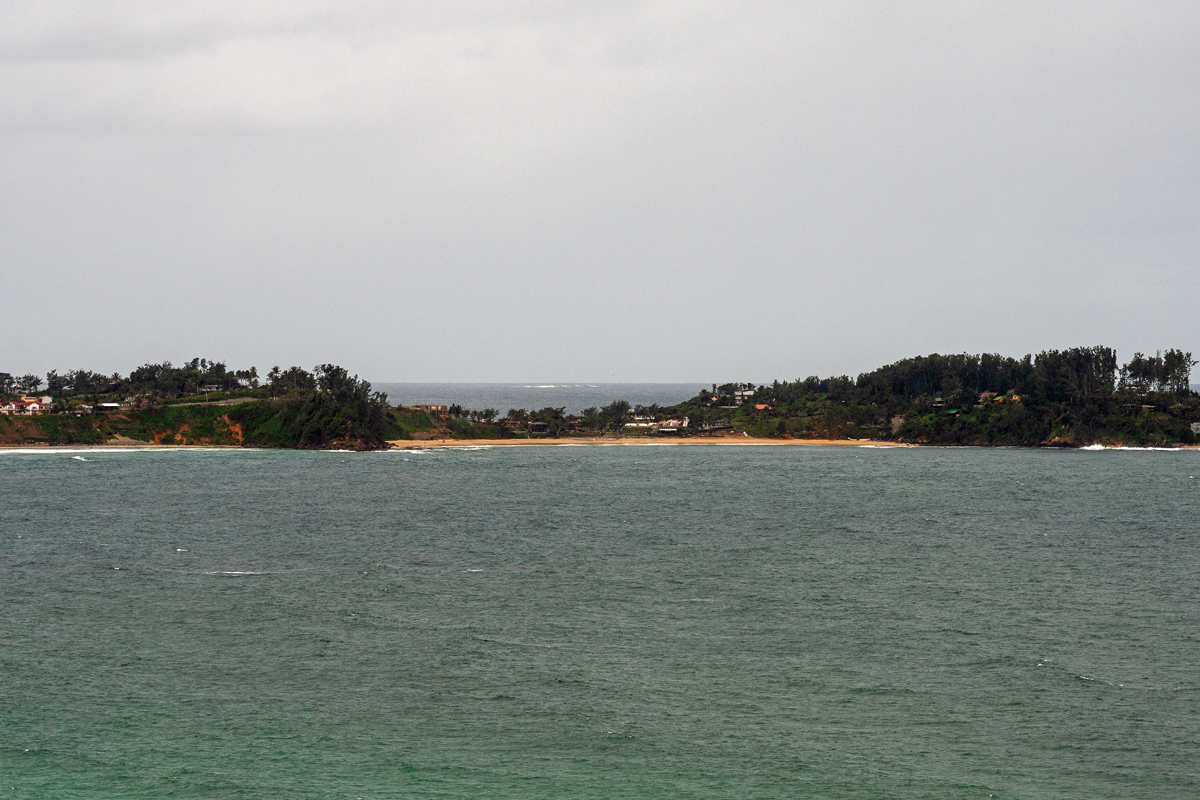
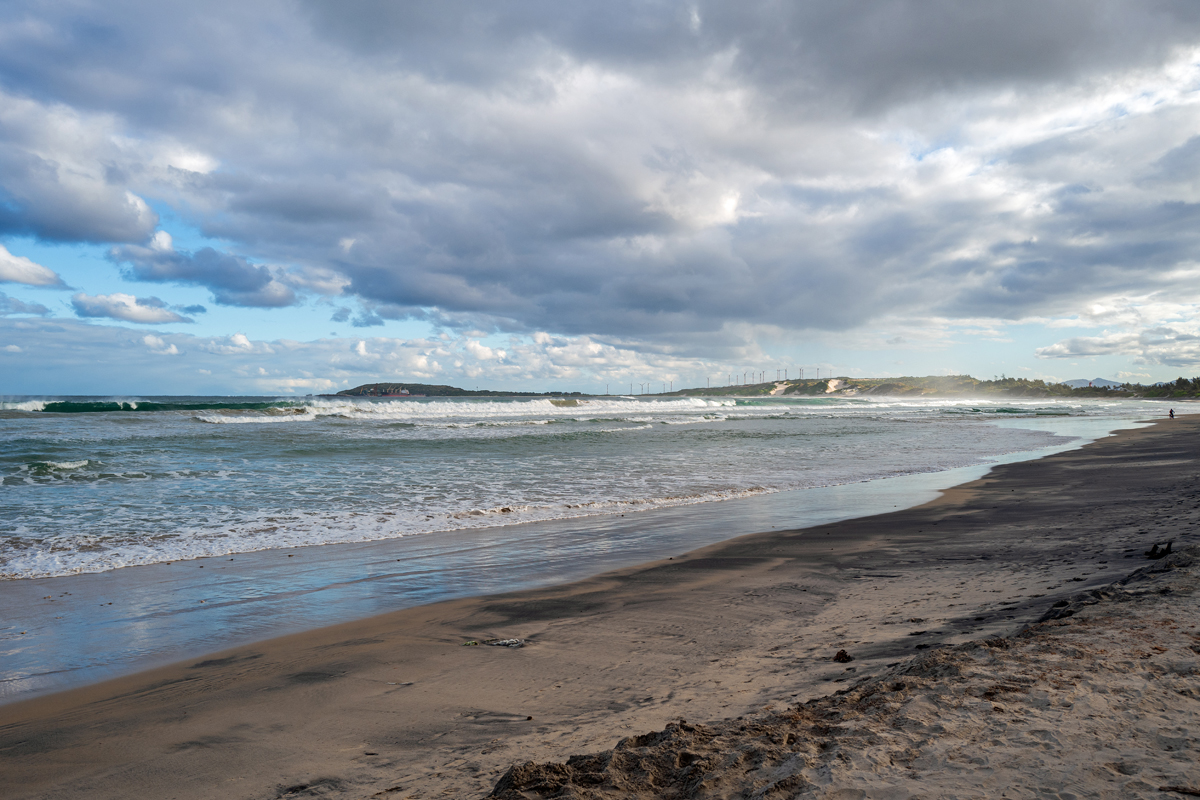
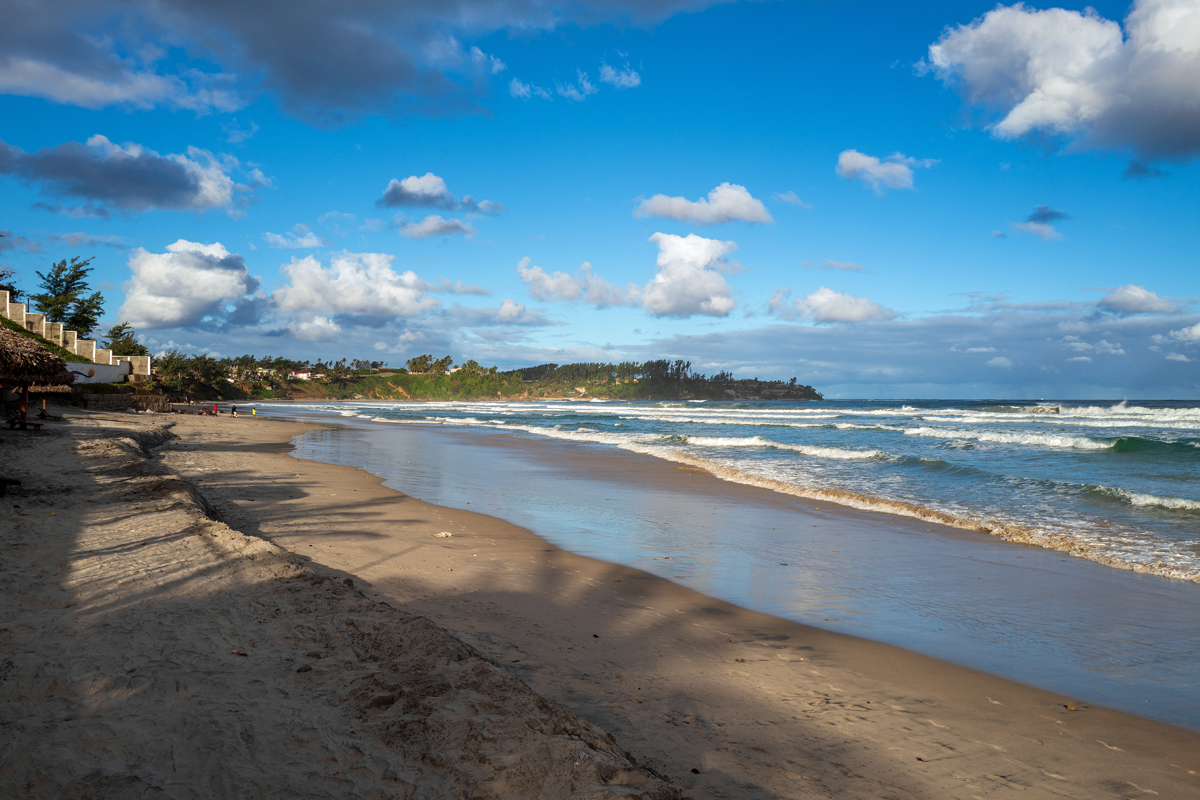
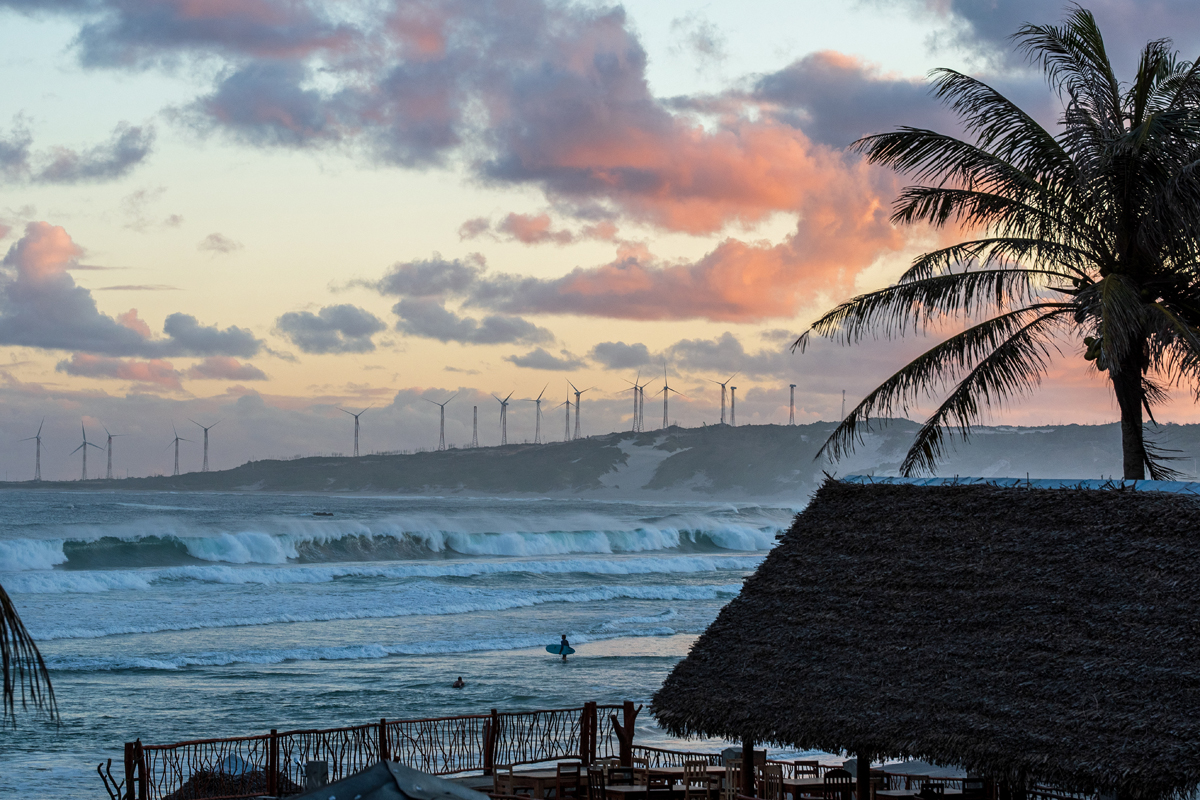
Its setting at the southernmost foothills of Madagascar’s montane spine makes Tolagnaro the precise antipode to Antsiranana in the islands far north. This lush green landscape with the Indian Ocean in the background is surely among the most attractive ones throughout the country. It is hard to imagine that only few kilometres separate the lush green from hostile semi-arid, spiny-forest-covered land, but there is a meteorological divide just west of town, and beyond that the annual rainfall drops significantly. Tolagnaro is a wonderful place, a perfect end-of-the-world-town just like its northern antipode – but without a tarmac road connecting it to the rest of the island. It is good for surfing, swimming at Libanona or Ankoba beach, hanging around at Etahô Café for coffee and a cookie, eating at at least a dozen cool places with decent food or climbing Pic St. Louis for stunning views of the city, the bay and Lokaro peninsula.
Die Lage am Fuß des südlichsten Ausläufers von Madagaskars gebirgigem Rückgrat macht Tolagnaro zur Antipode von Antsiranana im fernen Norden der Insel. Die üppige grüne Landschaft mit dem Indischen Ozean im Hintergrund gehört sicherlich zu den schönsten im ganzen Land. Es ist kaum vorstellbar, dass nur wenige Kilometer das üppige Grün von lebensfeindlichem, semi-aridem und von Dornenwald bedecktem Land trennt, aber westlich der Stadt verläuft eine Wetterscheide, und westlich davon nimmt die jährliche Niederschlagsmenge rapide ab. Tolagnaro ist ein fantastischer Ort, der perfekte Ende-der-Welt-Platz wie auch sein nördliches Gegenstück – nur ohne asphaltierte Straße, die es mit dem Rest des Landes verbindet. Man kann surfen, am Libanona- oder am Ankoba-Strand schwimmen, im Etahô Café bei Kaffee und Cookies abhängen, in mindestens einem Dutzend Plätzen gut essen oder den Pic St. Louis wegen des tollen Ausblicks auf die Stadt, die Bucht und die Lokaro-Halbinsel erklimmen.





 docugrAfrica
7 Gedanken zu “Tolagnaro (Fort Dauphin)”