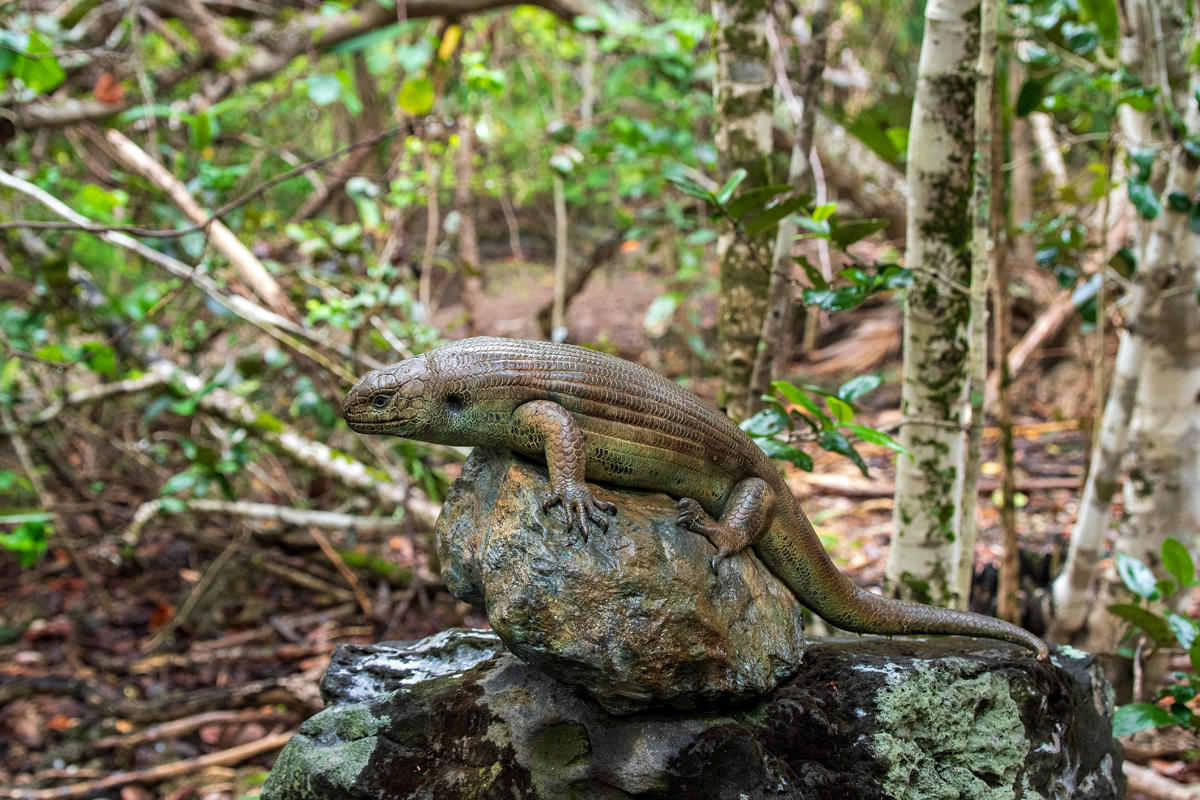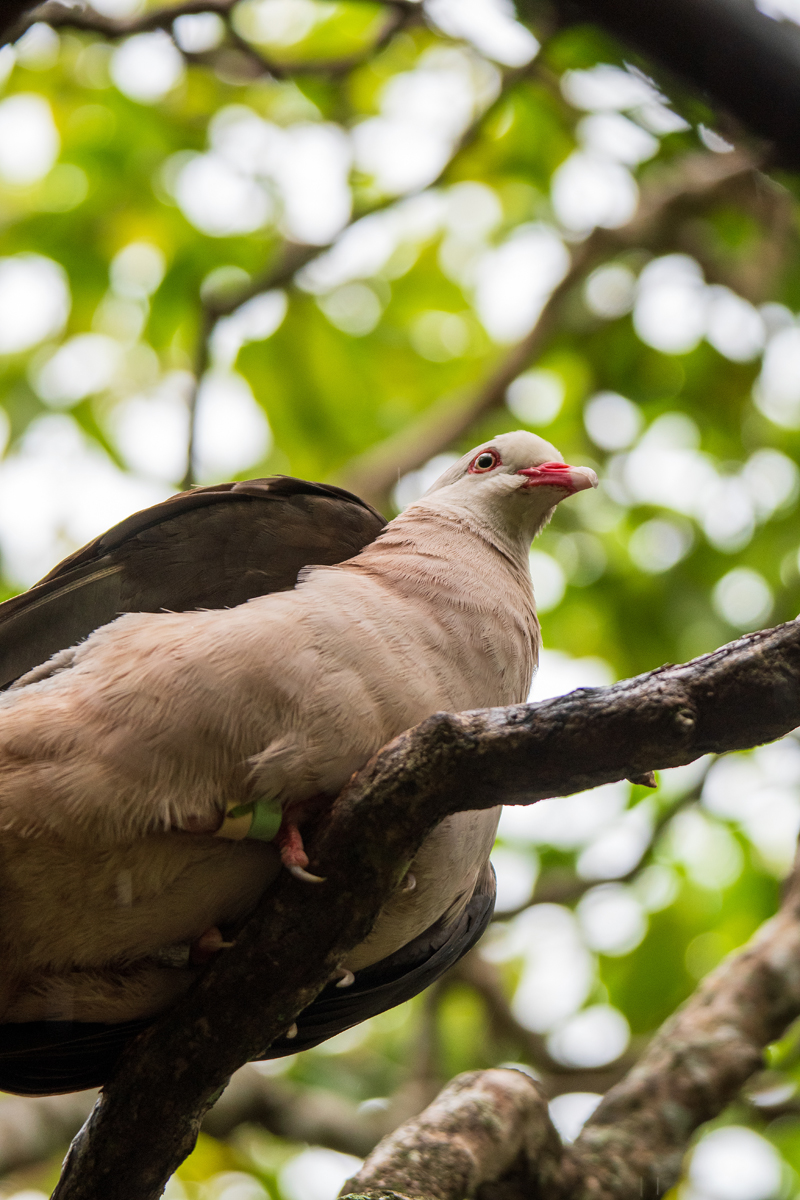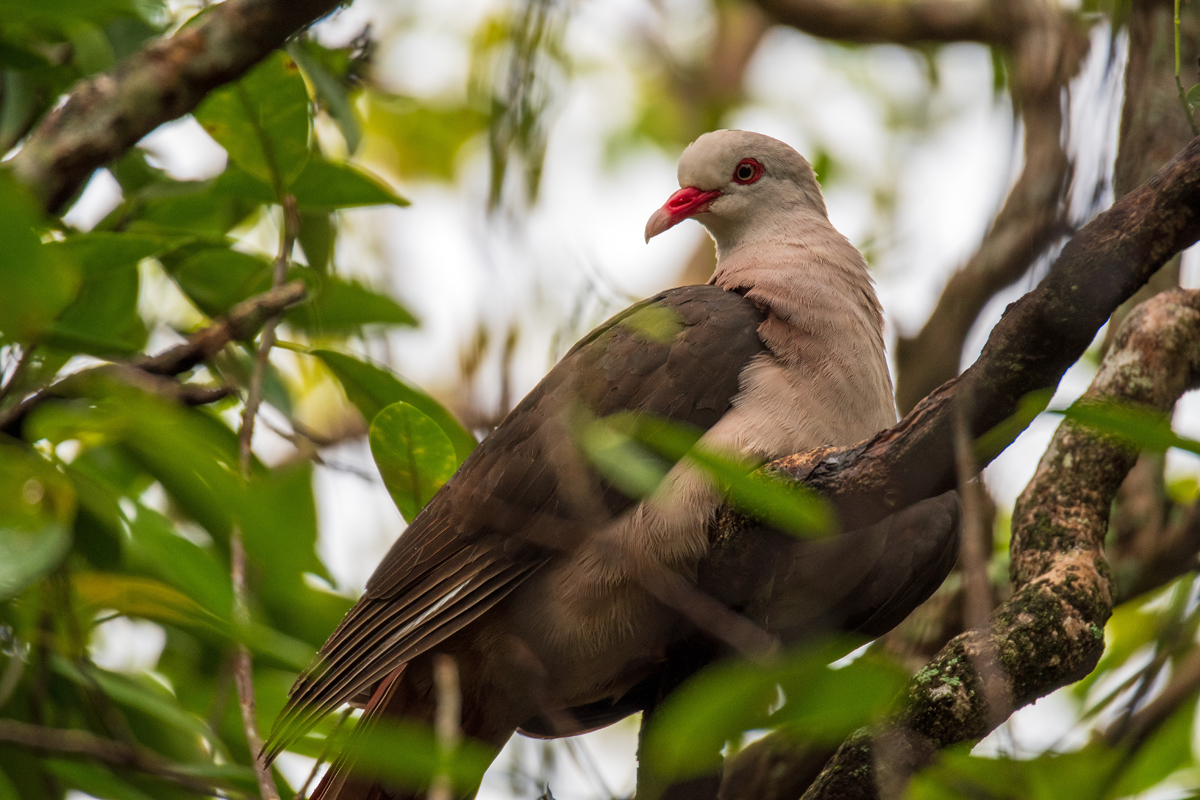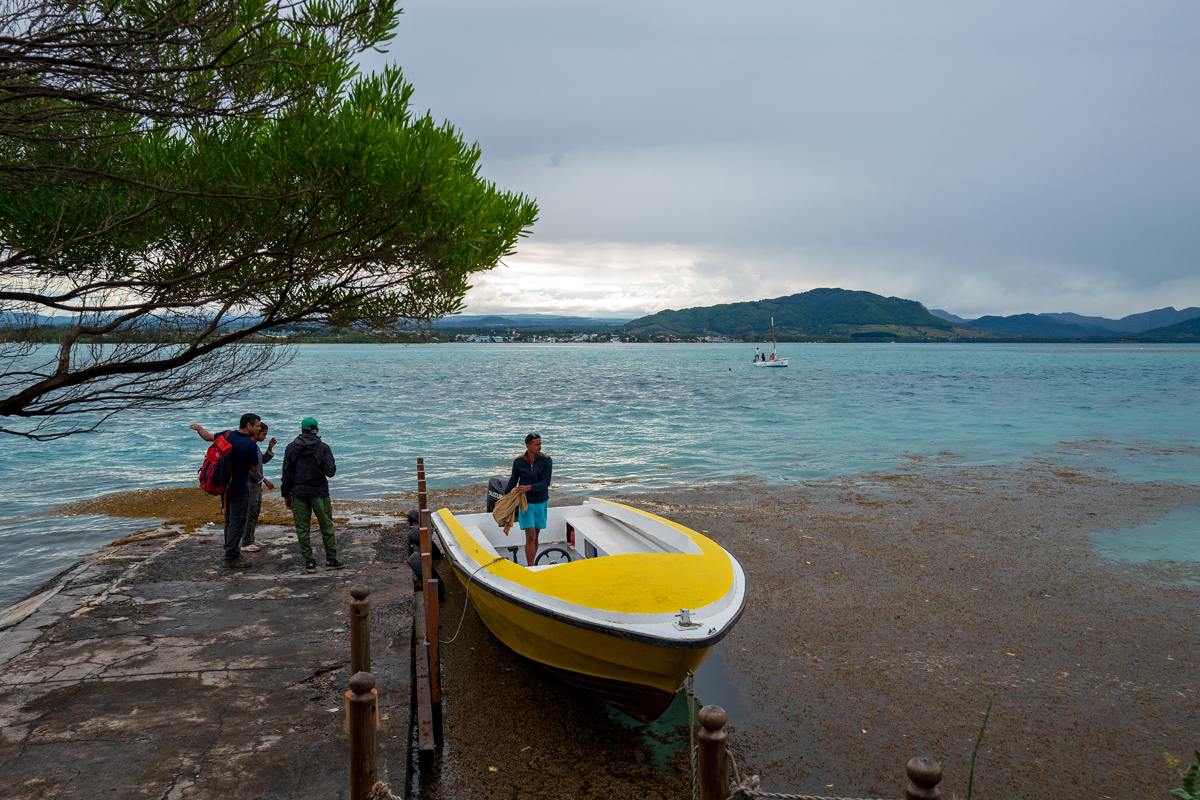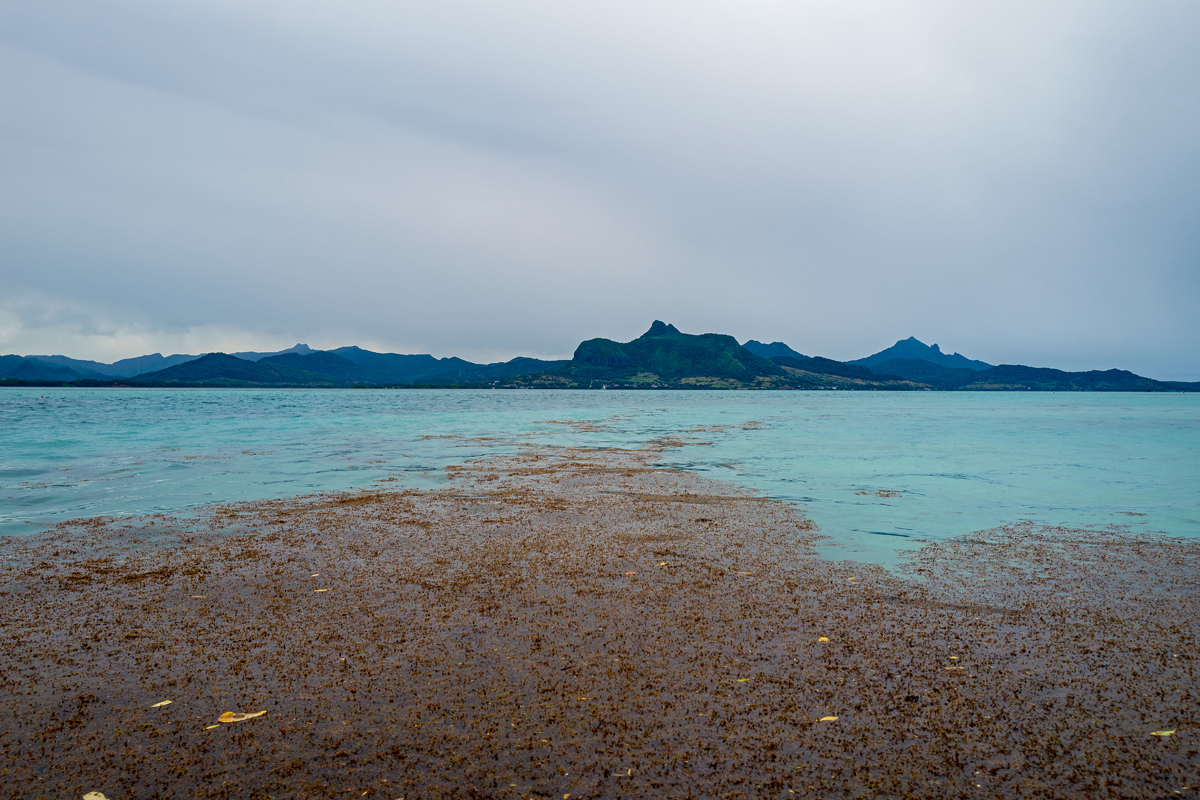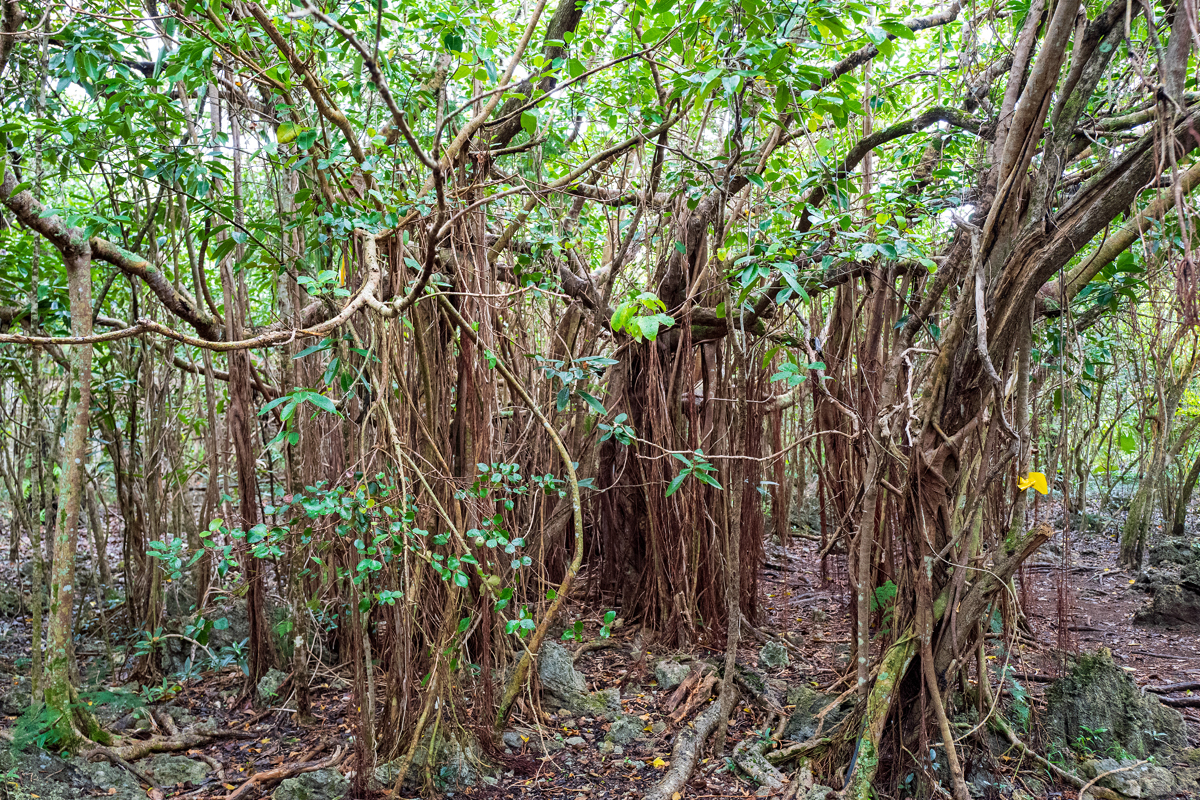
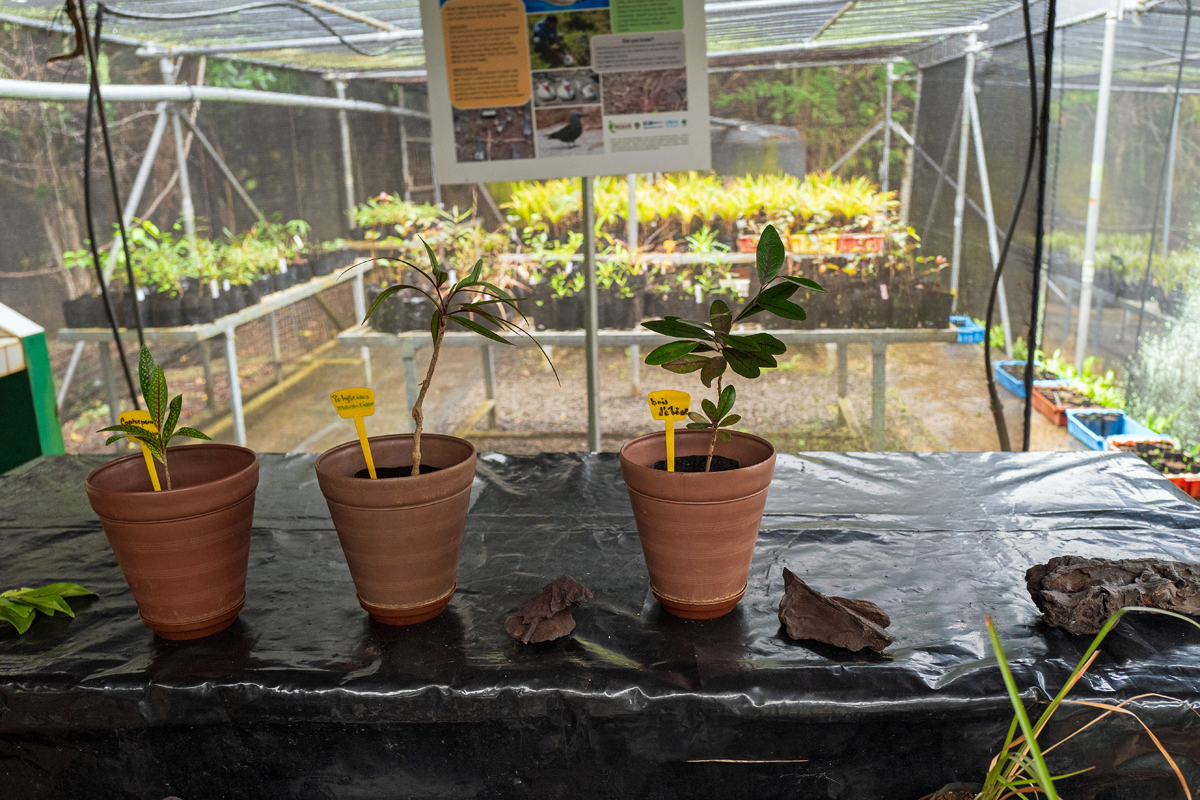
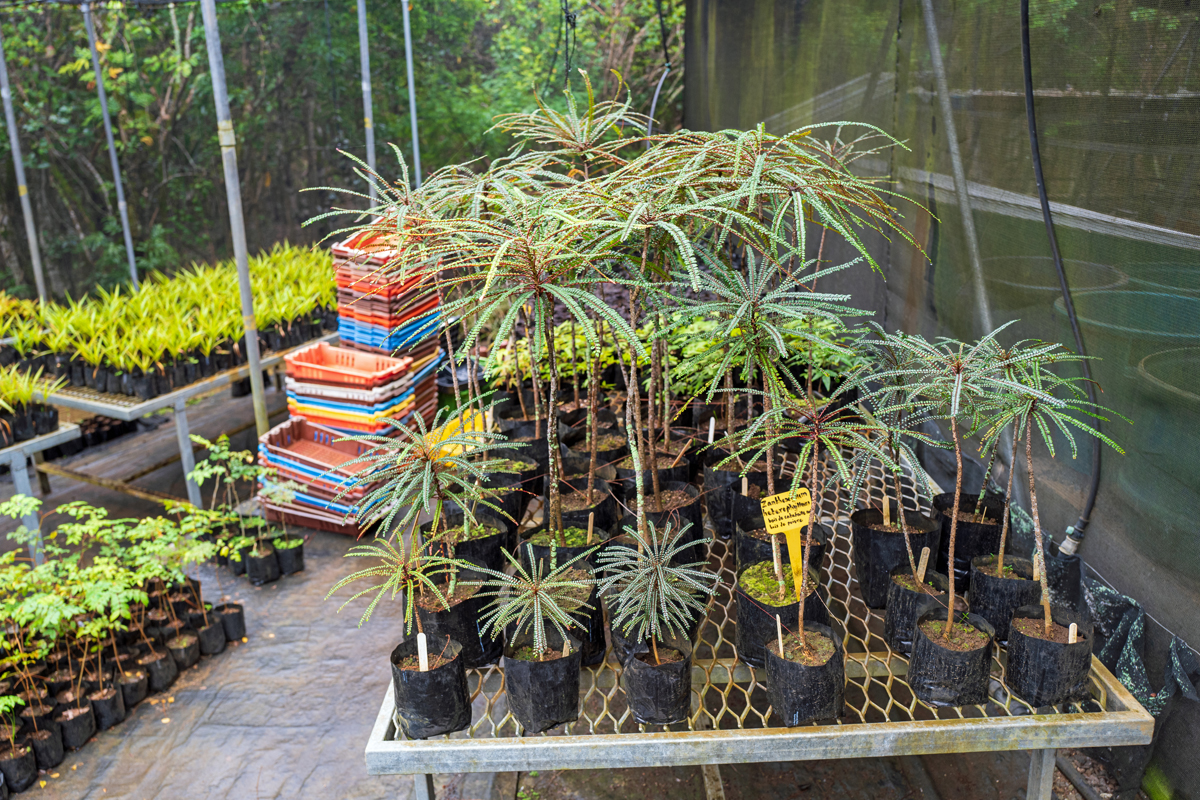
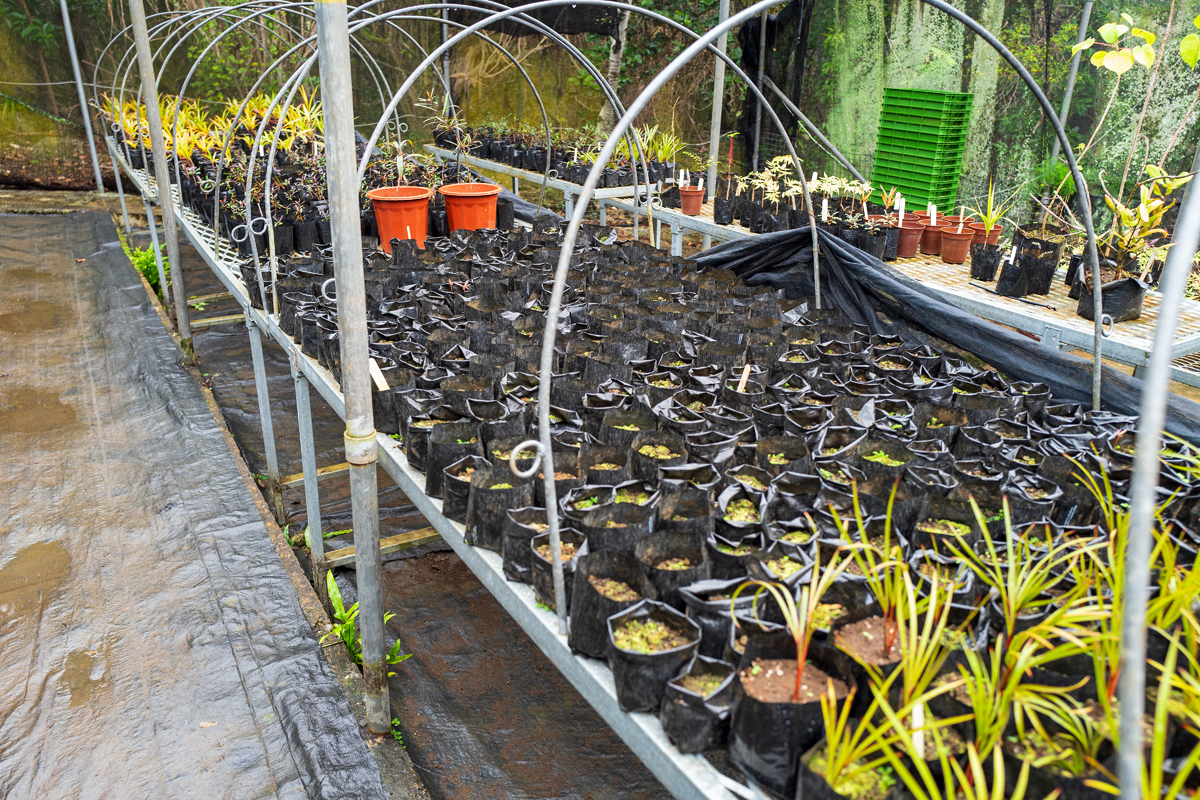
Île aux Aigrettes is an island east of Mahébourg. It is protected as Île aux Aigrettes Nature Reserve since 1965, and since 1985 they´re getting rid of all the invasive species of plants, but also rats, cats and what else the apes had brought. Over the decades and through intense reforestation of endemic plants, most of the birds, geckos and insects came back. Thanks to breeding programmes, it is now possible to see Pink Pigeons on the island – if you´re lucky. They have a feeding place in order to support the species furthermore.
Île aux Aigrettes ist eine Insel östlich von Mahébourg. Sie steht als Île aux Aigrettes Nature Reserve seit 1965 unter Schutz, und seit 1985 sind sie dabei, alle invasiven Arten an Pflanzen loszuwerden, aber genauso Ratten, Katzen und was die Affen sonst noch mitgebracht haben. Durch Jahrzehnte intensiver Wiederaufforstung mit endemischen Pflanzen kehrten am Ende auch viele Vögel, Geckos und Insekten zurück. Dank verschiedener Nachzuchtprogramme kann man heute mit etwas Glück wieder Rosentauben auf der Insel sehen. Für sie gibt es einen Futterplatz, um die Art auch weiterhin zu unterstützen.
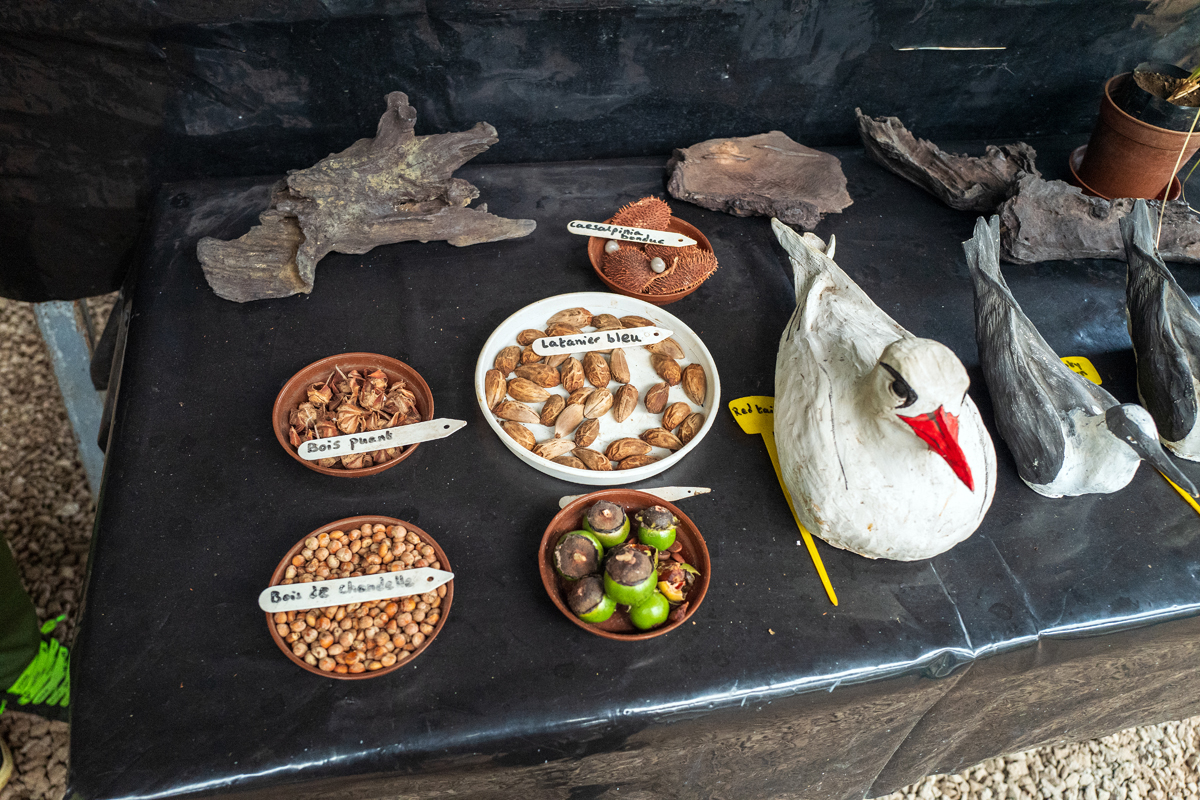
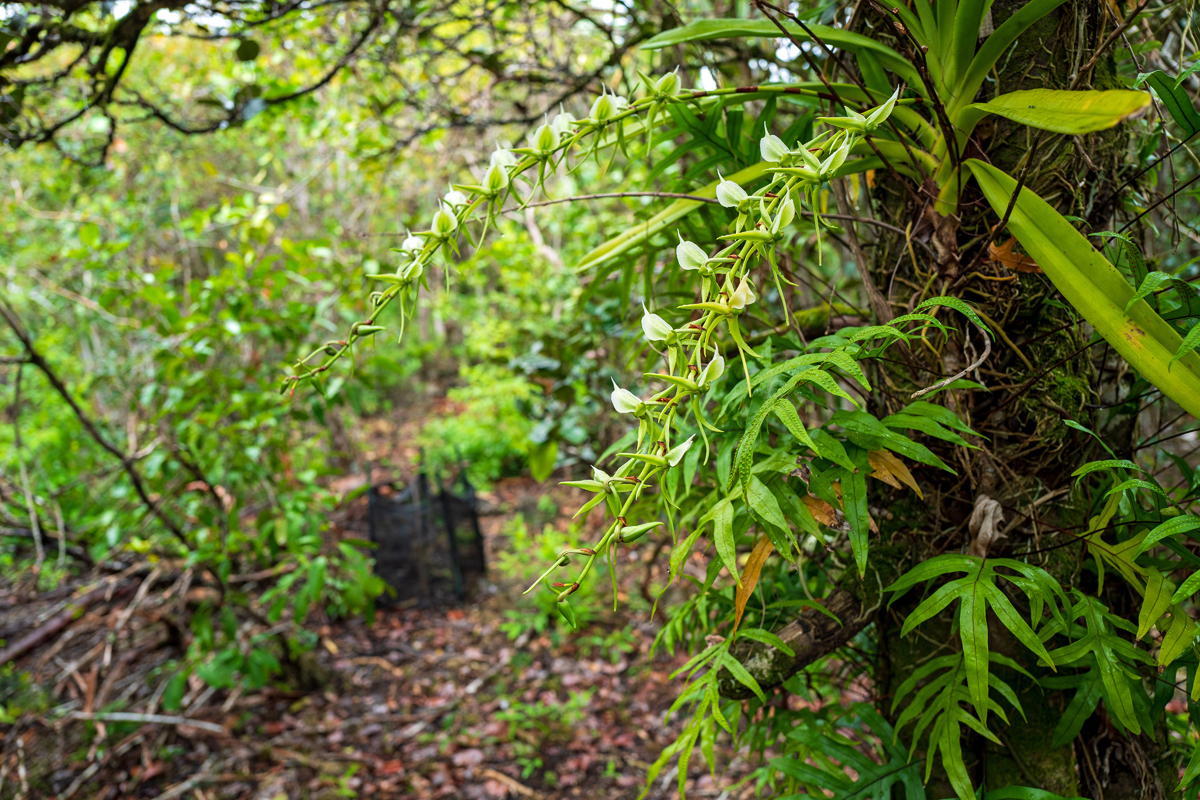
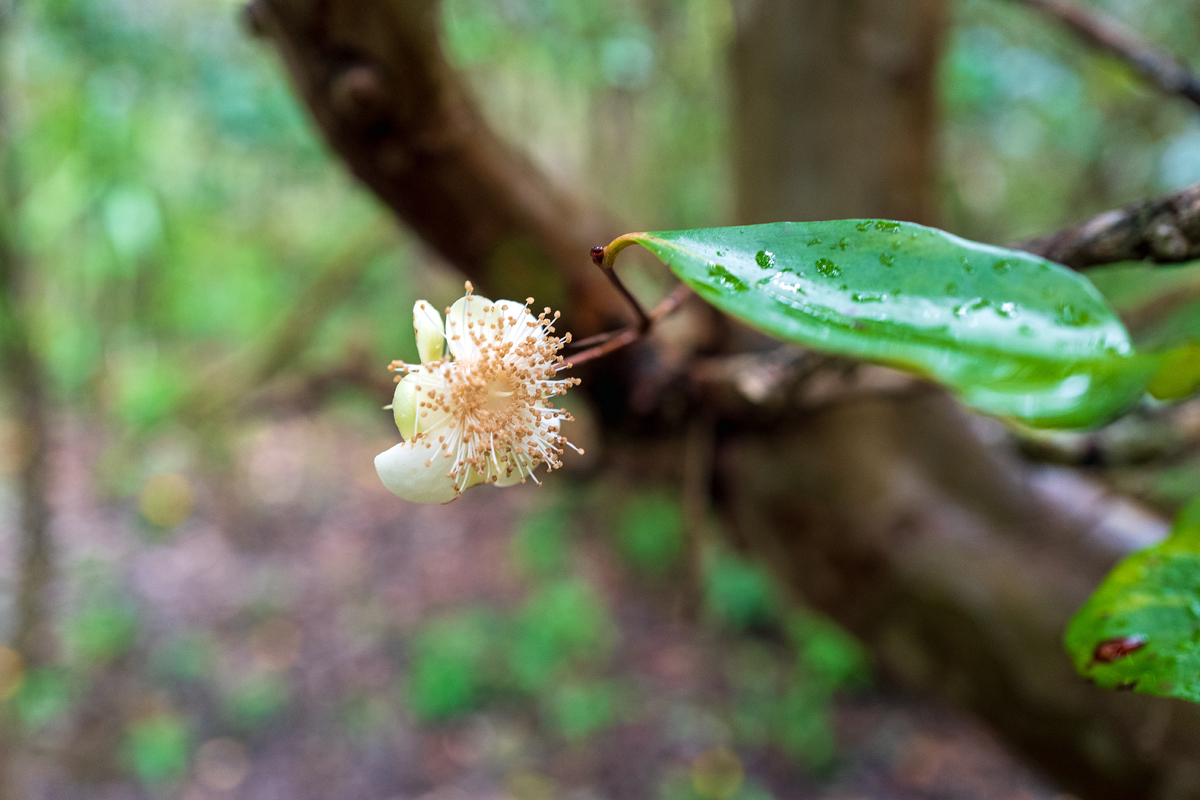
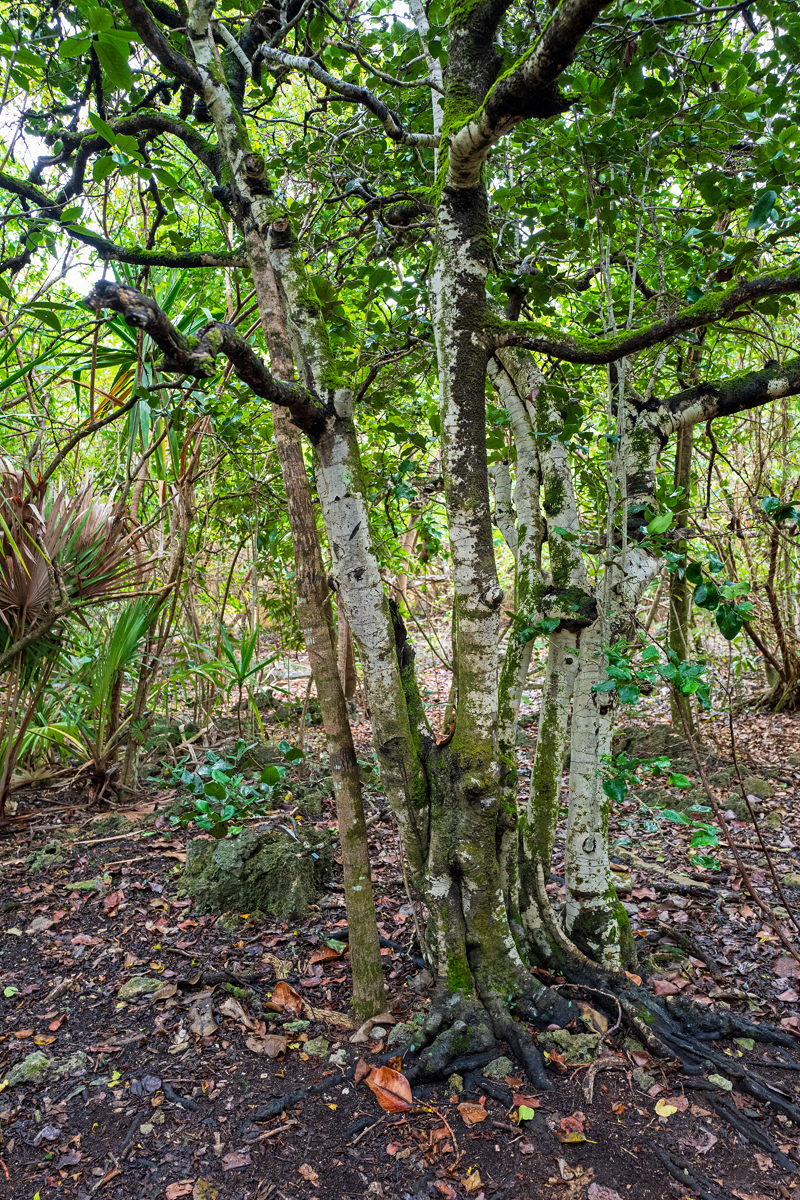
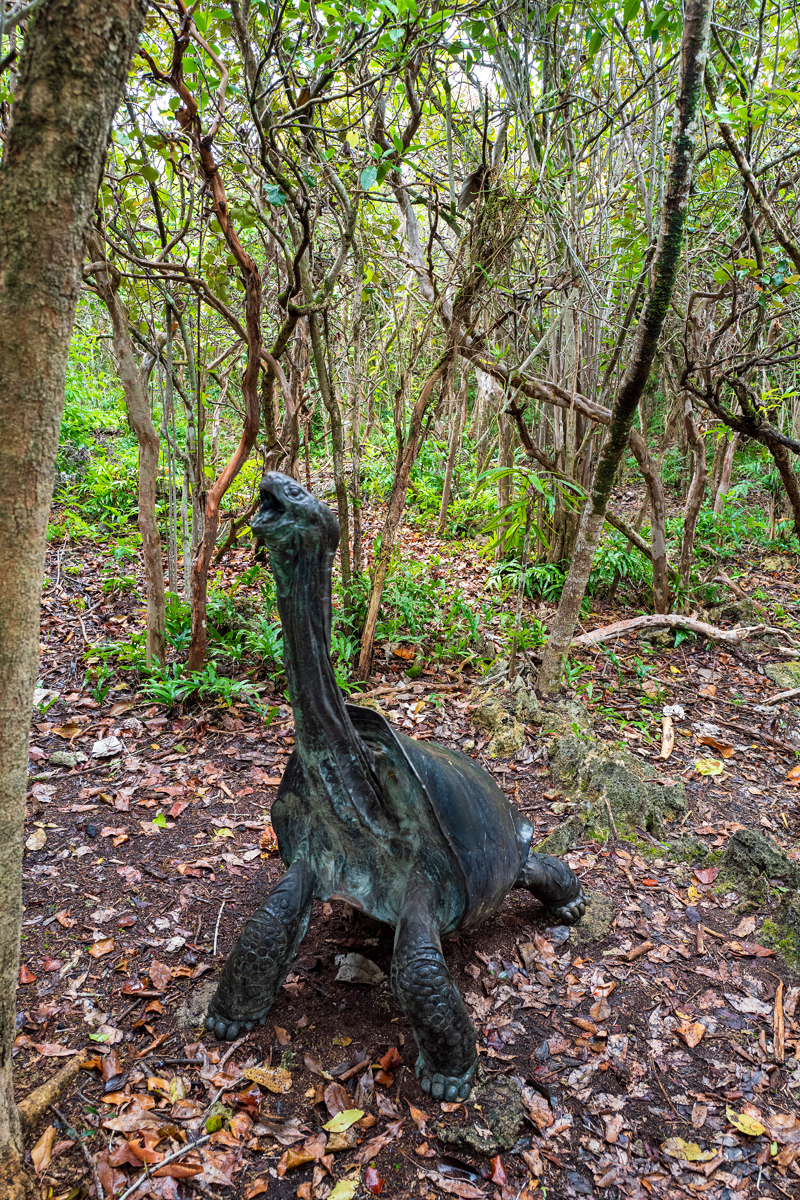
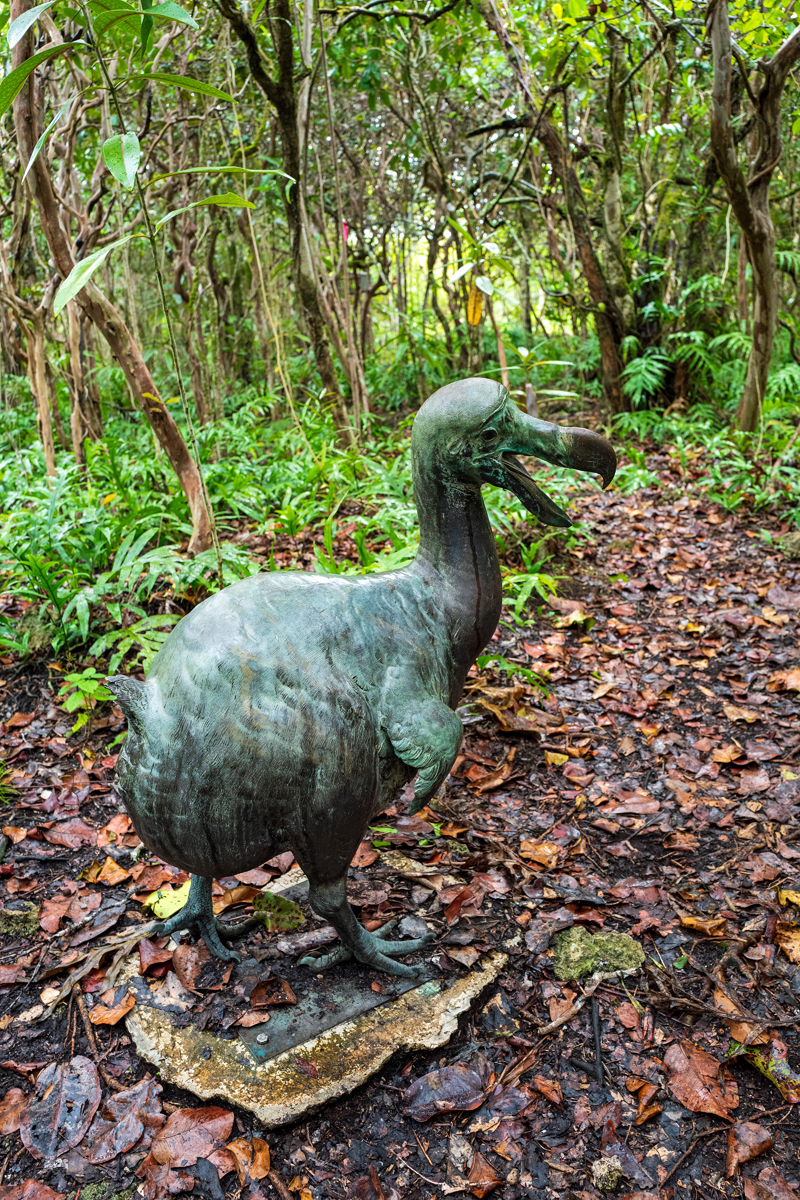
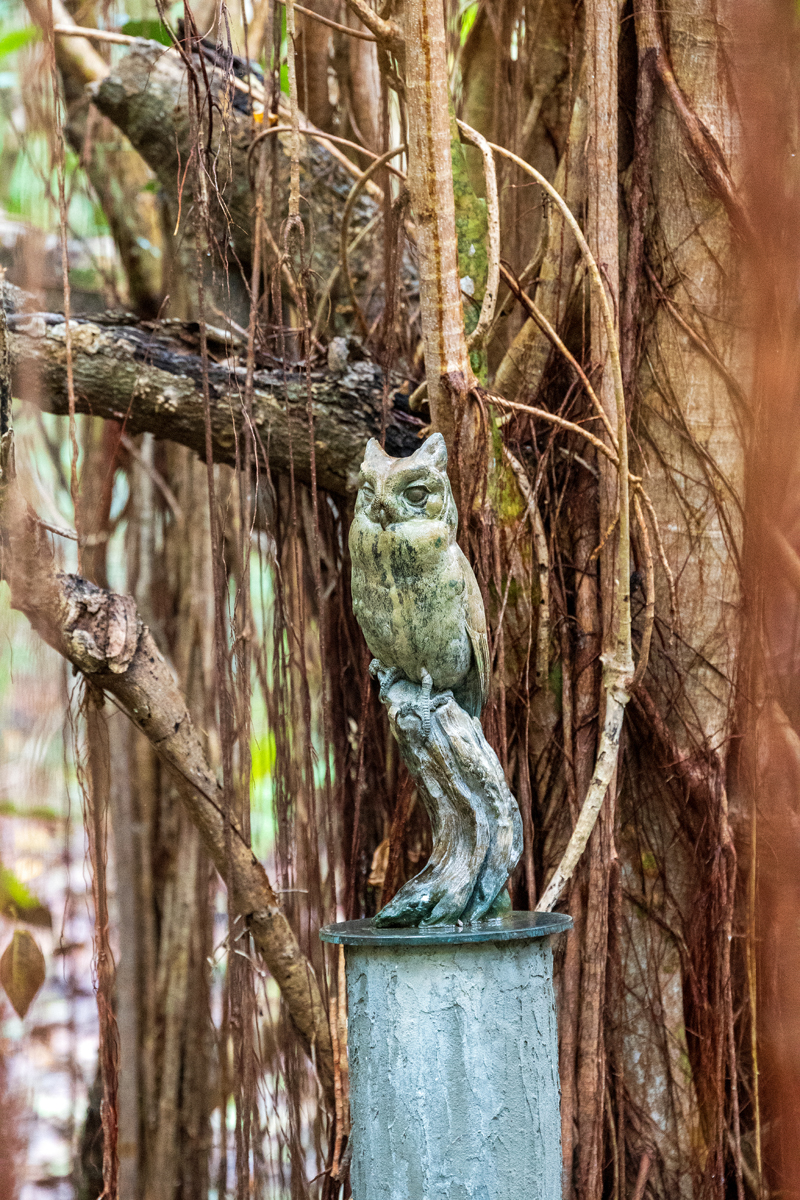
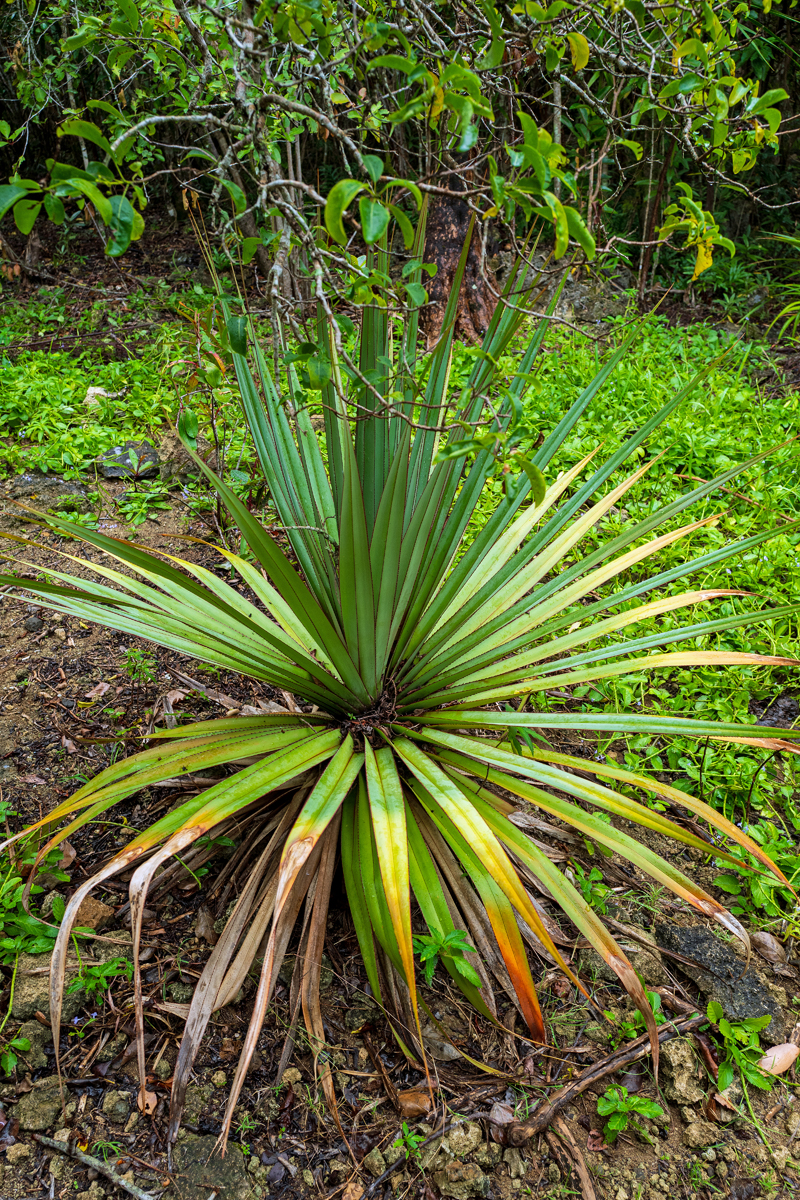
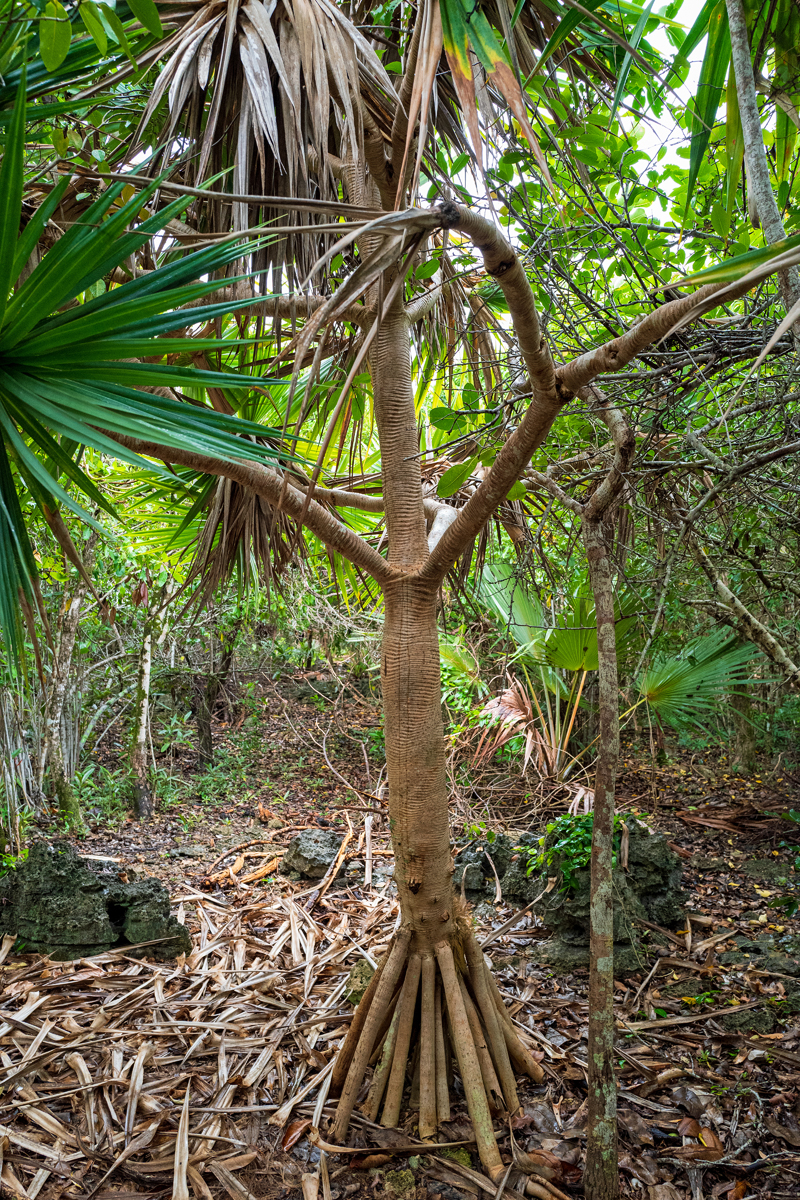
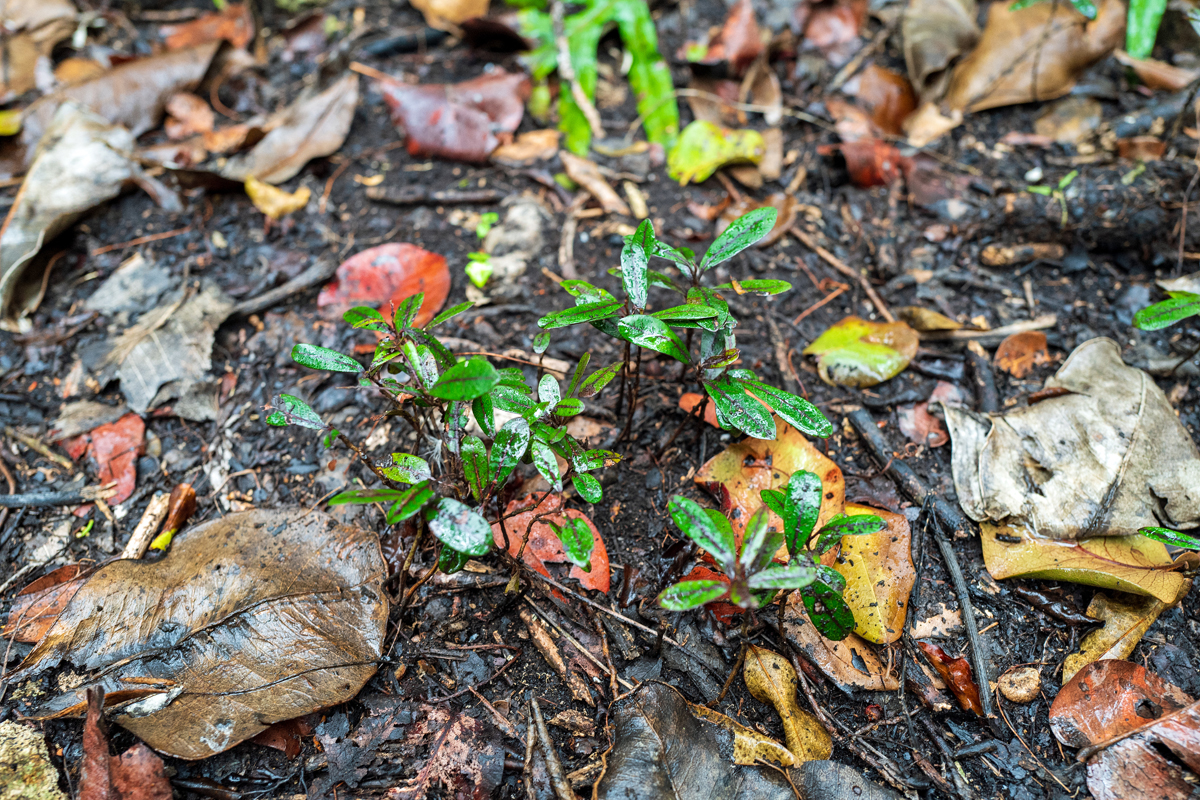
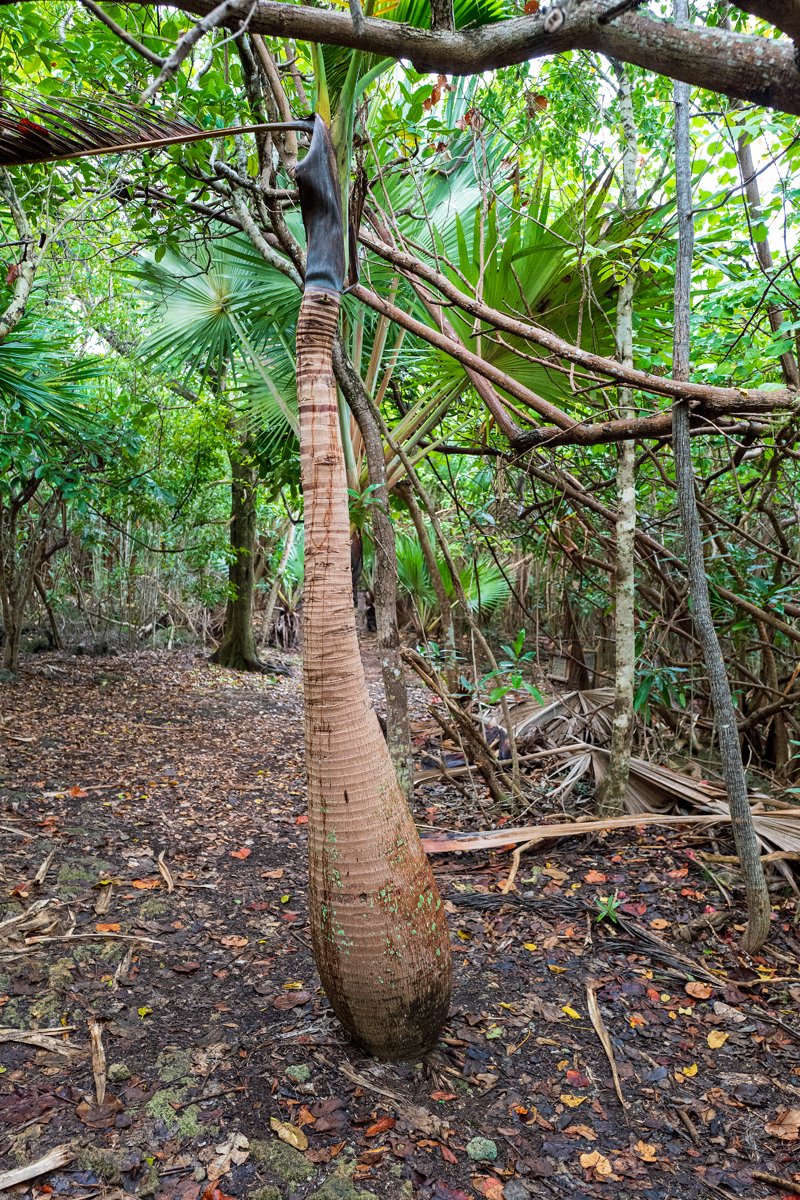
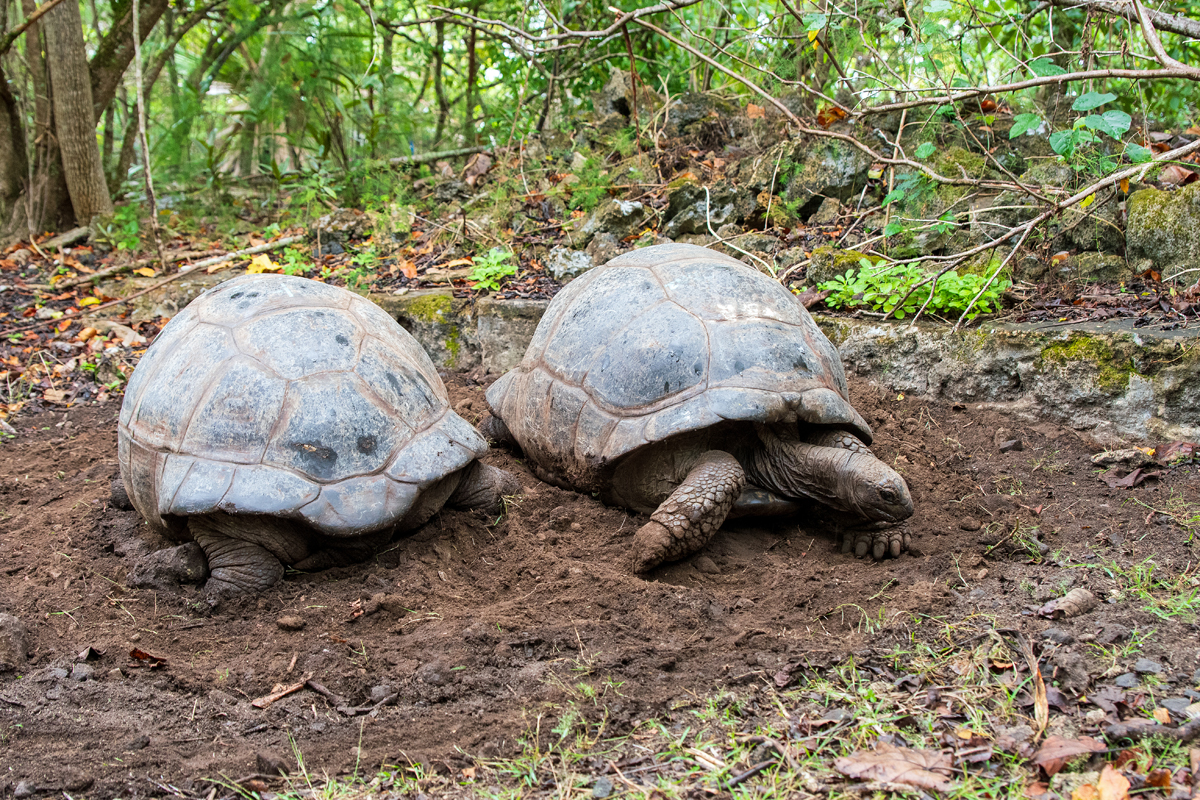
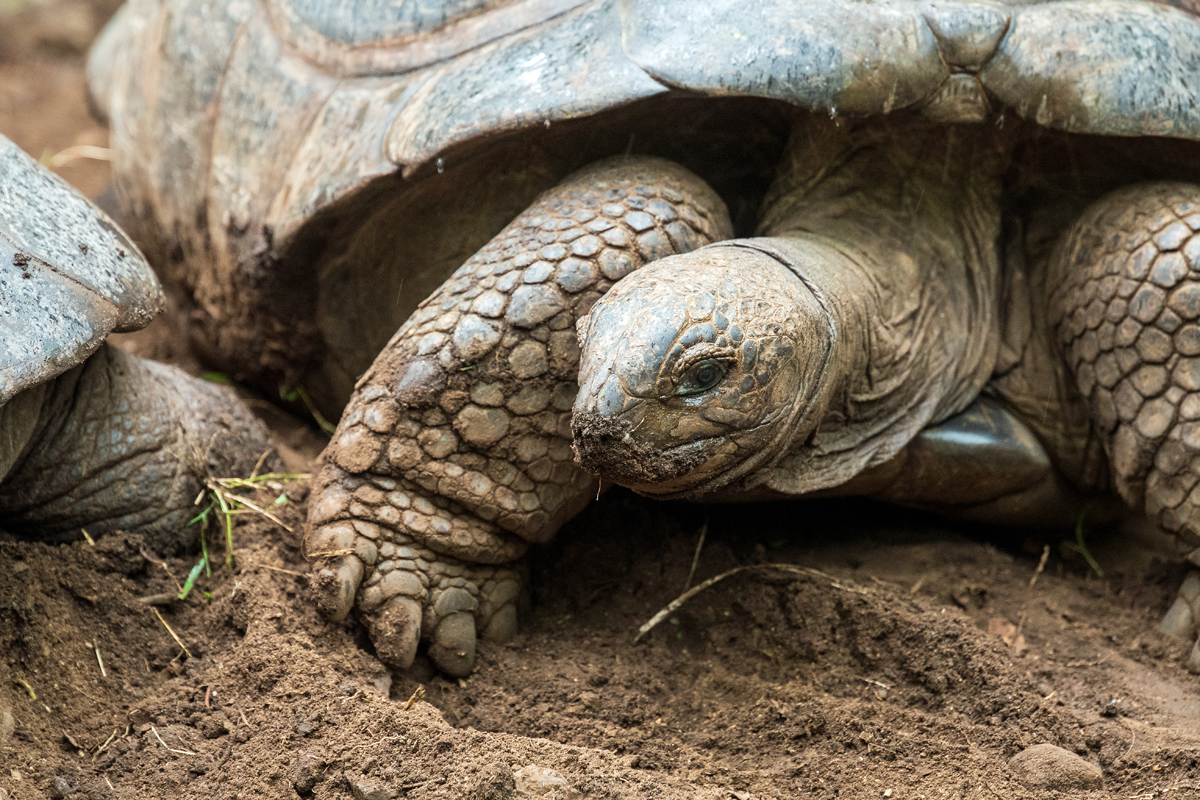
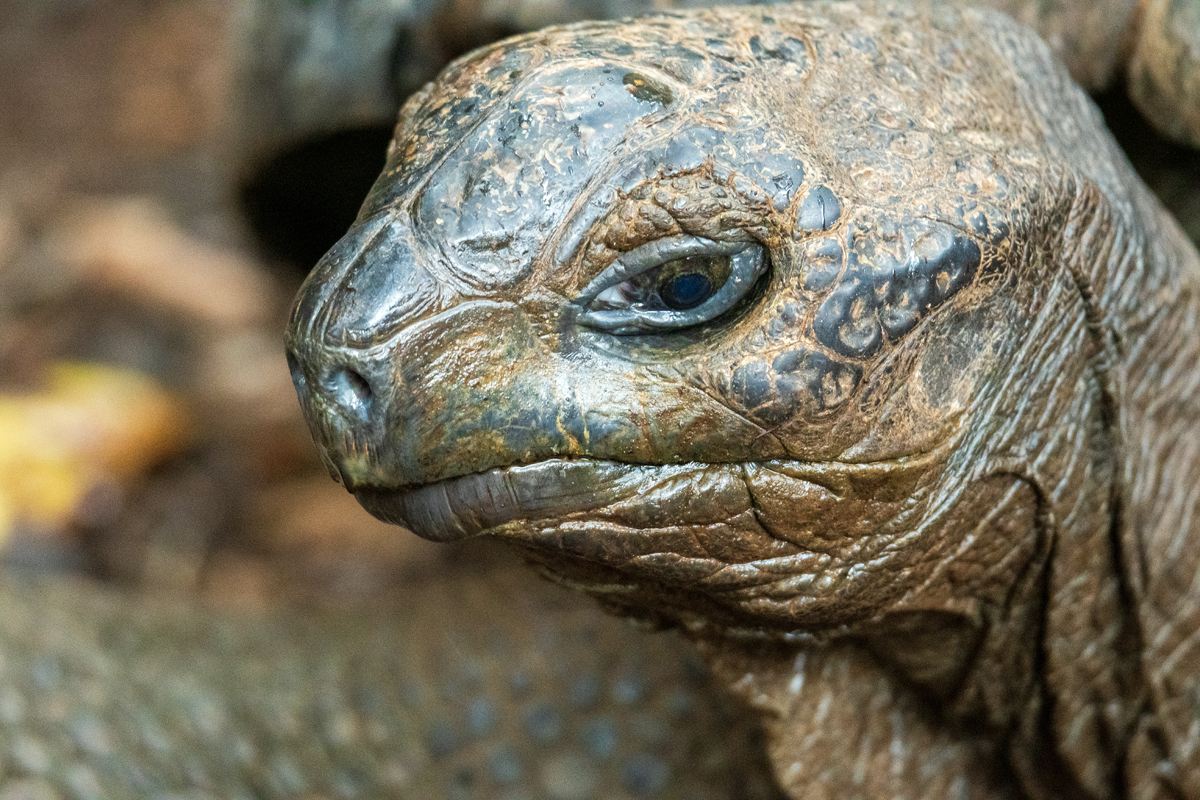
Aldabra Tortoises roam the island, reproducing for repopulation of the places where once two now extinct endemic Mauritian species had lived. They´re much needed to spread the seeds of many of the islands precious trees. Our guide from the Mauritian Wildlife Foundation told us that this is still the fastest way to get many of them to germinate. The tortoises were important for the ecosystem, and island ecosystems are very fragile, but two percent of an island ecosystem is, I think, 98 percent more fragile. And that´s what´s left of the original natural environment in Mauritius. So, getting rid of the tortoises and the birds, like the famous dodo, did something to the whole ecosystem of the island. Same thing with cutting down all the trees or turning the vast majority of non-urban space into sugarcane fields. At least, today it´s prohibited to cut down an endemic tree, the guide told us. Now, if that ain´t something.
Aldabra Riesenschildkröten drehen ihre Runden auf der Insel, Reproduktion zur Auswilderung an den Orten, an denen einst die beiden ausgestorbenen endemischen Arten gelebt hatten. Sie werden so sehr gebraucht, um die Samen der vielen wertvollen Bäume der Insel zu verbreiten. Unser Guide von der Mauritius Wildlife Foundation sagte uns, dass das nach wie vor die schnellste und effektivste Art sei, um die Samen zum Keimen zu bringen. Die Riesenschildkröten sind wichtig für das Ökosystem, wobei Ökosysteme auf Inseln besonders anfällig sind, und zwei Prozent eines Insel-Ökosystems sind vermutlich 98 Prozent anfälliger. Das ist es, was noch übrig ist von Mauritius´ Natur. Die Schildkröten und Vögel, wie den berühmten Dodo, auszurotten hat also Konsequenzen für das gesamte Ökosystem der Insel. Dasselbe gilt, wenn alle Bäume gefällt und ein Großteil der unbebauten Flächen zu Zuckerrohr-Feldern gemacht werden. Zumindest ist es heute verboten, endemische Bäume zu fällen, wie der Guide uns sagte. Das ist doch mal was.