In the famous National Parks in the east and the south of the African continent, tourist management is a challenge for many years now. It still may happen that dozens of vehicles gather around one pride of lion, and that is not only stressful for the animals but should also be a turnoff for the tourists, so I thought, because for me it is. But for the people nowadays, especially for younger folks, it seems to be more about action than the experience itself, more about stimulus, a sensory kick and an end product worth uploading it to social media channels, primarily selfies and videos. Like at concerts, they tend to rather watch the event on the screen of their smartphones with which they´re recording the whole thing rather than watching the actual event. This is by far the saddest picture that could stand for the overall condition of mankind today.
In den berühmten Nationalparks im Osten und Süden Afrikas ist die Steuerung des Tourismus innerhalb der Schutzgebiete schon lange ein Thema. Dennoch kann es vorkommen, dass sich gleich Dutzende Fahrzeuge um ein Löwenrudel versammeln, was nicht bloß die Tiere stresst, sondern auch das Erlebnis für die Touristen schmälern sollte – könnte man meinen. Doch denen geht es in zunehmendem Maße und tendenziell mit abnehmendem Alter nicht mehr um das Erlebnis, sondern um Action, den schnellen Reiz und ein Social-Media-kompatibles Endprodukt, sprich: Selfie und Video. Wie auf Konzerten ist auch bei Safaris immer öfter zu beobachten, dass die Menschen nicht auf das Ereignis selbst, sondern auf das Ereignis auf dem Bildschirm ihre Smartphones, mit dem sie das Ereignis gerade abfilmen, blicken. Was so ziemlich das traurigste Bild für den Zustand der Menschheit ist, das man sich vorstellen kann.
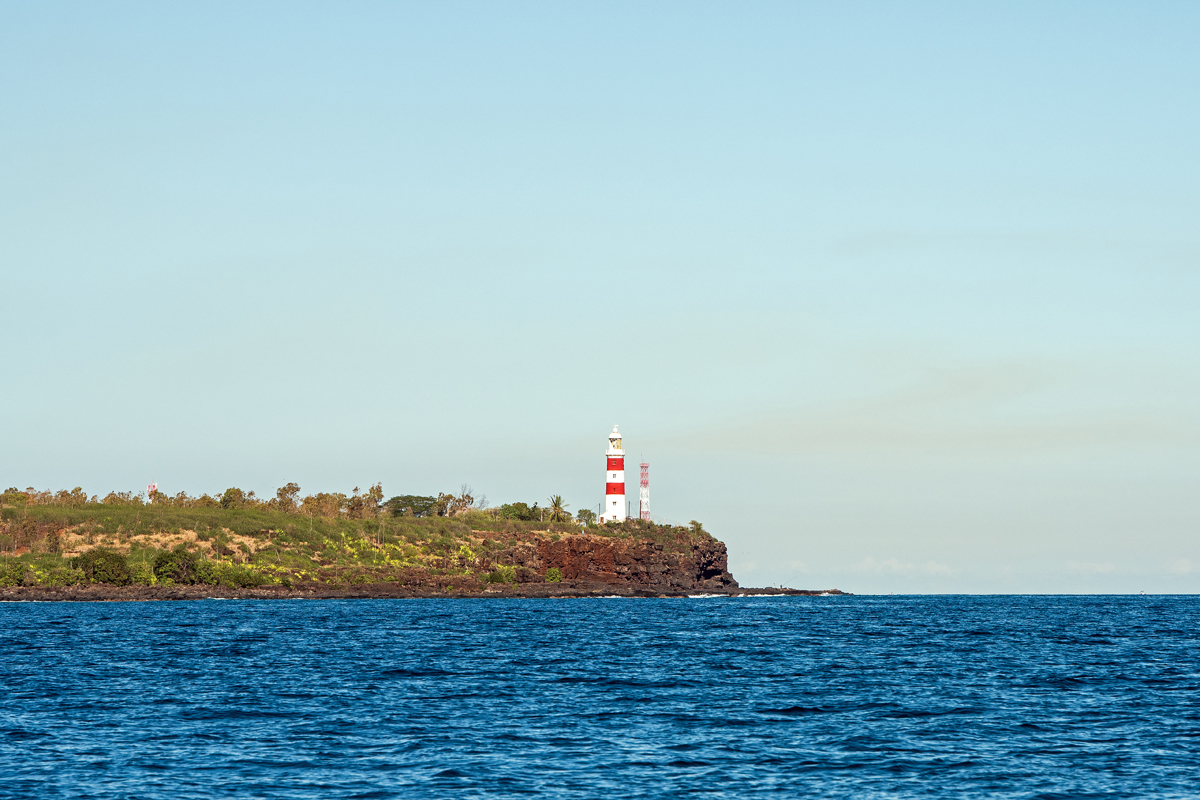
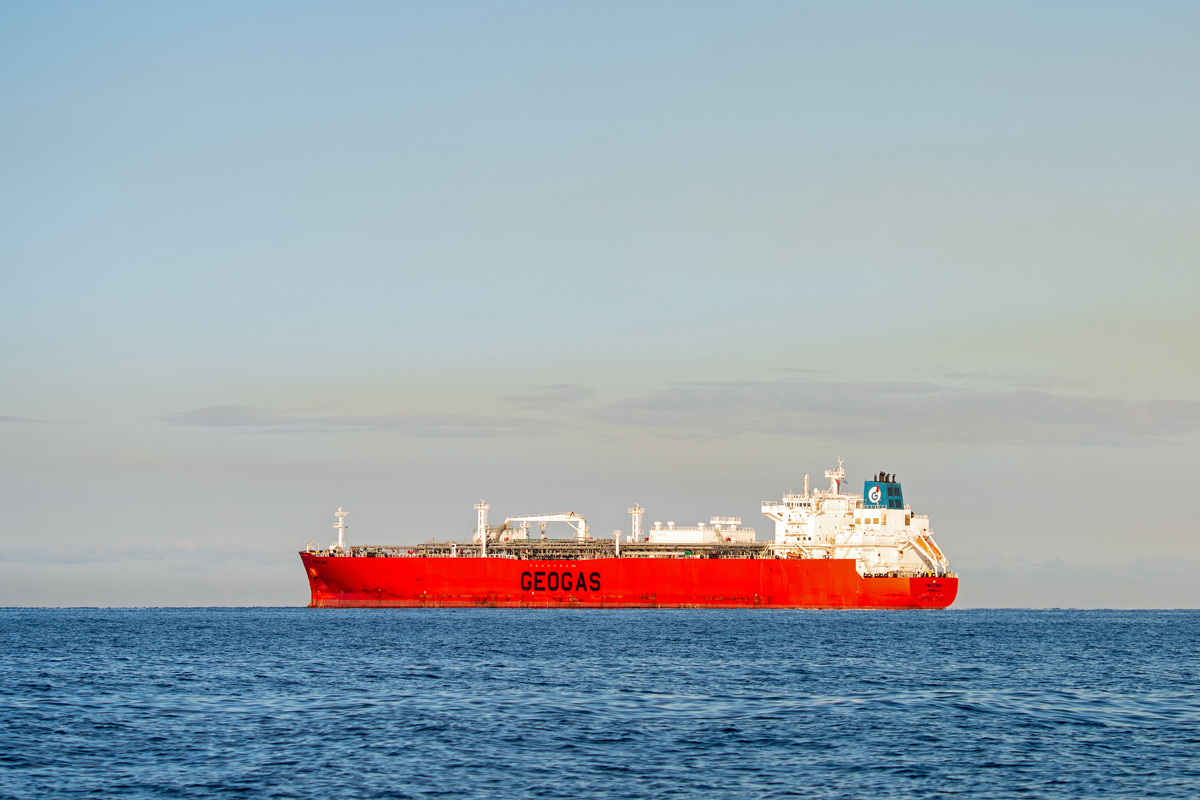
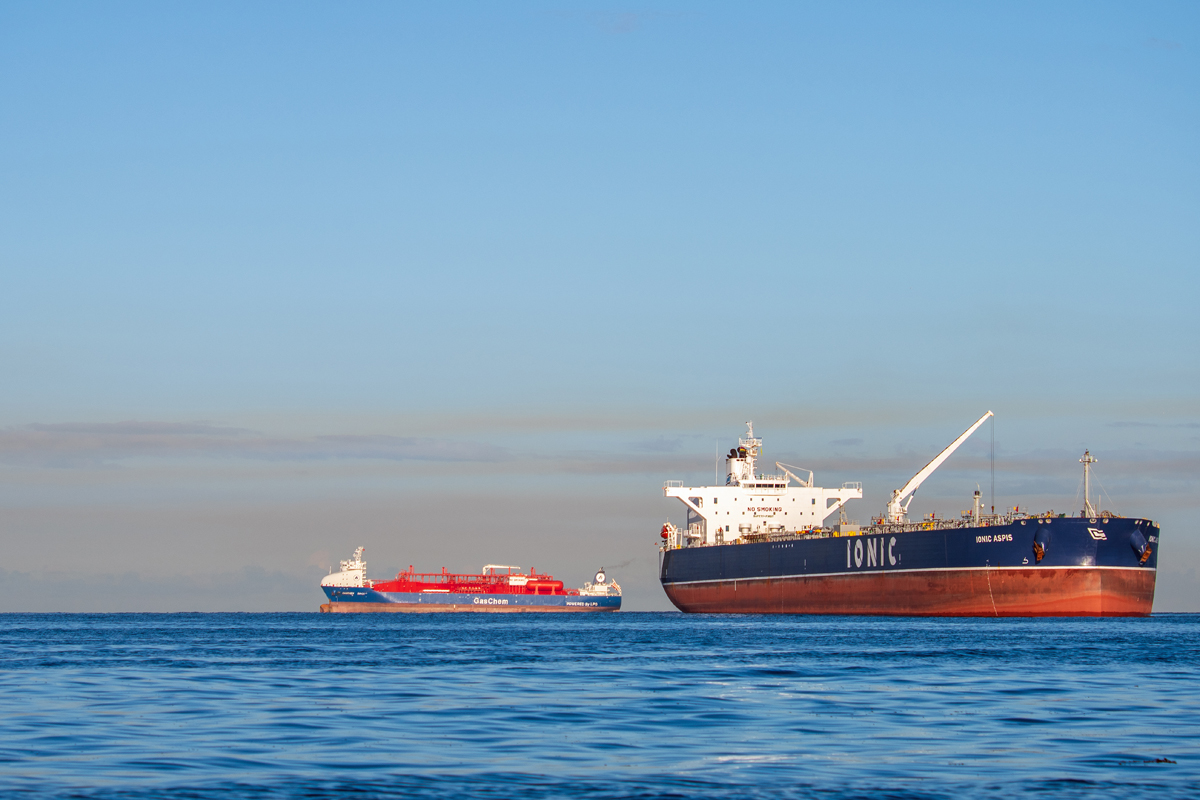
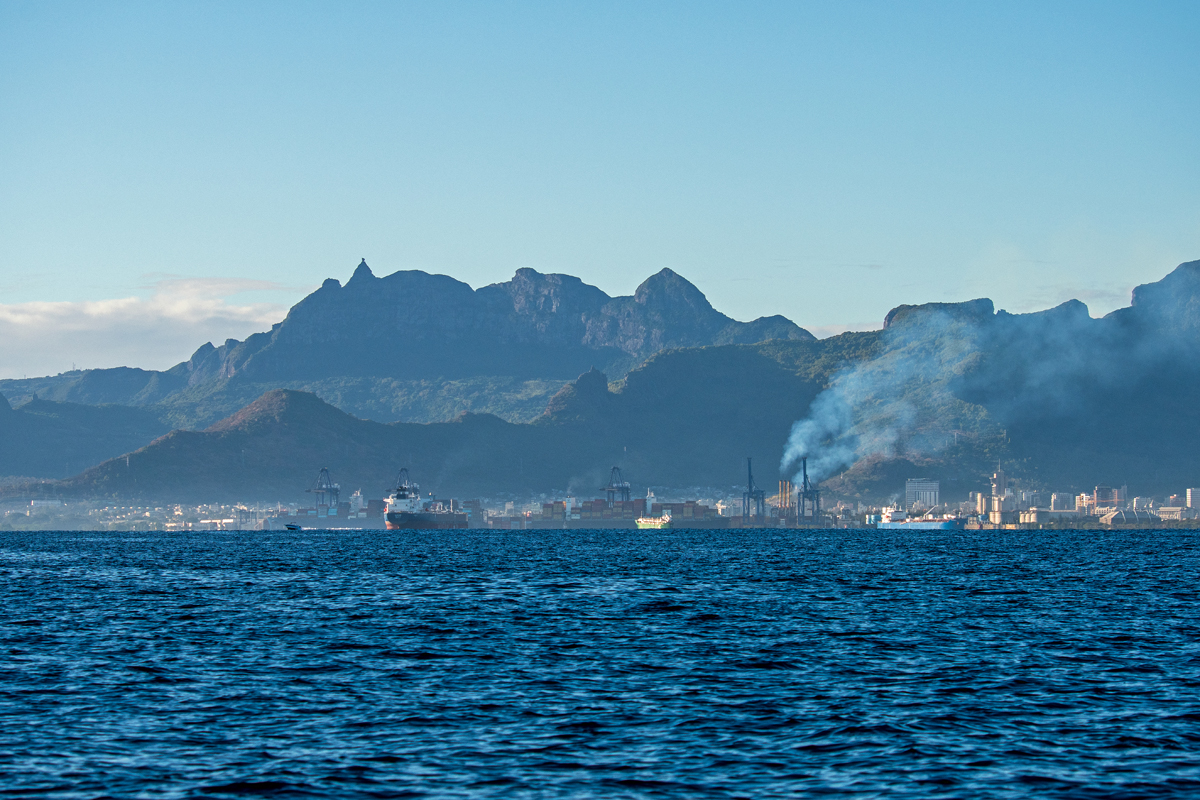
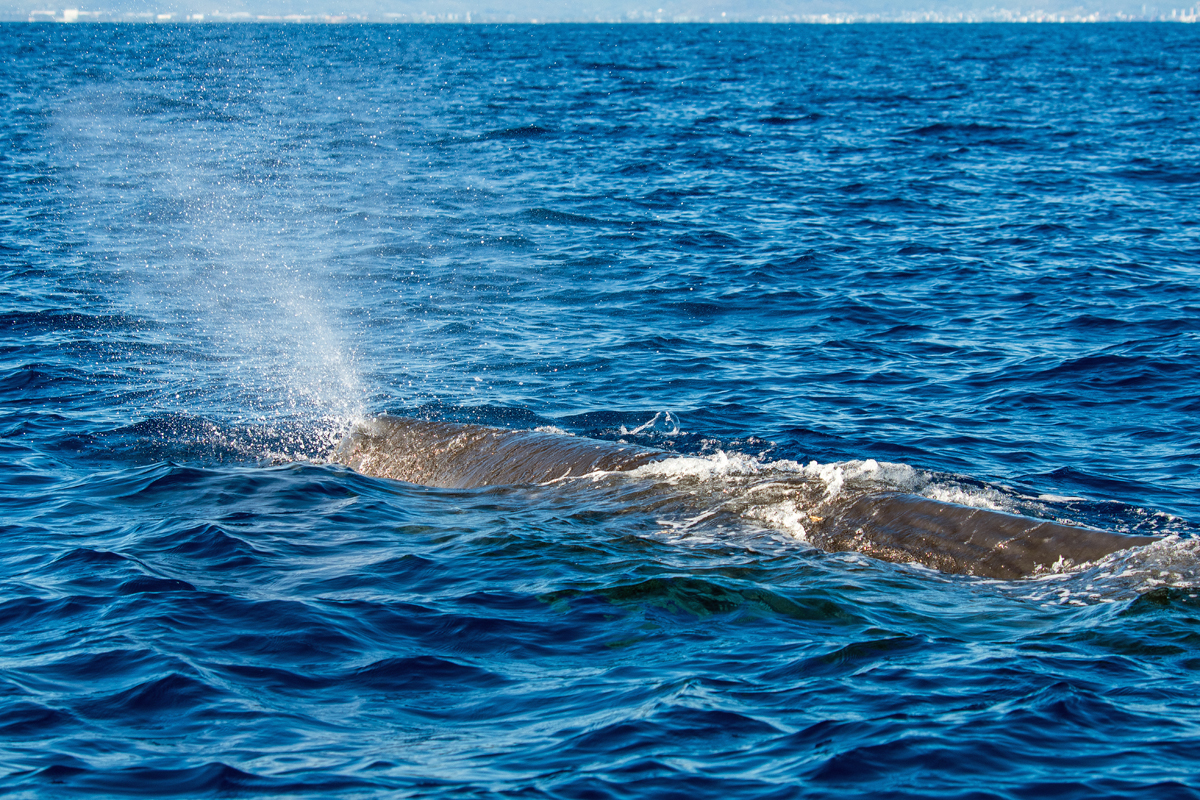
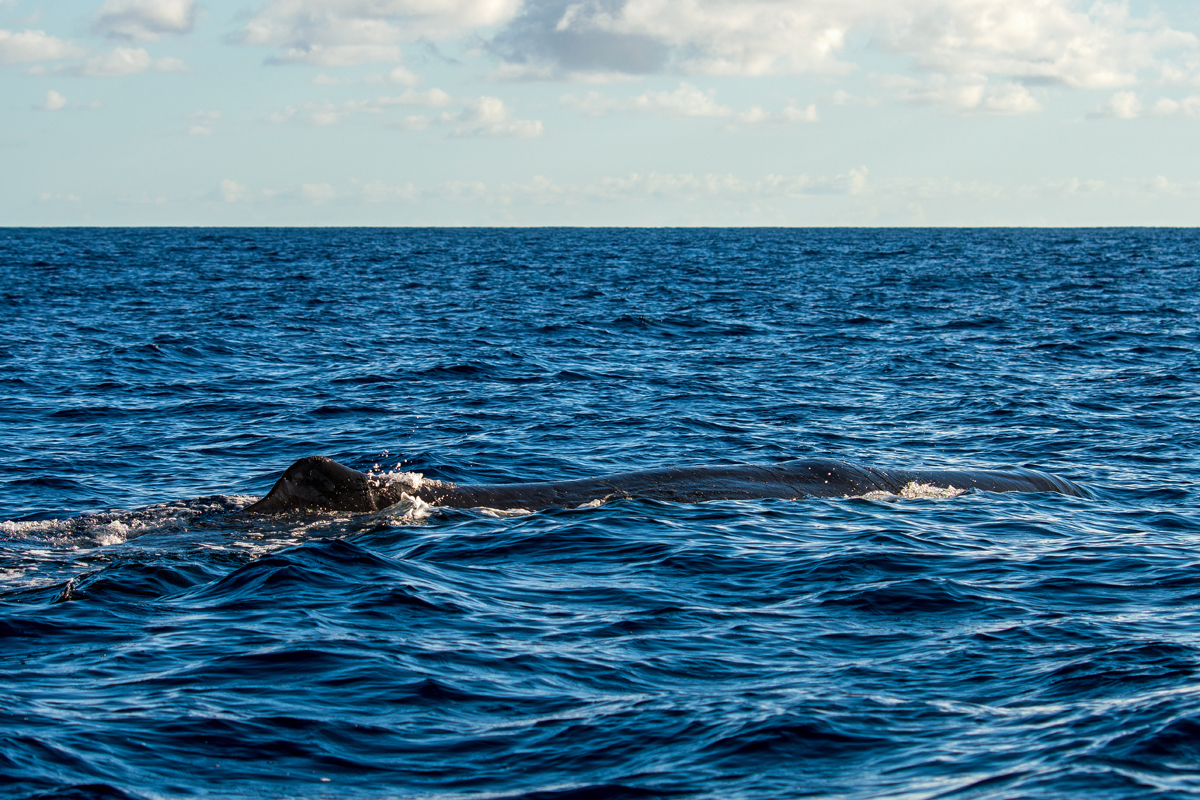
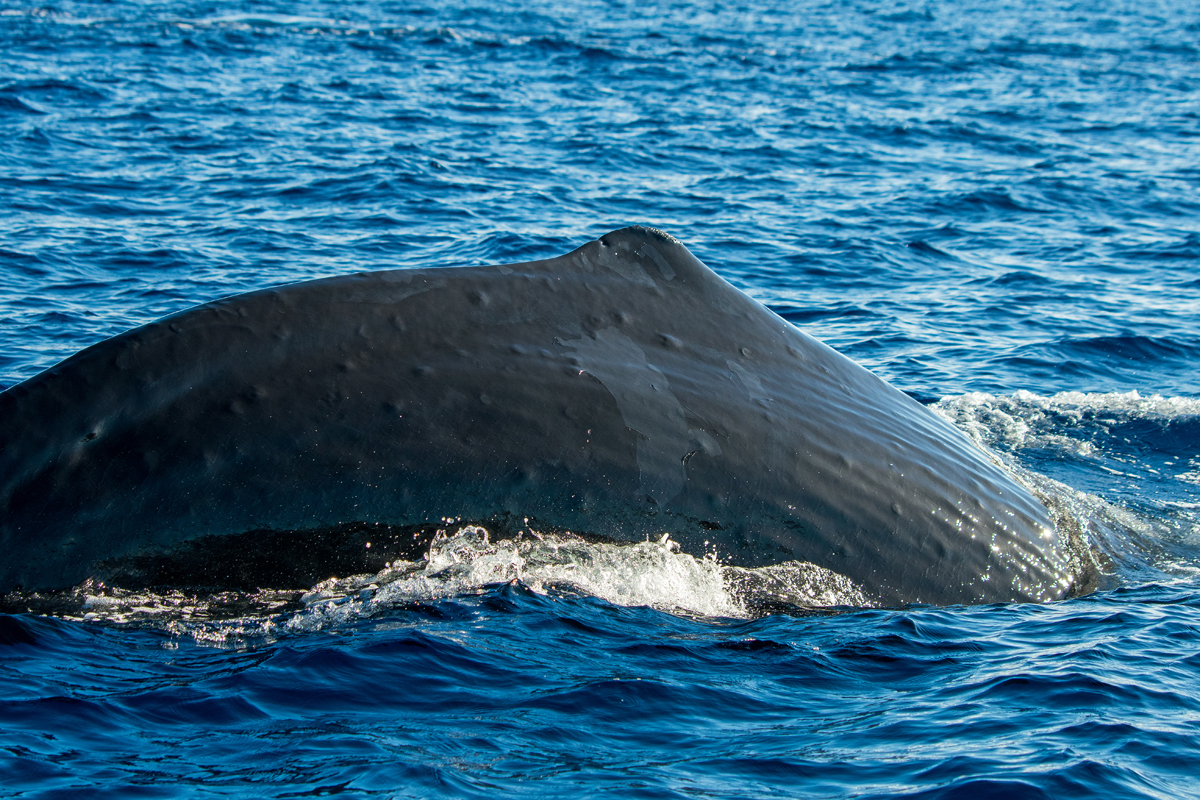
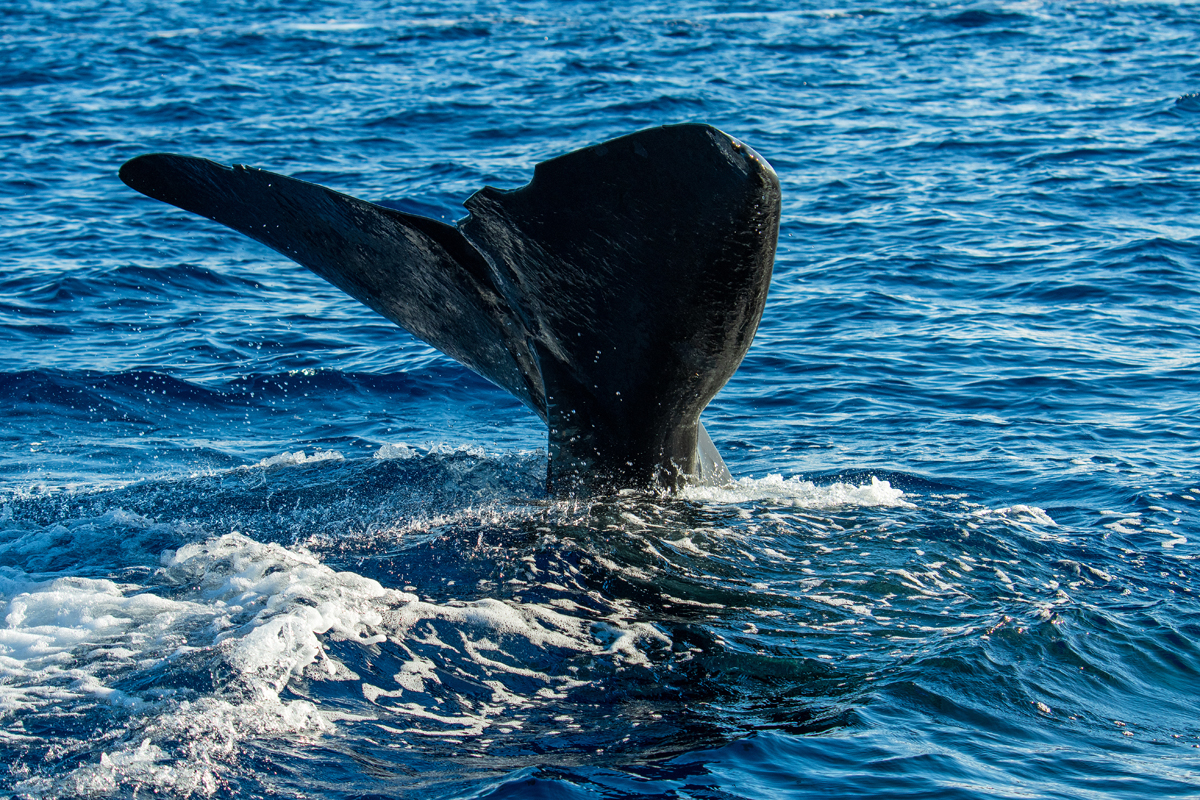
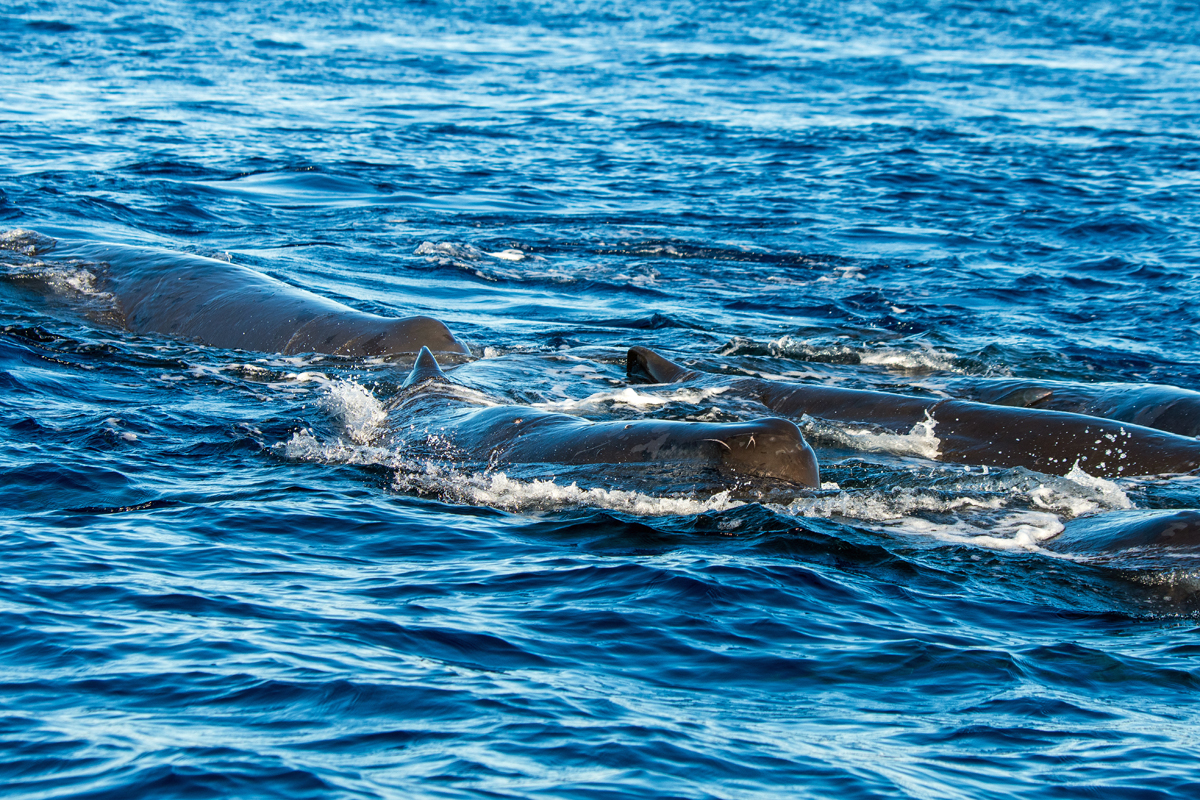
On whale-watching tours offshore Mauritius, keeping a distance of 100 m to the animals is mandatory. It is prohibited to approach them from the front as well as swimming with the whales which will be punished with a prison sentence and – off course – the loss of the licence. So much for the theory. The truth in 2026 is somehow different. The tourists get on board of one of the many speedboats of the various companies around 7 am, before they – in our case – made their way through the maze of gigantic cargo ships offshore Port Louis and out to the open sea. Guides and skippers were communicating through their mobiles to share the position of the whales. After half an hour we reached a group of female sperm whales with their calves, and when we approached the scene, they were already encircled by at least half a dozen boats.
Bei Walbeobachtungsfahrten vor Mauritius ist ein Mindestabstand von 100 Metern zu den Tieren vorgeschrieben, es ist verboten, sich ihnen von vorne zu nähern, und das Schwimmen mit den Walen ist strengstens untersagt und wird mit Gefängnis geahndet – sowie mit dem Verlust der Lizenz. Soweit die Theorie. Die Realität im Jahr 2026 ist jedoch eine völlig andere. Gegen sieben Uhr morgens besteigen die Touristen die zahllosen Schnellboote der verschiedenen Anbieter, die – in unserem Fall – den Weg zwischen den gigantischen Frachtschiffen vor dem Hafen von Port Louis hindurch hinaus aufs offene Meer nahmen. Dabei telefonierten die Guides und Kapitäne regelmäßig miteinander, um sich über die Position der Wale zu informieren. Nach etwa einer halben Stunde Fahrt erreichten wir schließlich eine Gruppe von Pottwalen einige Kilometer vor Port Louis. Es handelte sich dabei um mehrere Kühe mit Kälbern, und als wir eintrafen, waren sie bereits von etwa einem halben Dutzend Booten umringt.
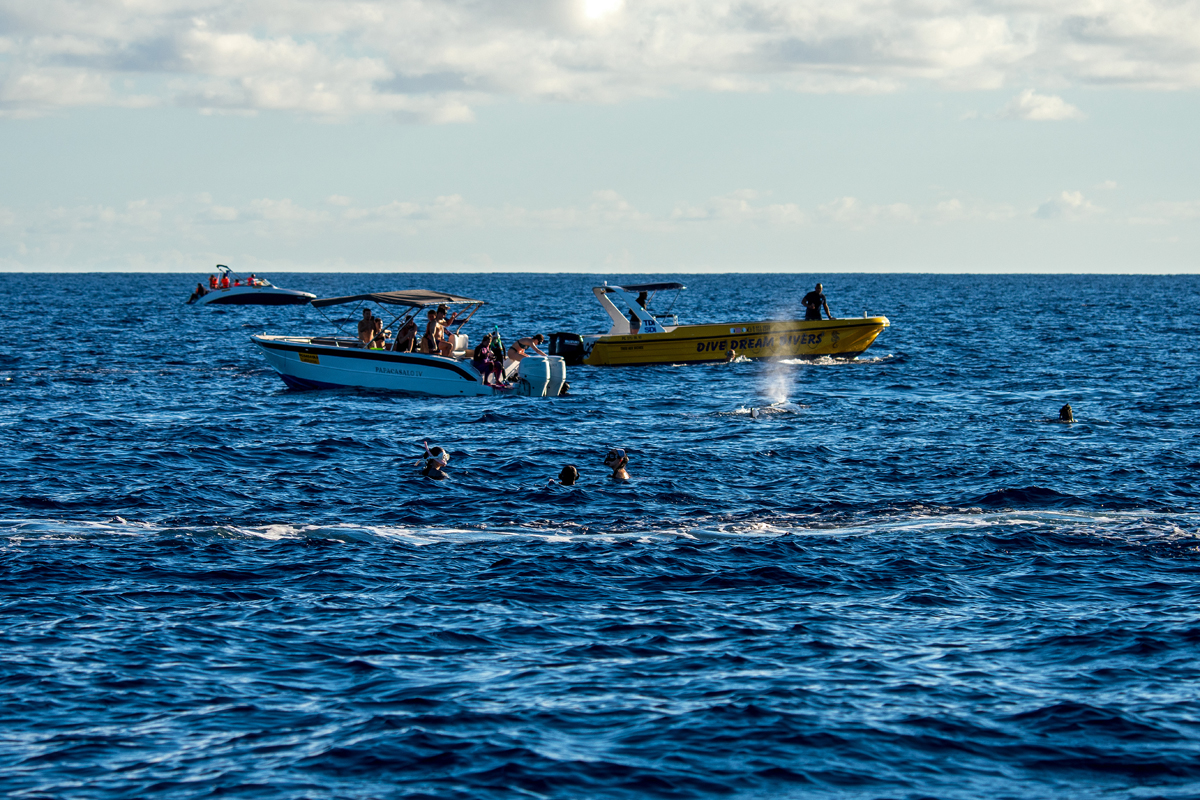
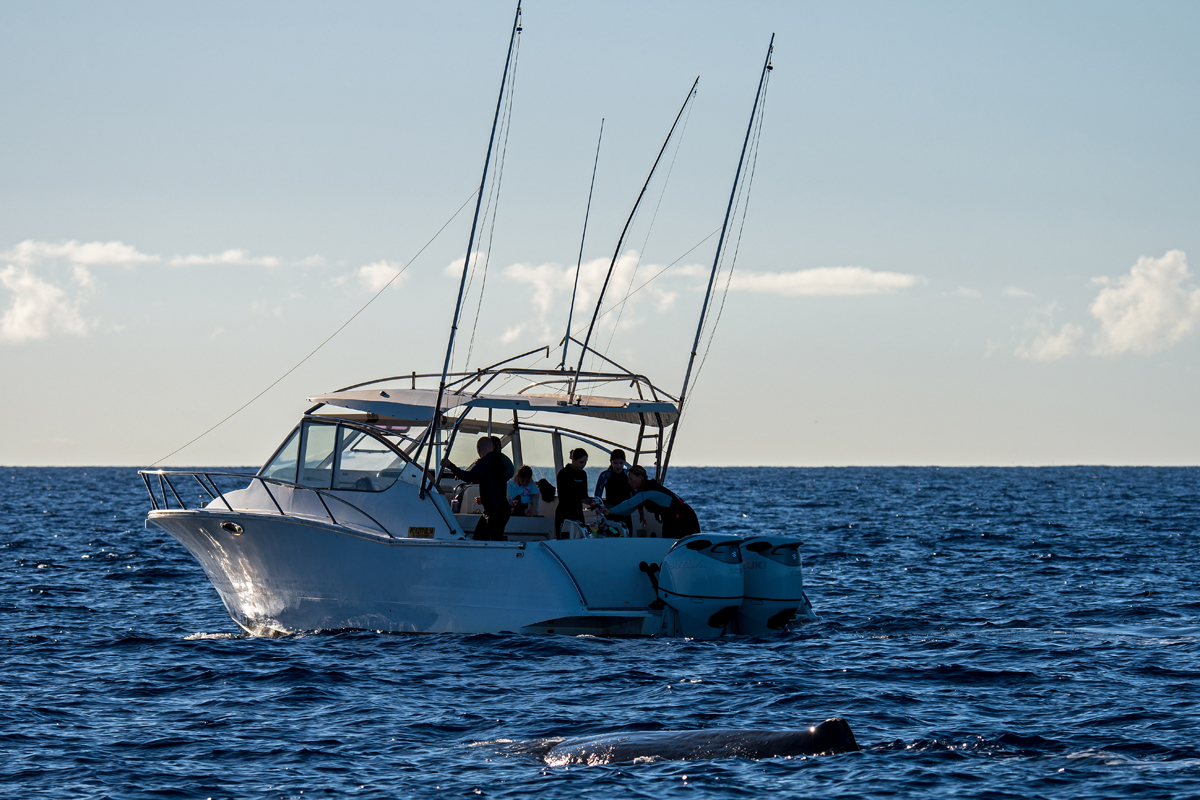
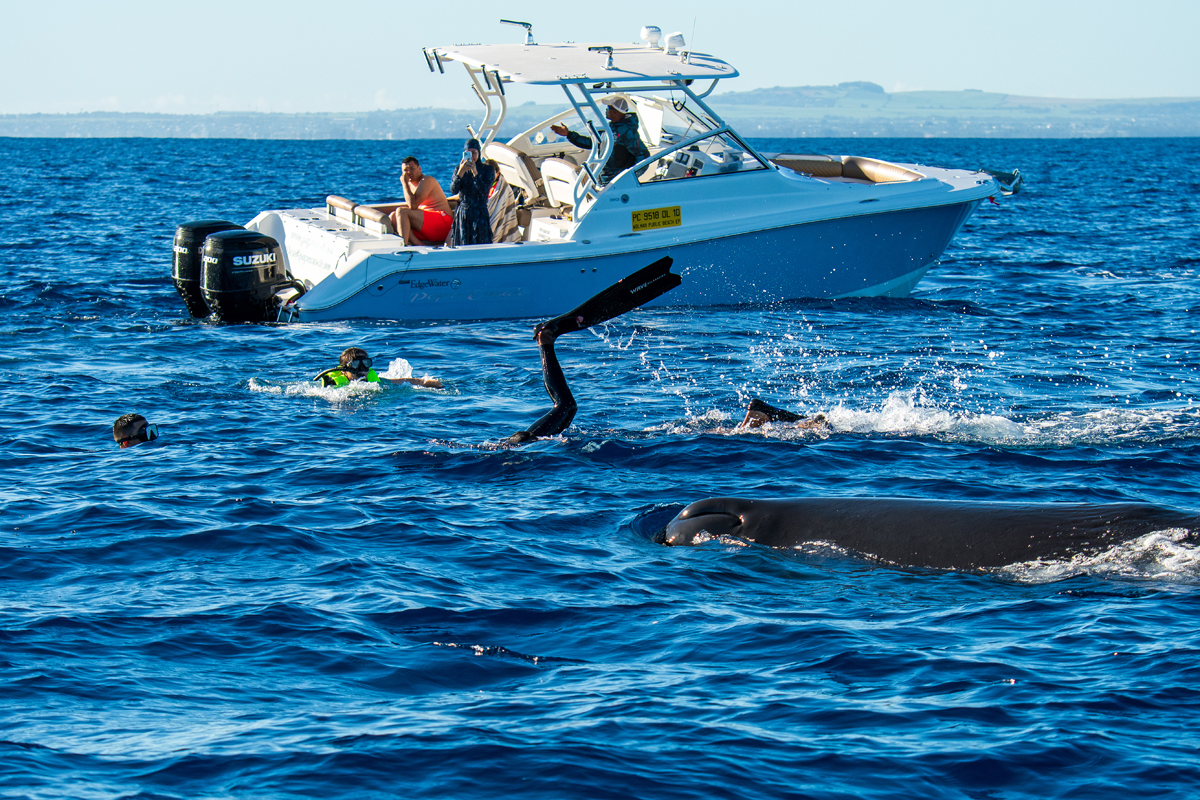
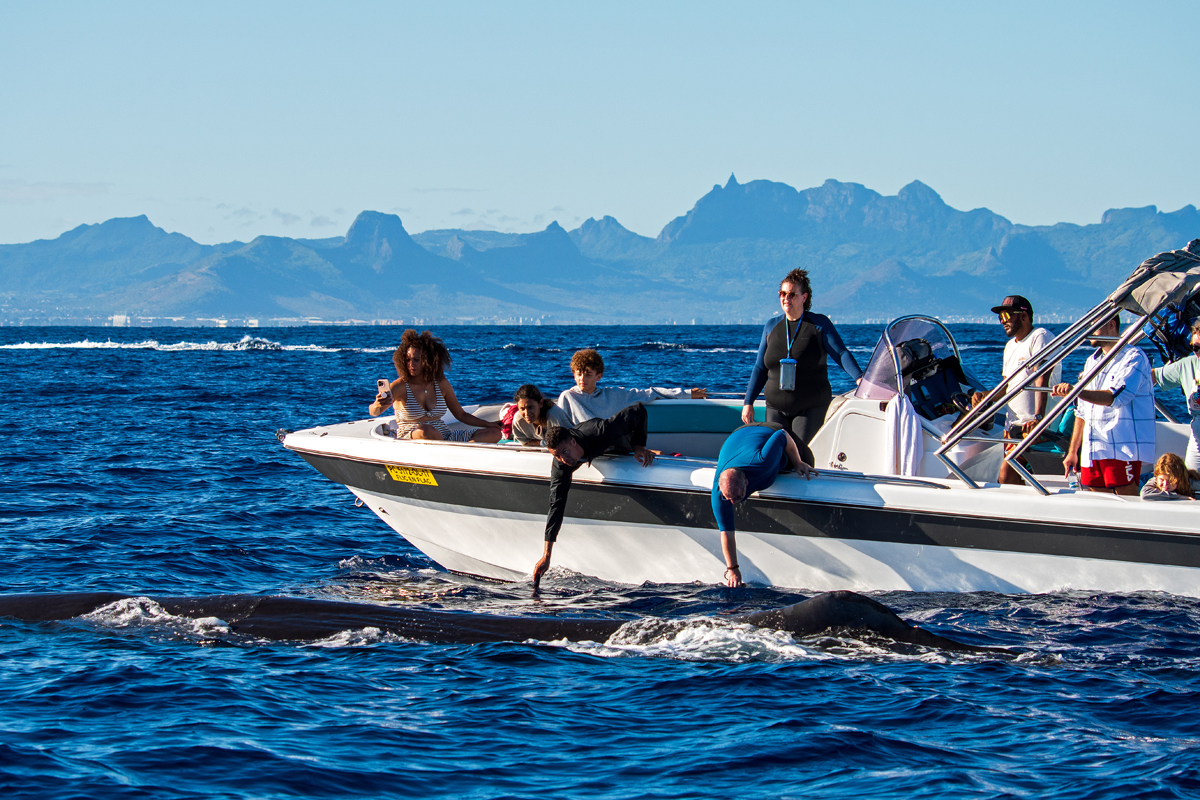
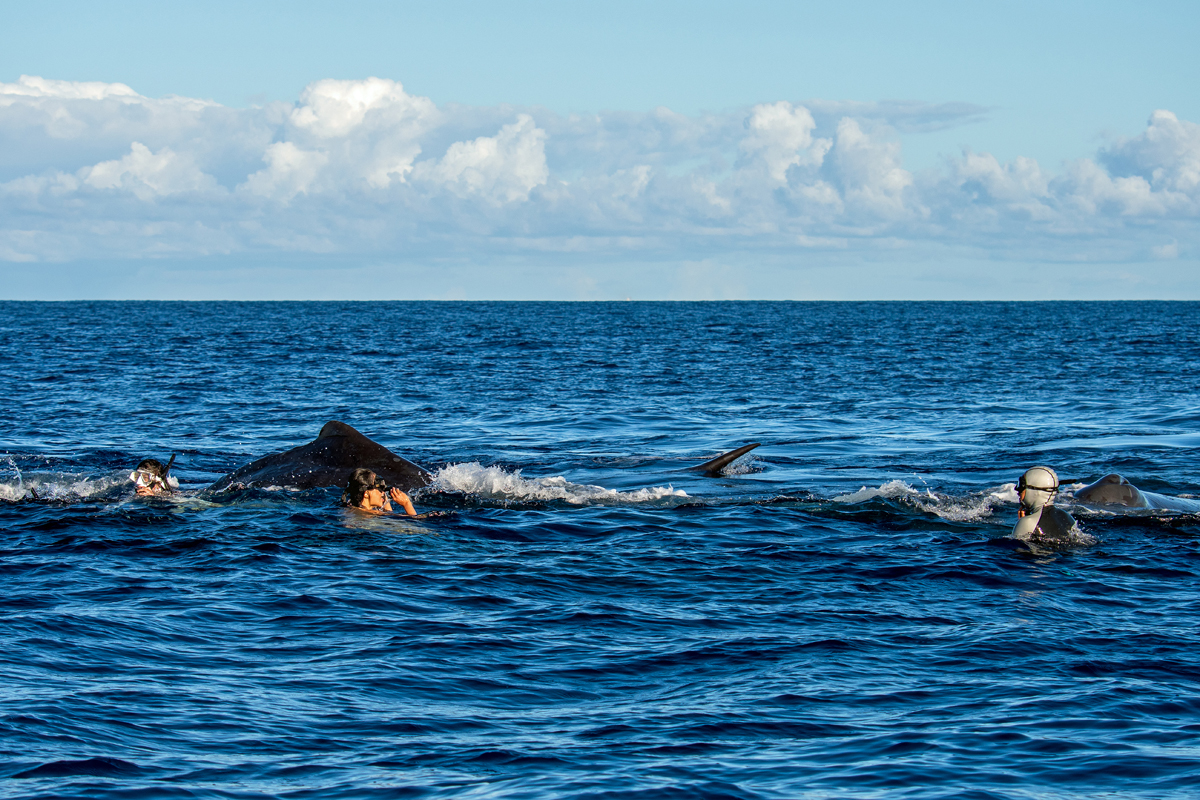
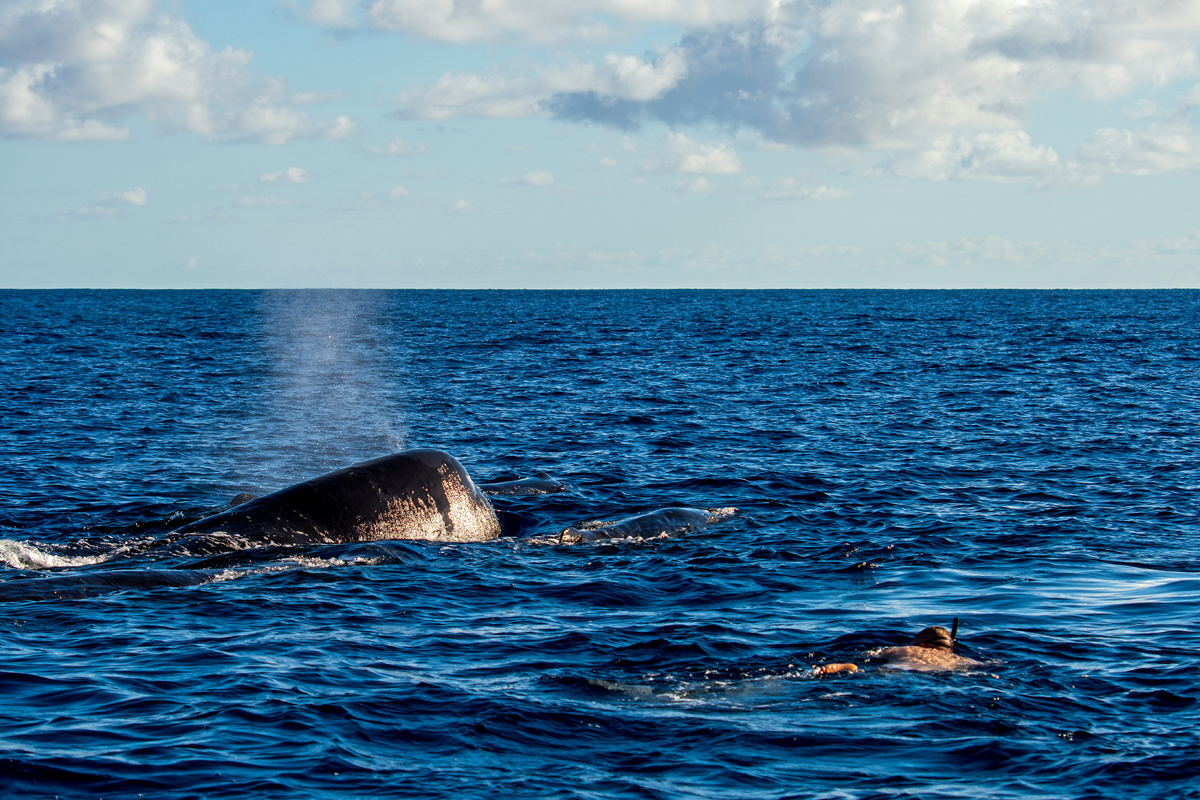
All the skippers tried to navigate the boats as close to the whales as possible, sometimes less than a metre, let alone 100 m. The whales stayed close to the surface, because the young calves can´t dive as long and as deep as adult sperm whales. That´s why the animals became slightly stressed, and – off course – the skippers tried to cut them off, approaching directly from the front and hence forcing them to dive. When we were only three or four metres away, our guide told us, that it is actually strictly forbidden to swim with the sperm whales, but they offer us the exclusive opportunity to get in the water with them, so let´s get started! And the young skipper yelled that we should move before they´re gone. Obviously, this was a well-established practice, because there were tourists jumping into the water from every single boat, and some of them were well prepared in wetsuits with snorkels, diving masks and flippers. Heavily armed with action-cams and waterproof-packed smartphones, some of them swam right in the middle of the group, which is not only stupid and disrespectful but also dangerous. On board, the most important thing was a selfie with the whales in the background, and the skippers did everything to be close enough to fulfil this very important wish. In the water, it was all about the best shot for TikTok or Insta and the possibility to touch a whale, and even some of the boats came close enough for the passengers to give it a try. In the end, there were around 15 boats besieging the group, and I was kind of relieved when we finally headed back to shore while passing the huge cargo ships again.
Jedes der Boote versuchte, so nah wie nur möglich an die Tiere heranzukommen. Der Abstand einiger Boote betrug dabei nicht einmal einen Meter, geschweige denn 100. Die Wale blieben dicht unter der Oberfläche, da die jungen Kälber noch nicht so lange und so tief tauchen können wie erwachsene Pottwale. Deshalb wirkten die Tiere zunehmend gestresst, denn natürlich versuchten die Bootsführer, der Gruppe den Weg abzuschneiden, näherten sich frontal von vorne und zwangen sie dadurch immer wieder zum Abtauchen. Als wir nur noch drei, vier Meter von ihnen entfernt waren, sagte unser Guide, dass es eigentlich strengstens untersagt sei, mit den Pottwalen zu schwimmen, er uns aber jetzt exklusiv die Möglichkeit gebe, also ab ins Wasser! Und der junge Kapitän trieb an, wir sollten reinspringen, bevor sie weg seien. Offensichtlich war das gängige Praxis, denn von allen Booten gingen Touristen ins Wasser, und einige waren vorbereitet, in Neopren-Anzügen, mit Flossen, Schnorchel, Tauchmasken. Mit Action-Cams und wasserdichten Smartphones bewaffnet schwammen sie teilweise mitten in die Gruppe, was außer dumm auch noch gefährlich ist. An Bord der Boote war das Selfie mit Walen im Hintergrund das Wichtigste, und die Bootsführer taten ihr Bestes, um nah genug dran zu sein, um diesen wichtigen Wunsch auch zu erfüllen. Im Wasser ging es neben der besten Aufnahme für TikTok oder Insta natürlich auch darum, einmal anzufassen, und selbst manches Boot kam den Walen dafür nah genug. Am Ende belagerten vermutlich um die 15 Boote die Gruppe, und ich war sogar froh, als es endlich zwischen den riesigen Frachtern hindurch zurück zur Küste ging.
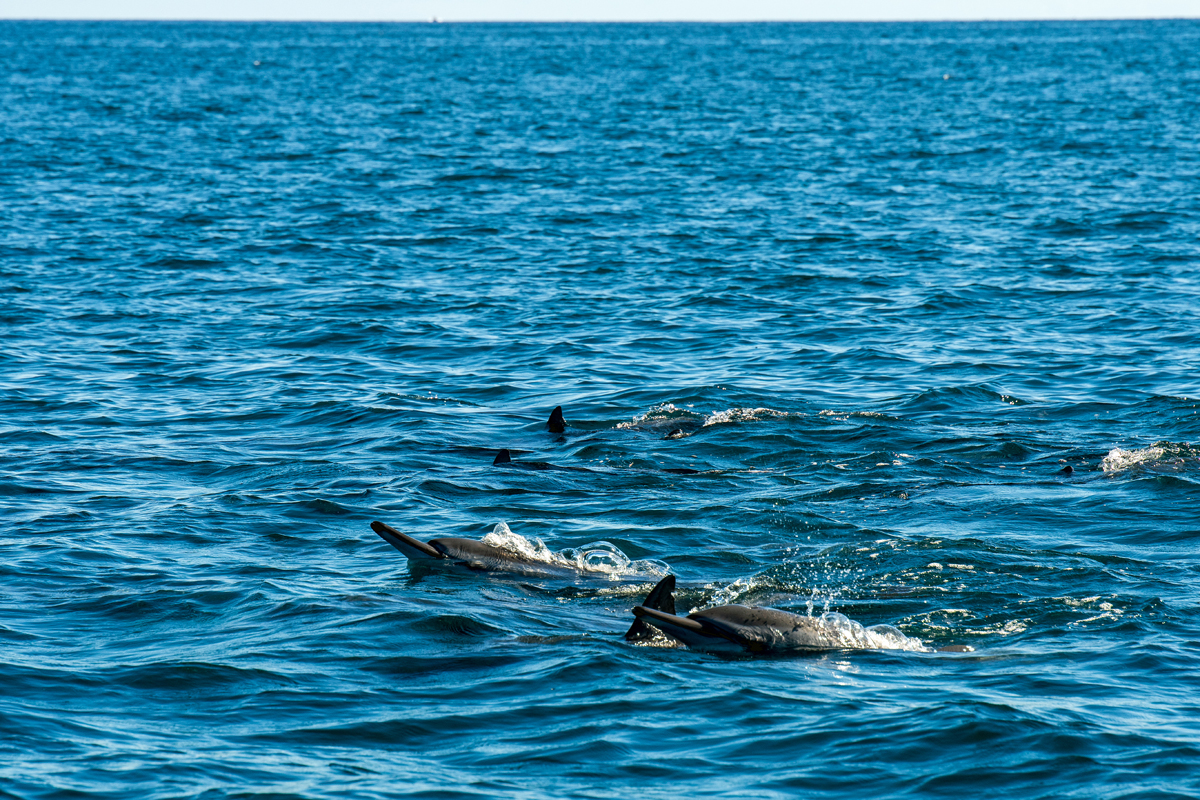
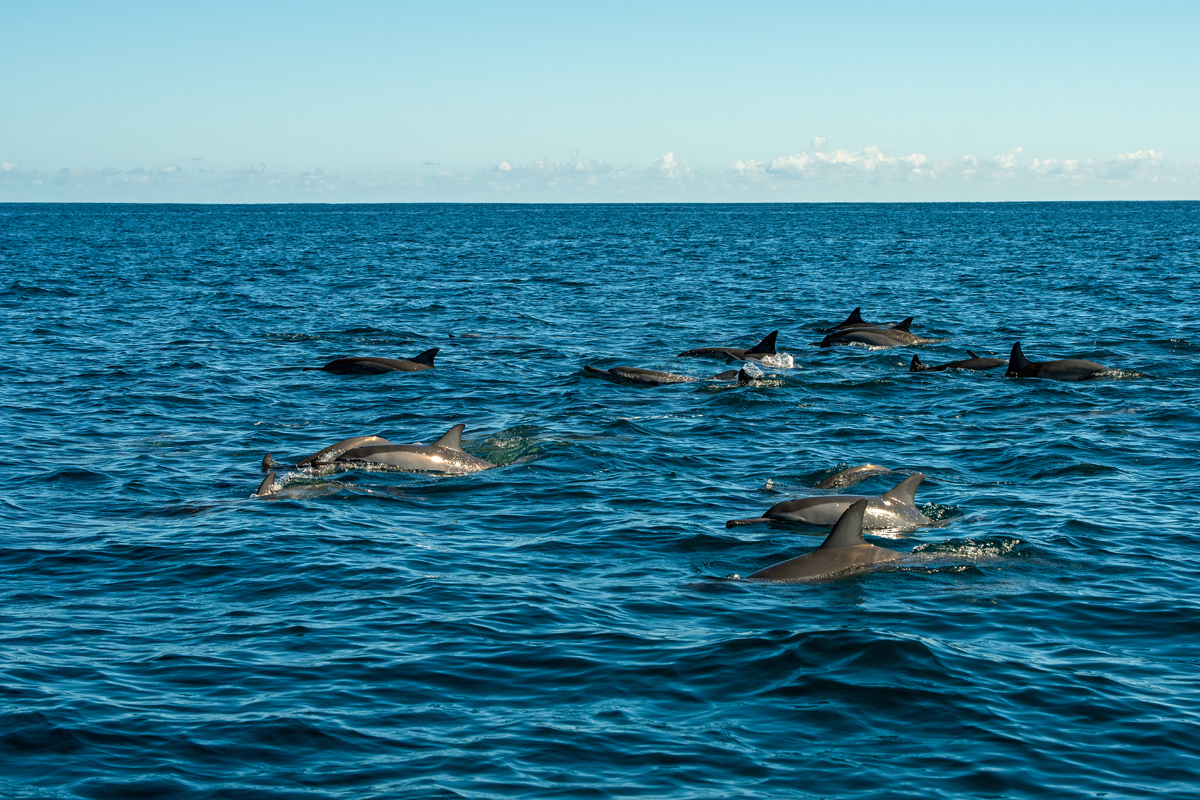
To swim with the dolphins native to the waters around Mauritius, mainly large bottlenose and smaller spinner dolphins, is a great pleasure, maybe even for both parties. Dolphins are curious, playful and – most importantly – quick and agile enough to disappear in the matter of a second when they get fed up with apes in boats or with those awkwardly splashing around. But it is a wonderful experience seeing them elegantly floating by underneath you in the deep blue of the Indian Ocean. Down there, underwater in the deep blue or turquoise waters at the reefs and in the bays, one can still sense the former richness of Mauritius nature. With a little respect, this could even be preserved – in theory.
Mit den an den Küsten von Mauritius heimischen Delfinen zu schwimmen, vor allem den Großen Tümmlern und den kleineren Spinnerdelfinen, ist dagegen ein großes Vergnügen, vielleicht sogar für beide Seiten. Denn die Delfine sind neugierig, verspielt und – und das ist das Wichtigste – so schnell und wendig, dass sie innerhalb einer Sekunde einfach verschwinden können, wenn ihnen die Affen in den Booten und die unbeholfen vor sich Dahinplanschenden zu viel werden. Aber es ist eine wundervolle Erfahrung, sie im tiefen Blau des Indischen Ozeans elegant unter sich hinweggleiten zu sehen. Unter Wasser ist der einstige natürliche Reichtum von Mauritius nämlich noch zu erahnen, draußen im tiefblauen oder im türkisfarbenen Wasser an den Riffen und in den Buchten. Mit etwas Respekt könnte das vielleicht sogar erhalten werden, theoretisch.