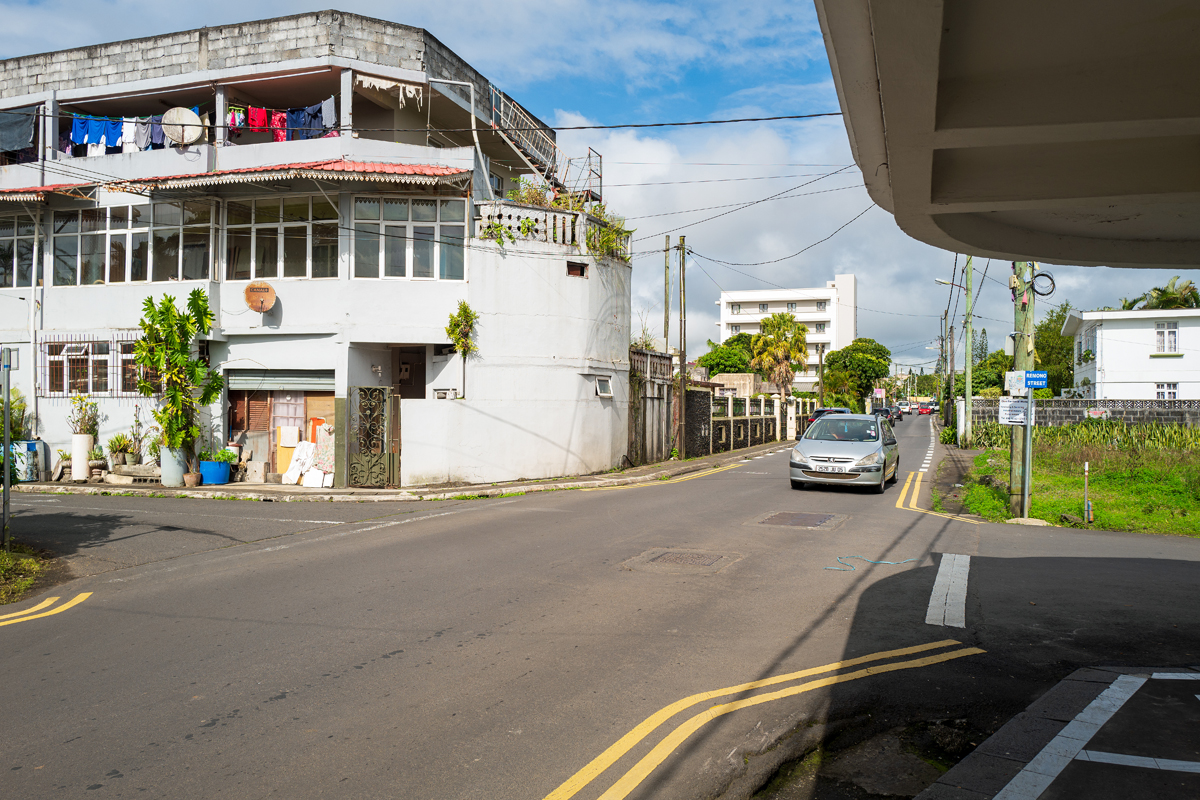
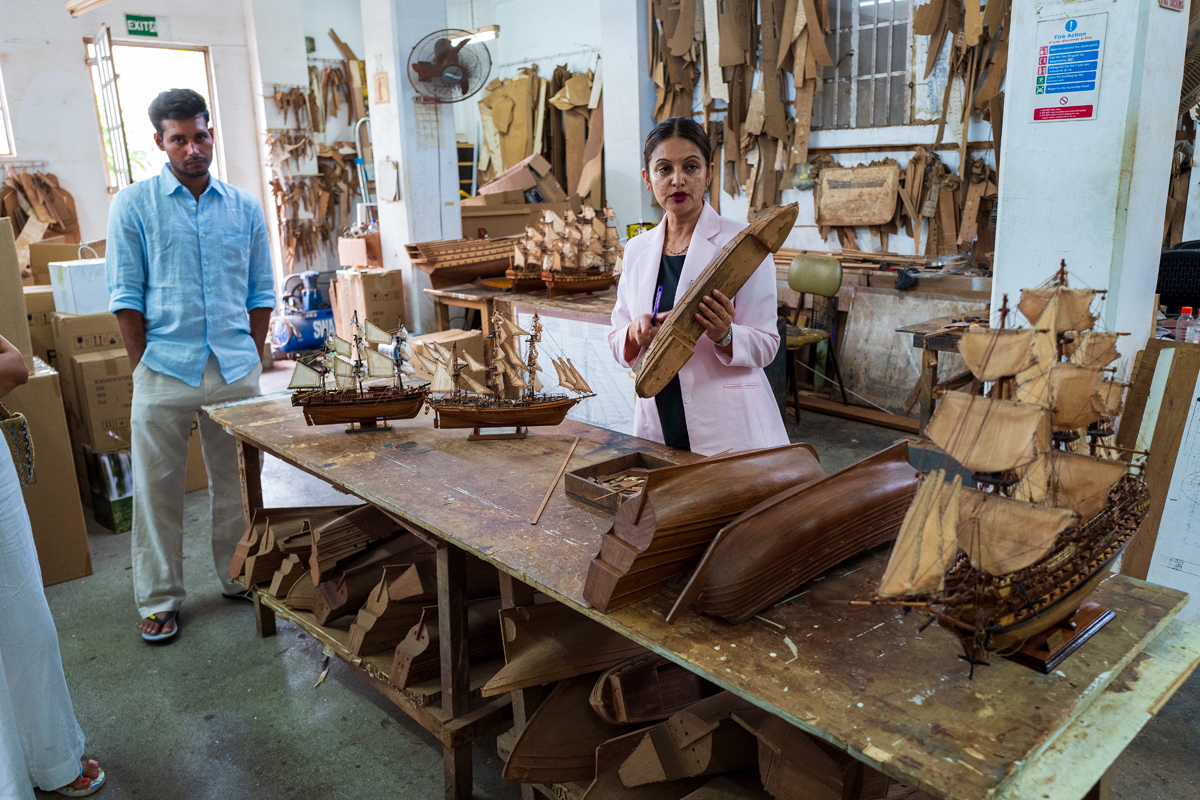
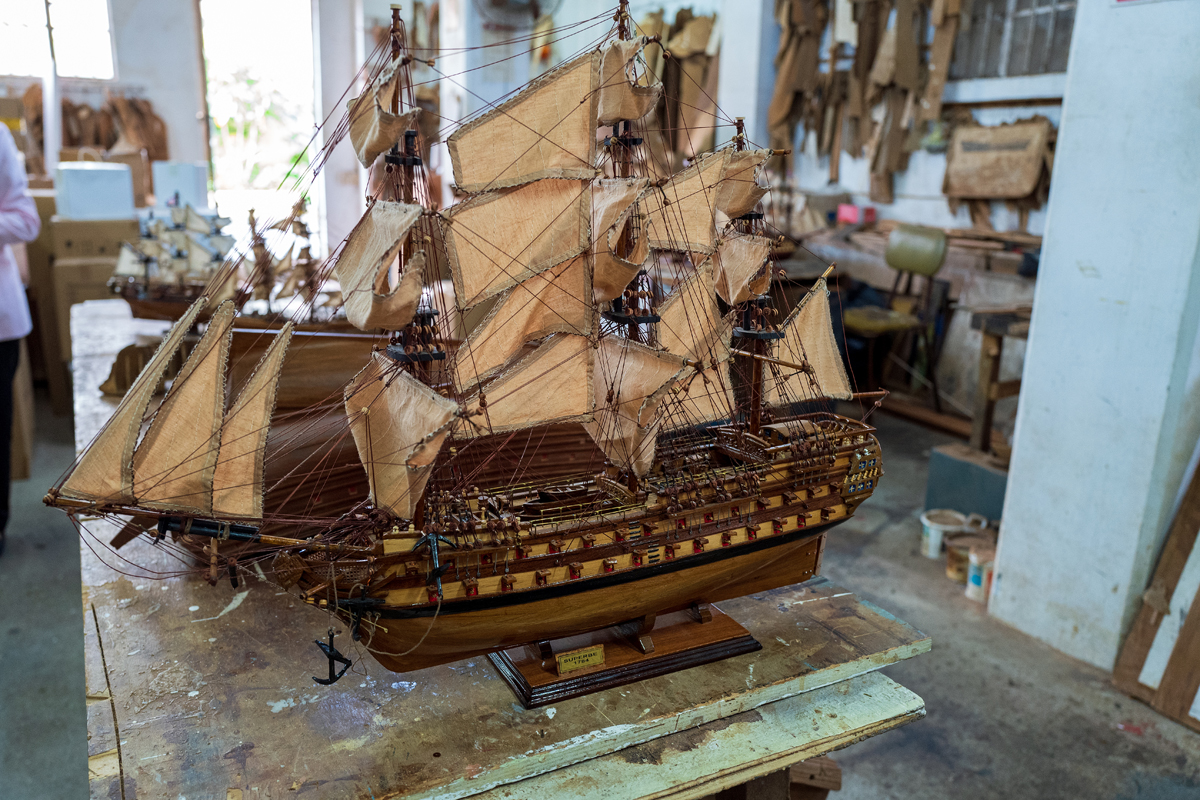
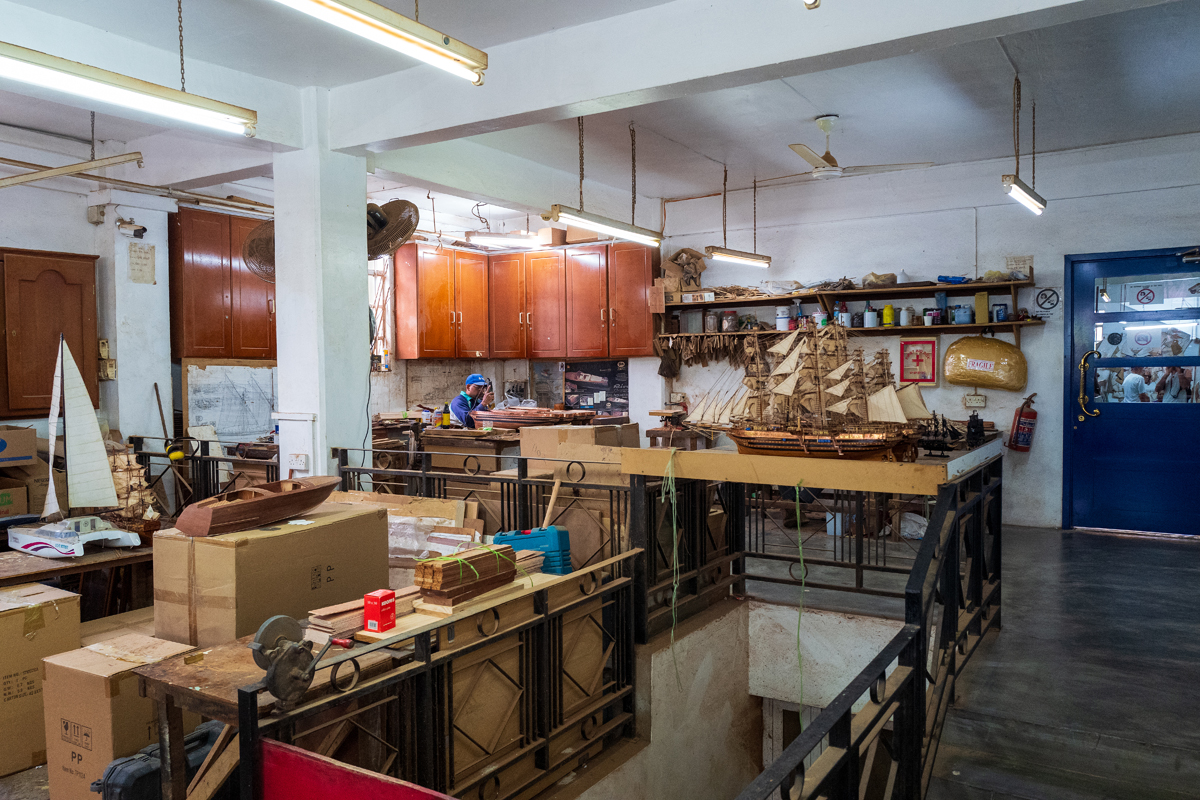
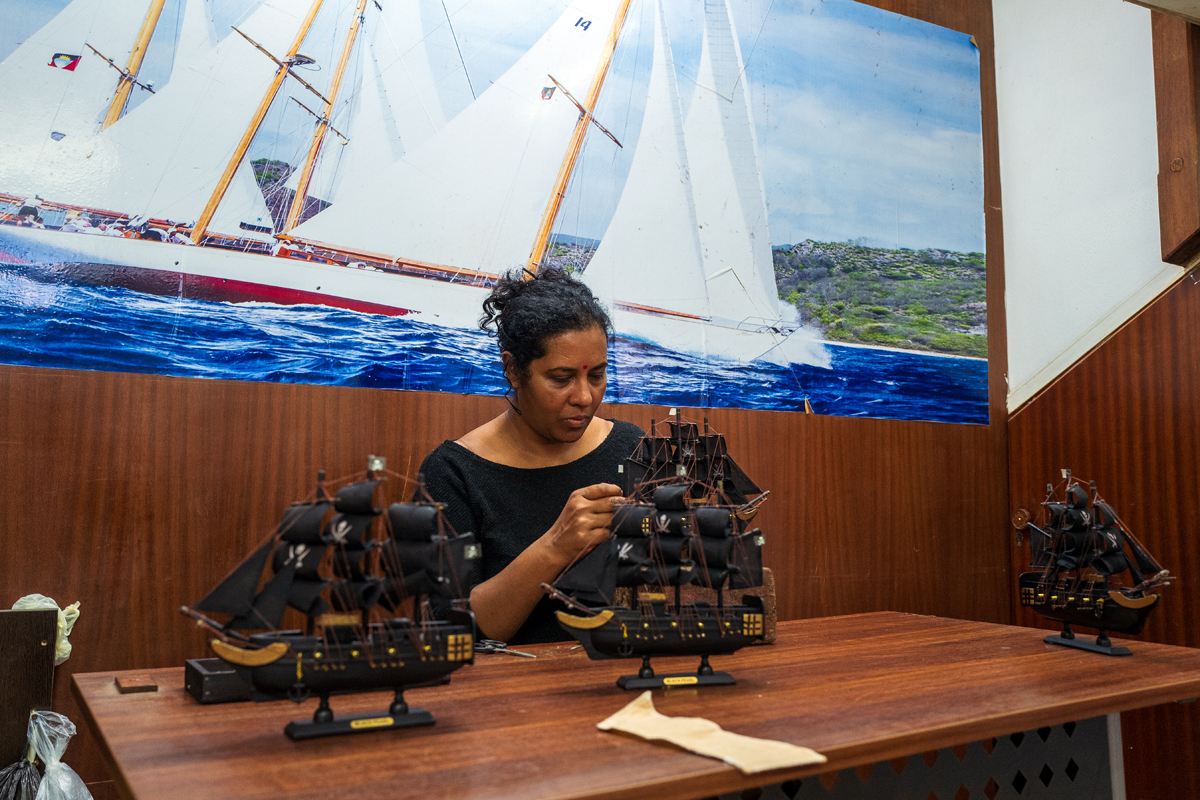
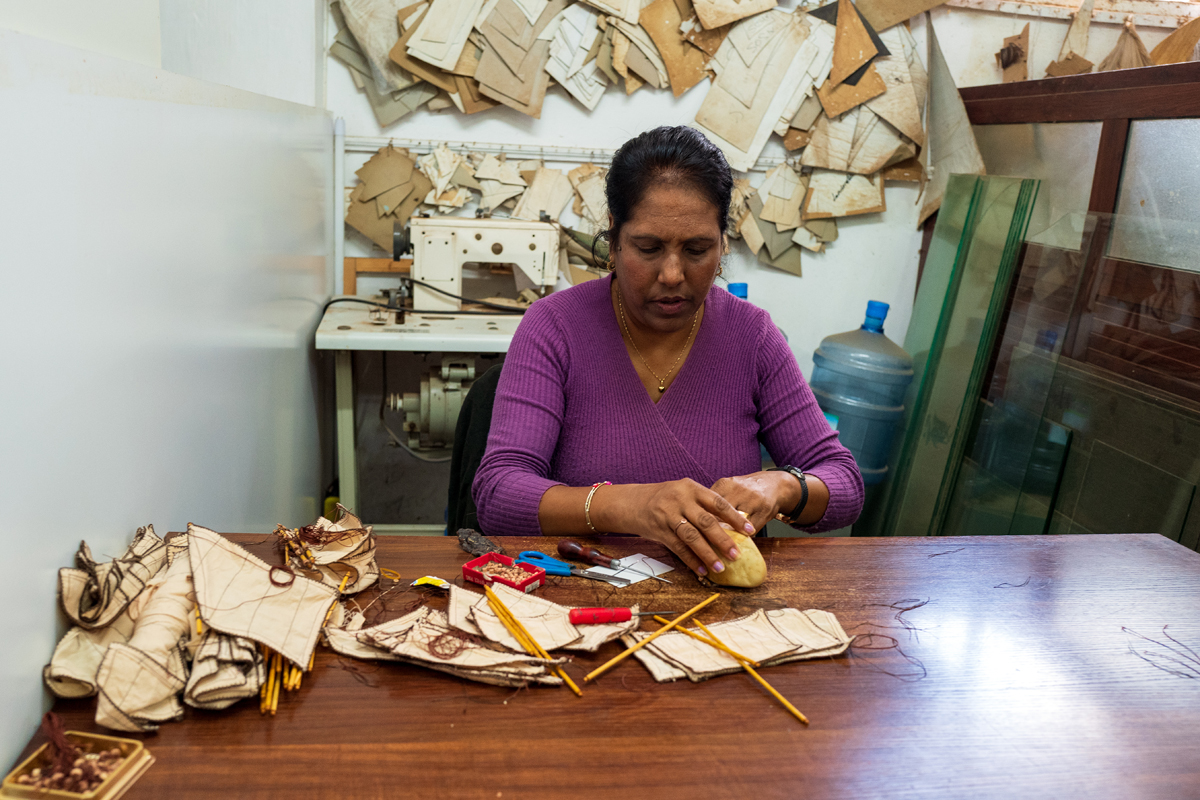
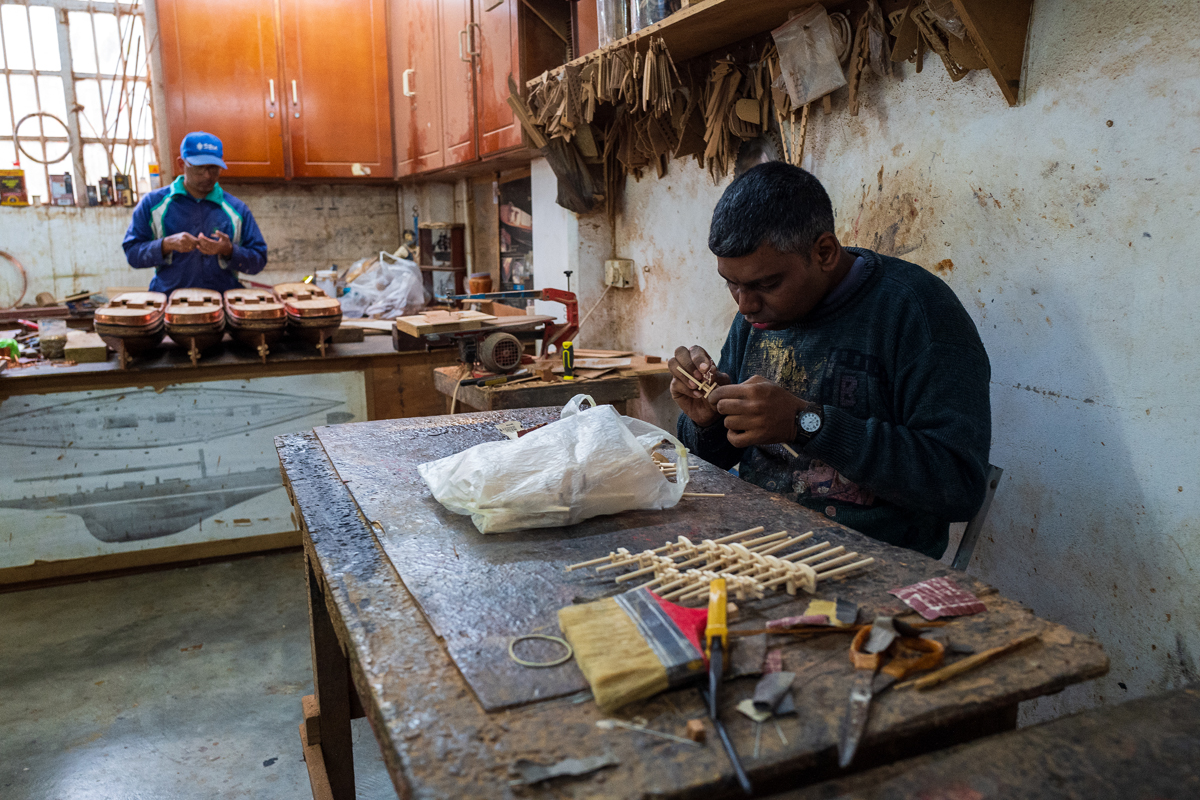
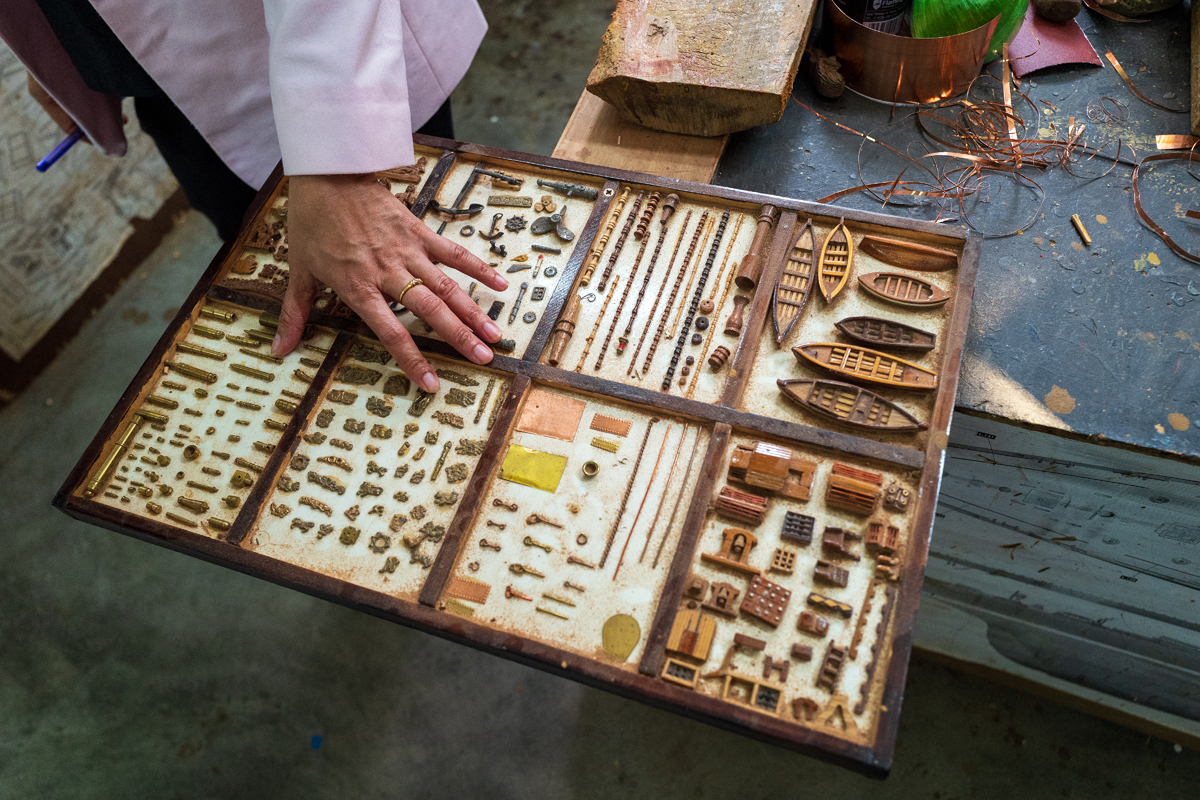
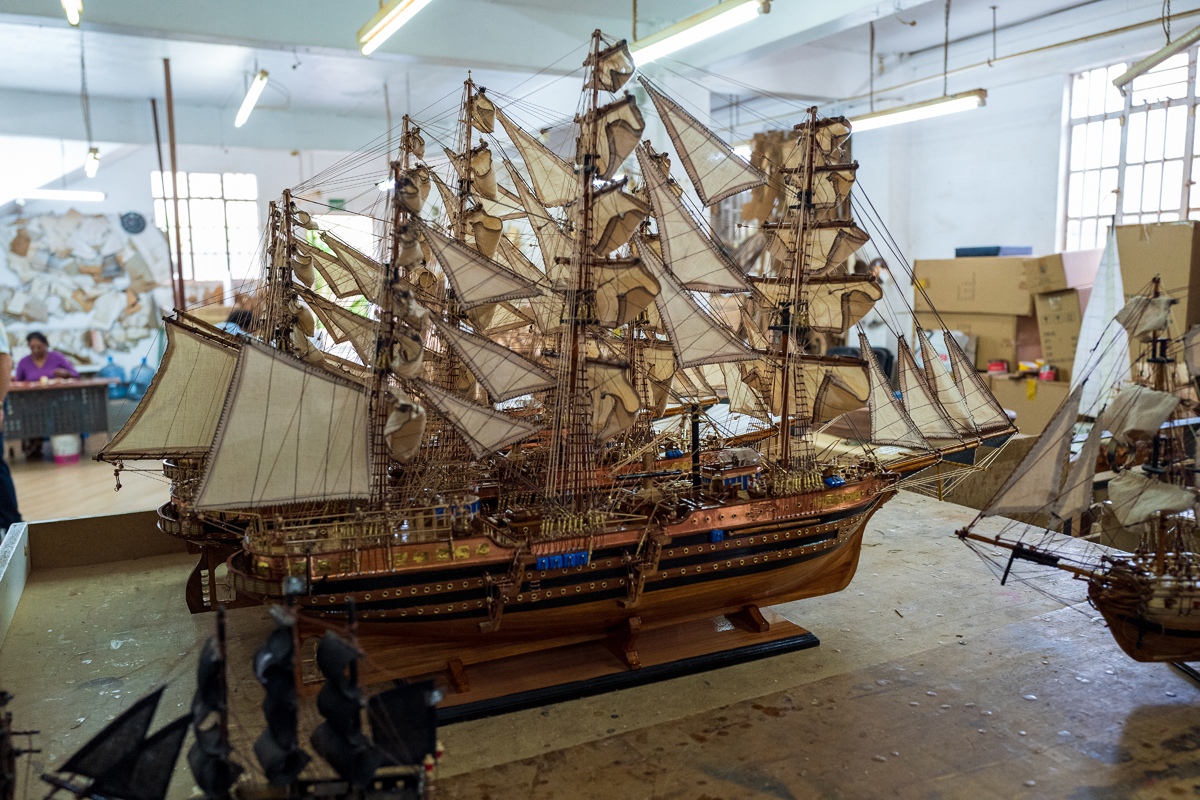
Despite around 84.000 inhabitants, Curepipe doesn´t feel like a town – nor a city, village or any other form of settlement. It´s a dormitory town, a getaway from the Port Louis heat and humidity for the white elite, mainly. Curepipe is the highest of the cities in the islands centre. Its name is said to refer to the fact that this was the place in the middle of the railroad between Port Louis in the northwest and Mahébourg in the southeast, the highest point where the train stopped and the tubes and pipes were cleansed. As a result, it is quite obvious that Curepipe hosts no railway museum, but a model ship manufactory building models of historic ships, different ship types as well as ships from movies, such as the “Black Pearl” from “Pirates of the Carribean”.
Trotz seiner etwa 84.000 Einwohner fühlt sich Curepipe nicht wie eine Stadt an, schon gar nicht wie eine Großstadt, nicht wie ein Dorf oder irgendeine andere Siedlungsform. Es ist eine Schlafstadt, eine Zuflucht vor der Hitze und der Luftfeuchtigkeit von Port Louis – für die hauptsächlich weiße Elite. Curepipe ist die am höchsten gelegene Stadt im Zentrum der Insel. Der Name soll sich daraus ergeben haben, dass hier, in der Mitte der Bahnstrecke zwischen Port Louis im Nordwesten und Mahébourg im Südosten, am höchsten Punkt der Strecke der Zug stoppte und alle Rohre und die Pfeifen geputzt wurden. Konsequenterweise gibt es in Curepipe kein Eisenbahnmuseum, sondern eine Schiffs-Modellbau-Manufaktur, die historische Schiffe, verschiedene Schiffstypen und sogar Schiffe aus Filmen herstellen, etwa die „Black Pearl“ aus „Fluch der Karibik“.
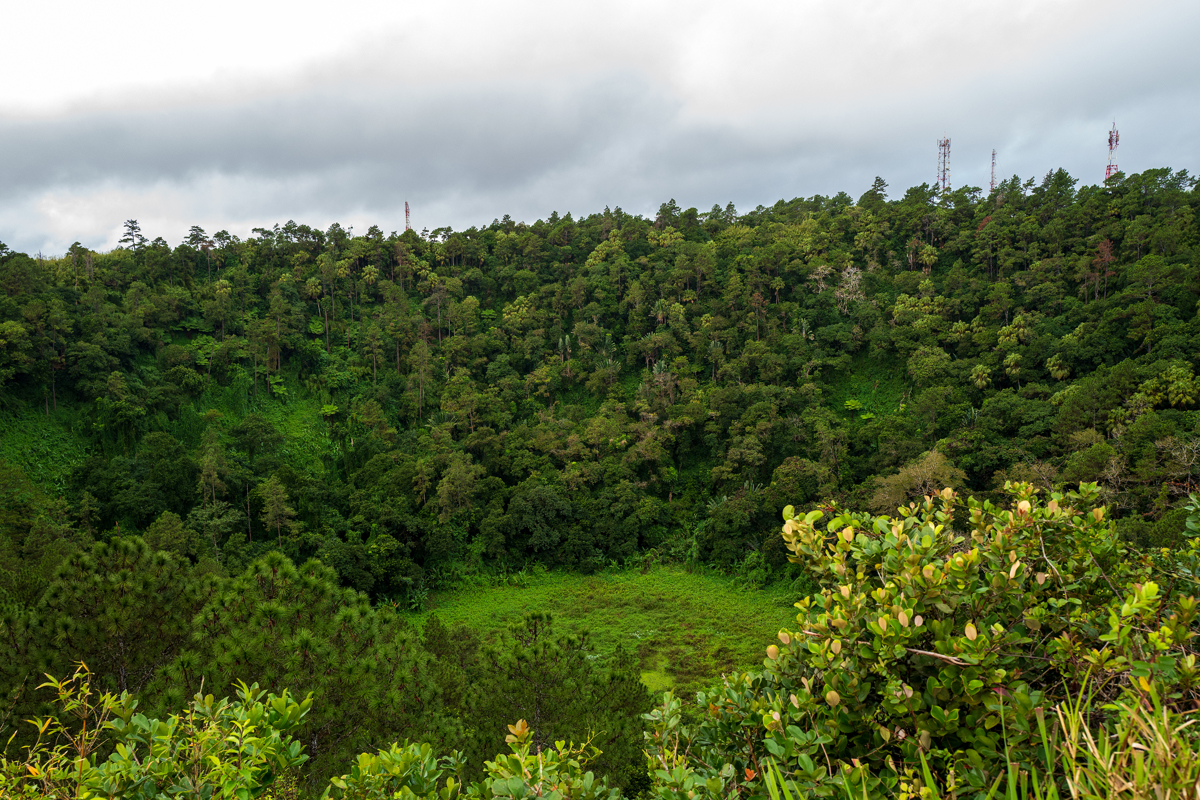
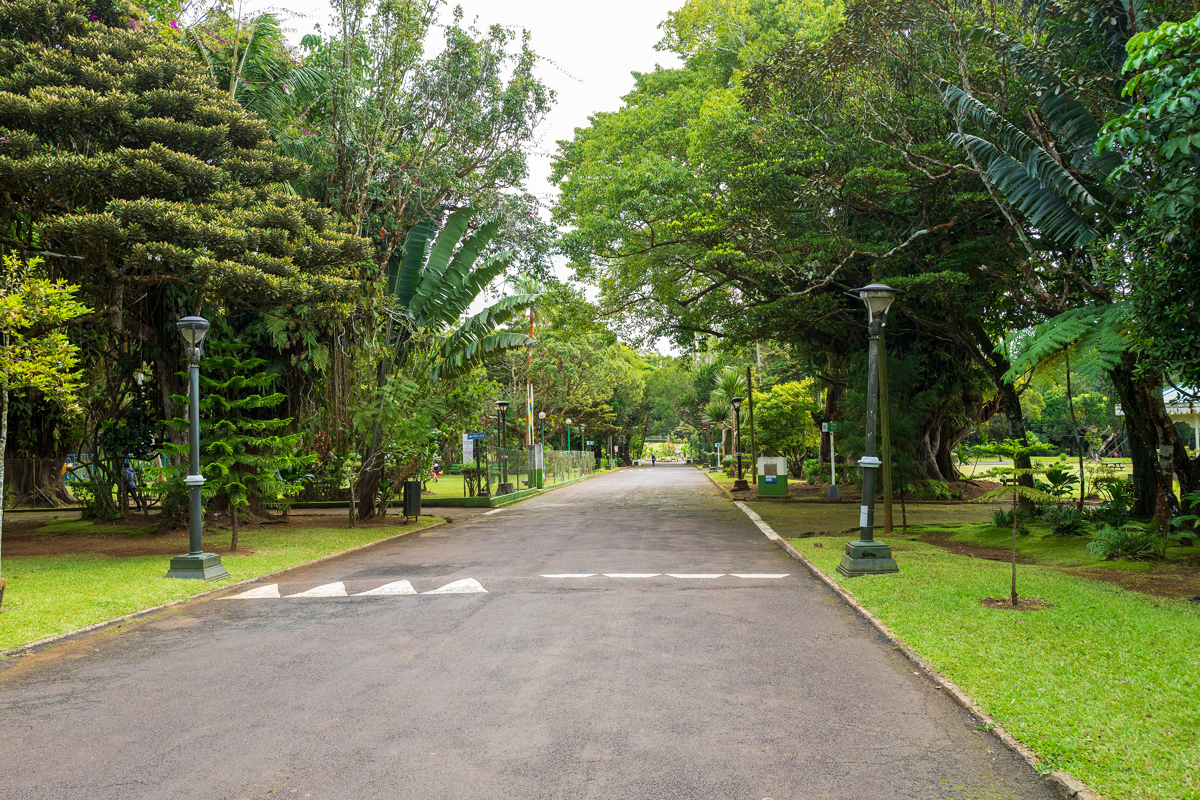
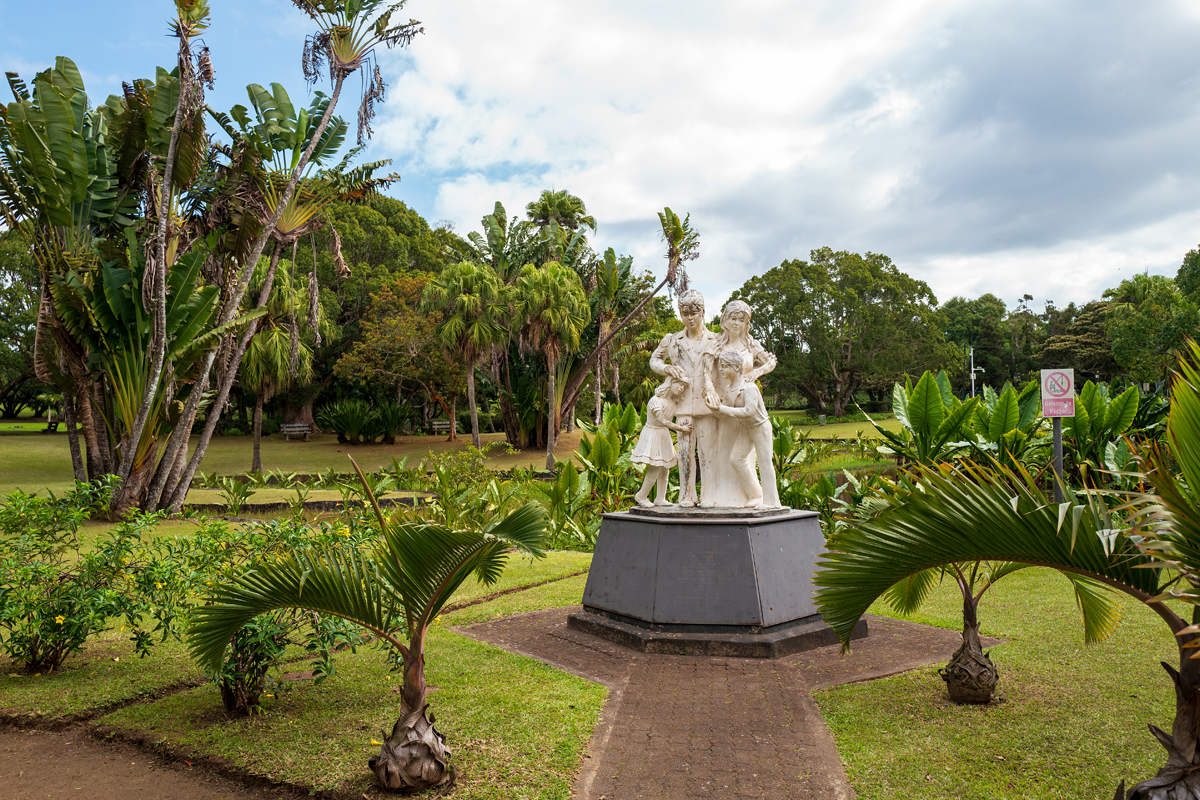
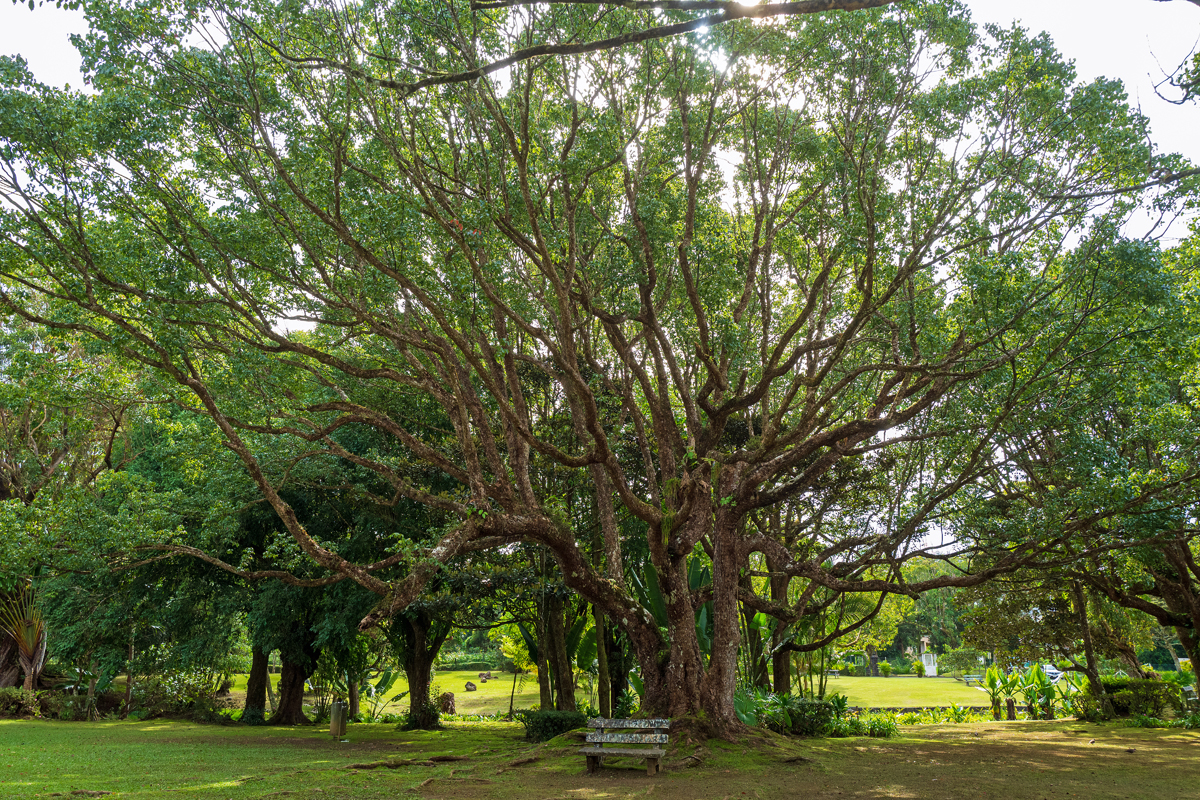
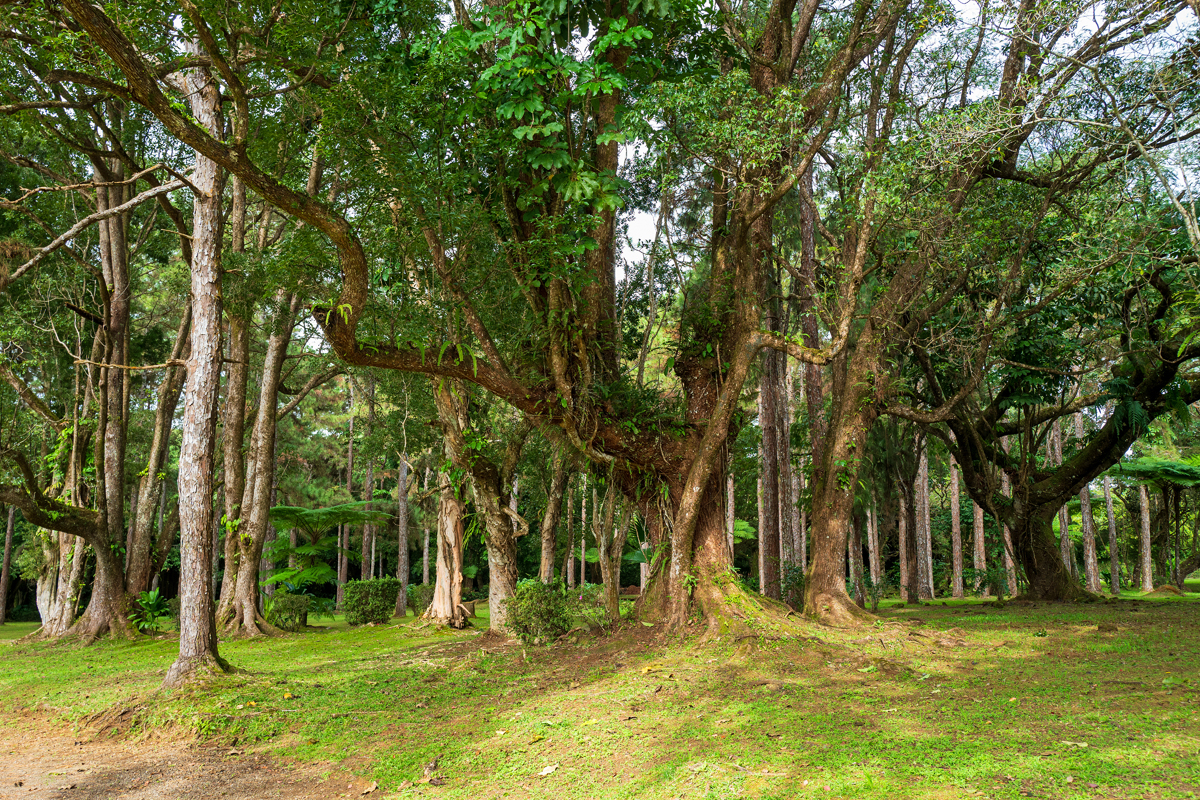
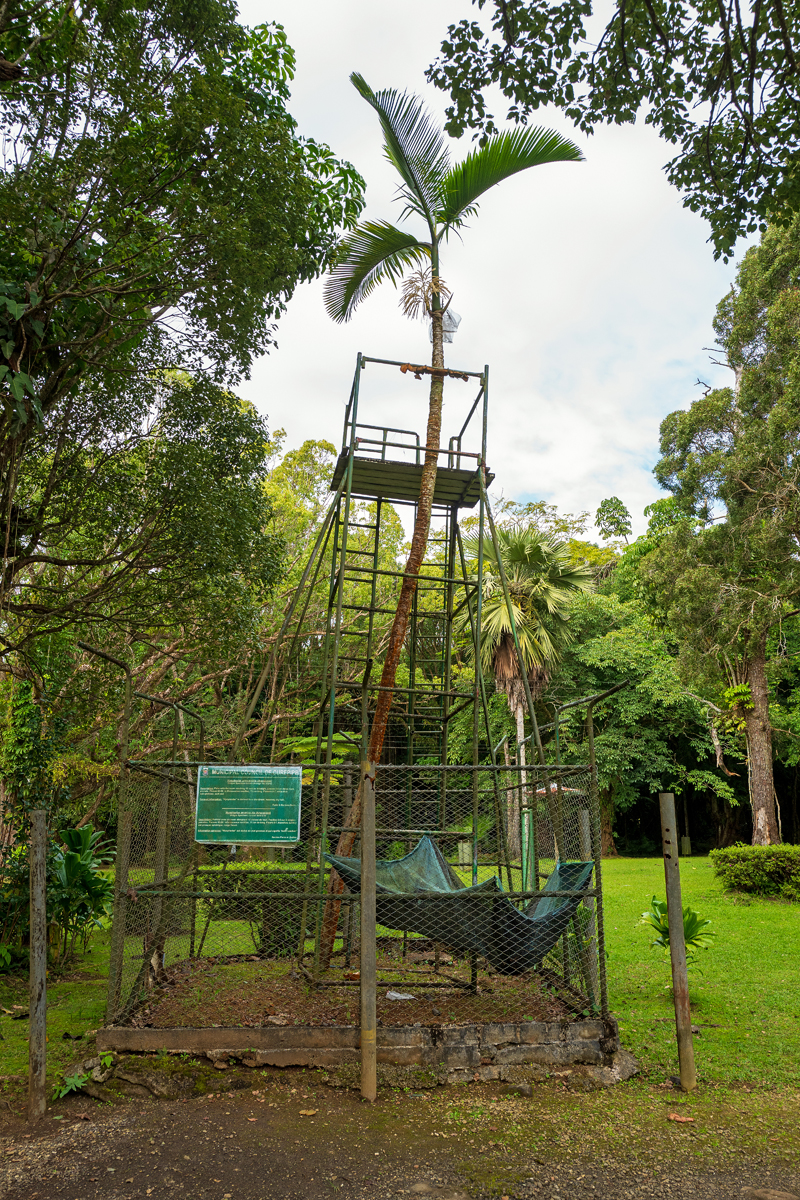
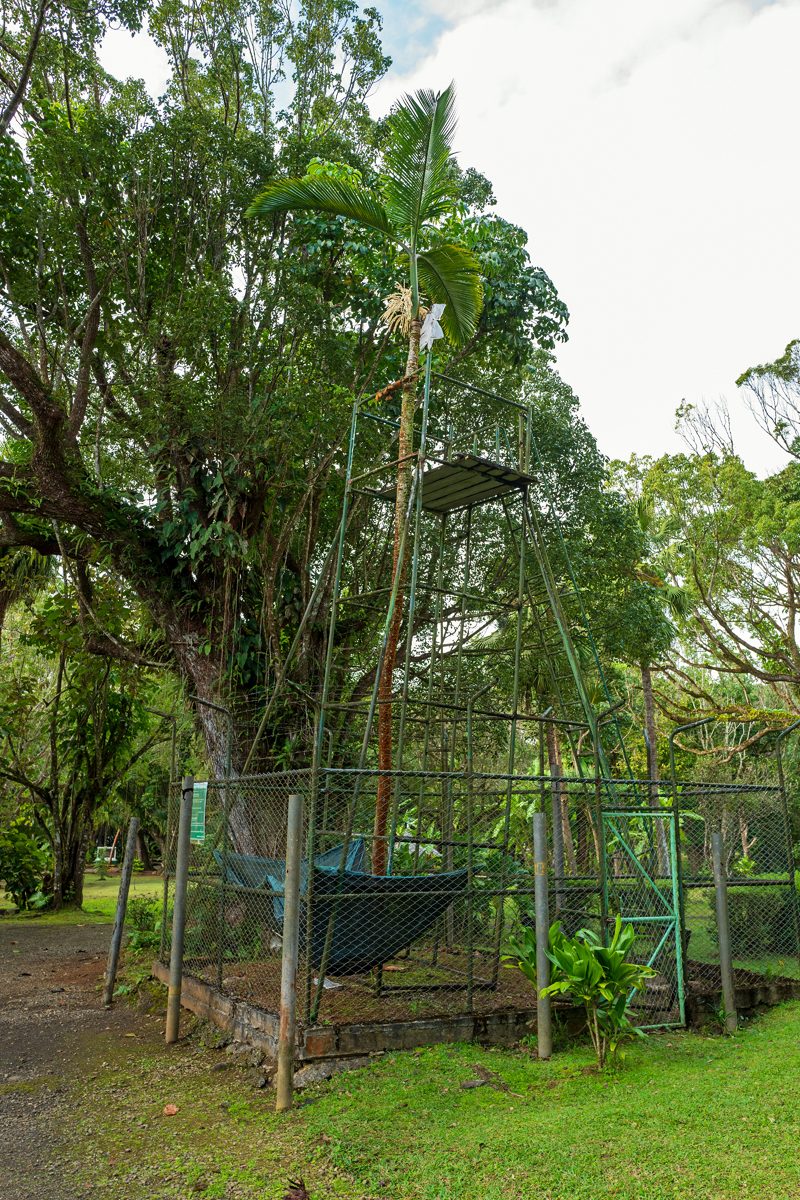
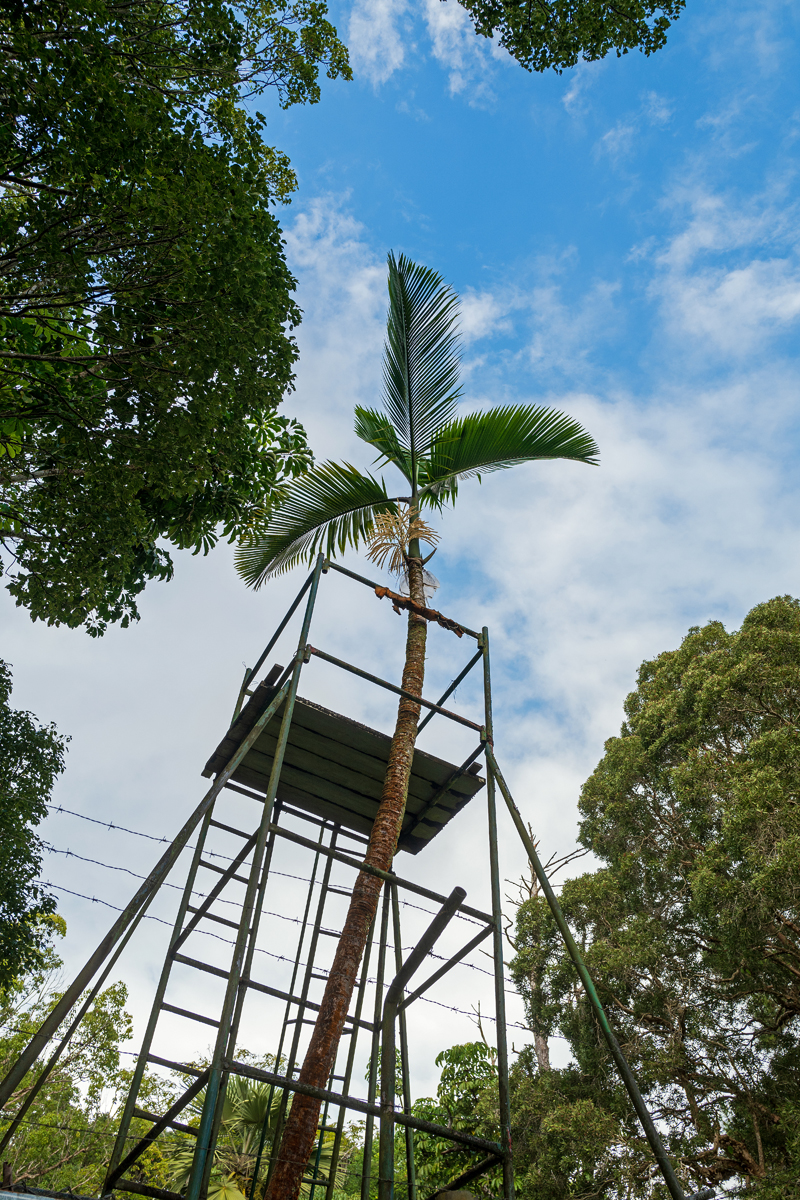
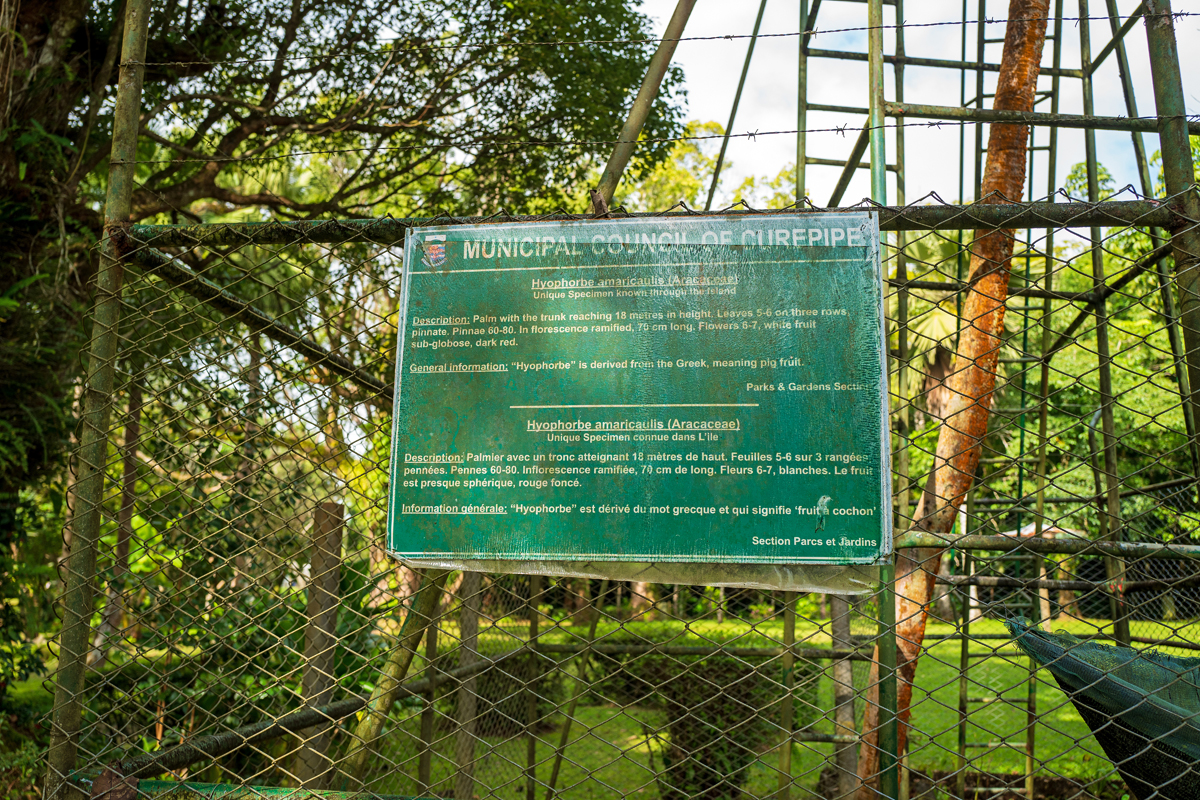
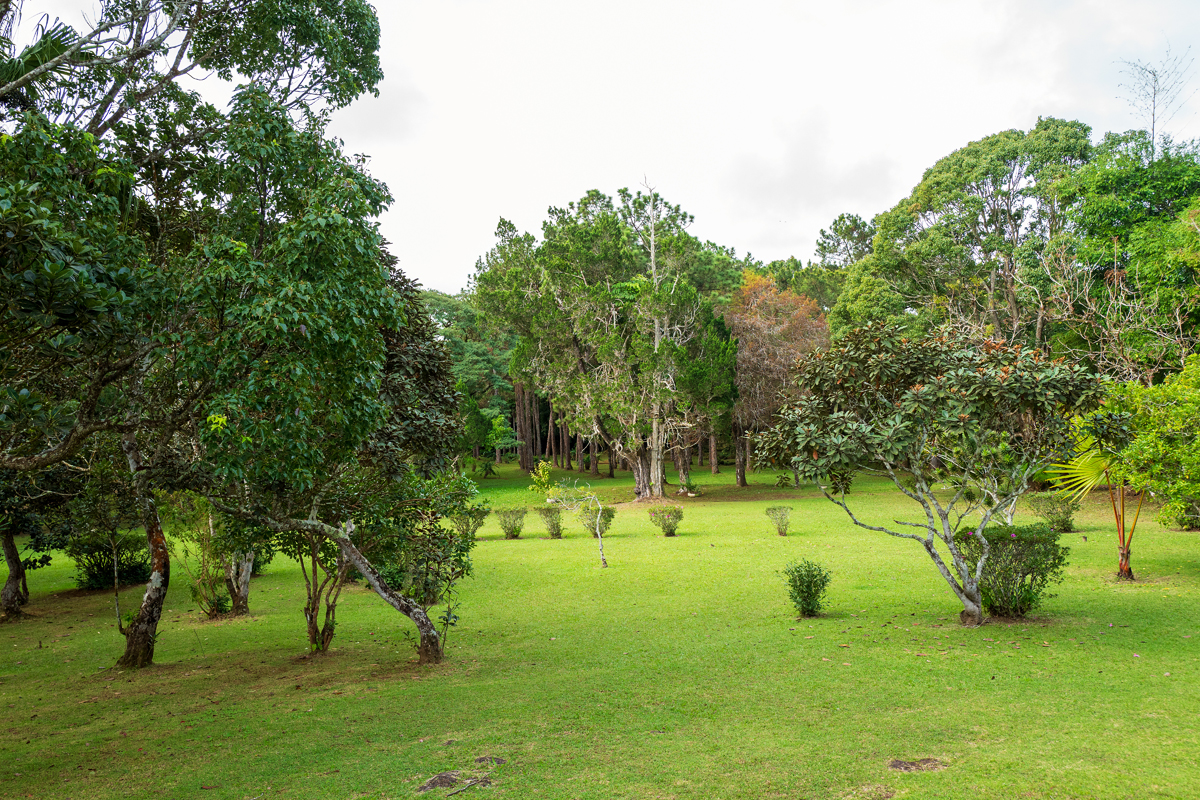
Curepipe sits on an extinct volcano called Trou aux Cerfs, the “deer hole”, which is said to be connected with still active La Fournaise at neighbouring La Réunion. Not far from the volcano viewpoint is the Sir Seewoosagur Ramgoolam Botanical Garden of Curepipe, which is, despite its name, really worth a visit, not only because of its tasteful layout, but also for a very special story Douglas Adams (“The Hitchhiker´s Guide To The Galaxy”) is telling in his fantastic book “Last Chance To See” with only three sentences. It´s the story of hyophorbe amaricaulis, a palm tree so rare that it only has the scientific Latin name. It had been discovered when the garden had been laid out, and it was supposed to be cut down originally! The sign reads that this palm tree is the only known specimen on the island. The Botanical Garden had been created in 1870, and Douglas Adams´ book is from 1990. They are collecting the seeds, they cloned, they try everything, but nothing works. This is the last of its kind, and it is detained in its personal camp with barbed wire to keep people from cutting it to death – as a lucky charm or a would-be miracle cure. What a long and sad goodbye.
Curepipe sitzt auf dem erloschenen Vulkan Trou aux Cerfs, dem „Hirschloch“, der mit dem noch aktiven Vulkan La Fournaise auf dem benachbarten La Réunion verbunden sein soll. Nicht weit vom zugehörigen Aussichtspunkt liegt der Sir Seewoosagur Ramgoolam Botanical Garden of Curepipe, der trotz des Namens einen Besuch wert ist, nicht bloß wegen seines geschmackvollen Designs, sondern vor allem wegen einer Geschichte, die Douglas Adams („Per Anhalter durch die Galaxis”) in seinem fantastischen Buch „Die Letzten ihrer Art“ in nur drei Sätzen erzählt. Es ist die Geschichte von hyophorbe amaricaulis, einer Palme, die so selten ist, dass sie nur ihren wissenschaftlichen lateinischen Namen hat. Den Baum hatte man entdeckt, als der Garten angelegt worden war. Eigentlich hatte er gefällt werden sollen. Auf dem Schild steht, dass diese spezielle Palme das einzige Exemplar auf der Insel ist. Der Botanische Garten ist 1870 angelegt worden, Douglas Adams Buch ist 1990 erschienen. Sie sammeln die Samen, sie klonen, sie versuchen alles, aber nichts funktioniert. Das ist und bleibt die Letzte ihrer Art, und sie ist interniert in ihrem persönlich Camp mit Stacheldraht, um die Menschen abzuhalten, sich bis zum Ende des Baumes kleine Stücke abzuschneiden – als Talisman oder angebliches Wundermittel. Was für ein langer, trauriger Abschied.
 docugrAfrica